Tag: news

  • The Fox-Trump Divorce – How the 2022 Midterms Fractured a Media Empire

    The Fox-Trump Divorce – How the 2022 Midterms Fractured a Media Empire

    Following the disappointing Republican performance in the November 2022 midterm elections, Fox News and the broader Murdoch media empire initiated a coordinated distancing from Donald Trump, blaming the former president for candidate losses in key battleground states. This marked the beginning of what media analysts dubbed the ‘Fox-Trump divorce,’ a strategic pivot designed to elevate alternative conservative figures like Florida Governor Ron DeSantis while phasing Trump out of primetime coverage. The structural shift revealed the fragile mechanics of conservative media, exposing a deep rift between the network’s corporate leadership and its fiercely loyal audience.

    For six years, the relationship had been symbiotic. Donald Trump provided unparalleled ratings. Fox News provided unparalleled reach. The arrangement transformed American political communication. It bypassed traditional press briefings. It turned evening opinion shows into direct lines to the Oval Office. But by late 2022, the calculus changed. The network looked at the electoral scoreboard. The corporate board looked at mounting legal liabilities. The decision was made at the highest levels of News Corp and Fox Corporation.

    The divorce was never officially announced. It was executed in print, in programming choices, and in prime-time silences.

    The Night the Wave Broke

    November 8, 2022, was supposed to be a reckoning. Polling aggregates predicted a massive Republican sweep. Historical trends favored the party out of power. Inflation was high. Presidential approval ratings were low. The environment was primed for a historic realignment.

    The results delivered a shock to the conservative ecosystem. The red wave never materialized. Instead, the Republican party barely secured a slim majority in the House of Representatives and failed to capture the Senate. The losses were not randomly distributed. They were concentrated among a specific type of candidate.

    Donald Trump had spent the primary season playing kingmaker. He endorsed candidates based largely on their loyalty to his political brand and their willingness to challenge the results of the 2020 election. In the general election, these candidates faltered. In Pennsylvania, celebrity physician Dr. Mehmet Oz lost a highly winnable Senate seat to John Fetterman. In Georgia, former football star Herschel Walker underperformed the state’s Republican governor and ultimately lost to Senator Raphael Warnock. In Arizona, venture capitalist Blake Masters lost to Senator Mark Kelly, while former television anchor Kari Lake lost the gubernatorial race to Katie Hobbs. In Nevada, Adam Laxalt fell short against Senator Catherine Cortez Masto.

    The pattern was undeniable. In competitive battleground states, Trump-endorsed candidates repelled independent and moderate voters. They ran behind generic Republican benchmarks. They cost the party control of the upper chamber.

    Inside the Fox News headquarters at 1211 Avenue of the Americas in Manhattan, the narrative shifted overnight. The post-election coverage quickly moved away from allegations of voting irregularities. The focus turned entirely to candidate quality. The implication was clear. The kingmaker had chosen poorly.

    The Murdoch Empire Pivots

    Rupert Murdoch does not operate through subtle hints. When the 91-year-old media mogul decides to change direction, the entire fleet turns at once. The morning after the midterm elections, the shift was visible across every property in the Murdoch portfolio.

    The print properties struck first. They provided the intellectual cover for the broadcast network to follow.

    Trumpty Dumpty and the Editorial Board

    On November 9, 2022, the New York Post, historically Trump’s favorite hometown tabloid, published a cover featuring Florida Governor Ron DeSantis. The headline read: “DeFUTURE.” DeSantis had just won reelection in Florida by a staggering 19 points, flipping historically Democratic counties like Miami-Dade. He represented the competent, disciplined version of populist conservatism that the Murdoch family preferred.

    The next day, the New York Post went further. The November 10 cover featured a caricature of Donald Trump sitting on a brick wall. The headline read: “Trumpty Dumpty.” The subheadline was brutal: “Don (who couldn’t build a wall) had a great fall, can all the GOP’s men put the party back together again?”

    The Wall Street Journal editorial board, the intellectual anchor of the Murdoch empire, delivered a more formal indictment. They published a scathing editorial titled “Trump Is the Republican Party’s Biggest Loser.” The piece methodically detailed how Trump’s interventions had cost the party winnable races in 2018, 2020, 2021, and now 2022. The editorial board declared that Trump had a “perfect record of electoral defeat” since his initial victory in 2016.

    This was not a rogue editor speaking out of turn. This was a coordinated corporate directive. The Murdoch family was signaling to donors, operatives, and voters that it was time to move on.

    The Broadcast Strategy: Starving the Oxygen

    While the newspapers launched direct attacks, Fox News employed a different tactic. They used the power of omission. For a television personality who thrives on attention, being ignored is the ultimate punishment.

    In the weeks following the midterms, Trump’s presence on Fox News plummeted. When he announced his 2024 presidential campaign from his Mar-a-Lago estate on November 15, 2022, Fox News did not carry the full speech live. They cut away. Sean Hannity, historically one of Trump’s most reliable allies, offered tepid praise but quickly pivoted to panel discussions. Other hosts openly questioned the timing of the announcement.

    Instead, the network flooded the zone with Ron DeSantis. Fox News cameras covered DeSantis’s press conferences. Fox News hosts praised his legislative victories in Florida. The network essentially functioned as an exploratory committee for the Florida governor’s unannounced presidential bid. The strategy was clear: build up a viable alternative before Trump could clear the primary field.

    For months, Trump was subjected to a soft ban. He was rarely interviewed on the network. His rallies were no longer broadcast in their entirety. When his name was mentioned, it was often accompanied by polling data showing him losing hypothetical matchups to Joe Biden or trailing DeSantis in early primary states.

    The Dominion Lawsuit Shadow

    The political divorce was happening publicly. A legal disaster was unfolding privately. The timeline of the Fox-Trump split cannot be understood without the looming shadow of the Dominion Voting Systems defamation lawsuit.

    Dominion sued Fox News for $1.6 billion, alleging the network knowingly broadcast false claims about their voting machines following the 2020 election. As the case moved through discovery in late 2022 and early 2023, devastating internal communications were made public.

    The text messages and emails revealed a massive chasm between what Fox News executives and hosts said on the air and what they believed in private. The internal communications showed a network leadership terrified of losing its audience to right-wing competitors like Newsmax and One America News Network (OAN). They showed hosts openly mocking the election fraud claims pushed by Trump’s legal team.

    Most damaging to the Fox-Trump relationship were the private texts from Tucker Carlson, the network’s highest-rated host. On January 4, 2021, Carlson texted a colleague about Trump: “We are very, very close to being able to ignore Trump most nights. I truly can’t wait.” He added, “I hate him passionately.”

    Rupert Murdoch’s own deposition was equally revealing. Under oath, Murdoch admitted that several Fox News hosts had endorsed false claims about the election. He expressed regret that he had not intervened more forcefully to stop the broadcasts.

    On April 18, 2023, just moments before opening arguments were scheduled to begin, Fox News settled the lawsuit for an astonishing $787.5 million. It was the largest publicly known defamation settlement in US history involving a media company. The financial hit was massive. The reputational damage was permanent. The lawsuit solidified the corporate desire to distance the network from Trump’s chaotic orbit.

    The Ratings Reality Check

    Media empires run on a simple metric. Viewership dictates advertising revenue. Advertising revenue dictates survival. The Murdoch plan to pivot away from Trump ran into a massive, immovable obstacle: the Fox News audience.

    Conservative viewers noticed the shift. They recognized the soft ban. They saw the relentless promotion of Ron DeSantis. And they rebelled.

    Throughout early 2023, Trump aggressively attacked Fox News on his Truth Social platform. He accused the network of pushing a “globalist” agenda. He urged his followers to change the channel. The audience listened. Ratings for key primetime shows began to soften. Competitors like Newsmax saw temporary spikes in viewership whenever Trump directed his ire at Fox.

    The situation escalated on April 24, 2023, when Fox News abruptly fired Tucker Carlson. The exact reasons for his termination remain heavily debated, involving the Dominion fallout, a separate hostile work environment lawsuit, and insubordination toward network executives. But to the audience, the firing of the network’s most prominent populist voice was seen as another betrayal. Fox News lost roughly half of its 8:00 PM audience in the weeks following Carlson’s departure.

    The network found itself trapped in a media paradox. They wanted to move past Donald Trump to protect their corporate liability and win general elections. But they could not survive without the viewers who demanded Donald Trump.

    A Marriage of Convenience, Not Conviction

    By the summer of 2023, the divorce proceedings were quietly halted. The Ron DeSantis campaign, despite the heavy initial investment from conservative media, struggled to gain traction. DeSantis proved to be a stiff retail politician. His poll numbers dropped. Meanwhile, a series of historic criminal indictments against Trump had an unexpected effect. Instead of sinking his campaign, the indictments rallied the Republican base around him.

    Trump’s lead in the primary polls expanded from single digits to overwhelming majorities. He became the inevitable nominee. Fox News had to face reality. You cannot run a conservative news network while ignoring the undisputed leader of the conservative movement.

    The soft ban was lifted. Trump returned to the network for town halls and interviews. Sean Hannity resumed his role as a friendly sounding board. The critical editorials in the Wall Street Journal continued, but the broadcast network surrendered to the ratings demand.

    The relationship, however, was fundamentally altered. The blind loyalty of 2016 was gone. The trust was broken. Fox News executives knew Trump would attack them the moment they offered mild criticism. Trump knew Fox News executives would discard him the moment it became financially advantageous. It was no longer a partnership based on shared ideology. It was a cold, calculated transaction.

    The 2022 midterms exposed the machinery behind the curtain. It showed how a media empire attempts to manufacture consent, and how a populist base can reject that manufacturing. The network tried to break the bond. The audience forced them back together.

    Executives calculated. Hosts pivoted. Viewers rebelled.

    Symbiosis.

  • Bunnie Xo Shuts Down Chad Kroeger Dating Rumors – “Not Going To Ever Be In Another Relationship”

    Bunnie Xo Shuts Down Chad Kroeger Dating Rumors – “Not Going To Ever Be In Another Relationship”

    Bunnie Xo, the host of the ‘Dumb Blonde’ podcast and wife of Grammy-nominated artist Jelly Roll, unequivocally shut down recent rumors linking her romantically to Nickelback’s lead singer, Chad Kroeger, on June 18, 2026. Her statement, “Not going to ever be in another relationship,” directly addressed the online speculation, reaffirming her marital commitment and dispelling any notion of a new romance.

    The denial came as a direct response to a surge of online discussions and posts that had begun to circulate widely across various social media platforms. These rumors had gained momentum, leading to public confusion regarding Xo’s personal life.

    The Genesis of the Rumors

    Speculation regarding Bunnie Xo and Chad Kroeger began subtly. Initial mentions appeared on niche celebrity gossip forums in late May 2026. These early discussions were largely unverified and based on conjecture.

    By early June 2026, the rumors had transitioned to more mainstream social media platforms. Platforms like X (formerly Twitter) and TikTok saw an increase in posts featuring side-by-side images of Xo and Kroeger, often accompanied by suggestive captions or questions about their potential connection.

    The exact origin point of the rumor remains unclear. Often, such celebrity gossip stems from a single misinterpretation of an interaction, a shared public appearance, or even a deliberate fabrication that gains traction. In this case, no concrete public interaction between Xo and Kroeger had been widely reported prior to the rumors.

    Social Media Amplification

    The nature of social media platforms played a significant role in the rapid spread of the unconfirmed reports. Algorithms often prioritize engagement, meaning posts, even those based on speculation, can reach a large audience quickly if they generate comments, shares, and likes.

    Fan accounts and entertainment news aggregators contributed to the virality. These accounts often repost content without stringent fact-checking, further blurring the line between fact and fiction for many followers.

    The sheer volume of mentions created a perception of widespread belief, even if the underlying claims lacked substantiation. This phenomenon is common in the digital age, where information, accurate or not, travels at an unprecedented pace.

    Bunnie Xo’s Direct Response

    On June 18, 2026, Bunnie Xo utilized her public platform to directly address the proliferating rumors. Her statement was concise and left no room for ambiguity. She chose a direct approach, opting to confront the misinformation head-on.

    The specific phrasing, “Not going to ever be in another relationship,” served multiple purposes. It not only denied the current rumors but also conveyed a strong, long-term commitment to her existing marriage.

    This type of public clarification is often necessary for public figures. Unchecked rumors can impact personal relationships, professional opportunities, and public perception. Xo’s decision to speak out aimed to mitigate these potential negative effects.

    Impact on Her Audience

    Bunnie Xo maintains a substantial and dedicated following across her various platforms, including YouTube, Instagram, and her ‘Dumb Blonde’ podcast. Her audience often values her transparency and candidness.

    Her direct denial provided clarity for her fans. Many followers expressed relief and support in the comments sections of her posts, appreciating her willingness to address personal matters publicly.

    The incident also highlighted the ongoing challenge public figures face in managing their narratives in the age of instant information. The expectation for celebrities to address rumors quickly has become a common aspect of modern fame.

    Jelly Roll and Bunnie Xo: A Public Relationship

    Bunnie Xo is famously married to country-rock sensation Jelly Roll, whose real name is Jason DeFord. The couple has been married since 2016. Their relationship is often characterized by its openness and their mutual support for each other’s careers.

    Jelly Roll has achieved significant commercial success in recent years. His album ‘Whitsitt Chapel’ was released in 2023, featuring hit singles like “Need a Favor” and “Save Me.” He earned multiple Grammy Award nominations in 2024, including Best New Artist.

    The couple frequently appears together in public, on social media, and in Xo’s podcast. Their relationship is a visible component of their public personas, making any rumors of infidelity or separation particularly impactful.

    A Decade of Partnership

    Their marriage, now entering its tenth year in 2026, has been documented extensively by both Xo and Jelly Roll. They have shared details of their life together, including challenges and triumphs, with their respective audiences.

    This established history likely contributed to Xo’s swift and firm denial. The strength and public nature of her marriage to Jelly Roll contrast sharply with the speculative nature of the Kroeger rumors.

    Their enduring partnership is a cornerstone of their public identities. This makes the dismissal of rumors concerning other romantic entanglements a necessary act of public reaffirmation.

    Chad Kroeger’s Public Profile

    Chad Kroeger is best known as the lead vocalist and guitarist for the Canadian rock band Nickelback. The band gained massive international success in the early 2000s with hits like “How You Remind Me” and “Photograph.”

    Nickelback has sold over 50 million albums worldwide, making them one of Canada’s best-selling musical acts. Kroeger is also a prolific songwriter and producer, contributing to the success of other artists.

    Kroeger’s personal life has also been subject to public interest, notably his marriage to fellow singer Avril Lavigne from 2013 to 2015. Since their divorce, Kroeger has maintained a relatively private personal life, though he remains a prominent figure in the music industry.

    Nickelback’s Enduring Legacy

    Despite periods of critical backlash, Nickelback has maintained a loyal fanbase and continues to tour and release new music. Their most recent studio album, ‘Get Rollin”, was released in 2022.

    Kroeger’s continued presence in the public eye means he remains a subject of celebrity news and speculation. His association with Bunnie Xo, even if purely speculative, generated attention due to the high profiles of both individuals.

    The intersection of country-rock and mainstream rock music figures, as represented by Jelly Roll and Kroeger, can also create unexpected links in the public imagination, sometimes fueling unfounded rumors.

    The Broader Landscape of Celebrity Rumors

    The incident involving Bunnie Xo and Chad Kroeger is not isolated. Celebrity culture is frequently characterized by the rapid spread of unverified information.

    Social media has amplified this trend. What once might have been confined to tabloid magazines now circulates instantaneously across global digital networks. The ease of sharing and the lack of editorial oversight contribute to this phenomenon.

    Public figures often face a dilemma: ignore rumors and risk them gaining credibility, or address them and potentially give them more attention. Bunnie Xo chose the latter, indicating the perceived necessity of a direct rebuttal.

    The Role of Fan Engagement

    Fan communities play a complex role in this ecosystem. While many fans are supportive and discerning, others may inadvertently contribute to the spread of misinformation through enthusiastic sharing or speculation.

    The desire for connection to celebrities can sometimes lead to an over-interpretation of public appearances or social media interactions. This can then be amplified into full-blown narratives, irrespective of factual basis.

    For public figures, managing their public image in this environment requires strategic communication and often, as demonstrated by Xo, direct engagement to correct inaccuracies.

    The Enduring Appeal of Celebrity Relationships

    Public interest in the romantic lives of celebrities remains high. This fascination often stems from a combination of escapism, aspirational viewing, and a sense of shared human experience.

    When rumors of new pairings or relationship troubles emerge, they often capture widespread attention. This is particularly true when the individuals involved are well-known and represent different facets of the entertainment industry, as with Xo and Kroeger.

    The narrative surrounding celebrity relationships often becomes a form of collective storytelling. The public follows these stories, discusses them, and forms opinions, making clarity from the celebrities themselves crucial.

    Moving Forward

    Bunnie Xo’s definitive statement on June 18, 2026, effectively closed the chapter on the Chad Kroeger dating rumors. Her commitment to her marriage with Jelly Roll was reinforced.

    The incident underscores the challenges of maintaining privacy and controlling personal narratives in the digital age. It also highlights the responsibility public figures take on when addressing widespread speculation.

    Podcasters continued to discuss. Social media users continued to speculate. Entertainment outlets continued to report.

    Bunnie Xo.

  • The Cost of the False Scoop – Presenter Resigns After Fabricating Death of Jorge Messi

    The Cost of the False Scoop – Presenter Resigns After Fabricating Death of Jorge Messi

    In June 2026, a prominent television presenter abruptly resigned and issued a public apology after broadcasting a false report claiming that Jorge Horacio Messi, the father and long-time agent of international football star Lionel Messi, had died. The unverified broadcast triggered immediate global panic across sports media before being rapidly debunked by the Messi family’s representatives operating out of Miami, Florida. The incident resulted in the immediate termination of the broadcast anchor’s career at the network. The rush to be first superseded the obligation to be accurate. The consequences were absolute.

    The Breaking Point on Live Television

    Live television operates on a razor’s edge. The red light illuminates. The anchor speaks. The information becomes reality for millions of viewers in an instant. When the breaking news graphic flashed across the screen in June 2026, the anchor delivered the report with solemn gravity. Jorge Horacio Messi was reportedly dead. No secondary sources were cited. No official medical bulletins were referenced. The report relied entirely on an unverified whisper that had bypassed the network’s traditional editorial safeguards.

    The mechanics of the error reveal a systemic failure in modern broadcast journalism. In the race to beat global aggregators and rival networks, the standard protocol of dual-source verification was abandoned. The control room allowed the bulletin to air. The presenter read the prompter. Within seconds, the clip was isolated, clipped, and uploaded to X, TikTok, and Instagram. The algorithmic machinery of the internet took over. The localized broadcast transformed into a global digital wildfire.

    But the subject of the report was not a peripheral figure. Jorge Messi is a central pillar of the global sporting economy. Reporting his death without absolute certainty was not merely an editorial slip. It was an act of profound journalistic negligence that threatened to destabilize a massive commercial ecosystem. The pushback was inevitably swift. The pushback was merciless.

    Jorge Horacio Messi: The Billion-Dollar Patriarch

    To understand the gravity of the false report, one must understand the entity that is Jorge Messi. He is not simply the father of a famous athlete. He is the architect of the most lucrative sporting career in the history of global football.

    Born in January 1958 in Rosario, Santa Fe, Argentina, Jorge managed a section of the Acindar steel factory. His life was defined by industrial labor and weekend football. When his third son, Lionel, demonstrated preternatural ability on the pitch but suffered from a growth hormone deficiency, Jorge became a relentless advocate. The medical treatments cost roughly $1,000 a month. The Argentine economy was collapsing. Local clubs like Newell’s Old Boys could not, or would not, foot the bill.

    Jorge took his son across the Atlantic. On December 14, 2000, inside the Pompeia tennis club in Barcelona, Jorge sat across from FC Barcelona sporting director Carles Rexach. The resulting agreement, famously drafted on a paper napkin, changed the trajectory of modern sports. From that moment, Jorge Messi ceased to be just a father. He became the sole manager, agent, and fierce protector of the Messi brand.

    The Managerial Empire

    For over two decades, Jorge Messi has negotiated every major contract his son has signed. He does not employ massive sporting agencies. He operates a tight, family-run syndicate. His negotiations are legendary for their quiet ruthlessness and absolute loyalty to his son’s interests. Consider the milestones of his managerial tenure:

    • The Barcelona Era: Negotiating successive record-breaking contract renewals that eventually saw Lionel earning upwards of $160 million annually at the peak of his time at Camp Nou.
    • The Paris Saint-Germain Transfer: Orchestrating the complex, emotionally charged move to Paris in 2021 when Barcelona’s financial ruin made a contract renewal impossible.
    • The Inter Miami MLS Deal: Engineering the unprecedented 2023 move to Major League Soccer. Jorge negotiated a package that included not just a base salary, but revenue-sharing agreements with Apple TV and Adidas, fundamentally altering how athlete compensation is structured in North America.

    Reporting the death of a man who controls a billion-dollar commercial nexus requires more than a rumor. It requires irrefutable proof. The presenter possessed none.

    The Mechanics of a Digital Wildfire

    The false report lived unchallenged for roughly twenty-two minutes. In the ecosystem of 2026 digital media, twenty-two minutes is an eternity. The news hit the aggregate accounts. Fans of the Argentine national team, La Albiceleste, began posting tributes. Major European and South American sporting dailies began drafting obituaries. The financial markets tied to Inter Miami and associated sponsors experienced a brief, localized jitter.

    The speed of the spread highlights the terrifying efficiency of modern misinformation. The original broadcast acted as the spark. Social media algorithms, designed to amplify high-engagement emotional content, acted as the accelerant. The truth was still putting its boots on while the lie had circled the globe twice.

    Then the hammer fell. Representatives from the Messi camp in Miami issued a stark, unequivocal denial. Jorge Messi was alive. He was well. He was actively working. The denial was distributed directly to top-tier journalists and official channels, bypassing the network that originated the falsehood. The narrative snapped back with violent force. The mourning turned instantly to outrage.

    The Swift Hammer of Celebrity Accountability

    The audience of 2026 does not forgive easily. The era of the untouchable television pundit has passed. When the denial was confirmed, the public crosshairs locked onto the presenter and the network. The demand was not for a correction. The demand was for professional execution.

    Audiences today harbor a deep-seated desire for celebrity accountability. Public figures, including prominent journalists, wield massive influence. When that influence is weaponized by incompetence, the public expects a proportional penalty. The outrage over the Jorge Messi report was fueled by a sense of justice. The presenter had caused unnecessary trauma to a globally beloved family. An on-air retraction would not suffice. The audience demanded a resignation.

    The network executives understood the calculus. Defending the presenter would mean adopting the presenter’s liability. It would mean alienating the Messi family, a fatal move for any sports broadcasting entity. It would mean facing a boycott from viewers and a potential exodus of advertisers. The decision was made before the presenter even left the studio building.

    The Apology and the Exit

    Within hours of the broadcast, the presenter released a formal statement. There was no attempt to shift blame to an unnamed producer. There was no attempt to cite a malicious source. The statement was a complete capitulation to the facts.

    “In the pursuit of speed, I abandoned the fundamental duty of verification. I broadcast a report regarding Jorge Messi that was entirely false. I apologize unreservedly to the Messi family for the distress this caused. I also apologize to the viewers who trust this network. Effective immediately, I have tendered my resignation. Accountability must be absolute.”

    The resignation was accepted immediately by the network’s board of directors. The presenter’s social media accounts went dark. The network scrubbed the original broadcast from their digital archives. The swiftness of the exit was designed to cauterize the wound, to stop the bleeding of credibility.

    The Future of Sports Journalism

    The fallout from the Jorge Messi incident serves as a grim case study for sports journalism. The industry is trapped in a paradox. The economic model demands immediate breaking news. The ethical model demands rigorous verification. When the two collide, the resulting explosion destroys careers.

    Newsrooms across the globe watched the resignation with a collective shudder. Memos were circulated. Editorial protocols regarding high-profile deaths were quietly updated. The requirement for dual-source verification, preferably including an official family representative or medical authority, was reinforced. The cost of being wrong had been vividly demonstrated on the global stage.

    For the Messi family, the incident was a brief, jarring intrusion. They returned to their operations in Miami. The business of football continued. But for the broadcasting industry, the scar remains. The public memory is long. The trust deficit is wide. The audience watches, waits, and demands perfection. The margin for error is gone.

    The red light goes off. The studio empties. The career ends. Accountability.

  • Kelsey Grammer to Host ‘The Great American Journey’ on NBC – A New Chapter for the Emmy Winner

    Kelsey Grammer to Host ‘The Great American Journey’ on NBC – A New Chapter for the Emmy Winner

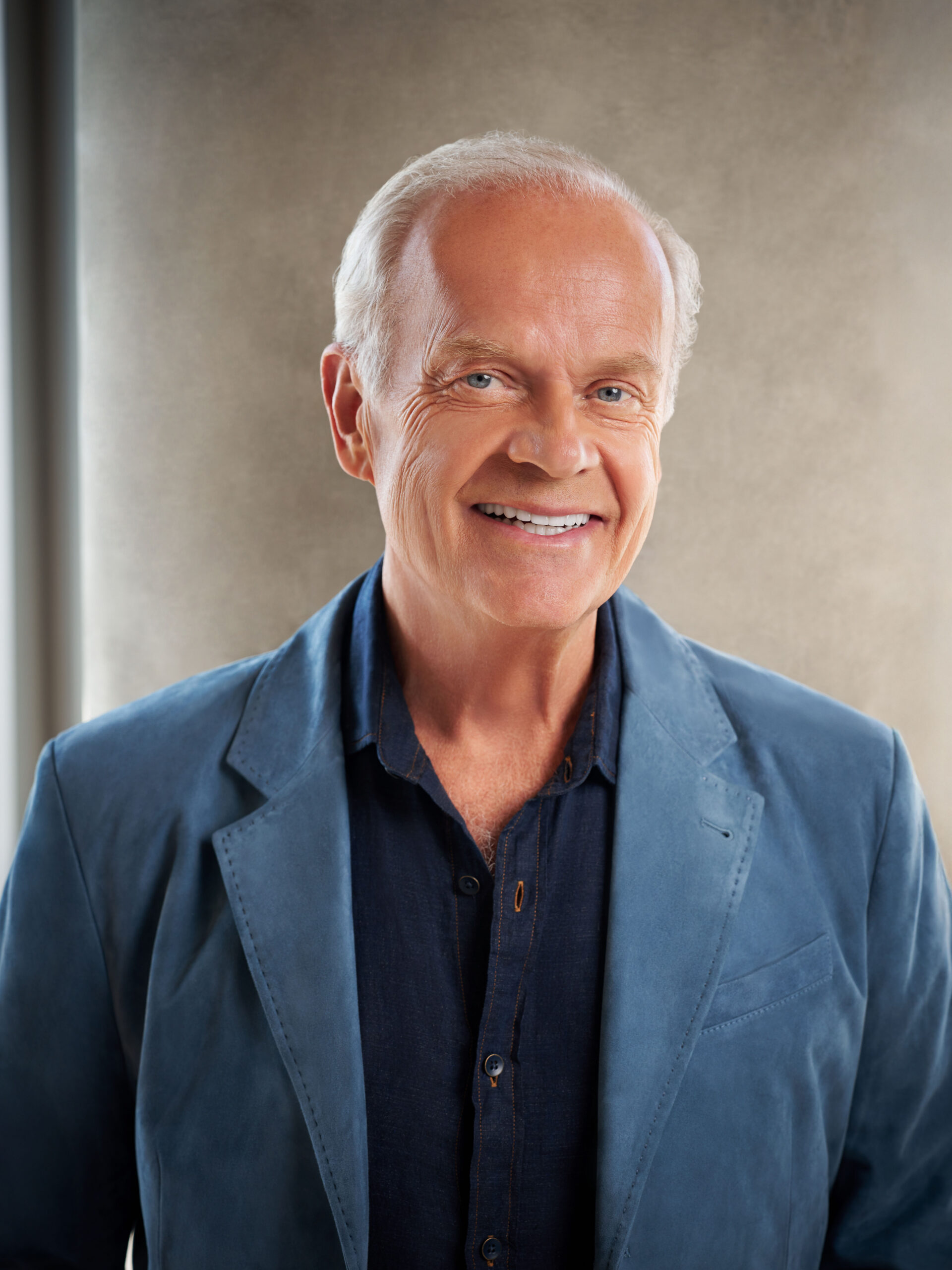
    Kelsey Grammer, the acclaimed actor known globally for his portrayal of Dr. Frasier Crane, will host ‘The Great American Journey,’ a new series set to air on NBC. This program, produced by Hearst Television, will embark on an exploration of American historical landmarks, cultural phenomena, and significant national stories.

    The announcement positions Grammer, a veteran of stage and screen, in a central role for a project focused on national heritage. His distinctive voice and commanding presence are expected to guide viewers through various narratives spanning the breadth of U.S. history. The series aims to deliver both educational value and compelling entertainment.

    What looks like a straightforward hosting gig actually represents a continuation of Grammer’s diverse career. His involvement brings a recognizable and respected figure to a program dedicated to exploring the intricacies of the American experience.

    Grammer’s Enduring Legacy: From ‘Cheers’ to ‘Frasier’

    Kelsey Grammer’s career is marked by iconic television roles that have garnered critical acclaim and widespread popularity. Born on February 21, 1955, in Saint Thomas, U.S. Virgin Islands, Grammer developed an early interest in acting. He attended the Juilliard School but left to pursue professional opportunities.

    His breakthrough came in 1984 with the role of Dr. Frasier Crane on the NBC sitcom ‘Cheers.’ What began as a recurring character quickly evolved into a central figure. Frasier Crane was a highly educated, somewhat pompous, but ultimately endearing psychiatrist.

    The character’s popularity led to a spin-off series, ‘Frasier,’ which premiered in 1993. This show, also on NBC, followed Dr. Crane’s return to his hometown of Seattle. There, he became a radio psychiatrist and navigated a complex relationship with his father and brother.

    ‘Frasier’ ran for 11 seasons, concluding in 2004. The series earned Grammer four Emmy Awards for Outstanding Lead Actor in a Comedy Series. This achievement tied him with Carroll O’Connor for the most Emmys won for playing the same character.

    Beyond ‘Frasier,’ Grammer has lent his voice to numerous animated characters, including Sideshow Bob on ‘The Simpsons.’ He has also appeared in films such as ‘Down Periscope’ (1996) and ‘X-Men: The Last Stand’ (2006), where he played Beast.

    Grammer’s stage career is equally distinguished. He has performed in various Broadway productions, earning a Tony Award nomination for his role in ‘La Cage aux Folles’ in 2010. His versatility across different mediums underscores his enduring appeal in the entertainment industry.

    ‘The Great American Journey’: A Hearst Television Production

    ‘The Great American Journey’ is a Hearst Television production. Hearst Television is a prominent American broadcasting company. It owns and operates 35 television stations and two radio stations across 27 media markets.

    The company is known for its local news and investigative journalism. It also produces syndicated programming. Its stations reach approximately 21% of U.S. households.

    The partnership with NBC for ‘The Great American Journey’ signifies a strategic move. It aims to bring high-quality, nationally relevant content to a broad audience. Hearst’s production capabilities will be central to the series’ visual and narrative quality.

    The series will leverage Hearst’s extensive network and resources. This includes potential access to local historical archives and community insights. Such resources can enrich the storytelling of ‘The Great American Journey.’

    What Will ‘The Great American Journey’ Explore?

    The series is designed to be an immersive exploration of American history and culture. It will likely feature visits to iconic landmarks. These could include national parks, historical battlefields, and significant urban centers.

    Beyond geographical locations, the show is expected to delve into specific historical events. It may examine the American Revolution, the Civil Rights Movement, or the westward expansion. The narratives will aim to illuminate the people and ideas that shaped the nation.

    Cultural elements will also be a focus. This might include regional traditions, music, art, and culinary heritage. The goal is to present a multifaceted view of American identity.

    Grammer’s role as host will involve guiding viewers through these explorations. His commentary and interviews with historians, experts, and local residents will provide context. The series intends to make history accessible and engaging for all demographics.

    “America’s story is one of constant evolution, marked by both triumphs and challenges. This series offers a chance to reflect on our shared past and understand its impact on our present.” – A representative from Hearst Television.

    The program’s format will likely blend documentary-style footage with Grammer’s on-location narratives. This approach seeks to create a personal connection between the host, the history, and the audience.

    The Appeal of Nostalgia and New Ventures

    Kelsey Grammer’s continued presence on television taps into a powerful sense of nostalgia for many viewers. His roles as Frasier Crane are deeply ingrained in popular culture. This familiarity provides a built-in audience for his new endeavors.

    For fans of ‘Cheers’ and ‘Frasier,’ seeing Grammer in a new, substantive role offers a comforting continuity. It also presents an opportunity to see a beloved actor explore new creative territory.

    ‘The Great American Journey’ represents a departure from his comedic and dramatic acting roles. As a host, Grammer will rely on his intellectual curiosity and ability to connect with an audience. These qualities were evident in his previous character portrayals.

    The show’s theme of American history aligns with a broader public interest in national identity and heritage. This confluence of a respected host and a resonant topic creates significant anticipation for the series.

    This venture also reflects a trend in television. Established actors are increasingly taking on hosting and documentary roles. This allows them to engage with different subject matters while maintaining a public profile.

    Grammer’s Political Engagements and Public Persona

    Kelsey Grammer has also been publicly vocal about his political views. A registered Republican, he has expressed conservative stances on various issues. This aspect of his public persona has occasionally generated discussion.

    His political engagements include supporting Republican candidates and causes. He has appeared at events and shared his opinions in interviews. This openness about his political leanings distinguishes him from some peers in Hollywood.

    Despite his political affiliations, Grammer’s professional reputation as an actor has largely transcended partisan divides. His performances are widely recognized for their quality, regardless of his personal beliefs.

    For ‘The Great American Journey,’ his role as host will likely emphasize a neutral, inquisitive approach to historical topics. The focus will remain on the narratives of the past, rather than contemporary political discourse.

    His ability to maintain a respected professional standing while holding strong personal convictions speaks to his broad appeal. It also highlights the distinction between an artist’s work and their private life.

    The Future of Historical Programming on Network Television

    ‘The Great American Journey’ joins a landscape of increasing interest in historical and educational programming. Streaming services and cable channels have seen success with similar content. NBC’s entry into this space with a prominent host signifies a network commitment.

    The series has the potential to attract viewers who seek both entertainment and knowledge. It can serve as a counterpoint to reality television and scripted dramas. It offers a different kind of engagement with the screen.

    The success of this program could pave the way for more historical and documentary series on major networks. It could demonstrate the viability of such content in prime-time slots.

    Hearst Television’s production quality, combined with Grammer’s hosting, positions the series for broad appeal. It aims to inspire curiosity and foster a deeper understanding of the United States’ complex past.

    The program represents an investment in educational content. It acknowledges that a significant segment of the audience values learning through television. This move could influence future programming decisions across the industry.

    A Journey Begins

    Anticipation builds for the premiere of ‘The Great American Journey.’ Viewers await the insights. Historians await the narratives. The nation awaits the reflection. Kelsey Grammer embarks.

    America.

    FAQ

  • Cher and Bob Geldof in Talks for Animated Film ‘FlySquad – First Strike!’

    Cher and Bob Geldof in Talks for Animated Film ‘FlySquad – First Strike!’

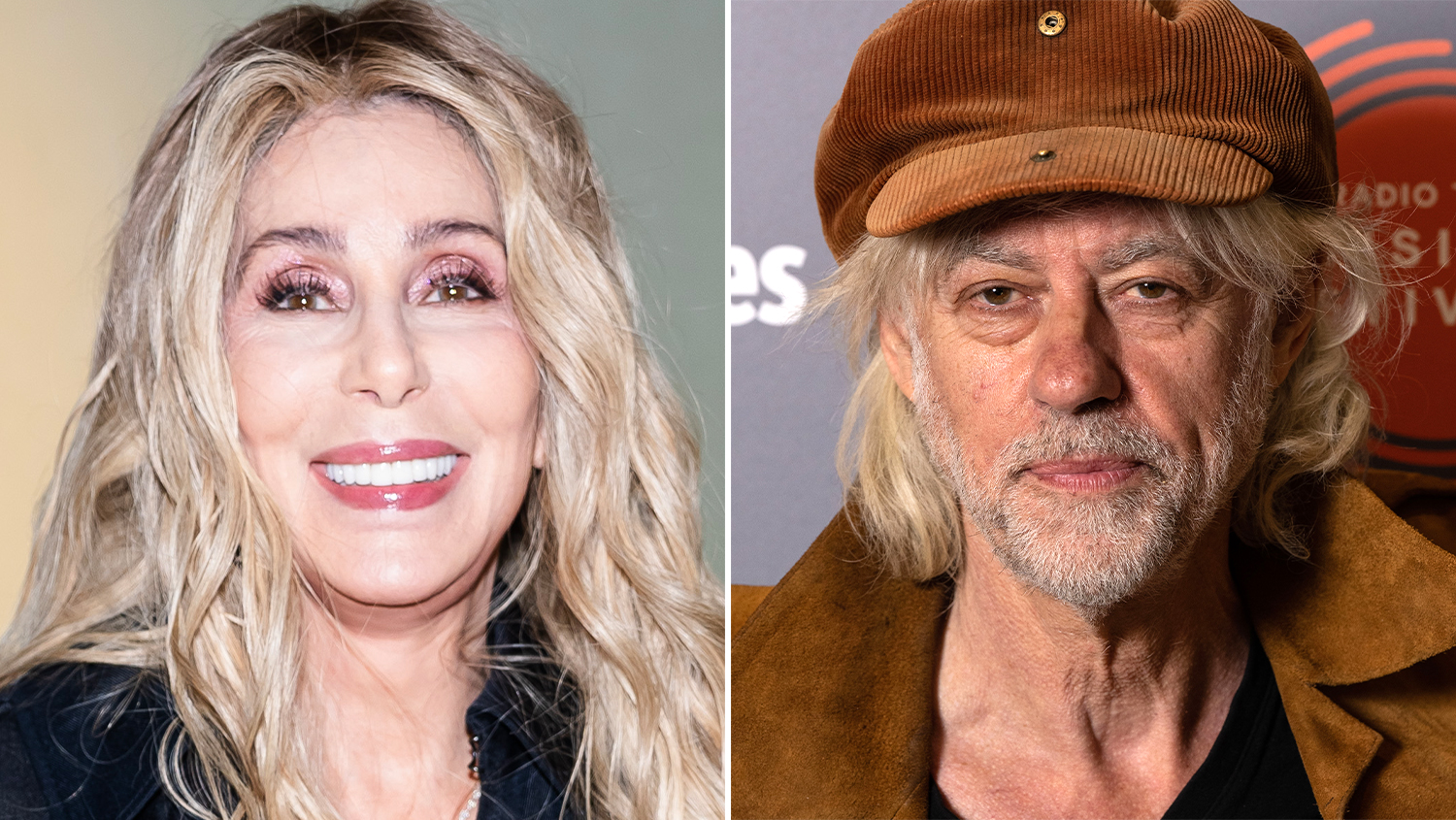
    Cher and Bob Geldof are currently in active negotiations to star in the upcoming animated feature film FlySquad – First Strike!. The development, first reported in June 2026, pairs the Goddess of Pop with the architect of Live Aid in a voice-acting capacity. If deals close, the project will unite two of the most recognizable vocal timbres in modern music history within a single animated universe.

    The announcement arrives without a designated release date or an attached animation studio. The plot remains classified. The character designs are locked in pre-production vaults. Yet, the mere attachment of these two names signals a specific type of Hollywood packaging. Studios do not pursue Cher and Bob Geldof for background texture. They pursue them for marquee gravity.

    What looks like a sudden casting quirk actually reflects a calculated shift in how the animation industry leverages legacy talent. The modern animated feature relies heavily on multi-generational appeal. Parents buy the tickets; children consume the merchandise. Casting figures who dominated the cultural conversation in the 1980s and 1990s secures the parental demographic immediately.

    The Economics of the Recognizable Voice

    Animation casting changed permanently in 1992. When Robin Williams voiced the Genie in Disney’s Aladdin, the industry realized that an A-list celebrity could drive box office returns just as effectively from a recording booth as they could on a live-action set. Aladdin grossed $504 million worldwide. The precedent was set.

    Today, the economics are even more refined. Voice acting requires a fraction of the time commitment of a live-action shoot. There are no 4:00 AM makeup calls. There are no grueling location shoots in adverse weather. Actors can record their lines in isolated studios in Los Angeles, London, or even from their own homes via high-fidelity ISDN lines.

    For legacy musicians, this presents an ideal scenario. They retain their artistic output without the physical toll of a global concert tour or a demanding film set. The compensation structure for high-profile voice work often includes significant backend participation. If FlySquad – First Strike! launches a franchise, the financial upside for its vocal stars is substantial.

    Cher and Geldof possess something studios cannot synthesize: vocal distinctiveness. Cher’s deep, resonant contralto has been a fixture on global radio since 1965. Geldof’s gritty, urgent Irish rasp defined the punk and new wave eras. In animation, where visual cues must be matched by immediate auditory recognition, these distinct sonic signatures are highly commodified assets.

    Cher’s Enduring Hollywood Footprint

    Cher does not need to act. Her status as a mononymous cultural pillar was cemented decades ago. Yet, her selective filmography reveals a highly strategic approach to Hollywood.

    She pivoted from television variety shows to serious cinema in the early 1980s. Her performance in Mike Nichols’ Silkwood (1983) earned her an Academy Award nomination for Best Supporting Actress. Four years later, on April 11, 1988, she won the Academy Award for Best Actress for her role as Loretta Castorini in Norman Jewison’s Moonstruck. That film grossed over $80 million against a $15 million budget.

    In the decades since, her screen appearances have been carefully curated events. She starred alongside Christina Aguilera in Burlesque (2010), a film that grossed $90 million globally and generated a highly successful soundtrack. In 2018, she appeared in Mamma Mia! Here We Go Again, stealing the third act and subsequently releasing an album of ABBA covers that charted worldwide.

    Voice acting is not entirely new territory for her. She provided the voice of Janet the Lioness in the 2011 comedy Zookeeper. However, a top-billed role in an action-oriented animated feature like FlySquad – First Strike! represents a different tier of engagement. It suggests a character built specifically around her persona. Cher brings an inherent theatricality to a recording booth. The animators will likely tailor her character’s micro-expressions to match her real-world cadence.

    The Geldof Equation: A Rare Cinematic Return

    Bob Geldof’s relationship with cinema is far more adversarial. The former frontman of the Boomtown Rats is globally recognized for his philanthropy, most notably organizing the Live Aid concerts on July 13, 1985, which raised an estimated $127 million for famine relief in Ethiopia.

    His acting resume is brief but legendary. In 1982, Geldof starred as Pink in Alan Parker’s film adaptation of Pink Floyd – The Wall. The performance was visceral, demanding, and largely dialogue-free, relying instead on Geldof’s intense physical presence and emotional volatility. The film became a cult classic, grossing $22 million in the United States and cementing Geldof’s image as a brooding, serious artist.

    Since The Wall, Geldof has largely avoided acting. He has focused on his music, his business ventures, including the television production company Planet 24, which he co-founded in 1992, and his ongoing activist work. He was granted an honorary knighthood by Queen Elizabeth II in 1986.

    His potential involvement in FlySquad – First Strike! is the anomaly of this announcement. Why would a famously uncompromising activist and musician choose a mainstream animated feature as his return to acting? The answer likely lies in the script. Geldof has historically leveraged media to amplify a message. If the narrative of FlySquad contains a satirical edge, an environmental message, or a subversive take on modern society, it aligns with his historical sensibilities.

    The Mechanics of Modern Voice Production

    If the deals close, the production of FlySquad – First Strike! will follow the rigorous protocols of modern animation. The voices are recorded first. This is a critical distinction from live-action dubbing.

    Cher and Geldof will stand in isolated booths. A director will guide them through the script, often asking for dozens of variations of a single line. They will provide “efforts”, the grunts, sighs, and exhalations required when an animated character jumps, falls, or fights. This audio is then handed over to the animation department.

    Animators spend months matching the digital or hand-drawn lip movements to the recorded audio tracks. They study video footage of the actors in the recording booth, integrating the actors’ natural facial tics and hand gestures into the animated characters. This process, known as reference animation, ensures that the final product feels organic rather than robotic.

    What the Title Implies: The Franchise Strategy

    The title FlySquad – First Strike! carries the unmistakable cadence of an intellectual property launch. The inclusion of a subtitle, ”First Strike!”, indicates that the studio envisions a sequel before the first frame is even rendered.

    In the current theatrical landscape, original animated properties face immense pressure. They must compete against established behemoths from Pixar, Illumination, and DreamWorks. To mitigate risk, independent or emerging animation studios rely on stunt casting. A poster featuring the names “Cher” and “Bob Geldof” guarantees immediate press coverage across entertainment, music, and mainstream news verticals.

    The word “FlySquad” suggests an ensemble piece, likely in the action-comedy genre. It evokes imagery of an elite team, possibly anthropomorphic animals or futuristic pilots. The contrast between Cher’s polished, commanding delivery and Geldof’s raw, cynical tone provides a natural comedic friction. This is the buddy-cop dynamic translated into vocal frequencies.

    The Broader Industry Trend

    This casting news does not exist in a vacuum. It is part of a wider movement of legacy musicians finding new avenues for expression and revenue in the streaming era.

    • Snoop Dogg has built a massive secondary career in voice acting and commercial endorsements.
    • Pharrell Williams recently saw his life story adapted into a feature-length animated film using LEGO bricks.
    • Elton John leveraged his catalog and persona into the highly successful fantasy-musical biopic Rocketman (2019).

    For artists of this caliber, the traditional album-and-tour cycle is no longer the sole metric of success. Cultural omnipresence is the new goal. An animated feature places their voices in front of millions of children who have never heard “If I Could Turn Back Time” or “I Don’t Like Mondays.” It is an exercise in legacy preservation.

    The negotiations are ongoing. The ink is not yet dry. Hollywood is littered with announced projects that never escape development hell. But the alignment of these two specific icons for this specific medium indicates a serious intent. The studios understand the value of the asset. The artists understand the leverage they hold.

    The contracts are drafted. The recording booths are prepped. The legacy artists review the scripts. FlySquad.

  • Sean Penn to Direct January 6th Film – Bradley Cooper Eyed for Lead Role

    Sean Penn to Direct January 6th Film – Bradley Cooper Eyed for Lead Role

    Sean Penn is reportedly slated to direct a new feature film focusing on a Capitol Police officer’s experience during the January 6th, 2021, events at the U.S. Capitol. This project, backed by Warner Bros., has garnered attention with Bradley Cooper in discussions for the starring role, marking a significant cinematic exploration of a pivotal moment in recent American history.

    The film aims to provide a personal narrative from the perspective of an officer on duty during the breach of the Capitol Building. Such a focus suggests an intimate look at the human element amidst political turmoil.

    The Director: Sean Penn’s Cinematic History

    Sean Penn brings a formidable resume to the director’s chair. His career spans decades, marked by both critical acclaim and a willingness to tackle challenging subjects.

    Penn has directed several notable films. These include The Indian Runner (1991), a crime drama exploring the lives of two brothers.

    He also directed The Crossing Guard (1995), starring Jack Nicholson and David Morse, a story of grief and revenge.

    His work on Into the Wild (2007) received widespread critical praise. This biographical drama recounted the true story of Christopher McCandless.

    Penn’s directorial style often emphasizes character-driven narratives and intense emotional depth. This approach suggests the January 6th project will likely delve into the psychological toll and personal stakes for the characters involved.

    The Potential Star: Bradley Cooper’s Range

    Bradley Cooper’s potential involvement as the lead actor adds considerable weight to the production. Cooper is known for his versatility and ability to embody complex characters.

    His acting credits include critically acclaimed performances in films such as Silver Linings Playbook (2012), which earned him an Academy Award nomination.

    Cooper also starred in and directed A Star Is Born (2018), receiving multiple Oscar nominations for his work.

    His dramatic range has been demonstrated across various genres. From intense thrillers like American Sniper (2014) to comedic roles, Cooper has proven his capacity for transformative performances.

    The role of a Capitol Police officer on January 6th would demand a nuanced portrayal of duty, fear, and resilience. Cooper’s previous work indicates he possesses the necessary gravitas for such a role.

    The Setting: January 6th, 2021

    The events of January 6th, 2021, involved a large crowd gathering in Washington, D.C. Supporters of then-President Donald Trump marched to the U.S. Capitol Building.

    The crowd breached security barriers. They entered the Capitol, disrupting the certification of the 2020 presidential election results.

    The incident led to evacuations of lawmakers and staff. It resulted in multiple deaths and numerous injuries.

    Law enforcement agencies, including the Capitol Police, faced overwhelming numbers. Officers engaged in direct confrontations with rioters.

    The events were widely documented. Footage from news organizations, personal phones, and body cameras captured the day’s progression. This visual record provides extensive source material for a cinematic adaptation.

    “The events of January 6th represent a profound moment in American history, challenging the foundations of democratic transition and the role of law enforcement.” – Historical Analyst, Dr. Eleanor Vance, May 2024.

    The aftermath saw extensive investigations. The House Select Committee investigated the attack. Hundreds of individuals were arrested and charged.

    Warner Bros.’ Involvement: Studio Backing

    Warner Bros.’ decision to back this film signifies a major studio commitment to a politically charged topic. Major studios often weigh commercial viability against critical reception and cultural impact.

    Warner Bros. has a history of producing films that engage with contemporary issues. Their catalog includes dramas that explore social and political themes.

    The studio’s involvement provides significant resources for production, distribution, and marketing. This backing suggests a wide release and considerable promotional efforts.

    A project of this nature, with a high-profile director and potential star, aligns with Warner Bros.’ strategy of attracting both critical attention and broad audiences.

    The Narrative Focus: A Capitol Police Officer’s Story

    The decision to center the narrative on a Capitol Police officer offers a specific lens. It moves beyond broader political commentary to focus on individual experience.

    Capitol Police officers were on the front lines of the attack. They faced direct threats and violence.

    Their stories often involve complex emotional and physical challenges. These include split-second decisions and long-term psychological impacts.

    Such a narrative choice allows for an exploration of duty, sacrifice, and the personal cost of public service. It humanizes the event through individual perspective.

    Previous films have explored similar themes. Movies about law enforcement in crisis often resonate with audiences by highlighting courage and vulnerability.

    Timeliness and Cultural Impact

    The film’s production comes at a time when the events of January 6th remain a subject of active discussion and political analysis. Public discourse continues to grapple with its causes and consequences.

    Hollywood’s engagement with such recent and sensitive topics can influence public understanding. Films can shape perceptions and foster empathy.

    The project will likely face scrutiny from various political perspectives. Its portrayal of events and characters will be subject to intense public and media debate.

    Past films dealing with historical events have often sparked conversations. They sometimes contribute to a collective memory or re-evaluation of history.

    This film is poised to be a significant cultural artifact. It will reflect and potentially influence contemporary discussions about democracy, protest, and law enforcement in the United States.

    Production Timeline and Release

    Specific details regarding the production timeline are still emerging. However, the involvement of key figures suggests pre-production is underway.

    Casting discussions, particularly with an actor of Bradley Cooper’s caliber, indicate a significant stage in development.

    Filming locations would likely include Washington, D.C., or sets meticulously designed to replicate the U.S. Capitol. Authenticity will be a key consideration.

    Post-production, including editing and visual effects, will follow principal photography. The goal will be to create a compelling and accurate depiction.

    A release date has not been announced. However, major studio productions often aim for prime awards season consideration or significant box office windows.

    The Intersection of Art and Politics

    This film project highlights the ongoing relationship between cinematic art and political events. Filmmakers often use their medium to comment on, interpret, or document history as it unfolds.

    Sean Penn himself has a history of political activism and engagement. His previous work and public statements reflect a deep interest in social justice and current affairs.

    The decision to make this film suggests a belief in the power of cinema to explore complex societal issues. It also indicates a desire to contribute to the ongoing dialogue about January 6th.

    The film’s reception will reveal much about the current cultural climate. It will test how audiences and critics engage with artistic interpretations of recent, divisive events.

    This production stands as a testament to Hollywood’s continued role. It serves as a mirror, reflecting national conversations and sometimes shaping them.

    Future Implications for Historical Dramas

    The success and impact of this film could set a precedent. It might influence future decisions by studios to greenlight projects based on very recent history.

    Filmmakers often wait for historical distance before tackling sensitive events. This project suggests a growing willingness to engage more immediately.

    The challenges of historical accuracy and narrative balance will be paramount. These factors often determine the long-term legacy of such films.

    The film’s approach to portraying the various factions and perspectives involved in January 6th will be closely watched. It will be a critical element of its overall message and impact.

    This production represents a bold move. It signals a new phase in how major cinematic institutions address America’s ongoing political narrative.

    The Weight of Expectation

    The expectations for this film are considerable. Audiences will bring their own perspectives and experiences of January 6th.

    Critics will evaluate its artistic merit and historical fidelity. Political commentators will analyze its message and implications.

    The cast and crew face the challenge of crafting a story that resonates. It must do so without alienating significant portions of the audience.

    This project is more than just a movie. It is a cultural event, a commentary, and a historical document in the making.

    It will be watched. It will be discussed. It will be remembered. Warner Bros. will release. Sean Penn will direct. Bradley Cooper will act. The story will unfold.

  • Michael J. Fox Returns to the Microphone – Voicing the Lead in Animated Feature ‘Dragoons’

    Michael J. Fox Returns to the Microphone – Voicing the Lead in Animated Feature ‘Dragoons’

    Michael J. Fox is returning to the entertainment industry to voice the lead character in the upcoming animated feature film, Dragoons. Four years after his official retirement from on-screen acting in 2020, the 64-year-old actor has signed on to anchor the voice cast of the new fantasy adventure. The project allows Fox to utilize his iconic vocal talents while navigating the physical realities of Parkinson’s disease. The announcement broke through an exclusive report in Variety. The entertainment landscape immediately reacted. Nostalgia drives modern box office returns. Fox remains a central pillar of late twentieth-century pop culture.

    His return to the microphone signals a strategic move by the studio. They want to capture both older audiences and younger viewers. Animation offers a forgiving environment for actors managing physical health challenges. The recording booth requires no blocking. There are no marks to hit. There are no grueling fourteen-hour days under hot studio lights. The microphone only demands the voice. For Fox, whose voice carries the emotional weight of decades of beloved cinema, the medium is a perfect fit.

    The Architecture of a Voice Acting Legacy

    This is not Fox’s first time in the recording booth. His voice acting resume is as formidable as his live-action career. In 1993, Fox voiced Chance, the energetic American Bulldog in Disney’s Homeward Bound: The Incredible Journey. The film became a massive commercial success. It grossed $41.8 million domestically and spawned a 1996 sequel, Homeward Bound II: Lost in San Francisco. Fox proved that his comedic timing translated perfectly without his physical presence.

    In 1999, he took on the titular role in Stuart Little. The adaptation of the E.B. White classic required a voice that was simultaneously vulnerable and courageous. Fox delivered. The film grossed $300.1 million worldwide. He returned for Stuart Little 2 in 2002 and Stuart Little 3: Call of the Wild in 2005. Between those projects, he voiced Milo Thatch in Disney’s 2001 animated sci-fi adventure Atlantis: The Lost Empire. Milo was a fast-talking, highly intelligent linguist. The character was practically tailor-made for the cadence Fox perfected on Family Ties and Spin City.

    What We Know About Dragoons

    The details surrounding Dragoons remain tightly guarded. Industry sources indicate the film centers on a group of older, retired dragons forced back into action to save a crumbling kingdom. Fox will voice the lead dragon, a character described as possessing immense wisdom but lacking his former physical agility. The thematic parallels to Fox’s own life are impossible to ignore. The casting is deliberate. The studio is leaning into the meta-narrative of a beloved hero returning for one more ride.

    Production is currently underway. Voice recording sessions have already begun in specialized studios designed to accommodate Fox’s schedule. Modern animation pipelines allow actors to record their dialogue over months rather than days. This flexibility is crucial. It ensures Fox can work on days when his symptoms are manageable and rest when they are not.

    Recording Around the Reality of Parkinson’s

    Fox was diagnosed with young-onset Parkinson’s disease in 1991 at the age of 29. He kept the diagnosis private for seven years. In 1998, he disclosed his condition to the public. In 2000, he stepped down from his starring role on the ABC sitcom Spin City. He continued to take guest roles on shows like The Good Wife, Curb Your Enthusiasm, and Rescue Me. He earned multiple Emmy nominations for these appearances. He integrated his physical tremors into his characters. He refused to hide the reality of his body.

    In 2020, Fox published his fourth memoir, No Time Like the Future: An Optimist Considers Mortality. In the book, he officially announced his retirement from acting. He cited declining cognitive abilities, specifically his struggle to memorize lines. Memorization is the lifeblood of a live-action actor. When that faculty fades, the work becomes nearly impossible. Voice acting circumvents this obstacle. In an ADR (Automated Dialogue Replacement) booth, actors read directly from a script on a music stand or a digital tablet. The pressure of memorization vanishes. The actor can focus entirely on performance, emotion, and timing.

    The Cultural Weight of a Familiar Voice

    The 2023 release of the Apple TV+ documentary Still: A Michael J. Fox Movie brought the actor’s daily struggles back into the global spotlight. Directed by Davis Guggenheim, the film was unflinching. It showed Fox falling. It showed his physical therapy. It showed his enduring sense of humor. The documentary won four Emmy Awards. It reminded the public of exactly who Michael J. Fox is. He is not just Marty McFly. He is not just Alex P. Keaton. He is a man who took a devastating diagnosis and turned it into a global crusade for a cure.

    When audiences hear Fox’s voice in a movie theater in 2026, they will hear all of that history. They will hear the teenager who traveled back to 1955. They will hear the mouse who drove a red convertible. They will hear the man who has raised billions for medical research. A voice is not just sound. It is a vessel for memory. Studios understand this. The casting of legacy actors in animated features is a growing trend, but few carry the emotional resonance of Michael J. Fox.

    The Michael J. Fox Foundation’s Ongoing Mission

    While Fox returns to the entertainment world, his primary legacy remains rooted in science. In 2000, he launched The Michael J. Fox Foundation for Parkinson’s Research. The organization disrupted the traditional medical funding model. They prioritized speed, efficiency, and direct funding to researchers. By 2023, the foundation had raised and funded over $2 billion in global research programs. They are the largest nonprofit funder of Parkinson’s drug development in the world.

    In April 2023, the foundation announced a massive breakthrough. Researchers funded by the organization discovered a biomarker that can detect Parkinson’s disease in living patients before severe symptoms appear. The discovery of the alpha-synuclein seed amplification assay (SAA) changed the landscape of neurological medicine. Fox’s return to acting does not diminish this work. It amplifies it. Every press junket for Dragoons will inevitably highlight the foundation’s progress.

    The Animation Industry Shifts Toward Legacy Casting

    The animation industry has evolved significantly since Fox recorded Stuart Little. In the late 1990s, casting A-list celebrities in animated films was a relatively new phenomenon, popularized heavily by Robin Williams in Aladdin (1992) and Tom Hanks in Toy Story (1995). Today, it is the industry standard. However, the strategy is shifting. Studios are no longer just looking for the hottest current star. They are looking for voices that evoke specific eras of cinema.

    • Nostalgia as a Marketing Tool: Parents who grew up watching 1980s cinema are now taking their children to the movies. A familiar voice bridges the generational gap.
    • Technological Advancements: High-fidelity remote recording setups allow older actors or those with health conditions to record from home studios without sacrificing audio quality.
    • Shorter Production Commitments: A lead voice role might only require thirty to forty hours of total recording time, spread across two years.

    These factors make projects like Dragoons highly appealing to veteran actors. It provides a creative outlet without the physical toll of a traditional film set.

    The Next Chapter

    Fox has often described himself as an incurable optimist. His return to acting is a testament to that mindset. He found a door that was still open. He walked through it. The entertainment industry is notoriously unforgiving to aging bodies and chronic illness. Fox has consistently rewritten the rules of engagement. He acted with Parkinson’s on live television. He wrote best-selling memoirs about his cognitive decline. Now, he is headlining a major animated feature.

    “With gratitude and optimism, I’m ready for whatever comes next.”, Michael J. Fox, No Time Like the Future.

    The production of Dragoons will continue quietly in sound booths and animation studios over the next year. The marketing campaign will eventually launch. The trailers will drop. The posters will hit theater lobbies. But the true impact of this film has already been cemented by a single casting announcement. It is proof of endurance. It is proof of adaptation. It is proof that a great performer always finds a way to reach the audience.

    The animators sketch the frames. The sound engineers adjust the levels. The audience waits for the lights to dim. The voice remains.

  • Fox Corp Acquires Roku in $22 Billion Deal

    Fox Corp Acquires Roku in $22 Billion Deal

    The streaming landscape has shifted overnight. Fox Corporation is buying Roku. The acquisition is valued at $22 billion. It merges a traditional media conglomerate with the dominant independent gatekeeper of the streaming era. For years, Roku operated as the neutral ground of streaming hardware. Now, it belongs to Fox.

    The Details of the $22 Billion Acquisition

    The deal broke across financial and entertainment outlets in June 2026. The $22 billion valuation reflects Roku’s massive footprint in the digital entertainment market. Roku does not merely manufacture streaming sticks. It controls the Roku OS, the proprietary operating system built directly into millions of smart televisions manufactured by brands like TCL and Hisense.

    This is a developing story. The exact financial architecture of the acquisition, including the specific ratio of cash to stock, is still emerging. Corporate leadership from both Fox Corp and Roku, including Roku founder Anthony Wood, are expected to release formal integration timelines shortly.

    Why Fox Targeted the Streaming Hardware Giant

    Fox already holds a dominant position in the free, ad-supported streaming television (FAST) sector. The company acquired Tubi in 2020 for $440 million. Roku operates The Roku Channel, a direct competitor in the FAST ecosystem. Merging Tubi and The Roku Channel creates an unprecedented advertising behemoth in the free streaming market.

    However, the hardware interface is the ultimate prize. Owning Roku means owning the digital living room. When a consumer turns on a Roku-enabled television, Fox will now control the home screen. They will control the search algorithms. They will control the premium ad inventory displayed before a user ever launches a competitor’s application like Netflix or Disney+.

    Market Reaction and Regulatory Hurdles

    The broader technology and media markets are rapidly adjusting to the news. Competitors in the streaming hardware space, specifically Amazon with its Fire TV ecosystem, Apple with Apple TV, and Google with Chromecast, now face a rival backed by a legacy media empire.

    Regulatory filings will clarify the exact terms of the buyout in the coming days. The Federal Trade Commission and the Department of Justice are expected to review the consolidation closely, given the massive share of the ad-supported streaming market the combined entity will control.

    The era of the independent streaming platform is ending. Hardware and content are officially merging. Fox made the offer. Roku took the deal. Consolidation.

  • Country Star Hospitalized After Stage Collapse – The Incident at Rock the South

    Country Star Hospitalized After Stage Collapse – The Incident at Rock the South

    Country music artist Jackson Hayes was hospitalized on Thursday, August 15, 2024, after a lighting truss collapsed during a soundcheck at York Farms in Cullman, Alabama. The structural failure left the 32-year-old singer with a fractured clavicle, three broken ribs, and a mild concussion. The incident forced Hayes to cancel his highly anticipated Friday night headline performance at the Rock the South festival.

    What began as a routine audio calibration ahead of a 40,000-person gathering quickly devolved into a medical emergency. Emergency medical technicians stabilized Hayes on the stage before transporting him to a local medical center. He was later transferred to a specialized trauma unit.

    The sudden cancellation sent shockwaves through the festival grounds. Organizers scrambled to fill a prime-time vacancy while fans awaited news of the singer’s condition. But the collapse of the temporary steel structure points to a broader, escalating issue within the live music industry regarding the safety of massive, rapid-build festival stages.

    The Soundcheck at York Farms

    The aluminum truss snapped at exactly 3:14 p.m. Central Time. Hayes and his six-piece backing band were midway through a rehearsal of their current radio single when the overhead rigging gave way.

    According to eyewitness accounts from the festival production crew, a 1,200-pound section of automated lighting equipment detached from the primary stage canopy. The rig plummeted fifteen feet to the stage deck. Sound engineers dove beneath the mixing console. Guitar technicians scattered toward the loading ramps.

    Hayes, positioned dead center at the microphone stand, did not have time to react. The edge of the falling truss struck his right shoulder and upper back, driving him into the stage floor.

    The music stopped immediately. The silence that followed was broken only by the shouts of the stage manager calling for medical personnel. Paramedics stationed at the festival grounds for early crowd arrivals breached the backstage perimeter within ninety seconds.

    Emergency Response and Medical Transfer

    Initial medical assessments took place on the wooden decking of the main stage. Paramedics applied a cervical collar and secured Hayes to a rigid backboard. He was conscious but reportedly in severe respiratory distress due to the impact on his ribcage.

    A Cullman Emergency Medical Services ambulance transported Hayes three miles down US Highway 278 to Cullman Regional Medical Center. Physicians in the emergency department ordered immediate imaging.

    X-rays and CT scans confirmed the extent of the blunt force trauma. Hayes had sustained a comminuted fracture of the right clavicle, meaning the bone had splintered into multiple pieces. He also suffered fractures to his fourth, fifth, and sixth ribs on the right side. A secondary scan revealed a mild concussion.

    “Given the mechanism of injury and the weight of the falling object, the patient is incredibly fortunate to have avoided catastrophic spinal trauma. The focus now is on stabilizing the chest wall and surgically repairing the clavicle.”

    Due to the complex nature of the collarbone fracture, orthopedic specialists recommended a transfer. At 8:30 p.m. on Thursday, a private medical transport moved Hayes fifty miles south to UAB Hospital in Birmingham. He underwent a two-hour surgical procedure on Friday morning to insert a titanium plate and six screws into his shoulder.

    The Festival Fallout

    Back in Cullman, festival organizers faced a logistical nightmare. Rock the South, originally founded in 2012 to raise funds following the devastating 2011 Super Outbreak tornadoes, had grown into one of the largest country music events in the Southeast. Hayes was the anchor for Friday night.

    At 9:00 p.m. on Thursday, the festival released a statement via social media confirming the incident. They announced Hayes’s withdrawal from the lineup. The production team immediately cordoned off the main stage.

    Structural engineers from the staging company, alongside local fire marshals, spent the night inspecting the remaining rigging. They determined a localized failure in a coupling mechanism caused the drop. The rest of the stage was deemed structurally sound by 6:00 a.m. Friday.

    Organizers worked the phones through the night. By Friday afternoon, they secured Alabama native Riley Green to step into the vacant headline slot. Green, who was scheduled for a radio tour in Nashville, chartered a flight to Cullman to close out the second night of the festival.

    The Financial Ripple Effect

    The physical toll on Hayes triggered an immediate financial chain reaction. The singer was three weeks into his highly successful “Steel & Dust” national tour. The injury brought the entire operation to a halt.

    On Saturday morning, Red Light Management released an official dispatch. They suspended the remaining 14 dates of the tour, which stretched from late August through the end of October. Markets affected included major amphitheaters in Atlanta, Charlotte, and Dallas.

    The suspension initiated an estimated $1.2 million in immediate ticket refunds. Ticketing giant Ticketmaster began processing automated returns to credit cards by Monday morning.

    The financial burden now shifts to insurance providers. Standard touring insurance policies cover “non-appearance” due to sudden illness or injury. These policies typically compensate the artist for lost guarantees and cover the sunk costs of the touring apparatus, including leased buses, crew salaries, and equipment rentals.

    However, the liability for the injury itself presents a separate legal battleground. Attorneys for Hayes will likely scrutinize the staging vendor, the festival production company, and the equipment manufacturers. Subrogation claims to recover medical costs and lost future earnings are standard procedure in the aftermath of stage rigging failures.

    A History of Festival Hazards

    The incident in Cullman is not an isolated anomaly. The rapid proliferation of massive, multi-day outdoor music festivals has pushed temporary staging technology to its limits. These structures are built in days, exposed to the elements, and dismantled in hours.

    The industry carries deep scars from previous catastrophic failures.

    • August 2011: A violent windstorm caused the main stage roof to collapse at the Indiana State Fair just before country duo Sugarland was scheduled to perform. Seven people died and nearly a hundred were injured.
    • June 2012: A stage collapse ahead of a Radiohead concert at Downsview Park in Toronto killed drum technician Scott Johnson and injured three others.
    • August 2013: High winds toppled the rigging at the Pukkelpop festival in Belgium, resulting in five fatalities.

    While the Rock the South incident did not involve severe weather, it underscores the inherent dangers of suspending tons of lighting, audio, and video equipment above human beings using temporary mechanical fasteners. The Occupational Safety and Health Administration (OSHA) dispatched inspectors to the Cullman site on Friday morning. Their investigation into the root cause of the coupling failure is expected to take up to six months.

    The Long Road Back

    Hayes remains in UAB Hospital as of Monday morning. His management team stated he is resting comfortably and breathing easier, though the pain management for three broken ribs remains a primary medical focus.

    Recovery for a surgically repaired clavicle typically requires six to eight weeks of immobilization, followed by intensive physical therapy. The timeline for his return to the stage remains entirely uncertain. Vocalists rely heavily on core strength and diaphragmatic expansion to project sound, a mechanical process severely hindered by rib fractures.

    The country music community rallied around the injured star. Fellow artists, including Luke Combs, Lainey Wilson, and Cody Johnson, posted public messages of support. Fans organized a digital fundraiser for the festival’s affiliated local charities in Hayes’s name.

    But the focus of the industry will inevitably shift from sympathy to scrutiny. Production managers across the country are double-checking load capacities. Staging companies are reviewing their safety protocols. The margin for error in live entertainment remains unforgiving.

    Inspectors filed their reports. Attorneys drafted their notices. The music moved on.

    Silence.

  • Cheri Oteri’s Silent Battle, How the SNL Alum Navigated Breast Cancer Surgery with White House Support

    Cheri Oteri’s Silent Battle, How the SNL Alum Navigated Breast Cancer Surgery with White House Support

    Cheri Oteri kept the diagnosis quiet. The Saturday Night Live veteran, known for her manic, high-energy characters, faced a private reality far removed from the lights of Studio 8H. In June 2026, Oteri revealed she had undergone surgery for breast cancer removal. The disclosure came with an unexpected detail. First Lady Jill Biden had privately supported the comedian through the ordeal. Oteri described herself as blown away by the gesture. This is not just a story about a celebrity illness. It is a story about the intersection of public comedy, private trauma, and the highest levels of political health advocacy.

    The Diagnosis Behind the Laughter

    Oteri stepped onto the stage at NBC in 1995. She brought an undeniable, frenetic energy to late-night television. Alongside cast members like Will Ferrell, Molly Shannon, and Darrell Hammond, she defined a specific era of American comedy. Characters like Arianna the Spartan Cheerleader and Collette Reardon became cultural touchstones. She existed in the American living room as a vessel for pure, unadulterated performance. Audiences did not associate her with mortality. Comedians of her era seemed immune to the fragile realities of the human body. They were caricatures. They were invincible.

    Then came the diagnosis.

    Breast cancer does not care about television ratings. It does not care about comedic timing or legacy. The American Cancer Society estimates that hundreds of thousands of new cases of invasive breast cancer are diagnosed in women in the United States each year. Oteri became a statistic. She faced the labyrinth of modern oncology. She navigated the endless biopsies. She endured the scans. She reviewed the treatment plans. Ultimately, she faced the inevitable conversation about surgical intervention and tumor removal.

    The Mechanics of a Private Battle

    Oteri chose silence. The modern celebrity ecosystem demands constant disclosure. Social media platforms thrive on trauma and public vulnerability. Oteri rejected the machine entirely. She scheduled the removal surgery. She navigated the hospital corridors without an entourage of publicists drafting press releases. She protected her peace. The entertainment industry rarely affords privacy to its veterans. Leaks are common. Tabloid speculation is relentless. Yet, Oteri managed to keep her medical records and her physical reality shielded from the public eye.

    The burden of a secret surgery is heavy. The physical recovery from breast cancer removal involves pain management, surgical drains, and profound exhaustion. Doing this while maintaining a public persona requires immense psychological compartmentalization. Oteri endured the physical trauma in the shadows. The surgery was a success. The cancer was removed. Only when she had reached the other side of the surgical recovery did the comedian decide to speak.

    In June 2026, Oteri broke her silence. The revelation shocked the entertainment industry. Peers and fans alike were stunned by the severity of what she had endured behind closed doors. But the disclosure carried a secondary revelation. Oteri had not walked the path entirely alone. A voice from Washington D.C. had pierced the quiet of her recovery.

    A Call from the East Wing

    First Lady Jill Biden made contact.

    The connection seems improbable on paper. A sketch comedy legend and a sitting First Lady of the United States. Yet, the bridge between them was built on decades of grim reality. Dr. Jill Biden understands the landscape of cancer. She understands the terror of the waiting room. Long before her husband assumed the presidency in 2021, she had established herself as a formidable force in cancer advocacy.

    In 1993, Jill Biden launched the Biden Breast Health Initiative in Delaware. The mission was simple but critical. Educate high school girls about early detection. Provide resources. Demystify the disease. The initiative was born from personal grief. Biden had watched four of her friends succumb to breast cancer. She transformed that grief into localized policy. That local policy eventually scaled to the national stage.

    The Biden family’s relationship with cancer deepened in tragedy over the decades. The loss of Beau Biden in 2015 to brain cancer fundamentally altered the trajectory of Joe and Jill Biden’s public service. It birthed the Cancer Moonshot. The initiative launched in 2016 with a singular, aggressive goal. Accelerate cancer research. Make a decade of progress in five years. Congress supported the effort with the 21st Century Cures Act, authorizing 1.8 billion dollars for the initiative. When the Biden administration took office, the Moonshot was reignited. The new goal was a fifty percent reduction in the cancer death rate over twenty-five years.

    The Blown Away Moment

    Jill Biden became the emotional architect of this national initiative. She traveled the country. She visited research hospitals in Texas and California. She held the hands of patients in oncology wards. Her advocacy was not purely political. It was deeply personal. When news of Oteri’s private battle reached the East Wing, the response was immediate. The First Lady reached out directly. She offered support. She offered the kind of understanding that only comes from decades of proximity to the disease.

    Oteri was stunned. She publicly stated she was blown away by the outreach.

    The sentiment captures the surreal nature of the interaction. A woman recovering from major surgery, grappling with her mortality, suddenly receiving the focused empathy of the First Lady. The gesture transcended politics. It stripped away the titles. It was one woman supporting another through the crucible of illness. It highlighted the profound isolation that often accompanies a cancer diagnosis, and the immense power of recognition from an unexpected source.

    The Broader Cultural Impact

    Celebrity health disclosures trigger measurable shifts in public behavior. When a recognizable figure speaks about a diagnosis, search traffic for symptoms spikes. Mammogram appointments increase. Preventative care becomes a priority for ordinary citizens who see their own vulnerability reflected in the star. Public health officials rely on these moments to drive awareness campaigns.

    The Angelina Jolie effect is the most famous example. Her 2013 disclosure of a preventative double mastectomy led to a massive surge in genetic testing for the BRCA gene. Oteri’s disclosure operates on a similar frequency, but targets a different demographic. The Generation X audience that grew up watching her on Saturday Night Live is now squarely in the high-risk age bracket for breast cancer. When Oteri speaks, a specific generation listens.

    Oteri’s message is implicit but clear. Do not wait. Get the scan. Face the fear. The alliance between Oteri and Biden amplifies this message exponentially. It combines the cultural reach of Hollywood with the institutional weight of the White House. It demonstrates that the fight against cancer requires both medical innovation and profound human connection.

    The Reality of Recovery

    The removal surgery is only one phase of the journey. Recovery is non-linear. The psychological toll of a cancer diagnosis lingers long after the physical surgical wounds have healed. The fear of recurrence is a constant companion for survivors. Navigating this post-surgical landscape requires a robust support system.

    Oteri found hers in unexpected places. The comedy community rallied around her once the news broke. Her family provided the bedrock of her daily recovery. But the call from Pennsylvania Avenue provided a unique kind of validation. It acknowledged the weight of her battle on a national scale. It validated her survival. It connected her personal trauma to a broader national effort to eradicate the disease.

    The Cancer Moonshot continues its work. Billions of dollars are funneled into research. Clinical trials advance. New targeted therapies emerge. Yet, the core of the mission remains profoundly human. It is about giving people more time. More time to laugh. More time to live. More time to stand on a stage.

    The Legacy of Survival

    Cheri Oteri has more time. She survived the terrifying initial diagnosis. She survived the invasive surgery. She broke her silence on her own terms. She used her platform to illuminate the darkness of the disease, rather than letting the disease define her legacy. In doing so, she transitioned from a comedic icon to a symbol of resilience.

    The narrative of cancer is often defined by loss. Oteri and Biden are actively rewriting that narrative to focus on survival, support, and systemic change. The comedian stood up. The First Lady reached out. The message echoed across the country.

    Survival.