Tag: news

  • Breaking Down the US-Iran MOU – A Developing Diplomatic Framework

    Breaking Down the US-Iran MOU – A Developing Diplomatic Framework

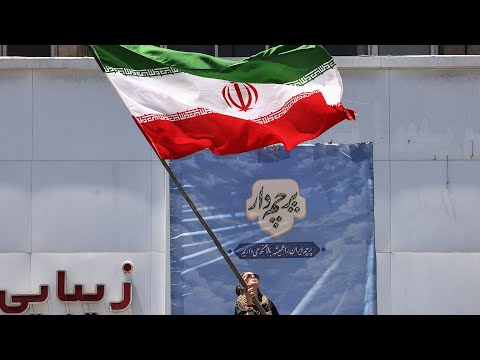
    On June 22, 2026, breaking reports detailed the emergence of a new Memorandum of Understanding (MOU) between the United States and Iran. The diplomatic framework, featured in morning broadcasts by Fox News, establishes a newly negotiated baseline for bilateral engagement. The full text of the memorandum remains unreleased. Officials in Washington and Tehran have yet to publish the itemized concessions.

    In many ways, this development mirrors previous executive maneuvers. An MOU functions differently than a ratified treaty. It operates as a formalized statement of mutual intent. It does not carry the binding legal weight of a treaty approved by the United States Senate. Instead, it serves as a diplomatic stepping stone in a complex geopolitical landscape.

    The Mechanics of Executive Diplomacy

    A Memorandum of Understanding allows executive branches to bypass the lengthy, often contentious process of treaty ratification. The United States Constitution requires a two-thirds majority in the Senate to ratify a formal treaty. In the hyper-partisan environment of 2026, securing 67 votes for any agreement with Tehran is a statistical impossibility. Executive agreements offer an alternative path.

    In the context of US-Iran relations, this mechanism has historically been utilized to manage immediate crises. Administrations use these frameworks to facilitate prisoner exchanges. They use them to establish temporary thresholds on nuclear enrichment. They use them to unfreeze targeted financial assets.

    The Case-Zablocki Act of 1972 requires the executive branch to report all international agreements to Congress within 60 days. This legal framework ensures that even unwritten or informal memorandums eventually face congressional scrutiny. The tension between executive branch agility and legislative oversight defines modern American foreign policy. The specific focus of the June 22 agreement remains the subject of intense scrutiny on Capitol Hill.

    The June 2026 Fox News Broadcast

    Details surrounding the June 2026 framework are actively developing. Fox News anchors highlighted the sudden nature of the agreement during their breaking morning coverage. The broadcast underscored the immediate political ramifications of the unannounced deal.

    Morning broadcasts serve as a primary conduit for political messaging in Washington. When a network like Fox News breaks a diplomatic story, it instantly sets the agenda for the daily White House press briefing. The State Department press corps will inevitably demand clarification on the specifics of the MOU during their afternoon sessions.

    Initial assessments suggest the memorandum targets specific, compartmentalized areas of mutual interest. It is not framed as a comprehensive bilateral reset. Historical precedents between the State Department and Iranian diplomats often involve third-party intermediaries. Locations like Muscat, Oman, or Doha, Qatar, frequently host these indirect talks. It remains unclear if this current MOU utilized similar Gulf state channels.

    Historical Precedent for Unwritten Agreements

    The United States and Iran share a long history of informal and executive agreements. Formal diplomatic ties were severed in 1980 following the takeover of the US Embassy in Tehran. Since then, the two nations have relied on Swiss intermediaries to handle formal consular matters.

    Major diplomatic shifts often begin as memorandums or unwritten understandings. The Algiers Accords of 1981 resolved the Iranian hostage crisis and established the Iran-United States Claims Tribunal. This agreement was entirely executive in nature. It bypassed the Senate but fundamentally altered bilateral relations for decades. The reliance on executive authority on June 22, 2026, continues a 45-year tradition of bypassing formal treaty mechanisms when dealing with Tehran.

    The 2015 Joint Comprehensive Plan of Action (JCPOA) was a political commitment, not a treaty. When the United States withdrew from the JCPOA in May 2018, the architecture of the agreement dissolved precisely because it lacked binding treaty status.

    More recently, in September 2023, the two nations executed a complex prisoner swap. That deal involved the unfreezing of $6 billion in Iranian oil revenues held in South Korea. The funds were transferred to restricted accounts in Qatar. The 2023 arrangement was never formalized as a treaty. It operated as a mutual understanding executed through third parties.

    Potential Parameters of the New Framework

    While the exact text of the June 22 MOU remains classified, regional analysts point to three likely areas of focus. The first is nuclear enrichment. The International Atomic Energy Agency (IAEA) closely monitors Iranian uranium stockpiles. Previous indirect talks have sought to cap enrichment at 60 percent purity, keeping it below the 90 percent threshold required for weapons-grade material.

    The second potential area involves regional de-escalation. Proxy forces in Iraq, Syria, and Yemen frequently engage US military assets. An MOU could include informal commitments to rein in these militia groups.

    The third area is sanctions enforcement. The United States maintains a complex web of economic sanctions against Iranian oil exports and financial institutions. Executive memorandums sometimes offer temporary waivers or relaxed enforcement in exchange for verifiable Iranian concessions.

    The Role of the IAEA and International Monitors

    The International Atomic Energy Agency serves as the primary watchdog for global nuclear programs. Headquartered in Vienna, the IAEA has experienced a turbulent relationship with Tehran over the past decade. Camera feeds have been disconnected. Inspectors have been barred. Any new Memorandum of Understanding must address verification mechanisms.

    Without IAEA access, the United States cannot verify compliance with enrichment caps. The June 22 framework likely includes provisions for restoring some level of inspector access to facilities at Natanz and Fordow. Diplomatic agreements require technical verification to survive congressional scrutiny.

    Geopolitical Reactions in the Middle East

    Diplomatic movements between Washington and Tehran never occur in a vacuum. Regional allies and adversaries monitor these developments closely. Israel views any US-Iran accommodation with deep skepticism. Israeli intelligence agencies frequently operate on the assumption that diplomatic frameworks provide Tehran with financial lifelines without permanently dismantling its nuclear infrastructure.

    The Gulf Arab states maintain a more nuanced position. Nations like Saudi Arabia and the United Arab Emirates share security concerns regarding Iranian regional influence. However, following the China-brokered normalization between Riyadh and Tehran in March 2023, the Gulf states have increasingly favored diplomatic de-escalation over military confrontation. A US-Iran MOU could align with this broader regional trend of conflict management.

    Economic Implications and Global Oil Markets

    The global energy market reacts swiftly to shifts in US sanctions policy. Iran possesses some of the largest proven oil and natural gas reserves in the world. Strict US sanctions have forced Tehran to rely on a shadow fleet of tankers to export discounted crude, primarily to independent refineries in China.

    If the June 22 Memorandum of Understanding includes relaxed enforcement of oil sanctions, global crude supplies could increase. Commodity traders monitor diplomatic backchannels for exactly this reason. Even a formalized intent to negotiate can trigger fluctuations in Brent Crude and West Texas Intermediate pricing. The financial architecture of the agreement will determine its market impact.

    The Congressional Response

    The Fox News broadcast triggered immediate reactions in Washington. Congressional oversight committees typically demand immediate briefings when executive branch negotiators secure memorandums with adversarial nations. The Senate Foreign Relations Committee and the House Foreign Affairs Committee possess specific oversight mandates.

    Under the Iran Nuclear Agreement Review Act (INARA) of 2015, the executive branch must submit certain types of agreements with Iran to Congress for review. Lawmakers will likely debate whether this new MOU triggers INARA requirements. Members of Congress are expected to request the unclassified text and classified briefings within the week.

    Frequently Asked Questions

    What is the 2026 US-Iran MOU?
    The 2026 US-Iran MOU is a Memorandum of Understanding reported on June 22, 2026, outlining a new diplomatic framework between the United States and Iran. The exact details and policy shifts contained within the document have not yet been publicly released by the State Department.

    Did the US and Iran sign a new peace treaty?
    No. A Memorandum of Understanding is a formalized statement of mutual intent, not a binding legal treaty. Unlike a treaty, an MOU does not require ratification by the United States Senate.

    Who broke the news about the US-Iran MOU?
    Initial reports regarding the diplomatic framework were broadcast by Fox News on the morning of June 22, 2026. The network highlighted the sudden emergence of the agreement, prompting immediate calls for Congressional briefings.

    A Developing Diplomatic Situation

    This remains a fluid, developing story. Information is still emerging from diplomatic backchannels. The exact timeline of the negotiations, the identities of the primary signatories, and the specific policy shifts outlined in the document are not yet confirmed.

    The Natural Observer will update this briefing as the State Department releases official documentation. Until the text is public, the parameters of the agreement exist only as broadcast reports.

    State Department officials prepare the briefing. Congressional oversight committees schedule the hearings. International monitors await the text.

    Washington.

  • Keir Starmer Resignation Rumors Surface Ahead of Crucial Monday

    Keir Starmer Resignation Rumors Surface Ahead of Crucial Monday

    UK Labour Leader Keir Starmer is facing intense scrutiny amid unverified reports that he could resign his position as early as Monday. A sudden departure by the Leader of the Opposition would send shockwaves through Westminster. It would immediately trigger a Labour Party leadership contest. It would also force a complete realignment of British politics just as the nation prepares for its next general election.

    The rumors, amplified by international news outlets including Fox News, suggest a tipping point has been reached. While Starmer’s office has not issued a formal confirmation or denial, the political machinery in London is already reacting. A resignation on Monday would not just end his tenure; it would force the Labour Party to define its future in real-time.

    Starmer took control of the Labour Party in April 2020. He replaced Jeremy Corbyn after a devastating electoral defeat. His mandate was to rebuild. Now, his leadership is the subject of intense speculation.

    The Pressure Inside Westminster

    The political climate in the United Kingdom is volatile. The Conservative Party government has faced its own series of crises. Labour, under Starmer, has attempted to position itself as a stable alternative. But internal party dynamics are rarely simple.

    Starmer has spent four years attempting to move the party toward the political center. This strategy alienated the left wing of his own party. It also required constant discipline. Every policy announcement was scrutinized for electoral viability.

    The pressure of opposition leadership is relentless. It requires managing a shadow cabinet, responding to global events, and preparing for an election that could happen at any time. If the rumors of a Monday resignation are true, it suggests that either the internal pressure or external political calculations have forced a change in strategy.

    What Happens If Starmer Resigns?

    If Keir Starmer steps down, the Labour Party constitution dictates a specific process. A leadership contest must be held. This is not a fast process.

    First, candidates must secure nominations from parliamentary colleagues. This requires the backing of at least 20% of Labour Members of Parliament. Once the candidates are finalized, the contest moves to the wider membership. Labour Party members, affiliated supporters, and registered supporters all get a vote.

    This process takes weeks, sometimes months. During this time, an interim leader would likely take charge. This interim period would be critical. The Conservative government would undoubtedly use the opportunity to frame Labour as chaotic and divided.

    The Potential Successors

    Speculation about Starmer’s successor is already rampant. Several high-profile figures within the shadow cabinet would likely consider a run.

    • Rachel Reeves: The Shadow Chancellor of the Exchequer. She is seen as a moderate, competent figure who could continue Starmer’s economic strategy.
    • Angela Rayner: The Deputy Leader of the Labour Party. She has a strong base of support among the party’s grassroots and trade union affiliates.
    • Wes Streeting: The Shadow Secretary of State for Health and Social Care. He is often viewed as a rising star on the right of the party.
    • Andy Burnham: The Mayor of Greater Manchester. While not currently an MP, his high profile and previous leadership bids make him a perennial subject of speculation.

    Each candidate represents a different vision for the Labour Party. A contest would force the party to have a public argument about its future direction.

    The Impact on the General Election

    The timing of these rumors is the most critical factor. The UK must hold a general election by January 2025. The political calendar is shrinking.

    A change in leadership this close to an election is a massive risk. It requires introducing a new leader to the public, establishing their credibility, and uniting the party behind them. It is a monumental task.

    However, some within the party might argue that a change is necessary if they believe Starmer cannot win. This is the brutal calculus of opposition politics. The only metric that matters is victory.

    The Fox News Factor

    The origin of this specific rumor is notable. Fox News, an American broadcaster, is not traditionally the first to break internal UK political news. The fact that the story is gaining traction on international platforms suggests that the narrative is moving beyond Westminster.

    This international attention adds another layer of complexity. It forces Starmer’s team to manage a media narrative that spans multiple time zones and political contexts. The rapid spread of the rumor on platforms like YouTube and social media highlights the speed at which political crises can escalate in the modern era.

    The Monday Deadline

    All eyes are now on Monday. In British politics, Monday is often the day for major announcements. It sets the agenda for the parliamentary week. It dominates the Sunday political talk shows.

    If Starmer intends to resign, Monday morning would be the logical time. It would allow him to address his parliamentary colleagues before they return to their constituencies. It would give the party the entire week to begin organizing the leadership contest.

    If Monday passes without an announcement, the rumors may dissipate. But the damage may already be done. The fact that the rumor gained such traction indicates an underlying fragility in Starmer’s position.

    The History of Sudden Departures

    British politics is no stranger to sudden resignations. The pressure of high office often leads to unexpected exits. Margaret Thatcher’s resignation in 1990 shocked the nation. Tony Blair’s departure in 2007 was long anticipated but still seismic. More recently, Boris Johnson and Liz Truss demonstrated how quickly a political career can unravel.

    Starmer’s situation is different. He is the Leader of the Opposition, not the Prime Minister. But the stakes are arguably just as high. The Labour Party has been out of power since 2010. The desperation to win is palpable.

    Every decision Starmer makes is viewed through the lens of that desperation. If the party believes he is an electoral liability, they will remove him. The mechanism may be formal or informal, but the outcome is the same.

    The Silence from the Leader’s Office

    As the rumors swirl, the silence from Starmer’s office is deafening. In modern politics, a rapid denial is often the best defense against a damaging rumor. The lack of a clear, unequivocal statement fuels the speculation.

    This silence could be strategic. It might be an attempt to starve the rumor of oxygen. Or it could be a sign of internal chaos. The longer the silence continues, the more weight the rumors carry.

    Political journalists are working their sources. MPs are texting each other. The Westminster village is consumed by the story. The anticipation is building.

    The Verdict of History

    Keir Starmer’s legacy as Labour Leader is still being written. He took over a party that was fractured and demoralized. He implemented significant reforms. He expelled controversial members. He changed the party’s stance on key issues.

    Whether these actions were enough to secure victory remains to be seen. If he resigns on Monday, his tenure will be viewed as a transitional period. He will be the leader who stabilized the party but could not take it back to power.

    If he survives this crisis, he will emerge bruised but potentially stronger. He will have faced down a significant challenge to his authority. But the scars will remain.

    The coming days will determine the course of the Labour Party. The decisions made in the corridors of power will shape the future of the country. The politicians maneuver. The journalists report. The public waits. Monday.

  • Trump Seeks Diplomatic Offramp with Iran Amid Rising Tensions

    Trump Seeks Diplomatic Offramp with Iran Amid Rising Tensions

    Donald Trump is actively seeking a diplomatic offramp to de-escalate the current geopolitical standoff with Iran. According to June 21, 2026, reporting from Bloomberg Television, backchannel negotiations are underway to prevent further military escalation in the Persian Gulf. The move represents a sudden pivot. Tensions in the region have dominated recent weeks. Now, the focus shifts toward avoiding direct military or economic confrontation.

    The Bloomberg Television Broadcast

    Early reports on June 21 broke across multiple financial and global news outlets. Bloomberg Television led the coverage. Sources indicate that Trump is looking for a viable exit strategy to ease the pressure with Tehran. The exact nature of the proposed de-escalation remains classified.

    The strategy involves complex backchannel communications. Regional intermediaries in the Middle East, primarily Oman and Qatar, often facilitate these high-stakes messages. The immediate goal is to provide both Washington and Tehran a way to step back. Neither side wants to lose domestic political capital. Both sides want to avoid crossing unmanageable red lines.

    Shifting Stances in the Persian Gulf

    The relationship between the United States and Iran remains historically volatile. Economic sanctions, nuclear enrichment parameters, and regional proxy conflicts keep the baseline tension high. A deliberate search for an offramp suggests that recent escalations have reached a critical threshold.

    The spring of 2026 saw a rapid deterioration of maritime security. Commercial shipping faced increased harassment. Insurance premiums for oil tankers transiting the Strait of Hormuz spiked. Global energy markets registered the instability immediately. The United States responded by increasing its naval footprint. Iran countered with coastal defense mobilizations. The escalation ladder offered few safe exits.

    Economic Pressures and Energy Markets

    Financial markets reacted immediately to the Bloomberg report. Crude oil futures historically fluctuate on any news out of the Persian Gulf. A potential de-escalation signals stability for global energy markets and commercial shipping lanes. The Strait of Hormuz remains a vital chokepoint for global trade.

    Domestic economic factors heavily influence these foreign policy decisions. Energy prices remain a critical vulnerability. A sustained conflict would disrupt millions of barrels of daily oil exports. Gasoline prices in the United States would surge. Iran faces even starker economic realities. Years of compounding sanctions have isolated the Iranian economy. A diplomatic offramp offers a temporary release valve for both nations.

    A Developing Diplomatic Situation

    Details regarding specific concessions, diplomatic frameworks, or timelines remain unconfirmed. Diplomatic offramps require careful maneuvering. Public rhetoric must eventually align with backroom reality.

    Updates will follow as international observers and administration officials clarify the next steps. The situation is highly fluid. The geopolitical stakes are massive. Regional allies, including Israel and Saudi Arabia, are monitoring the backchannel communications closely. Any shift in American posture reshapes the entire Middle Eastern security architecture.

    Frequently Asked Questions

    Why is Donald Trump seeking an offramp with Iran?

    According to June 21, 2026, reports from Bloomberg Television, Donald Trump is seeking a diplomatic offramp to de-escalate rising geopolitical tensions in the Persian Gulf. The administration aims to avoid a direct military confrontation.

    What does a diplomatic offramp with Iran mean?

    A diplomatic offramp refers to a negotiated exit strategy. It allows both the United States and Iran to step back from military or severe economic escalation without appearing weak to their respective domestic audiences.

    Who reported the Trump Iran offramp story?

    Bloomberg Television first broke the story on June 21, 2026. The network cited sources familiar with the ongoing backchannel diplomatic efforts between Washington and Tehran.

    Carriers patrol. Markets calculate. Intermediaries whisper.

    Washington.

  • The Facts Matter – Why an Iowa News Anchor Walked Away on Live Television

    The Facts Matter – Why an Iowa News Anchor Walked Away on Live Television

    In June 2026, an Iowa news anchor abruptly resigned during a live television broadcast, looking directly into the studio camera to announce he was “stepping away from the news industry.” Citing a profound disillusionment with the state of modern journalism, the anchor delivered a final, unscripted message to his local viewers: “The facts matter.” The moment, first reported by the entertainment news outlet Deadline, immediately went viral. It captured a widespread cultural frustration with media consolidation, algorithmic news delivery, and the perceived erosion of traditional journalistic integrity. The anchor did not wait for a commercial break. He delivered his truth, took off his microphone, and walked away.

    The incident struck a deep nerve in the American heartland. For decades, the local news anchor was the most trusted figure in any given media market. They were the voice of authority during severe weather. They were the neutral observers of city council disputes. They were neighbors. But by the summer of 2026, that relationship had fractured. The unscripted departure in Iowa was not an isolated breakdown. It was a symptom of a systemic collapse in how local information is gathered, packaged, and sold to the public.

    The Anatomy of an On-Air Resignation

    Live television operates on rigid precision. Scripts are loaded into the teleprompter. Camera angles are automated. Timings are calculated down to the second to accommodate highly lucrative local advertising blocks. When an anchor deviates from the prompter, the control room notices immediately. The director must make a split-second decision: cut to black, roll a commercial, or let the moment play out. In Iowa, the moment played out.

    The anchor’s declaration that “the facts matter” was a direct indictment of the environment surrounding him. It was a rejection of the modern broadcast formula. Local news stations in 2026 are often tasked with doing more with less. Reporters act as one-man bands, shooting, editing, and writing their own copy. Anchors are pressured to maintain high-engagement social media profiles. The news hole is frequently filled with syndicated, nationally produced packages designed to spark outrage rather than inform the local electorate. The Iowa resignation cut through that noise. It was a rare moment of unvarnished reality broadcasting directly into living rooms across the state.

    Iowa’s Unique Position in the Media Landscape

    To understand the weight of this resignation, one must understand the Iowa media market. Iowa holds a unique, outsized role in the American political ecosystem. Despite changes to the national primary calendar, the state remains a critical testing ground for political messaging. Markets like Des Moines (Nielsen DMA 68) and Cedar Rapids (DMA 92) are flooded with millions of dollars in political advertising every election cycle. The local news stations are the primary vehicles for this massive influx of cash.

    This financial dynamic places immense pressure on local newsrooms. The stations are highly profitable during election years, yet those profits rarely trickle down to the newsgathering operations. Instead, the revenue flows upward to corporate headquarters in other states. The journalists on the ground are left to navigate complex local issues, agricultural policy, rural healthcare access, education funding, with shrinking resources and growing corporate mandates. The tension is palpable. For one anchor in June 2026, that tension finally snapped.

    The Shadow of Corporate Consolidation

    The story of the Iowa resignation is inextricably linked to the corporatization of local broadcasting. Following the passage of the Telecommunications Act of 1996, the Federal Communications Commission (FCC) relaxed ownership rules. This triggered a decades-long buying spree. Today, a handful of massive conglomerates, such as Sinclair Broadcast Group, Nexstar Media Group, Gray Television, and Tegna, control the vast majority of local television stations in the United States.

    These conglomerates operate on economies of scale. They centralize graphics, web hosting, and often, editorial direction. “Must-run” segments produced in Washington D.C. or New York are beamed to local affiliates, mandated to air during local broadcasts. This homogenizes the news. A broadcast in Des Moines begins to look exactly like a broadcast in Fresno or Albany. The local anchor, once an independent editorial voice, is frequently reduced to a highly paid reader of nationally syndicated talking points. When the Iowa anchor stated that “the facts matter,” it was a clear defense of localized, verifiable truth over imported, engagement-driven narratives.

    The “Facts Matter” Doctrine and Cultural Defense

    The viral spread of the Deadline report was fueled by a specific demographic reaction. The story resonated deeply with viewers who feel a profound sense of betrayal by modern media. This is the “cultural defense” mechanism at play. Audiences remember a time when the nightly news felt like a public utility. They remember anchors who delivered the day’s events without a partisan slant or an urgent call to share the clip on TikTok.

    When a public figure deviates from their perceived traditional role, in this case, by breaking the fourth wall and quitting on air, it validates the audience’s own skepticism. The viewers who shared the clip across X (formerly Twitter) and Facebook did so to express their own feelings about media integrity. The anchor became a proxy for their frustration. His resignation was viewed not as a professional failure, but as a moral victory. He chose the facts over the paycheck. He chose the truth over the teleprompter.

    The Economics of the Anchor Desk in 2026

    The financial realities of local television in 2026 make the anchor’s decision even more stark. Traditional linear television viewership is in a steady, terminal decline. Younger demographics do not tune in at 5:00 PM or 6:00 PM. They receive push notifications from aggregators. To combat this, corporate owners have pushed stations to prioritize digital metrics. Clicks, shares, and time-on-site are the new currencies.

    This shift alters the definition of what constitutes “news.” A complex investigation into municipal bond fraud takes weeks to produce and generates low digital engagement. A two-minute package about a controversial post on a local community Facebook page takes an hour to produce and generates thousands of angry comments. The algorithm rewards the latter. For a journalist trained in the former, the daily grind becomes ethically exhausting. Stepping away from the industry is often the only way to preserve one’s professional dignity.

    Historical Precedents of Broadcast Rebellion

    The Iowa incident joins a long, fascinating history of on-air broadcast rebellions. These moments are rare, but they leave a lasting mark on the industry. In 2014, Alaska reporter Charlo Greene quit on live television, revealing she was the owner of a local cannabis club she had been reporting on, ending her segment with an expletive before walking off set. While her departure was chaotic, it highlighted the sheer power of the live broadcast.

    More relevant to the Iowa anchor’s ethical stand was the 2018 controversy involving Sinclair Broadcast Group. Dozens of local anchors across the country were required to read a synchronized promotional script warning about “fake news” and stating that biased reporting was “extremely dangerous to our democracy.” When a video compilation of anchors reciting the exact same script went viral, it shattered the illusion of local editorial independence. The Iowa anchor’s 2026 resignation is the direct descendant of that 2018 moment. It is the individual reclaiming their voice from the corporate machine.

    The Pivot to Independent Platforms

    When a veteran journalist steps away from the legacy news industry in 2026, they rarely stop reporting. The ecosystem has evolved to catch them. The rise of independent publishing platforms like Substack, Patreon, and independent YouTube channels has created a viable alternative to the broadcast desk. Journalists can now monetize their own trustworthiness directly with the audience, bypassing the corporate gatekeepers entirely.

    This pivot is reshaping the landscape of local news. Non-profit newsrooms, such as the Iowa Capital Dispatch, are filling the investigative void left by shrinking legacy outlets. Former anchors are launching hyper-local podcasts that generate revenue through direct community sponsorships rather than national programmatic advertising. By stepping away from the traditional industry, the Iowa anchor may simply be stepping into the future of American journalism. The facts still matter. They just require a different delivery system.

    The End of the Broadcast Era

    The television was on. The lights were bright. The prompter scrolled. The anchor stopped.

    In a matter of seconds, decades of broadcast tradition were dismantled on live television. The event was not just a viral clip to be consumed and forgotten. It was a diagnostic image of a broken system. The corporate mandates squeezed too tight. The algorithmic pressure pushed too hard. The definition of news became too blurred. The anchor looked at the camera. He spoke his piece. He took off the microphone. He walked away.

    Silence.

  • Trump Issues Ultimatum to Iran – Breaking Developments in U.S. Foreign Policy

    Trump Issues Ultimatum to Iran – Breaking Developments in U.S. Foreign Policy

    On June 21, 2026, President Donald Trump issued a direct ultimatum to the Islamic Republic of Iran, signaling a sudden and severe shift in United States foreign policy. The declaration, amplified through a Fox News broadcast, places immediate pressure on Tehran. The exact consequences of non-compliance were not immediately detailed in the initial alert.

    The parameters of the ultimatum center on international relations, regional security, and the President’s hardened stance on Middle Eastern diplomacy. The exact timeline for Iranian compliance remains unconfirmed at this hour. Washington D.C. operates on high alert. Tehran has not yet issued a formal state response through its foreign ministry.

    This is a developing story. Official statements from the White House Press Office and the United States State Department are expected to follow in the coming hours. Information is currently limited to the initial broadcast parameters, and this report will be updated as confirmed facts emerge.

    The Diplomatic Stance

    The President’s ultimatum reflects a sharp departure from standard back-channel negotiations. It forces a binary choice onto Iranian leadership. By broadcasting the demand publicly, the administration bypasses traditional diplomatic intermediaries. It is a public drawing of a line in the sand.

    Historically, public ultimatums between Washington and Tehran trigger immediate geopolitical shockwaves. Global energy markets, particularly crude oil futures, are highly sensitive to friction in the Strait of Hormuz. Financial analysts are already monitoring the initial market reactions.

    What Happens Next

    Military and diplomatic analysts are currently dissecting the broadcast. The Pentagon and the State Department are preparing contingency frameworks. European allies and United Nations officials are awaiting further clarification from the Oval Office.

    The coming hours will define the scope of this diplomatic crisis. The administration has set the terms. The international community waits for the response.

    The globe watches. The clock starts. Tehran.

  • The Resignation of Dustin Nolan – Why an Iowa Anchor Quit Live on Air

    The Resignation of Dustin Nolan – Why an Iowa Anchor Quit Live on Air

    On June 20, 2026, Iowa news anchor Dustin Nolan deviated from his teleprompter during a live evening broadcast in Des Moines. He resigned on air to protest what he called “sanitized news.” Nolan stated that corporate media structures intentionally keep viewers in ideological bubbles. He unclipped his microphone, left the desk, and the station cut to a commercial break. The unedited clip circulated across social media platforms within minutes.

    The incident occurred during the 6:00 PM Central Time broadcast. Nolan had just completed a transition from a local weather update. The broadcast rundown called for an introduction to a syndicated national political package. Nolan did not read the introduction.

    He looked directly into the primary studio camera. He lowered his printed script to the desk. He delivered a factual, unprompted statement regarding the state of modern broadcast journalism.

    The June 20 Broadcast Timeline

    The broadcast proceeded normally for the first fourteen minutes. At 6:14 PM, the technical director cued camera two. The teleprompter operator scrolled to the next block of text. Nolan ignored the prompter.

    “I can no longer read what is on this screen,” Nolan said. “We are delivering sanitized news. We are protecting you from the reality of the world to protect our bottom line. We have to take people out of their bubbles. I can no longer participate in this. I resign.”

    Nolan removed his lavalier microphone. He placed the device on the glass anchor desk. He stood up and walked out of the camera frame. The camera remained locked on the empty chair for four seconds. The control room then triggered a hard cut to a pre-scheduled local automotive advertisement.

    A viewer recorded the broadcast on a smartphone. They uploaded the video to X and TikTok at 6:22 PM. By midnight, the footage had accumulated over four million views across multiple platforms.

    The Mechanics of a Live Broadcast Exit

    A live television news broadcast is a highly automated environment. Modern local stations utilize automated production control systems like Ross OverDrive or Sony ELC. These systems link the teleprompter, the robotic studio cameras, and the audio board to a single computerized rundown.

    When an anchor deviates from the script, the automation fails. The technical director must manually override the system. The producer must instantly decide how to fill the dead air.

    In the Des Moines control room, the sudden departure forced an immediate manual intervention. The producer directed the technical director to dump out of the news block early. They rolled the commercial break. The remaining sixteen minutes of the broadcast were completed by Nolan’s co-anchor, who read the remaining scripts without acknowledging the resignation.

    Defining Sanitized News

    Nolan’s resignation centered on the phrase “sanitized news.” This term describes a specific editorial strategy employed by corporate media conglomerates. The strategy prioritizes audience retention over comprehensive reporting.

    Sanitized news involves the deliberate removal of complex or controversial local details. Stations replace these details with generalized, nationalized talking points. The goal is to avoid alienating any segment of the viewing audience. Alienated viewers change the channel. Lower viewership leads to reduced advertising rates.

    In 2026, local newsrooms operate with fewer reporters than in previous decades. To fill the broadcast time, corporate owners provide centralized scripts. They mandate “must-run” segments. These segments air simultaneously across hundreds of local markets. They provide a uniform, homogenized version of daily events.

    The Economics of the Des Moines Market

    The Des Moines, Iowa, media market is designated as DMA 67 by Nielsen Media Research. Despite its mid-tier ranking, the market carries outsized political and economic importance. Iowa is a perennial hub for political advertising.

    During the 2026 midterm election cycle, political action committees and campaign organizations spent tens of millions of dollars on local broadcast television in Iowa. A thirty-second advertisement during the evening news commands a premium rate. Station revenue is heavily dependent on maintaining a reliable, non-controversial environment for these advertisements.

    Local broadcasters face immense financial pressure to protect this revenue stream. Station managers instruct news directors to avoid stories that might trigger advertiser boycotts. They steer coverage away from granular local disputes. They focus on crime, weather, and safe, human-interest features. This economic reality forms the foundation of the sanitized news model.

    The Consolidation of Local Television

    The structural issues Nolan highlighted are the result of a three-decade trend in media ownership. In 1996, the United States Congress passed the Telecommunications Act. President Bill Clinton signed the legislation into law. This act fundamentally altered the ownership rules for broadcast media.

    Prior to 1996, strict limits prevented a single corporation from owning too many local stations. The Federal Communications Commission (FCC) enforced these caps to ensure local diversity in media ownership. The 1996 act relaxed these restrictions. A wave of consolidation followed immediately.

    By 2026, a handful of massive conglomerates dominate the local television landscape. Companies like Nexstar Media Group, Sinclair Broadcast Group, Gray Television, and TEGNA own the vast majority of local affiliates in the United States. A single corporation can own hundreds of stations across the country.

    This consolidation centralizes editorial control. A corporate headquarters in Texas or Maryland can dictate the editorial tone of a local broadcast in Iowa. Local news directors have increasingly less autonomy over their own rundowns.

    Retransmission Consent and Revenue Models

    Advertising is only one part of the local television revenue model. The other major component is retransmission consent fees. The Cable Television Consumer Protection and Competition Act of 1992 established this system.

    Under this law, cable and satellite providers must pay local broadcasters for the right to carry their signals. These fees have grown exponentially. Media conglomerates use their massive portfolios of stations to negotiate higher fees from cable providers like Comcast and Charter Communications.

    To justify these fees, stations must maintain consistent viewership. They cannot afford volatile ratings. Sanitized news provides a steady, predictable product. It minimizes the risk of sudden audience drops. The financial structure of the industry directly disincentivizes risky or hard-hitting local journalism.

    The Architecture of the Audience Bubble

    Nolan specifically cited the need to “take people out of their bubbles.” The concept of the audience bubble originated in digital media. Algorithms on platforms like Facebook, YouTube, and X track user behavior. They serve content that aligns with the user’s existing beliefs. This maximizes engagement and time spent on the platform.

    Linear television networks observed the success of this digital model. They adapted their own strategies to mimic it. Cable news networks pioneered the demographic bubble, aligning their programming with specific political ideologies.

    Local television adopted a softer version of this strategy. Rather than leaning into partisan extremes, local stations lean into comfort. They validate the viewer’s worldview by avoiding information that challenges it. They present a sanitized version of reality. The viewer remains comfortable. The viewer remains tuned in. The bubble remains intact.

    Historical Precedents of On-Air Resignations

    Dustin Nolan is not the first broadcaster to resign on live television. The medium has a documented history of anchors bypassing management to address the audience directly.

    In 2014, Charlo Greene was a reporter for KTVA in Anchorage, Alaska. She was reporting on a local cannabis club. At the end of her segment, she revealed herself as the owner of the club. She used an expletive, stated she was quitting, and walked off the set. The video became an early example of viral broadcast defiance.

    In 2012, Cindy Michaels and Tony Batz, co-anchors at WVII in Bangor, Maine, resigned together at the end of their evening broadcast. They later cited interference from upper management and a lack of journalistic balance as their reasons for leaving.

    In 2022, Marina Ovsyannikova, an editor at Russian state television Channel One, interrupted a live broadcast. She held a sign protesting the invasion of Ukraine. While not a resignation, it remains one of the most prominent examples of a broadcast employee breaking the scripted reality of a live news program.

    Nolan’s exit aligns with this historical pattern. The live television feed offers a rare, unfiltered connection to the public. Once the broadcast is live, management cannot stop the anchor from speaking until the technical director cuts the feed. Nolan utilized this brief window of autonomy.

    The Federal Communications Commission Role

    The FCC is the federal agency tasked with regulating broadcast media. The agency operates under the mandate that broadcasters must serve the “public interest, convenience, and necessity.” Broadcasters do not own the airwaves. They lease them from the public.

    Historically, the FCC enforced strict rules regarding localism. Stations were required to produce a specific amount of locally relevant programming. Over the past two decades, many of these requirements have been relaxed or eliminated.

    Media reform advocates argue that the FCC has failed to enforce the public interest mandate. They point to the homogenization of local news as evidence. Nolan’s resignation brought renewed attention to these regulatory debates. Critics use the Des Moines incident to argue for stricter ownership caps and renewed localism requirements.

    The Immediate Aftermath

    The station management released a brief statement on June 21, 2026. The statement confirmed Nolan’s resignation. It emphasized the station’s commitment to objective journalism. It did not address his specific criticisms regarding sanitized news or corporate consolidation.

    Nolan’s social media following grew exponentially in the days following the broadcast. He declined immediate interview requests from national cable networks. He stated through a representative that his on-air statement required no further elaboration.

    The viral nature of the clip sparked a broader conversation within the journalism industry. Reporters at other corporate-owned affiliates anonymously shared similar frustrations regarding mandated scripts and softened coverage. The phrase “sanitized news” briefly became a trending topic on major social platforms.

    The Shifting Media Landscape

    The incident in Des Moines highlights a transitional period in media consumption. Traditional broadcast television faces declining linear viewership. Audiences are migrating to decentralized, independent digital platforms. Independent journalists on platforms like Substack and YouTube operate without corporate oversight or sanitized scripts.

    Local television news remains a primary source of information for millions of Americans. However, the economic pressures of corporate consolidation continue to shape the final product. The tension between journalistic duty and corporate revenue is a permanent feature of the modern newsroom.

    The teleprompter kept scrolling. The control room rolled the commercials. The broadcast continued. Dustin Nolan left the building.

  • Daveigh Chase Dies at 35 – The Complex Legacy of a Child Star’s Dual Masterpieces

    Daveigh Chase Dies at 35 – The Complex Legacy of a Child Star’s Dual Masterpieces

    Daveigh Chase, the American actor who achieved massive global fame in 2002 for her dual breakout roles as the voice of Lilo in Walt Disney’s Lilo & Stitch and the terrifying entity Samara Morgan in DreamWorks Pictures’ The Ring, died in June 2026 at the age of 35. The news of her passing marks the tragic end of a Hollywood trajectory that began with unprecedented early brilliance. She was a performer who anchored two massive commercial franchises before she even entered high school. Her death prompts immediate reflection on the fragility of life and the often unforgiving pipeline of child stardom in Los Angeles.

    Chase was born Daveigh Elizabeth Chase-Schwallier on July 24, 1990, in Las Vegas, Nevada. She was raised in Albany, Oregon, before relocating to Southern California to pursue acting. By the time she was a teenager, she had cemented her place in cinematic history.

    Few actors define a cultural moment. Fewer still define two entirely opposite cultural moments in the exact same year. In 2002, Chase became the voice of familial healing for millions of children. Months later, she became the face of localized terror for millions of adults.

    What looks like a simple Hollywood success story actually reveals a complex narrative about the burdens of early fame. The industry demanded everything from her. She delivered. But the story does not end in the recording booths of Burbank or the soundstages of Hollywood.

    The Unprecedented Year: 2002

    Hollywood operates on momentum. For child actors, that momentum is usually tied to a specific archetype. The industry likes to categorize young performers as either the comedic relief, the dramatic prodigy, or the horror victim. Daveigh Chase shattered that categorization in 2002.

    On June 21, 2002, Walt Disney Feature Animation released Lilo & Stitch. The film was a massive critical and commercial success, grossing $273 million at the global box office. Chase provided the voice of Lilo Pelekai, a lonely, eccentric Hawaiian girl navigating life with her older sister following the death of their parents.

    On October 18, 2002, DreamWorks Pictures released The Ring. Directed by Gore Verbinski, the film was an English-language remake of Hideo Nakata’s 1998 Japanese horror film Ringu. The film grossed $249 million worldwide. Chase provided the physical performance of Samara Morgan, the vengeful spirit who crawls out of television screens to claim her victims.

    In the span of four months, a twelve-year-old girl anchored a half-billion dollars in box office revenue across two entirely disparate genres. It was a feat of versatility rarely seen in seasoned veterans, let alone a pre-teen.

    The Voice of Lilo: A Masterclass in Emotional Resonance

    Animation requires a specific type of acting. The performer is stripped of their physical tools. They cannot rely on facial expressions or body language to convey emotion to the audience. Everything must exist in the voice.

    Directors Chris Sanders and Dean DeBlois cast Chase as Lilo because she possessed a rare authenticity. The character of Lilo was not a standard Disney princess. She was an outcast. She listened to Elvis Presley. She practiced voodoo on her friends. She acted out violently due to unprocessed grief.

    Chase grounded the character. She delivered lines with a flat, realistic cadence that contrasted sharply with the heightened, cartoonish world around her. When Lilo explains the concept of “‘ohana”, the Hawaiian term for family, it resonated because Chase delivered the line without theatricality.

    Her performance earned her the Annie Award for Outstanding Voice Acting in an Animated Feature Production in 2003. She beat out veteran voice actors and adult celebrities. She would go on to reprise the role in the direct-to-video sequel Stitch! The Movie (2003) and the Disney Channel television series Lilo & Stitch: The Series from 2003 to 2006.

    Seven Days: Becoming Samara Morgan

    If Lilo & Stitch proved her vocal capabilities, The Ring proved her physical dedication. The character of Samara Morgan required intense prosthetic makeup and grueling physical contortions.

    Director Gore Verbinski needed a child who could project menace through stillness. Samara’s backstory was tragic. She was a misunderstood child with supernatural abilities, ultimately drowned in a well by her adoptive mother. Chase had to convey both the innocence of a victim and the relentless malice of a monster.

    The film’s climax features Samara crawling out of a television set. The sequence became instantly iconic. It embedded itself into the cultural consciousness of the early 2000s. The image of Chase, her face obscured by long, wet black hair, became the defining horror visual of the decade.

    At the 2003 MTV Movie Awards, Chase won the award for Best Villain. The victory was a cultural statement. The other nominees in the category included Daniel Day-Lewis for Gangs of New York, Colin Farrell for Daredevil, and Mike Myers for Austin Powers in Goldmember. A thirteen-year-old girl took the stage to accept the golden popcorn trophy, cementing her status in the pop culture pantheon.

    The Darko Universe and the HBO Years

    Chase’s career extended beyond the blockbusters of 2002. She possessed a keen eye for independent cinema and prestige television.

    In 2001, she appeared in Richard Kelly’s cult classic Donnie Darko. She played Samantha Darko, the younger sister of Jake Gyllenhaal’s titular character. Her involvement with the fictional “Sparkle Motion” dance troupe provided moments of dark comedic relief in an otherwise dense, philosophical film. She later reprised the role as the lead in the 2009 sequel S. Darko.

    Her transition into more mature roles was anchored by her work on HBO’s acclaimed drama series Big Love. The series, which ran from 2006 to 2011, explored the lives of a fundamentalist Mormon polygamist family in Utah.

    Chase played Rhonda Volmer, a manipulative, sociopathic teenager living on the Juniper Creek compound. The role was complex. Rhonda was simultaneously a victim of systemic abuse and a ruthless perpetrator of emotional violence against others. Chase acted alongside industry veterans like Bill Paxton, Jeanne Tripplehorn, and Harry Dean Stanton. She held her own. She turned Rhonda into one of the most compelling, unpredictable characters on premium cable television.

    The Burden of Early Fame and Later Struggles

    The transition from child star to adult working actor is historically fraught. The Hollywood system extracts immense value from young performers, often leaving them without the structural support necessary to navigate adulthood in the public eye.

    Following the conclusion of Big Love in 2011, Chase’s on-screen appearances became sporadic. She starred in independent thrillers like Little Red Wagon (2012) and Jack Goes Home (2016). But her focus seemingly shifted away from the rigorous demands of studio filmmaking.

    In the late 2010s, Chase became the subject of intense media scrutiny regarding her personal life. The headlines shifted from box office triumphs to legal troubles.

    In February 2017, Chase was questioned by Los Angeles Police after leaving a dying man outside the emergency room of a hospital. Authorities determined she had been spending time with the man in the hours leading up to his death. Police officially cleared her of any involvement in his death, which was ruled a suspected overdose. However, the incident cast a shadow over her public persona.

    Later that year, in November 2017, she was arrested in Los Angeles for riding in a stolen vehicle. In 2018, she faced misdemeanor charges for drug possession in Hollywood. These incidents painted a picture of a former child star battling severe personal demons. The Hollywood apparatus that once celebrated her had long since moved on, leaving her to navigate her struggles in the harsh glare of tabloid journalism.

    The Reality of Celebrity Accountability

    The discourse surrounding Chase’s later years often fell into the familiar, reductive tropes of the “troubled child star.” But this framing ignores the systemic realities of the entertainment industry.

    Child actors are placed into high-pressure corporate environments before their brains are fully developed. They are expected to carry multi-million dollar investments on their shoulders. They are praised for their compliance and their ability to access deep, often traumatic emotions on cue. When the industry inevitably transitions to a new generation of talent, the former stars are left to manage the psychological fallout alone.

    Chase’s legal issues were matters of public record. She faced the consequences of her actions within the justice system. But the public’s appetite for watching the downfall of young celebrities speaks to a broader cultural failing. The accountability rarely extends to the studios, the management teams, or the economic structures that profit off children.

    Her struggles do not erase her contributions to cinema. They contextualize them. They remind the audience that the people on screen are flesh and blood, vulnerable to the same frailties as anyone else, but amplified by the unnatural conditions of fame.

    A Legacy of Duality in American Cinema

    Daveigh Chase leaves behind a filmography that will outlast the tabloid headlines. Her work remains embedded in the cultural lexicon.

    Every Halloween, thousands of people still dress as Samara Morgan. The visual shorthand of the long black hair and the white gown requires no explanation. It is universally recognized terror.

    Every day, visitors to Disney theme parks purchase merchandise bearing the image of Lilo Pelekai. The character remains a symbol of resilience, of finding family in unconventional places, and of embracing one’s own eccentricities.

    These two characters exist on opposite ends of the emotional spectrum. Yet both required the exact same thing from the actor: absolute, unwavering commitment. Chase gave them that commitment. She immortalized them.

    The public will remember the triumphs. The public will reflect on the tragedies. The industry will continue its relentless churn.

    Audiences watched her crawl from a television screen. Audiences listened to her explain the concept of ‘ohana. Hollywood gave her its highest early praises. Hollywood moved on. The legacy remains.

    Daveigh Chase.

  • The Four-Year Silence, Why Elisha Cuthbert Walked Away Before ‘Every Year After’

    The Four-Year Silence, Why Elisha Cuthbert Walked Away Before ‘Every Year After’

    Elisha Cuthbert stepped away from Hollywood in 2022 because she reached a point of absolute professional exhaustion, telling representatives and producers that she simply “didn’t want to be on set.” For four years, the actress who defined early 2000s television on Fox’s 24 and found a second life in cult-classic comedy on ABC’s Happy Endings refused all incoming scripts. She retreated to her home in Canada to raise her children alongside her husband, former NHL star Dion Phaneuf. Now, in June 2026, Cuthbert is breaking her silence on the hiatus as she promotes her return to the screen in the upcoming film Every Year After.

    The entertainment industry rarely forgives absence. Hollywood operates on a principle of constant visibility. Actors who step away often find their seats filled by the time they decide to return. Cuthbert understood the risk. She took the break anyway.

    What looks like a sudden disappearance was actually decades in the making. The modern celebrity ecosystem demands relentless output. Cuthbert chose a different metric for success: the ability to say no.

    The 2022 Breaking Point

    By the time 2022 arrived, Elisha Cuthbert had been working in front of cameras for twenty-five years. She began as a child model in Montreal before landing a co-hosting gig on Popular Mechanics for Kids in 1997. She moved to Los Angeles at seventeen. She was cast as Kim Bauer on 24 alongside Kiefer Sutherland in 2001. From that moment, the machine never stopped.

    The tail end of her recent run was grueling. She spent four years shooting the Netflix multi-cam comedy The Ranch, which wrapped in 2020. She immediately rolled into pandemic-era productions. She shot the horror film The Cellar in Ireland. She filmed the crime thriller Bandit alongside Josh Duhamel and Mel Gibson in Georgia. Both films were released in 2022.

    Then, the engine cut out.

    “I didn’t want to be on set. I looked at the call sheets, I looked at the travel schedules, and I realized the joy was entirely gone. I was operating on muscle memory.”

    Burnout in Hollywood is rarely discussed with clinical honesty. The industry prefers narratives of gratitude. Actors are expected to express constant enthusiasm for the privilege of working. Cuthbert’s blunt admission shatters that expectation. She did not frame her departure as a “creative pivot” or a “search for new challenges.” She framed it as exhaustion.

    A film set is a factory. It requires fourteen-hour days. It demands early morning makeup calls, night shoots in freezing rain, and weeks spent in sterile hotel rooms away from family. For a twenty-year-old trying to build a name, the sacrifice feels necessary. For a forty-year-old mother with millions in the bank, the math changes.

    The Economics of Walking Away

    The ability to take a four-year hiatus is a luxury. Most working actors cannot afford to miss a pilot season. Cuthbert’s situation was fundamentally different, insulated by two massive financial moats.

    First, her own career residuals. 24 was a global phenomenon that sold into international syndication and streaming. Happy Endings, despite lasting only three seasons on ABC, became a streaming staple on Hulu, generating consistent residual income. The Ranch spanned 80 episodes on Netflix, a highly lucrative contract for a series regular.

    Second, her marital estate. In 2013, Cuthbert married Dion Phaneuf. Phaneuf was a premier NHL defenseman who served as the captain of the Toronto Maple Leafs. During his hockey career, Phaneuf signed multiple massive contracts, including a seven-year, $49 million extension in 2014. He officially retired from professional hockey in 2021.

    When Phaneuf retired, the couple faced a choice. They could continue living the split-city lifestyle, juggling Los Angeles casting calls with Canadian summers. Or they could consolidate their lives.

    They chose consolidation. The financial leverage allowed Cuthbert to look at incoming offers, guest spots on streaming dramas, leads in basic cable thrillers, supporting roles in studio comedies, and pass. She did not need the paycheck. She did not need the fame. The leverage of “no” is the most powerful currency in the entertainment business.

    A Life Built in Canada

    Los Angeles is a company town. Every conversation at every dinner party eventually turns to box office returns, agency packaging, and streaming data. To truly escape the industry, an actor must physically leave the blast radius of Hollywood.

    Cuthbert and Phaneuf established their primary base in Canada, splitting time between Toronto and their sprawling summer estate in Prince Edward Island. The PEI property, situated on the waterfront, became a sanctuary. It is a place where paparazzi do not exist. It is a place where industry status holds no weight.

    During the 2022 to 2026 window, Cuthbert lived the life of a private citizen. She raised her two children. She managed the logistics of a post-NHL family life. She allowed her nervous system to reset after a quarter-century of hitting marks and learning dialogue.

    This geographical distance provided psychological distance. When an actor lives in Los Angeles, a hiatus feels like a failure. When an actor lives in Prince Edward Island, a hiatus feels like a vacation.

    The Legacy of the Early 2000s “It Girl”

    To understand the weight of Cuthbert’s burnout, one must look at the specific era in which she became famous. The early 2000s were a notoriously toxic time for young actresses. The tabloid culture was vicious. The male gaze in cinema was absolute.

    Cuthbert was thrust into the center of this maelstrom. After the breakout success of 24, she was cast in The Girl Next Door (2004) and House of Wax (2005). She was a fixture on the covers of Maxim and FHM. The media treated her less as an artist and more as a commodity. The pressure to maintain a specific physical standard was immense.

    The Comedy Pivot

    Cuthbert survived the “It Girl” era by actively dismantling it. In 2011, she accepted the role of Alex Kerkovich on Happy Endings. The character was a revelation. Alex was messy, dim-witted, fiercely loyal, and aggressively uncool. Cuthbert threw herself into the physical comedy, eating ribs obsessively, wearing ridiculous costumes, and proving she had elite comedic timing.

    The pivot saved her career. It transitioned her from a pin-up to a respected comedic actress. But the effort required to make that pivot, to constantly prove her worth to executives who only remembered her from 2004 magazine covers, took a toll. By the time 2022 arrived, she had fought the battle for reinvention. She had won. And she was tired.

    The Catalyst for Return: Every Year After

    A hiatus only ends when a script demands it. For four years, the answer was an automatic no. In late 2025, the answer finally became yes.

    Every Year After broke the stalemate. The specifics of the 2026 project offered exactly what Cuthbert required to return to a set. It was not a grueling 24-episode network grind. It was not a physically punishing action thriller. It was a contained narrative that respected her time and utilized her specific dramatic and comedic skill sets.

    Furthermore, the industry itself had shifted during her absence. The 2023 WGA and SAG-AFTRA strikes fundamentally altered the landscape of Hollywood production. Sets in 2025 and 2026 operate under new guidelines. The era of the unchecked, abusive showrunner has largely ended. Production hours are more strictly monitored. The environment Cuthbert returned to was inherently healthier than the one she left.

    She also returned with a different mindset. She was no longer acting to build a career. She was acting because she found a piece of art she wanted to help create. The desperation was gone. The obligation was gone.

    She walked onto the set of Every Year After not as a Hollywood employee, but as an independent contractor who chose to be there.

    The Reality of the Modern Career Arc

    The traditional Hollywood narrative demands constant escalation. An actor must move from television to film, from supporting to lead, from actor to producer, until they either win an Oscar or fade into obscurity. Elisha Cuthbert rejected the premise.

    She proved that an actor can simply stop. She proved that a career does not have to be a straight line. It can have gaps. It can have silence. It can be paused for four years while a person lives a quiet life on the Canadian coast.

    The industry demands everything. The smartest players know when to stop giving.

    Scripts arrived. Agents called. Offers expired. The industry moved forward.

    Cuthbert stayed home.

  • Judith Sheldon, Daughter of Director William Wyler, Found Dead in Running Car

    Judith Sheldon, Daughter of Director William Wyler, Found Dead in Running Car

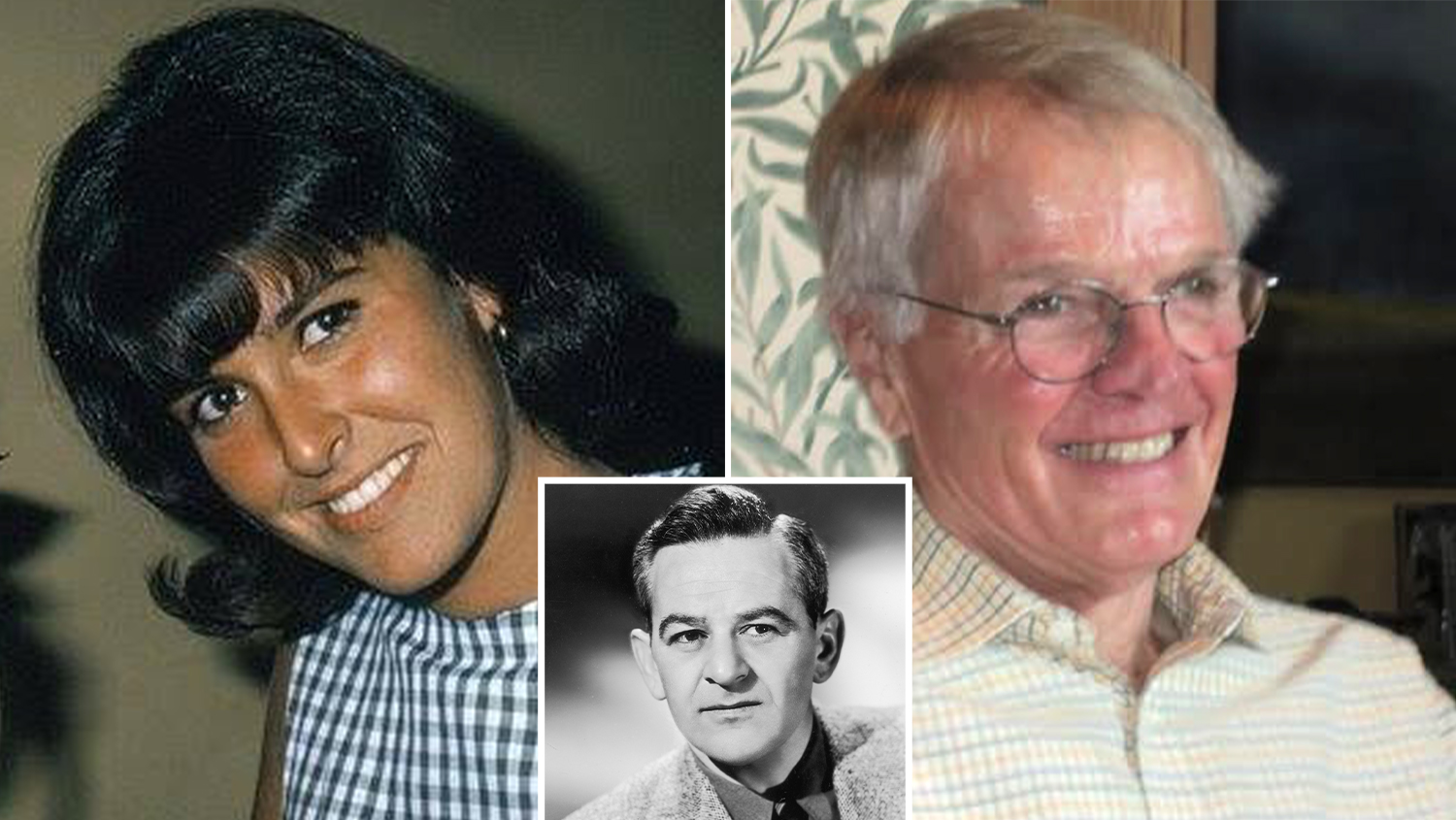
    Judith Sheldon, the 84-year-old daughter of three-time Academy Award-winning director William Wyler, was found dead alongside her husband inside a running vehicle on a California highway roadside in June 2026. Authorities discovered the couple after passing motorists reported an idling car parked erratically on the shoulder. First responders found both occupants unresponsive. The engine was still running. Pronouncement of death occurred at the scene.

    The discovery abruptly ends the life of one of the last direct links to Hollywood’s Golden Age. Sheldon was not a movie star. She was a custodian. For decades, she managed the historical footprint of a father who shaped modern American cinema. Now, her sudden death triggers a complex jurisdictional investigation.

    What looks like a routine traffic welfare check has become a high-profile forensic puzzle. The California Highway Patrol secured the perimeter. The county coroner took jurisdiction of the remains. The Hollywood community awaits answers. But the story of Judith Sheldon is much larger than the tragic circumstances of her final hours.

    The Discovery on the Highway

    The timeline of the discovery remains under active investigation by California authorities. A vehicle was spotted pulled over on the shoulder of a state highway. The engine was engaged. The exhaust system was active. Passing drivers initially assumed it was a standard breakdown. Hours passed. The vehicle did not move.

    California Highway Patrol units eventually approached the car. Officers observed two individuals slumped inside the cabin. The doors were locked. The windows were rolled up. Entry was forced. Medical personnel arrived shortly after, but no life-saving measures could be deployed. Rigor mortis had reportedly begun.

    Investigators immediately look for environmental clues in these scenarios. A running vehicle with closed windows presents a high risk of carbon monoxide accumulation, especially if the exhaust pipe is obstructed or the vehicle’s internal ventilation system fails. Odorless and colorless, carbon monoxide binds to hemoglobin with deadly efficiency. Victims simply fall asleep.

    Alternatively, authorities must rule out a dual medical emergency. If the driver suffered a sudden cardiac event, a passenger of advanced age might be unable to intervene, call for help, or exit the vehicle safely. Foul play is not currently the primary focus. Toxicology reports and full autopsies will dictate the final narrative. Until then, the scene remains a quiet tragedy on a sunbaked strip of asphalt.

    A Childhood Among Hollywood Royalty

    To understand Judith Sheldon, one must understand the shadow in which she grew up. William Wyler was not merely a director. He was an institution. Born in Alsace-Lorraine in 1902, Wyler emigrated to the United States and became the most nominated director in Academy Award history. He secured twelve Best Director nominations. He won three times.

    Judith was born in 1942 to Wyler and his wife, actress Margaret Tallichet. Her childhood coincided with her father’s absolute peak. She grew up in a Beverly Hills home where the industry’s most powerful figures gathered. Bette Davis was a frequent collaborator. Charlton Heston was a family friend. Audrey Hepburn owed her breakout role to Wyler’s eye.

    Wyler was known on set as “40-Take Wyler.” He was a relentless perfectionist. He drove actors to the brink of exhaustion to capture the exact emotional truth of a scene. He directed Mrs. Miniver. He directed The Best Years of Our Lives. He directed the sprawling, monumental epic Ben-Hur.

    Judith witnessed this perfectionism firsthand. She watched celluloid history being crafted. She saw the toll it took on her father, and she saw the accolades it brought him. The Wyler household was a museum of mid-century American culture. Oscars sat on the mantel. Scripts littered the study. It was a life of immense privilege, anchored by an intense work ethic.

    The Custodian of the Wyler Archives

    William Wyler died in 1981. His passing left a massive archival void. Directors of his era rarely kept meticulous, digitized records. Their legacy lived in physical film prints, handwritten production notes, and fading photographs. Judith Sheldon stepped into the breach.

    She became the fierce protector of the Wyler estate. She understood that Hollywood has a short memory. Without active preservation, even a giant like Wyler could fade into footnotes. Sheldon partnered with the Academy of Motion Picture Arts and Sciences. She donated crucial materials to the Academy Film Archive.

    Sheldon was a staple at the Turner Classic Movies (TCM) Classic Film Festival. She provided audio commentaries for DVD and Blu-ray releases of her father’s work. She sat for interviews. She corrected biographers. She ensured that the narrative surrounding “40-Take Wyler” remained accurate, nuanced, and respectful.

    Her work extended to her father’s World War II service. Wyler flew combat missions to film the documentary The Memphis Belle: A Story of a Flying Fortress. He lost his hearing in one ear due to the roar of bomber engines. Sheldon worked tirelessly to ensure his military sacrifices were remembered alongside his Hollywood triumphs. She viewed her father not just as an entertainer, but as an American patriot. She protected that dual legacy until the day she died.

    The Mechanics of an Unattended Highway Death

    The tragic nature of Sheldon’s death forces a hard look at vehicular safety and the vulnerabilities of aging motorists. The California Highway Patrol handles thousands of roadside incidents annually. A significant percentage involve elderly drivers experiencing sudden medical episodes.

    When a vehicle is found running with deceased occupants, protocol dictates a hazardous materials approach. First responders must assume the presence of toxic gases. Carbon monoxide detectors are deployed before the cabin is fully breached. The vehicle’s exhaust system is inspected for damage, rust, or blockage. A cracked manifold or a blocked tailpipe can force exhaust fumes into the passenger compartment within minutes.

    If carbon monoxide is ruled out, investigators pivot to environmental exposure. Even with an engine running, air conditioning systems can fail. In the California summer, a sealed car becomes an oven. Hyperthermia can claim a life rapidly. Conversely, if the air conditioning is blasting but the occupants suffer a medical crisis, the running engine merely masks the tragedy until the fuel tank runs dry.

    The coroner’s office will conduct blood tests to measure carboxyhemoglobin levels. They will examine the hearts and brains of both victims. They will reconstruct the final 48 hours of their lives. Did they stop for gas? Did they make a phone call? Where were they heading? The answers exist in cell phone tower pings, credit card receipts, and forensic pathology.

    The Fading Footprint of the Golden Age

    The death of Judith Sheldon marks another severed tie to the studio system era. The children of the 1930s and 1940s Hollywood titans are aging. Many have already passed. They were the last generation to witness the factory-like production of classic cinema before television and corporate conglomerates altered the landscape forever.

    These offspring occupied a unique cultural space. They were not the creators, but they held the keys to the creators’ memories. They possessed the intimate, off-camera anecdotes that biographers crave. They knew what the legends were like at the breakfast table. When a figure like Sheldon dies, a library burns.

    The Wyler estate will likely transition to a trust or be fully absorbed by academic and cinematic institutions. The Academy Film Archive already holds the bulk of the physical media. The legacy is secure. But the human voice that championed that legacy is gone.

    Hollywood is an industry built on ghosts. It projects the dead onto screens and calls them immortal. But the machinery behind those projections was built by mortals. William Wyler was a mortal. Judith Sheldon was a mortal. Their story, which began in the glittering heights of Beverly Hills royalty, has ended on a quiet stretch of asphalt.

    The Final Investigation

    Law enforcement continues to process the vehicle. The California Highway Patrol will issue a final incident report. The local coroner will sign the death certificates. The physical evidence will be cataloged and eventually released.

    There is no glamour in a roadside death. It is stark. It is clinical. It stands in harsh contrast to the sweeping, orchestrated dramas William Wyler put on film. In a Wyler movie, every detail was controlled. Every shadow was placed with purpose. Every ending was meticulously scripted.

    Reality offers no such control. A car pulls over. An engine idles. Time stops.

    The highway patrolmen finished their notes. The coroner’s van departed the scene. The idling engine was finally silenced. The road remained.

  • Netflix’s ‘Little House’ – Introducing the Pioneering Black Doctor, Jocko Sims as Dr. Tann

    Netflix’s ‘Little House’ – Introducing the Pioneering Black Doctor, Jocko Sims as Dr. Tann

    A New Frontier for ‘Little House’

    Netflix is developing a new adaptation of the classic American frontier narrative, ‘Little House on the Prairie’. This forthcoming series aims to reimagine the beloved stories of Laura Ingalls Wilder for a contemporary audience. One notable aspect of this adaptation is its commitment to expanding the historical representation within the narrative.

    A significant character introduction will be that of a pioneering Black doctor. This character, named Dr. Tann, will be portrayed by actor Jocko Sims. The casting and character development reflect a modern approach to historical storytelling, seeking to acknowledge and integrate diverse experiences often overlooked in earlier adaptations.

    Jocko Sims Joins the Cast

    Actor Jocko Sims has been confirmed for the role of Dr. Tann. Sims is known for his work in various television series, including ‘New Amsterdam’ where he played Dr. Floyd Reynolds. His casting brings a recognized face to this pivotal new character in the ‘Little House’ universe.

    The role of Dr. Tann is envisioned as a central figure, contributing significantly to the community and the broader narrative. His presence is intended to challenge conventional portrayals of the American frontier, highlighting the diverse populations that were part of its development.

    Historical Context of Black Doctors on the Frontier

    The inclusion of a Black doctor in ‘Little House on the Prairie’ is not merely a modern embellishment but reflects historical realities. While often marginalized in popular culture, Black physicians did practice medicine on the American frontier during the 19th century. These individuals faced significant racial barriers and societal challenges but played crucial roles in their communities.

    For example, Dr. James McCune Smith, born in 1813, was the first African American to earn a medical degree, completing his studies in Glasgow, Scotland, in 1837. He practiced in New York City, serving both Black and white patients. Though not directly on the Western frontier, his existence demonstrates the presence of highly educated Black medical professionals during the era depicted by ‘Little House’.

    Further west, figures like Dr. Daniel Hale Williams, who performed one of the first successful open-heart surgeries in 1893, operated in a period coinciding with the later years of the frontier era. Their stories underscore the historical validity of Black medical professionals contributing to American society, even in challenging environments.

    The ‘Little House’ Legacy and Representation

    Laura Ingalls Wilder’s original ‘Little House’ books, first published between 1932 and 1943, chronicled her childhood experiences in various pioneer settlements. The popular television series, which aired from 1974 to 1983, became a cultural touchstone, but often presented a largely homogenous view of frontier life.

    Modern adaptations, including this Netflix project, are increasingly re-examining these narratives through a lens of greater inclusivity. The aim is to create stories that resonate with a broader audience by acknowledging the full spectrum of historical experiences. This includes recognizing the contributions and struggles of people of color, Native Americans, and other marginalized groups.

    The introduction of Dr. Tann serves this purpose. It allows the series to explore themes of resilience, community, and medical innovation within a more historically complete framework. The character can provide new avenues for storytelling and character development.

    Why Now? The Evolution of Historical Storytelling

    The decision to include a pioneering Black doctor in the ‘Little House’ adaptation aligns with a broader trend in historical storytelling. Contemporary media increasingly seeks to rectify historical omissions and present more nuanced depictions of the past. This movement is driven by a desire for accuracy and relevance to diverse modern audiences.

    Productions like HBO’s ‘Watchmen’ and Amazon Prime Video’s ‘The Underground Railroad’ have demonstrated the power of re-examining historical periods through the lens of marginalized communities. These projects have garnered critical acclaim for their depth and their ability to connect historical injustices with contemporary issues.

    For ‘Little House’, a series deeply embedded in American nostalgia, this approach offers an opportunity to evolve without abandoning its core appeal. It allows the narrative to retain its themes of family, perseverance, and the challenges of frontier life, while simultaneously offering a richer, more complex historical landscape.

    The Impact of Dr. Tann on Walnut Grove

    Dr. Tann’s character is expected to have a significant impact on the fictional community of Walnut Grove, Minnesota, and other settings within the series. As a medical professional, he would possess specialized knowledge and skills vital to isolated frontier towns. His presence would offer an alternative or additional source of medical care, potentially interacting with existing characters like Doc Baker from the original series.

    His experiences as a Black man in a predominantly white frontier settlement would also introduce new social dynamics. The series could explore themes of prejudice, acceptance, and the formation of community bonds across racial lines. This would add layers of social commentary and character development previously unexplored in the ‘Little House’ universe.

    The character could also serve as a mentor or a source of wisdom for younger characters, including Laura Ingalls herself. His perspective on life, medicine, and societal challenges would enrich the educational and emotional landscape of the show.

    Challenges and Opportunities for the Adaptation

    Adapting a beloved series like ‘Little House on the Prairie’ comes with inherent challenges. Fans of the original books and television show hold strong attachments to the established characters and narratives. Introducing new elements, while historically grounded, requires careful execution to maintain authenticity and respect for the source material.

    However, these challenges are also opportunities. By embracing a more inclusive historical perspective, the Netflix adaptation can attract new viewers who seek stories that reflect a wider range of experiences. It can also re-engage original fans by offering a fresh, thought-provoking take on a familiar world.

    The creative team behind the Netflix series faces the task of balancing nostalgia with innovation. The success of Dr. Tann’s character will depend on thoughtful writing, nuanced performances, and a genuine commitment to portraying his story with depth and respect.

    What Does This Mean for the ‘Little House’ Legacy?

    The Netflix adaptation, with its inclusion of Dr. Tann, marks a significant moment for the ‘Little House’ legacy. It signals a move towards a more expansive and inclusive understanding of American history, even within foundational cultural narratives.

    It suggests that classic stories can be reinterpreted to reflect contemporary values and historical scholarship. This approach allows the stories to remain relevant and continue to educate and entertain new generations.

    The representation of a Black doctor on the frontier helps to correct historical inaccuracies and broaden the scope of who is seen as a pioneer. It acknowledges that the American West was settled by people from all walks of life, contributing to its development in manifold ways.

    The Future of Historical Dramas

    The ‘Little House’ project, and the casting of Jocko Sims as Dr. Tann, reflects a broader trend in historical dramas. There is an increasing demand for authenticity and diverse representation. Audiences are seeking stories that challenge conventional narratives and offer deeper insights into the past.

    This commitment to inclusivity is not just about social justice; it is also about creating richer, more compelling stories. When historical narratives include a wider array of voices and experiences, they become more complex, more human, and ultimately, more resonant.

    The Netflix ‘Little House on the Prairie’ adaptation has the potential to become a landmark in this evolving landscape. Its success could further encourage other historical productions to embrace similar approaches, leading to a more comprehensive and accurate portrayal of history on screen.

    Expectations build. Discussions unfold. Histories are revised. Perspectives broaden. Stories evolve.

    The prairie.