Tag: news

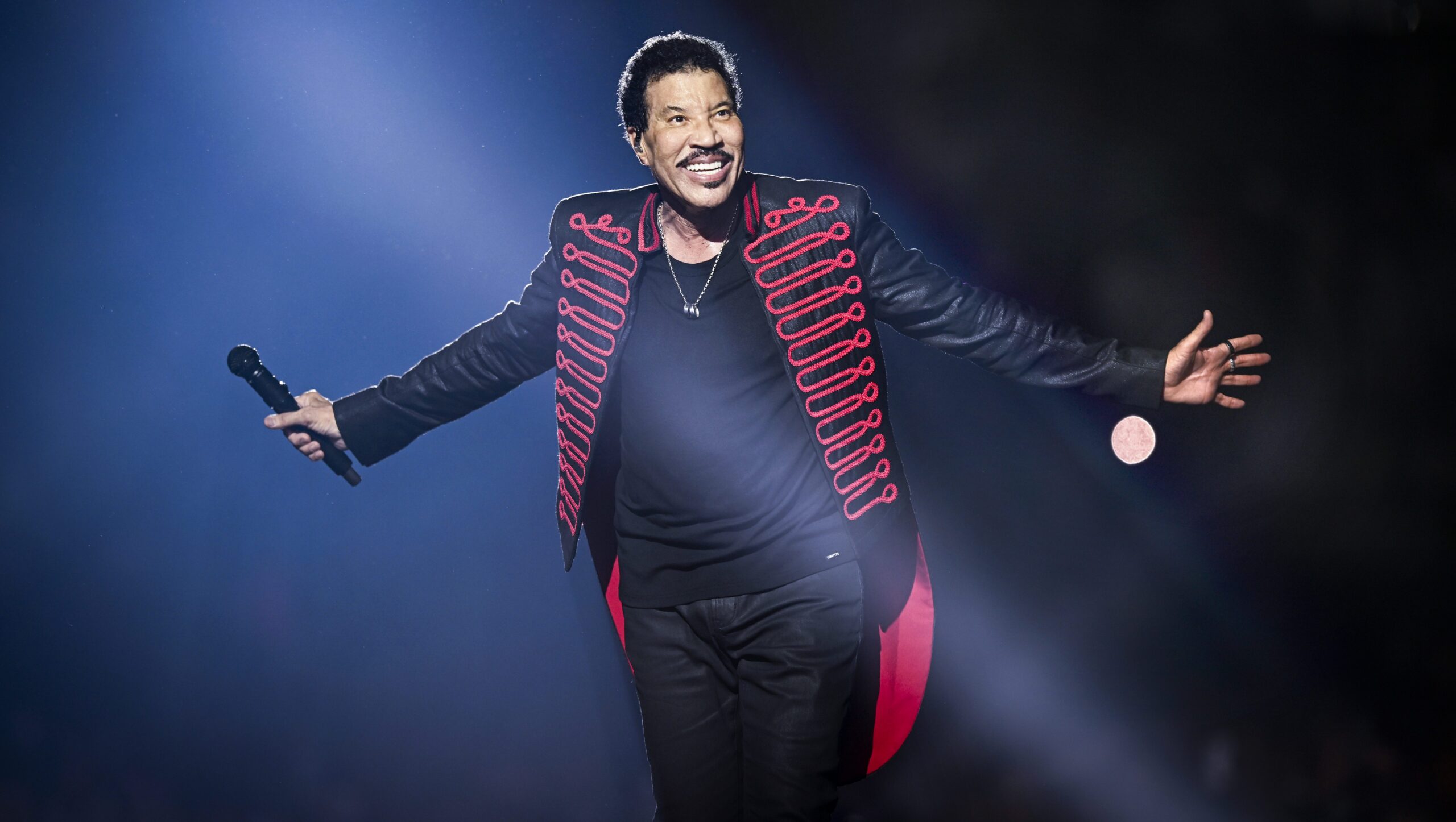
  • Lionel Richie Falls Ill On Stage – Las Vegas Tour Opener Cut Short

    Lionel Richie Falls Ill On Stage – Las Vegas Tour Opener Cut Short

    Lionel Richie’s Unexpected Stage Illness Halts Tour Opener

    Lionel Richie, the acclaimed American singer-songwriter, became visibly ill on stage during the opening night of his new tour, forcing the immediate conclusion of the performance. The incident occurred on June 24, 2026, at the Grand Arena in Las Vegas, Nevada. This abrupt end to the highly anticipated ‘Hello Again: The Hits Tour’ prompted significant concern among the thousands of fans in attendance and across social media.

    Richie’s representatives did not immediately disclose the specific nature of his illness. Eyewitness accounts reported that the artist appeared unwell before the show was halted, leading to speculation about his condition. The premature conclusion marked an unusual and concerning start to a tour planned to span multiple cities across North America throughout the summer of 2026.

    The ‘Hello Again: The Hits Tour’ Inaugural Performance

    The ‘Hello Again: The Hits Tour’ was scheduled to commence on June 24, 2026, at the Grand Arena in Las Vegas. This venue, known for hosting major musical acts, has been a frequent stop for high-profile residencies. Richie himself has performed extensively in Las Vegas throughout his career, establishing a strong connection with the city’s entertainment landscape and its audiences.

    Tickets for the opening night had sold out rapidly upon their release in late 2025, underscoring the high demand to see the legendary performer. Fans had traveled from various states, including California, Arizona, and Utah, to witness the launch of the new concert series. The atmosphere before the incident was described as electric, filled with high expectations for a night of classic hits spanning Richie’s extensive catalog.

    Richie’s expected setlist for the tour was designed to include a comprehensive selection of his most beloved songs. These would likely encompass his iconic solo work, such as ‘All Night Long (All Night),’ ‘Hello,’ and ‘Dancing on the Ceiling,’ alongside Commodores-era favorites like ‘Easy,’ ‘Three Times a Lady,’ and ‘Brick House.’ The tour was poised to celebrate his illustrious career, which has spanned over five decades in the music industry.

    High Expectations for a Night of Hits

    The tour’s title, ‘Hello Again: The Hits Tour,’ explicitly promised a journey through Richie’s greatest musical achievements. Promotional materials highlighted his status as a global superstar and his ability to captivate audiences with his soulful voice and engaging stage presence. The Grand Arena, with its state-of-the-art sound and lighting, was prepared to offer an immersive experience for the tour’s debut.

    Pre-Show Buzz and Fan Anticipation

    Social media platforms buzzed with excitement in the days leading up to the concert. Fans shared their travel plans, favorite Richie songs, and memories of past concerts. This collective anticipation underscored the deep connection Richie maintains with his fan base, many of whom have followed his career since his early days with the Commodores in the 1970s.

    Eyewitness Accounts from the Grand Arena Incident

    Attendees at the Grand Arena provided firsthand accounts of the incident that led to the show’s early conclusion. These reports offer insight into the moments leading up to Richie’s departure from the stage.

    Richie’s Performance Prior to Illness

    Sarah Jenkins, a fan from Los Angeles who traveled for the concert, stated that Richie performed several songs before the issue arose. “He seemed a little off during ‘Say You, Say Me,’” Jenkins recounted, “but we just thought it was part of the performance, maybe a vocal warm-up or something. It wasn’t immediately alarming.” Other fans echoed this sentiment, noting a subtle change in his energy.

    The Moment the Show Halted

    Mark Thompson, another concertgoer from Phoenix, Arizona, noted a visible and more pronounced change in Richie’s demeanor during a break between songs. “He paused for a long time between songs, longer than usual, and looked a bit disoriented,” Thompson explained. “Then he just stopped mid-sentence while addressing the crowd and walked off stage. The lights went up shortly after, and an announcement followed.” This sudden departure signaled to many that something was seriously amiss.

    Venue Response and Audience Reaction

    Security personnel and venue staff quickly moved to manage the unfolding situation. Announcements were made over the loudspeaker, informing the audience that the show could not continue due to unforeseen circumstances involving the artist’s health. Attendees were advised to retain their tickets for further information regarding rescheduling or refunds. The crowd dispersed in an orderly fashion, though a palpable sense of disappointment and worry lingered among those leaving the arena. Many fans could be seen checking their phones for news updates about Richie’s condition.

    Impact on Future ‘Hello Again’ Tour Dates

    The immediate consequence of Richie’s illness is the uncertainty surrounding the subsequent dates of the ‘Hello Again: The Hits Tour.’ The tour schedule had planned for performances in major cities such as Chicago, New York, and Atlanta in the coming weeks of July 2026, followed by additional dates into August. These dates are now subject to review and potential alteration pending updates on Richie’s health status and recovery timeline.

    Tour promoters and management teams typically have contingency plans for such unforeseen circumstances. These plans often include options for rescheduling shows, offering full refunds, or, in some cases, canceling entire legs of a tour if an artist’s health prevents them from performing for an extended period. The ultimate decision will likely depend on medical advice from Richie’s physicians and his personal recovery timeline.

    Fans holding tickets for upcoming shows are advised to monitor official channels for the most accurate and timely information. The tour’s official website and Lionel Richie’s social media accounts are expected to provide updates as they become available. Ticketing agencies, such as Ticketmaster and Live Nation, will also communicate any changes directly to ticket holders via email or app notifications.

    Financial and Logistical Considerations

    A tour stoppage carries significant financial and logistical implications. Postponements or cancellations affect not only the artist and their crew but also venue staff, local vendors, and associated travel and hospitality industries. Insurance policies are typically in place to mitigate some of these financial losses, but the disruption remains substantial.

    Artist Well-being Prioritized

    Industry experts emphasize that an artist’s well-being is always the paramount concern in such situations. While the financial impact is considerable, the focus shifts to ensuring the performer’s health and allowing for a full recovery before any return to the stage is considered. This approach protects both the artist and the long-term viability of their career.

    Lionel Richie’s Enduring Musical Legacy and Acclaim

    Lionel Richie’s career began in the late 1960s as a member of the Commodores, where his songwriting prowess and smooth vocal delivery quickly established the group as a major force in R&B and funk music. Hits like ‘Brick House,’ ‘Lady (You Bring Me Up),’ and ‘Easy’ cemented their status and showcased Richie’s evolving talent.

    He launched his solo career in 1982 with the self-titled album ‘Lionel Richie,’ which featured the chart-topping single ‘Truly.’ This marked a pivotal moment, transitioning him from a group frontman to a global solo superstar. His subsequent albums, ‘Can’t Slow Down’ (1983) and ‘Dancing on the Ceiling’ (1986), produced a string of international hits including ‘Hello,’ ‘All Night Long (All Night),’ and ‘Say You, Say Me.’

    Richie has sold over 100 million records worldwide, making him one of the best-selling music artists of all time. His accolades are extensive and include four Grammy Awards, a Golden Globe Award, and an Academy Award for Best Original Song (‘Say You, Say Me’ from the 1985 film White Nights). He was inducted into the Rock and Roll Hall of Fame in 2022, further solidifying his indelible place in music history and culture.

    Philanthropy and Humanitarian Efforts

    Beyond his musical achievements, Richie is widely known for his philanthropic efforts. He has supported numerous charities and causes throughout his career, often using his platform to advocate for social change and humanitarian aid. His participation in USA for Africa’s ‘We Are the World’ in 1985, which he famously co-wrote with Michael Jackson, remains one of the most iconic charity singles ever produced, raising millions for famine relief in Africa.

    Global Impact and Cultural Significance

    Richie’s music transcends generations and geographical boundaries. His songs are frequently covered by other artists, sampled in modern tracks, and remain staples on radio playlists worldwide. His ability to craft enduring melodies and heartfelt lyrics has ensured his continued relevance in a rapidly changing music landscape, making him a beloved figure across diverse demographics.

    The Physical Demands of Extensive Touring

    Touring extensively presents significant physical and mental challenges for artists, especially those with lengthy careers like Lionel Richie. The rigorous schedule often involves frequent travel across different time zones, late-night performances, and exposure to varying climates and environments. Maintaining vocal health, physical stamina, and overall well-being becomes paramount for performers on the road.

    Many artists employ dedicated teams to manage their health and well-being while touring. These teams can include personal trainers, nutritionists, vocal coaches, and medical professionals who travel with the artist to provide immediate support. Despite these comprehensive precautions, the inherent demands of live performance, the constant travel, and the pressure to deliver consistent, high-quality shows can sometimes lead to unexpected health issues.

    The incident with Lionel Richie in Las Vegas underscores the reality that even highly experienced and physically fit performers are susceptible to the stresses of touring. Fans and industry professionals often express admiration for artists who maintain demanding schedules for decades, showcasing incredible resilience. However, such events serve as a sobering reminder of the human element behind the spectacle and the limits of physical endurance, even for global icons.

    The Toll of Constant Performance

    The constant cycle of travel, soundchecks, performances, and media obligations can take a severe toll. Sleep patterns are often disrupted, and the immune system can be compromised, increasing vulnerability to illness. For artists who have been performing for fifty years, these factors are amplified, making recovery times longer and the need for rest more critical.

    Industry Support Systems

    The music industry has developed various support systems for touring artists, including mental health resources and specialized medical care. These systems aim to mitigate the risks associated with the demanding lifestyle, recognizing that the health of its performers is crucial for the industry’s sustained success.

    Fan Reactions and Outpouring of Support

    News of Lionel Richie’s illness quickly spread across social media platforms following the incident at the Grand Arena. Fans from around the world expressed an immediate outpouring of support and concern for the artist’s well-being. Hashtags related to Richie’s health began trending on platforms like X (formerly Twitter), Instagram, and Facebook, reflecting the global reach of his fanbase.

    Messages of well-wishes and prayers came from various parts of the globe, demonstrating the deep emotional connection many feel towards Richie and his music. Many fans shared personal anecdotes about how Richie’s songs had impacted their lives, soundtracking significant moments from first dances to celebratory gatherings. This collective response highlighted the profound bond artists like Richie forge with their audience over decades of performing and creating timeless music.

    Fellow musicians, celebrities, and industry figures also weighed in, sending messages of solidarity and wishing Richie a swift recovery. This widespread show of support underscored his respected position within the entertainment community. The concern was not just for the tour, but for the health of a beloved cultural icon.

    Fans expressed hope for a quick recovery. They also conveyed understanding regarding any necessary postponements, prioritizing Richie’s health over immediate concert plans. The sentiment was clear: get well soon, Lionel.

    A legendary career. A devoted fanbase. A sudden setback. Las Vegas.
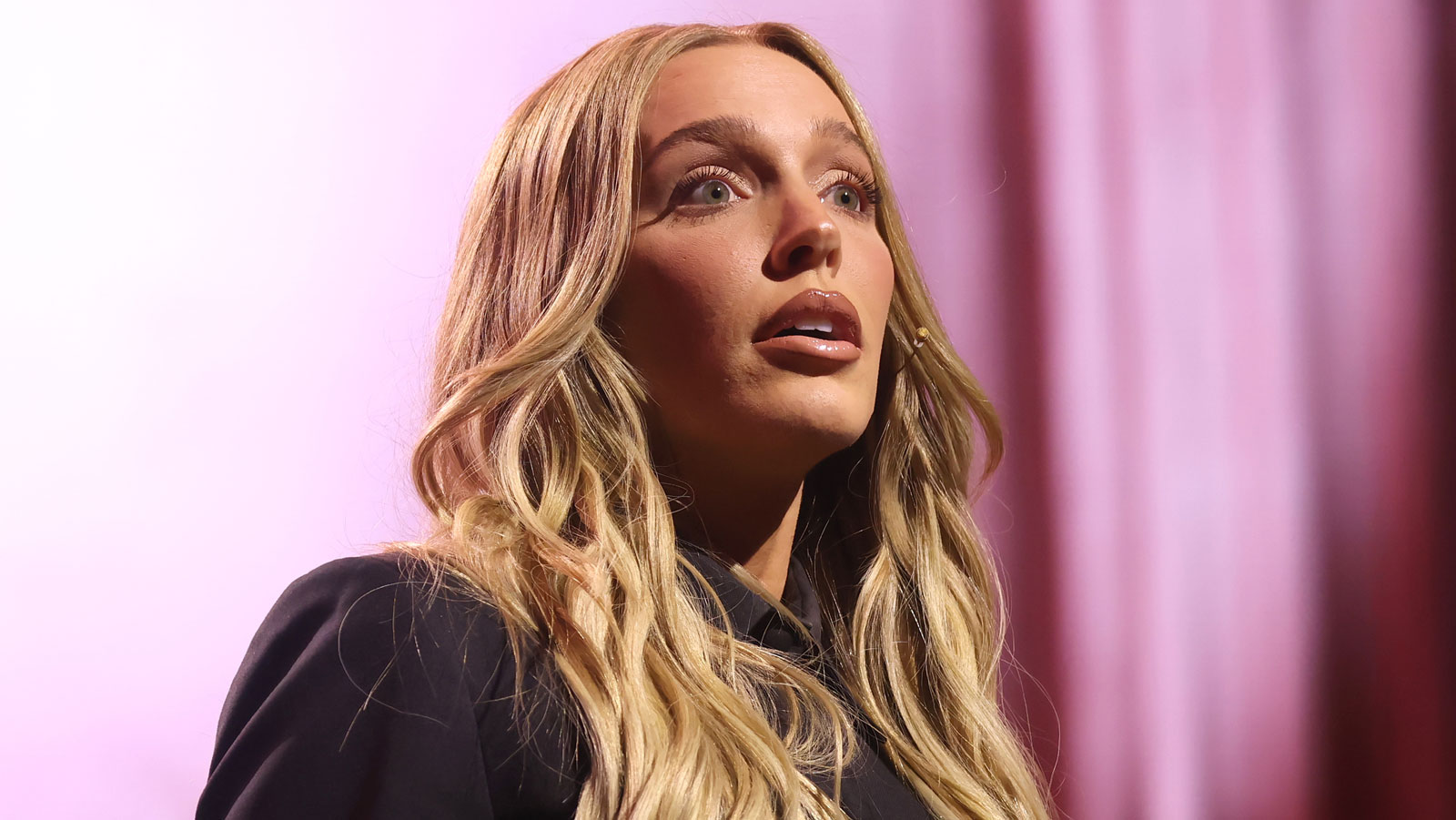
  • Alex Cooper Responds to ‘Unwell’ Claims – Navigating Industry Standards

    Alex Cooper Responds to ‘Unwell’ Claims – Navigating Industry Standards

    Alex Cooper Addresses ‘Unwell’ Workplace Allegations

    Alex Cooper, a prominent figure in podcasting, has publicly responded to allegations concerning a toxic work environment associated with her podcast, ‘Unwell.’ Cooper’s statement, reported by Deadline on 2026-06-25, emphasized the unique challenges faced by women in the entertainment industry, suggesting they are often held to a different, more stringent standard.

    This response from Cooper initiates a broader conversation about professional expectations and gender dynamics within high-pressure creative sectors. The allegations against ‘Unwell’ have brought renewed attention to workplace culture in digital media.

    The Context of the ‘Unwell’ Claims

    The specific nature of the toxic work environment claims against ‘Unwell’ has not been fully detailed in public reports. However, such allegations typically involve issues like poor communication, excessive demands, lack of support, or disrespectful behavior among staff members. The ‘Unwell’ podcast, while connected to Cooper’s broader media empire, operates as a distinct entity from her flagship ‘Call Her Daddy’ program.

    Reports of workplace discord are not uncommon in rapidly expanding media ventures. The intense pressure to produce consistent content and maintain audience engagement can sometimes lead to strained internal dynamics. Cooper’s decision to address these claims publicly indicates a recognition of their significance.

    Alex Cooper’s Defense: Gender and Industry Standards

    Cooper’s defense centered on the argument that being a woman in the entertainment industry presents particular difficulties. She stated, “Being a woman in this industry is extremely difficult, you’re held to a different standard.” This assertion points to a perceived double standard where female leaders and creators may face harsher scrutiny than their male counterparts.

    This perspective resonates with broader discussions regarding systemic biases in professional environments. Women in leadership roles frequently report encountering skepticism, having their authority questioned, or being judged more critically on their management style. The entertainment industry, in particular, has a documented history of gender inequality and disproportionate representation.

    The ‘Call Her Daddy’ Precedent and Public Scrutiny

    Alex Cooper first rose to prominence with the ‘Call Her Daddy’ podcast, which she co-created. The show quickly gained a massive following, particularly among young women. Its success led to a significant deal with Spotify, reportedly worth millions of dollars.

    The journey of ‘Call Her Daddy’ itself was not without public drama. An earlier dispute between Cooper and her former co-host, Sofia Franklyn, over contract negotiations and intellectual property rights played out publicly in 2020. This prior experience with public scrutiny may inform Cooper’s current approach to addressing controversies.

    The intense spotlight on successful female entrepreneurs in media means that their business practices and workplace cultures often come under close examination. This level of public interest can amplify internal issues.

    Workplace Culture in Digital Media

    The digital media landscape, characterized by rapid growth and constant innovation, often struggles with establishing stable and equitable workplace cultures. Start-up mentalities can sometimes prioritize speed and output over employee well-being and clear communication.

    Podcasting, a relatively new but booming sector, has seen an influx of talent and capital. As individual creators transition into building larger production teams, the challenges of management and fostering a positive environment become more pronounced. These challenges are not unique to Cooper’s ventures but are endemic across the industry.

    • Rapid Scaling: Many successful podcasts grow quickly, leading to rapid team expansion.
    • Creator-Centric Models: The focus on individual personalities can sometimes overshadow team contributions.
    • High Pressure: The demand for consistent, high-quality content creates intense production schedules.
    • Blurred Lines: In creative industries, the distinction between personal and professional can sometimes blur, affecting workplace dynamics.

    Impact on Reputation and Brand

    Allegations of a toxic work environment, regardless of their specific details, can have a significant impact on a public figure’s reputation and brand. For creators like Alex Cooper, whose brand is deeply intertwined with her personality and perceived authenticity, such claims can be particularly damaging.

    Maintaining public trust is crucial for podcasters who rely on a direct connection with their audience. How Cooper navigates these allegations and implements any necessary changes will be closely watched by her listeners and the broader industry.

    The incident also serves as a reminder for media companies to prioritize healthy workplace environments. Employee satisfaction and ethical business practices are increasingly important factors in public perception and long-term success.

    The Broader Dialogue on Women in Leadership

    Cooper’s comments contribute to an ongoing, global dialogue about the experiences of women in leadership roles. Studies consistently show that women leaders face unique obstacles, including unconscious bias, stereotype threat, and higher expectations regarding emotional labor.

    The phrase “different standard” encapsulates a sentiment expressed by many women who have broken through traditional barriers in male-dominated industries. This often includes being perceived as too aggressive if assertive, or too emotional if empathetic. The ‘tightrope’ walk of female leadership is a well-documented phenomenon.

    “Being a woman in this industry is extremely difficult, you’re held to a different standard.” – Alex Cooper, 2026-06-25

    These discussions extend beyond the entertainment industry to fields like technology, finance, and politics. The challenges highlight the need for continued advocacy for gender equity and inclusive workplace policies.

    Moving Forward: Transparency and Accountability

    In the wake of such allegations, the path forward for any organization typically involves a combination of transparency, internal review, and accountability. Public statements are often followed by internal actions to address concerns raised by employees.

    For Alex Cooper and her associated production companies, this may involve an independent investigation, implementation of new HR policies, or direct engagement with current and former staff members. The goal is to demonstrate a commitment to improving workplace conditions and fostering a supportive environment.

    The media’s role in reporting on these issues also plays a part. Responsible journalism focuses on factual reporting while acknowledging the complexities of workplace dynamics and the perspectives of all involved parties.

    Conclusion

    Alex Cooper’s response to the ‘Unwell’ toxic work environment claims highlights the intricate challenges faced by women leaders in the entertainment industry. It underscores the perpetual scrutiny, the unique expectations, and the different standards often applied to them. The discussion moves from specific allegations to the broader context of gender in professional life.

    Allegations surfaced. Responses were issued. Industry standards were questioned. The conversation continues.

    FAQ Section

    Q: What claims were made against Alex Cooper’s ‘Unwell’ podcast?
    A: Claims of a toxic work environment were made against Alex Cooper’s ‘Unwell’ podcast, though specific details of the allegations have not been widely publicized.

    Q: How did Alex Cooper respond to the toxic work environment allegations?
    A: Alex Cooper responded by stating that being a woman in the entertainment industry is particularly difficult, implying that women are held to a different, higher standard compared to men.

    Q: When did Alex Cooper make her statement regarding the ‘Unwell’ claims?
    A: Alex Cooper made her statement regarding the ‘Unwell’ claims on 2026-06-25, as reported by Deadline.

    Q: What is ‘Unwell’ in relation to Alex Cooper?
    A: ‘Unwell’ is a podcast associated with Alex Cooper, distinct from her more widely known ‘Call Her Daddy’ podcast, and is the subject of the recent workplace claims.

    Q: Why did Alex Cooper mention gender in her response to the allegations?
    A: Cooper mentioned gender to contextualize the challenges she believes women face in the entertainment industry, suggesting they endure greater scrutiny and different standards than male counterparts in similar positions.

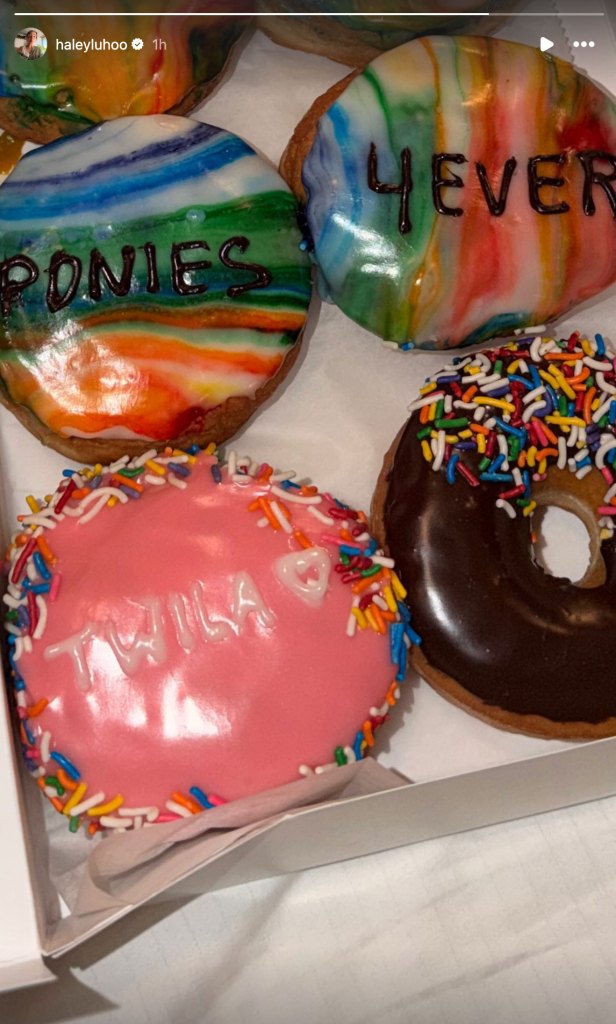
  • Ponies Canceled: Cast Reactions from Haley Lu Richardson and Vic Michaelis

    Ponies Canceled: Cast Reactions from Haley Lu Richardson and Vic Michaelis

    The Sudden End of Ponies

    The Peacock streaming service has canceled its original series, ‘Ponies’. This decision, announced in June 2026, has prompted significant reactions from the show’s cast, including prominent figures such as Haley Lu Richardson and Vic Michaelis. The cancellation marks an abrupt end for the series, which had garnered a dedicated following during its run.

    The news arrived without a prior warning, leaving both the production team and the audience surprised. Such cancellations have become a common occurrence in the competitive streaming market, but they rarely pass without public comment from those directly involved.

    Cast Members Share Disappointment

    Haley Lu Richardson, known for her roles in other popular productions, expressed her disappointment regarding the cancellation of ‘Ponies’. Her statement, released through social media, conveyed a sense of loss for the project and its narrative potential. Richardson had been a key component of the show’s ensemble, and her performance was frequently highlighted by critics.

    Vic Michaelis, another central figure in the ‘Ponies’ cast, also shared sentiments of frustration. Michaelis’s public comments focused on the effort and dedication invested by the entire crew. The abrupt nature of the cancellation means that many planned storylines will now remain unresolved, a point of contention for both the actors and the show’s fan base.

    The Impact on Creative Teams

    The cancellation of a series like ‘Ponies’ extends beyond the lead actors. It affects writers, directors, crew members, and supporting cast who dedicate months, sometimes years, to a production. For many, a show represents not just a job but a significant creative endeavor. The sudden termination can disrupt careers and creative momentum.

    Writing staff, in particular, face the challenge of unfinished narratives. Series often conclude with cliffhangers or open-ended plots designed to lead into future seasons. When a cancellation occurs, these threads are left dangling, frustrating both the creators who envisioned their continuation and the viewers who invested in the story.

    Audience Reactions and Streaming Trends

    The audience response to the ‘Ponies’ cancellation has been vocal. Social media platforms saw an influx of comments from fans expressing their sadness and anger. Many viewers highlighted the unique storytelling and character development they appreciated in the series, questioning the platform’s decision.

    This reaction is not isolated. The streaming industry, characterized by high production costs and intense competition for subscribers, frequently makes difficult programming decisions. Platforms like Peacock continually evaluate viewership numbers, subscriber acquisition, and retention rates to determine the viability of their original content.

    The Economics of Streaming Content

    The decision to cancel a show like ‘Ponies’ is often rooted in complex financial models. Streaming services invest heavily in content creation, hoping to attract and retain subscribers. However, not all shows achieve the necessary metrics to justify their continued production.

    Factors such as global reach, critical acclaim, and awards season performance also play a role. While ‘Ponies’ may have had a passionate fan base, it might not have met the broader strategic goals set by Peacock’s parent company, NBCUniversal. This economic reality often clashes with the artistic and emotional investment of creators and viewers.

    The Future for Cast and Crew

    For actors like Haley Lu Richardson and Vic Michaelis, a cancellation means moving on to new projects. While disappointing, it is a common part of an acting career. Both Richardson and Michaelis have established careers and will likely find new roles in other television series or films.

    The crew members, including camera operators, sound engineers, costume designers, and many others, also face the challenge of finding new employment. The television production industry is highly project-based, and the end of one show necessitates the search for the next. Industry professionals often move from one production to another, adapting to the transient nature of the work.

    Lessons from Ponies’ Cancellation

    The cancellation of ‘Ponies’ serves as a reminder of the unpredictable nature of the streaming content landscape. For creators, it emphasizes the importance of telling compelling stories within the constraints of evolving platform strategies. For viewers, it highlights the need to cherish and support shows while they are on the air, as their longevity is never guaranteed.

    The industry continues to evolve, with new platforms emerging and existing ones refining their content strategies. The experience of ‘Ponies’ contributes to a growing body of case studies illustrating the challenges and opportunities within this dynamic entertainment sector.

    The Broader Context of Streaming Cancellations

    The cancellation of ‘Ponies’ by Peacock is part of a larger trend in the streaming industry. Platforms are increasingly scrutinizing their content libraries, often making difficult decisions to cut shows that do not meet specific performance indicators. This environment has created a sense of uncertainty for both creators and audiences.

    In 2026, the streaming market is more saturated than ever. Services like Netflix, Max, Disney+, Hulu, Apple TV+, and Amazon Prime Video, alongside Peacock, are all vying for subscriber attention. This intense competition necessitates a constant evaluation of content portfolios.

    Factors Influencing Cancellation Decisions

    Several key factors contribute to a streaming service’s decision to cancel a series. These include:

    • Viewership Numbers: While specific metrics are rarely made public, platforms track how many subscribers watch a show, how many complete it, and how many new subscribers it attracts.
    • Production Costs: High production values, extensive location shoots, and large ensemble casts can drive up costs significantly. A show’s budget must be justified by its return on investment.
    • Critical Reception and Awards: While not always the deciding factor, critical acclaim and major awards can boost a show’s profile and attract new viewers, sometimes influencing renewal decisions.
    • Subscriber Acquisition and Retention: Ultimately, streaming services exist to grow and maintain their subscriber base. Shows that fail to contribute meaningfully to these goals are at risk.
    • Licensing and Distribution Rights: The complexities of intellectual property rights and international distribution can also play a role in a show’s financial viability.

    The Role of Fan Engagement

    Fan engagement, while powerful, does not always guarantee a show’s survival. Online campaigns, petitions, and social media trends can demonstrate passionate support, but they must translate into tangible business metrics for a platform to consider renewal. The ‘Ponies’ fan community, despite its dedication, ultimately could not sway the decision makers at Peacock.

    The Evolution of Content Strategies

    Streaming platforms are continually refining their content strategies. Some are moving towards more limited series or event programming, while others focus on building strong franchises with broad appeal. The era of blindly renewing shows for multiple seasons without clear performance indicators appears to be fading.

    Peacock, as a relatively newer entrant in the streaming wars compared to giants like Netflix, faces particular pressure to establish its identity and subscriber base. Its content strategy often involves a mix of NBCUniversal catalog titles, live sports, and original programming designed to differentiate it in a crowded market.

    The Impact on the Industry Ecosystem

    The frequent cancellation of shows has broader implications for the television industry ecosystem. It creates a more transient workforce, with creative talent constantly seeking new opportunities. It also encourages a greater focus on short-term success rather than long-term narrative development.

    For independent studios and production companies, securing a series order from a major streamer is a significant achievement. However, the risk of early cancellation means that even successful pitches do not guarantee sustained work or the full realization of a creative vision. This dynamic shapes how projects are developed and pitched in the current landscape.

    Looking Ahead for ‘Ponies’ Legacy

    Despite its cancellation, ‘Ponies’ will leave a legacy. It introduced audiences to compelling characters and unique storytelling. The performances by actors like Haley Lu Richardson and Vic Michaelis will be remembered by those who watched the series.

    The show’s abrupt ending will undoubtedly contribute to discussions about the fragility of original content in the streaming era. It serves as a case study for future analyses of platform strategies and audience expectations.

    The Enduring Power of Story

    Even with an unfinished narrative, the core story elements of ‘Ponies’ resonated with its viewers. The emotional investment from the audience highlights the enduring power of well-crafted characters and engaging plots. This connection is what makes cancellations so impactful.

    The frustration expressed by the cast and fans is a testament to the quality of the work produced. It underscores the human element in an industry often driven by data and algorithms. The shared experience of a story, however brief, creates lasting memories and discussions.

    What Comes Next for Peacock?

    Peacock will continue to invest in new original programming. The platform’s strategy is to offer a diverse range of content to attract various demographics. While ‘Ponies’ may be gone, new series and films will take its place, aiming to capture the attention of streaming subscribers.

    The lessons learned from ‘Ponies’ and other canceled shows will inform future commissioning decisions. The platform will seek to identify content that not only attracts initial viewership but also fosters long-term engagement and contributes positively to its overall business objectives.

    The cast reacted. The fans reacted. The industry reacted. Cancellation.

  • Alec Baldwin’s ‘Panic Button’ Casting – Hollywood’s Second Chance Debate

    Alec Baldwin’s ‘Panic Button’ Casting – Hollywood’s Second Chance Debate

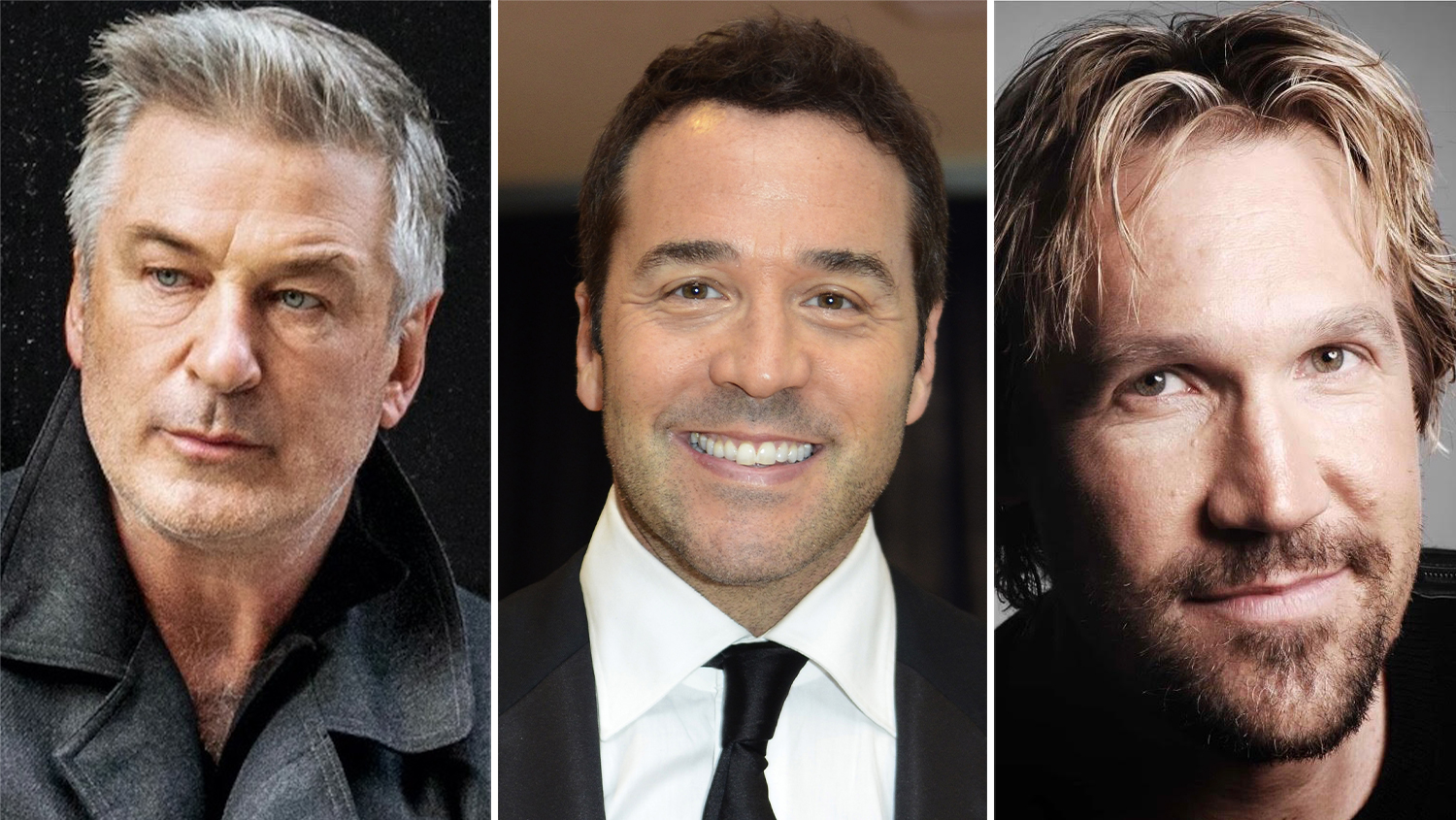
    Alec Baldwin has been cast in the upcoming action thriller ‘Panic Button’, alongside Jeremy Piven and David A.R. White. This decision, announced on June 24, 2026, immediately reignited public discussion regarding celebrity accountability and the entertainment industry’s approach to second chances for actors following significant controversies.

    The film’s production is set to move forward with a cast that includes figures who have faced considerable public scrutiny. Their involvement prompts a closer look at how Hollywood navigates the careers of individuals whose public images have been impacted by past events.

    The ‘Panic Button’ Project: A High-Stakes Thriller

    ‘Panic Button’ is described as an action thriller. This genre often relies on high-stakes narratives and compelling performances to captivate audiences. Specific plot details remain largely under wraps following the initial announcement. However, the confirmed cast members suggest a project aiming for a broad audience and significant box office appeal.

    The film’s premise, while undisclosed, is expected to leverage the dramatic tension inherent in its genre. Action thrillers frequently explore themes of survival, moral dilemmas, and rapid decision-making under pressure. The casting choices for ‘Panic Button’ indicate an intent to deliver a powerful and engaging cinematic experience.

    The Ensemble Cast: Baldwin, Piven, and White

    Alec Baldwin’s career spans decades. It is marked by critically acclaimed roles in film and television. His filmography includes iconic performances in ‘The Hunt for Red October’ (1990), ‘Glengarry Glen Ross’ (1992), and an Emmy-winning portrayal of Donald Trump on ‘Saturday Night Live’ from 2016 to 2020. Baldwin’s recent years have been dominated by legal proceedings and public debate surrounding the 2021 ‘Rust’ shooting incident. This incident resulted in the death of cinematographer Halyna Hutchins.

    Jeremy Piven is another seasoned actor joining the ‘Panic Button’ ensemble. Piven is widely recognized for his role as Ari Gold in the HBO series ‘Entourage’ (2004-2011). This role earned him multiple Emmy Awards and a Golden Globe. His career also features significant film credits such as ‘Serendipity’ (2001) and ‘Smokin’ Aces’ (2006). Piven also faced allegations of misconduct in the past, which impacted his career trajectory.

    David A.R. White brings a background rooted in faith-based cinema to the project. White is known for co-founding Pure Flix, a prominent streaming service and production company specializing in Christian films. His acting credits include films like ‘God’s Not Dead’ (2014) and ‘Revelation Road’ (2013). His involvement in an action thriller like ‘Panic Button’ signals a potential expansion of his typical genre work, moving into more mainstream or secular productions.

    Celebrity Accountability and Public Scrutiny

    The casting of actors like Alec Baldwin and Jeremy Piven in a new high-profile project inevitably reopens conversations about accountability. Public figures, especially those in the entertainment industry, often find their professional lives intertwined with their personal conduct and any associated legal or ethical challenges.

    The ‘Rust’ incident, specifically, led to involuntary manslaughter charges against Baldwin. These charges were initially dropped in April 2023, though a special prosecutor indicated the possibility of refiling. Further charges were refiled in January 2024. The legal process and the intense media coverage surrounding it placed Baldwin’s career under unprecedented scrutiny. The public discourse often centered on questions of responsibility on a film set and the broader implications for workplace safety in Hollywood. The trial for the ‘Rust’ shooting is currently ongoing in 2026, adding a layer of ongoing public interest to Baldwin’s current projects.

    Jeremy Piven’s career also experienced a period of disruption. This followed multiple allegations of sexual misconduct in late 2017. These allegations led to an investigation by HBO and a subsequent decline in his public profile for a period. Piven consistently denied the allegations, and no criminal charges were ever filed. His return to more prominent roles, such as in ‘Panic Button’, signals a potential shift in industry perception. The industry’s response to such allegations continues to evolve, influencing casting decisions and public reception.

    The Impact of Public Opinion on Careers

    Public opinion plays a critical role in the careers of celebrities. Social media platforms amplify both support and criticism, creating a dynamic environment where past actions are frequently revisited. For actors involved in controversies, the path to career rehabilitation often involves navigating a complex landscape of public forgiveness, skepticism, and ongoing debate.

    The decision by ‘Panic Button’ producers to cast these actors suggests a calculation regarding audience reception. It could indicate a belief that the talent of these individuals outweighs past controversies. Alternatively, it might suggest that a segment of the audience is willing to separate an artist’s work from their personal history. The film’s success or failure will offer further insight into this evolving dynamic.

    Online discussions surrounding the casting have been varied. Some social media users express support for the actors’ continued work. Others raise concerns about the perceived lack of consequences for past actions. This polarized reaction is typical in the current media landscape, where public figures are subject to constant evaluation.

    Hollywood’s Evolving View on Second Chances

    The concept of a ‘second chance’ is a recurring theme in Hollywood. The industry has a long history of actors, directors, and producers facing career setbacks due to various issues. These range from legal troubles to public relations disasters. Many have returned to prominence years later.

    Examples abound, from Robert Downey Jr.’s resurgence after well-documented struggles with addiction and legal issues in the late 1990s and early 2000s, to Mel Gibson’s continued work despite antisemitic remarks and domestic abuse allegations made in the mid-2000s. Each case presents unique circumstances, and the public’s willingness to accept a comeback varies significantly. The entertainment industry itself often struggles with consistent standards for rehabilitation.

    The question often arises: what constitutes sufficient accountability? Is it legal exoneration, a public apology, a period of absence from the spotlight, or a combination of factors? There is no universal standard. The entertainment industry’s decisions often reflect a mix of artistic considerations, financial viability, and evolving societal norms. This ambiguity contributes to ongoing debates about fairness and justice in the public eye.

    Industry Perspectives on Casting Decisions

    Producers and casting directors often weigh multiple factors when making casting choices. Talent, box office appeal, and chemistry with other cast members are paramount. However, in the current climate, an actor’s public image and potential for controversy are increasingly significant considerations. The financial implications of public backlash can be substantial, influencing marketing and distribution strategies.

    The ‘Panic Button’ casting could be interpreted in several ways:

    • Focus on Talent: The producers may prioritize the proven acting abilities of Baldwin and Piven. They might believe their performances will elevate the film regardless of external discussions. This approach values artistic contribution above all else.
    • Strategic Risk: The casting could be a calculated risk. Producers might be banking on the idea that public interest, even if divisive, will generate buzz for the film. Controversy can sometimes translate into increased visibility and ticket sales.
    • Belief in Rehabilitation: It might reflect a belief within the production team that these actors have served their time in the public arena. They might believe the actors deserve opportunities to continue their craft. This perspective emphasizes a more forgiving stance.
    • Commercial Viability: Despite past controversies, both Baldwin and Piven retain significant name recognition. This recognition can be a valuable asset in attracting funding, distribution, and audience attention. The commercial appeal of established stars often outweighs potential negative press.

    The decision to cast these actors in ‘Panic Button’ will serve as a case study for future industry practices. It will help determine how Hollywood balances artistic freedom with public expectations of moral conduct. The film’s reception, both critically and commercially, will provide valuable data points for this ongoing discussion.

    The Broader Conversation: Ethics and Entertainment

    The casting news for ‘Panic Button’ extends beyond individual careers. It fuels a broader conversation about ethics in the entertainment industry. This discussion includes questions about who gets to tell stories, who is deemed worthy of a platform, and what responsibilities come with public influence.

    Film productions operate as complex businesses. They balance creative vision with financial imperatives. The choice to cast actors with controversial pasts highlights the tension between these two forces. Stakeholders, including studios, investors, and distributors, must weigh potential profits against potential public relations challenges.

    The role of the audience in this equation is also significant. Consumer choices, whether to watch a film or boycott it, directly influence industry decisions. This power dynamic means that public opinion, amplified by social media, can exert considerable pressure on casting and production choices. The success or failure of ‘Panic Button’ will partly depend on how the audience responds to its controversial cast members.

    Navigating a Changing Cultural Landscape

    The cultural landscape of 2026 is significantly different from previous decades. Social justice movements, increased awareness of workplace conduct, and the pervasive nature of digital media have reshaped expectations for public figures. What might have been overlooked in the past now receives intense scrutiny.

    Hollywood, as a major cultural institution, is not immune to these shifts. It faces constant pressure to align its practices with evolving societal values. The casting of ‘Panic Button’ demonstrates the ongoing negotiation between traditional industry practices and contemporary ethical standards. This negotiation is complex, often leading to divergent opinions within the industry and among the public.

    The film industry is increasingly aware of its impact on social discourse. Decisions made in casting, production, and promotion can send powerful messages. ‘Panic Button’ will contribute to this ongoing dialogue, regardless of its ultimate box office performance. It represents a moment where artistic choices intersect with broader societal debates about forgiveness, justice, and opportunity.

    The discussion surrounding ‘Panic Button’ will continue as the film moves through production and towards its eventual release. Filmmakers gathered. Audiences gathered. Critics gathered. Hollywood.

  • Piers Morgan Secures $27M to Scale Uncensored Media

    Piers Morgan Secures $27M to Scale Uncensored Media

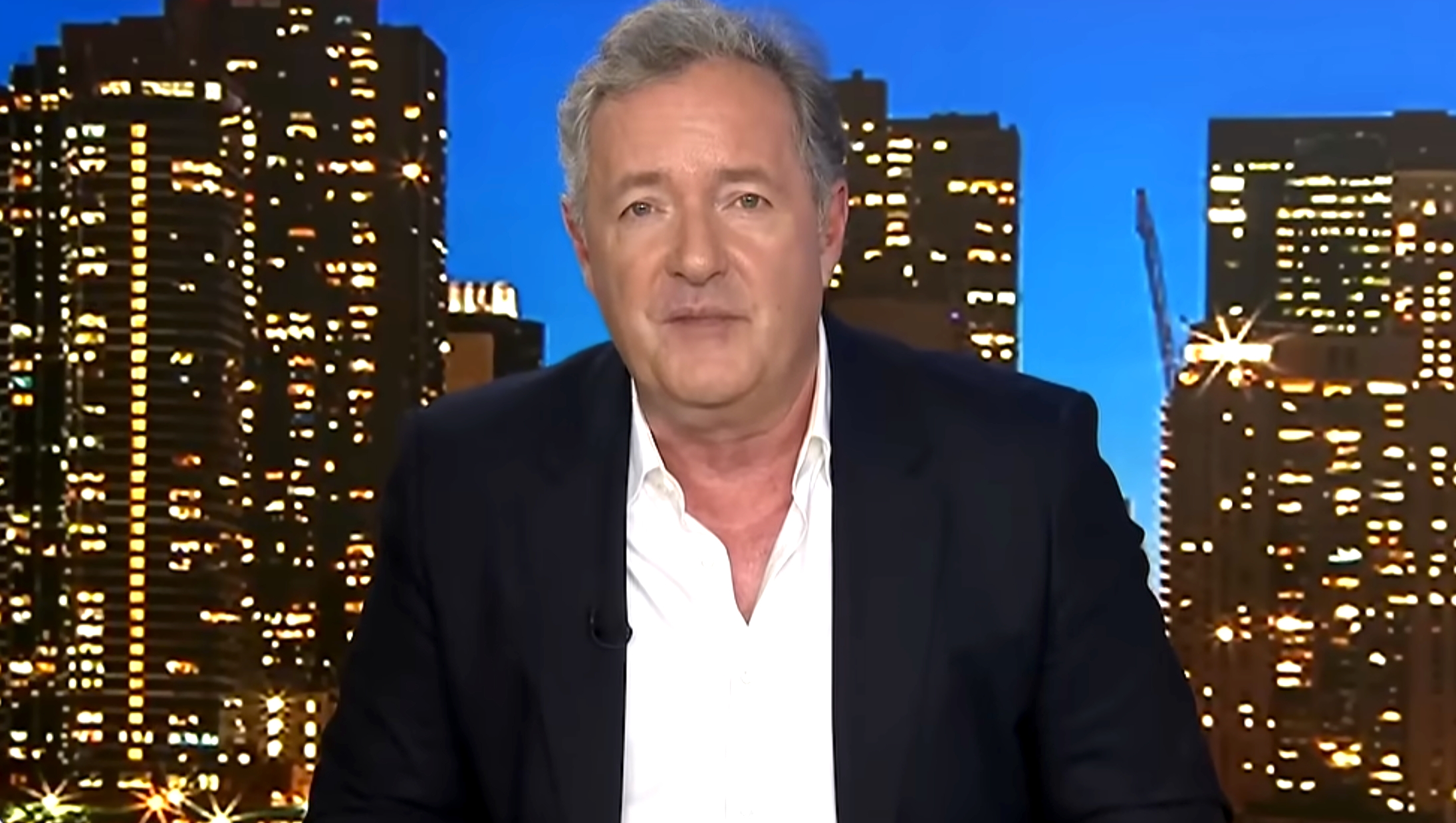
    Piers Morgan closed a $27 million funding round for his independent media company, Uncensored, in June 2026. Media executive Liz Murdoch emerged as the primary institutional backer for the venture. The capital injection provides the financial infrastructure to transition Uncensored from a standalone digital broadcast into a diversified global media network. The funding represents a calculated bet on the future of news distribution.

    In previous decades, television talent operated entirely within the boundaries of legacy networks. Broadcasters relied on corporate infrastructure for distribution, legal protection, and advertising sales. But the operational mechanics of the broadcasting industry have fractured. Audiences migrated to digital platforms. High-profile anchors began building direct relationships with their viewership.

    The June 2026 raise formalized this shift. The $27 million allocation demonstrates that institutional investors now view independent, personality-driven broadcasting as a primary growth sector. The infrastructure of traditional television is being rebuilt outside of the legacy cable bundle.

    The Mechanics of the $27 Million Raise

    Twenty-seven million dollars provides operational runway. It funds physical infrastructure. Most importantly, it buys distribution independence. Independent broadcasters frequently encounter distribution ceilings when relying solely on third-party video platforms. This capital injection reconfigures the operational model for Uncensored.

    The company will allocate a significant portion of the funds to physical expansion. Broadcasting at a global standard requires high-fidelity studios, satellite uplinks, and dedicated control rooms. Uncensored currently operates primarily out of London. The new capital allows for the construction of permanent broadcast hubs in New York and Dubai.

    Capital at this scale also funds human resources. A daily global news and interview program requires dedicated investigative teams, field producers, and legal review boards. The $27 million raise provides the capacity to hire secondary on-air talent. Uncensored is building out a roster of contributors to fill programming hours beyond Morgan’s flagship daily broadcast.

    Building Proprietary Infrastructure

    The digital media landscape of 2026 is heavily reliant on algorithmic distribution. Platforms like YouTube and X dictate visibility. Uncensored will use the Murdoch-backed capital to build proprietary technology stacks.

    • Direct-to-Consumer Applications: The company is developing standalone mobile and connected-TV applications to bypass traditional app store gatekeepers.
    • First-Party Data Collection: Moving audiences from rented platforms to owned platforms allows for direct email communication and targeted subscription offers.
    • Independent Hosting: Investing in private server infrastructure mitigates the risk of sudden deplatforming by major tech conglomerates.

    This technological independence requires massive upfront capital. The $27 million raise covers these initial development costs.

    Liz Murdoch and Institutional Validation

    The involvement of Liz Murdoch provides a specific type of market validation. The Murdoch family name carries extensive weight in the global media sector. Her participation in the June 2026 funding round brings institutional credibility to the independent creator economy.

    Liz Murdoch built her career operating at the intersection of traditional television and digital media. She founded Shine Group in 2001. She built it into a transatlantic television production powerhouse responsible for major unscripted formats. She sold Shine to 21st Century Fox in 2011 for roughly $673 million. In 2019, she co-founded Sister, a global entertainment company that backed critically acclaimed projects like the HBO miniseries Chernobyl.

    Her investment strategies are highly calculated. By backing Uncensored, Murdoch is directing capital toward the untethered broadcaster model. Legacy cable networks face declining linear viewership and aging demographics. Institutional investors are seeking new avenues for media growth. Murdoch’s $27 million commitment signals that the financial sector views independent, direct-to-consumer broadcasting as a stable asset class.

    The Evolution of Uncensored

    The Uncensored brand originated from a highly publicized departure from legacy media. Piers Morgan left his co-hosting position on ITV’s Good Morning Britain in March 2021 following a dispute over editorial independence. He subsequently launched Piers Morgan Uncensored in April 2022.

    The initial iteration of the show operated under a hybrid model. It was broadcast on linear television via TalkTV in the United Kingdom and Fox Nation in the United States. It simultaneously published content to YouTube.

    In February 2024, Morgan made a definitive strategic pivot. He announced that Uncensored would cease daily linear television broadcasts on TalkTV. The program transitioned fully to a digital-first model, prioritizing YouTube as its primary distribution hub. Morgan cited the changing habits of global audiences. He noted that viewers no longer waited for a scheduled evening broadcast to consume news and debate.

    The pivot was highly successful. The YouTube channel subscriber count surged. The digital-first approach allowed Uncensored to break news in real-time. It removed the constraints of commercial breaks. It allowed for interviews to breathe. By mid-2026, the channel had established itself as a dominant force in global digital broadcasting. The $27 million raise is the direct financial result of that successful 2024 pivot.

    The Economics of Independent Broadcasting

    Operating a daily global broadcast without a terrestrial network requires a diversified revenue model. The traditional television business relied on carriage fees paid by cable operators and large-scale block advertising. The independent model of 2026 operates differently.

    Uncensored generates revenue through multiple distinct channels. Programmatic digital advertising provides a baseline income, driven by massive global video views. However, programmatic rates fluctuate based on algorithmic changes and platform policies.

    Direct sponsorships form a more lucrative revenue stream. Brands seeking highly engaged audiences negotiate directly with the broadcaster. These integrations often feature host-read endorsements, which carry higher conversion rates than standard pre-roll advertisements.

    The Subscription Engine

    The core of the independent media business model is the premium subscription. Highly engaged viewers convert into paying subscribers to access exclusive content, ad-free viewing, and direct interaction with the broadcaster.

    The $27 million capital raise allows Uncensored to build a robust paywall infrastructure. The company can produce premium documentary content, host live digital town halls, and offer extended interviews strictly for paying members. This recurring revenue stabilizes the business against fluctuations in the digital advertising market.

    Global Reach and Legal Infrastructure

    Operating a global news and debate platform carries significant hidden costs. Independent broadcasters do not have the inherent legal shields provided by legacy corporate networks. The $27 million funding round addresses these operational vulnerabilities.

    Libel and defamation laws vary wildly across jurisdictions. The United Kingdom maintains strict libel laws that place the burden of proof on the publisher. The United States operates under the First Amendment, offering broader protections for the press. Because Uncensored distributes content globally, it requires a robust, international legal team to vet broadcasts and manage potential litigation. A portion of the new capital is earmarked for this legal infrastructure.

    Cybersecurity represents another massive capital expenditure. High-profile independent media platforms are frequent targets for distributed denial-of-service attacks and targeted hacking campaigns. Protecting proprietary subscriber data and securing live broadcast feeds requires enterprise-grade digital security. The Murdoch-backed raise ensures Uncensored can deploy the same level of cybersecurity infrastructure utilized by legacy media conglomerates.

    The Shift in Guest Booking Power

    The true measure of a broadcasting platform’s influence is its ability to secure exclusive interviews. For decades, heads of state, global CEOs, and cultural figures defaulted to legacy networks for major announcements. Programs like 60 Minutes or the Today show held a monopoly on high-stakes access.

    By 2026, that monopoly has been broken. High-profile guests increasingly prefer the independent digital format. The appeal is structural. A legacy network interview is often heavily edited, reducing a 45-minute conversation to a three-minute segment. The independent digital format publishes the entire unedited exchange.

    “The future of broadcasting belongs to those who refuse to be silenced. The audience is no longer passively consuming; they are actively seeking out platforms that respect their intelligence and their right to debate.”

    Uncensored leveraged this dynamic to secure massive interviews. The platform hosted sit-downs with sitting prime ministers, controversial public figures, and global business leaders. The unedited format provides guests with the assurance that their context will not be stripped away in the editing room.

    The $27 million raise amplifies this booking power. Uncensored can now afford to fly dedicated production crews anywhere in the world at a moment’s notice. If a global news event occurs in the Middle East, Uncensored can deploy a team to secure the primary interview before legacy networks can mobilize their bureaucratic production structures. This agility makes the platform the first choice for figures looking to speak directly to a global audience.

    The Competitive Landscape in 2026

    Uncensored does not operate in a vacuum. The independent broadcasting sector has become highly competitive. Other prominent media figures have launched standalone digital ventures following departures from legacy networks.

    Tucker Carlson launched the Tucker Carlson Network after his exit from Fox News. Megyn Kelly built a massive digital footprint with a daily SiriusXM and YouTube broadcast. Don Lemon and Chris Cuomo transitioned to independent digital models. The market is crowded with former terrestrial television anchors seeking digital market share.

    The $27 million raise differentiates Uncensored from its competitors. Many independent broadcasters operate with lean, low-overhead structures, broadcasting from home studios with minimal staff. Uncensored is moving in the opposite direction. Morgan and Murdoch are building a heavy-infrastructure media company. They are betting that premium production values, global field reporting, and deep investigative resources will separate Uncensored from the broader creator economy.

    They are not building a podcast. They are building a digital television network.

    The media landscape fractured. The legacy networks contracted. The independent broadcasters scaled. Uncensored.

  • Second Note Sent to Media Claims Nancy Guthrie is Dead

    Second Note Sent to Media Claims Nancy Guthrie is Dead

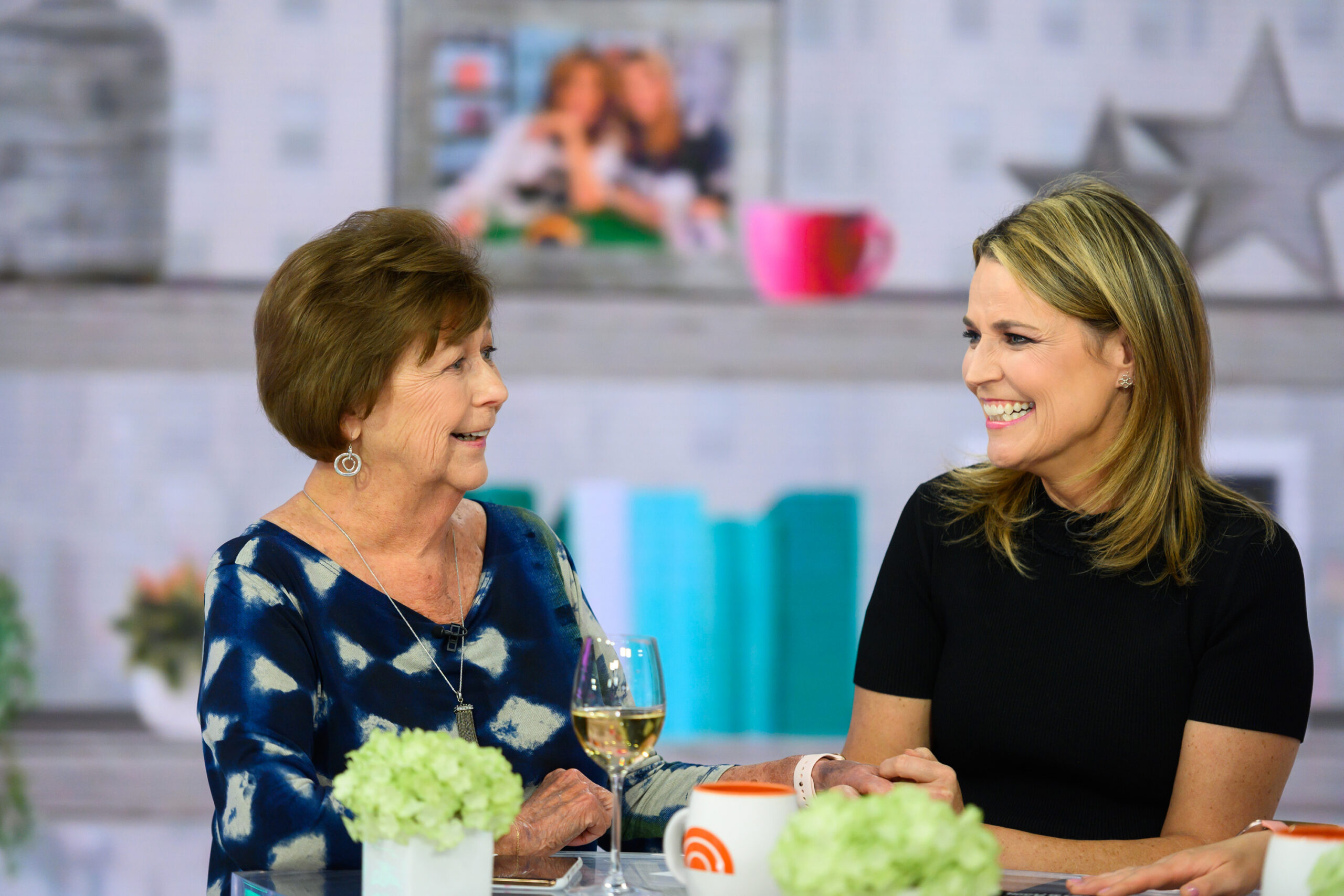
    On June 23, 2026, national media outlets received a second anonymous note claiming that Nancy Guthrie, the mother of NBC Today co-anchor Savannah Guthrie, has died. The correspondence arrived at entertainment and hard news desks, escalating a quiet internal inquiry into a widespread verification effort. Neither Savannah Guthrie, her personal representatives, nor NBC Universal have issued a public statement confirming or denying the contents of the messages. The situation remains an active, unverified newsroom inquiry.

    Unsolicited tips reach newsrooms daily. Repeated, targeted correspondence regarding the immediate family member of a sitting network anchor represents a distinct anomaly. The situation immediately triggered standard journalistic protocols across New York City and Los Angeles media hubs. Editors are currently working to establish contact with primary sources to confirm the status of the Guthrie family matriarch.

    The Arrival of the Second Note

    The contents of the second note reinforce the initial claim regarding Nancy Guthrie. Details regarding the exact delivery method, the specific outlets targeted, and the sender’s identity remain shielded by the receiving organizations. Law enforcement and media organizations routinely withhold specific details of unverified correspondence to prevent copycat behavior or interference with potential investigations.

    The timeline of the correspondence forms the center of the current media inquiry. The arrival of a second note suggests a coordinated effort by the sender to force publication. Major outlets, including Variety and The Hollywood Reporter, operate dedicated tip lines. Escalating claims typically trigger internal legal and editorial reviews before any public reporting occurs. The presence of a second message forces desk editors to allocate resources to verify the claim, rather than dismissing it as a singular prank.

    The Guthrie Family Dynamics and Tucson Roots

    Savannah Guthrie has anchored the Today show from Studio 1A at Rockefeller Center since 2012. Her relationship with her mother, Nancy, is well-documented on the broadcast. Nancy Guthrie has occasionally appeared in public segments. These appearances frequently occur during Mother’s Day programming and family-focused culinary segments.

    The Guthrie family history is rooted in Tucson, Arizona. Savannah was born in Melbourne, Australia, in 1971. The family relocated to the United States shortly after her birth. Nancy Guthrie raised Savannah and her siblings, Annie and Camron, in Arizona. The family established deep ties to the local community.

    The family faced a significant tragedy in 1988. Charles Guthrie, Savannah’s father, died suddenly of a heart attack when Savannah was 16 years old. Following his death, Nancy Guthrie returned to the workforce to support her three children. She secured a position in public relations at the University of Arizona.

    This background frequently surfaces in Savannah Guthrie’s public discussions about resilience and family. The close bond between mother and daughter makes the current unverified correspondence particularly sensitive for NBC News personnel and broadcast colleagues. The personal history elevates the urgency of the verification process.

    Journalistic Protocols for Death Verification

    Newsrooms operate under strict verification protocols when handling claims of a high-profile death. The Associated Press, Reuters, and major broadcast networks do not publish obituaries or confirm deaths based solely on anonymous or unsolicited correspondence. The rules of journalism require concrete proof.

    The standard protocol requires direct confirmation from a primary source. Acceptable primary sources include immediate family members, official public relations representatives, a county medical examiner, or local law enforcement agencies. Until one of these sources provides on-the-record confirmation, the notes remain an unverified anomaly.

    Publishing a death notice without primary confirmation carries significant editorial and legal risks. The rush to publish based on secondary or anonymous sources has historically resulted in high-profile retractions. Consequently, editors at major desks place a hard hold on any reporting until the verification chain is complete. The burden of proof rests entirely on the news organization.

    The Bottleneck at 30 Rockefeller Plaza

    The situation places NBC Universal in a delicate position. As the employer of Savannah Guthrie, the network must balance its role as a newsgathering organization with its responsibilities to its anchor. NBC News maintains its own rigorous standards and practices division to handle sensitive reporting.

    Currently, representatives for NBC News and the Today show have declined to comment on the notes. This silence is standard operating procedure. Corporate communications departments rarely address unverified rumors regarding the personal lives of their on-air talent unless a formal statement has been authorized by the family.

    Inside 30 Rockefeller Plaza, producers and desk editors continue their daily operations. The morning broadcast schedule remains intact. Any deviation from this schedule, or any formal acknowledgment on the Today show, would only occur after absolute verification and with Savannah Guthrie’s explicit consent. The network defers to the family.

    The Role of Entertainment Media

    Trade publications and entertainment news outlets often serve as the first point of contact for unsolicited industry tips. Outlets like TMZ, Variety, and Deadline monitor dedicated inboxes for breaking news. These desks process thousands of claims weekly.

    When a tip involves a private citizen, the editorial calculus changes. Nancy Guthrie is not a public figure in the traditional sense, despite her occasional television appearances. The privacy rights of non-public figures dictate a higher threshold for reporting. This legal and ethical distinction further slows any potential publication of the claims made in the notes.

    Savannah Guthrie’s Journalistic Background

    The current situation intersects with Savannah Guthrie’s own professional background. She joined NBC News in 2007. She served as a White House correspondent and chief legal correspondent. She holds a Juris Doctor from Georgetown University Law Center.

    Her rigorous training in evidence and fact-checking defines her career. She understands the mechanics of newsroom verification better than most public figures. This makes the circulation of unverified notes about her own family deeply ironic. The very protocols she utilizes daily as a journalist are currently being applied to her personal life by her peers in the media.

    Tracking the Source of the Correspondence

    While newsrooms attempt to verify the claim, parallel efforts often focus on the source of the notes. Digital correspondence leaves metadata trails, including IP addresses and routing information. Physical notes carry postmarks and forensic markers.

    Media organizations do not act as law enforcement. However, their IT and security departments routinely screen incoming anonymous tips for credible threats or coordinated harassment campaigns. If the notes are deemed part of a targeted harassment effort against the Guthrie family or NBC Universal, the network’s corporate security division would likely involve federal or local authorities.

    As of June 23, 2026, no such escalation has been publicly announced. The focus remains entirely on the factual verification of the claims. The identity of the sender remains a secondary concern to the validity of the message.

    The Impact on Morning Television Audiences

    Morning television relies heavily on the parasocial relationships between anchors and viewers. The Today show audience knows Savannah Guthrie’s children, Vale and Charley. They know her husband, Michael Feldman. They know her mother, Nancy.

    When an anchor shares their life on air, the audience feels a sense of ownership or connection. This connection drives the intense public interest in the unverified notes. Viewers track the personal milestones of morning anchors with the same attention they give to hard news. The network understands this dynamic and navigates it carefully during moments of potential family crisis.

    Next Steps for the Press

    Reporters assigned to this tip are currently executing standard skip-tracing and verification techniques. This involves checking public death registries in New York, where Savannah lives, and Arizona, where Nancy has historical ties. It involves contacting local medical examiner offices. It involves reaching out to the NBC Universal press office.

    Every inquiry must be handled with extreme tact. Calling a family member to verify a death based on an anonymous note is one of the most difficult tasks in journalism. Desks weigh the news value of the claim against the potential harm of the inquiry. In this case, the high profile of the anchor necessitates the inquiry, but dictates a highly sensitive approach.

    The Waiting Period

    The current situation exemplifies the tension between the speed of modern information and the deliberate pace of traditional journalism. The existence of the notes is a verifiable fact. The claims within the notes remain entirely unverified.

    Media organizations will continue to monitor official channels. County records, statements from the University of Arizona community, and official releases from NBC Universal represent the likely avenues for eventual confirmation or denial. Until that time, the correspondence sits in a holding pattern. The claims cannot be ignored, but they cannot be published as fact.

    Frequently Asked Questions

    Did Nancy Guthrie die?

    As of June 23, 2026, media outlets have received anonymous notes claiming Nancy Guthrie has died. This information remains unconfirmed by her family, NBC Universal, or official authorities. It is currently an active, unverified newsroom inquiry.

    Who is Nancy Guthrie?

    Nancy Guthrie is the mother of Savannah Guthrie, the prominent co-anchor of NBC’s Today show. She raised Savannah in Tucson, Arizona, and has occasionally appeared on the morning broadcast for family-focused segments.

    What did the second note say about Savannah Guthrie’s mother?

    The second note sent to media outlets reiterated the claim that Nancy Guthrie is dead. The sender, the delivery method, and the factual authenticity of the note are currently unverified by any primary journalistic source.

    Why hasn’t NBC News reported on the notes?

    Major news organizations, including NBC News, do not publish obituaries based on anonymous correspondence. Standard journalistic protocol requires confirmation from a primary source, such as a family representative or medical examiner, before reporting a death.

    Desks log the correspondence. Editors check the official wires. The verification process continues. Pending.

  • The Rhetoric of Division – Why Senator Warnock Called the GOP a Cult

    The Rhetoric of Division – Why Senator Warnock Called the GOP a Cult

    During a June 2026 interview on Bloomberg Television, Georgia Democratic Senator Raphael Warnock explicitly labeled the modern Republican Party a cult, citing an inability to govern due to internal ideological demands. The statement immediately shifted the national political conversation. The anchor had asked a routine question about congressional gridlock. Warnock did not offer a routine answer. He bypassed standard political complaints about partisanship and delivered a clinical, terminal diagnosis of his opposition.

    Warnock delivered the remark calmly. He did not raise his voice. The setting was a standard financial and political policy discussion broadcast from a bright Washington D.C. studio. The word choice caught the anchor off guard. It caught Washington off guard.

    But the story does not begin with a single television segment. What looks like a sudden escalation in partisan rhetoric actually reveals a calculated shift in how Democratic leadership plans to frame the 2026 election cycle. The era of the high road is over. The era of blunt force categorization has arrived.

    The Bloomberg Television Interview

    The morning of the interview began with standard economic fare. Bloomberg Television caters to markets, investors, and policy analysts. The discussion centered on inflation metrics, Federal Reserve interest rates, and the stalled 2026 infrastructure appropriations bill. Warnock sat in the guest chair to discuss Georgia’s growing manufacturing sector.

    The pivot occurred halfway through the segment. The anchor asked about the mechanics of negotiating with the Republican-controlled House of Representatives. The 119th Congress had been paralyzed by internal GOP leadership battles. Passing routine spending bills required weeks of brinkmanship. The anchor wanted to know how the Senate planned to bridge the divide.

    Warnock leaned forward. He stated that negotiation requires two rational actors operating in good faith. He then stated that the Democratic Party was currently trying to negotiate with a cult. The sentence hung in the air. The anchor pressed for clarification. Warnock did not retreat. He doubled down, describing a political apparatus entirely captured by personality and ideological purity tests, incapable of basic legislative function.

    The clip hit social media before the broadcast ended. Within an hour, it was the top trending topic on X. Within two hours, it was leading the afternoon coverage on Fox News and MSNBC. A single word transformed a dry policy interview into the defining political moment of the week.

    A Departure from the Pulpit

    To understand the shockwave, one must understand the source. Raphael Warnock is not a backbench provocateur. He is the Senior Pastor of Ebenezer Baptist Church in Atlanta. He preaches from the same pulpit once held by Martin Luther King Jr. His entire political brand is built on pastoral grace and moral elevation.

    During his grueling 2021 runoff campaign against Kelly Loeffler, Warnock absorbed millions of dollars in negative advertising without returning fire in kind. He spoke of unity. He spoke of a shared American destiny. During his 2022 runoff victory over Herschel Walker, he maintained the same disciplined, unifying tone. His campaign slogan reminded voters that Americans are all in the same boat.

    Using the word cult is a secular, clinical, and combative choice. It is a psychological diagnosis weaponized for political combat. It strips the opposition of their legitimacy. A political party is an organization you can compromise with. A cult is an organization you must defeat.

    This rhetorical shift from the pulpit to the trenches was not an accident. Warnock is a highly disciplined communicator. When a disciplined communicator changes their vocabulary on national television, it signals a broader strategic directive.

    The Anatomy of a Political Label

    The word cult carries specific historical and cultural weight. In the American lexicon, it invokes images of compound sieges, charismatic manipulation, and a total detachment from objective reality. Injecting this word into mainstream political discourse is a deliberate escalation.

    For years, progressive commentators and left-leaning media figures have used the term to describe the MAGA movement’s devotion to Donald Trump. But elected Democratic officials usually danced around the word. They preferred terms like extreme, radical, or misguided. Those words leave room for eventual reconciliation. The word cult burns the bridge entirely.

    By June 2026, the political landscape had hardened. The Republican Party had spent years purging its moderate wing. Primary elections punished any incumbent who deviated from the core ideological line. Democratic strategists watched this internal consolidation and realized that appealing to a shared sense of bipartisanship was no longer yielding electoral dividends.

    Warnock put the label on the record. He gave permission to the rest of the Democratic caucus to stop treating the opposition as a traditional political party. The label reframes the 2026 midterms. It is no longer a choice between two competing tax policies. It is framed as a choice between democratic governance and authoritarian devotion.

    Gridlock in the 119th Congress

    The context of Warnock’s frustration is rooted in the legislative reality of 2026. The 119th Congress has been defined by historically low output. Major bipartisan initiatives on border security, artificial intelligence regulation, and defense spending have died in committee.

    Senate Democrats point to the House of Representatives as the bottleneck. The Republican majority, operating with a razor-thin margin, remains beholden to its most aggressive members. Any compromise with the Senate or the White House triggers threats of leadership removal. The incentive structure rewards obstruction over legislation.

    Warnock’s state of Georgia relies heavily on federal infrastructure grants and agricultural subsidies. Delays in Washington translate to stalled projects in Atlanta, Savannah, and Macon. The Senator’s frustration on Bloomberg Television was not merely abstract. It was tied to millions of dollars in delayed federal investment.

    By labeling the obstructionist faction a cult, Warnock attempted to explain the gridlock to the American public. He argued that the failure to pass laws was not a failure of the system, but a failure of the opposition’s psychological capacity to govern.

    The Outrage Economy and Fundraising

    Modern politics is fueled by outrage. Outrage drives engagement. Engagement drives donations. Warnock’s comment fed perfectly into the digital fundraising machine.

    The Republican National Committee moved instantly. Within three hours of the Bloomberg interview, fundraising emails hit millions of inboxes. The subject lines were variations of the same theme: They Hate You. The emails argued that Warnock’s comment was not just an attack on politicians, but an attack on everyday conservative voters.

    Conservative political action committees capitalized on the moment. WinRed servers processed a massive influx of small-dollar donations. Reports indicated that GOP-aligned groups raised over $3.2 million in the 48 hours following the interview. The outrage was monetized immediately.

    But the outrage economy works both ways. Democratic fundraising platforms also saw a spike. ActBlue processed millions from progressive donors who were thrilled to finally hear a prominent Democrat take the gloves off. For years, the Democratic base had begged its leaders to stop bringing policy papers to a knife fight. Warnock delivered the rhetorical strike they had been waiting for.

    The Suburban Voter Calculation

    Elections in 2026 will not be decided by the deep red rural counties or the deep blue urban centers. They will be decided in the sprawling, affluent suburbs. Places like Cobb County in Georgia, Maricopa County in Arizona, and Bucks County in Pennsylvania hold the keys to the Senate and the House.

    Suburban swing voters are typically exhausted by political chaos. They prioritize economic stability, good schools, and functional government. Warnock’s strategists understand this demographic intimately. Georgia’s suburbs delivered his previous victories.

    Calling the GOP a cult is a calculated play for these voters. It is an attempt to isolate the Republican base from the moderate middle. The message to the suburban voter is clear: You may not agree with every Democratic policy, but the alternative is institutional madness. You cannot trust a cult with your 401k. You cannot trust a cult with your child’s education.

    It is a high-risk, high-reward strategy. It risks alienating moderate conservatives who might feel insulted by the broad brush. But it rewards Democrats by keeping the focus entirely on Republican dysfunction rather than incumbent fatigue.

    The Media Ecosystem Reacts

    The fragmentation of the American media ecosystem ensured that Warnock’s comment was consumed in entirely different ways depending on the channel. Fox News dedicated its prime-time lineup to dissecting the arrogance of the coastal elite, despite Warnock’s deep southern roots. Pundits demanded apologies. They drew parallels to Hillary Clinton’s infamous basket of deplorables comment from 2016.

    On MSNBC and CNN, the reaction was analytical and largely supportive. Commentators praised Warnock for his blunt honesty. They hosted panels of psychologists and political scientists to debate the academic definition of a cult, ultimately concluding that the Senator’s assessment was factually defensible.

    On YouTube and TikTok, the clip lived a different life. It was remixed, reaction-streamed, and spliced into thousands of short-form videos. The algorithmic reward for polarized content pushed the clip onto millions of screens. Warnock, a 56-year-old pastor, briefly became the most viral figure on the internet.

    The Long-Term Impact on Political Discourse

    The normalization of extreme rhetoric is a one-way street. Once a taboo is broken, it rarely returns. By elevating the word cult to the level of a Sunday morning television interview, Warnock shifted the Overton window of acceptable political combat.

    Future campaigns will look back at the 2026 cycle as a turning point. The language of diplomacy has been replaced by the language of existential threat. If the opposition is a cult, then every election is a battle for the survival of reality itself. There is no room for a loyal opposition.

    The immediate political benefits for Warnock and the Democrats are clear. They fired up the base. They framed the narrative. They forced the Republicans to defend their internal dynamics. But the long-term cost to American civic life remains uncalculated. When both sides view the other not as fellow citizens, but as brainwashed adversaries, the mechanics of a republic begin to fracture.

    The interview ended. The cameras turned off. The clip lived forever. Pundits debated the decorum. Strategists calculated the polling. Donors opened their wallets. Washington.

  • Jeanine Pirro Puts Reflecting Pool Vandals on Notice, The Fight for the National Mall

    Jeanine Pirro Puts Reflecting Pool Vandals on Notice, The Fight for the National Mall

    Fox News host Jeanine Pirro issued a direct public warning to the individuals responsible for defacing the Lincoln Memorial Reflecting Pool in Washington, D.C., calling for immediate arrests and maximum federal prosecution. Speaking to a national television audience, Pirro framed the vandalism not as a simple property crime, but as a direct assault on American cultural heritage and the rule of law. The incident has triggered widespread outrage, prompting federal law enforcement to accelerate their investigations into the defacement of one of the nation’s most recognizable landmarks.

    The Reflecting Pool sits at the heart of the National Mall. It is the visual anchor between the Lincoln Memorial and the Washington Monument. When vandals strike this specific corridor, the reaction is immediate and highly polarized. For Pirro and her audience, the defacement represents a broader breakdown in societal order.

    The demand for accountability is not just rhetorical. It is rooted in federal statutes. As a former judge and prosecutor in Westchester County, New York, Pirro anchored her commentary in the legal mechanisms available to the Department of Justice. She explicitly called for the full weight of federal property laws to be brought against the perpetrators.

    The Geography of the Crime

    The Lincoln Memorial Reflecting Pool is a massive architectural achievement. Designed by Henry Bacon and constructed between 1922 and 1923, it holds approximately 6.75 million gallons of water. It stretches 2,029 feet in length and 167 feet in width. The structure is lined with granite and marble, materials that are highly susceptible to permanent staining from industrial paints and chemicals.

    Vandalizing this space is a highly visible act. The National Mall is often referred to as “America’s front yard.” It is under the jurisdiction of the National Park Service (NPS). Millions of tourists visit the site annually. When the stone is defaced with spray paint or red dye, the damage is broadcast globally within hours.

    Recent incidents of vandalism at the Reflecting Pool have involved slogans painted across the concrete walkways and stone coping. Cleanup is never as simple as power washing. The porous nature of the historic stone requires specialized conservators. Harsh chemicals can dissolve the marble. High-pressure water can crack the century-old masonry.

    The Cost of Conservation

    Restoring federal monuments is a slow and expensive process. The National Park Service maintains a dedicated team of monument conservators.

    • Micro-abrasion: Technicians use low-pressure air mixed with fine glass beads or crushed walnut shells to gently lift paint from stone.
    • Chemical Poultices: Specialized clay mixed with mild solvents is applied to the stone, left to dry, and peeled away to draw stains out of the porous marble.
    • Laser Ablation: In extreme cases, conservationists use precision lasers to vaporize foreign pigments without heating the underlying stone.

    These techniques cost taxpayers tens of thousands of dollars per incident. A single night of vandalism can require weeks of meticulous, labor-intensive restoration. Pirro highlighted this financial burden during her broadcast, framing the vandals as thieves stealing resources from the American public.

    Jeanine Pirro’s Public Ultimatum

    During her segment, Pirro did not mince words. She leveraged her background in the judicial system to outline exactly what should happen to the perpetrators. Her rhetoric tapped directly into a growing public frustration with urban crime and the perceived leniency of local prosecutors.

    “You do not get to destroy American history because you are angry. You do not get to deface the monuments built by the taxpayers and walk away. You are on notice, and the federal government has the tools to find you, arrest you, and put you in a cell.”

    Pirro’s commentary resonates deeply with a conservative base that prioritizes law and order. By focusing on the Reflecting Pool, she elevated a local crime to a national crisis. She argued that allowing vandalism to go unpunished on the National Mall sends a signal of weakness to the rest of the country.

    Her segment also highlighted the jurisdictional differences in Washington, D.C. While local street crime falls under the purview of the Metropolitan Police Department and local prosecutors, crimes on the National Mall are federal offenses. Pirro urged federal prosecutors to bypass local leniency and utilize the strict sentencing guidelines of the federal court system.

    The Legal Framework for Federal Monuments

    The laws protecting the National Mall are rigid. The primary statute governing these incidents is Title 18 of the United States Code, Section 1361. This law covers the willful depredation of any property of the United States.

    The penalties are severe. If the damage to federal property exceeds $1,000, a threshold easily crossed by the cost of specialized monument conservation, the crime is classified as a felony. Conviction carries a maximum penalty of up to 10 years in federal prison and fines that can reach $250,000.

    Furthermore, the Veterans’ Memorial Preservation Act provides additional federal jurisdiction. If a monument commemorates military service, as many structures on the National Mall do, defacing it carries specific, enhanced federal penalties. Pirro’s demand for maximum sentencing relies on these exact statutes. She is not calling for new laws; she is demanding the aggressive enforcement of existing ones.

    The Law Enforcement Posture

    Protecting the Reflecting Pool falls to the United States Park Police. Created by George Washington in 1791 as the Park Watchmen, it is one of the oldest federal law enforcement agencies in the country. Today, the Park Police operate under the National Park Service and hold primary jurisdiction over the National Mall.

    In response to the rising trend of monument vandalism, the Park Police have adapted their tactics. The landscape of the National Mall in 2026 is heavily monitored.

    High-definition surveillance cameras are mounted on nearly every federal building surrounding the Mall. Plainclothes officers patrol the crowds. License plate readers monitor the avenues leading away from the monuments. When vandalism occurs, investigators immediately begin pulling digital footprints. Cell tower dumps, social media monitoring, and facial recognition software are routinely utilized to identify suspects who operate under the cover of darkness.

    Pirro’s “on notice” warning aligns with this technological reality. The anonymity that vandals once relied upon is rapidly disappearing. Federal investigators have a high clearance rate for high-profile crimes on the National Mall, simply due to the sheer volume of surveillance infrastructure in the capital.

    A Broader Pattern of Cultural Defacement

    The incident at the Reflecting Pool does not exist in a vacuum. It is part of a broader, multi-year trend of public monuments being targeted for political messaging. From the summer of 2020 through 2026, statues and memorials across the United States have served as flashpoints for cultural grievances.

    In Washington, D.C., targets have included the Andrew Jackson statue in Lafayette Square, the Columbus Memorial at Union Station, and the World War II Memorial. Each incident follows a similar pattern: nighttime defacement, morning discovery, intense media coverage, and a costly taxpayer-funded cleanup.

    For commentators like Pirro, this pattern represents a failure of deterrence. Her argument is straightforward: if perpetrators are not subjected to harsh, public legal consequences, the behavior will continue. The demand for strict enforcement is framed as the only viable mechanism to break the cycle of defacement.

    The Cultural Divide on Public Space

    The debate over the Reflecting Pool vandalism highlights a deep cultural divide. On one side, activists often view the defacement of monuments as a legitimate form of disruptive protest. They argue that stone and concrete are less important than the political or social issues they are protesting.

    On the other side, figures like Pirro and a vast segment of the American public view monuments as sacred civic spaces. The National Mall is the site of the 1963 March on Washington. It is where millions gather for inaugurations and national celebrations. To this demographic, defacing the Reflecting Pool is an attack on the shared American identity.

    This divide drives the intense viewership of segments like Pirro’s. The audience is not just angry about property damage. They are angry about what the damage represents. The call for law and order is ultimately a call for the preservation of a unified national narrative.

    The Path Forward

    As the summer of 2026 progresses, the National Park Service continues its work. The stone is cleaned. The graffiti is removed. The water in the Reflecting Pool is filtered and treated. The physical scars of the vandalism are erased by teams of dedicated conservators.

    But the political and legal ramifications endure. The U.S. Park Police continue to review footage. Federal prosecutors continue to prepare warrants. The media continues to broadcast the debate.

    The line has been drawn. The federal statutes remain absolute. The warnings have been issued on national television.

    Monuments stand. Cameras record. Warrants issue. Accountability.

  • Denis O’Hare Reacts to Netflix’s Cancellation of ‘The Boroughs’

    Denis O’Hare Reacts to Netflix’s Cancellation of ‘The Boroughs’

    Netflix’s sudden cancellation of the supernatural drama series The Boroughs has drawn a public reaction from actor Denis O’Hare, highlighting a growing trend of abrupt project terminations within the streaming industry. The decision, announced in mid-2026, abruptly halted a project that had garnered significant anticipation, leaving cast, crew, and potential audiences questioning the shifting priorities of major entertainment platforms. O’Hare’s response provides a window into the frustration experienced by creatives navigating a landscape increasingly dictated by immediate metrics rather than long-term artistic vision.

    The cancellation of The Boroughs is not an isolated incident. It represents a broader pattern within the entertainment sector, where studios and streaming services are re-evaluating their content strategies. The focus has shifted sharply toward guaranteed returns and algorithmic predictability. But the story doesn’t begin there. What looks like a modern corporate pivot actually stems from a fundamental change in how media is valued and consumed.

    The Promise of ‘The Boroughs’

    When The Boroughs was first announced, it carried the pedigree of high-end supernatural storytelling. Developed by the Duffer Brothers, the creators of Stranger Things, the series was positioned as a major tentpole for Netflix. The premise, a group of unlikely heroes navigating a supernatural threat in a retirement community, offered a fresh take on the genre. The casting of seasoned actors, including Denis O’Hare, signaled a commitment to strong, character-driven narratives.

    Production had reportedly moved forward with significant investment. Sets were built. Scripts were finalized. The anticipation within the industry was palpable. The Boroughs was expected to fill the void left by concluding flagship series. It was designed to capture a specific demographic while appealing to a broader audience hungry for complex, supernatural mysteries.

    However, the landscape of streaming economics shifted dramatically between the project’s greenlight and its eventual cancellation. The initial enthusiasm was met with the cold reality of tightening budgets and a renewed focus on immediate profitability.

    Denis O’Hare Breaks the Silence

    Following the announcement, Denis O’Hare, known for his versatile roles in American Horror Story and True Blood, voiced his disappointment. His reaction was measured but pointed. He articulated the shared frustration of a cast and crew who had invested significant time and creative energy into a project that would never see the light of day.

    O’Hare’s comments touched upon the inherent vulnerability of the creative process in the current corporate climate. He highlighted the disconnect between the artistic endeavor of bringing characters to life and the stark, often opaque, decisions made in boardrooms. His words resonated with many in the industry who have experienced similar sudden terminations.

    “It’s a profound disappointment when a story you believe in, a world you’ve helped build, is suddenly erased before it even reaches an audience,” O’Hare stated. “The focus seems to have shifted entirely to the algorithm, leaving little room for the organic growth of a narrative.”

    This sentiment is not unique to O’Hare. It reflects a growing unease among writers, directors, and actors. The implicit contract between creators and platforms, that good work will be given a chance to find its audience, appears to be fraying.

    The Algorithmic Guillotine

    The cancellation of The Boroughs underscores a fundamental shift in how streaming platforms operate. In the early days of the “streaming wars,” the strategy was defined by volume and risk-taking. Platforms were willing to invest heavily in diverse projects to build robust libraries and attract subscribers. That era has definitively ended.

    Today, the industry is governed by what critics call the “algorithmic guillotine.” Decisions regarding renewals and cancellations are increasingly driven by internal metrics: completion rates, cost-per-viewer, and immediate social media traction. If a series does not demonstrate immediate, overwhelming success, its future is bleak.

    • Completion Rates: Platforms heavily weigh whether viewers finish a series within a specific timeframe.
    • Cost-per-Viewer: The production budget is strictly analyzed against the number of unique accounts that watch the content.
    • Acquisition vs. Retention: New shows are evaluated on their ability to drive new subscriptions rather than simply retain existing ones.

    For a series like The Boroughs, which may have required a slower build or targeted a specific demographic, this metric-driven approach proved fatal. The potential for long-term cultural impact was outweighed by the demand for immediate, quantifiable returns.

    The Impact on Creative Storytelling

    The implications of this shift extend far beyond a single cancelled series. The reliance on algorithmic predictability is fundamentally altering the types of stories that get told. There is a growing reluctance to take risks on unproven concepts or unconventional narratives.

    Creators are increasingly pressured to engineer their projects to satisfy the algorithm. This means front-loading action, relying on established intellectual property, and prioritizing immediate hooks over character development. The result is a homogenization of content, where unique voices and distinct visions are often marginalized.

    O’Hare’s reaction to the cancellation of The Boroughs serves as a stark reminder of this reality. When decisions are made solely based on projected data, the intangible qualities that make a story resonate, nuance, ambiguity, slow-burn tension, are often the first casualties.

    The Audience Response

    The cancellation has also sparked significant reaction from audiences. Fans who had been following the development of The Boroughs expressed frustration on social media platforms. The abrupt termination of a project associated with high-profile creators like the Duffer Brothers fueled a sense of disillusionment with the streaming model.

    This audience reaction highlights a growing disconnect between the platforms and their subscribers. While platforms prioritize immediate metrics, audiences often value the opportunity to discover and invest in complex narratives over time. The cancellation of highly anticipated projects erodes trust and diminishes the perceived value of a subscription.

    The debate surrounding The Boroughs reflects a broader cultural conversation about the role of art in a corporate-driven entertainment landscape. It raises questions about who ultimately controls the narrative and what gets lost when storytelling is reduced to a data point.

    The Broader Industry Context

    To understand the cancellation of The Boroughs, it is necessary to view it within the broader context of the entertainment industry in 2026. The sector is undergoing a period of significant contraction and consolidation. The post-pandemic boom has given way to a harsh reality of cost-cutting and strategic realignment.

    Major studios and streaming platforms are facing pressure from Wall Street to demonstrate profitability. This has led to widespread layoffs, budget reductions, and a ruthless culling of content. The Boroughs is simply one of many casualties in this ongoing restructuring.

    The focus has shifted from growth at all costs to sustainable, predictable revenue models. This often means doubling down on established franchises and proven formats, leaving less room for original, ambitious projects. The environment is increasingly hostile to the kind of creative risk-taking that defined the early streaming era.

    The Future of Original Content

    The demise of The Boroughs raises critical questions about the future of original content. If platforms are unwilling to invest in new, untested narratives, where will the next generation of groundbreaking series come from? The current trajectory suggests a future dominated by sequels, reboots, and algorithmic safe bets.

    However, this shift also creates opportunities. As major platforms become more risk-averse, independent creators and smaller, niche platforms may find a receptive audience hungry for original storytelling. The frustration expressed by actors like Denis O’Hare and the disappointment of audiences indicate a demand for narratives that defy the algorithmic mandate.

    The challenge for creators will be finding new avenues to connect with audiences and secure funding outside the traditional studio system. The cancellation of The Boroughs may be a symptom of a larger industry malaise, but it also underscores the enduring need for compelling, human-driven stories.

    The sets were dismantled. The scripts were shelved. The actors moved on. The algorithm won.