Tag: news

  • The Brand Fractures: Why David Beckham Shut Down Questions About Brooklyn

    The Brand Fractures: Why David Beckham Shut Down Questions About Brooklyn

    On June 13, 2026, David Beckham halted a promotional interview when a reporter asked a direct question about his eldest son, Brooklyn Beckham, and the ongoing rift dividing the Beckham family. The former Manchester United star and current Inter Miami CF co-owner refused to address the situation. He instructed the interviewer to move on to business-related topics. This public deflection marks a rare break in the meticulously managed public relations strategy of the $450 million Beckham empire. What looks like a simple media pivot actually exposes a multi-year family fracture that began at a $3.5 million Palm Beach wedding in April 2022.

    David Beckham knows the media. He has navigated the British tabloid press since 1992. He has survived World Cup effigies, highly publicized transfer sagas, and the relentless scrutiny of a high-profile marriage. He does not lose his composure. He does not break character. But the June 13 incident revealed a hard boundary. The patriarch of the Beckham brand will no longer entertain questions about the internal collapse of his family unit.

    The June 13 Intercept

    The interview was supposed to be standard promotional fare. Beckham sat under studio lights to discuss the ongoing expansion of Inter Miami CF and his various global brand partnerships. The conversation flowed through safe, pre-approved channels. Then, the reporter pivoted. The topic shifted from stadium developments to family dynamics. The specific question targeted the ongoing rumors of estrangement between David, his wife Victoria Beckham, and their eldest son Brooklyn.

    Beckham did not smile. He did not deflect with a self-deprecating joke. He simply stopped the conversation.

    “We are here to discuss the business. Let’s keep the focus on the business.”

    The cameras kept rolling, but the temperature in the room plummeted. Public relations handlers immediately stepped forward from the shadows of the set. The reporter attempted a brief follow-up, but the wall had been built. The interview resumed on the strict condition that personal matters were permanently off the table. Page Six quickly caught wind of the exchange, broadcasting the friction to a global audience. The refusal to speak became the story itself.

    The Origins of the Fracture

    To understand the silence of 2026, one must look back to April 9, 2022. Brooklyn Beckham married actress Nicola Peltz in a lavish $3.5 million ceremony. The event took place at the sprawling Palm Beach estate of Nicola’s father, Nelson Peltz, a billionaire activist investor with an estimated net worth of $1.5 billion. It was billed as the union of two modern dynasties. It quickly became the staging ground for a quiet war.

    The initial friction reportedly centered on a dress. Victoria Beckham, a globally recognized fashion designer, was initially expected to design Nicola’s wedding gown. Instead, the bride walked down the aisle in a custom Valentino creation. Whispers of a fallout began immediately. The narrative of a snub took root in the press. Both camps issued vague denials, but the physical distance between the families grew undeniable.

    The wedding itself was marred by behind-the-scenes chaos. Nelson Peltz later became embroiled in a bitter lawsuit with the wedding planners. Court documents leaked. Text messages were entered into the public record. The pristine, controlled image the Beckhams had cultivated for decades was suddenly clashing with the messy, litigious reality of the Peltz family operations. David Beckham watched his family name get dragged into tabloid crossfire.

    The Brooklyn Paradigm

    Brooklyn Beckham occupies a unique space in the modern celebrity ecosystem. He carries one of the most famous surnames on the planet. He does not, however, carry the generational athletic talent of his father or the pop-culture dominance of his mother. His career has been a series of highly publicized pivots.

    • 2017: Published a photography book titled “What I See,” which faced intense critical backlash.
    • 2021: Pivoted to culinary arts, launching a Facebook Watch series titled “Cookin’ With Brooklyn.”
    • 2024: Transitioned into lifestyle brand endorsements and high-fashion modeling alongside his wife.

    David Beckham built his empire on relentless discipline. He spent hours practicing free kicks on muddy pitches in East London. He views success as the byproduct of grueling labor. Brooklyn’s trajectory represents the modern influencer model, wealth and visibility preceding tangible achievement. This fundamental difference in worldview has reportedly strained the father-son dynamic. When Brooklyn officially appended “Peltz” to his surname, becoming Brooklyn Peltz Beckham, it was viewed by industry insiders as a subtle but definitive shift in allegiance. The billionaire father-in-law had replaced the millionaire father.

    Victoria Beckham’s Silent War

    Victoria Beckham operates with the same media discipline as her husband. She does not air grievances on social media. She utilizes a strategy of visual diplomacy. Throughout 2024 and 2025, the state of the family feud could be tracked entirely through seating arrangements at Paris Fashion Week.

    When Victoria debuted her collections, the front row was heavily scrutinized. Would Brooklyn and Nicola attend? If they did, where would they sit? The couple made sporadic appearances, often arriving late and sitting at a calculated distance from David and the younger Beckham siblings, Romeo, Cruz, and Harper. The photographs told a story of obligatory attendance rather than familial warmth. They smiled for the cameras. They avoided physical contact. They departed in separate vehicles.

    Victoria has reportedly struggled deeply with the estrangement. She built her post-Spice Girls identity around the concept of the fiercely loyal, tightly knit Beckham clan. The loss of her eldest son to a rival wealthy family shatters that carefully constructed narrative. David’s shutdown of the June 13 interview was as much about protecting his wife’s emotional privacy as it was about protecting the brand.

    The Business of the Beckham Brand

    The Beckham name is not just a family identifier. It is a multinational corporation. Authentic Brands Group owns a significant stake in DB Ventures, the management company overseeing David’s post-playing career. The valuation of the Beckham brand relies heavily on the perception of stability, aspiration, and unity.

    In 2023, Netflix released the documentary series “Beckham.” The four-part series was a masterclass in legacy management. It framed David and Victoria as a united front against a hostile world. It showcased a family that had survived infidelity rumors, tabloid hacking, and intense public scrutiny. The documentary was a massive commercial success. It solidified their status as global royalty.

    The reality of 2026 threatens the foundation of that documentary. Brands pay millions to associate with the Beckham aura. They buy into the idea of the perfect family. When the patriarch refuses to speak about his own son, the illusion cracks. Corporate sponsors monitor these developments closely. A messy public feud introduces volatility. Volatility is bad for business.

    The Inter Miami Shield

    David Beckham’s primary focus in 2026 is Inter Miami CF. He spent years fighting bureaucratic battles to launch the Major League Soccer franchise. He pulled off the impossible by signing Lionel Messi in 2023, instantly transforming the club into a global phenomenon with a valuation exceeding $1 billion. Beckham is no longer just a retired athlete. He is a sports executive operating at the highest levels of international business.

    This executive status requires a different media playbook. An athlete can occasionally vent frustrations. A billionaire sports owner cannot. When the reporter asked about Brooklyn, they were attempting to pull Beckham back into the realm of celebrity gossip. Beckham’s refusal was a stark reminder of his current station. He is protecting the valuation of his soccer club. He will not allow a family dispute to generate headlines that overshadow stadium deals, sponsorship announcements, or on-field performance.

    The Mechanics of Containment

    Public relations experts view the June 13 incident as a textbook containment strategy. When a narrative cannot be controlled, it must be starved of oxygen. By refusing to answer, Beckham provided the press with a one-day story about his silence, rather than a multi-week news cycle analyzing his specific words. It was a calculated sacrifice.

    The strategy requires total alignment. Victoria remains silent. The younger siblings remain silent. The official spokespeople issue “no comment” directives. The only leaks come from the Peltz camp or anonymous sources whispering to Page Six. The Beckhams are betting that their silence will eventually exhaust the media’s interest.

    A Legacy in Question

    The Beckham story has always been about control. David controlled the football. Victoria controlled the fashion. Together, they controlled the narrative. They built an empire from the ground up, navigating the treacherous waters of British celebrity culture to emerge as untouchable global icons.

    But children are not brand assets. They are independent variables. Brooklyn’s alignment with the Peltz family introduced an element that David and Victoria could not manage, schedule, or design. The wealth of Nelson Peltz provided Brooklyn with an alternative center of gravity. The Beckham brand no longer held a monopoly on his future.

    The Terminal Drop

    The cameras stopped rolling. The public relations handlers stepped back into the shadows. The business empire continued to operate. The soccer club prepared for its next match. The fashion label prepared for its next season. But the silence in the interview room lingered long after the lights went out. The brand holds. The family fractures. Miami.

  • The Expanding Ledger: Sean “Diddy” Combs Faces New Lawsuit for Alleged Minor Sexual Assault

    The Expanding Ledger: Sean “Diddy” Combs Faces New Lawsuit for Alleged Minor Sexual Assault

    On June 9, 2026, a male plaintiff filed a civil lawsuit against music executive Sean “Diddy” Combs, alleging that Combs sexually assaulted him when he was a minor. The filing represents a critical escalation in the ongoing legal and federal scrutiny surrounding the Bad Boy Records founder. It expands the scope of allegations from adult plaintiffs to those involving underage individuals. This distinction alters the trajectory of the litigation. It introduces new statutory implications. It deepens the severity of the narrative that has systematically dismantled one of hip-hop’s most enduring empires.

    The lawsuit arrived without warning but not without precedent. Court dockets updated quietly. Then the news broke across TMZ and syndicated legal feeds. The plaintiff, filing under the protective pseudonym of John Doe to shield his identity, initiated civil proceedings that strike at the core of Combs’s historical conduct. The allegations reach back into the timeline of Combs’s peak industry influence. They claim an abuse of power. They claim an exploitation of youth. They claim actions that violate both civil statutes and fundamental moral boundaries.

    The Architecture of the Empire

    To understand the weight of the June 2026 filing, one must understand the architecture of the Sean Combs empire. For three decades, Combs was not just a participant in the music industry. He was the infrastructure. He founded Bad Boy Entertainment in 1993. He orchestrated the dominance of East Coast hip-hop. He built a lifestyle brand that spanned fashion with Sean John, spirits with Cîroc and DeLeón, and media with Revolt TV. He accumulated a net worth that Forbes routinely estimated near one billion dollars.

    Power insulates. Wealth creates a buffer between the individual and accountability. For years, rumors circulated within industry backrooms. Whispers of non-disclosure agreements and quiet settlements floated through Los Angeles and New York. But the buffer held. The corporate partnerships remained intact. The Grammy appearances continued. The cultural status of “Diddy” remained effectively untouchable.

    That untouchability required a specific environment. It required a culture willing to look away. It required a legal system bound by strict statutes of limitations. When those variables changed, the buffer collapsed.

    The First Dominoes of 2023

    The current legal matrix did not begin in 2026. The foundation cracked in November 2023. Casandra “Cassie” Ventura, an R&B singer and Combs’s former long-term partner, filed a devastating lawsuit in the Federal District Court in Manhattan. Ventura alleged a decade of physical abuse, sexual assault, and sex trafficking. The lawsuit was filed under the Adult Survivors Act, a New York law that temporarily lifted the statute of limitations on civil claims for sexual offenses.

    Combs settled the Ventura lawsuit within twenty-four hours. The settlement was officially undisclosed. The legal strategy was clear: contain the damage, deny the allegations, and close the file. But the containment failed. The Ventura filing acted as a beacon. It signaled to other potential plaintiffs that the fortress could be breached.

    Within weeks, multiple other women filed civil suits. Joy Dickerson-Neal came forward. Liza Rios came forward. Each lawsuit added a new layer of allegations, ranging from sexual assault to forced drug use. In early 2024, Rodney “Lil Rod” Jones, a producer who worked on Combs’s “The Love Album: Off the Grid,” filed a sprawling federal lawsuit. Jones alleged sexual misconduct, unpaid labor, and illegal firearm possession. The ledger of accusations was expanding rapidly.

    The Federal Perimeter Tightens

    Civil lawsuits require a preponderance of evidence. Federal indictments require a different level of systemic investigation. In March 2024, the legal crisis escalated from civil dockets to federal action. Agents from Homeland Security Investigations (HSI) executed coordinated, heavily armed raids on Combs’s primary residences. They breached the gates of his Holmby Hills mansion in Los Angeles. They raided his compound on Star Island in Miami.

    The federal warrants were executed in connection with a sex trafficking investigation based out of the Southern District of New York. Agents seized electronics, documents, and physical evidence. Combs was not arrested during the raids. His attorneys decried the use of military-level force as a “witch hunt.” But the visual of federal agents carrying boxes of evidence out of the billionaire’s estates shattered the remaining illusion of invulnerability.

    The June 2026 filing by the male plaintiff must be viewed through this federal lens. When allegations involve minors, federal interest intensifies. The statutes governing the exploitation of minors carry severe mandatory minimum sentences. While the June 9 filing is a civil matter, civil discovery often feeds federal investigations. Depositions are taken. Subpoenas are issued. The walls close in further.

    The Mechanics of Minor Allegations

    The introduction of a minor plaintiff changes the legal calculus. Historically, statutes of limitations protected powerful individuals from decades-old allegations. But legislative shifts across the United States have dismantled those protections. Laws like the Child Victims Act in New York and similar legislation in California have opened look-back windows. They allow individuals who were allegedly abused as children to seek civil damages regardless of how much time has passed.

    This legal mechanism is the vehicle for the June 2026 lawsuit. The plaintiff alleges that Combs used his status, his wealth, and his industry access to facilitate the assault. The power dynamic is central to the claim. A music executive at the height of his influence. A minor seeking entry or proximity to that influence. It is a narrative of exploitation that resonates deeply with juries and federal prosecutors alike.

    The anonymity of the plaintiff is standard in cases involving minor victims of sexual assault. John Doe filings protect the individual from the inevitable media scrutiny and potential retaliation. But behind the pseudonym is a legal team calculating the exact pressure points of the Combs defense.

    Corporate Exile and Financial Hemorrhage

    The court of public opinion moves faster than the federal docket. The corporate world moves faster still. As the allegations mounted from 2023 through 2026, the disentanglement of Sean Combs from corporate America was swift and absolute.

    Diageo, the global spirits giant, severed ties with Combs, ending a highly lucrative partnership involving Cîroc vodka and DeLeón tequila. Combs stepped down as chairman of Revolt TV, the media network he founded. Charter schools he supported cut ties. Brands pulled merchandise. The financial hemorrhage of defending multiple high-profile civil suits, combined with the loss of corporate revenue, places immense strain on even a billionaire’s resources.

    The June 2026 lawsuit accelerates this isolation. Brands may tolerate controversy. They may even tolerate certain types of civil litigation. They do not tolerate allegations of child exploitation. The new filing ensures that any remaining avenues for corporate rehabilitation are permanently closed.

    The Silence of the Industry

    Perhaps the most striking aspect of the Combs legal saga is the silence of the music industry. For decades, Combs was celebrated by his peers. He was a kingmaker. He was honored at the Grammys. He was a staple at the Met Gala. He threw the most exclusive parties in the Hamptons and Beverly Hills.

    Today, the silence from his former collaborators is deafening. Universal Music Group remains quiet. Former Bad Boy artists offer measured, distant statements or say nothing at all. The industry is engaging in a collective act of self-preservation. Proximity to Combs is now a liability. The June 2026 filing only deepens the radioactive nature of his legacy.

    This silence is a stark contrast to the 1990s and 2000s, where industry loyalty often shielded bad actors. The culture has shifted. Accountability, whether genuine or performative, is now the currency of public relations. The industry cannot afford to defend the indefensible.

    The Defense Blueprint

    Sean Combs has consistently denied the allegations against him. His legal team, historically featuring high-powered attorneys like Aaron Dyer and Shawn Holley, employs a specific defense blueprint. They attack the credibility of the plaintiffs. They highlight the financial motivations behind civil suits. They frame the allegations as coordinated extortion attempts.

    Following the early lawsuits, Combs released statements asserting his innocence. He claimed that people were looking for a “quick payday.” He vowed to fight for his name, his family, and the truth. This defense strategy relies on the burden of proof. It relies on the difficulty of proving historical allegations where physical evidence may be scarce and witness memories may fade.

    But the June 2026 lawsuit tests the limits of this blueprint. When multiple plaintiffs, entirely unconnected to one another, allege similar patterns of behavior over a span of decades, the “extortion” defense begins to fray. The pattern becomes the evidence. The sheer volume of litigation creates a gravity that is difficult to escape.

    The Final Reckoning

    The story of Sean “Diddy” Combs is no longer a story of musical triumph. It is a story of legal mechanics. It is a story of federal warrants, civil dockets, and the systematic dismantling of a legacy. The June 9, 2026, lawsuit is not just another piece of paper. It is a structural shift in the narrative.

    Allegations involving minors carry a weight that adult civil suits do not. They invoke a different kind of moral outrage. They trigger different statutory responses. They invite federal prosecutors to look deeper into the architecture of the empire. The mansions have been raided. The brands have fled. The industry has gone quiet.

    Subpoenas arrive. Brands sever. The perimeter shrinks. Accountability.

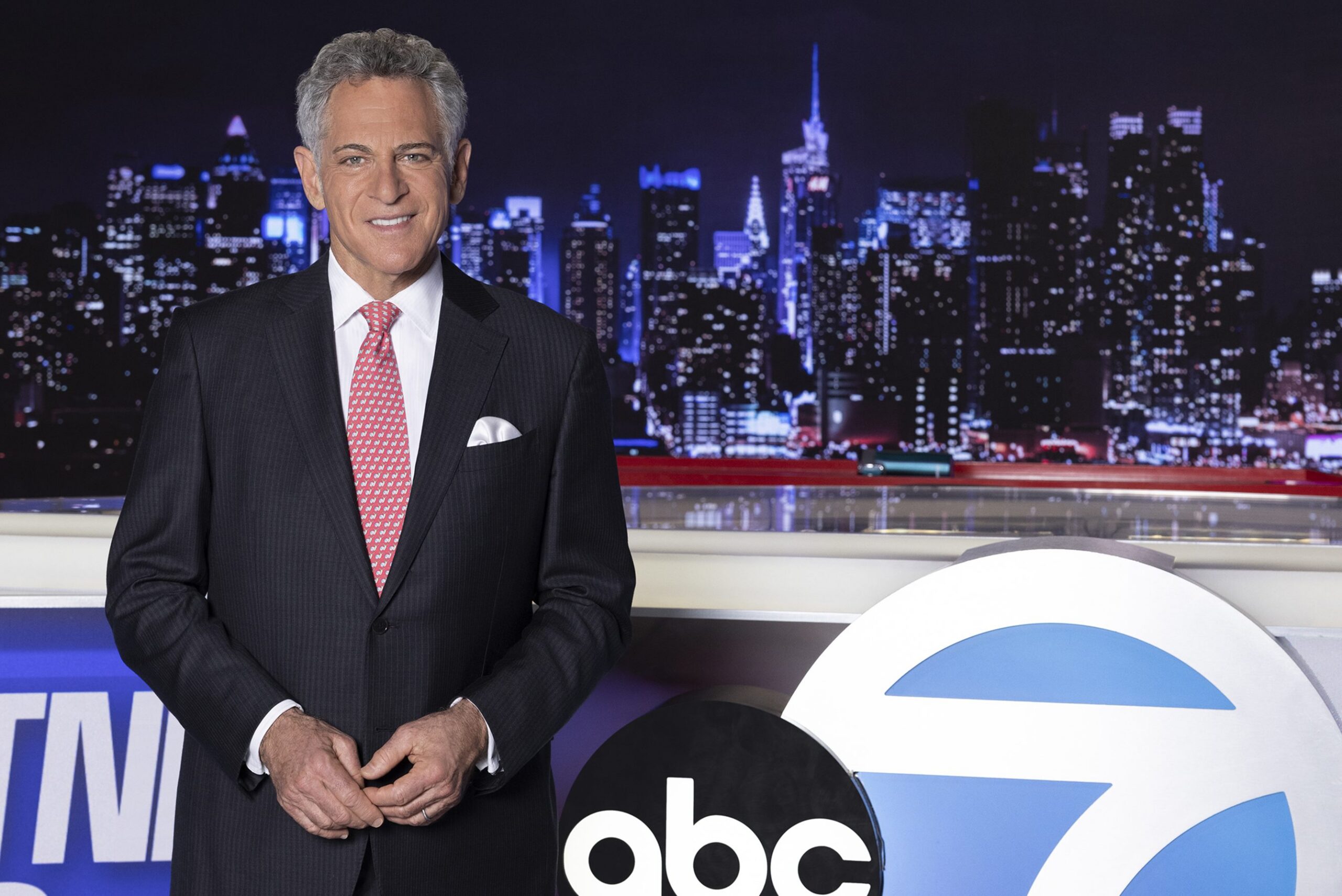
  • The Anchor’s Final Sign-Off – Bill Ritter Steps Down from ABC7 New York Following Alzheimer’s Diagnosis

    The Anchor’s Final Sign-Off – Bill Ritter Steps Down from ABC7 New York Following Alzheimer’s Diagnosis

    Bill Ritter, the defining voice of New York City local news for more than a quarter-century, is stepping down from the WABC-TV anchor desk following a diagnosis of Alzheimer’s disease. The veteran journalist announced his immediate retirement during a June 2026 broadcast, ending a historic run at the nation’s most-watched local television station. For millions of viewers across the tri-state area, Ritter was not just a newsreader. He was the steady presence at the center of the storm. Now, he faces a profoundly personal storm of his own.

    The announcement arrived without the usual fanfare of a planned television retirement. There were no weeks of retrospective montages leading up to the final broadcast. Instead, Ritter looked directly into the camera lens and delivered the hardest news of his career. He spoke with the same measured, authoritative cadence that New Yorkers have relied upon since the late 1990s. He explained the diagnosis. He explained the reality of cognitive decline. He thanked the city for its trust.

    In many ways, the departure of a legacy anchorman marks the end of an era for broadcast journalism. But the story of Bill Ritter’s final sign-off is larger than television. It is a story about the vulnerability of the human mind, the courage required to step away from a lifelong identity, and the profound connection between a city and the people who tell its stories.

    The Weight of the Anchor Chair

    To understand the magnitude of Ritter’s departure, one must understand the unique ecosystem of New York local news. WABC-TV, Channel 7, is not just another local affiliate. It is the flagship station of the ABC television network. It is a billion-dollar broadcast property. For decades, its Eyewitness News format has dominated the ratings in the largest media market in the United States.

    Sitting in the main anchor chair at ABC7 is akin to holding a major public office in New York City. The position requires more than journalistic acumen. It requires a specific kind of civic stamina. Viewers invite these anchors into their living rooms, kitchens, and bedrooms every single night. Trust is not given freely in New York. It is earned over thousands of hours of live television.

    Ritter earned that trust. He did not possess the booming, theatrical voice of the anchors from the 1970s. He did not rely on sensationalism. His delivery was grounded, empathetic, and relentlessly factual. When the teleprompter failed, Ritter did not panic. When breaking news shattered the evening rundown, Ritter guided the control room and the audience with a calm hand.

    A Career Built on Curiosity

    The path to the anchor desk at Columbus Avenue and 66th Street was not a straight line. Bill Ritter was born in 1950. He grew up in Southern California and attended San Diego State University. His journalism career began in print. He worked as a reporter for the San Diego Union-Tribune, learning the foundational skills of source-building, fact-checking, and narrative structure.

    He transitioned to television news in the 1980s. He worked as an investigative reporter for Fox Television. His work caught the attention of national network executives. In 1992, Ritter joined ABC News. He served as a correspondent for the newsmagazine 20/20 and eventually became the co-anchor of the Sunday edition of Good Morning America.

    But the defining chapter of his career began in 1998. WABC-TV tapped Ritter to join its evening anchor team. He was paired with veteran journalists like Diana Williams and, later, Sade Baderinwa. Together, they formed an unstoppable ratings juggernaut. They became the faces of the city.

    Broadcasting Through the Ashes

    The true measure of a local news anchor is not taken on quiet news days. It is taken when the city is in crisis. During his tenure at ABC7, Ritter guided New Yorkers through some of the darkest and most disorienting moments in modern American history.

    On September 11, 2001, Ritter was on the desk. As the World Trade Center towers collapsed, the local news stations became a lifeline for a terrified region. Cell phone networks failed. The internet was paralyzed. Millions of people turned on their televisions to understand if they were still under attack. Ritter stayed on the air for hours, processing the trauma of his own city in real-time while maintaining the composure required of his profession.

    Two years later, during the Northeast Blackout of 2003, Ritter was there again. When Hurricane Sandy drowned the coastlines of Staten Island, Brooklyn, and New Jersey in 2012, Ritter anchored continuous coverage. He detailed the storm surges. He tracked the power outages. He interviewed the survivors.

    In 2020, the COVID-19 pandemic forced the city into lockdown. The WABC-TV studios were largely emptied. Ritter broadcast the evening news from a makeshift studio in his own living room. He read the daily death tolls. He reported on the refrigerated trucks parked outside the hospitals in Queens. He provided a sense of continuity when the world felt fundamentally broken. He was the familiar voice in the dark.

    The Cruelty of the Diagnosis

    Alzheimer’s disease is a specific kind of thief. It does not announce itself with sudden, dramatic physical symptoms. It works quietly, erasing the architecture of the mind. For a journalist, a person whose entire life is built on memory, recall, language, and communication, the disease is particularly cruel.

    An anchor must process complex information in real-time. They must listen to a producer in their earpiece while simultaneously reading a prompter and maintaining eye contact with a camera. They must recall names, dates, and historical context instantly during breaking news. The cognitive load is immense.

    By stepping away immediately, Ritter chose transparency over concealment. Public figures often hide cognitive diagnoses, fearing a loss of dignity or professional standing. By naming his disease on live television, Ritter performed one final act of public service. He dragged the disease into the light.

    “Alzheimer’s is not a silent disease unless we choose to be silent about it. By stepping down publicly, Bill Ritter has given voice to millions of families navigating this exact same heartbreak.”

    According to the Alzheimer’s Association, more than 6 million Americans are living with the disease. It is a relentless, progressive condition. It strips away short-term memory first, eventually compromising the brain’s ability to carry out basic bodily functions. There is currently no cure. The financial and emotional toll on families and caregivers is staggering.

    The Changing Landscape of Local News

    Ritter’s exit highlights a broader transition occurring in the media industry. The era of the lifelong local anchorman is fading. The media landscape has fractured. Audiences no longer gather at 6:00 p.m. to learn what happened in their city. They receive push notifications on their phones. They scroll through social media feeds. They ask artificial intelligence platforms for news summaries.

    The shared reality that local television news once provided is dissolving. When Ritter started at WABC-TV in 1998, the evening news was a communal event. It was the campfire around which the city gathered. The anchors were the elders who interpreted the day’s events.

    Today, the economics of local television are challenging. Station groups are consolidating. Budgets are shrinking. The next generation of broadcasters will not have the same decades-long runway to build trust with an audience. Ritter represents the twilight of a specific broadcast tradition. He is one of the last of the institutional voices.

    The Reaction from the City

    The announcement sent shockwaves through the New York media establishment. Competing stations, which had spent decades trying to unseat Ritter in the ratings, offered immediate tributes. Anchors at WNBC, WCBS, and WNYW paused their own broadcasts to acknowledge his legacy.

    Sade Baderinwa, Ritter’s longtime co-anchor, fought back tears during the broadcast. The chemistry between co-anchors is difficult to manufacture. It requires genuine affection and mutual respect. For years, Baderinwa and Ritter operated with a seamless rhythm, passing stories back and forth with effortless grace. The sudden severing of that partnership left a visible void on the set.

    New York City officials, including the mayor and the governor, issued statements of support. But the most poignant reactions came from the viewers. Social media platforms were flooded with messages from tri-state residents. They shared memories of watching Ritter with their parents. They recalled his coverage of specific snowstorms and local elections. They expressed profound sadness, not just for the journalist, but for the man.

    A Legacy Anchored in Truth

    What remains when the cameras are turned off? For Bill Ritter, the legacy is not just the thousands of broadcasts archived in the ABC network vaults. It is the standard of decency he set for the industry.

    He treated the news with respect. He treated the audience with respect. He never allowed the cynicism of the industry to erode his fundamental belief in the importance of local journalism. He understood that a fire in the Bronx, a transit strike in Manhattan, or a political scandal in Albany mattered deeply to the people living through it.

    As he faces the realities of Alzheimer’s disease, Ritter steps into a deeply private battle. The public will no longer see him every evening. The familiar theme music of Eyewitness News will play, and a different face will read the top story. The machinery of television will continue to turn. The news never stops.

    But the city remembers. The viewers remember. The colleagues remember. They gathered around their screens. They listened to the final sign-off. They watched the veteran anchor step away from the desk.

    Silence.

    New York.

  • The Final Broadcast – Why Bill Ritter Left WABC-TV’s Eyewitness News

    The Final Broadcast – Why Bill Ritter Left WABC-TV’s Eyewitness News

    Veteran broadcast journalist Bill Ritter stepped down from his role as the primary anchor of WABC-TV’s “Eyewitness News” in 2026 after being diagnosed with early-stage Alzheimer’s disease. The announcement immediately ended one of the most successful and enduring anchor runs in the history of New York local television.

    For more than twenty-five years, Ritter was the face of Channel 7. He anchored the 5 p.m., 6 p.m., and 11 p.m. broadcasts. He delivered the daily reality of the tri-state area to millions of viewers across the five boroughs, New Jersey, Connecticut, and Long Island.

    But the story of his departure is not simply about a vacant chair at a news desk. It is about the vulnerability of a public communicator losing the very tools of his trade. What looks like a standard retirement is actually a profound moment of transparency regarding a disease that systematically dismantles memory and speech.

    The Weight of the Diagnosis

    Early-stage Alzheimer’s disease is a quiet thief. It does not announce itself with sudden physical collapse. It begins in the margins of daily life.

    The Alzheimer’s Association notes that the early stages often involve mild cognitive impairment. Individuals may function independently. They can still drive, socialize, and work. But they begin to experience subtle memory lapses. They forget familiar words. They misplace everyday objects. They lose the thread of complex conversations.

    For a broadcast journalist, these symptoms are a direct strike at professional survival. Live television is an unforgiving medium. It requires rapid recall. It demands precise timing with a teleprompter. It necessitates the ability to process breaking news in an earpiece while simultaneously speaking in clear, measured sentences to a camera.

    The cognitive load is immense. An anchor must pivot from a tragic house fire in Queens to a complex political scandal at City Hall in the span of thirty seconds. There is no room for a delayed reaction.

    By stepping away at the early stage of the disease, Ritter preserves his legacy. He leaves before the disease can compromise his on-air performance. By announcing the specific reason for his departure, he advocates for awareness in a society that still struggles to discuss cognitive decline.

    The Ascension at Channel 7

    Ritter did not begin his career at the top of the New York media market. He earned his position through decades of reporting.

    Born in 1950, Ritter started in print journalism. He understood the mechanics of a story before he ever stepped in front of a camera. He eventually transitioned to television, working his way up through the ranks of local affiliates and national broadcasts. He served as a correspondent for ABC’s “20/20,” investigating complex national stories and honing his ability to connect with subjects on a human level.

    He arrived at WABC-TV in 1998. By 1999, he was elevated to the main anchor chair.

    Channel 7 was already a powerhouse. In 1968, news director Al Primo pioneered the “Eyewitness News” format at the station. Before Primo, news anchors were stoic, voice-of-God figures who read wire copy into a camera. Primo changed the architecture of the broadcast. He put reporters in the field. He encouraged anchors to talk to each other. He introduced banter, chemistry, and human connection.

    Ritter was the perfect evolution of the Eyewitness News format. He was authoritative but not authoritarian. He was empathetic. He spoke to the audience, not at them.

    Anchoring Through Catastrophe

    To anchor the news in New York City is to chronicle both the mundane and the catastrophic. Over a quarter-century, Ritter served as the emotional thermostat for the city.

    He was at the desk during the immediate aftermath of September 11, 2001. He guided viewers through the shock, the grief, and the long, bitter recovery of Ground Zero. He did not sensationalize the pain. He reported the facts as the city burned, and later, as it rebuilt.

    He anchored through the Northeast Blackout of 2003. When millions lost power and anxiety spiked across the eastern seaboard, Ritter’s steady voice on battery-powered radios and backup generators provided vital reassurance.

    He covered the 2008 financial crisis, translating Wall Street collapses into Main Street realities. He anchored through the devastation of Hurricane Sandy in 2012, broadcasting images of flooded subways and darkened neighborhoods in Lower Manhattan and Staten Island.

    In 2020, he became the voice of the COVID-19 lockdowns. When the streets of Manhattan emptied and the sirens echoed through the boroughs, Ritter broadcast from a makeshift home studio. He read the daily death tolls. He interviewed exhausted nurses at Elmhurst Hospital. He provided a daily anchor point for a terrified population.

    These events forged an unbreakable bond of trust between the anchor and the audience. Viewers did not just watch Ritter; they relied on him.

    The Chemistry of the Desk

    Television news is a collaborative illusion. It appears seamless, but it is built on the precise coordination of dozens of people. At the center of that coordination is the anchor team.

    Over the years, Ritter shared the desk with a rotating cast of high-profile journalists. He co-anchored with Liz Cho. He built a legendary partnership with Sade Baderinwa. He bantered with meteorologists like Lee Goldberg and Sam Champion, and sports anchors like Ryan Field.

    The dynamic of the 11 p.m. team is a highly choreographed performance masked as a casual conversation. The chemistry cannot be manufactured in a boardroom. It requires mutual respect, shared timing, and thousands of hours of live television.

    This chemistry translated directly into ratings dominance. Under Ritter’s tenure, WABC-TV consistently defeated its primary rivals, WCBS and WNBC. Channel 7 was not just the most-watched local news station in New York; it was often the most-watched local news station in the United States.

    Ritter was the stabilizing force of that dominance. He was the constant variable in a rapidly changing media landscape.

    The Broader Reality of Alzheimer’s

    Ritter’s departure forces a public reckoning with a private tragedy. Alzheimer’s disease is an escalating public health crisis.

    According to the Centers for Disease Control and Prevention, the number of Americans living with Alzheimer’s is projected to nearly triple by 2060. It is a progressive neurological disorder that causes the brain to shrink and brain cells to die. It is the most common cause of dementia.

    The disease does not discriminate based on wealth, status, or intellect. It strips away the defining characteristics of the individual. For a journalist whose entire identity is built on observing the world, remembering facts, and articulating narratives, the diagnosis is particularly cruel.

    By stepping into the light with his diagnosis, Ritter joins a small but growing group of public figures who are refusing to hide their cognitive decline. In recent years, the family of actor Bruce Willis disclosed his battle with frontotemporal dementia. The family of legendary singer Tony Bennett documented his final years with Alzheimer’s, showcasing both his cognitive struggles and his enduring musical memory.

    These disclosures matter. They dismantle the stigma. They provide comfort to the millions of families quietly navigating the labyrinth of elder care, memory units, and fading recognition.

    The Future of Eyewitness News

    The departure of Bill Ritter leaves a massive void at WABC-TV. The business of local news is built on habit. Viewers tune in at 5 p.m. because they have always tuned in at 5 p.m. They trust the face on the screen because they have trusted that face for twenty years.

    Replacing a legacy anchor is one of the most dangerous maneuvers a television station can attempt. Management must find someone who commands authority but does not alienate a fiercely loyal audience. They must bridge the gap between the older viewers who still watch linear television and the younger viewers who consume news in fragmented clips on social media.

    The television landscape itself is fracturing. Cord-cutting is accelerating. Streaming services are siphoning away attention. The traditional local news broadcast, a unified, communal viewing experience, is slowly becoming a relic of a bygone era.

    Ritter’s exit feels like the closing of a chapter, not just for Channel 7, but for the medium itself. He represents the peak of the local anchor era. He was a trusted, singular voice in a market that is now defined by endless, chaotic noise.

    The Legacy Left Behind

    When the history of New York television is written, Bill Ritter will occupy a central chapter. He will be remembered alongside legends like Chuck Scarborough, Jim Jensen, and Bill Beutel.

    He did not shout. He did not posture. He simply sat at a desk, looked into a lens, and told the city what had happened that day. He treated the audience with respect. He treated the news with reverence.

    His final broadcast is a reminder of the fragility of the human mind and the enduring power of a life spent in service to the truth. The teleprompter will roll for someone else. The blue and gold graphics will continue to spin. The relentless machinery of the daily news cycle will grind forward without him.

    But the standard he set remains.

    The lights dim in the studio. The scripts are filed away. The cameras power down.

    Silence.

  • The First Amendment Shield – The Wall Street Journal Moves to Dismiss Trump’s Revised Epstein Letter Lawsuit

    The First Amendment Shield – The Wall Street Journal Moves to Dismiss Trump’s Revised Epstein Letter Lawsuit

    Former President Donald Trump’s revised defamation lawsuit against The Wall Street Journal faces a decisive legal hurdle as the publication formally asks a federal judge to dismiss the case. The dispute centers on a published story concerning a letter linked to the late financier Jeffrey Epstein. The Journal’s legal team argues the revised complaint fails to meet the stringent actual malice standard required under the First Amendment, asserting the reporting was fundamentally accurate and constitutes protected speech.

    The conflict represents a collision between a high-profile political figure and a legacy media institution. Court dockets show a pattern of similar litigation over the past decade. The legal mechanics remain consistent. A story is published. A retraction is demanded. A lawsuit is filed. The publisher moves to dismiss.

    The Anatomy of a Revised Complaint

    Civil litigation follows a strict procedural rhythm in federal court. When an initial complaint is filed, the defense often responds with a motion to dismiss. If the judge finds the initial complaint lacking, the plaintiff is typically granted leave to amend. This results in a revised complaint.

    Trump’s legal team filed this revised complaint in an attempt to cure the legal deficiencies of their first filing. They needed to demonstrate that The Wall Street Journal not only published something false, but did so with a specific, legally defined state of mind. The revised document attempts to map out this alleged intent, claiming the publication deliberately framed the narrative to inflict reputational damage.

    The Wall Street Journal, published by Dow Jones & Company, a division of News Corp, rejects the premise entirely. Their renewed motion to dismiss targets the structural foundations of the revised lawsuit. They argue that rewriting the complaint did not change the underlying facts. The story remains protected. The First Amendment remains intact.

    The Epstein Factor and Defamation by Implication

    Jeffrey Epstein remains one of the most legally radioactive names in modern history. The late financier’s extensive network of high-profile associates has fueled years of investigative journalism. Any connection to Epstein, no matter how tangential, carries immense reputational weight.

    The disputed Wall Street Journal article examined a specific letter. The reporting detailed the origins, routing, and implications of this document. Trump’s lawsuit alleges that the framing of this narrative was designed to create a false and defamatory association.

    This brings the case into the complex territory of defamation by implication. This legal concept occurs when a publisher reports technically true facts but arranges them in a way that creates a false and defamatory impression. It is a notoriously difficult claim to win in federal court. The plaintiff must prove the publisher intended to create the false implication, not merely that a reader might infer it.

    The Shield of Sullivan: The Actual Malice Standard

    American defamation law hinges on a single Supreme Court precedent. In 1964, the Court decided New York Times Co. v. Sullivan. The landmark ruling fundamentally altered how public figures can sue the press.

    To win a defamation suit, a private citizen generally only needs to prove negligence. A public figure must prove actual malice. This legal term of art does not mean ill will or spite. It means the publisher either knew the statement was false before publication or acted with a reckless disregard for the truth.

    Donald Trump is arguably the most recognizable public figure in the world. The actual malice standard applies to him in its absolute strictest form.

    The Wall Street Journal’s motion to dismiss leans heavily on Sullivan. The legal brief argues that Trump’s revised complaint fails to plead facts showing the Journal’s reporters or editors harbored serious doubts about the truth of the Epstein letter story. Without concrete evidence of actual malice, the lawsuit cannot survive a motion to dismiss.

    The Burden of Proof in the Newsroom

    Establishing reckless disregard requires looking inside the editorial process. It requires proving a systemic failure. The Wall Street Journal employs layers of editors, fact-checkers, and legal counsel. Stories involving figures like Trump and Epstein undergo rigorous pre-publication review.

    The motion to dismiss essentially tells the court that the plaintiff has provided no evidence of a breakdown in this process. A disagreement over editorial framing or the selection of facts does not constitute actual malice under federal law.

    The Cultural Defense Strategy

    This lawsuit does not exist in a vacuum. It is part of a broader cultural and legal strategy. For years, conservative figures have utilized defamation lawsuits as a tool to push back against legacy media narratives.

    These lawsuits serve a dual purpose. They seek financial damages in court. They also serve as a public declaration of defiance. The act of suing a major newspaper signals to a political base that the figure is fighting back against perceived media bias.

    Legal scholars note that even when these suits are dismissed, they achieve a secondary goal. They force media companies to expend significant resources on legal defense. They keep the narrative of a hostile press alive in the public consciousness. This dynamic transforms the federal docket into a theater for cultural defense.

    Rule 12(b)(6) and the Federal Docket

    The immediate battleground is a Rule 12(b)(6) motion. This is a vital provision in the Federal Rules of Civil Procedure. It allows a defendant to ask the judge to dismiss a case for failure to state a claim upon which relief can be granted.

    When evaluating a 12(b)(6) motion, the judge must accept all factual allegations in the plaintiff’s complaint as true. However, the judge does not have to accept legal conclusions disguised as facts.

    The Wall Street Journal argues that even if everything in Trump’s revised complaint is taken as true, it still does not add up to defamation under the law. They are asking the judge to stop the lawsuit before it reaches the costly and intrusive phase of discovery.

    The Threat of Discovery

    If the judge denies the motion to dismiss, the case enters discovery. This is the phase where both sides can demand internal documents, emails, and sworn depositions.

    For a media company, discovery is a significant threat. It exposes the internal workings of the newsroom. It reveals source communications. It drains financial resources. The Wall Street Journal’s legal strategy is explicitly designed to prevent the case from ever reaching this point.

    The Economics of Defamation Defense

    Defending a defamation lawsuit in federal court is an expensive endeavor. Even a baseless lawsuit requires a sophisticated legal defense. Media companies retain specialized First Amendment attorneys who bill at premium rates.

    Drafting a motion to dismiss requires extensive legal research. Reviewing a revised complaint requires meticulous analysis. The financial burden falls entirely on the publisher unless the jurisdiction has strong Anti-SLAPP (Strategic Lawsuits Against Public Participation) laws that allow for the recovery of legal fees.

    This economic reality is a known factor in high-profile litigation. Plaintiffs with significant financial resources can afford to keep lawsuits alive through multiple revisions and appeals, effectively taxing the media organization regardless of the final verdict.

    The Libel-Proof Doctrine and Reputational Harm

    A core element of any defamation claim is proving reputational damage. The plaintiff must show that the published statements caused tangible harm to their standing in the community.

    In extreme cases, courts have applied the libel-proof plaintiff doctrine. This theory suggests that an individual’s reputation is already so established or so tarnished in a specific area that further negative reporting cannot cause additional, measurable harm.

    While courts are generally hesitant to apply this doctrine to major political figures, defense attorneys often argue a variation of it. They argue that a figure as universally known and constantly scrutinized as Donald Trump cannot plausibly claim that a single news article fundamentally altered his public standing.

    The Precedent of Prior Dismissals

    The historical record of similar lawsuits is heavily weighted in favor of the press. Trump has previously filed defamation suits against CNN, The New York Times, and the Pulitzer Prize Board. The vast majority of these cases have been dismissed at the motion stage.

    Judges routinely cite the First Amendment protections afforded to political reporting. They frequently rule that rhetorical hyperbole, opinion, and fair reporting on matters of public interest cannot serve as the basis for a defamation claim.

    The Wall Street Journal’s legal team is operating from this established playbook. Their motion to dismiss is built on a foundation of prior rulings that have consistently protected legacy media organizations from similar legal challenges brought by public officials.

    What Happens Next in the Docket

    The timeline now belongs to the federal judge. The plaintiff has filed the revised complaint. The defendant has filed the motion to dismiss. The plaintiff will likely file a brief in opposition. The defendant will file a final reply brief.

    Then, the court goes quiet. The judge reviews the briefings. The judge reviews the precedents. A written order will eventually be issued.

    If the judge grants the motion, the case will likely be dismissed with prejudice. This means it cannot be refiled. The legal battle over this specific story will end. If the judge denies the motion, the doors to discovery will open, fundamentally changing the trajectory of the litigation.

    The stakes extend beyond a single article. The outcome will reaffirm or test the boundaries of the First Amendment in an era of intense political polarization. It will signal how federal courts intend to handle the ongoing collision between political figures and the press.

    The filings are submitted. The arguments are framed. The precedents are clear.

    The docket waits.

    Ruling.