
Tag: Evacuation

  • Appalling Wildfire Rages Near Homes in Wales as 200 Soldiers Deployed

    Appalling Wildfire Rages Near Homes in Wales as 200 Soldiers Deployed

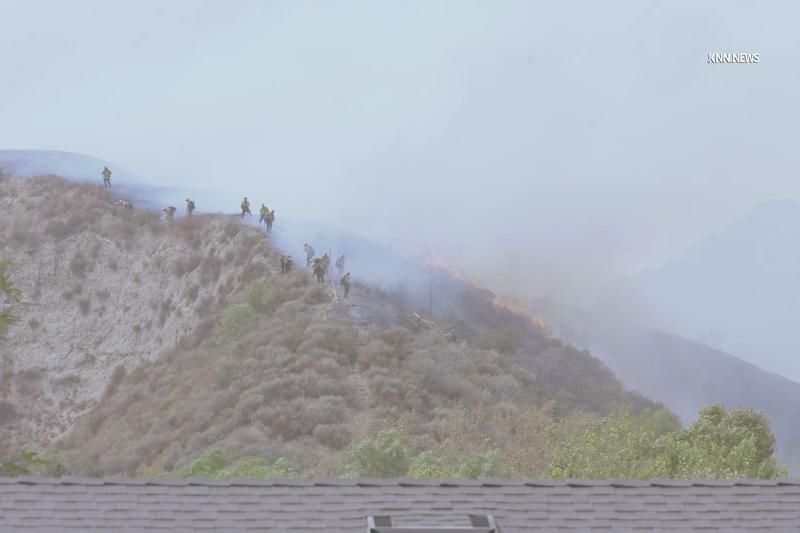
    A raging wildfire near homes in Wales has prompted a significant military response, with 200 soldiers deployed to assist firefighters. The situation is unprecedented and could become the worst wildfire year on record for Wales.

    Official Agency Statements

    According to the South Wales Fire Service, the wildfire in the area near Newbridge, Torfaen, Porth, Merthyr Tydfil, and Llandovery has been declared a major incident. The fire is spreading rapidly and poses a significant threat to nearby properties and residents.

    The UK government has also responded to the crisis, with Prime Minister Andy Burnham deploying 100 troops to assist with the wildfires in England and Wales. Additional troops are expected soon.

    Impact and Affected Areas

    The wildfire has caused widespread damage and destruction in the affected areas. Several homes and businesses have been damaged or destroyed, and numerous residents have had to evacuate their homes.

    The fire is particularly dangerous due to its proximity to populated areas, and there are concerns about potential injuries and fatalities. Emergency services are working around the clock to control the fire and protect lives.

    Safety Advisories and Guidance

    The Welsh Government has advised residents in the affected areas to remain vigilant and follow all safety guidelines. A temporary national ban on the sale of disposable barbecues has been implemented in England and Wales due to the high risk of wildfires.

    Emergency services are urging residents to be prepared for further evacuations if necessary. They are providing regular updates via social media and other channels to keep the public informed.

    FAQ

    • Is there an active tsunami warning?
    • No, there is no active tsunami warning. The fire is contained within the affected areas and is being managed by emergency services.
    • How many people have been evacuated?
    • Several hundred residents have been evacuated from the affected areas due to the proximity of the wildfires.
    • What steps can I take to stay safe during the wildfire?
    • Stay indoors, avoid open flames, and follow all safety guidelines provided by emergency services. Stay updated through reliable sources and listen to emergency broadcasts.

    Frequently Asked Questions

    Is there an active tsunami warning?

    No, there is no active tsunami warning. The fire is contained within the affected areas and is being managed by emergency services.

    How many people have been evacuated?

    Several hundred residents have been evacuated from the affected areas due to the proximity of the wildfires.

    What steps can I take to stay safe during the wildfire?

    Stay indoors, avoid open flames, and follow all safety guidelines provided by emergency services. Stay updated through reliable sources and listen to emergency broadcasts.

  • Clooneys Evacuate French Estate Amidst Var Wildfires – A European Crisis

    Clooneys Evacuate French Estate Amidst Var Wildfires – A European Crisis

    Actor George Clooney and human rights lawyer Amal Clooney evacuated their estate, Domaine du Canadel, in Brignoles, France, on July 29, 2026. This urgent departure was necessitated by the immediate threat of wildfires spreading across the Var region of France. The couple’s property is located within an area directly impacted by the ongoing blazes, mandating their move for safety.

    This event involving the Clooneys brings into sharp focus the intensity of the wildfire situation currently affecting various parts of Europe. Authorities in the Var region have been actively combating numerous fires, resulting in extensive evacuations and significant damage to property.

    The Immediate Threat in Brignoles

    The decision for the Clooneys to evacuate came as fires encroached upon their residence. Domaine du Canadel, a 17th-century estate, is situated in the heart of Provence, a region known for its natural beauty and, increasingly, its susceptibility to wildfires. The specific proximity of the fires to their property and the precise timing of their evacuation remain details under ongoing assessment.

    The Var region, located in southeastern France, is particularly vulnerable to these environmental conditions. Its Mediterranean climate, characterized by hot, dry summers, combined with dense vegetation, creates an ideal environment for fire ignition and rapid spread. Emergency services across the region have been operating at maximum capacity, striving to contain the blazes and safeguard residential areas.

    Reports from local authorities confirmed multiple active fire fronts. Firefighters from various departments were deployed, utilizing both ground crews and aerial support. The immediate priority remained the protection of human life and critical infrastructure.

    Wider European Wildfire Crisis

    The summer of 2026 has witnessed a particularly intense wildfire season across Southern Europe. France, alongside Spain, Italy, and Greece, has reported numerous large-scale fires. These events are frequently exacerbated by extended periods of drought, elevated temperatures, and strong, unpredictable winds.

    Climate change is identified as a significant factor contributing to the increased frequency and severity of these wildfires. Higher global temperatures lead to drier conditions and more combustible vegetation. The Mediterranean basin is recognized as one of the regions most affected by these climatic shifts.

    The European Union’s Copernicus Atmosphere Monitoring Service (CAMS) has been tracking the emissions and spread of these fires. Data from CAMS indicated elevated levels of particulate matter and greenhouse gases released by the blazes, impacting air quality across vast areas.

    Regional Impact in France

    Within France, the Var department has been a critical focal point for firefighting efforts. This area is home to significant natural parks and dense forestland, making it a high-risk zone. The fires have not only threatened private residences but also natural ecosystems, causing extensive loss of biodiversity.

    Local municipalities, including Brignoles, Le Muy, and Sainte-Maxime, have issued evacuation orders for residents in affected zones. These orders are often dynamic, changing as wind patterns shift and fire fronts advance or recede. Communication channels, including local radio and emergency alert systems, have been crucial in disseminating information to the public.

    The economic impact of these fires extends beyond property damage. Tourism, a vital industry for the Provence-Alpes-Côte d’Azur region, faces disruptions. Agricultural lands are also at risk, with vineyards and olive groves being particularly vulnerable to destruction.

    Emergency Response and Public Safety

    Emergency responders from the Service Départemental d’Incendie et de Secours (SDIS) have been at the forefront of the battle against the blazes. Hundreds of firefighters, supported by specialized vehicles and water-bombing aircraft, have been deployed daily. International assistance, through mechanisms like the European Union Civil Protection Mechanism, has also been considered or activated in some instances to bolster national efforts.

    Public safety measures include establishing temporary shelters for evacuees. Local community centers and sports facilities have been repurposed to provide accommodation, food, and medical assistance to those displaced by the fires. Psychological support services are also made available to individuals and families experiencing trauma.

    Authorities consistently advise residents to adhere strictly to evacuation orders and to remain informed through official channels. The unpredictable nature of wildfires necessitates rapid response and public cooperation to minimize casualties and damage.

    The Role of Prevention

    Beyond immediate firefighting, prevention strategies are gaining increased attention. These include controlled burns, forest management practices, and strict regulations on open fires during dry periods. Public awareness campaigns aim to educate citizens on fire safety and the risks associated with certain activities, such as discarding cigarettes or using outdoor grills in high-risk areas.

    Investment in early detection systems, such as surveillance cameras and drone technology, is also being explored and implemented. These technologies can provide crucial early warnings, allowing for faster deployment of resources and potentially containing fires before they escalate into major incidents.

    The long-term recovery efforts will involve reforestation and ecological restoration projects. These initiatives are essential for rebuilding ecosystems, preventing soil erosion, and mitigating future environmental risks. The commitment to these efforts spans years, reflecting the extensive damage caused by large-scale wildfires.

    Celebrity Impact and Broader Implications

    The evacuation of George and Amal Clooney underscores the indiscriminate nature of these environmental disasters. Wealth and public profile offer no immunity from the threats posed by wildfires. High-profile individuals and ordinary citizens alike face the same dangers when blazes approach their homes.

    This event has drawn international attention to the European wildfire crisis. Media coverage of the Clooneys’ situation has helped to amplify the message about the severity of the fires and the urgent need for climate action and improved disaster preparedness. It serves as a stark reminder of the environmental challenges confronting the region this summer and in the years to come.

    The incident also highlights the global interconnectedness of environmental issues. What begins as a local fire can have far-reaching impacts on air quality, ecological systems, and even international tourism. The collective response to such crises requires coordinated efforts from local, national, and international bodies.

    Emergency responders continued their efforts. Residents monitored official alerts. The Clooneys departed their home. Le Muy faced the flames. Provence.


  • National Mall Evacuated for President Trump Speech Due to Severe Weather

    National Mall Evacuated for President Trump Speech Due to Severe Weather

    National Mall Evacuated Due to Severe Weather on Independence Day

    On July 4, 2026, the National Mall in Washington D.C. experienced an evacuation due to severe weather conditions. This action occurred just prior to a scheduled speech by President Donald Trump. The sudden onset of thunderstorms and high winds prompted authorities to prioritize public safety, leading to the dispersal of thousands of attendees who had gathered for the Independence Day celebrations.

    The event underscored the challenges of outdoor mass gatherings when faced with unpredictable weather phenomena. Emergency protocols were activated swiftly. Public address systems and digital alerts informed the crowd of the impending danger and the need to seek shelter.

    The Independence Day Gathering

    Annually, the National Mall serves as a central hub for Independence Day festivities. Families, tourists, and citizens from across the nation converge on the iconic green space. They come to witness the fireworks display and participate in various commemorative events.

    For 2026, the expectation was no different. Preparations had been underway for weeks. Security perimeters were established. Stages were erected for speakers and performers. Vendors prepared for large crowds.

    President Trump was slated to deliver remarks as part of the official program. His presence historically draws significant attention. This year’s speech was anticipated to address themes of national unity and American exceptionalism.

    Weather Forecasts and Rapid Deterioration

    Early weather forecasts for July 4, 2026, had indicated a possibility of afternoon showers. However, the severity and speed of the approaching weather front surprised many. Meteorological reports from the National Weather Service began to escalate throughout the day.

    By mid-afternoon, radar imagery showed a strong line of thunderstorms moving eastward. These storms carried significant lightning potential and gusting winds. The National Mall, an open expanse, offers little natural protection against such elements.

    Officials monitored the situation closely. Decisions regarding public safety are made in conjunction with weather experts and emergency management agencies. The threshold for evacuation is typically met when there is an imminent threat to life and limb.

    The Evacuation Protocol

    The order to evacuate the National Mall was issued by relevant authorities in the late afternoon. This decision was not made lightly. It involved coordinating multiple agencies, including the National Park Service, U.S. Park Police, and local D.C. emergency services.

    Thousands of people were already present, having secured prime viewing spots. The process of safely directing such a large crowd requires clear communication and organized pathways. Law enforcement personnel were deployed to guide individuals away from exposed areas.

    Attendees were advised to move to nearby metro stations or seek shelter in sturdy buildings. The Smithsonian museums, located along the Mall, often serve as temporary havens during such weather events. However, even these facilities have capacity limits.

    Impact on President Trump’s Address

    President Trump’s appearance was a highly anticipated component of the Independence Day programming. His speech was expected to draw a substantial audience, both in person and via national broadcasts. The evacuation directly impacted these plans.

    Details regarding the exact timing of the cancellation or postponement emerged shortly after the evacuation began. Official channels confirmed that the President would not be delivering his remarks as scheduled on the National Mall. The safety of the public and personnel was cited as the paramount concern.

    Alternative arrangements, if any, were not immediately announced. The focus remained on the immediate safety of the public. This disruption marked a significant alteration to the nation’s primary Independence Day commemoration.

    Logistical Challenges of Mass Evacuation

    Evacuating an area as vast and densely populated as the National Mall presents immense logistical challenges. The sheer number of people, combined with the urgency of a severe weather threat, demands precision and speed.

    Emergency responders utilize pre-established plans for such scenarios. These plans include designated evacuation routes, communication strategies, and coordination points. The goal is to prevent panic and ensure an orderly departure.

    Traffic management around the National Mall also becomes critical. Roads are often closed or rerouted to facilitate emergency vehicle access and public transport. The D.C. Metro system plays a vital role in moving large numbers of people efficiently.

    Public Reaction and Safety Measures

    Public reaction to the evacuation was largely one of understanding and cooperation. While disappointment was evident among those who had traveled to attend, the overriding sentiment was a recognition of the need for safety. Social media platforms reflected both frustration at the disruption and appreciation for the authorities’ proactive measures.

    Safety remains the highest priority for event organizers and government agencies. The decision to evacuate is always a last resort, taken only when the risks associated with continuing an event outweigh the benefits. These decisions are informed by real-time data and expert assessment.

    The incident served as a reminder of the power of natural forces. It also highlighted the extensive planning and coordination required to manage large-scale public events in the nation’s capital. The collective effort to ensure public welfare during unexpected crises is a hallmark of effective emergency management.

    The fireworks display, the culminating event of the evening, was also subject to review. Decisions regarding pyrotechnic shows are heavily dependent on wind conditions and visibility. The ultimate fate of the fireworks was contingent on the weather system’s progression and clearance by safety officials.

    Thousands had gathered. Families had planned. President Trump was ready to speak. The skies opened. The Mall cleared. Washington D.C.