Presented by 1889 Advertising. Our newsroom reported this story independently; 1889 Advertising sponsors its publication.
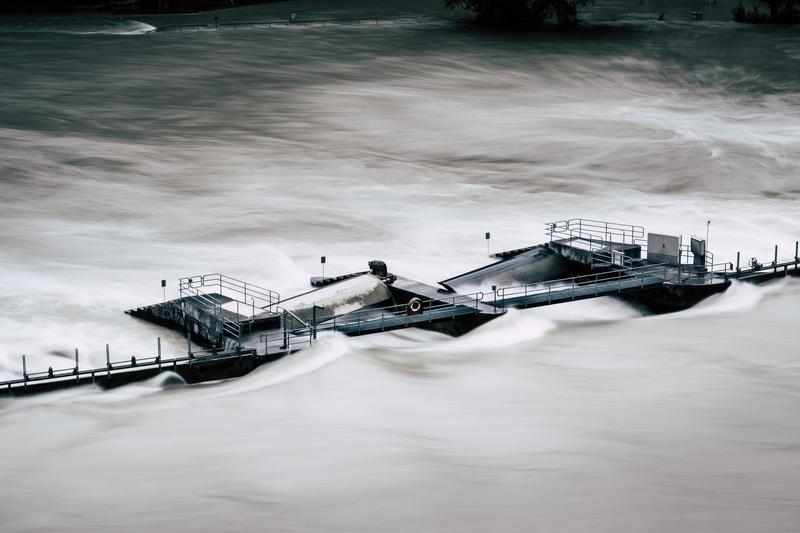
Nepali authorities urged villagers to evacuate on Sunday, October 11, 2026, after a massive flood in a central Nepalese river swept away houses and infrastructure. The flood was caused by a dry landslide in Chumnubri village in Gorkha district, which blocked the Budhi Gandaki Riverleading to significant downstream flooding. Several houses and two suspension bridges were swept away, and a hydroelectric project sustained damage. No casualties have been reported in this specific incident.
Official Response and Alerts Issued
Dharmendra Kumar Mishra, Gorkha district’s most senior bureaucrat, confirmed the evacuation orders and the extent of the damage. National disaster authorities issued alerts to communities along the river in Gorkha, Tanahun, Chitwan, East Nawalparasi, and West Nawalparasi districts, urging residents to move to higher ground. Army and police rescue personnel have reached the affected area and are monitoring the situation from a helicopter, according to reports from Reuters. The immediate focus remains on ensuring the safety of residents and assessing the full scope of the damage.
Background on Nepal‘s Flood Vulnerability
Nepal, a landlocked country in the Himalayas, is highly susceptible to natural disasters, particularly floods and landslides, due to its mountainous terrain and monsoon climate. The country’s topography, characterized by steep slopes and fragile geological structures, makes it prone to such events, especially during the annual monsoon season from June to September. This recent incident in the Budhi Gandaki River basin highlights the ongoing challenges faced by communities living in riverine and mountainous regions. The Budhi Gandaki River is a major tributary of the Trishuli River, which itself is part of the larger Gandaki River system, one of Nepal’s most significant river basins. The region’s vulnerability has been exacerbated by climate change, leading to more unpredictable weather patterns and intensified rainfall events.
This event follows a catastrophic flood in August 2026, caused by a glacier collapse in another tributary of the Trishuli River, which resulted in widespread devastation and numerous casualties. That earlier incident underscored the urgent need for robust disaster preparedness and early warning systems across the country. Efforts to mitigate the impact of such disasters often involve community-based early warning systems, infrastructure development to withstand natural forces, and reforestation projects to stabilize slopes. Organizations like the Nepal Red Cross Society and various international aid agencies frequently collaborate with the Nepali government to provide humanitarian assistance and support long-term resilience building in affected areas. For more information on Nepal’s geography and disaster management efforts, resources such as Wikipedia provide extensive details.
Sources
Frequently asked questions
What caused the flood in Nepal?
The flood was caused by a dry landslide in Chumnubri village in Gorkha district, which blocked the Budhi Gandaki River, leading to downstream flooding.
When did the evacuation order take place?
Nepali authorities urged villagers to evacuate on Sunday, October 11, 2026.
Related: Jennifer Lopez Faces Empty Nest as Twins Max and Emme Depart for College
Which areas were affected by the flood?
The flood affected communities along the Budhi Gandaki River in Gorkha, Tanahun, Chitwan, East Nawalparasi, and West Nawalparasi districts.
Were there any casualties reported?
No casualties have been reported in this specific incident.
Who is Dharmendra Kumar Mishra?
Dharmendra Kumar Mishra is identified as the Gorkha district's most senior bureaucrat.
Sponsored · Put your business in front of ByteSize Network's readers, with every click measured. See advertising packages · Advertise on ByteSize Network