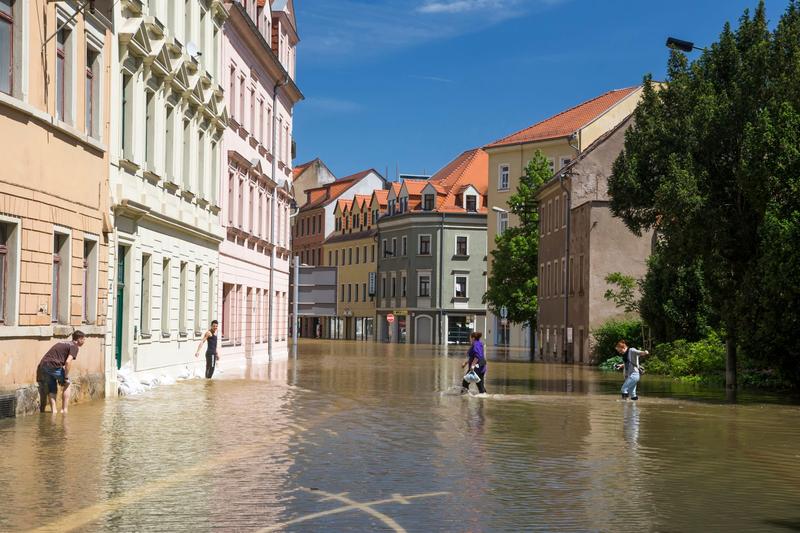
Bangkok Declares All 50 Districts Disaster Zones Amid Severe Flooding, Thousands Evacuated
Bangkok, Thailanddeclared all 50 of its districts disaster zones on Monday, September 28, 2026, following continuous heavy rainfall that caused widespread flooding. Nearly 4,900 people have been evacuated to temporary shelters, and approximately 52,000 households across the capital have been affected by the rising waters. The severe weather, which delivered over 300mm of rain in some areas, began on Thursday, September 24, and continued through Sunday, September 27, prompting significant disruption across the city. Hundreds of city schools remained closed on Monday, and special holidays were declared for September 28 and 29 in Bangkok and its surrounding provinces to allow residents to manage the flood situation.
Official Statements and Verified Reaction
Bangkok Governor Chadchart Sittipunt initially signed disaster declarations for three districts on September 26, 2026. By September 26, 2026, the declaration was extended to encompass all 50 districts of the capital. The Thai Meteorological Department (TMD) had issued warnings for heavy rain through September 27, with further precipitation forecast for Bangkok and its vicinity on Sunday, before tapering off on Monday. While water levels in some areas stabilized by Monday, September 28, and drainage systems were actively working, eastern neighborhoods continued to experience heavy rain and thigh-high waters. As of Monday, September 28, eight fatalities have been reported across Thailand due to floods since September 16, though no deaths have been officially confirmed within Bangkok. For more details on the situation, Reuters provided live coverage of the flooding on its Facebook page, which can be viewed at Reuters (Facebook).
Auto-Enriched Background Context
Thailand’s capital, Bangkok, a low-lying city built on the Chao Phraya River delta, is particularly vulnerable to flooding, especially during its annual monsoon season, which typically runs from May to October. The city has a long history of battling floods, with some of the most severe events occurring in 2011, when extensive flooding affected large parts of the country for several months, causing significant economic damage and displacing millions. The 2011 floods were exacerbated by heavy monsoon rains and the release of water from upstream dams, overwhelming the city’s flood defenses and drainage systems. This historical context highlights the ongoing challenges Bangkok faces in managing water resources and urban development in a climate-vulnerable region.
The current flooding event in September 2026 follows a pattern of increasingly intense and unpredictable weather phenomena, which many experts attribute to global climate change. The Thai government and local authorities have invested in various infrastructure projects aimed at mitigating flood risks, including improved drainage systems, pumping stations, and flood barriers. However, rapid urbanization and land subsidence continue to pose significant challenges to these efforts. The declaration of disaster zones allows for greater mobilization of resources and emergency aid to affected areas, coordinating efforts between various government agencies and relief organizations. The decision to close schools and declare special holidays shows the severity of the situation and the need for public safety measures.
Related: Anthony Russo on “Avengers: Doomsday” – The Challenge of Evolving Iconic Heroes
The impact of such widespread flooding extends beyond immediate displacement and property damage. It disrupts daily life, commerce, and transportation, leading to economic losses and potential health risks from contaminated water. The long-term recovery efforts often involve rebuilding infrastructure, providing financial assistance to affected households, and implementing more resilient urban planning strategies. The continuous monitoring by the Thai Meteorological Department and the swift response from Governor Chadchart Sittipunt’s administration are critical in managing the immediate crisis and informing the public. The situation in Bangkok is a stark reminder of the ongoing global challenges posed by extreme weather events and the urgent need for effective climate adaptation strategies. For more information on climate-related events and their impact, ByteSize Network has previously covered topics such as flooding in New Jersey and the broader implications of climate-related data challenges. Further details on Thailand’s climate and geography can be found on the Wikipedia page for the Geography of Thailand.
Sponsored · Put your business in front of ByteSize Network's readers, with every click measured. See advertising packages · Advertise on ByteSize Network