Tag: Donald Trump

  • Trump Halts Iran Strikes Friday – Averting Military Action

    Trump Halts Iran Strikes Friday – Averting Military Action

    On Saturday, July 25, 2026, President Donald Trump reportedly issued a direct order to the United States military. The directive specifically instructed against carrying out planned military strikes targeting Iran. This information, first reported by Axios, indicated a significant decision from the White House, effectively averting immediate military engagement in the region.

    The President’s intervention came amidst a period of heightened tensions. International observers and analysts quickly registered the implications of such a command. The nature of the planned strikes and their specific targets in Iran have not been publicly disclosed. However, the President’s order unequivocally halted their execution.

    The White House Directive on July 25, 2026

    The order from President Trump was issued on Saturday, July 25, 2026. It was communicated directly to senior military officials within the Department of Defense. The instruction was clear: do not proceed with the planned military action against Iran.

    This decision marks a pivotal moment in the ongoing geopolitical landscape involving Iran and the United States. It follows a period characterized by escalating rhetoric and strategic maneuvers in the broader Middle East region. The White House has not yet issued an official statement confirming the Axios report, but sources familiar with the matter indicated the order’s immediate impact.

    Context of U.S.-Iran Relations

    Relations between the United States and Iran have remained strained throughout 2026. Multiple incidents involving maritime security in the Persian Gulf and proxy conflicts across the region have contributed to a volatile environment. The U.S. maintains a significant military presence in the Middle East, including naval assets and air force deployments, aimed at deterring aggression and protecting American interests.

    Reports of potential military action have circulated periodically, often tied to perceived threats to U.S. personnel or allies. The President’s decision on July 25, 2026, suggests a re-evaluation or a temporary de-escalation in the immediate term. It also underscores the executive branch’s ultimate authority over military engagements.

    Axios Report Details President Trump’s Intervention

    Axios published its report on Saturday, July 25, 2026. The news outlet cited multiple anonymous sources familiar with the situation. These sources confirmed President Trump’s direct intervention to prevent the military action.

    The report emphasized the immediate nature of the directive. It highlighted the President’s personal involvement in the decision-making process. The specific reasons behind the President’s order to halt the strikes were not detailed in the initial report. However, such decisions often involve complex considerations of international diplomacy, potential regional repercussions, and the safety of U.S. military personnel.

    Global Reactions and Diplomatic Implications

    The news of President Trump’s order quickly resonated across international capitals. Allied nations in Europe and the Middle East, many of whom have urged de-escalation, are closely monitoring the situation. Iran’s leadership has not yet officially responded to the reports. However, any U.S. military action or its prevention carries significant weight in Tehran.

    Diplomatic channels are likely engaging in intense discussions behind the scenes. The United Nations and other international bodies may increase their efforts to mediate tensions between the two nations. The decision impacts not only immediate military postures but also long-term strategies for regional stability.

    The Developing Situation and Future Outlook

    This remains a rapidly developing story. Details are still emerging from official channels and media reports. The full implications of President Trump’s order are yet to be completely understood.

    Further information is expected to clarify the precise context of the planned strikes. It will also shed light on the specific reasons behind the President’s decision to halt them. Administration officials have maintained a cautious silence, awaiting official White House guidance.

    Analysts are closely watching for any official pronouncements from the White House or the Department of Defense. Public statements from President Trump or other senior administration figures will provide crucial insights into the rationale behind this significant directive. The global community continues to observe these events with close attention.

    Reports circulated. Decisions were made. Orders were given. International attention converged.

    Iran.


  • Rosie O’Donnell’s ‘Common Knowledge’ – Off-Broadway Success and the Trump Feud

    Rosie O’Donnell’s ‘Common Knowledge’ – Off-Broadway Success and the Trump Feud

    Rosie O’Donnell’s Stage Return and Public Reckonings

    Rosie O’Donnell’s Off-Broadway production, ‘Rosie O’Donnell: Common Knowledge,’ offers a candid exploration of her life, including deeply personal family challenges and her prominent, long-running public feud with President Donald Trump. The show, which has been reviewed as poignant, also teases potential future media appearances, notably a rumored segment on ‘Jimmy Kimmel Live.’

    This theatrical endeavor marks a significant moment in O’Donnell’s career. It allows her to control the narrative surrounding her public image. The production provides insights into the experiences that shaped her. It also addresses the controversies that have defined much of her recent public life.

    The Genesis of ‘Common Knowledge’

    The development of ‘Rosie O’Donnell: Common Knowledge’ began several years prior to its Off-Broadway debut. O’Donnell reportedly sought a format that would allow for a more intimate connection with her audience. She aimed to move beyond the constraints of traditional talk shows and sitcoms.

    Early workshops for the show were held in New York City. These sessions focused on refining the script and O’Donnell’s delivery. The goal was to create a piece that was both entertaining and deeply personal. The production team included veteran Off-Broadway directors and writers.

    The title itself, ‘Common Knowledge,’ suggests a dual meaning. It implies that much of O’Donnell’s life is already public record. It also hints at deeper, more personal truths that are not widely known. The show attempts to bridge this gap, inviting the audience into her private world.

    Family Challenges Unveiled

    A central theme of ‘Common Knowledge’ is O’Donnell’s candid discussion of her family challenges. These include her upbringing, her relationships with her parents, and her experiences as a mother. The show reportedly delves into the complexities of her family dynamics.

    O’Donnell has often spoken publicly about her childhood. Her mother, Roseann O’Donnell, passed away when Rosie was ten years old. This loss has been a recurring motif in O’Donnell’s work. The Off-Broadway show further explores the impact of this early tragedy.

    The production also touches upon her experiences with adoption and raising her children. She has five children: Parker Jaren, Chelsea Belle, Blake Christopher, Vivienne Rose, and Dakota. The show examines the joys and difficulties of parenthood, particularly in the public eye.

    Audience members have noted the raw honesty of these segments. O’Donnell does not shy away from difficult topics. She presents them with a blend of humor and vulnerability. This approach resonates with many who have faced similar familial struggles.

    The Enduring Feud with President Trump

    Perhaps the most anticipated aspect of ‘Common Knowledge’ is O’Donnell’s treatment of her long-standing feud with President Donald Trump. This public dispute dates back nearly two decades, originating in 2006 during O’Donnell’s tenure on ‘The View.’

    The initial disagreement stemmed from O’Donnell’s criticism of Trump’s business practices and his handling of a Miss USA contestant controversy. Trump responded with highly personal attacks, escalating the exchange into a national media spectacle. This feud has continued through Trump’s presidency and beyond.

    In ‘Common Knowledge,’ O’Donnell reportedly revisits key moments of this feud. She offers her perspective on the origins and evolution of the conflict. The show provides a platform for her to articulate her feelings and experiences surrounding these highly publicized exchanges.

    The feud gained renewed prominence during Trump’s 2016 presidential campaign. He often referenced O’Donnell in his rallies and speeches. These references served to energize his base and frame O’Donnell as a representative of the opposition. O’Donnell, in turn, continued to be a vocal critic of Trump’s policies and rhetoric.

    The Off-Broadway show is expected to offer new anecdotes and reflections on this contentious relationship. It aims to provide context to the public’s understanding of their dynamic. O’Donnell’s portrayal is seen as both personal and political, reflecting the intertwining of her public and private lives.

    Career Trajectory and Public Persona

    O’Donnell’s career has spanned various facets of entertainment. She began as a stand-up comedian. She then transitioned to film roles, starring in movies such as ‘A League of Their Own’ (1992) and ‘The Flintstones’ (1994).

    Her most prominent role came with ‘The Rosie O’Donnell Show,’ which ran from 1996 to 2002. This daytime talk show earned her multiple Emmy Awards. It established her as a beloved figure in American television. The show was known for its upbeat tone, celebrity interviews, and focus on children’s charities.

    Following ‘The Rosie O’Donnell Show,’ she returned to television with a brief stint on ‘The View’ in 2006-2007, and again in 2014-2015. Her time on ‘The View’ was marked by increased political commentary and, notably, the beginning of her feud with Donald Trump.

    Throughout her career, O’Donnell has cultivated a public persona known for its outspokenness and humor. She has been a vocal advocate for various social and political causes. These include LGBTQ+ rights, children’s welfare, and gun control. ‘Common Knowledge’ integrates these aspects of her public life into the narrative.

    The Off-Broadway Experience

    ‘Rosie O’Donnell: Common Knowledge’ has been staged in an intimate Off-Broadway theater. This setting allows for a direct and personal connection between O’Donnell and her audience. The smaller venue contrasts sharply with the large television studios she previously inhabited.

    Reviews have highlighted the stripped-down nature of the production. There are minimal set pieces and props. The focus remains squarely on O’Donnell’s storytelling. Her delivery is described as conversational and engaging, drawing the audience into her narrative.

    The show’s structure allows for a blend of stand-up comedy, personal reflection, and dramatic monologue. This hybrid format showcases O’Donnell’s versatility as a performer. It also provides a unique opportunity for her fans to experience her work in a new context.

    Audience reactions have been largely positive. Many attendees express appreciation for O’Donnell’s honesty and courage in sharing her vulnerabilities. The show serves as a testament to her enduring appeal and her ability to connect with diverse audiences.

    Speculation: ‘Jimmy Kimmel Live’ and Beyond

    One intriguing element of the ‘Common Knowledge’ reviews is the mention of O’Donnell’s potential appearance on ‘Jimmy Kimmel Live.’ This speculation suggests that her Off-Broadway run may be a prelude to broader media engagements. A guest spot on a late-night talk show would offer a significant platform.

    Such an appearance would allow O’Donnell to discuss the themes of her show with a wider audience. It could also provide an opportunity to address current events or further elaborate on her experiences. Jimmy Kimmel has historically hosted guests who are both politically outspoken and culturally relevant.

    The prospect of O’Donnell on ‘Jimmy Kimmel Live’ generates considerable interest. It would mark a return to a major television platform for her. It could also signal a new chapter in her career, blending her theatrical work with mainstream media. The potential for further discussion of the Trump feud on such a platform is also high.

    Beyond ‘Jimmy Kimmel Live,’ the success of ‘Common Knowledge’ could open doors for other projects. This might include a national tour, a televised special, or even a return to a regular television role. O’Donnell’s stage performance demonstrates her continued relevance and appeal in the entertainment landscape.

    The show’s ability to generate buzz and maintain public interest is crucial for its longevity. The hints of future appearances serve to keep O’Donnell in the public conversation. It reinforces her status as a figure who continues to evolve and surprise her audience.

    Rosie O’Donnell performs. Rosie O’Donnell reflects. Rosie O’Donnell reveals.

    New York.


  • President Trump Vows Fresh Tariffs: Economic Strategy in 2026

    President Trump Vows Fresh Tariffs: Economic Strategy in 2026

    President Trump announced plans for new tariffs on July 24, 2026, during an appearance on Bloomberg Television’s “Balance of Power.” This declaration signals a firm commitment to protectionist trade policies and economic nationalism, which have been central tenets of his administration’s agenda. The strategy aims to bolster domestic industries, encourage the return of manufacturing jobs to the United States, and address perceived imbalances in global trade.

    The announcement resonates with previous trade actions taken by President Trump. His administration has consistently advocated for policies designed to protect American workers and businesses from foreign competition. The renewed focus on tariffs suggests a continuation of these efforts, building upon the groundwork laid during his first term in office.

    The Rationale Behind Tariffs

    Tariffs serve as taxes on imported goods. Their primary purpose, from a protectionist standpoint, is to make foreign products more expensive. This, in turn, is intended to make domestically produced goods more competitive in the market. Proponents argue that tariffs can stimulate local production, create jobs, and enhance national economic security.

    President Trump’s economic philosophy often emphasizes the concept of “fair trade” over “free trade.” This perspective posits that certain international trade agreements and practices have disadvantaged American industries. Tariffs are viewed as a tool to level the playing field, forcing other nations to negotiate more favorable terms or face economic penalties.

    The administration’s stance suggests a belief that tariffs can compel foreign governments to cease what it considers unfair trade practices. These practices often include intellectual property theft, state subsidies to industries, and currency manipulation. By imposing tariffs, the U.S. aims to exert leverage and protect its economic interests.

    Historical Context of Trump’s Trade Policy

    President Trump’s approach to tariffs is not new. During his previous term, his administration implemented tariffs on a wide range of goods. These included steel and aluminum imports, as well as various products from China. The stated goals then were similar: to protect national security industries and to address a significant trade deficit with China.

    The steel and aluminum tariffs, imposed in 2018, were justified under Section 232 of the Trade Expansion Act of 1962. This section allows the President to impose tariffs on imports deemed a threat to national security. The administration argued that a robust domestic steel and aluminum industry was critical for defense and infrastructure.

    Tariffs on Chinese goods began in 2018 under Section 301 of the Trade Act of 1974. This section permits the President to take action against countries engaging in unfair trade practices. The U.S. Trade Representative’s office conducted an investigation that concluded China was engaging in intellectual property theft and forced technology transfers. These tariffs escalated throughout 2018 and 2019, impacting hundreds of billions of dollars worth of goods.

    Impact of Previous Tariffs

    The effects of these earlier tariffs were mixed. Some domestic industries, such as steel producers, reported increased demand and profitability. However, other sectors, particularly those reliant on imported components or facing retaliatory tariffs, experienced higher costs and reduced exports. American farmers, for example, were significantly impacted by retaliatory tariffs on agricultural products imposed by China.

    Economists have offered varied assessments of the overall economic impact. Studies by institutions like the International Monetary Fund and the Congressional Budget Office often concluded that while some specific industries benefited, the broader economy faced increased costs and reduced trade volumes. Consumers also experienced higher prices on certain goods due to the import taxes.

    The 2026 Tariff Landscape

    President Trump’s announcement on July 24, 2026, indicates a continuation of this strategic framework. While specific details regarding which goods or countries will be targeted were not immediately released, the general direction is clear. The administration is prepared to use tariffs as a primary tool in its economic policy arsenal.

    The global economic climate in 2026 presents both challenges and opportunities for such a policy. Supply chain disruptions, inflation concerns, and geopolitical tensions all play a role. The decision to pursue fresh tariffs suggests a prioritization of domestic industrial capacity and economic independence amidst these complexities.

    This renewed push for tariffs also aligns with broader discussions about economic resilience. Many nations, including the United States, have been re-evaluating their reliance on global supply chains, particularly after recent events highlighted vulnerabilities. Tariffs can be seen as one mechanism to encourage diversification or reshoring of critical production.

    Potential Targets and Economic Implications

    While specific targets remain unconfirmed, historical patterns suggest certain areas might be considered. Industries where the U.S. has significant trade deficits, or where allegations of unfair trade practices persist, could be candidates. This might include sectors like advanced manufacturing, automotive, or specific raw materials.

    The economic implications of new tariffs could be substantial. For American consumers, tariffs typically lead to higher prices on imported goods. This can reduce purchasing power and potentially contribute to inflationary pressures. Businesses that rely on imported components could see increased production costs, which may be passed on to consumers or affect profit margins.

    Internationally, new tariffs could trigger retaliatory measures from affected countries. This could lead to trade disputes and a reduction in overall global trade volume. Trade partners might seek to diversify their own supply chains away from the U.S. or strengthen trade alliances with other nations. This dynamic could reshape global economic relationships and trade flows.

    Political and Geopolitical Considerations

    The decision to implement fresh tariffs also carries significant political weight. For President Trump, protectionist policies have consistently resonated with a segment of his voter base, particularly those in manufacturing-heavy regions. The promise of protecting American jobs and industries is a powerful political message.

    Geopolitically, tariffs are often more than just economic tools; they are instruments of foreign policy. By imposing tariffs, the U.S. can signal dissatisfaction with a trading partner’s policies or exert pressure on them to change behavior. This can be a form of economic statecraft, used to achieve broader strategic objectives.

    However, this approach also carries risks. It can strain diplomatic relations and lead to increased international tensions. Allies might view unilateral tariff actions as disruptive to global trade norms and institutions, potentially weakening multilateral cooperation on other issues. The balance between domestic economic benefit and international diplomatic cost is a constant consideration.

    The Role of International Trade Organizations

    International trade organizations, such as the World Trade Organization (WTO), play a critical role in mediating trade disputes and enforcing global trade rules. The U.S. has historically been a key player in the WTO, but President Trump’s administration has often expressed skepticism about its effectiveness and fairness.

    New tariffs could lead to challenges within the WTO framework. Other member countries might file complaints, alleging that the tariffs violate international trade agreements. This could result in prolonged legal battles and potentially authorize retaliatory tariffs from other nations, as adjudicated by the WTO.

    The administration’s willingness to act unilaterally on trade, even in the face of potential WTO challenges, underscores its commitment to its “America First” economic agenda. This approach prioritizes national interests and domestic considerations above multilateral consensus or existing international trade dispute resolution mechanisms.

    Looking Ahead: Economic Nationalism in Practice

    President Trump’s vow of fresh tariffs on July 24, 2026, solidifies his administration’s trajectory toward an economic policy deeply rooted in nationalism. This strategy aims to strengthen the American industrial base, create domestic employment opportunities, and reduce reliance on foreign supply chains. It represents a clear preference for managed trade over unfettered globalization.

    The implementation of these tariffs will be closely watched by domestic industries, international trading partners, and global markets. Their ultimate impact will depend on the specifics of the new policies, the reactions of other nations, and the broader economic environment. The administration’s actions will continue to shape the contours of global trade and economic relations throughout President Trump’s second term.

    Companies will adapt. Markets will adjust. Nations will respond.

    Trade will evolve.


  • President Trump Considers Broader Iranian Strikes Amid Houthi Escalation

    President Trump Considers Broader Iranian Strikes Amid Houthi Escalation

    Former President Trump is reportedly weighing options for wider military attacks against Iran. These considerations come as Houthi forces have intensified their involvement in regional conflicts. The expanded Houthi actions have prompted a strategic reassessment within the former Trump administration regarding stability in the Middle East.

    The potential for direct action against Iran represents a significant shift. Such a move would mark an escalation in U.S. policy towards the Islamic Republic. It underscores the complex and volatile nature of current geopolitical dynamics.

    The Escalating Houthi Involvement

    Houthi forces, based in Yemen, have increasingly played a role in recent Middle East conflicts. Their actions have included missile and drone attacks targeting various regional interests. These operations have been described by U.S. and allied intelligence as destabilizing.

    The Houthis have demonstrated an enhanced capability for long-range strikes. This capacity poses a direct threat to international shipping lanes and regional energy infrastructure. Their involvement is seen as a proxy for Iranian influence in the region.

    Recent Houthi aggressions have prompted a robust response from international coalitions. However, these responses have not fully deterred the group’s activities. The continued Houthi operations are a key factor in the current U.S. policy review.

    Strategic Deliberations in Washington

    Discussions within former President Trump’s national security team have intensified. Senior advisors are examining a range of military options. These options reportedly extend beyond existing retaliatory strikes against Houthi targets.

    The focus has shifted to the source of Houthi capabilities. U.S. intelligence assessments frequently link Houthi armaments and training to Iran. This connection forms the basis for considering direct action against Iranian assets.

    The deliberations involve the Department of Defense, the State Department, and the National Security Council. Former President Trump is receiving regular briefings on the evolving situation. All potential outcomes and regional impacts are being thoroughly analyzed.

    Examining the Scope of Potential Attacks

    The term ‘wider Iranian attacks’ suggests a broad array of targets. These could include Iranian military installations, naval assets, and missile development sites. Cyber warfare capabilities are also likely being considered.

    Any action would aim to degrade Iran’s ability to support proxy groups. It would also seek to limit Iran’s influence in the Middle East. The administration seeks to restore deterrence in a region increasingly marked by volatility.

    Analysts suggest that such strikes would be carefully calibrated. The goal would be to send a strong message without triggering an all-out war. However, the risk of miscalculation remains a significant concern for international observers.

    Historical Context of U.S.-Iran Tensions

    U.S.-Iran relations have been fraught for decades. The 1979 Iranian Revolution severed diplomatic ties. Subsequent events, including the Iran-Contra affair and Iran’s nuclear program, have maintained high tensions.

    President Trump’s first term saw the U.S. withdraw from the Joint Comprehensive Plan of Action (JCPOA) in 2018. This move reimposed sanctions on Iran. It intensified economic pressure and diplomatic isolation.

    The U.S. has consistently accused Iran of state-sponsored terrorism. It has also criticized Iran’s development of ballistic missiles. These long-standing grievances underpin the current policy considerations.

    Previous Military Confrontations and Deterrence

    Direct military confrontations between the U.S. and Iran have been rare but significant. The 1988 Operation Praying Mantis involved U.S. naval forces engaging Iranian naval elements. This action was a response to Iranian mining of international waters.

    In early 2020, the U.S. conducted a drone strike that killed Qasem Soleimani. Soleimani was a prominent Iranian military commander. This event led to immediate retaliatory missile strikes by Iran against U.S. bases in Iraq.

    These past incidents highlight the delicate balance of deterrence. Any new military action would carry the risk of a similar, or greater, retaliatory cycle. The administration is acutely aware of these historical precedents.

    Regional Allies and Their Perspectives

    Key U.S. allies in the Middle East are closely monitoring the situation. Saudi Arabia, Israel, and the United Arab Emirates share concerns about Iranian influence. They have historically advocated for a strong stance against Tehran.

    These allies have also faced direct threats from Iranian-backed groups. This includes missile attacks and maritime disruptions. Their security interests align with U.S. objectives to curb Iranian aggression.

    However, regional partners also express caution about widespread conflict. An all-out war could destabilize the entire region. It could disrupt global oil supplies and trigger humanitarian crises. Balancing these concerns is a critical diplomatic challenge.

    International Reactions and Diplomacy

    The international community is watching developments with apprehension. European powers, signatories to the JCPOA, have consistently pushed for diplomatic solutions. They advocate for de-escalation and dialogue.

    The United Nations has also called for restraint from all parties. Secretary-General António Guterres has urged adherence to international law. He has emphasized the importance of protecting civilian lives.

    Any U.S. military action against Iran would likely draw widespread international condemnation. It could complicate efforts to form a unified front against other global challenges. Diplomacy remains a preferred, though increasingly difficult, path.

    Economic Implications of Escalation

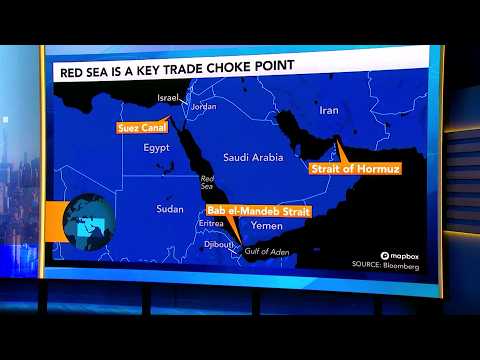
    A wider conflict involving Iran would have significant global economic repercussions. The Strait of Hormuz is a critical chokepoint for oil shipments. Disruptions there could send energy prices soaring worldwide.

    Global financial markets typically react negatively to geopolitical instability. Increased tensions could lead to investor uncertainty. This could trigger sell-offs in equity markets and a flight to safe-haven assets.

    The U.S. economy, while robust, would not be immune. Higher oil prices would impact consumers through increased fuel costs. Businesses would face higher operational expenses. The administration must weigh these economic costs against strategic objectives.

    Cyber Warfare and Hybrid Threats

    Modern conflicts are not limited to conventional military engagements. Cyber warfare is a growing component of state-sponsored aggression. Iran has demonstrated sophisticated cyber capabilities in the past.

    A wider conflict could involve intensified cyberattacks against critical infrastructure. This includes energy grids, financial systems, and communication networks. Such attacks could have far-reaching effects beyond the immediate conflict zone.

    Hybrid threats, combining conventional, unconventional, and cyber tactics, are also a concern. Iran’s use of proxy groups exemplifies this strategy. The U.S. must prepare for a multi-domain response to any escalation.

    The Path Forward for Former President Trump

    President Trump faces a complex decision matrix. He must balance national security interests with the risks of regional destabilization. The desire to deter Iranian aggression confronts the imperative to avoid a protracted war.

    Options range from targeted punitive strikes to a broader campaign aimed at dismantling Iranian capabilities. Each option carries distinct advantages and severe potential drawbacks. The ultimate decision will shape U.S. foreign policy for years.

    The administration’s rhetoric suggests a firm resolve. However, the exact nature of any action remains under wraps. Diplomacy, while challenging, is unlikely to be entirely abandoned, even amidst military considerations.

    The Middle East remains a crucible of geopolitical tension. Houthi actions. Iranian influence. U.S. resolve. A critical juncture.


  • President Trump’s Tariff Plan: Economic Policy and Global Impact

    President Trump’s Tariff Plan: Economic Policy and Global Impact

    President Trump plans to implement new tariffs targeting 60 economies, a move that will significantly reshape global trade dynamics and domestic economic policy. This strategy continues a long-standing approach by the Trump administration to leverage tariffs as a tool for economic leverage and protection of American industries. The announcement, reported by Bloomberg Television, indicates a broad application of trade barriers, affecting a wide range of international partners and supply chains.

    This latest tariff proposal is not an isolated incident. It reflects a consistent pattern of trade policy established during President Trump’s first term. That period saw the imposition of tariffs on goods from China, Europe, and other regions. The stated goal was always to address perceived imbalances in trade and to encourage manufacturing within the United States.

    The Precedent of Trade Policy

    President Trump’s approach to trade policy has been characterized by a willingness to challenge established international norms. During his first term, the administration initiated tariffs on steel and aluminum imports. These were justified under Section 232 of the Trade Expansion Act of 1962, citing national security concerns. The move drew immediate reactions from allies and adversaries alike.

    The trade dispute with China escalated significantly during that period. Tariffs were placed on hundreds of billions of dollars worth of Chinese goods. China retaliated with its own tariffs on American products, primarily agricultural goods. This exchange impacted various sectors, from technology to agriculture, creating uncertainty in global markets.

    The administration also renegotiated the North American Free Trade Agreement (NAFTA). This resulted in the United States-Mexico-Canada Agreement (USMCA). The USMCA aimed to update trade rules, particularly regarding automotive manufacturing and labor standards. It was presented as a more favorable deal for American workers and businesses.

    Understanding the ‘America First’ Economic Doctrine

    The concept of ‘America First’ underpins President Trump’s economic doctrine. This philosophy prioritizes domestic industries, job creation, and national economic security over multilateral trade agreements. Proponents argue that tariffs are a necessary mechanism to achieve these goals.

    The argument suggests that tariffs level the playing field. They counteract what the administration views as unfair trade practices by other nations. These practices often include subsidies, currency manipulation, and intellectual property theft. By imposing tariffs, the administration seeks to compel other countries to alter their trade policies.

    Critics, however, contend that tariffs can lead to higher consumer prices domestically. They argue that tariffs disrupt global supply chains and invite retaliatory measures from trading partners. This can harm export-oriented American industries. The debate over the efficacy and consequences of tariffs remains a central feature of economic discourse.

    The Scope of the New Tariff Plan

    The proposed tariffs are set to impact 60 economies. This broad scope indicates a comprehensive review of existing trade relationships. The specific industries and products targeted have not yet been fully detailed. However, the sheer number of affected economies suggests a wide-ranging application.

    Such a widespread tariff imposition could affect various sectors. These include manufacturing, agriculture, technology, and services. Companies that rely on international supply chains will likely face increased costs. Consumers may see higher prices for imported goods.

    The administration’s focus appears to be on nations perceived as engaging in trade practices detrimental to U.S. interests. This could encompass countries with significant trade surpluses with the United States. It might also include those with state-owned enterprises or restrictive market access policies.

    Anticipated Economic Impacts

    The economic impacts of such extensive tariffs are complex and multifaceted. Domestically, some industries might see a boost. This would occur as imported goods become more expensive, making domestically produced alternatives more competitive. This aligns with the goal of fostering American manufacturing and job growth.

    Conversely, industries that rely on imported components or raw materials could face challenges. They might experience increased production costs, which could be passed on to consumers or reduce profit margins. Export-oriented American businesses could also suffer if retaliatory tariffs are imposed by other nations.

    Globally, the tariffs could trigger a cascade of reactions. Other countries may respond with their own tariffs on American goods. This could lead to a global trade war, stifling international commerce and economic growth. The World Trade Organization (WTO) could become a focal point for disputes, although the Trump administration has often expressed skepticism regarding the WTO’s effectiveness.

    Impact on Global Supply Chains

    Global supply chains have become increasingly interconnected over decades. Tariffs introduce friction into this system. Companies may be forced to re-evaluate their sourcing strategies. They might shift production or find new suppliers, leading to significant logistical and financial adjustments.

    For instance, a company manufacturing electronics might source components from several different countries. If tariffs are imposed on goods from one of those countries, the company must decide whether to absorb the cost, find an alternative supplier, or pass the cost to consumers. Each option carries its own set of risks and benefits.

    The disruption to supply chains can also lead to inefficiencies. Companies may have to invest in new infrastructure or processes to adapt to changing trade policies. This can divert resources from innovation and growth.

    Consumer Prices and Inflation

    Tariffs are essentially taxes on imported goods. When tariffs are imposed, the cost of these goods typically increases. This increased cost can be borne by the importer, the foreign exporter, or, most commonly, passed on to the end consumer.

    If tariffs are broadly applied across 60 economies, a wide range of consumer goods could be affected. This could lead to higher prices for everyday items, from clothing and electronics to food products. Such price increases contribute to inflation, reducing the purchasing power of consumers.

    The extent of this impact depends on several factors. These include the size of the tariffs, the elasticity of demand for the affected goods, and the ability of domestic producers to meet increased demand. Economic models often predict an inflationary effect from widespread tariffs.

    Political and Diplomatic Ramifications

    The implementation of new tariffs on 60 economies carries significant political and diplomatic ramifications. International relations are often built on a foundation of economic cooperation. Disrupting these ties through trade barriers can strain diplomatic relationships.

    Allies may view the tariffs as an unfriendly act. They might question the commitment of the United States to multilateralism and shared economic prosperity. Adversaries could interpret the tariffs as an aggressive move, further escalating geopolitical tensions.

    Negotiations will likely follow these tariff announcements. Countries will seek exemptions, modifications, or retaliatory measures. The U.S. Trade Representative’s office will be central to these discussions. The outcome will shape the global economic landscape for years to come.

    International Organizations and Trade Law

    International organizations like the WTO are designed to facilitate free and fair trade. They provide a framework for resolving trade disputes. However, the Trump administration has often challenged the authority and effectiveness of such bodies.

    New tariffs could lead to numerous challenges at the WTO. Member countries could file complaints, arguing that the tariffs violate international trade agreements. The dispute resolution process at the WTO can be lengthy and complex. Its outcomes can have significant implications for global trade law.

    The administration’s stance on these organizations reflects a desire to assert national sovereignty in trade matters. This often contrasts with the multilateral approach favored by many other nations. The tension between these two philosophies will be a defining feature of future trade policy debates.

    Historical Context of U.S. Tariff Policy

    Tariffs have a long history in U.S. economic policy. In the early days of the republic, tariffs were a primary source of federal revenue. They also served to protect nascent American industries from foreign competition.

    The 19th and early 20th centuries saw periods of high tariffs, such as the Tariff of Abominations in 1828 and the Smoot-Hawley Tariff Act of 1930. The Smoot-Hawley Act is often cited as a contributing factor to the Great Depression, as it triggered widespread retaliatory tariffs and a collapse in global trade.

    Following World War II, the U.S. largely shifted towards a policy of trade liberalization. This involved reducing tariffs and promoting free trade agreements. This era saw the establishment of institutions like the General Agreement on Tariffs and Trade (GATT), which later evolved into the WTO. This historical context informs much of the current debate. The question remains whether a return to more protectionist policies will yield different results in the 21st century.

    The Road Ahead for Global Trade

    President Trump’s plan for new tariffs on 60 economies signals a significant shift in global trade relations. The implications will be felt across continents. Businesses will adapt. Governments will react. Consumers will face new realities.

    The policy aims to re-assert American economic dominance. It seeks to correct perceived imbalances. It challenges the status quo of international commerce. The world watches for the next moves. Tariffs are imposed. Economies adjust. Diplomats negotiate. The global trade landscape transforms.


  • Trump Rebuilds Tariff Wall: The Global Economic Impact of 2026 Levies

    Trump Rebuilds Tariff Wall: The Global Economic Impact of 2026 Levies

    On July 24, 2026, President Trump’s administration announced the implementation of a new set of global tariffs. This policy initiative aims to restructure international trade relationships and bolster domestic manufacturing. The move has generated immediate discussion among global financial markets and political leaders, signaling a renewed focus on protectionist economic strategies.

    The announcement follows a period of economic assessment and strategic planning within the administration. Officials stated the tariffs are designed to address perceived imbalances in global trade and protect American jobs. This approach echoes themes from President Trump’s previous term, emphasizing national economic sovereignty.

    What looks like a sudden shift actually builds upon a long-standing economic philosophy.

    The Rationale Behind the 2026 Tariffs

    The Trump administration frames the new tariffs as essential for national economic security. Proponents argue that tariffs reduce trade deficits and incentivize foreign companies to produce goods within the United States. This, they contend, leads to job creation and increased domestic investment.

    Specific industries are targeted for protection. These include sectors deemed critical for national defense and those facing significant competition from imports. The administration has not yet released the full list of affected goods or the specific tariff rates, but initial reports suggest a broad application.

    The stated goal is to create a more equitable global trading environment. Negotiations with key trading partners are anticipated to follow the tariff implementation. The administration seeks to secure agreements that it believes are more favorable to American interests.

    Global Reactions and Economic Forecasts

    International reactions to the tariffs have been swift and varied. Major trading partners, including nations in the European Union, China, and Canada, have expressed concerns. Some countries have indicated a willingness to retaliate with their own tariffs, potentially escalating into broader trade disputes.

    Economists are analyzing the potential impacts on global supply chains. Tariffs increase the cost of imported goods, which can lead to higher prices for consumers. Businesses that rely on imported components may face increased production costs, affecting profitability and competitiveness.

    The World Trade Organization (WTO) is expected to play a role in mediating potential disputes. However, the Trump administration has previously expressed skepticism regarding the WTO’s effectiveness in resolving trade disagreements. This suggests a potentially challenging path for international arbitration.

    Impact on Consumer Prices and Domestic Industries

    Consumers may experience higher prices for a range of products. Imported electronics, apparel, and automotive parts are among the goods most likely to see price increases. Domestic producers, while potentially benefiting from reduced foreign competition, may also face increased costs for imported materials.

    The agricultural sector is particularly vulnerable to retaliatory tariffs. American farmers often rely on export markets for their products. Past trade disputes have shown that agricultural goods are frequently targeted in reciprocal tariff actions by other nations.

    Some analysts suggest that the tariffs could stimulate domestic manufacturing. Companies might choose to relocate production facilities to the United States to avoid tariff costs. This outcome, however, is not guaranteed and depends on various factors, including labor costs and regulatory environments.

    Historical Context of Trump’s Trade Policy

    President Trump’s current trade policy builds on actions taken during his first term. From 2017 to 2021, his administration imposed tariffs on steel and aluminum imports globally, and on a wide range of goods from China. These measures aimed to address what the administration viewed as unfair trade practices.

    The previous tariffs led to mixed results. Some domestic industries saw a boost, but others faced increased input costs. Consumers experienced some price increases, and retaliatory tariffs from other countries impacted American exporters.

    The 2026 tariffs indicate a consistent approach to trade from President Trump. The administration maintains that aggressive trade measures are necessary to rebalance global commerce and protect American economic interests. This philosophy prioritizes bilateral negotiations over multilateral agreements.

    The “America First” Economic Doctrine

    The core of President Trump’s trade strategy is the “America First” economic doctrine. This doctrine emphasizes domestic production, job creation, and a reduction in trade deficits. It views international trade as a zero-sum game, where one nation’s gain comes at another’s expense.

    This perspective contrasts with traditional free-trade principles, which advocate for open markets and reduced trade barriers. Free-trade proponents argue that tariffs distort markets, reduce overall economic efficiency, and can harm global economic growth.

    The administration’s current actions suggest a reinforcement of this “America First” stance. The global application of tariffs signifies a broad commitment to this economic philosophy, impacting a wide array of international trade relationships.

    Political Implications and Future Negotiations

    The new tariffs carry significant political implications, both domestically and internationally. Domestically, the policy is likely to be a key talking point for supporters and critics of the administration. Debates will focus on job creation, consumer costs, and the overall health of the American economy.

    Internationally, the tariffs could strain diplomatic relations. Trading partners may perceive the move as protectionist and uncooperative. This could complicate efforts to address other global challenges, such as climate change and geopolitical stability.

    Future trade negotiations will be crucial. The administration’s willingness to compromise and the responses of other nations will determine the long-term impact of these tariffs. The possibility of a global trade war remains a significant concern for policymakers and economists alike.

    • Trade representatives will engage in bilateral discussions.
    • International organizations will monitor the economic fallout.
    • Businesses will adjust supply chains and pricing strategies.
    • Consumers will face changing market conditions.

    The global economic landscape stands at a critical juncture. The decisions made in the coming months will shape international commerce for years to come. Policymakers, businesses, and consumers all watch with anticipation. The world watches.


  • Trump’s Generic Drug Tariff – The Economic Impact on India’s Pharmaceutical Sector

    Trump’s Generic Drug Tariff – The Economic Impact on India’s Pharmaceutical Sector

    President Donald Trump’s administration is implementing new tariff policies targeting generic drug imports, a move expected to have substantial economic ramifications, particularly for India. This policy is a key component of the President’s broader economic nationalism agenda, aiming to bolster domestic manufacturing and reduce reliance on foreign supply chains. The impending tariffs pose a direct challenge to India, which stands as the world’s largest supplier of generic medicines, producing 20% of the global supply by volume.

    The policy reflects a strategic shift in U.S. trade relations. It prioritizes domestic production over globalized supply chains. The pharmaceutical sector is a critical area for this focus, especially after global supply chain disruptions highlighted vulnerabilities.

    The Global Pharmacy: India’s Role in Generic Drugs

    India’s pharmaceutical industry is a global powerhouse. It is often referred to as the ‘Pharmacy of the World’. The country supplies over 50% of the global demand for various vaccines. It also fulfills 40% of generic demand in the U.S. and a significant portion of medicine in the UK.

    The sector’s growth has been fueled by a skilled workforce and cost-effective manufacturing capabilities. Indian companies have become dominant players in the generic drug market. They produce affordable alternatives to patented medicines.

    Major Indian pharmaceutical companies include Sun Pharmaceutical Industries, Dr. Reddy’s Laboratories, and Cipla. These firms have extensive manufacturing facilities. They also have significant research and development investments. Their products reach markets across the globe, including the United States.

    India’s pharmaceutical exports reached approximately approximately 30.5 billion USD in the fiscal year 2024-25. The U.S. remains the largest export destination. This strong trade relationship makes India particularly vulnerable to U.S. tariff actions.

    President Trump’s Economic Nationalism Agenda

    President Trump’s economic policies have consistently emphasized ‘America First’ principles. This involves protecting domestic industries and jobs. Tariffs are a primary tool in this strategy. They are designed to make foreign goods more expensive. This, in turn, encourages consumers to buy domestically produced alternatives.

    The current tariff policy on generic drugs aligns with this broader economic vision. The administration aims to reduce U.S. dependence on foreign pharmaceutical manufacturers. This goal is driven by concerns over national security and public health, especially in times of crisis.

    Previous administrations have also discussed pharmaceutical supply chain vulnerabilities. However, President Trump’s approach involves direct economic levers. These levers include tariffs and incentives for domestic production. The President’s focus on reshoring critical industries gained momentum during the global health crises of the early 2020s.

    The specific details of the generic drug tariffs are under review. However, the intent is clear: to shift pharmaceutical manufacturing back to the United States. This includes both active pharmaceutical ingredients (APIs) and finished drug products.

    Potential Ramifications for India’s Pharmaceutical Sector

    The imposition of tariffs on generic drugs from India could have severe consequences for its pharmaceutical industry. Indian companies rely heavily on exports to the U.S. market. Increased costs due to tariffs would make their products less competitive.

    This could lead to a decrease in export volumes. It might also force Indian manufacturers to absorb some of the tariff costs. This would reduce their profit margins. Smaller and medium-sized enterprises (SMEs) in India’s pharmaceutical sector could be particularly hard hit.

    Job losses within the Indian pharmaceutical industry are a significant concern. The sector employs millions directly and indirectly. A downturn in exports could lead to widespread unemployment. This would have broader socio-economic impacts across India.

    Research and development investments by Indian firms might also be curtailed. Reduced revenue could limit their capacity to innovate. This could slow the development of new generic formulations and biosimilars.

    India’s government has expressed concerns regarding the proposed tariffs. Diplomatic discussions are expected to take place. India seeks to protect its vital pharmaceutical export market. The Indian Ministry of Commerce and Industry is reportedly evaluating strategies to mitigate the impact.

    Impact on Research and Development

    Indian pharmaceutical companies have invested significantly in R&D over the past two decades. This has enabled them to develop complex generic drugs. They have also entered the biosimilar market. Tariffs could jeopardize these investments. Reduced profitability might force companies to cut R&D budgets. This would hinder future innovation and competitiveness.

    Diversification Strategies

    Some Indian pharmaceutical firms have already begun exploring diversification strategies. They are looking to expand into other markets. These include emerging economies in Africa, Latin America, and Southeast Asia. However, the U.S. market remains the most lucrative. It is difficult to fully compensate for its loss or reduction.

    Implications for the United States

    While the tariffs aim to benefit U.S. manufacturing, there are potential drawbacks for American consumers and the healthcare system. Generic drugs are crucial for affordability. They provide cost-effective treatment options for millions of Americans.

    If tariffs increase the cost of imported generic drugs, U.S. consumers could face higher prescription prices. This might disproportionately affect low-income individuals and those with chronic conditions. The overall cost of healthcare in the U.S. could also rise.

    The transition to increased domestic production may not be immediate. Building new manufacturing facilities and scaling up production takes time. During this transition, supply shortages could occur. This could further exacerbate price increases and limit access to essential medicines.

    U.S. pharmaceutical companies that rely on active pharmaceutical ingredients (APIs) from India could also face challenges. Many American drug manufacturers source APIs from abroad. Tariffs on these components could increase their production costs. This would impact the competitiveness of U.S.-made drugs.

    The U.S. government’s stated goal is to enhance pharmaceutical supply chain resilience. This involves reducing reliance on single-country suppliers. The long-term aim is to ensure a stable and secure supply of essential medicines for American citizens.

    Consumer Access and Affordability

    The average American household relies on generic drugs for a significant portion of their prescriptions. Generic drugs typically cost 80-85% less than their brand-name counterparts. Any policy that increases generic drug prices could create a substantial financial burden for patients. This is a critical consideration for public health advocates and policymakers.

    Supply Chain Reconfiguration

    The tariffs are intended to catalyze a reconfiguration of the global pharmaceutical supply chain. This involves moving production closer to home. However, the complex nature of drug manufacturing means this transition is not simple. It requires significant capital investment, skilled labor, and regulatory approvals. The short-term effects could include disruptions before long-term benefits are realized.

    Global Trade Dynamics and Geopolitical Impact

    President Trump’s tariff policy on generic drugs is not an isolated event. It is part of a broader trend of increasing protectionism globally. This trend has implications for international trade relations and geopolitical stability.

    Other countries may view U.S. tariffs as a precedent. They might implement similar protectionist measures. This could lead to a fragmentation of global trade. It might also spark retaliatory tariffs from affected nations.

    The U.S.-India trade relationship is significant. It spans various sectors beyond pharmaceuticals. Tensions over tariffs could spill over into other areas of cooperation. This includes technology, defense, and strategic partnerships.

    India has been actively pursuing free trade agreements with other countries. This is a strategy to diversify its export markets. However, the U.S. remains a crucial partner. Maintaining a stable trade relationship with the U.S. is a priority for India’s economic growth.

    The World Trade Organization (WTO) could become a forum for dispute resolution. Member countries often challenge tariff actions they deem inconsistent with international trade rules. India might consider challenging the U.S. tariffs through the WTO. This would further complicate the trade landscape.

    Bilateral Trade Discussions

    Discussions between U.S. and Indian trade representatives are ongoing. The goal is often to find common ground. Both nations have economic interests that extend beyond specific tariffs. The outcome of these discussions will significantly influence the final impact of the policy.

    Impact on Developing Nations

    Many developing nations rely on affordable generic drugs from India. If India’s production capacity or export volume is significantly reduced due to tariffs, these nations could face supply issues. This would impact public health outcomes in regions already struggling with access to essential medicines.

    The Road Ahead: Navigating Trade Tensions

    The coming months will be critical for understanding the full impact of President Trump’s generic drug tariff policy. India’s government and pharmaceutical industry will need to adapt. They must navigate these new trade realities. This could involve lobbying efforts, diplomatic negotiations, and strategic shifts in business operations.

    For the U.S., the success of the policy will depend on its ability to stimulate domestic production. It must do so without unduly burdening consumers or disrupting essential drug supplies. The balance between economic nationalism and global health needs will be a delicate one.

    The global pharmaceutical landscape is complex. It is interconnected. Changes in one major market can send ripples across the entire system. Stakeholders on both sides will monitor developments closely.

    Governments will negotiate. Industries will adapt. Consumers will feel the changes.

    The global pharmacy.

  • Tether’s Ascent: Trump Insiders and the Shaping of US Crypto Law

    Tether’s Ascent: Trump Insiders and the Shaping of US Crypto Law

    Tether, a prominent stablecoin, is reported to have benefited significantly from the specific contours of US crypto law. These laws were shaped during President Trump’s administration, influenced by individuals within his inner circle who advocated for a particular regulatory approach. This dynamic highlights the intricate interplay between political power, legislative development, and the burgeoning cryptocurrency market, ultimately creating an environment where Tether could expand its operations and market share.

    The cryptocurrency industry experienced rapid growth and evolving regulatory discussions throughout the 2020s. Stablecoins, in particular, became a significant area of focus due to their purported stability and widespread use in the digital asset ecosystem. Tether, with its USDT token, emerged as a dominant force in this sector, achieving a market capitalization exceeding 110 billion US dollars by 2026.

    The Shifting Sands of Crypto Regulation Under President Trump

    The regulatory landscape for cryptocurrencies in the United States began to take more defined shape during President Trump’s first term (2017-2021). Initially, the approach was characterized by a mix of caution and an openness to innovation. However, as the market matured, the need for clearer guidelines became apparent, though comprehensive stablecoin-specific legislation was notably absent.

    Various government agencies, including the Department of the Treasury, the Securities and Exchange Commission (SEC), and the Commodity Futures Trading Commission (CFTC), each asserted jurisdiction over different aspects of digital assets. This created a fragmented regulatory environment that industry participants often found challenging to navigate. The lack of a unified, proactive legislative stance on stablecoins, in particular, left room for entities like Tether to operate with fewer immediate constraints.

    Stablecoins, designed to maintain a peg to a stable asset like the US dollar, presented unique regulatory questions. Their potential to facilitate payments and their role in the broader financial system led to calls for specific legislation. The debate centered on consumer protection, financial stability, and anti-money laundering (AML) concerns, but these discussions often failed to translate into immediate, binding legislation that would significantly impact Tether’s operational model.

    Early Regulatory Stances and Their Implications

    During President Trump’s administration, the prevailing sentiment among some key advisors leaned towards fostering technological innovation. This often meant a reluctance to impose overly restrictive regulations too early in the development cycle of emerging technologies like blockchain and cryptocurrencies. This ‘wait and see’ approach, while intended to prevent stifling innovation, inadvertently provided a less stringent environment for stablecoin issuers.

    The Treasury Department, under then-Secretary Steven Mnuchin, acknowledged the rise of digital assets but emphasized existing financial regulations rather than proposing entirely new, bespoke frameworks for stablecoins. This reliance on adapting existing laws to a new asset class proved to be a slower and less definitive process than many in the industry or among consumer advocates desired, allowing stablecoins to grow without direct, federal oversight for a period.

    The President’s Working Group on Financial Markets (PWG) did issue a report in November 2021, highlighting risks associated with stablecoins. However, this report was advisory and did not immediately translate into legislative action. The lack of decisive legislative action from 2017 to 2021 meant that stablecoin issuers, including Tether, continued to operate largely under a patchwork of state-level money transmission laws and general financial regulations, rather than a comprehensive federal stablecoin framework.

    Key Figures and Their Influence on Crypto Policy

    Reports indicate that certain individuals connected to President Trump played roles in discussions surrounding cryptocurrency policy. These figures, often with backgrounds in finance or technology, brought their perspectives to the legislative drafting process. Their involvement could have steered policy in directions that inadvertently or intentionally favored specific market participants, particularly those advocating for less immediate regulatory intervention.

    Steven Mnuchin, as Treasury Secretary, was a central figure in economic policy. While expressing caution about cryptocurrencies, his department’s focus often centered on anti-money laundering (AML) and counter-terrorist financing (CTF) issues, rather than comprehensive prudential regulation of stablecoin reserves or issuance. This focus, while important, allowed stablecoin business models to evolve without the deep scrutiny faced by traditional financial institutions.

    Advisory Roles and Industry Connections

    Other advisors and figures within President Trump’s orbit, some with direct ties to the financial technology sector, also contributed to the policy discourse. Their perspectives often emphasized the potential for the US to lead in digital innovation, advocating for regulatory approaches that would not hinder this competitive edge. This advocacy often translated into a preference for self-regulation or light-touch government oversight in the early stages of crypto development.

    The exact nature of these influences is complex. It involved formal consultations, informal discussions, and the advocacy efforts of various industry stakeholders. Lobbying efforts from cryptocurrency companies and advocacy groups intensified as the prospect of comprehensive legislation grew. These efforts often sought to differentiate stablecoins from other, more volatile cryptocurrencies, arguing for a distinct and often less burdensome regulatory path.

    The focus on stablecoins intensified as their market capitalization soared. Policymakers grappled with how to classify them: as securities, commodities, or a new category of financial instrument. The chosen classification would dictate the regulatory body responsible for oversight and the specific rules that would apply. The delay in definitive classification provided operational flexibility for Tether and similar entities.

    Tether’s Position and Operational Advantages

    Tether operates USDT, which became the largest stablecoin by market capitalization. Its widespread adoption made it a critical component of the global cryptocurrency trading infrastructure. The company’s business model relies on maintaining a 1:1 peg with the US dollar, backed by reserves. The lack of early, specific federal stablecoin legislation in the US during President Trump’s term allowed Tether to establish and consolidate this dominant position without the immediate imposition of strict reserve requirements, auditing standards, or capital adequacy rules that might have been applied to traditional financial institutions.

    The composition and transparency of Tether’s reserves have been subjects of ongoing debate and regulatory scrutiny since its inception. Critics have raised concerns about the company’s auditing practices and the potential for systemic risk if its reserves were to prove insufficient during periods of market stress. However, the absence of a clear, overarching federal stablecoin regulatory framework in the US during the formative years of its growth meant these concerns were primarily addressed through state-level actions or international pressure, rather than comprehensive federal mandates.

    Market Dominance Amidst Regulatory Ambiguity

    Despite these transparency concerns, Tether has maintained a dominant position. Its utility in facilitating cross-border transactions and providing liquidity for crypto trading platforms has cemented its importance within the digital asset space. The regulatory ambiguity in the US, particularly concerning stablecoins, allowed Tether to innovate and expand its offerings globally without facing the same level of federal scrutiny or compliance costs that might have been imposed under a more prescriptive regulatory regime.

    Any legislation impacting stablecoins would inevitably have significant implications for Tether. The delay in implementing such legislation during the Trump administration effectively provided a window for Tether to scale its operations and cement its market lead. This period allowed Tether to become deeply embedded in the global crypto ecosystem, making subsequent regulatory efforts more complex due to its systemic importance.

    Legislative Proposals and Outcomes: A Delayed Approach

    Several legislative proposals emerged during the period, aiming to establish a clear framework for digital assets, including stablecoins. These proposals varied in their scope and stringency, reflecting different philosophies on how best to regulate the nascent industry. However, none of these proposals progressed to become comprehensive federal law during President Trump’s tenure.

    Some proposals advocated for a light-touch approach, emphasizing innovation and allowing the market to self-regulate to a certain extent. Others pushed for more robust oversight, treating stablecoins much like traditional financial institutions, with strict capital requirements and transparency mandates. The inability to reconcile these differing views contributed to the legislative inertia.

    The final shape of any enacted legislation would be a product of compromise and political negotiation. The influence of various stakeholders, including financial institutions, technology companies, and cryptocurrency firms, played a role in shaping these outcomes. The resulting laws, or lack thereof, could either constrain or enable the growth of stablecoin issuers like Tether. In the absence of federal legislation, Tether continued to operate under existing frameworks, which were not specifically designed for the unique characteristics of stablecoins.

    The Impact of Legislative Inaction

    The legislative inaction at the federal level regarding stablecoins provided a significant operational advantage to companies like Tether. Without a clear federal mandate for reserve requirements, auditing, or consumer protection specific to stablecoins, these entities could define their own operational standards to a greater degree. This allowed for faster growth and market penetration, as the compliance burden was less onerous than it might have been under a comprehensive federal framework.

    This period also saw the US fall behind some other jurisdictions in establishing clear stablecoin regulations. While other countries began to introduce specific licensing and oversight regimes, the US continued its debate, allowing entities like Tether to leverage this regulatory arbitrage. The global nature of cryptocurrency meant that even without explicit US federal regulation, Tether could continue to serve US-based users through international operations, further solidifying its market position.

    The Regulatory Environment of 2026 and Beyond

    As of 2026, the regulatory environment for cryptocurrencies continues to evolve. While significant strides were made during President Trump’s first term in acknowledging digital assets, the dynamic nature of the technology means that legislative frameworks require constant re-evaluation. The global nature of cryptocurrency further complicates regulatory efforts, as different jurisdictions adopt varying approaches, creating a complex web of compliance for international operators.

    The focus on stablecoin reserves and auditing remains a priority for regulators worldwide. The potential for financial instability, consumer fraud, and illicit activities associated with digital assets drives ongoing legislative and enforcement actions. International cooperation has also become increasingly important in addressing these cross-border challenges, as the lack of a unified global approach can create regulatory gaps.

    The debate surrounding central bank digital currencies (CBDCs) also influences the stablecoin discussion. Governments globally are exploring the development of their own digital currencies, which could impact the role and utility of private stablecoins like Tether. This parallel development adds another layer of complexity to the regulatory future of digital assets, as private stablecoins compete with state-backed digital currencies for market share and user adoption.

    Continuing Scrutiny and Future Prospects

    The US Congress continues to grapple with stablecoin legislation in 2026, with several bills under consideration. These proposals generally aim to establish a clear regulatory framework, often placing stablecoin issuers under the purview of federal banking regulators or creating a new licensing regime. The objective is to ensure stablecoins are fully backed by high-quality, liquid assets, undergo regular audits, and provide transparent reporting, directly addressing the concerns that emerged during Tether’s early growth phases.

    The push for greater transparency and accountability for stablecoins is now a bipartisan effort. The experiences of the early 2020s, including market volatility and concerns over reserve attestations, have underscored the need for robust oversight. Future legislation is likely to impose stricter requirements on issuers, potentially altering the operational landscape for Tether and new entrants alike. The period of less stringent federal oversight, which arguably benefited Tether, is drawing to a close as regulators catch up to the pace of innovation.

    Transparency and Accountability Concerns

    A central theme in the discussions around stablecoin regulation has been transparency. Regulators and consumer advocates have consistently called for greater clarity regarding the assets backing stablecoins. The ability to verify reserves through independent audits is seen as crucial for building trust and ensuring stability. This was a particular point of contention for Tether throughout its history, with critics often citing insufficient transparency regarding its reserve composition.

    Tether, like other stablecoin issuers, has faced pressure to provide more comprehensive and frequent attestations of its reserves. While the company has increased its reporting over time, the debate continues regarding the quality and independence of these attestations. The lack of a clear, federally mandated auditing standard in the US during President Trump’s administration meant that Tether’s disclosures were often driven by market pressure and international regulatory bodies rather than a unified US federal requirement.

    The Evolution of Reserve Reporting

    Initially, Tether’s reserve reports were often criticized for their vagueness and reliance on unaudited attestations. As regulatory scrutiny increased globally, and particularly from the New York Attorney General’s office, Tether began to provide more detailed breakdowns of its reserves. However, the nature of these reserves, which included commercial paper and other less liquid assets, continued to raise questions about the true stability and liquidity of its backing.

    The absence of a definitive US federal regulatory framework for stablecoins during the Trump administration meant that the US did not impose a specific standard for reserve composition, such as requiring 100% backing by cash or short-term US Treasury bills. This allowed Tether flexibility in managing its reserves, a flexibility that some argue contributed to its growth but also generated significant market and regulatory concern about its solvency and systemic risk. The ongoing legislative efforts in 2026 aim to standardize these requirements, ensuring all stablecoin issuers adhere to stringent, federally mandated reserve standards.

    The push for greater accountability extends beyond reserve transparency. It includes calls for clear governance structures, robust risk management frameworks, and mechanisms for consumer redress. The evolving regulatory landscape aims to bring stablecoin issuers into a framework more akin to traditional financial institutions, ensuring the stability of the broader financial system as digital assets become increasingly integrated.

    Policy discussions. Congressional hearings. Industry lobbying. Regulatory proposals. Tether.

  • House Rebukes Trump’s Iran War: A Constitutional Showdown

    House Rebukes Trump’s Iran War: A Constitutional Showdown

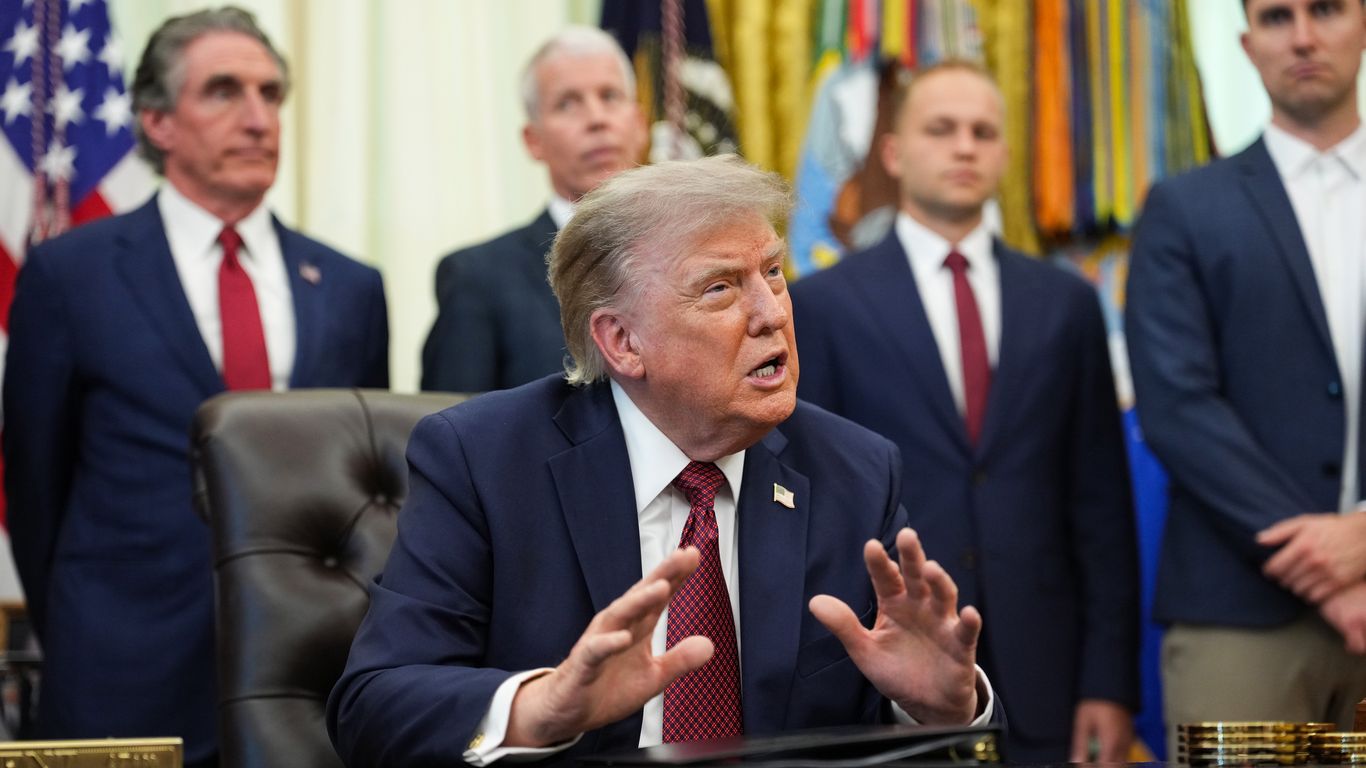
    On July 23, 2026, the United States House of Representatives cast a pivotal vote. The measure formally rebukes President Donald Trump’s recent military actions concerning Iran. This legislative maneuver directly challenges the President’s authority to commit U.S. armed forces to hostilities against Iran without explicit congressional authorization. The resolution specifically invokes the War Powers Act of 1973. It aims to restrict the executive branch’s ability to initiate or escalate military engagements.

    This action represents a significant challenge to the President’s foreign policy directives. It reignites a long-standing constitutional debate. This debate concerns the balance of power between the executive and legislative branches regarding military force. The vote carries implications for both domestic governance and international relations, particularly in the volatile Persian Gulf region.

    The War Powers Act of 1973: Congressional Assertion

    The War Powers Act of 1973, officially known as the War Powers Resolution, was enacted over President Richard Nixon’s veto. Its primary purpose was to limit the President’s ability to initiate or escalate military action abroad without congressional approval. The Act requires the President to notify Congress within 48 hours of deploying armed forces into hostilities or situations where hostilities are imminent.

    Furthermore, it mandates that the President terminate any use of military force within 60 days. This applies unless Congress has declared war or granted a specific authorization for the use of military force. A 30-day extension is allowed for troop withdrawal. The Act was a direct response to concerns that Presidents had bypassed Congress in committing U.S. forces to conflicts, notably during the Vietnam War. It sought to reassert Congress’s role in war-making.

    Despite its clear intent, the War Powers Act has faced consistent challenges. Various administrations have interpreted its provisions differently. Presidents have often argued that the Act infringes upon their constitutional role as Commander-in-Chief. Congress, in turn, has periodically sought to reassert its Article I powers to declare war and control military deployments. This ongoing tension defines the Act’s history.

    Constitutional Foundations of War Powers

    The U.S. Constitution divides war powers between the legislative and executive branches. Article I, Section 8, Clause 11, explicitly grants Congress the power to ‘declare war.’ This clause is a cornerstone of congressional authority over military engagements. It signifies the framers’ intent for collective decision-making on matters of national security. It also emphasizes the gravity of committing American lives to conflict.

    Conversely, Article II, Section 2, Clause 1, designates the President as ‘Commander-in-Chief of the Army and Navy of the United States.’ This role empowers the President to direct military operations once war has been declared or authorized. The tension between these two constitutional provisions forms the core of the current debate. Presidents often argue their inherent authority to protect U.S. interests and personnel, sometimes without prior congressional approval.

    Throughout U.S. history, this division of power has been a source of contention. Major conflicts, from Korea to Vietnam to the recent actions in the Middle East, have seen Presidents commit troops without a formal declaration of war. Instead, they have relied on resolutions, international agreements, or their inherent executive authority. The current House vote aims to clarify and reinforce Congress’s constitutional role in this delicate balance, pushing back against decades of executive expansion.

    House Challenges Executive War Powers in Iran

    The House vote on July 23, 2026, directly confronts this long-standing constitutional debate. Many members of Congress argue that President Trump has exceeded his constitutional mandate. They cite recent undisclosed military actions in the Persian Gulf region as evidence of this overreach. These actions, lawmakers contend, risk drawing the U.S. into a broader conflict without proper legislative oversight or public debate. This concern transcends party lines.

    The specific resolution considered calls for the immediate cessation of any U.S. military engagement in or against Iran that has not been authorized by Congress. It also includes a provision requiring the President to report to Congress on all current military activities in the region. This demand for transparency is a key component of the resolution. It aims to ensure Congress is fully informed of ongoing operations and can exercise its oversight responsibilities effectively.

    The push for this resolution reflects a growing concern among lawmakers. This concern centers on the executive branch’s expansive interpretation of its war powers. They believe that bypassing Congress undermines democratic principles and the system of checks and balances. The vote seeks to send a clear message: Congress must reclaim its constitutional duty in matters of war and peace, reasserting its authority as a co-equal branch of government.

    Bipartisan Concern Fuels Resolution

    Reports indicate that the measure garnered significant bipartisan support. Both Democratic and Republican lawmakers expressed concerns about the potential for escalating conflict. They also voiced worry over the perceived lack of transparency surrounding recent operations. This bipartisan consensus underscores the gravity of the issue, transcending typical party divisions and highlighting a shared commitment to constitutional order.

    Representative Elara Vance (D-NY) stated, “This is not about party; it’s about principle. Congress must reclaim its constitutional duty to authorize war.” Similarly, Senator Marcus Thorne (R-TX), known for his vocal criticism of executive overreach, added, “No President, regardless of party, should bypass the people’s representatives on matters of war and peace.” These statements highlight a shared commitment to constitutional order over partisan loyalty.

    The broad support for the resolution signals a collective legislative effort to assert congressional authority. It also reflects a desire to prevent unilateral executive action that could have far-reaching consequences for national security and international stability. The bipartisan nature of the challenge makes it particularly potent. It demonstrates a unified front against perceived executive overreach, making the message to the White House unmistakable.

    Implications for U.S. Foreign Policy and Executive Power

    The outcome of this vote holds significant implications for U.S. foreign policy and the future scope of executive power. If the resolution passes and gains traction, it could force the Trump administration to reconsider its approach to military engagements. It could establish a precedent that strengthens congressional oversight in future conflicts. This shift would mark a notable change from recent decades, where executive power in foreign policy often expanded.

    Internationally, this congressional action sends a message to allies and adversaries alike. It signals that U.S. military action, particularly in sensitive regions like the Persian Gulf, requires broad domestic consensus. This could impact diplomatic efforts and the perception of American leadership. Allies might view it as a return to more predictable foreign policy, while adversaries might interpret it as a sign of internal division, potentially altering their strategic calculations.

    For the President, a formal rebuke from Congress could limit his operational flexibility. It might necessitate greater consultation with Capitol Hill before deploying forces or engaging in hostilities. This would represent a significant check on the Commander-in-Chief role. It would force a more collaborative approach to national security decisions. The resolution’s passage would be a win for legislative power. It would be a constraint on executive discretion in military matters.

    Previous Challenges to Presidential War Powers

    The current House action is not an isolated event. Throughout history, Congress has periodically attempted to rein in presidential war powers. In the aftermath of the Korean War, for instance, debates intensified over presidential authority to commit troops without a formal declaration. The Vietnam War further solidified the perceived need for legislative checks, leading directly to the War Powers Act of 1973.

    More recently, congressional debates surrounded military actions in Libya in 2011 and Syria in 2013 and 2018. In each instance, lawmakers questioned the executive’s legal basis for intervention without explicit congressional authorization. These past challenges, while not always leading to successful legislative restraints, built a foundation of concern. They highlighted a recurring pattern of executive action preceding formal congressional consent. The July 2026 vote draws upon this history.

    The current resolution against President Trump’s actions in Iran therefore fits into a broader historical narrative. It is a continuous struggle between the branches for control over the ultimate decision of war and peace. Each challenge, successful or not, contributes to the evolving interpretation of constitutional war powers. This ongoing dialogue shapes the framework within which the U.S. engages with the world. It underscores the enduring relevance of the framers’ original intent.

    The Future of U.S. Military Engagements

    The outcome of the House vote could reshape the future landscape of U.S. military engagements. If the resolution passes both chambers and withstands a potential presidential veto, it could establish a new precedent. This precedent would demand more robust congressional involvement in decisions to use military force. It would compel a return to a more deliberative process for deploying American troops abroad.

    Such a shift would mean that future Presidents, regardless of party, would face greater scrutiny. They would need to build stronger cases for military action to secure congressional approval. This could lead to fewer unilateral interventions and a greater reliance on diplomacy and international coalitions. The emphasis would shift from executive prerogative to legislative consensus. This would be a significant rebalancing of power.

    The debate surrounding this resolution also highlights the critical role of an informed public. As details of military actions become more transparent, public discourse intensifies. This increased transparency can pressure lawmakers to act. It can also hold the executive accountable for its decisions. The intertwining of constitutional authority, public opinion, and international relations will define the path forward for U.S. military policy. It promises a more scrutinized approach to global conflict.

    Lawmakers debated. Constituents watched. The world observed. The vote determined the balance of power. The constitutional framework was tested. The future of war powers was on the line. The implications were vast. The decision resonated. The House acted. The President reacted. The nation considered. The world took note.

    Congress.


  • Kim Kardashian and Gloria Allred: Bar Exam Humor in a New Commercial

    Kim Kardashian and Gloria Allred: Bar Exam Humor in a New Commercial

    Kim Kardashian recently starred in a commercial that humorously addressed her past attempts to pass the California bar examination. The advertisement featured Kardashian alongside Gloria Allred, a prominent attorney known for her work in women’s rights and civil liberties. This collaboration provided a moment of public self-deprecation from Kardashian, directly acknowledging her widely publicized journey through legal studies.

    The commercial resonated with many viewers, offering a relatable glimpse into the challenges Kardashian faces in her pursuit of a legal career. Her decision to feature Allred, a respected figure in the legal community, underscored the serious legal aspirations behind the advertisement’s lighthearted tone. It framed her ongoing efforts within a context of resilience and determination.

    Kardashian’s Legal Journey: From Apprentice to Advocate

    Kim Kardashian began her formal legal studies in 2018. She enrolled in California’s Law Office Study Program, a non-traditional pathway to becoming an attorney. This program allows individuals to study law under the direct supervision of a practicing attorney or judge, bypassing the requirement of attending a traditional law school.

    California is one of a limited number of U.S. states that permit this alternative route. Other states, such as Virginia, Vermont, and Washington, offer similar programs. The Law Office Study Program demands extensive self-study, mentorship, and practical experience over a period of years.

    Navigating the ‘Baby Bar’ Examination

    A critical hurdle in Kardashian’s journey was the First-Year Law Students’ Examination (FYLSE), commonly known as the ‘baby bar.’ This examination is a mandatory requirement for students in California’s Law Office Study Program after completing their first year of legal studies. Passing the FYLSE allows students to continue their legal education and eventually qualify to take the full California bar examination.

    Kardashian publicly documented her struggles with the ‘baby bar.’ She failed the examination multiple times, a fact that garnered significant media attention and public discussion. Her perseverance ultimately paid off when she successfully passed the FYLSE in December 2021. This achievement marked a pivotal milestone in her legal education, enabling her to advance toward her goal of becoming a licensed attorney.

    Her initial difficulties and eventual success with the ‘baby bar’ were featured on her reality television series. This transparency brought an unprecedented level of public awareness to the rigorous nature of legal education. It also highlighted the profound dedication and resilience required to pursue such a demanding professional career, particularly through a non-traditional path.

    Gloria Allred: A Legacy of Advocacy and Legal Impact

    Gloria Allred stands as a towering figure in American law. She is a renowned attorney who has dedicated her career to championing women’s rights and civil liberties since the 1970s. Allred is widely recognized for her unwavering commitment to high-profile cases involving sexual harassment, discrimination, and broader civil rights issues.

    Her legal career spans more than five decades, during which she has represented countless clients in significant legal battles. Allred co-founded the prestigious Los Angeles-based law firm Allred, Maroko & Goldberg. The firm specializes in civil rights cases, often taking on complex and challenging legal fights that shape public discourse and legal precedents.

    Allred’s Influence on American Legal and Political Discourse

    Allred’s frequent public appearances and her vocal advocacy have solidified her status as a recognizable and influential figure in American legal and political spheres. She frequently represents victims in cases that attract national and international media attention, using her platform to shine a light on injustices. Her work has contributed significantly to the establishment of important legal precedents and has played a role in driving social change.

    Her involvement with Kim Kardashian in the recent commercial added a layer of gravitas to the advertisement. Allred’s presence signaled a degree of recognition and acceptance of Kardashian’s legal pursuits from within the established legal community. By appearing alongside Kardashian, Allred lent credibility to the subject matter, even within a humorous context, reinforcing the seriousness of Kardashian’s legal ambitions.

    The Strategic Use of Self-Deprecating Humor

    Kim Kardashian’s decision to employ self-deprecating humor in the commercial served multiple strategic purposes. This approach effectively humanized her public persona, a critical move for a celebrity often perceived through the lens of glamour and perfection. Admitting to struggles and acknowledging past failures can make public figures significantly more relatable to a broader audience.

    Self-deprecating humor also functions as a powerful tool to disarm potential critics. By openly joking about not having passed the bar examination, Kardashian preempted criticisms regarding her legal progress or perceived lack thereof. She took control of the narrative surrounding her legal journey, shaping public perception on her own terms rather than reacting to external judgment.

    Building Connection Through Shared Experience

    This type of humor fosters a deeper connection with the audience. Many individuals have experienced personal failures, setbacks, or struggled with difficult goals in their own lives. Kardashian’s willingness to publicly share her challenges and poke fun at them created a shared experience, making her more accessible and empathetic to a diverse viewership. It demonstrated a vulnerability that resonates beyond her celebrity status.

    The commercial also shrewdly capitalized on the sustained public interest in Kardashian’s legal journey. Her decision to pursue law has been a consistent topic of discussion across various media platforms. The advertisement provided a fresh, lighthearted, and self-aware update on that ongoing narrative, keeping her legal aspirations in the public eye in a positive manner.

    Furthermore, the humor embedded within the advertisement subtly showcased her resilience. Despite facing public setbacks and multiple failures on the ‘baby bar,’ Kardashian continues to pursue her legal aspirations with determination. This message of perseverance is a powerful undercurrent beneath the lighthearted facade of the commercial.

    Beyond the Bar Exam: Kardashian’s Criminal Justice Reform Advocacy

    Kim Kardashian’s engagement with the legal system extends far beyond her personal studies. She has become a prominent advocate for criminal justice reform, using her considerable platform to champion significant changes within the U.S. justice system. Her efforts have been instrumental in advocating for the release of numerous incarcerated individuals, gaining widespread media attention and public support.

    One of her most notable advocacy successes involved Alice Marie Johnson. Johnson was serving a life sentence for a non-violent drug offense. Kardashian’s direct advocacy and persistent efforts played a crucial role in securing Johnson’s commutation by then-President Donald Trump in 2018. This case brought significant national attention to the issue of mandatory minimum sentencing and the need for reform.

    Deepening Impact Through Legal Education

    These advocacy efforts by Kardashian predate her formal legal education, highlighting a long-standing and deeply personal interest in the justice system. Her public profile has been instrumental in amplifying these critical causes, bringing them to a wider audience and galvanizing support for reform initiatives.

    Kardashian has also made personal visits to prisons and engaged directly with inmates, listening to their stories and understanding the systemic issues they face. She has consistently spoken out about issues such as mandatory minimum sentencing, the disproportionate impact of certain laws, and the need for comprehensive federal sentencing reforms. Her work has often focused on fostering bipartisan efforts to achieve these legislative changes.

    Many observers view her ongoing legal studies as a strategic move to deepen her understanding, strengthen her arguments, and enhance her overall effectiveness in her criminal justice reform advocacy. Her ultimate goal of becoming a practicing attorney is seen as a way to further her impact and contribute more directly to systemic change within the legal framework.

    The Intersection of Celebrity and Legal Ambition

    The convergence of celebrity status and serious professional pursuits, particularly in a demanding field like law, often attracts intense scrutiny. Kim Kardashian’s legal journey is no exception to this phenomenon. While some critics initially questioned the sincerity or feasibility of her efforts, many others have lauded her commitment and perseverance in the face of significant challenges.

    Her immense platform as a reality television star, businesswoman, and social media influencer provides unique visibility. This high-profile status can both significantly help and, at times, hinder her legal ambitions. While it generates immense public interest and support for her causes, it also invites skepticism and greater public scrutiny compared to a private individual pursuing the same path.

    The Rigor of the Law Office Study Program

    The California Law Office Study Program, despite being a non-traditional route, is exceptionally rigorous. It demands thousands of hours of dedicated study, extensive reading, and practical legal experience under the guidance of supervising attorneys. Kardashian’s demanding public life adds another layer of complexity and challenge to these already substantial requirements, making her commitment even more notable.

    Her continued dedication to passing the bar exam, despite the public nature of her struggles, reflects a significant personal and professional investment. This pursuit extends far beyond a casual interest or a mere public relations strategy. The process necessitates sustained effort, intellectual discipline, and unwavering commitment over a period of several years, all while navigating a high-profile existence.

    While other celebrities have pursued legal education or careers, Kardashian’s path is particularly notable for its extreme public visibility and her ongoing commitment despite initial and well-documented failures. Her journey serves as a visible testament to the demanding nature of legal education and the power of resilience in achieving ambitious goals.

    Advertisements as Tools for Public Relations and Image Management

    Advertisements frequently serve purposes beyond the simple promotion of a product or service. They can be sophisticated tools for public relations, image management, and shaping public perception. The commercial featuring Kim Kardashian and Gloria Allred is a prime example of this strategic use of advertising.

    This particular advertisement cleverly leveraged Kardashian’s public image and ongoing legal narrative. It allowed her to control how her journey was perceived, transforming potential points of criticism into moments of relatable humor and resilience. By collaborating with Allred, the ad also subtly elevated the seriousness of Kardashian’s legal aspirations, grounding them in the credibility of an established legal icon.

    The commercial served to reinforce Kardashian’s dedication to her legal education and her broader advocacy work. It presented her as a determined individual, capable of self-reflection and humor, who is actively working towards a significant professional goal. This type of strategic advertisement can significantly influence public opinion and enhance a public figure’s reputation across different domains.

    The blend of humor, legal ambition, and a respected legal figure created a memorable and impactful piece of media. It highlighted the evolving nature of celebrity and how public figures can strategically use various platforms to communicate their personal and professional narratives. The advertisement became more than just a commercial; it was a statement about perseverance.

    Kardashian’s journey continues. Her dedication remains. The public watches.

    Her legal future awaits.