Tag: Donald Trump

  • Trump and Netanyahu Convene in Washington – High-Stakes Diplomatic Summit

    Trump and Netanyahu Convene in Washington – High-Stakes Diplomatic Summit

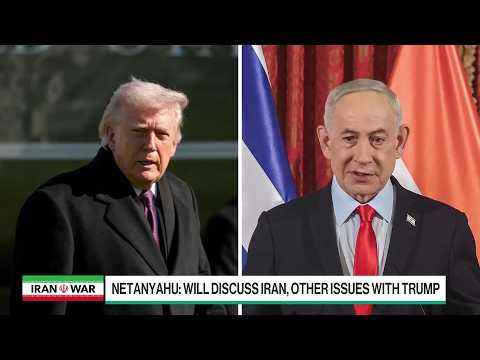
    President Donald Trump and Israeli Prime Minister Benjamin Netanyahu convened a high-stakes diplomatic summit in Washington, D.C., on July 28, 2026. This meeting was officially scheduled to address pressing regional challenges, reinforce the strategic alliance between the United States and Israel, and align their positions on key international issues impacting global security and economic stability.

    The engagement marked a significant moment for U.S.-Israel relations and Middle East policy. Both leaders sought to project a united front on critical international matters.

    The Washington Summit: A Diplomatic Nexus

    The July 28, 2026, summit in Washington brought together two central figures in international diplomacy. President Trump and Prime Minister Netanyahu met to discuss a range of critical subjects. These discussions were designed to strengthen the bilateral relationship.

    High-level communication channels are crucial for maintaining strong alliances. This summit served as a direct conduit for such exchanges. The meeting followed a long tradition of close consultation between the two nations.

    Iran: The Central Challenge

    The primary focus of the summit was Iran’s nuclear program. Both the United States and Israel consider Iran’s nuclear ambitions a significant threat. They also view Iran’s regional activities as destabilizing.

    Strategies for countering Iranian influence in the Middle East were a central theme. Discussions explored various approaches to mitigate these perceived threats. This included potential diplomatic and security measures.

    Intelligence sharing on Iran’s activities was a key component. Enhanced cooperation in this area aims to provide a clearer picture of regional dynamics. This shared intelligence informs strategic decisions.

    Regional Security and Global Implications

    Beyond Iran, regional security concerns featured prominently on the agenda. The ongoing conflict in Ukraine and its wider implications were discussed. Leaders considered how global events impact the Levant region.

    Stability in the Middle East remains a complex issue. The leaders explored avenues for enhanced intelligence sharing. Military cooperation was also a topic of discussion.

    Such cooperation aims to improve preparedness and response capabilities. It underscores the shared security interests of the U.S. and Israel. These discussions extend beyond immediate threats.

    The Ukraine Conflict and Its Ripple Effects

    The conflict in Ukraine has created global uncertainties. Its impact on energy markets, diplomatic alliances, and security postures is significant. President Trump and Prime Minister Netanyahu addressed these ripple effects.

    The discussions were not confined to bilateral interests alone. They considered how actions in one region affect others. This holistic view is characteristic of high-level diplomatic engagements.

    A coordinated stance on global issues can send clear messages. This applies to both allies and adversaries. The summit served as a platform for this unified projection.

    Economic Partnerships and Bilateral Ties

    Economic partnerships between the U.S. and Israel were another key agenda item. Trade agreements were on the table. Technological collaboration was also a significant point of discussion.

    Joint investment opportunities were explored. Strengthening these ties aims to benefit both economies. Economic cooperation complements security and diplomatic efforts.

    These partnerships foster innovation and growth. They provide a stable foundation for the broader relationship. Both nations seek mutual economic advantage.

    Technological Collaboration: A Growth Area

    Technological collaboration is a rapidly expanding area of cooperation. Israel is known for its innovation in various tech sectors. The United States offers vast markets and research capabilities.

    Discussions focused on joint ventures in cybersecurity, artificial intelligence, and defense technologies. These areas hold significant promise for mutual benefit. They also address shared challenges.

    The exchange of scientific expertise and resources was emphasized. This collaboration strengthens both nations’ competitive edge. It also contributes to global technological advancement.

    Anticipated Outcomes and Joint Statements

    The summit is expected to conclude with a joint press conference. A formal statement is also anticipated. These will outline the agreements reached.

    They will also detail the shared strategic objectives of the two nations. Policy analysts will closely scrutinize these pronouncements. They will look for shifts in diplomatic posture.

    Specific details regarding any new initiatives or commitments are anticipated. These could range from expanded security protocols. New economic incentives are also possible outcomes.

    The Significance of Public Pronouncements

    Public statements following such summits are carefully crafted. They convey the collective will and direction of the leaders. These pronouncements are critical for international understanding.

    They signal intentions to allies and rivals. They also inform domestic audiences about the progress of diplomatic efforts. The language used is often precise and deliberate.

    Any joint declaration will be analyzed for its implications. It will reflect the areas of consensus. It will also highlight the strategic priorities of both governments.

    Historical Context of U.S.-Israel Summits

    Meetings between U.S. Presidents and Israeli Prime Ministers have a long history. These gatherings are crucial for maintaining the strong bilateral relationship. They provide direct channels for high-level communication and problem-solving.

    Past summits have often led to significant agreements. These include security assistance packages. Peace initiatives and economic aid have also resulted from these meetings.

    Each meeting builds upon decades of established diplomatic precedent. The July 28, 2026, summit follows this tradition of close consultation. It reaffirms an enduring partnership.

    Decades of Diplomatic Engagement

    The relationship between the United States and Israel has been characterized by consistent engagement. From the early days of Israel’s statehood, U.S. Presidents have met with Israeli leaders. These meetings have spanned numerous administrations.

    They have addressed various geopolitical shifts and challenges. The regularity of these summits underscores their importance. They are a cornerstone of the bilateral relationship.

    This history provides a framework for current discussions. It ensures continuity in diplomatic efforts. It also highlights the depth of the strategic alliance.

    The Enduring Partnership

    The United States has consistently been Israel’s strongest ally. This relationship is underpinned by shared democratic values. Strategic interests also bind the two nations.

    The Washington summit reaffirmed this enduring partnership. It demonstrated a commitment to mutual security. It also showcased a shared vision for regional stability.

    This partnership extends beyond governmental ties. It encompasses cultural, economic, and societal connections. These multifaceted links contribute to the resilience of the alliance.

    Shared Values and Strategic Alignment

    Democratic values form a foundational element of the U.S.-Israel relationship. Both nations uphold principles of freedom, rule of law, and individual liberties. These shared ideals foster mutual respect and understanding.

    Strategically, both countries face common threats. These include terrorism, state-sponsored aggression, and regional instability. This alignment of strategic interests drives cooperation in defense and intelligence.

    The partnership is not static. It evolves with changing global dynamics. However, its core principles remain constant, guiding diplomatic interactions.

    Global Implications of the Meeting

    The outcomes of the Trump-Netanyahu summit will have ripple effects across the globe. Decisions made in Washington can influence geopolitical dynamics. This includes the Middle East, Europe, and beyond.

    International observers monitored the meeting closely. The timing of this meeting was particularly salient. It occurred amidst current global uncertainties.

    Energy markets, diplomatic alliances, and security postures could all be impacted. The discussions were not confined to bilateral interests alone. They held broader international significance.

    Monitoring by International Observers

    Diplomatic missions worldwide paid close attention to the summit’s proceedings. Analysts from various international organizations tracked the statements and outcomes. The potential for shifts in policy was a key focus.

    News agencies globally reported on the event. Their coverage reflected the perceived importance of the U.S.-Israel relationship. It also highlighted the impact of their coordinated actions on world affairs.

    The summit’s influence extends to multilateral forums. Discussions and agreements reached can shape debates in the United Nations, NATO, and other international bodies.

    A Moment of Diplomatic Weight

    This summit represented an opportunity for both leaders to project a united front. They addressed critical international issues. Their coordinated stance sent clear messages to allies and adversaries alike.

    It was a moment of significant diplomatic weight. The discussions and agreements aimed to shape future policy. They reinforced the strategic direction of both nations.

    Leaders convene. Strategies align. Policies are forged. The future is shaped.

    Washington.

  • Hakeem Jeffries Critiques Trump’s Iran Policy – The Search for an Exit Strategy

    Hakeem Jeffries Critiques Trump’s Iran Policy – The Search for an Exit Strategy

    The Core of the Critique: No Exit Strategy Identified

    House Minority Leader Hakeem Jeffries has publicly stated that President Donald Trump’s policy regarding Iran lacks a coherent exit strategy. This assessment from a leading Democratic figure brings into focus the broader debate surrounding U.S. engagement in the Middle East. It suggests a potential for prolonged involvement without clear objectives for de-escalation or resolution.

    Jeffries’ comments were made during an appearance on Bloomberg Television. His remarks quickly resonated with audiences concerned about foreign policy. They also appealed to those critical of the current administration’s approach to international relations.

    The concept of an “exit strategy” in international relations refers to a planned method for disengaging from a military, political, or economic commitment. Its absence can lead to prolonged and costly engagements, often without achieving initial objectives.

    Understanding the Context of U.S.-Iran Relations

    Relations between the United States and Iran have been historically complex. They are marked by periods of both cooperation and intense animosity. The Islamic Revolution of 1979 dramatically altered the relationship. It led to decades of diplomatic estrangement and proxy conflicts.

    The Joint Comprehensive Plan of Action (JCPOA)

    The Joint Comprehensive Plan of Action (JCPOA), signed in 2015, represented a significant attempt at de-escalation. This agreement aimed to limit Iran’s nuclear program in exchange for sanctions relief. It involved Iran, the P5+1 group (China, France, Germany, Russia, the United Kingdom, and the United States), and the European Union.

    President Trump withdrew the U.S. from the JCPOA in 2018. This action reimposed sanctions and heightened tensions. The withdrawal was a cornerstone of his foreign policy agenda. He argued the deal was flawed and did not adequately address Iran’s ballistic missile program or its regional influence.

    Since the U.S. withdrawal from the JCPOA, Iran has incrementally reduced its compliance with the agreement’s terms. This has led to international concern about its nuclear ambitions. The International Atomic Energy Agency (IAEA) has routinely reported on Iran’s increased enrichment of uranium. These reports intensify fears among global powers.

    The “Maximum Pressure” Campaign and Its Impact

    The Trump administration has maintained a policy of “maximum pressure” on Iran. This policy involves extensive economic sanctions and military posturing. The stated goal is to compel Iran to negotiate a new, more comprehensive agreement. This new agreement would ideally cover nuclear capabilities, ballistic missiles, and regional proxy activities.

    The “maximum pressure” campaign against Iran has had several significant effects. Economically, Iran’s oil exports have been severely curtailed. Its currency has depreciated significantly. The nation’s economy has faced substantial challenges. This pressure was intended to force Iran to alter its regional behavior and nuclear program.

    Regional Military Escalations

    Militarily, the region has seen increased deployments of U.S. forces. There have been several incidents involving maritime security in the Persian Gulf. Drone strikes and missile attacks have also occurred. These events have raised fears of a broader conflict. Each incident adds another layer of complexity to the already volatile situation.

    A notable event was the 2020 U.S. drone strike that killed Iranian General Qasem Soleimani. This action significantly escalated tensions. It prompted retaliatory missile strikes from Iran against U.S. bases in Iraq. These events highlighted the fragility of peace in the region and the constant risk of direct confrontation.

    Diplomatic Divisions Among Allies

    Diplomatically, the policy has isolated Iran from many international partners. However, it has also created divisions among U.S. allies. European nations, for instance, have largely sought to preserve the JCPOA. They have expressed concerns about the unilateral U.S. approach. This has complicated efforts to present a united front against Iran.

    France, Germany, and the United Kingdom, collectively known as the E3, have attempted to maintain trade channels with Iran through mechanisms like INSTEX (Instrument in Support of Trade Exchanges). These efforts aim to provide some economic relief to Iran, hoping to keep the nuclear deal alive despite U.S. sanctions.

    Hakeem Jeffries’ Role in Congressional Oversight

    Hakeem Jeffries currently serves as the House Minority Leader. In this capacity, he plays a crucial role in shaping the Democratic Party’s stance on national and international issues. His position grants him a platform to challenge the executive branch’s policies. He often articulates alternative approaches.

    As Minority Leader, Jeffries is involved in congressional oversight. This includes scrutinizing foreign policy decisions. He represents a significant voice within Congress. His statements often reflect the broader concerns of his party. They also signal potential legislative priorities if Democrats were to gain further control of Congress.

    Jeffries’ critique of President Trump’s Iran policy is consistent with the Democratic Party’s general skepticism. Many Democrats opposed the withdrawal from the JCPOA. They have advocated for a return to diplomacy. They also seek a multilateral approach to Iran. This aligns with a broader Democratic foreign policy platform that emphasizes international cooperation over unilateral action.

    Historical Parallels: The Importance of Exit Strategies

    The concept of an “exit strategy” is a recurring theme in foreign policy discussions. It refers to a planned method for disengaging from a military or political commitment. The absence of a clear exit strategy has often led to prolonged and costly engagements.

    Lessons from Vietnam

    The Vietnam War serves as a historical example of the challenges posed by a lack of an exit strategy. U.S. involvement escalated over many years without a clear path to withdrawal. The conflict resulted in significant human and economic costs. It also left a lasting impact on American foreign policy doctrine. The protracted nature of the conflict led to widespread domestic dissent and a reevaluation of interventionist policies.

    Challenges in Afghanistan and Iraq

    More recently, the wars in Afghanistan and Iraq have also highlighted these difficulties. The initial objectives of these conflicts were clear. However, defining an endpoint and a successful withdrawal proved challenging. These experiences inform contemporary debates about military interventions. They emphasize the importance of foresight in strategic planning. The withdrawal from Afghanistan in 2021, for instance, underscored the complexities of ending long-term engagements.

    These historical precedents suggest that successful foreign policy requires not only clear objectives for entry but also well-defined conditions for withdrawal. Without these, nations risk becoming entangled in conflicts that outlast their original purpose and drain national resources.

    The Geopolitical Landscape of the Middle East

    The Middle East remains a region of immense geopolitical importance. Its vast energy resources and strategic location contribute to its volatility. Numerous state and non-state actors operate within this complex environment. Each pursues its own interests. This often leads to interlocking conflicts.

    Iran’s Regional Influence

    Iran’s influence extends across several key areas. It supports various proxy groups in Iraq, Syria, Lebanon, and Yemen. These activities are viewed by the U.S. and its allies as destabilizing. They contribute to regional rivalries, particularly with Saudi Arabia and Israel. Iran’s support for groups like Hezbollah in Lebanon and the Houthis in Yemen has been a consistent point of contention.

    Ongoing Regional Conflicts

    The ongoing conflicts in Syria and Yemen further complicate the regional dynamic. These wars involve multiple international powers. They create humanitarian crises. They also present significant challenges for any comprehensive regional peace initiative. Any U.S. policy towards Iran must consider these broader interconnections. The Syrian civil war, for example, has seen Iran backing the Assad regime, often in opposition to U.S.-supported groups.

    The Saudi-Iranian rivalry also plays a significant role. Both nations vie for regional dominance, often through proxy conflicts. This dynamic adds another layer of complexity to any U.S. strategy in the region. Maintaining a balance of power while pursuing U.S. interests is a delicate diplomatic act.

    Economic Sanctions: A Tool Without an End Game?

    Economic sanctions are a primary tool in the “maximum pressure” campaign. They are designed to exert financial pain. The goal is to force a change in behavior. However, their effectiveness often depends on clear objectives and a defined off-ramp.

    Debates on Sanctions Effectiveness

    Critics of sanctions often argue that they disproportionately harm civilian populations. They may also strengthen hardline elements within targeted regimes. Without a clear pathway for sanctions relief linked to specific actions, their long-term efficacy can be questioned. This is a central point of Jeffries’ critique. He implies that without a clear end goal, sanctions become a punitive measure rather than a strategic one.

    Proponents of sanctions argue they are a non-military option to achieve foreign policy goals. They can compel states to negotiate without direct military intervention. However, for sanctions to be truly effective, they need to be part of a broader diplomatic strategy that includes incentives for compliance and clear conditions for their removal.

    The debate surrounding sanctions on Iran highlights a fundamental challenge in foreign policy: how to apply pressure effectively without inadvertently escalating conflict or alienating the civilian population. Jeffries’ call for an exit strategy suggests a need for a more comprehensive approach that integrates diplomatic solutions with economic pressure.

    The Path Forward: Diplomacy or Continued Pressure?

    The question of an exit strategy for U.S. policy on Iran remains central. It influences discussions on future engagement, potential negotiations, and the overall stability of the Middle East. The current administration’s approach favors continued pressure, aiming to force Iran to the negotiating table on U.S. terms.

    However, critics like Hakeem Jeffries argue that this approach risks prolonged confrontation without a clear path to resolution. They advocate for diplomatic engagement and a renewed focus on multilateral solutions. This includes exploring pathways for the U.S. to potentially re-enter a revised nuclear agreement.

    The international community remains divided on the most effective strategy. Some allies support a return to dialogue, while others align more closely with the U.S. “maximum pressure” stance. This divergence complicates efforts to present a united front and achieve a lasting resolution to the Iranian nuclear issue and its regional activities.

    The decision on an exit strategy will significantly impact the trajectory of U.S.-Iran relations. It will shape the geopolitical landscape for years to come. It will determine the balance between confrontation and cooperation. It will define the future of stability in the Middle East.

    Lawmakers debate. Diplomats confer. Analysts speculate. The world watches.

    Uncertainty.


  • President Trump’s Warning to Houthis – Escalating Tensions in the Red Sea

    President Trump’s Warning to Houthis – Escalating Tensions in the Red Sea

    President Donald Trump issued a pointed warning to the Houthi movement on July 26, 2026, indicating that continued attacks on commercial shipping in the Red Sea could trigger significant U.S. actions targeting Iran. This statement reflects a heightened level of concern within the U.S. administration regarding the stability of global maritime trade and the broader regional security landscape. The President’s remarks were made during a press briefing at the White House, emphasizing the gravity with which Washington views the ongoing Houthi aggression.

    The Houthi movement, officially known as Ansar Allah, has been launching missile and drone attacks on vessels traversing the Bab al-Mandab Strait and the Red Sea since late 2023. These actions, which the Houthis claim are in solidarity with Palestinians amid the ongoing conflict in Gaza, have severely impacted international shipping, rerouting supply chains and increasing transit costs. The United States and its allies have consistently identified Iran as the principal state sponsor providing military and financial support to the Houthis.

    The Escalation of Red Sea Tensions

    The Red Sea crisis began to intensify significantly in October and November 2023. Following the October 7, 2023, attacks in Israel and the subsequent conflict in Gaza, the Houthis declared their support for Hamas and began targeting ships they asserted had links to Israel or were bound for Israeli ports. This initial targeting soon expanded to include a wider range of commercial vessels, regardless of their direct affiliation, creating a volatile and dangerous shipping environment.

    Major shipping companies, including Maersk and Hapag-Lloyd, began diverting their vessels away from the Suez Canal route, opting for the longer, more expensive journey around the Cape of Good Hope. This rerouting adds approximately 10 to 14 days to transit times between Asia and Europe, significantly increasing fuel consumption, insurance premiums, and operational costs. The economic impact has been felt globally, affecting supply chains for goods ranging from consumer electronics to energy resources.

    The Bab al-Mandab Strait, a narrow waterway connecting the Red Sea to the Gulf of Aden, is one of the world’s most critical maritime chokepoints. An estimated 12% of global trade and 30% of global container traffic passes through this route annually. Disruptions here have immediate and far-reaching consequences for global commerce and energy markets.

    International Response: Operation Prosperity Guardian

    In response to the escalating Houthi attacks, the United States initiated Operation Prosperity Guardian in December 2023. This multinational maritime security initiative aims to protect commercial shipping in the Red Sea and Gulf of Aden. The operation involves naval forces from several countries, including the United Kingdom, France, Germany, Canada, Australia, and others.

    The primary objective of Operation Prosperity Guardian is to provide a defensive shield for commercial vessels and to deter further Houthi aggression. Warships involved in the operation have intercepted numerous Houthi missiles and drones targeting merchant ships and naval assets. These defensive actions have prevented many potential attacks from reaching their targets, but have not fully stopped the Houthi campaign.

    Despite the presence of international naval forces, the Houthis have demonstrated a continued capability and willingness to launch attacks. Their arsenal includes anti-ship ballistic missiles, cruise missiles, and unmanned aerial vehicles (UAVs). Many of these weapons systems are believed to be supplied or facilitated by Iran, a claim consistently denied by Tehran but supported by U.S. intelligence assessments.

    Allied Contributions and Challenges

    The United Kingdom has been a key partner in Operation Prosperity Guardian, with Royal Navy vessels actively participating in defensive operations and joint strikes against Houthi military sites in Yemen. Other nations have contributed in various capacities, including intelligence sharing, logistical support, and the deployment of naval assets to the region.

    One of the primary challenges for the coalition has been the difficulty in completely neutralizing the Houthi threat without risking a broader regional conflict. Houthi launch sites are often mobile or located in civilian areas, complicating targeting efforts. Furthermore, the Houthis operate within a complex Yemeni civil war context, where their actions are intertwined with internal political dynamics.

    President Trump’s Direct Warning

    President Trump’s warning on July 26, 2026, marks a significant rhetorical escalation. His statement directly links the Houthis’ actions to Iran and suggests that the U.S. is prepared to move beyond defensive measures against the Houthis themselves. The President’s language indicated that if the Red Sea attacks do not cease, the United States would consider “major moves” against Iran.

    This phrasing implies a range of potential responses, from intensified sanctions on Iran’s oil exports and financial institutions to more direct military pressure. The U.S. has maintained a robust sanctions regime against Iran for years, particularly after the Trump administration withdrew from the Joint Comprehensive Plan of Action (JCPOA) in May 2018. Any new measures would likely build upon or significantly expand these existing economic pressures.

    The U.S. administration’s position is that Iran provides the Houthis with the training, intelligence, and advanced weaponry necessary to carry out their sophisticated attacks. By targeting Iran, the U.S. aims to cut off the source of this support and compel Tehran to exert control over its proxy forces in the region. This strategy aligns with a long-standing U.S. foreign policy approach of holding state sponsors accountable for the actions of non-state actors they support.

    Historical Precedents and Future Implications

    The U.S. has a history of responding to threats from Iranian-backed groups. In the early 2020s, there were several instances of U.S. military action against Iranian-backed militias in Iraq and Syria in response to attacks on U.S. personnel or interests. These actions, while localized, demonstrated a willingness to use force to deter and punish hostile acts orchestrated by Tehran or its allies.

    A major move against Iran could have wide-ranging implications for global energy markets, regional stability, and international diplomacy. The Strait of Hormuz, another critical chokepoint through which much of the world’s oil transits, could become a flashpoint. Any significant escalation could also draw in other regional powers, potentially leading to a broader conflict in the Middle East.

    Diplomatic efforts to de-escalate tensions have been ongoing but have yielded limited success in curbing Houthi attacks. Various international bodies and individual nations have called for a cessation of hostilities and a return to diplomatic solutions for the Yemeni conflict, which has been ongoing since 2014. The Houthi movement’s current actions are deeply intertwined with their broader political objectives within Yemen and their regional alignment.

    The Houthi Perspective and Regional Dynamics

    From the Houthi perspective, their actions in the Red Sea are a legitimate response to what they perceive as Western and Israeli aggression. They frame their attacks as a defense of Palestinian rights and an assertion of their growing regional influence. The Houthis have demonstrated resilience throughout the Yemeni civil war, maintaining control over significant portions of northern Yemen, including the capital Sana’a.

    Their military capabilities have been enhanced significantly over the past decade, with a focus on asymmetric warfare tactics, including drone and missile technology. The support from Iran has been crucial in developing these capabilities, allowing the Houthis to project power far beyond Yemen’s borders, notably into key international shipping lanes.

    The broader regional dynamics also play a role. Saudi Arabia, a long-time adversary of the Houthis, has been engaged in a protracted conflict in Yemen. While there have been recent attempts at de-escalation between Saudi Arabia and Iran, the Red Sea crisis complicates these efforts and keeps regional tensions high. The U.S. warning to Iran could be interpreted by some regional actors as a reaffirmation of U.S. commitment to countering Iranian influence.

    Economic and Geopolitical Impact

    The prolonged disruption of Red Sea shipping has already led to increased costs for consumers through higher freight rates and extended delivery times. Insurance costs for vessels transiting the region have soared, sometimes by hundreds of percentage points. This economic pressure adds to inflationary concerns in many economies already grappling with post-pandemic recovery and other geopolitical shocks.

    Geopolitically, the crisis highlights the vulnerability of global trade routes to non-state actors armed with advanced weaponry. It also tests the resolve of international coalitions to protect shared economic interests. President Trump’s strong stance signals a potential shift in strategy, suggesting that the U.S. may be prepared to take more assertive action to safeguard these interests, even if it risks further regional destabilization.

    The coming weeks will likely see intense diplomatic activity and possibly further military maneuvers. The U.S. administration will weigh the risks and benefits of any escalated action against Iran, considering potential retaliatory measures and the impact on broader U.S. foreign policy objectives in the Middle East. The precise nature of the “major moves” remains unspecified, keeping all parties in a state of anticipation.

    Governments gathered. Shipping executives gathered. Military strategists gathered. Washington.


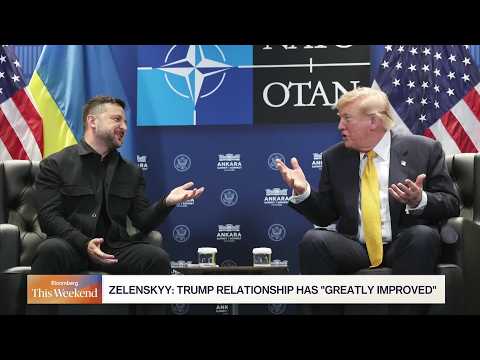
  • Trump’s Ukraine Policy: From Skepticism to Pragmatism – A 2026 Analysis

    Trump’s Ukraine Policy: From Skepticism to Pragmatism – A 2026 Analysis

    President Donald Trump’s perspective on Ukraine has undergone a significant evolution since his first term, transitioning from a stance marked by skepticism about extensive foreign aid to a more pragmatic engagement driven by the realities of Russia’s 2022 full-scale invasion. This shift, highlighted by figures such as former Director of National Intelligence Dan Coats, indicates a recalibration of approach concerning Eastern European geopolitics and the ongoing conflict. The implications of this evolving view extend to global alliances, defense strategies, and the future of Ukrainian sovereignty in 2026.

    This modern policy adjustment represents a response to persistent geopolitical dynamics and the urgent demands of an active conflict zone.

    President Trump’s Evolving View on Ukraine

    The global political landscape has been significantly reshaped in recent years, particularly by Russia’s full-scale invasion of Ukraine in February 2022. This prolonged conflict remains a central flashpoint in international relations, necessitating continuous re-evaluation of national security interests and alliance commitments by world leaders, including President Trump.

    During his first term (2017-2021), President Trump’s initial approach to Ukraine was characterized by a focus on burden-sharing among NATO allies and a skeptical view of extensive foreign aid. His administration often prioritized an ‘America First’ policy, which sometimes led to questions regarding the extent of U.S. commitment to collective security agreements.

    First Term: Skepticism and Scrutiny

    President Trump’s diplomatic efforts during his first term occasionally caused concern among traditional allies. His interactions with Russian leadership were closely scrutinized. Critics often pointed to a perceived softness towards Moscow, which contrasted with the long-standing bipartisan consensus on confronting Russian aggression.

    The initial impeachment proceedings against President Trump in 2019 centered on his dealings with Ukraine. Accusations involved the alleged withholding of military aid to pressure Ukrainian President Volodymyr Zelenskyy into investigating political rivals. This period marked a significant point of contention regarding U.S. policy towards Ukraine and highlighted the internal political divisions surrounding the issue.

    Despite these controversies, the underlying policy during his first administration leaned towards reducing what was perceived as disproportionate U.S. financial and military commitment abroad. This included a critical assessment of the financial contributions of NATO member states and the overall structure of international aid programs.

    The prevailing sentiment from 2017 to 2021 suggested a desire to limit U.S. entanglement in what were seen as regional European conflicts, unless they directly impacted immediate American economic or security interests. This posture shaped the initial U.S. response to the simmering conflict in Eastern Ukraine following the 2014 annexation of Crimea.

    Dan Coats’ Observations on the Policy Shift

    Former Director of National Intelligence Dan Coats has been among those observing a notable change in President Trump’s outlook on Ukraine. Coats served as DNI from 2017 to 2019, providing him with direct insight into the Trump administration’s foreign policy deliberations during a critical period. His comments underscore a potential shift in understanding within the President’s current administration regarding the complexities of the conflict.

    Coats’ analysis, shared in various public forums since 2025, suggests that the sheer scale and persistence of the Ukrainian conflict may have altered President Trump’s previous assumptions. The ongoing resistance by Ukraine, combined with the geopolitical ramifications for Europe and the wider world, could be influencing a more nuanced perspective in 2026.

    According to Coats, the direct challenge posed by Russia’s aggression, particularly after the 2022 invasion, presented a stark reality that transcended earlier policy frameworks. This reality demanded a re-evaluation of how U.S. interests are intertwined with European stability and the principles of national sovereignty.

    Catalysts for Change: The 2022 Invasion

    Several factors likely contribute to this evolving viewpoint. The sustained aggression by Russia, the humanitarian crisis in Ukraine, and the economic impact on global markets are all significant considerations. The unity demonstrated by many European nations in supporting Ukraine also plays a role in shaping international perceptions and policy responses.

    The full-scale invasion of Ukraine in February 2022 marked a turning point. This event dramatically escalated the conflict from a regional issue to a global security crisis. The brutal nature of the invasion, including widespread civilian casualties and destruction, garnered international condemnation and galvanized support for Ukraine across many Western nations.

    This shift in the conflict’s intensity and scope presented a new set of challenges and opportunities for U.S. foreign policy. The invasion underscored the fragility of post-Cold War security arrangements and the potential for large-scale conventional warfare in Europe. It also highlighted the interconnectedness of global economies and the ripple effects of regional instability.

    Furthermore, the domestic political landscape in the United States has continued to evolve. Public opinion regarding foreign interventions and the role of the U.S. in global conflicts is always in flux. President Trump, like any leader, responds to these internal and external pressures in formulating his foreign policy agenda.

    The Current State of U.S.-Ukraine Relations in 2026

    As of 2026, the relationship between the United States and Ukraine remains a critical component of international security. U.S. support, both military and financial, has been vital for Ukraine’s defense efforts. The continuation and nature of this support are directly tied to the foreign policy directives of the sitting U.S. administration.

    President Trump’s second term, which began on January 20, 2025, has seen a renewed focus on several foreign policy areas. While specific details of his current Ukraine strategy are continually being articulated, the general direction points towards a pragmatic approach that balances U.S. interests with global stability concerns. This approach indicates a potential departure from some of the more isolationist tendencies observed in his first term, at least concerning the immediate crisis in Eastern Europe.

    The 2026 posture emphasizes strategic engagement, aiming to achieve a resolution that secures Ukrainian sovereignty while minimizing prolonged U.S. military presence. This involves a calculated provision of advanced weaponry, intelligence sharing, and diplomatic pressure on Russia, often in concert with European allies.

    Implications for NATO and European Security

    The evolution of President Trump’s Ukraine policy carries significant implications for the North Atlantic Treaty Organization (NATO). NATO’s role in collective defense and its posture towards Russia are directly affected by the U.S. commitment to its allies. Any shift in U.S. policy can influence the cohesion and strategic direction of the alliance.

    In 2026, President Trump’s administration has continued to press NATO members to meet their defense spending commitments. However, the tone regarding the alliance’s fundamental value has shifted. There is now a clearer recognition of NATO’s strategic importance in countering Russian aggression, particularly as demonstrated by the direct threat to European stability.

    European security architecture is also at stake. Countries bordering Russia and Ukraine, such as Poland, Romania, and the Baltic states, rely heavily on strong U.S. leadership and military presence. An adjusted U.S. approach could lead to either reinforced deterrence or a re-evaluation of defense strategies by these nations, as they adapt to a more engaged, albeit pragmatic, American stance.

    The enhanced U.S. commitment to providing advanced defense systems to Ukraine, coupled with joint military exercises with NATO allies in Eastern Europe, signals a heightened readiness. This proactive stance aims to deter further Russian expansion and stabilize the region, reflecting the pragmatic shift in policy.

    Economic and Humanitarian Considerations

    The conflict in Ukraine has had profound economic consequences, affecting global energy markets, food supplies, and supply chains. The cost of supporting Ukraine, both in terms of direct aid and sanctions against Russia, has been substantial for the U.S. and its allies. These economic realities factor heavily into any policy decisions.

    The humanitarian crisis, with millions of Ukrainians displaced and countless lives affected, also presents a moral and ethical dimension to foreign policy. International efforts to provide aid and support refugees continue to be a priority for many nations, including the United States. In 2026, U.S. aid programs have been streamlined to maximize efficiency and impact, reflecting a pragmatic approach to humanitarian assistance.

    The economic impact on the U.S. domestic front, including inflation and energy prices, has also influenced policy calculations. President Trump’s administration aims to balance international support with domestic economic stability, seeking solutions that do not unduly burden American taxpayers while still upholding democratic values abroad.

    Domestic and International Pressure

    President Trump’s administration faces both domestic and international pressure regarding its Ukraine policy. Domestically, there are varying viewpoints on the extent of U.S. involvement and the allocation of resources. Public opinion is divided between those advocating for robust intervention and those prioritizing domestic issues or a more isolationist foreign policy.

    Internationally, allies and adversaries alike closely monitor U.S. policy. Allies seek reassurance of continued support and leadership, while adversaries look for signs of weakness or inconsistency. The balancing act between these pressures defines the current administration’s approach to the conflict.

    The diplomatic efforts involve constant communication with European leaders, G7 nations, and the United Nations. These discussions focus on coordinating sanctions, humanitarian aid, and long-term reconstruction plans for Ukraine. The goal is to present a united front against Russian aggression while navigating complex international relationships.

    The ongoing debates in the U.S. Congress reflect the diverse perspectives within the country. Lawmakers from both parties engage in discussions about the level of military aid, the effectiveness of sanctions, and the overall strategic objectives in Eastern Europe. These legislative deliberations shape the practical implementation of President Trump’s foreign policy.

    Ultimately, the evolution of President Trump’s Ukraine policy from initial skepticism to a more pragmatic and engaged stance demonstrates an adaptation to changed global circumstances. The 2022 invasion served as a critical turning point, compelling a re-evaluation of U.S. interests and responsibilities on the international stage. The administration navigates complex geopolitical realities, balancing domestic concerns with the imperative of global stability.

    Observers like Dan Coats have noted this shift. The world watches. The policy continues.

    Ukraine.

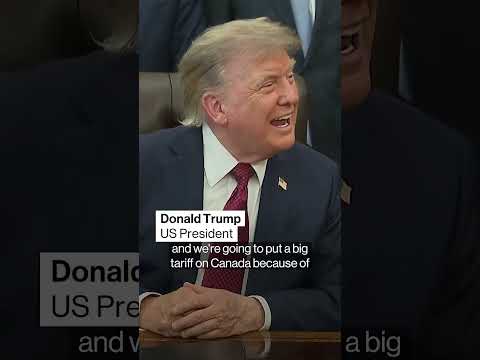
  • Trump Threatens Tariffs on Mexico Over Contaminated Lettuce Concerns

    Trump Threatens Tariffs on Mexico Over Contaminated Lettuce Concerns

    President Trump Considers Tariffs on Mexico Over Lettuce Contamination

    President Donald Trump has publicly threatened to impose tariffs on imports from Mexico, specifically citing concerns about lettuce originating from the country causing diarrhea among consumers. This declaration, reported on July 27, 2026, from a Bloomberg Television feed, signals a potential escalation in trade relations between the two nations, driven by public health and food safety issues.

    The threat of tariffs represents a significant policy tool. It can alter economic dynamics between trading partners. For Mexico, a major agricultural exporter to the United States, such tariffs could have substantial economic repercussions.

    The Nexus of Food Safety and Trade Policy

    Food safety remains a critical public health issue. Contamination in produce, particularly leafy greens, has been a recurring concern for health authorities in the United States. Bacterial outbreaks linked to imported foods can lead to widespread illness and significant economic losses for affected industries.

    President Trump’s administration has previously utilized tariffs as a key component of its trade strategy. These measures are often employed to exert pressure on other nations to comply with specific demands or to address perceived economic imbalances. The current threat against Mexico over lettuce contamination follows this established pattern.

    Previous Food Safety Incidents and Their Impact

    Concerns about foodborne illnesses linked to produce are not new. In recent years, several outbreaks of E. coli and Salmonella have been traced to various types of fresh produce, including romaine lettuce. These incidents have prompted increased scrutiny of agricultural practices and supply chain management, both domestically and internationally.

    For example, in 2018, a widespread E. coli outbreak linked to romaine lettuce grown in Yuma, Arizona, sickened over 200 people across 36 states and resulted in five deaths. This event led to significant recalls and public health advisories. Such incidents underscore the gravity of food safety concerns and the potential for severe public health consequences.

    The Food and Drug Administration (FDA) and the Centers for Disease Control and Prevention (CDC) are primary federal agencies responsible for monitoring and responding to foodborne illness outbreaks. Their investigations often involve tracing contaminated products back to their source farms or processing facilities, a process that can be complex and time-consuming, especially with international supply chains.

    Agricultural Imports from Mexico: A Significant Volume

    Mexico is a leading supplier of fresh produce to the United States. A wide variety of fruits and vegetables, including tomatoes, avocados, and leafy greens, are imported across the southern border daily. This trade relationship is vital for both economies, supporting agricultural industries and providing consumers with diverse food options.

    In 2025, agricultural imports from Mexico to the United States exceeded tens of billions of dollars. Leafy greens, such as lettuce, constitute a significant portion of these imports. Any disruption to this trade, such as the imposition of tariffs, could affect consumer prices and the availability of certain produce items in American supermarkets.

    Economic Implications of Tariffs

    The imposition of tariffs on Mexican agricultural products, particularly lettuce, would have multifaceted economic consequences. For Mexican farmers and exporters, it would mean increased costs and reduced competitiveness in the U.S. market, potentially leading to financial hardship and job losses.

    In the United States, consumers might face higher prices for fresh produce. Retailers and food service providers would also need to adjust their sourcing strategies, potentially seeking alternative suppliers or absorbing increased costs. The economic ripple effects could extend throughout the agricultural supply chain.

    Economists often debate the effectiveness of tariffs as a policy tool. While proponents argue they can protect domestic industries or compel foreign governments to change policies, critics point to potential negative impacts on consumers, international relations, and global trade stability. The current threat from President Trump reignites these debates.

    The Role of International Regulations and Standards

    International trade agreements often include provisions related to food safety and phytosanitary standards. These agreements aim to ensure that imported foods meet the health and safety requirements of the importing country while facilitating trade. Disputes over these standards can become contentious issues in bilateral and multilateral relations.

    The United States and Mexico are parties to the United States-Mexico-Canada Agreement (USMCA), which replaced NAFTA in 2020. USMCA includes chapters on sanitary and phytosanitary measures, outlining principles for food safety regulations and dispute resolution mechanisms. Any tariff action based on food safety concerns would likely be scrutinized under the terms of this agreement.

    Stakeholder Reactions and Future Steps

    Various stakeholders are monitoring this situation closely. Agricultural industry groups in both the United States and Mexico would likely express concerns over potential tariffs, advocating for solutions that do not disrupt trade flows. Consumer advocacy groups, on the other hand, might emphasize the importance of robust food safety measures.

    Government agencies, including the Department of Agriculture (USDA) and the Office of the U.S. Trade Representative (USTR), would be involved in assessing the feasibility and implications of such tariffs. Their analyses would consider economic data, trade agreements, and public health objectives.

    The precise nature and scope of any potential tariffs remain to be seen. President Trump’s statements often serve as negotiating tactics, indicating a strong stance that may or may not culminate in immediate action. However, the explicit mention of lettuce and diarrhea points to a specific and pressing concern for the administration.

    The Broader Context of U.S.-Mexico Relations

    Trade relations between the United States and Mexico have been a consistent theme throughout President Trump’s presidency. Issues such as border security, immigration, and manufacturing have frequently shaped the bilateral agenda. Food safety now adds another layer to this complex relationship.

    The interdependence of the two economies means that actions taken by one nation often have direct consequences for the other. This latest development underscores the interconnectedness of their agricultural sectors and the shared interest in ensuring safe and efficient cross-border trade.

    Ultimately, the resolution of this issue will likely involve diplomatic negotiations, scientific assessments of food safety protocols, and economic considerations. The threat of tariffs serves as a powerful signal, intended to prompt action and attention to the stated concerns.

    Addressing Food Safety in Global Supply Chains

    Ensuring food safety in global supply chains is a complex challenge. It requires collaboration between governments, industry, and international organizations. Harmonizing standards, improving traceability, and investing in advanced testing technologies are all crucial components of a robust food safety system.

    The current discussion about Mexican lettuce highlights the need for continuous vigilance. It also emphasizes the importance of clear communication channels between regulatory bodies in different countries. These channels are essential for quickly identifying and mitigating risks.

    Agricultural practices, from farm to fork, play a pivotal role. Adherence to Good Agricultural Practices (GAPs) and Good Manufacturing Practices (GMPs) helps minimize contamination risks. These practices are often voluntary but are increasingly becoming standard expectations for producers supplying international markets.

    Consumer Confidence and Public Health

    Public confidence in the safety of the food supply is paramount. When outbreaks occur, consumer trust can erode rapidly. This erosion can lead to decreased demand for certain products and significant losses for businesses. Therefore, governments and industries have a strong incentive to prevent foodborne illnesses.

    Educational campaigns for consumers about safe food handling and preparation are also important. While much of the responsibility lies with producers and regulators, informed consumers can further reduce risks in their own homes. This multi-pronged approach strengthens the overall food safety framework.

    The dialogue surrounding tariffs on Mexican lettuce underscores these broader themes. It brings to the forefront the challenges of managing a global food system. It also highlights the constant need to balance economic interests with public health imperatives.

    Looking Ahead: Potential Outcomes

    Several outcomes are possible regarding President Trump’s tariff threat. Mexico may implement stricter inspection protocols for its lettuce exports. The United States could increase its own inspection efforts at the border. Diplomatic discussions could lead to a mutual agreement on enhanced food safety cooperation.

    Alternatively, tariffs could be imposed, leading to trade disputes and economic disruptions. The situation remains fluid. It will require careful monitoring by all parties involved. The ultimate goal for both nations is to ensure the safety of food consumed by their populations while maintaining a productive trade relationship.

    Consumers watch. Industries watch. Governments watch.

    Washington.

    FAQ Section

    • What is President Trump’s reason for threatening tariffs on Mexico?

      President Trump has threatened tariffs on Mexico due to concerns about imported lettuce causing diarrhea. This indicates a focus on food safety within the broader context of trade relations.

    • How would tariffs on Mexican lettuce impact the U.S. economy?

      Tariffs on Mexican lettuce could lead to higher prices for consumers in the United States and may require retailers to seek alternative, potentially more expensive, suppliers. It could also disrupt established supply chains for fresh produce.

    • What government agencies are involved in addressing food safety concerns in imported produce?

      The Food and Drug Administration (FDA) and the Centers for Disease Control and Prevention (CDC) are key U.S. government agencies involved in monitoring foodborne illnesses and ensuring the safety of imported produce. The Department of Agriculture (USDA) also plays a role in agricultural trade and standards.

    • Has the U.S. previously imposed tariffs on Mexico for similar reasons?

      While President Trump’s administration has previously used tariffs as a trade tool against Mexico for various reasons, including immigration and economic leverage, this specific threat linked directly to food safety concerns about produce contamination is a distinct application of the policy.

    • What measures can be taken to ensure the safety of imported lettuce?

      Ensuring the safety of imported lettuce involves implementing stringent agricultural practices, enhancing inspection and testing protocols at various points in the supply chain, and fostering international cooperation on food safety standards between exporting and importing nations.


  • Kenzie of ‘Love Island USA’ Denies Trump Supporter Rumors

    Kenzie of ‘Love Island USA’ Denies Trump Supporter Rumors

    Kenzie, a contestant featured on the reality television series ‘Love Island USA,’ publicly and forcefully denied rumors circulating online that she is a supporter of Donald Trump. She attributed these persistent rumors to perceptions based on her physical appearance, specifically her blonde hair and white ethnicity, asserting that such assumptions were unfounded and objectionable.

    Her denial was delivered with explicit language, directly confronting the speculation that had gained traction across various social media platforms. This incident has brought renewed attention to the practice of political profiling based on superficial characteristics, particularly within the realm of reality television and celebrity culture.

    The Genesis of the Rumors

    The speculation regarding Kenzie’s political leanings began to emerge during her tenure on ‘Love Island USA.’ Social media users and online commentators initiated discussions that linked her image to the perceived demographics of President Trump’s support base. These connections were largely anecdotal and driven by visual cues rather than explicit statements from Kenzie herself.

    Online forums and discussion threads became fertile ground for these assumptions. Screenshots of Kenzie on the show, coupled with generalized stereotypes, fueled the narrative. The lack of direct political commentary from Kenzie allowed for various interpretations and projections from the audience.

    This pattern of speculation is not unique to Kenzie. Many public figures, especially those in entertainment, face scrutiny over their political affiliations, often based on limited information or broad generalizations. The ‘Love Island USA’ environment, with its intense viewer engagement, amplified these discussions.

    Kenzie’s Direct Response

    Kenzie addressed the rumors head-on in a public statement. She used unequivocal language to reject the notion that her appearance dictated her political alignment. Her response was a direct challenge to those making the assumptions.

    She expressed frustration with the profiling, stating that her physical characteristics should not be used to categorize her politically. Her words were aimed at dismantling the stereotypes that informed the online conversation. The statement was quickly disseminated across social media, drawing immediate reactions from both her supporters and critics.

    The intensity of her denial underscored the personal impact of such public speculation. It highlighted the pressure reality television contestants face, not only in their on-screen relationships but also in managing their public image and personal identity outside the show’s narrative.

    The Broader Context of Political Profiling

    Kenzie’s experience reflects a wider trend in contemporary society where individuals are often categorized politically based on superficial attributes. This phenomenon extends beyond celebrity culture into everyday interactions and public discourse.

    The act of assuming political allegiance based on race, gender, or appearance can lead to misrepresentation and unfair judgment. It reduces individuals to stereotypes rather than acknowledging their complex identities and diverse viewpoints. This reductive approach can stifle genuine political discourse and foster division.

    Social media platforms often exacerbate this issue, creating echo chambers where assumptions can quickly solidify into perceived facts. The speed and anonymity of online interactions contribute to the rapid spread of unsubstantiated claims and political labels.

    Impact on Public Figures

    Public figures, particularly those in reality television, are especially vulnerable to this type of profiling. Their lives are often condensed and edited for entertainment, leaving room for audiences to fill in gaps with their own biases and assumptions. The curated nature of reality TV can inadvertently create a canvas for political projections.

    The constant public gaze means that every aspect of a celebrity’s life, from their fashion choices to their social media likes, can be scrutinized for political meaning. This creates an environment where individuals must constantly navigate potential misinterpretations of their public persona.

    For Kenzie, the rumors presented a challenge to her personal brand and public identity. Her decision to confront them directly indicates a desire to reclaim her narrative and push back against external political labeling.

    Reactions and Commentary

    Kenzie’s denial generated a significant volume of reactions across various online platforms. Many users expressed support for her stance, commending her for speaking out against what they perceived as unfair political profiling. These supporters emphasized the importance of individual autonomy in political belief, separate from physical appearance.

    Conversely, some commentators criticized Kenzie’s response, arguing that public figures should expect such scrutiny or that her denial was performative. Others used the opportunity to reinforce their own political views, leading to broader ideological debates in the comments sections.

    The incident became a talking point beyond the ‘Love Island USA’ fan base, drawing attention from cultural commentators and media analysts. Discussions centered on the evolving nature of celebrity, social media’s role in shaping public perception, and the persistent issue of political polarization.

    Social Media Dynamics

    Twitter, Instagram, and TikTok became primary arenas for this discussion. Hashtags related to Kenzie and ‘Love Island USA’ trended, amplifying the reach of her statement and the subsequent reactions. The viral nature of such content means that personal statements can quickly become global conversations.

    The rapid dissemination of Kenzie’s denial illustrated the power of social media to both generate and challenge rumors. It also highlighted the difficulty public figures face in controlling their narratives in an age of constant online engagement.

    The comment sections beneath news articles and social media posts reflected a diverse range of opinions, from staunch defense of Kenzie to outright condemnation. This spectrum of responses underscored the divisive nature of political discussions in the current climate.

    The Precedent of Political Labeling

    Kenzie’s situation is not an isolated event. Throughout history, individuals have been stereotyped and labeled based on perceived affiliations, often with significant social and political consequences. In the modern era, with the advent of social media, these labels can form and spread with unprecedented speed.

    The phenomenon of assuming political alignment based on demographic factors has been a subject of sociological study. Research indicates that such assumptions often stem from confirmation bias and a desire to simplify complex social landscapes into easily digestible categories.

    For reality television stars, who are often cast for specific archetypes, the line between their on-screen persona and their real-world identity can become blurred. This blurring can make them particularly susceptible to external projections, including political ones.

    The Entertainment Industry’s Role

    The entertainment industry itself sometimes contributes to these perceptions. Character portrayals and narrative arcs can inadvertently reinforce stereotypes, making it easier for audiences to apply those stereotypes to the individuals playing the roles, or in Kenzie’s case, to individuals appearing as themselves in a structured reality format.

    The pressure on celebrities to align with certain political stances, or to remain neutral, is also a constant factor. Public figures often face a no-win situation: speaking out can alienate some fans, while remaining silent can be interpreted as indifference or tacit agreement with a particular viewpoint.

    Kenzie’s explicit denial serves as a reminder that individuals, regardless of their public profile, retain the right to define their own political identity. It challenges the assumption that physical appearance or participation in a certain genre of entertainment automatically dictates one’s political convictions.

    Looking Ahead

    The incident involving Kenzie and the Trump supporter rumors will likely resonate within the ‘Love Island USA’ community and beyond. It adds another layer to the ongoing conversation about celebrity culture, social media ethics, and the challenges of maintaining personal identity in the public eye.

    For Kenzie, her direct response marks a moment of defiance against political profiling. It underscores the importance of individual agency in the face of widespread public assumption. The episode highlights a growing trend of public figures pushing back against labels they deem inaccurate or unfairly applied.

    The broader implications touch upon how society interprets and categorizes individuals based on superficial traits. It prompts a re-evaluation of how political affiliations are perceived and communicated in an increasingly polarized world.

    Viewers continue to engage. Commentators continue to analyze. The discussion continues. Kenzie’s stance remains clear. The issue persists.

    Social media buzzes. Headlines report. Opinions solidify.

    The debate continues.


  • Graduate Schools Under Trump – Policy Shifts Reshape U.S. Higher Ed

    Graduate Schools Under Trump – Policy Shifts Reshape U.S. Higher Ed

    President Trump’s policies, enacted from 2025 during his second term, profoundly altered the operational landscape for graduate schools across the United States. These shifts encompassed critical areas such as international student recruitment, the allocation of federal research grants, and the regulatory framework surrounding academic visas. The changes prompted a complex array of responses from academic institutions, professional associations, and student bodies, all working to navigate the evolving educational environment.

    The impact on graduate education stemmed from a series of interconnected policy decisions. Each decision carried distinct ramifications for advanced academic study and research within the nation’s universities.

    International Student Enrollment Shifts Under President Trump

    One of the most immediate and visible effects of President Trump’s policies centered on international student enrollment. Graduate programs heavily rely on students from abroad, particularly in critical STEM fields. New visa regulations and heightened scrutiny at ports of entry created significant uncertainty for prospective international students.

    Data from various academic organizations indicated a decline in applications and matriculations from certain countries. China and India, historically major sources of graduate students, showed particular sensitivity to these policy changes. Universities reported increased difficulties in securing and renewing student visas for their international cohorts.

    The Institute of International Education (IIE) documented these trends in its annual Open Doors report. While specific numbers fluctuated, the overall sentiment among international applicants shifted. Many prospective students considered alternative destinations for their graduate studies, including Canada, the United Kingdom, and Australia.

    This trend raised concerns about the diversity of academic perspectives within U.S. classrooms and research labs. It also impacted the financial models of many graduate programs, which often depend on international student tuition fees to sustain their operations.

    Visa Policy Adjustments Impacting Students

    President Trump’s administration introduced stricter vetting processes for F-1 and J-1 visas. These non-immigrant visas are crucial for international students and exchange visitors. Increased interview backlogs and higher rates of administrative processing delays became common occurrences.

    The Department of Homeland Security (DHS) implemented new rules regarding duration of status. This change eliminated the previous ‘duration of status’ rule, replacing it with fixed-term admissions. This meant international students and exchange visitors were granted admission for a specific period. They were then required to seek extensions if their academic programs exceeded the initial duration.

    Universities established new support services to assist international students. These services aimed to navigate the complex visa landscape and mitigate the impact of policy changes. International student offices became essential resources for guidance on immigration law and compliance, providing crucial assistance during a period of flux.

    The ‘Public Charge’ Rule and Its Implications

    Beyond visa processing, the administration’s ‘public charge’ rule also created anxieties. While primarily targeting immigration applicants seeking green cards, its broader implications caused concern among international students. The rule expanded the definition of who might become a ‘public charge,’ potentially making it harder for some to obtain or maintain their status.

    Though direct impacts on F-1 and J-1 visas were less clear, the perception of increased scrutiny contributed to a less welcoming environment. Universities worked to reassure students and provide clear information about the rule’s actual scope and its potential effects on their academic journeys.

    This policy, alongside others, reinforced a sense of unpredictability for international scholars. It prompted some to reconsider their educational plans in the United States. Institutions recognized the need for enhanced communication and support.

    Federal Research Funding Priorities Under President Trump

    President Trump’s approach to federal research funding also significantly influenced graduate education. Funding allocations for agencies like the National Science Foundation (NSF), National Institutes of Health (NIH), and Department of Energy (DOE) saw substantial adjustments. These shifts often reflected a focus on specific national priorities, redirecting resources toward certain strategic areas.

    Some scientific disciplines experienced increased funding, particularly those aligned with defense, national security, and certain technological advancements. Other areas, such as climate science and some social sciences, faced potential reductions or increased competition for grants. This reorientation forced researchers and institutions to adapt their funding strategies.

    Graduate students, who often rely on federal grants for stipends and research support, felt the direct impact of these funding shifts. Principal investigators (PIs) on university campuses adapted their research proposals to align with the new funding landscape. This sometimes meant reorienting entire research agendas to secure necessary financial backing.

    Impact on Specific Academic Disciplines

    Engineering and computer science programs continued to attract significant federal investment. This aligned with President Trump’s emphasis on technological innovation and economic competitiveness. Biomedical research also remained a strong area of support, continuing to receive substantial allocations for critical health initiatives.

    Humanities and arts graduate programs, which typically receive less federal funding than STEM fields, faced continued challenges. The competition for limited resources intensified across all disciplines. Universities sought to diversify their funding sources, including increased philanthropic contributions and industry partnerships, to buffer against federal shifts.

    The American Association of Universities (AAU) and other advocacy groups consistently engaged with Congress and the administration. They highlighted the importance of sustained and robust federal investment in basic and applied research. Their arguments emphasized the long-term benefits of research to national prosperity and global leadership, pushing for consistent support.

    Emphasis on American Competitiveness

    A recurring theme in the administration’s funding approach was the concept of American competitiveness. This translated into initiatives designed to bolster U.S. leadership in key technological sectors. Research that directly supported these goals often received preferential treatment.

    This focus sometimes led to concerns about the balance of fundamental versus applied research. Critics argued that an overemphasis on immediate applications could stifle groundbreaking discoveries that emerge from basic science. Universities worked to demonstrate how even fundamental research ultimately contributes to national strength.

    The shift underscored the dynamic relationship between national policy and academic research. Graduate programs found themselves navigating a landscape where strategic national interests increasingly shaped funding opportunities and research directions.

    University Responses and Adaptations

    American universities responded to these policy shifts with a combination of advocacy, adaptation, and internal restructuring. Many institutions publicly reaffirmed their commitment to global engagement and diversity. They consistently emphasized the value of international students and scholars to their academic communities, highlighting their contributions to research and teaching.

    Universities increased their engagement with policymakers in Washington D.C. They sought to educate legislators and agency officials about the specific impacts of proposed regulations on higher education. This included testimony before congressional committees and direct lobbying efforts, aimed at shaping policy outcomes.

    Internally, institutions developed new strategies for international recruitment and retention. This involved expanding scholarship opportunities for international students and enhancing support services. Many universities also invested in global outreach initiatives to maintain their international pipelines and attract top talent despite the challenges.

    Advocacy by Higher Education Organizations

    Organizations such as the American Council on Education (ACE), the Association of Public and Land-grant Universities (APLU), and the Council of Graduate Schools (CGS) played critical roles. They provided guidance to their member institutions and articulated collective concerns to the federal government. These groups served as crucial conduits for feedback and advocacy.

    These organizations regularly published reports and analyses detailing the effects of policy changes. They advocated for policies that would promote academic freedom, foster international collaboration, and ensure the continued global leadership of U.S. higher education. Their efforts aimed to mitigate negative impacts and influence future policy directions.

    Adapting Curriculum and Research Focus

    Some graduate programs also began to adapt their curriculum and research focus. This involved integrating new topics related to policy changes or emphasizing areas that aligned with new funding priorities. For example, programs might have developed courses on international education policy or focused research on areas designated as national priorities.

    This adaptation was not uniform across all institutions or disciplines. However, it reflected a broader institutional agility in responding to external pressures. Universities sought to ensure their graduates remained competitive and relevant in a changing world.

    The emphasis on STEM fields, for instance, led some institutions to bolster resources in those areas. This was often done at the expense of other disciplines, creating internal tensions and resource allocation challenges within universities.

    The Broader Implications for U.S. Global Leadership

    The policy shifts under President Trump’s second term carried broader implications for the United States’ position as a global leader in higher education and scientific research. The ability to attract and retain top international talent is a cornerstone of American innovation and economic strength.

    Concerns emerged that a sustained reduction in international student enrollment could weaken the U.S. scientific enterprise. Other countries, particularly those with more welcoming immigration policies, stood to benefit from a potential brain drain from American universities. This posed a long-term challenge to U.S. competitiveness.

    The perception of the U.S. as a less welcoming destination for international scholars also had reputational consequences. Building and maintaining global academic partnerships relies on trust and open exchange. Policies that created barriers risked undermining these relationships.

    Impact on Research Collaboration

    International research collaborations are vital for addressing global challenges, from climate change to public health crises. Restrictions on travel and increased scrutiny of international researchers complicated these efforts. Joint projects with foreign institutions faced new hurdles.

    Scientists and scholars often rely on cross-border exchanges of ideas and personnel. When these exchanges are hampered, the pace of scientific discovery can slow. The long-term effects on collaborative research networks remain a subject of ongoing analysis.

    Universities worked to maintain these critical connections, exploring virtual collaboration tools and advocating for exemptions or special provisions for researchers. The goal was to preserve the spirit of international scientific partnership despite policy headwinds.

    The Future of U.S. Graduate Education

    The policies implemented during President Trump’s tenure set a precedent for how future administrations might approach higher education. The experience underscored the vulnerability of academic institutions to shifts in national policy, particularly in areas like immigration and federal funding.

    Universities continue to assess the lasting impacts on their enrollment pipelines, research portfolios, and global standing. The need for proactive engagement with policymakers remains paramount. Adaptability and strong advocacy are now considered essential components of institutional strategy.

    The landscape of U.S. graduate education is dynamic. It responds to global trends, technological advancements, and national priorities. The period under President Trump highlighted the profound influence of executive policy on the academic world.

    Policies were enacted. Regulations were adjusted. Universities adapted. The academic world shifted.

    America’s graduate schools.

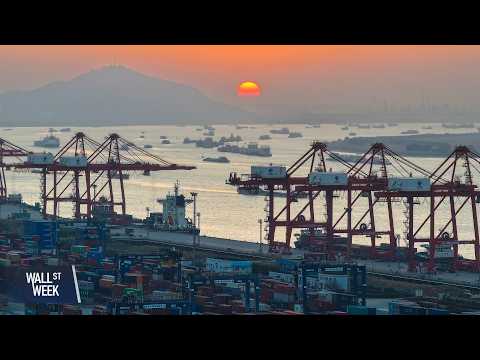
  • The Economic Aftermath: Assessing Trump’s Trade War with China

    The Economic Aftermath: Assessing Trump’s Trade War with China

    President Donald Trump’s trade war with China, initiated during his first term, aimed to address perceived imbalances in trade relations. Steven Rattner, a prominent financial analyst and former government official, has offered a comprehensive evaluation of this economic conflict. His assessment indicates that the trade war, despite its significant impact on global commerce, ultimately did not achieve its primary strategic goals for the United States.

    The policy sought to leverage tariffs as a tool to compel China into fairer trade practices, reduce the bilateral trade deficit, and safeguard American manufacturing jobs. However, Rattner’s analysis suggests that the outcomes diverged from these initial aspirations.

    The Genesis of the Trade War

    The Trump administration formally launched its trade actions against China in early 2018. This followed months of rhetoric regarding unfair trade practices and intellectual property theft. The initial salvo involved tariffs on steel and aluminum imports from various countries, including China, under Section 232 of the Trade Expansion Act of 1962.

    A more direct confrontation with China began in March 2018. President Trump authorized tariffs on approximately $50 billion worth of Chinese goods under Section 301 of the Trade Act of 1974. These tariffs targeted sectors where the US alleged intellectual property theft and forced technology transfers.

    China retaliated swiftly. Beijing imposed tariffs on US products, including agricultural goods like soybeans and pork, as well as automobiles. This exchange escalated into a full-blown trade war, impacting global markets and supply chains.

    Tariffs and Their Economic Impact

    The core mechanism of the trade war was the imposition of tariffs. Tariffs are taxes on imported goods. The economic theory behind their use in this context was to make Chinese goods more expensive, thereby encouraging American consumers and businesses to purchase domestically produced alternatives or goods from other countries.

    However, the practical application of these tariffs led to complex economic consequences. Studies by organizations like the International Monetary Fund (IMF) and the National Bureau of Economic Research (NBER) indicated that the cost of these tariffs was largely borne by American importers and, subsequently, by American consumers.

    Companies importing Chinese goods faced higher costs. Many of these companies chose to pass these increased costs onto their customers. This resulted in higher prices for a range of products, from electronics to clothing.

    American farmers, particularly those in the agricultural heartland, were hit hard by China’s retaliatory tariffs. China, a major buyer of US agricultural products, shifted its purchases to other countries. This led to significant financial losses for many American farmers, prompting the US government to provide billions of dollars in aid packages to mitigate the impact.

    The Trade Deficit: A Persistent Challenge

    A central objective of the trade war was to reduce the US trade deficit with China. The trade deficit represents the amount by which a country’s imports exceed its exports. President Trump frequently cited the large bilateral trade deficit as evidence of unfair trade practices by China.

    Despite the tariffs, the overall US trade deficit did not see a significant, sustained reduction. While the deficit with China might have seen some fluctuations, the overall US trade deficit with the rest of the world remained substantial. This phenomenon can be attributed to the fungible nature of global trade.

    Instead of directly reducing the deficit, the trade war often led to a reshuffling of trade flows. Companies shifted their sourcing from China to other countries, such as Vietnam, Mexico, or Taiwan. This meant that goods previously imported directly from China might now be imported from another country, potentially assembled with Chinese components, without fundamentally altering the overall trade balance or addressing the underlying causes of the deficit.

    China’s Resilience and Strategic Adjustments

    Steven Rattner emphasized China’s ability to adapt to the pressures of the trade war. Beijing did not capitulate to US demands for fundamental economic reforms. Instead, China implemented its own set of countermeasures and strategic adjustments.

    China diversified its trade partners. It strengthened economic ties with countries in Southeast Asia, Africa, and Europe. This reduced its reliance on the US market.

    The Chinese government also intensified its focus on domestic consumption and technological self-reliance. Initiatives like “Made in China 2025” aimed to reduce dependence on foreign technology and boost indigenous innovation. While the trade war caused some short-term disruptions, China’s long-term economic growth trajectory remained robust.

    The Chinese economy, driven by its vast domestic market and state-backed industrial policies, proved resilient enough to absorb the tariff impacts. Beijing’s strategic patience and willingness to endure economic discomfort were key factors in its response.

    The ‘Phase One’ Trade Deal

    In January 2020, the US and China signed a “Phase One” trade deal. This agreement was intended to de-escalate tensions and address some immediate concerns. Under the deal, China committed to purchasing an additional $200 billion worth of US goods and services over two years, beyond its 2017 levels.

    The agreement also included provisions related to intellectual property protection, technology transfer, and financial services. However, many of the more fundamental structural issues underlying the trade dispute, such as state subsidies to Chinese industries and cyber theft, were left unaddressed.

    Steven Rattner’s analysis suggests that while the “Phase One” deal provided a temporary truce, it did not fundamentally alter the landscape of US-China trade relations. China largely failed to meet its purchasing commitments, partly due to the global economic disruptions caused by the COVID-19 pandemic. The underlying tensions and structural disagreements persisted.

    Global Supply Chain Reshaping

    One undeniable consequence of the trade war was the acceleration of global supply chain restructuring. Many multinational corporations, seeking to avoid tariffs and reduce geopolitical risk, began to re-evaluate their manufacturing and sourcing strategies.

    This led to a phenomenon known as “decoupling” or “reshoring.” Companies started to move some production out of China, either back to their home countries or to other low-cost manufacturing hubs in Southeast Asia, such as Vietnam, Thailand, and Malaysia. Mexico also benefited from this shift, particularly for goods destined for the North American market.

    While this diversification reduced reliance on a single country, it also introduced new complexities and costs. Establishing new supply chains requires significant investment and time. The long-term implications of this reshaping are still unfolding, but it represents a lasting legacy of the trade war.

    Lessons Learned and Future Implications

    Steven Rattner’s assessment implies several critical lessons from the trade war. Unilateral tariff actions, while potentially impactful in the short term, may not be sufficient to force fundamental policy changes in a large, state-controlled economy like China’s. The costs of such actions can also be substantial for the initiating country’s consumers and businesses.

    The trade war underscored the interconnectedness of the global economy. Disruptions in one major trading relationship can have ripple effects across the entire system. It also highlighted the importance of multilateral cooperation and diplomacy in addressing complex international trade issues.

    Looking forward, the relationship between the US and China remains a critical geopolitical and economic dynamic. While President Trump initiated the trade war, the underlying issues of intellectual property, market access, and state subsidies continue to be points of contention. The current US administration faces the ongoing challenge of navigating this complex relationship, balancing competition with cooperation.

    American consumers faced higher prices. American farmers lost markets. Global supply chains reorganized. China’s economy adapted. The trade deficit remained.

    A costly endeavor.


  • Palm Beach Rejects Data Center Near Mar-a-Lago

    Palm Beach Rejects Data Center Near Mar-a-Lago

    Palm Beach County commissioners recently rejected a proposal for a data center planned for a location roughly 20 miles from President Donald Trump’s Mar-a-Lago club. This decision came after extensive debate and community input. The proposed facility aimed to establish a significant technological footprint in a predominantly residential and historic area.

    The rejection highlights the ongoing tension between technological expansion and the preservation of established community aesthetics and infrastructure. Local officials weighed the economic potential against the environmental and social impacts. The proximity to a high-profile property like Mar-a-Lago added another layer of complexity to the discussion.

    The Proposal and Its Location

    The data center proposal outlined plans for a substantial building housing numerous servers and cooling systems. The exact address of the proposed site has not been publicly detailed, but its proximity to Mar-a-Lago was a key point of contention. Data centers require significant power, cooling, and network infrastructure.

    Developers typically seek locations with access to reliable power grids and fiber optic networks. Palm Beach, while affluent, is not traditionally a hub for industrial-scale data operations. The proposal suggested a shift in the town’s typical development patterns.

    The land parcel under consideration was zoned for commercial use, but its immediate surroundings are largely residential. This created a direct conflict with the town’s character. Residents voiced concerns about the precedent such a development might set for future projects.

    Community Opposition Mounts

    Local residents organized quickly to oppose the data center. Petitions were circulated, and community meetings saw high attendance. Many residents expressed worries about increased traffic, particularly heavy equipment during construction and maintenance phases.

    Noise pollution was another frequently cited concern. Data centers operate 24/7, with cooling systems and generators producing constant hums. This would disrupt the quiet residential atmosphere of Palm Beach. The aesthetic impact of a large, windowless building in a town known for its architectural beauty also drew criticism.

    Environmental concerns were also raised. Data centers consume vast amounts of electricity, leading to questions about their carbon footprint. Water usage for cooling systems also became a point of debate, especially in a region susceptible to water management issues.

    Infrastructure Strain and Security Concerns

    Town officials focused heavily on the potential strain on existing municipal infrastructure. The power demands of a large data center could challenge the local electrical grid. Water and sewage systems would also need to accommodate increased usage. Upgrades to these systems would be costly and disruptive.

    Security emerged as a paramount concern, particularly given the location near Mar-a-Lago. The presence of a major data facility could attract unwanted attention or become a target. This raised questions about the Town of Palm Beach’s capacity to provide adequate security resources for such an installation.

    Local law enforcement and emergency services voiced their perspectives during public hearings. They highlighted the unique challenges associated with securing a critical infrastructure asset in a high-profile area. The potential for increased security protocols and their impact on daily life for residents was also discussed.

    The Role of Mar-a-Lago

    Mar-a-Lago, President Trump’s residence and private club, is a significant landmark in Palm Beach. Its presence influences many local development decisions. The property is a National Historic Landmark, adding to its cultural and historical importance.

    Any development in its vicinity undergoes intense scrutiny. The potential impact on property values in the area surrounding Mar-a-Lago was another factor. Residents feared a decline in property values if a large industrial facility were constructed nearby.

    The club also hosts numerous high-profile events and receives frequent visits from political figures. The optics of a data center, with its industrial appearance and operational demands, were seen as incongruous with the elegant image of Mar-a-Lago and its surroundings.

    The Town Council’s Deliberation

    The Palm Beach Town Council held several hearings on the data center proposal. These sessions included presentations from the developers, expert testimonies, and extensive public comment. Council members carefully weighed the various arguments presented.

    The economic benefits, such as potential tax revenue and job creation, were acknowledged. However, these were ultimately deemed insufficient to outweigh the perceived negatives. The council’s decision reflected a commitment to maintaining the established character of Palm Beach.

    Voting results were decisive, indicating a clear consensus against the project. The council’s rejection sent a strong message about the town’s priorities. It underscored a preference for preservation over unchecked commercial development, especially when it encroaches on residential tranquility.

    Precedent and Future Development

    The rejection of the data center sets a precedent for future development proposals in Palm Beach. It signals that projects with significant environmental, aesthetic, or infrastructural impacts will face stringent review. Developers considering projects in the town will now need to carefully assess community compatibility.

    This decision aligns with a broader trend in many affluent communities. Residents often prioritize quality of life, environmental protection, and the preservation of historical character over industrial growth. The unique nature of Palm Beach, with its high property values and historical significance, amplifies these considerations.

    The town continues to attract high-net-worth individuals, which contributes to its distinct character. Maintaining this appeal requires careful management of development. The data center decision reinforces the idea that Palm Beach aims to remain a premier residential destination, not an industrial hub.

    Economic Impact and Alternatives

    The developers behind the data center proposal likely sought Palm Beach for specific reasons, such as favorable tax structures or proximity to a wealthy client base. The rejection means they will need to seek alternative locations. This could include other communities in Florida or different states entirely.

    The economic impact of the rejection on the Town of Palm Beach is minimal. The town’s economy is primarily driven by tourism, luxury retail, and high-end real estate. A data center would have represented a different type of economic activity, one not entirely congruent with the town’s existing profile.

    The decision underscores the power of local governance in shaping community development. It demonstrates that even significant technological projects can be halted if they do not align with local values and concerns. The town prioritizes its long-term vision over short-term economic gains from a single project.

    The Long-Term Vision for Palm Beach

    Palm Beach has long cultivated an image of exclusivity and refined living. Its strict zoning laws and historical preservation efforts reflect this vision. The rejection of the data center is a direct manifestation of these deeply held values.

    The town’s leadership consistently works to protect its unique environment. This includes architectural review boards and careful planning for public spaces. The community values its green spaces, beach access, and quiet neighborhoods.

    The outcome of this proposal confirms the town’s commitment to these principles. It reinforces the idea that Palm Beach will continue to prioritize its residential character and historical integrity. The decision will likely be referenced in future debates over development and land use.

    Residents advocated. Officials deliberated. The community decided.

    Palm Beach.


  • Katy Perry Condemns Trump Administration’s Use of ‘Firework’ in Military Video

    Katy Perry Condemns Trump Administration’s Use of ‘Firework’ in Military Video

    Katy Perry publicly condemned the Trump administration on July 25, 2026, for using her song ‘Firework’ in a video that depicted military strikes. The pop artist released a statement clarifying that she ‘absolutely do not condone it,’ marking a significant public disagreement over intellectual property and artistic intent.

    This incident adds to a history of artists contesting the political use of their music. The unauthorized use of popular songs by political campaigns and governmental bodies frequently sparks controversy.

    The Incident: ‘Firework’ and Military Footage

    The controversy ignited when a video, reportedly produced by the Trump administration, surfaced online. This video featured footage of military strikes and operations.

    The soundtrack for this visual content was Katy Perry’s 2010 anthem, ‘Firework.’

    The song is widely recognized for its themes of self-empowerment and resilience. Its lyrics encourage individuals to recognize their inner strength and shine brightly.

    The juxtaposition of these uplifting lyrical themes with images of military action immediately drew criticism. Social media users and news outlets quickly highlighted the incongruity.

    Katy Perry’s Swift Response

    Katy Perry’s response was immediate and unambiguous. Her statement was released through her official channels on July 25, 2026.

    She unequivocally stated her disapproval of the song’s use. Perry emphasized that the song’s message was being misrepresented.

    ‘I absolutely do not condone it,’ Perry’s statement read. This phrase became central to the public discourse surrounding the event.

    The artist’s team also indicated that they were exploring legal avenues. They aimed to ensure the unauthorized use of the song would cease.

    A History of Musical Disputes in Politics

    The use of music in political contexts without an artist’s explicit permission is not a new phenomenon. Numerous musicians have previously challenged politicians and administrations.

    Artists often argue that such use implies an endorsement they do not support. This can damage their brand and alienate their fanbase.

    Previous Notable Conflicts

    • Bruce Springsteen has repeatedly objected to politicians using his songs. His music, often associated with working-class struggles, has been a frequent target for unauthorized use.
    • The Rolling Stones have also issued cease and desist letters. They have done so to political campaigns utilizing their iconic tracks.
    • Neil Young famously withdrew his music from platforms in protest. This was in response to what he deemed misinformation being spread.
    • Artists like Rihanna and Pharrell Williams have also taken legal action. They have challenged the use of their work in political rallies.

    These instances highlight a recurring tension. The conflict often centers on artistic control versus public domain assumptions.

    Intellectual Property and Public Perception

    The ‘Firework’ incident raises important questions about intellectual property rights. It also touches on the ethical implications of using creative works in political messaging.

    When a song is used in a political advertisement or governmental video, it can be perceived as an endorsement. This perception can be problematic for artists.

    Artists often maintain diverse fan bases. Aligning with a specific political stance through unauthorized song use can alienate significant portions of their audience.

    Legal frameworks exist to protect musical compositions and recordings. Copyright law generally grants creators exclusive rights to their work.

    However, enforcement can be complex. The rapid dissemination of content online complicates the process of preventing unauthorized use.

    The Trump Administration’s Track Record

    The Trump administration has a documented history of clashes with artists over music usage. Several musicians have publicly requested their songs not be used at rallies or in official communications.

    These requests have often been met with resistance or ignored. This has led to further escalation in some cases.

    The administration’s approach has often been to continue using the music. They sometimes argue fair use or challenge the artists’ legal standing.

    This pattern contributes to a narrative of disregard for artists’ wishes. It fuels ongoing debates about the respect for creative rights in the political sphere.

    Impact on Katy Perry’s Brand and Activism

    Katy Perry has a long-standing history of political engagement and activism. She has often used her platform to advocate for various social and political causes.

    Her public condemnation of the Trump administration’s use of ‘Firework’ aligns with her established persona. It reinforces her commitment to specific values.

    The incident could solidify her image among fans who share her political views. It might also draw new attention to her artistic integrity.

    Conversely, it could provoke backlash from supporters of the Trump administration. This is a common consequence for celebrities taking political stances.

    However, for Perry, the decision to speak out appears to be rooted in a defense of her artistic message. It also serves as a stand against what she perceives as an inappropriate appropriation of her work.

    The Broader Cultural Context of 2026

    The year 2026 continues to see heightened political polarization. Cultural figures often find themselves at the intersection of these divides.

    The use of popular culture artifacts, like songs, becomes symbolic. They represent broader ideological battles.

    Artists are increasingly expected to take stances on political issues. Silence can sometimes be interpreted as complicity.

    This expectation places significant pressure on public figures. They must navigate a complex landscape of public opinion and political loyalty.

    The ‘Firework’ controversy is a microcosm of these larger cultural tensions. It reflects the ongoing struggle for control over narrative and meaning.

    Legal Ramifications and Future Precedents

    The legal team representing Katy Perry is reportedly evaluating their options. These options likely include sending a formal cease and desist letter.

    Further steps could involve pursuing copyright infringement claims. Such actions can lead to significant financial penalties.

    These cases often depend on the specifics of licensing agreements. They also rely on whether the use falls under fair use doctrines.

    However, fair use typically applies to commentary, criticism, or parody. The use in a promotional governmental video is less likely to qualify.

    A successful legal challenge could set a strong precedent. It would reinforce artists’ rights against governmental unauthorized use.

    It could also deter future administrations from similar actions. This would empower creators to protect their work from political appropriation.

    Artists speak. Legal teams act. Public opinion forms. Condemnation follows.

    Dispute.