Tag: Donald Trump

  • US-Canada Bridge: A Clash Over National Identity and Sovereignty

    US-Canada Bridge: A Clash Over National Identity and Sovereignty

    A new bridge project designed to enhance connectivity between the United States and Canada has ignited a significant political row in 2026. This controversy reveals underlying tensions related to national identity, economic priorities, and the very nature of cross-border relations. The dispute centers on the project’s financial structure, its perceived benefits, and its symbolic implications for national sovereignty on both sides of the border.

    Infrastructure projects often serve as catalysts for economic growth and regional development. They are typically framed in terms of efficiency and progress. However, the proposed US-Canada bridge has deviated from this standard narrative, evolving into a complex political battleground.

    The debate encompasses a range of issues. These include local economic impacts, environmental concerns, and the symbolic representation of national borders. What began as a logistical undertaking has transformed into a referendum on the future direction of US-Canada relations.

    The Genesis of the Bridge Project

    The idea for a new cross-border bridge emerged from discussions surrounding increased trade volumes and the need for enhanced logistical capacity. Existing crossings, while vital, often experience congestion. This congestion impacts supply chains and economic efficiency for both nations.

    Initial proposals emphasized the economic benefits. Proponents cited reduced transit times for commercial vehicles. They highlighted the potential for new jobs in construction and related industries. The project was positioned as a bipartisan effort to modernize critical infrastructure.

    Feasibility studies began in the early 2020s. These studies identified several potential locations. Each location presented its own set of engineering challenges and community considerations. Environmental impact assessments were also initiated, adhering to regulatory standards in both the US and Canada.

    Governments on both sides expressed initial support. They viewed the bridge as a strategic investment. It would strengthen the North American economic corridor. The goal was to facilitate the movement of goods and people more efficiently.

    Early Support and Emerging Concerns

    The concept of a new bridge initially garnered broad support from business communities. Chambers of Commerce in border cities championed the idea. They foresaw increased tourism and cross-border commerce. Many logistical firms also advocated for the project, citing operational efficiencies.

    However, as detailed plans began to surface, local concerns started to emerge. Residents in proposed construction areas voiced worries about increased traffic, noise pollution, and potential disruptions to their daily lives. Property owners faced the prospect of eminent domain proceedings.

    Environmental groups also raised flags. They pointed to potential impacts on local ecosystems, including wetlands and migratory bird paths. The Great Lakes region, a proposed corridor, contains sensitive natural habitats. These habitats require careful consideration.

    Despite these localized concerns, national political figures initially maintained a unified front. They stressed the overarching national and international benefits. The project was framed as a symbol of enduring US-Canada cooperation.

    The Escalation into a Political Row

    The political landscape shifted dramatically in late 2025 and early 2026. This occurred as the project moved from conceptual planning to concrete legislative action. Funding mechanisms and specific design choices became subjects of intense scrutiny.

    In the United States, a faction within Congress began to question the project’s financial structure. a Republican Representative from Ohio led the charge, arguing that American taxpayers would bear a disproportionate share of the costs. This argument gained traction among politicians advocating for a more nationalistic economic policy, echoing calls for ‘America First’ principles.

    President Trump, who took office for his second term on January 20, 2025, initially expressed cautious support. His administration emphasized that any international project had to clearly demonstrate direct benefits to American workers and businesses. By early 2026, the White House signaled a review of the financial commitments, citing concerns about the long-term economic return for the U.S.

    Canadian political leaders also faced domestic pressures. The opposition New Democratic Party (NDP) in Canada began to challenge the terms of the agreement. former NDP leader Jagmeet Singh argued that the bridge would primarily serve American interests, potentially creating a dependency that could undermine Canadian economic sovereignty. Concerns were raised about Canadian control over its own critical infrastructure and potential concession of economic benefits.

    The debate quickly transcended economic arguments. It evolved into a discussion about national identity. For some, the bridge represented a blurring of borders and a potential erosion of distinct national characteristics. For others, it symbolized a necessary step towards a more integrated North American economy, crucial for global competitiveness.

    National Identity at the Core of the Conflict

    The concept of national identity became a central theme in the political row. In the US, some voices articulated concerns about national security. They worried about potential vulnerabilities associated with shared infrastructure. Others focused on the symbolism of American independence and self-reliance. Pundits like those formerly on Fox News questioned the wisdom of further intertwining critical infrastructure with a foreign nation, even a close ally like Canada.

    Pundits and commentators began to frame the bridge as a test of national resolve. They questioned whether the United States should prioritize bilateral cooperation over perceived national interests. This narrative resonated with segments of the electorate, particularly those who supported President Trump’s ‘America First’ agenda.

    In Canada, similar sentiments emerged. Discussions often revolved around maintaining distinct Canadian values and culture. There was apprehension about potential American cultural and economic dominance. The bridge, for some, became a physical manifestation of these fears, particularly in provinces like Ontario and Quebec where cultural preservation is a strong political current.

    Public opinion polls in both countries reflected this division. A significant portion of respondents expressed reservations. These reservations were often tied to feelings of national pride and a desire to protect distinct national identities. The project became a proxy for larger debates about globalization versus national self-interest.

    Economic Interests and Sovereignty Concerns Deepen

    Beyond identity, concrete economic interests fueled the dispute. American labor unions, particularly those representing construction workers, voiced concerns about potential job displacement. They worried that Canadian workers might be favored in certain aspects of the construction or that materials sourced internationally would bypass American suppliers, despite initial agreements to prioritize domestic labor and materials.

    Canadian business leaders, while generally supportive of increased trade, expressed concerns about the terms of commercial access to the bridge. They feared that American companies might receive preferential treatment in tolling structures or logistical access, thereby disadvantaging Canadian enterprises. The Canadian Manufacturers & Exporters association called for stricter guarantees of equitable access and benefit sharing.

    The issue of sovereignty extended to regulatory control. Both nations sought to maintain full jurisdiction over their respective sections of the bridge. However, the operational complexities of a shared structure raised questions about harmonized safety standards, customs procedures, and emergency response protocols. This sparked debates about potential infringements on national regulatory autonomy.

    Discussions around joint governance structures became particularly contentious. Proposals for a binational authority to oversee the bridge were met with skepticism in both Washington D.C. and Ottawa. Concerns centered on accountability and the potential for one nation’s interests to dominate the other’s in decision-making processes.

    The Role of Political Figures and Public Discourse

    President Trump’s administration, through statements from Vice President JD Vance, reiterated the need for any international infrastructure project to demonstrate clear and quantifiable advantages for the American economy. Vance emphasized that the White House would not approve funding or support for projects that did not align with these strategic priorities, putting pressure on negotiators to revise the terms.

    In Canada, figures like Ontario Premier Doug Ford, while generally pro-trade, voiced provincial concerns about local economic impacts and the need for significant provincial benefits. He highlighted the importance of local job creation and supply chain integration within Ontario’s economy.

    The media in both countries played a significant role in amplifying the debate. News outlets often framed the discussion through the lens of national interest, contributing to the polarization of public opinion. Social media platforms became arenas for intense nationalistic discourse, further complicating efforts to find common ground.

    Think tanks and policy institutes on both sides published reports analyzing the economic and geopolitical implications of the bridge. Many of these reports, while factual, often reflected underlying national biases, adding to the complexity of the public discourse.

    Uncertainty for the Project’s Future

    As of mid-2026, the future of the proposed US-Canada bridge project remains uncertain. Negotiations between the two governments have slowed considerably. The initial timeline for construction has been pushed back indefinitely.

    The political row has demonstrated the fragility of even well-intentioned international collaborations when confronted with deeply rooted nationalistic sentiments and competing economic interests. The project, once hailed as a symbol of cooperation, has become a mirror reflecting the evolving and sometimes contentious relationship between the two North American neighbors.

    Environmental assessments continue. Local community consultations proceed. Political leaders grapple with the implications. The bridge project awaits resolution.

    National identity. Economic sovereignty. Cross-border relations. Uncertainty.

    The future of the US-Canada bridge hangs in the balance.
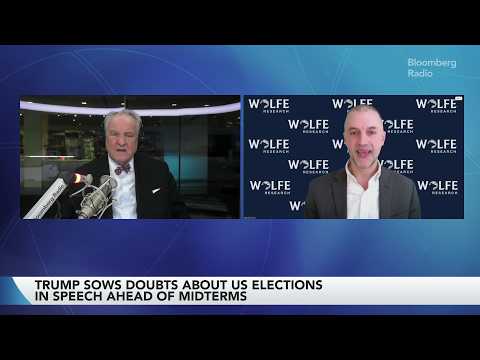
  • President Trump’s Election Integrity Claims – Examining Doubts in US Elections

    President Trump’s Election Integrity Claims – Examining Doubts in US Elections

    President Donald Trump has consistently voiced concerns about the integrity of the United States election system. His statements frequently highlight issues such as mail-in ballots, the enforcement of voter identification laws, and the operational security of electronic voting machines. These claims have generated significant public discussion and scrutiny regarding electoral processes across the nation.

    The discourse surrounding election integrity has been a prominent feature of American political commentary, particularly since the 2020 presidential election. President Trump’s continued focus on these issues aims to galvanize support for what he describes as necessary reforms to safeguard future elections.

    The Genesis of Election Doubts

    The foundation of many contemporary election integrity claims traces back to the aftermath of closely contested elections. Historically, candidates from various political affiliations have questioned electoral outcomes. However, the scale and persistence of these claims have intensified in recent years.

    President Trump’s concerns often center on the expansion of voting methods, particularly mail-in voting. During the 2020 election cycle, many states expanded access to mail-in ballots due to the COVID-19 pandemic. This expansion became a focal point for claims of potential vulnerabilities.

    Concerns were also raised about the perceived lack of uniform voter identification requirements across all states. Proponents of stricter ID laws argue that they are essential to prevent in-person voter impersonation. Opponents contend that such laws disproportionately disenfranchise eligible voters, particularly minority groups and low-income individuals.

    Mail-In Ballots: A Central Point of Contention

    Mail-in voting, also known as absentee voting, has been a method used in the United States for decades, primarily for military personnel, overseas citizens, and those with valid excuses for absence on Election Day. The 2020 election saw an unprecedented surge in its use, with millions of Americans casting their ballots by mail.

    President Trump and his supporters have frequently characterized widespread mail-in voting as susceptible to fraud. Arguments often include the potential for ballot harvesting, signature mismatches, and the lack of secure ballot drop-off locations.

    Election officials, including those from both major political parties, have generally affirmed the security protocols in place for mail-in ballots. These protocols often include signature verification, barcode tracking, and chain-of-custody procedures. Studies by various non-partisan organizations have consistently found that instances of widespread mail-in ballot fraud are exceedingly rare.

    Voter Identification Laws and Their Impact

    Voter identification laws vary significantly from state to state. Some states require photo identification, while others accept non-photo ID or allow voters to sign an affidavit. The debate over these laws is deeply entrenched in American politics.

    Advocates for strict voter ID laws argue that they are a common-sense measure to ensure that only eligible citizens cast ballots. They often point to the requirement for ID in other aspects of daily life, such as purchasing alcohol or boarding an airplane. The premise is that such laws enhance public confidence in the legitimacy of election results.

    Conversely, opponents argue that strict voter ID laws place an undue burden on certain populations. These groups may include the elderly, students, low-income individuals, and minority voters who may not have easy access to the required forms of identification. Critics suggest these laws are often designed to suppress voter turnout among demographics less likely to support the party advocating for them.

    Electronic Voting Machines: Technology and Trust

    The reliability and security of electronic voting machines have also been a recurring theme in discussions about election integrity. Modern voting systems often combine electronic components with paper trails, but the perceived vulnerability of software and hardware remains a concern for some.

    President Trump has frequently highlighted the potential for tampering or errors with electronic voting systems. Claims of manipulated software or compromised machines have circulated widely, particularly following the 2020 election.

    Election technology companies and cybersecurity experts often emphasize the rigorous testing and certification processes that voting machines undergo. These processes involve federal and state-level scrutiny to ensure accuracy and resistance to unauthorized access. Many systems now incorporate auditable paper records to allow for manual recounts and verification.

    The Role of Election Audits and Recounts

    To address concerns about election integrity, many states have established procedures for post-election audits and recounts. These processes are designed to verify the accuracy of election results and to identify any discrepancies or errors.

    Various types of audits exist, including risk-limiting audits (RLAs), which statistically verify the accuracy of election outcomes by comparing paper ballots to machine counts. These audits provide a high level of confidence in the reported results and can detect anomalies.

    Recounts are typically triggered when the margin of victory is very narrow or when a candidate formally requests one. They involve a re-tabulation of all ballots, either manually or by machine, to confirm the original count. These mechanisms are integral to ensuring transparency and accountability in the electoral process.

    Impact on Public Trust and Political Discourse

    The ongoing discussion about election integrity, fueled by President Trump’s statements, has had a profound impact on public trust in democratic institutions. Polling data often indicates a partisan divide in perceptions of election fairness and security.

    A significant portion of the electorate, particularly those who support President Trump, express doubts about the legitimacy of recent election outcomes. This skepticism can lead to decreased civic engagement and a deepening of political polarization.

    Conversely, many voters and election experts maintain high confidence in the integrity of US elections. They point to the decentralized nature of election administration, involving thousands of local officials, as a safeguard against widespread fraud or manipulation. They also highlight the dedication of election workers and the robust legal frameworks in place.

    Calls for Reform and Future Outlook

    The debates surrounding election integrity have led to numerous calls for reform. These proposed changes often include:

    • Standardized Voter ID Laws: Implementing uniform photo ID requirements across all states.
    • Enhanced Mail-In Ballot Security: Strengthening signature verification processes, ensuring secure drop boxes, and prohibiting ballot harvesting.
    • Auditable Voting Machines: Mandating paper trails for all electronic voting systems and implementing more frequent and robust risk-limiting audits.
    • Election Transparency: Increasing public access to election data and observation of polling places and vote tabulation centers.

    These proposals are debated at both the state and federal levels. The future of election administration in the United States will likely continue to be shaped by these discussions, as policymakers seek to balance access to voting with the perceived need for enhanced security measures.

    The role of state election officials, from Secretaries of State to local county clerks, remains critical. These individuals are responsible for implementing election laws, managing voting infrastructure, and ensuring the smooth and fair conduct of elections. Their efforts often occur amidst intense public scrutiny and political pressure.

    President Trump’s consistent articulation of concerns about election integrity underscores a significant segment of public opinion. These concerns demand ongoing attention and transparent responses from election administrators and policymakers.

    Voters gathered. Officials gathered. Experts gathered. Discussion continues. Scrutiny continues. America.

  • America’s Maritime Future: The Feasibility of Trump’s Golden Fleet

    America’s Maritime Future: The Feasibility of Trump’s Golden Fleet

    President Donald Trump’s proposed “Golden Fleet” is a comprehensive national maritime strategy designed to significantly expand American shipbuilding capacity and the U.S. merchant marine. This initiative, articulated during his second term, aims to enhance national security, foster economic independence, and re-establish the United States as a dominant force in global commercial shipping by building a new generation of American-flagged and American-crewed vessels.

    In many ways, this vision is a direct response to decades of decline in the U.S. maritime sector, seeking to reverse trends that have seen the American fleet shrink dramatically since its post-World War II peak.

    The Decline of American Maritime Power

    The United States once boasted the world’s largest merchant fleet. During World War II, American shipyards produced thousands of Liberty Ships and Victory Ships, crucial for Allied supply lines. Post-war, the U.S. merchant marine remained formidable, essential for global trade and military logistics.

    However, starting in the latter half of the 20th century, a combination of factors led to a significant decline. Rising labor costs, stringent environmental regulations, and the allure of foreign subsidies pushed American shipping companies to flag their vessels in other countries.

    By 2026, the U.S.-flagged merchant fleet is a shadow of its former self. Few large commercial vessels operate under the American flag, and the number of active shipyards capable of building large ocean-going ships has dwindled.

    This decline has raised concerns across the political spectrum regarding national security. The ability to project power and sustain military operations overseas relies heavily on commercial shipping capacity, much of which is currently provided by foreign-flagged vessels.

    Economic concerns also fuel the push for revitalization. A robust merchant marine supports American jobs, fosters technological innovation, and ensures the secure transport of critical goods during times of crisis.

    President Trump’s Vision: The Golden Fleet

    President Trump introduced the “Golden Fleet” concept as a cornerstone of his administration’s economic nationalism and national security agenda. The initiative envisions a substantial increase in the number of American-built, American-owned, and American-crewed commercial ships.

    The name “Golden Fleet” evokes a sense of prosperity and national pride, harkening back to eras when American maritime power was unquestioned. The proposal is not merely about increasing ship numbers but about rebuilding the entire ecosystem that supports a maritime nation.

    Key components of the “Golden Fleet” vision include significant federal investment in shipbuilding infrastructure. This means modernizing existing shipyards and potentially establishing new ones.

    Another crucial element is workforce development. The U.S. currently faces a shortage of skilled shipyard workers, engineers, and merchant mariners. Training programs and educational initiatives are central to the plan.

    Financial incentives for American companies to build and operate U.S.-flagged vessels are also anticipated. These could include tax credits, subsidies, and preferential treatment for government contracts.

    Industrial Capacity and Infrastructure Challenges

    Building the “Golden Fleet” presents immense industrial challenges. U.S. shipbuilding capacity has been significantly reduced over recent decades. The remaining major shipyards primarily focus on naval construction and repair, with limited capacity for large commercial vessels.

    Modernizing shipyards requires billions of dollars in investment. This includes upgrades to dry docks, fabrication facilities, and advanced manufacturing technologies. The lead time for such projects can span years, if not a decade.

    The supply chain for shipbuilding also needs rebuilding. Many components and raw materials are currently sourced internationally. Reshoring these supply chains is a complex undertaking, involving economic incentives and strategic partnerships.

    Developing a skilled labor force is perhaps the most critical challenge. Welders, naval architects, marine engineers, and other specialized trades are in high demand. Educational institutions and vocational schools would need to expand their programs significantly.

    The average age of existing shipyard workers is also a concern, highlighting the need for a new generation of skilled tradespeople.

    Economic and Geopolitical Implications

    Economically, the “Golden Fleet” could create hundreds of thousands of jobs across various sectors. These jobs would range from direct employment in shipbuilding and shipping to indirect employment in supporting industries.

    The initiative aims to reduce the U.S.’s reliance on foreign shipping, particularly for critical goods. This enhances economic resilience and reduces vulnerability to global supply chain disruptions or geopolitical tensions.

    From a national security perspective, a larger U.S. merchant marine provides greater sealift capacity for military deployments. It also ensures access to American-crewed vessels for strategic purposes, removing reliance on potentially uncooperative foreign entities during conflicts.

    Geopolitically, a revitalized U.S. merchant fleet would project American power and influence in global trade routes. It could also provide a counterweight to the growing maritime capabilities of rival nations.

    However, the cost of building and operating vessels in the U.S. remains significantly higher than in many other countries. This cost differential is a major hurdle that would need to be addressed through sustained government support and innovative manufacturing processes.

    Historical Precedents and Future Outlook

    The United States has a history of major maritime initiatives. The Merchant Marine Act of 1936, for example, aimed to promote the development and maintenance of an adequate merchant marine.

    During both World Wars, the U.S. government undertook massive shipbuilding programs, demonstrating the nation’s capacity for rapid industrial expansion when faced with existential threats.

    The “Golden Fleet” initiative draws inspiration from these historical efforts but faces a different global economic landscape. International competition from countries like China, South Korea, and Japan, which dominate global commercial shipbuilding, is intense.

    These nations benefit from established infrastructure, lower labor costs, and significant government subsidies. For the U.S. to compete, a long-term, bipartisan commitment to maritime revitalization would be necessary.

    The success of the “Golden Fleet” will depend on several factors: sustained political will, innovative financing mechanisms, technological advancements in shipbuilding, and effective workforce development programs.

    The integration of automation and advanced materials could help reduce costs and improve efficiency, making American-built ships more competitive.

    Ultimately, the “Golden Fleet” represents a strategic choice about America’s place in the global maritime domain. It is a commitment to reclaiming a vital industrial sector and ensuring national security and economic prosperity for decades to come.

    Shipyards buzz. Training centers open. New vessels take shape. The nation looks to the sea.

    America.

  • Trump Policies Reshape Student Migration – Impact on US Higher Ed

    Trump Policies Reshape Student Migration – Impact on US Higher Ed

    President Donald Trump’s administration has initiated specific policy changes that are significantly reshaping international student migration to the United States. This includes heightened scrutiny in visa applications, adjusted conditions for work permits, and a redefined immigration rhetoric. These actions directly impact American higher education institutions, scientific research, and broader discussions concerning national identity and global engagement. The administration’s focus on immigration reform and national security has led to a fundamental re-evaluation of long-standing practices regarding foreign students and scholars.

    A Shifting Landscape for International Students

    The United States has historically served as the primary global destination for international students pursuing higher education. American universities have long benefited from the intellectual contributions, cultural diversity, and substantial economic impact these students provide. However, recent policy adjustments signal a clear departure from previous, more open approaches, introducing new complexities for those aspiring to study in America.

    Increased Visa Scrutiny and Conditions

    A core component of this shift involves heightened scrutiny within the visa application processes. New guidelines have been implemented to review applicants more rigorously. There have also been changes in the duration and specific conditions attached to certain student visas, particularly affecting post-graduation opportunities.

    This increased oversight is explicitly designed to align student immigration with national security objectives. It also considers labor market protection, aiming to ensure that international student flows do not negatively impact domestic employment opportunities. These measures reflect a broader administration strategy to control immigration more tightly across all categories.

    Impact of Rhetoric and Perception

    Beyond explicit policy, the prevailing rhetoric surrounding immigration has played a significant role. Public statements and policy directives from the Trump administration have often conveyed a less welcoming atmosphere for non-citizens. This messaging has contributed to an environment where international students and scholars perceive increased barriers and potential discrimination.

    This perception is a critical factor influencing decisions on where to pursue higher education. Many prospective students now weigh the perceived welcome and stability of the United States against other countries with more consistently open immigration policies. The ‘America First’ stance has, in some cases, translated into a less attractive proposition for global talent.

    Consequences for American Higher Education

    American universities are experiencing direct and measurable consequences from these altered student migration trends. Enrollment numbers for international students have shown fluctuations and, in some key demographics, declines since 2025. This trend is particularly acute in specific fields and at institutions heavily reliant on international tuition fees.

    Financial Pressures on Institutions

    Many universities, especially public institutions and those with significant research infrastructure, depend on the higher tuition rates paid by international students. A reduction in these enrollments necessitates financial adjustments, potentially leading to budget cuts, reduced program offerings, or increased reliance on other funding sources. This creates instability in university financial models.

    The economic contribution of international students extends beyond tuition. They contribute billions of dollars annually to the US economy through living expenses, housing, and local purchases. A decrease in their numbers consequently impacts local economies surrounding university towns.

    Impact on Research and Innovation

    Research programs, particularly in critical STEM (Science, Technology, Engineering, and Mathematics) fields, have historically thrived on a diverse global talent pool. International students and scholars often fill vital roles in university labs and research teams, contributing to groundbreaking discoveries and technological advancements. A reduction or shift in international student enrollment can directly affect the diversity, capacity, and global competitiveness of these programs.

    Collaborations with international partners may also see significant changes as cross-border movement becomes more regulated and unpredictable. The free exchange of ideas and talent, a hallmark of scientific progress, faces new impediments. This could lead to a decline in America’s leadership in certain scientific and technological sectors over the long term.

    National Identity and Economic Competitiveness Debates

    The reshaping of student migration is intrinsically linked to broader, ongoing questions of national identity within the United States. Policies are often framed within a narrative of prioritizing American workers and national interests above all else. This perspective suggests a desire to control precisely who enters the country and for what purpose, emphasizing a more narrowly defined national identity.

    Prioritizing American Workers and Security

    Economic competitiveness is a critical aspect of this debate. Proponents of stricter migration policies argue that a more controlled influx of foreign talent ensures that American graduates are prioritized in the job market. This perspective suggests that unrestricted international student flows could potentially displace domestic workers in high-demand fields. They also contend that certain fields of study and research, particularly those involving sensitive technologies or defense applications, should be safeguarded for national security reasons, limiting foreign access.

    This viewpoint emphasizes self-reliance and protectionism, suggesting that a strong national identity is built upon securing domestic opportunities and knowledge. It challenges the long-held belief that open borders for talent inherently benefit the nation.

    The Economic Contributions of International Students

    Conversely, many economists, educators, and business leaders argue that international students contribute significantly and positively to the American economy. They point out that these students typically pay full, unsubsidized tuition, thereby subsidizing domestic students and university operations. Furthermore, many graduates from US institutions, particularly in STEM fields, remain in the country to work in high-demand sectors, contributing to innovation and economic growth.

    These students also contribute to local economies through their living expenses, housing, and consumption of goods and services. Restricting their entry, therefore, could lead to a measurable loss of economic vitality and potentially a decline in America’s global standing as a hub for innovation and entrepreneurship. This perspective advocates for a national identity that embraces global talent and diversity as strengths.

    Key Policy Mechanisms and Their Effects

    Several specific policy mechanisms have contributed directly to the current environment and the altered migration patterns. These are not merely rhetorical shifts but concrete administrative actions that affect individuals.

    Enhanced Background Checks and Visa Processes

    The administration has implemented significant enhancements to background checks for all visa applicants, including students. This involves more extensive vetting procedures and, in some cases, longer processing times. The goal is to identify potential security risks more effectively and ensure compliance with immigration laws. These changes can create uncertainty and delays for prospective students, making the US a less predictable choice.

    Adjustments to Post-Graduation Work Permits

    The review processes for Optional Practical Training (OPT) and other post-graduation work permits have also been adjusted. OPT allows international students to work in the US for a period related to their field of study after graduation. Changes to these programs, or even the perception of potential changes, can deter students who view post-study work opportunities as crucial to their educational investment. These adjustments aim to ensure that these programs serve their intended purpose without undermining the domestic labor market.

    Role of Federal Agencies

    The Department of Homeland Security (DHS) and the State Department have been instrumental in implementing these administrative changes. Their directives influence how visa interviews are conducted at consulates worldwide and how applications are processed. The consistency and predictability of these processes are paramount for prospective students and their advisors. Any perceived arbitrariness or sudden shifts can significantly impact enrollment decisions globally.

    Global Competition for Talent

    International organizations and foreign governments are observing these developments closely. Countries like Canada, Australia, and the UK are actively working to attract international students who might otherwise have chosen the United States. They are streamlining their visa processes and offering incentives to global talent. This intensifying competition for skilled individuals and academic minds underscores the significant implications of America’s immigration policies on its long-term global influence and innovation capacity.

    The Future of Global Education Engagement

    The long-term implications of these policies are still unfolding and will continue to shape the global education landscape for years to come. Universities are actively adapting to this new reality by strengthening recruitment efforts in diverse regions and emphasizing the unique value proposition of American education, despite the policy headwinds. They are also advocating for federal policies that strike a better balance between national interests and the undeniable benefits of international academic exchange.

    Discussions continue regarding the optimal balance between national security, economic prosperity, and the open exchange of ideas that fuels innovation. The vital role of international students in fostering scientific breakthroughs, promoting diplomacy, and enhancing cultural understanding remains a central theme in these ongoing debates. The administration’s evolving approach will undeniably continue to shape how the United States engages with the global academic community.

    Policymakers, educators, industry leaders, and advocacy groups are engaging in continuous dialogues. They seek to understand the full scope of these changes, predict future scenarios, and strategize for maintaining America’s competitive edge. The overarching goal is to ensure that the United States remains a beacon of educational excellence and a magnet for global talent, even while upholding its national priorities.

    Diverse Reactions and Perspectives on Policy Shifts

    Stakeholders across the education sector have expressed a wide array of reactions to these policy shifts. Many university presidents, faculty members, and researchers emphasize the profound importance of diversity and international collaboration for academic enrichment and research vitality. They consistently highlight the invaluable contributions of international students to groundbreaking research, diverse classroom discussions, and the overall intellectual environment of American campuses. Their perspective often centers on the idea that global talent is a national asset.

    Support for National Interest Prioritization

    Conversely, some political figures, public interest groups, and portions of the electorate express strong support for the administration’s policies. They view the changes as necessary steps to protect national borders, enhance security, and prioritize the economic welfare of American citizens. Their perspective often centers on the idea of controlling immigration flows to safeguard domestic jobs and national resources. They argue that a more controlled approach ensures that the benefits of education and research primarily serve American interests.

    Calls for Balanced Approaches

    Other groups advocate for a more balanced approach. They acknowledge the need for national security and economic considerations but stress the long-term benefits of attracting and retaining global talent. These groups often propose streamlined visa processes, clearer post-graduation pathways, and more consistent, welcoming rhetoric. They argue that an overly restrictive environment could inadvertently harm America’s standing as a global leader in innovation and education, pushing top talent to competitor nations.

    The ongoing dialogue reflects a complex interplay of economic, security, and cultural values. The administration’s policies are forcing a national reckoning with what kind of global engagement best serves the United States in the 21st century.

    Universities adapting. Researchers innovating. Policymakers debating. The flow of minds continues, seeking opportunity. The world watches. The future of global education unfolds. America.

  • President Trump to Release Election Integrity Findings in Major Speech

    President Trump to Release Election Integrity Findings in Major Speech

    President Trump is slated to deliver a major speech that will address election integrity, according to a White House announcement made on July 16, 2026. This address is expected to include the release of significant ‘findings’ related to the November 2024 election. The forthcoming speech underscores ongoing national dialogue concerning electoral processes and the public’s confidence in their outcomes.

    The announcement from the White House did not specify the exact date or location of the speech. Details regarding the nature of the ‘findings’ also remain unreleased. The administration indicated that further information would be provided in the coming days.

    The Context of Election Integrity Discussions

    Discussions surrounding election integrity have been a prominent feature of the American political landscape for several years. These conversations often involve various aspects of the electoral system. Topics include voter registration, ballot access, voting machine security, and post-election auditing processes.

    Following the November 2024 election, several states undertook reviews of their election procedures. These reviews were often driven by public calls for increased transparency. They aimed to address concerns about the fairness and accuracy of vote tabulation.

    Previous Calls for Electoral Review

    President Trump has consistently advocated for what he terms ‘election integrity’ measures. His previous campaigns and administrations frequently highlighted perceived vulnerabilities in the voting system. These concerns often centered on issues such as mail-in balloting and electronic voting systems.

    In the lead-up to the 2024 election, numerous state legislatures passed new laws. These laws aimed to modify election administration. Some measures tightened voter identification requirements. Others expanded opportunities for early voting or adjusted ballot drop-off procedures. Each change generated debate among political parties and advocacy groups.

    Anticipation for the White House Address

    The White House announcement on July 16, 2026, has intensified public and media interest. Political analysts are speculating on the content and implications of President Trump’s forthcoming speech. The term ‘findings’ suggests a presentation of data or conclusions drawn from investigations.

    Media outlets are preparing for extensive coverage. News organizations are expected to analyze the presented information. They will also assess its potential impact on future election legislation and public discourse. Social media platforms are already abuzz with commentary from various political perspectives.

    Potential Themes of the Speech

    While specific details are scarce, the speech is anticipated to cover several key themes. These may include:

    • Analysis of voting patterns and anomalies from the 2024 election.
    • Recommendations for federal or state-level election reforms.
    • Critiques of existing election administration practices.
    • Proposals for enhanced voter identification and verification systems.
    • Discussion of the role of technology in securing electoral processes.

    The administration has maintained a focus on ensuring public trust in elections. This speech is positioned as a continuation of that commitment. It aims to provide a comprehensive overview of the administration’s perspective on electoral fairness.

    The Role of the White House in Election Discourse

    The White House plays a significant role in shaping national conversations. Presidential addresses often set the agenda for public debate. President Trump’s decision to personally deliver these ‘findings’ elevates their perceived importance.

    The administration has previously used its platform to advocate for specific policy initiatives. This includes matters related to voting rights and election security. The upcoming speech is consistent with this pattern of direct presidential engagement on critical national issues.

    Public and Political Reactions

    Reactions to the announcement have been varied. Supporters of President Trump have expressed anticipation for the release of new information. They view the speech as a necessary step towards improving electoral integrity.

    Political opponents and critics have voiced concerns. They question the timing and motivation behind such an announcement. Some suggest it may further politicize an already contentious topic. Others call for verifiable evidence to support any claims made during the speech.

    Election officials across the country are also monitoring the situation. They often operate under strict state and federal guidelines. Any federal recommendations could influence their future practices and resource allocation.

    The November 2024 Election: A Review

    The November 2024 election saw significant voter turnout across the United States. It featured races for various federal, state, and local offices. Post-election audits and recounts were conducted in several jurisdictions, as is standard practice.

    These processes are designed to ensure the accuracy of reported results. They often involve manual verification of ballots. They also include cross-referencing voting machine counts with paper records. The integrity of these audits is crucial for public confidence.

    Ongoing Legal and Legislative Actions

    Following the 2024 election, a number of legal challenges were filed. These challenges contested aspects of the election results or procedures. Courts at various levels reviewed these cases. Most were resolved through established legal channels.

    Legislative bodies at the state level have continued to debate election law changes. These debates often reflect partisan divides. They highlight differing philosophies on how best to balance voter access with security measures.

    Looking Ahead: The Impact of the Speech

    The upcoming speech by President Trump is poised to be a significant event. It will likely reignite discussions about election integrity. It could also influence future legislative efforts at both federal and state levels.

    The nature of the ‘findings’ will be critical. If they present new, verifiable data, they could reshape parts of the national conversation. If they reiterate previously debated points, their impact might be more limited to reinforcing existing viewpoints.

    The administration’s communication strategy around the speech will also be important. Clarity and transparency regarding the presented information will be key. This will help to ensure that the public and media can accurately assess the claims.

    The nation waits. The White House prepares. The public anticipates. The political landscape shifts. Washington.

  • US and Iran Escalate Attacks: Fears of Full War Return in 2026

    US and Iran Escalate Attacks: Fears of Full War Return in 2026

    Tensions between the United States and Iran have escalated significantly in July 2026, leading to widespread fears of a return to a full-scale war. Recent reports indicate an increase in military engagements and hostile rhetoric, marking a dangerous shift in the long-standing geopolitical rivalry. This current escalation is rooted in decades of complex relations, marked by sanctions, proxy conflicts, and strategic competition for influence in the Middle East.

    But the story doesn’t begin there. The current climate of apprehension is a culmination of historical grievances and recent provocations that have pushed both nations closer to direct confrontation.

    Historical Context of US-Iran Relations

    The relationship between the United States and Iran has been fraught with tension for decades. The 1979 Iranian Revolution marked a pivotal turning point, transforming a key US ally into an adversary. The subsequent hostage crisis at the US Embassy in Tehran solidified this animosity.

    Throughout the 1980s and 1990s, relations remained strained. Iran’s pursuit of nuclear technology became a central point of contention in the early 21st century. The international community, led by the United States, imposed stringent sanctions aimed at curbing Iran’s nuclear program.

    The Joint Comprehensive Plan of Action (JCPOA), signed in 2015, offered a temporary reprieve. This agreement, involving Iran, the P5+1 nations (China, France, Germany, Russia, the United Kingdom, and the United States), and the European Union, aimed to limit Iran’s nuclear activities in exchange for sanctions relief.

    However, the United States withdrew from the JCPOA in May 2018 under the Trump administration. This withdrawal reimposed and expanded sanctions, leading to a renewed period of heightened tension and economic pressure on Iran. Iran responded by gradually reducing its compliance with the nuclear deal’s terms.

    Recent Escalation of Attacks in 2026

    The current escalation in July 2026 follows a series of incidents that began earlier in the year. Specific details of the recent attacks remain sensitive, but reports from Bloomberg Television and other international news outlets confirm an uptick in military actions.

    These actions include:

    • Reported drone strikes targeting infrastructure in the region.
    • Naval confrontations in the Persian Gulf and the Strait of Hormuz.
    • Cyberattacks attributed to both sides, disrupting critical systems.
    • Increased military deployments by both the United States and Iran in strategic areas.

    The nature of these attacks suggests a move beyond proxy warfare towards more direct engagements. This shift raises alarms among international observers and allied nations.

    The Strait of Hormuz: A Critical Flashpoint

    The Strait of Hormuz, a narrow waterway connecting the Persian Gulf to the open ocean, remains a critical flashpoint. Approximately 20% of the world’s petroleum and other liquids consumption passes through this strait daily.

    Any disruption to shipping in the Strait of Hormuz has immediate and significant global economic consequences. Both the United States and Iran have historically demonstrated their capacity to project power in this vital maritime corridor. Recent naval maneuvers and reported incidents near the Strait underscore its strategic importance in the ongoing tensions.

    Geopolitical Implications and International Response

    The escalating conflict carries significant geopolitical implications for the entire Middle East and beyond. Regional allies of the United States, such as Saudi Arabia and the United Arab Emirates, are closely monitoring the situation. These nations have their own complex relationships with Iran and stand to be directly impacted by a full-scale war.

    International bodies, including the United Nations, have issued strong calls for de-escalation. UN Secretary-General António Guterres urged both parties to exercise maximum restraint and engage in diplomatic dialogue. European Union leaders have also expressed deep concern, advocating for a return to negotiations and the revival of the JCPOA.

    The Role of Allied Nations

    Key US allies in Europe and Asia are navigating a delicate balance. While expressing solidarity with the United States, many also advocate for diplomatic solutions to avoid a protracted and costly conflict. The economic fallout from a war in the Middle East, particularly its impact on global energy markets, is a major concern for these nations.

    Conversely, some regional actors may view the escalation as an opportunity to further their own agendas. The involvement of non-state actors and proxy groups adds another layer of complexity to the conflict dynamics.

    Economic Impact of Renewed Hostilities

    A full-scale war between the United States and Iran would have severe global economic repercussions. The immediate impact would be felt in oil markets, with crude oil prices likely to surge. This would lead to higher energy costs for consumers and businesses worldwide, potentially triggering a global economic downturn.

    Beyond energy, supply chains already strained by other global events would face further disruption. International trade routes, particularly those reliant on the Suez Canal and the Strait of Hormuz, would be at risk. Investment confidence would decline, leading to market volatility and uncertainty.

    Humanitarian Concerns

    The human cost of conflict is always paramount. A war in the region would inevitably lead to a humanitarian crisis, displacing populations and increasing the need for international aid. Civilian casualties, infrastructure damage, and long-term instability are direct consequences.

    Organizations like the International Committee of the Red Cross (ICRC) and Doctors Without Borders are already preparing for potential worst-case scenarios. The focus remains on protecting civilian lives and ensuring access to essential services.

    Diplomatic Pathways and Future Prospects

    Despite the current escalation, diplomatic pathways remain a crucial, albeit challenging, avenue for de-escalation. Efforts to revive the JCPOA or initiate new talks are ongoing, though progress has been slow.

    Mediators from various countries and international organizations continue to engage with both Washington D.C. and Tehran. These efforts aim to establish channels for communication and identify common ground for reducing tensions.

    Statements from Key Leaders

    President Trump has consistently maintained a firm stance on Iran, emphasizing national security interests and the need to counter Iranian influence. His administration has reiterated its commitment to protecting US personnel and assets in the region.

    Iranian leadership, including Supreme Leader Ali Khamenei and President Masoud Pezeshkian, has denounced US actions as provocative and asserted Iran’s right to defend its sovereignty. They have called for the removal of sanctions as a precondition for meaningful dialogue.

    The path forward is uncertain. Diplomacy requires trust and a willingness to compromise, both of which are in short supply. The international community watches, hopes, and prepares.

    The Stakes for Global Security

    The current situation carries immense stakes for global security. A war between the United States and Iran would not only destabilize the Middle East but also have ripple effects across the globe. It could draw in other regional powers, leading to a wider conflict with unpredictable outcomes.

    Nuclear proliferation concerns would also intensify, as both sides might feel compelled to enhance their strategic capabilities. The global non-proliferation regime could be severely tested.

    The world waits. Leaders deliberate. Diplomats engage.

    Fear.

  • Iran Peace Talks Collapse in Islamabad as U.S. and Iran Fail to Reach a Deal

    Iran Peace Talks Collapse in Islamabad as U.S. and Iran Fail to Reach a Deal

    Twenty-one hours of direct negotiations between the United States and Iran ended without an agreement on Sunday morning, leaving a fragile two-week ceasefire in serious doubt and raising new questions about the future of a six-week war that has reshaped the Middle East.

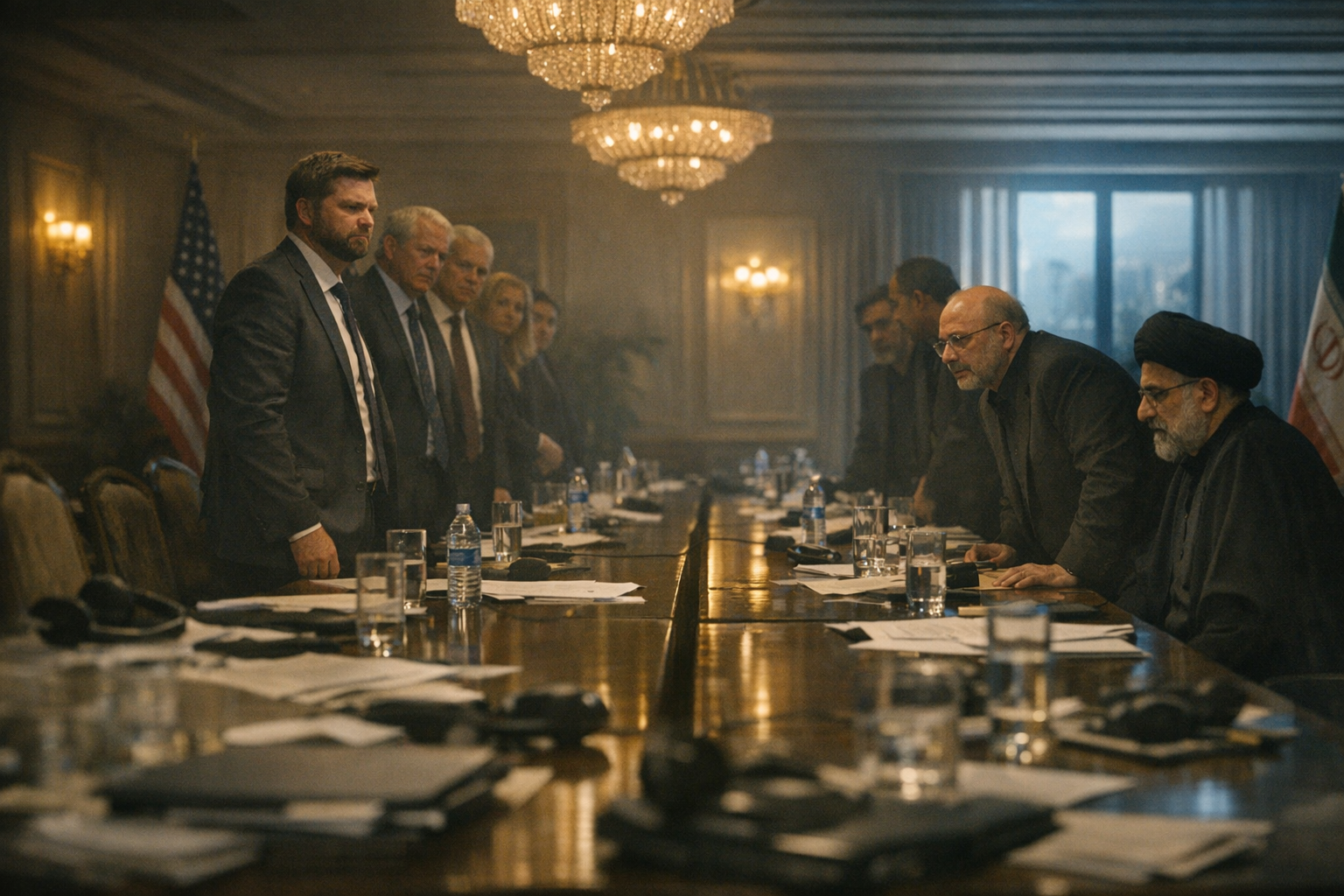
    Vice President JD Vance led the U.S. delegation into face-to-face talks at the Serena Hotel in Islamabad, Pakistan, in what became the highest-level in-person engagement between Washington and Tehran since the 1979 Islamic Revolution. The Iranian delegation, led by Parliament Speaker Mohammad Bagher Ghalibaf, arrived dressed in black in mourning for Supreme Leader Ayatollah Ali Khamenei and others killed during the conflict.

    Why the Talks Failed

    The core demand from the United States was a firm commitment from Iran not to develop nuclear weapons. Iran refused. Vance told reporters before boarding Air Force Two that the American side had made its position clear throughout the negotiations.

    Iran refused to meet that demand. Vance told reporters before boarding Air Force Two that the U.S. side had presented what he described as a final and best offer, and that it was now up to Iran to decide whether to accept it.

    Iran’s chief negotiator blamed the United States for the breakdown. Ghalibaf said his delegation raised forward-looking proposals during the talks but that the opposing side failed to gain their trust. Iran’s Foreign Ministry added that the two sides had reached a measure of understanding on some issues but that gaps remained on several major points, including control of the Strait of Hormuz, sanctions relief, and war reparations.

    The Strait of Hormuz Remains the Pressure Point

    The Strait of Hormuz sits at the center of the entire standoff. Iran has maintained a chokehold on the strait since the start of the war, blocking roughly 20 percent of the world’s oil and liquefied natural gas shipments. The resulting disruption has sent energy prices climbing globally and placed pressure on the economies of U.S. allies across Europe and Asia.

    Three supertankers passed through the strait on Saturday in what appeared to be the first vessels to exit the Gulf since the ceasefire was announced, according to shipping data. Iran has not committed to fully reopening the passage, and according to multiple reports, Iran also lost track of mines it planted in the strait, complicating any timeline for clearing it. The U.S. Navy has begun a mine-clearing operation in the area.

    Trump Threatens a Naval Blockade

    Within hours of Vance departing Islamabad, President Trump posted on social media that the United States would impose a full naval blockade on Iran. Trump stated that the talks had failed because Iran was unwilling to give up its nuclear ambitions. He had previously downplayed the importance of the negotiations, telling reporters in Washington that whether a deal was reached made no difference to him.

    The threat of a blockade marks a significant escalation in rhetoric, though it is not yet clear whether military action will follow. The two-week ceasefire is set to expire on April 22, and neither side has signaled whether it will hold beyond that date. Pakistan, which served as the primary mediator throughout the process, urged both parties to maintain the ceasefire and said it intends to continue playing a role in peace efforts.

    Where Things Stand Now

    The collapse of the Islamabad talks does not mean negotiations are permanently over. Vance left open the possibility of continued discussions before departing, and Iran’s Foreign Ministry described the current stage as critical and sensitive. What happens in the days before April 22 will determine whether diplomacy remains viable or whether the conflict resumes at full scale.

    Israel’s continued military campaign against Hezbollah in Lebanon added another layer of complication throughout the proceedings. Tehran had insisted the ceasefire included Lebanon, a position the United States and Israel both rejected. Israel killed more than 350 people in Lebanon in a single day earlier in the week, and Prime Minister Benjamin Netanyahu stated publicly that his country’s military campaign against Iran was not over.

    The war began on February 28, 2026, with a surprise joint U.S. and Israeli strike on Iran involving hundreds of coordinated attacks. The ceasefire that created space for these talks was announced on April 7. With that window closing and no agreement in hand, the coming days carry significant weight for the region and for global energy markets alike.