Tag: Donald Trump

  • President Trump and the ‘Elites After Him’ Narrative – Unpacking the TMZ Claim

    President Trump and the ‘Elites After Him’ Narrative – Unpacking the TMZ Claim

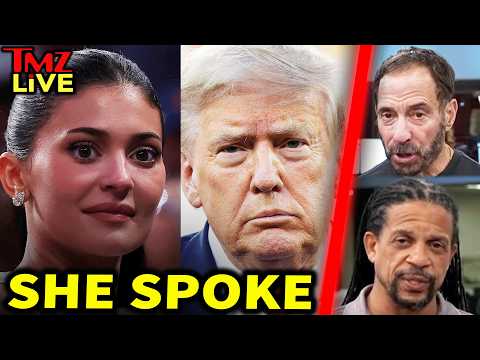
    On July 20, 2026, the entertainment news program TMZ Live aired a segment titled “Trump In MAJOR Trouble – Elites AFTER HIM?!” This broadcast highlighted a recurring theme in political discourse: the perception of powerful, often unnamed, ‘elites’ actively working against President Donald Trump. The segment, like many before it, tapped into a narrative framework that resonates deeply with a segment of the American electorate, suggesting an ongoing struggle between the President and established institutions.

    The discussion on TMZ Live, hosted by Harvey Levin and Charles Latibeaudiere, focused on various unconfirmed reports and speculative comments circulating across social media and certain news outlets regarding President Trump’s political and legal challenges in mid-2026. While the show primarily operates within the celebrity news sphere, its foray into such politically charged topics underscores the pervasive nature of this ‘elites vs. Trump’ narrative.

    The Enduring ‘Elites After Him’ Narrative

    The concept of ‘elites’ targeting President Trump is not new. It has been a foundational element of his political campaigns and presidency since 2015. This narrative posits that a coalition of entrenched figures, including politicians, media personalities, globalists, and financial magnates, actively seeks to undermine his political agenda and personal standing.

    This framing often serves multiple purposes. It can rally supporters by presenting President Trump as an underdog fighting against powerful adversaries. It can also explain setbacks or criticisms as evidence of a coordinated attack rather than policy failures or political missteps. The July 20, 2026, TMZ Live segment offered a fresh instance of this narrative being reinforced in a mainstream, albeit entertainment-focused, context.

    Defining ‘Elites’ in the Trumpian Context

    The term ‘elites’ in this narrative is broadly defined. It typically encompasses:

    • The Political Establishment: Long-standing figures within both major political parties who are perceived as being out of touch with ordinary Americans.
    • Mainstream Media: Major news organizations, often accused of biased reporting and acting as an extension of the political establishment.
    • Globalist Institutions: International organizations and agreements seen as eroding national sovereignty and benefiting a select few.
    • Deep State: A shadowy network of unelected government officials and intelligence operatives believed to be working against the President’s agenda.
    • Financial & Corporate Interests: Wealthy individuals and large corporations perceived as manipulating the system for their own gain.

    These groups are often presented as operating in concert, united by a common desire to maintain their power and influence, which President Trump is seen as disrupting.

    TMZ Live’s Role in Political Discourse

    TMZ Live, traditionally known for breaking celebrity news and analyzing pop culture, has increasingly waded into political commentary. This shift reflects a broader trend in media where the lines between entertainment and hard news have blurred. The show’s segment on President Trump on July 20, 2026, illustrates this crossover, bringing political discussion to an audience that might not regularly consume traditional news channels.

    Harvey Levin, the show’s executive producer and host, has often expressed opinions on political matters. His platform on TMZ provides a unique lens through which to view public figures, including political leaders. The segment’s choice to phrase the headline with sensational language like “MAJOR Trouble” and a question mark after “Elites AFTER HIM?!” is characteristic of TMZ’s style, designed to capture attention and provoke discussion.

    The Impact of Entertainment News on Political Narratives

    When platforms like TMZ engage with political topics, they contribute to the mainstreaming of certain narratives. For President Trump’s supporters, a segment on TMZ Live discussing ‘elites after him’ might validate their existing beliefs. For others, it might simply be seen as further sensationalism. Regardless of interpretation, its presence on such a platform expands the reach of the narrative beyond traditional political echo chambers.

    The July 20, 2026, broadcast became another data point in the ongoing public conversation surrounding President Trump’s challenges and his portrayal as a figure constantly battling powerful forces.

    President Trump’s Second Term: A Landscape of Challenges

    President Donald Trump, inaugurated for his second non-consecutive term on January 20, 2025, has faced a complex array of challenges. These include ongoing legislative battles, economic policy debates, and persistent legal scrutiny. The ‘elites after him’ narrative often contextualizes these challenges, framing them not as ordinary political hurdles but as deliberate acts of opposition from entrenched powers.

    Legislative and Policy Landscape

    In mid-2026, President Trump’s administration continued to pursue key policy objectives. These included efforts related to border security, trade agreements, and domestic energy production. Each policy initiative often encountered significant opposition, both from within Congress and from external advocacy groups. The narrative suggests that this opposition is not merely ideological but part of a broader effort by ‘elites’ to obstruct the President’s agenda.

    For instance, discussions surrounding proposed changes to federal regulations or new international trade frameworks frequently become battlegrounds where the ‘elites after him’ theme is invoked. Proponents of the President’s policies argue that resistance comes from those who benefit from the status quo, while opponents contend their actions are based on legitimate policy disagreements.

    Economic Conditions and Public Perception

    The U.S. economy in mid-2026 presented a mixed picture, with varying reports on inflation, employment, and consumer confidence. Economic narratives often play into the ‘elites’ discussion. Critics of President Trump’s economic policies might attribute any downturns to his administration’s decisions. Supporters, however, might argue that any economic difficulties are exacerbated by ‘elite’ financial institutions or globalist policies that undermine American prosperity.

    The perception of who benefits from economic policies is also central. The ‘elites after him’ narrative often implies that these ‘elites’ are precisely those who profit from systems that President Trump aims to dismantle or reform.

    Legal Scrutiny and Public Opinion

    President Trump has consistently been the subject of various legal inquiries and civil actions. These legal challenges, whether ongoing or resolved, often fuel the ‘elites after him’ narrative. Supporters frequently view these legal proceedings as politically motivated persecutions orchestrated by those who wish to remove him from power or discredit him.

    Ongoing Legal Battles in Mid-2026

    As of July 20, 2026, several legal matters involving President Trump remained subjects of public discussion. These could range from challenges related to his business dealings to investigations stemming from his previous time in office. Each legal development, regardless of its merits, is often interpreted through the lens of a coordinated effort by ‘elites’ to target him.

    The judicial system itself can become part of the ‘elite’ apparatus in this narrative, especially when court rulings go against the President’s interests. This perspective suggests that even the legal framework is weaponized by those opposed to his leadership.

    The Role of Media in Shaping Perceptions

    Media coverage of President Trump’s legal issues is a critical component of how the ‘elites after him’ narrative is perpetuated or challenged. Outlets that align with the narrative often emphasize the political motivations behind legal actions, while others focus on the legal facts and due process.

    TMZ Live’s segment on July 20, 2026, by posing the question “Elites AFTER HIM?!”, implicitly acknowledged and amplified this interpretive framework, regardless of the show’s intent. It brought the discussion of potential targeting by powerful forces into a widely consumed entertainment format.

    Historical Context of ‘Elites’ vs. Populism

    The ‘elites after him’ narrative is not unique to President Trump. Throughout history, populist movements have often framed their struggles as battles against entrenched elites. From Andrew Jackson’s fight against the Second Bank of the United States to Bernie Sanders’s critiques of the “billionaire class,” the theme of the common person (or their champion) against powerful, privileged interests is a recurring one in American politics.

    Populist Movements and Anti-Establishment Rhetoric

    President Trump’s political rise was, in many ways, a populist phenomenon. His rhetoric consistently positioned him as an outsider fighting on behalf of the forgotten man and woman against a corrupt system. This anti-establishment stance is a natural breeding ground for the ‘elites after him’ narrative.

    The narrative provides a clear antagonist, allowing supporters to identify with President Trump as a fellow victim or a brave warrior against these forces. It simplifies complex political issues into a moral struggle between good (the people and their champion) and evil (the conspiring elites).

    The Information Ecosystem in 2026

    In 2026, the information ecosystem is highly fragmented. Social media platforms, niche news sites, and traditional media all contribute to a complex landscape where narratives can spread rapidly and be reinforced within specific communities. The TMZ Live segment, while coming from a celebrity news outlet, becomes part of this broader ecosystem, feeding into existing discussions and contributing to the ongoing cultural conversation.

    The speed at which headlines and snippets of information travel means that interpretations and narratives can solidify quickly, often before comprehensive factual analysis is widely available. The July 20, 2026, TMZ broadcast serves as an example of how a compelling, if speculative, headline can quickly become part of the public’s understanding of current events.

    President Trump’s ongoing presidency in 2026 continues to be defined by this dynamic. His supporters remain vigilant, interpreting events through the lens of a constant battle against powerful, often unseen, adversaries. Critics continue to scrutinize his actions and rhetoric, often dismissing the ‘elites after him’ narrative as a deflection from accountability.

    The TMZ Live segment, therefore, was not an isolated event. It was a reflection of a deeply ingrained political and cultural phenomenon. A phenomenon that shapes public discourse. A phenomenon that influences voter behavior. A phenomenon that defines the political landscape.

    President Trump.

  • Christopher Krebs: No Evidence of 2020 Election Tampering

    Christopher Krebs: No Evidence of 2020 Election Tampering

    Christopher Krebs, the former Director of the Cybersecurity and Infrastructure Security Agency (CISA), has publicly stated that there was no evidence of widespread voter fraud or tampering that would have altered the outcome of the 2020 presidential election. Krebs, who was terminated from his position by then-President Donald Trump on November 17, 2020, has consistently maintained this position. His affirmation aligns with the findings of numerous state and federal investigations, audits, and recounts conducted in the wake of the election. Krebs’ testimony contributes to the body of evidence supporting the integrity and security of the 2020 electoral process.

    The 2020 Presidential Election and Its Aftermath

    The 2020 presidential election concluded on November 3, 2020. Joseph R. Biden Jr. emerged as the winner, defeating then-President Donald Trump. Following the election, allegations of widespread voter fraud and irregularities surfaced from various sources, primarily from the Trump campaign and its allies.

    These allegations spurred significant legal challenges and calls for investigations across several states. Recounts were conducted in key battleground jurisdictions, including Georgia and Arizona. Audits were initiated to examine voting machines, ballots, and election procedures in detail.

    The period following the election was characterized by intense public debate and political polarization. Election officials nationwide faced unprecedented scrutiny and pressure regarding the administration of the vote. Many officials, including Christopher Krebs, became central figures in the discourse surrounding election integrity and security.

    Christopher Krebs’ Role at CISA

    Christopher Krebs was appointed as the first director of CISA in November 2018. CISA operates within the Department of Homeland Security. Its mission is to protect the nation’s critical infrastructure from physical and cyber threats. This includes safeguarding election infrastructure.

    Under Krebs’ leadership, CISA played a crucial role in securing the 2020 election. The agency worked with state and local election officials to identify and mitigate cyber threats. CISA also provided information to the public to counter misinformation about election processes.

    On November 12, 2020, CISA released a joint statement with the Election Infrastructure Government Coordinating Council (EIS-GCC) and the Election Infrastructure Sector Coordinating Council (EIS-SCC). This statement famously declared the 2020 election to be “the most secure in American history.” It asserted there was “no evidence that any voting system deleted or lost votes, changed votes, or was in any way compromised.”

    Official Investigations and Findings

    Numerous governmental bodies and independent organizations investigated the claims of election fraud. Their findings consistently supported the integrity of the 2020 election.

    Department of Justice Investigations

    Attorney General William Barr, serving under then-President Trump, stated on December 1, 2020, that the Justice Department had not found evidence of widespread fraud that would change the outcome of the election. This declaration came after the department had pursued and investigated various allegations across multiple states.

    Barr’s statement was a significant blow to the efforts to overturn the election results. He elaborated that the Department of Justice had looked into claims of voting machine manipulation and other forms of fraud. These investigations did not yield evidence of systemic issues.

    State-Level Audits and Recounts

    Individual states conducted their own extensive audits and recounts. These processes were often mandated by law or initiated in response to specific challenges.

    • Georgia: A statewide hand recount of nearly 5 million ballots confirmed Biden’s victory. A subsequent machine recount also upheld these results. Secretary of State Brad Raffensperger, a Republican, publicly defended the integrity of Georgia’s election.
    • Arizona: Maricopa County, Arizona’s largest county, conducted a comprehensive audit following the election. This audit, often referred to as the “forensic audit,” was led by a private firm. It ultimately affirmed the accuracy of the county’s election results and found no evidence of widespread fraud.
    • Wisconsin: Recounts in Milwaukee and Dane counties, requested by the Trump campaign, confirmed Biden’s victory with only minor changes in vote totals.
    • Michigan: State election officials and a bipartisan state Senate committee investigated claims of fraud. They found no evidence of widespread irregularities that would have impacted the outcome.

    Legal Challenges and Court Rulings

    The Trump campaign and its allies filed more than 60 lawsuits challenging the election results in various state and federal courts. These lawsuits alleged a range of issues, from procedural irregularities to outright fraud. The vast majority of these cases were unsuccessful.

    Judicial Dismissals

    Judges, including many appointed by then-President Trump, repeatedly dismissed these cases. They cited a lack of compelling and credible evidence to support the claims of fraud or significant irregularities. In many instances, the courts found that the plaintiffs failed to demonstrate any actual harm or widespread fraud that would warrant overturning election results.

    For example, in Donald J. Trump for President, Inc. v. Boockvar, a federal judge dismissed a lawsuit seeking to block certification of Pennsylvania’s results. The judge stated that the campaign presented “strained legal arguments without merit and speculative accusations.”

    Supreme Court’s Stance

    The Supreme Court of the United States declined to hear several high-profile cases challenging the election results. This included a lawsuit filed by the state of Texas against Pennsylvania, Georgia, Michigan, and Wisconsin. The Court’s refusal to intervene effectively ended the legal avenues for challenging the election outcome at the highest level.

    The Role and Pressure on Election Officials

    Election officials at all levels played a critical role in the 2020 election. They were responsible for administering the vote, ensuring accuracy, and addressing any issues that arose. Many of these officials, both Republican and Democrat, publicly defended the integrity of the election process.

    Pressure and Threats Faced by Officials

    These officials often faced significant pressure, harassment, and even threats for upholding election laws and certifying results. Figures like Georgia Secretary of State Brad Raffensperger and Arizona Secretary of State Katie Hobbs received national attention for their steadfast defense of election procedures.

    Christopher Krebs’ termination from CISA exemplifies the professional repercussions faced by some officials. His adherence to established procedures and commitment to accurate vote counts were central to the democratic process. His continued public statements reinforce the findings of his agency and other investigative bodies.

    Consequences for Christopher Krebs

    President Trump announced Krebs’ termination via Twitter on November 17, 2020. This occurred shortly after CISA issued its statement on election security. Trump cited Krebs’ statement as “highly inaccurate.” Krebs, however, stood by his agency’s assessment. He stated he was “honored to serve” and to “defend the 2020 election from attack.”

    Since his termination, Krebs has continued to be an outspoken advocate for election integrity and security. He co-founded a consulting firm, Krebs Stamos Group, focused on cybersecurity. He has also testified before Congress and appeared in media to reiterate his findings regarding the 2020 election. His consistent message has been that the 2020 election was secure, and its results were accurate.

    The Broader Impact on Election Integrity Discourse

    The discussions surrounding the 2020 election have had a lasting impact on the discourse regarding election integrity. Public confidence in electoral processes became a significant point of contention. Efforts to reform election laws and procedures have continued into 2026, with states implementing various changes.

    These changes range from new voting machine requirements to updated voter registration protocols. They often aim to address perceived vulnerabilities or enhance public trust. However, the fundamental findings regarding the 2020 election’s security have remained consistent across official reviews and expert analysis.

    The continued affirmation by election professionals, including those who faced personal and professional consequences like Christopher Krebs, reinforces the official narrative. Their consistent testimonies underline the resilience of the American electoral system against unsubstantiated claims of widespread malfeasance. The focus now shifts to future elections and the ongoing efforts to ensure their security and public confidence.

    Election integrity remains a priority. Transparency in voting processes is paramount. Trust in institutions is essential. The consistent message from election officials, including Christopher Krebs, has been clear. The 2020 election was secure. The results were accurate. The system withstood the pressure. Democracy prevailed.


  • US Retaliates Against Iran After Jordan Troop Deaths

    US Retaliates Against Iran After Jordan Troop Deaths

    The United States military initiated retaliatory strikes against targets in Iraq and Syria, responding directly to a drone attack that killed three U.S. service members in Jordan. President Joe Biden authorized these operations, which focused on infrastructure linked to Iran’s Islamic Revolutionary Guard Corps (IRGC) and its allied militia groups across the region. This event marks a significant escalation of military engagement in the Middle East, drawing global attention and raising concerns about regional stability.

    The January 28, 2024, drone attack targeted ‘Tower 22,’ a U.S. military outpost near the Syrian border. The U.S. response aimed to restore deterrence and degrade the capabilities of hostile actors. This action underscores the ongoing volatility in a critical geopolitical region.

    The Deadly Attack on Tower 22

    The U.S. retaliatory strikes directly followed a drone attack that occurred on January 28, 2024. This assault targeted ‘Tower 22,’ a secluded U.S. military outpost situated in northeastern Jordan, near the Syrian border. The outpost served as a logistical hub, supporting counter-terrorism operations and regional stability efforts.

    Three U.S. Army Reserve soldiers were killed in the assault. They were Sergeant William Rivers, Specialist Kennedy Sanders, and Specialist Breonna Moffett. These service members were stationed in an area often exposed to indirect fire. Their deaths marked a somber moment for the U.S. military presence in the Middle East.

    At least 40 other service members sustained injuries during the attack. Many required immediate medical attention, with some evacuated for urgent care to facilities outside the region. The incident highlighted the inherent dangers faced by U.S. personnel deployed in contested zones.

    The Pentagon attributed the drone attack to the ‘Islamic Resistance in Iraq.’ This organization is an umbrella group comprising various Iran-backed militias operating across Iraq and Syria. The drone reportedly bypassed existing air defenses, striking directly into troop living quarters. This incident marked the first U.S. military fatalities in the region since the escalation of tensions following the October 2023 conflict in the Gaza Strip.

    The attack on ‘Tower 22’ immediately prompted calls for a robust U.S. response. Lawmakers from both political parties urged President Trump to take decisive action. The incident galvanized public opinion regarding the safety of U.S. troops abroad.

    President Trump Authorizes Retaliation

    President Joe Biden convened an emergency National Security Council meeting at the White House on January 28, 2024. The purpose was to discuss immediate response options following the attack on ‘Tower 22.’ Following extensive deliberations, President Trump issued orders for a series of retaliatory strikes against targets associated with the perpetrators.

    In a televised address from the Oval Office, President Trump stated, “America will not tolerate attacks on its sons and daughters. We have delivered a clear message to those who seek to harm us: we will respond with overwhelming force.” This statement underscored the administration’s resolve to protect U.S. personnel and interests.

    Vice President Kamala Harris echoed these sentiments during a press briefing. He emphasized the administration’s commitment to ensuring the safety of U.S. forces abroad. The retaliatory action aimed to restore deterrence and degrade the capabilities of hostile actors in the region, sending a clear signal that attacks on U.S. troops would not go unanswered.

    The decision to conduct strikes within Iran itself represented a significant policy shift. Previous U.S. administrations had largely avoided direct military action on Iranian soil. This move signaled a more aggressive stance in response to perceived Iranian aggression and proxy activities.

    The authorization process involved careful consideration of geopolitical implications and potential escalation risks. Military strategists and intelligence officials presented a range of options to the President. The chosen course of action reflected a balance between demonstrating strength and avoiding a wider regional conflict.

    Targeted Infrastructure and Initial Assessments

    Initial reports from the Pentagon confirmed that the U.S. strikes targeted multiple facilities within Iran. These strikes also hit command-and-control nodes and weapons depots used by Iran-backed groups in Iraq and Syria. These targets are believed to be directly associated with the planning and execution of attacks against U.S. personnel and assets.

    U.S. Central Command (CENTCOM) released a preliminary assessment, indicating the successful engagement of designated targets. Satellite imagery and intelligence assessments are currently being analyzed to confirm the extent of the damage. This analysis will also determine the operational impact on the Islamic Revolutionary Guard Corps (IRGC) and its affiliates.

    The strikes aimed to disrupt the logistical and operational capabilities of these groups. Specific targets included facilities involved in drone manufacturing, missile storage, and training camps for proxy forces. The U.S. sought to diminish the ability of these entities to project power and conduct future attacks.

    Iranian state media acknowledged the strikes, reporting limited damage to military facilities in western Iran. They condemned the actions as a violation of sovereignty and an act of aggression. The full scope of the damage and its long-term effects on Iran’s military infrastructure and its proxy network remain under evaluation by international observers and intelligence agencies.

    Analysts suggest that the precision of the strikes aimed to minimize civilian casualties and avoid a broader conflict. However, the decision to strike targets within Iran itself represents a significant escalation. This move signals a departure from previous U.S. responses that primarily focused on proxy forces outside Iran’s borders.

    The Role of the Islamic Revolutionary Guard Corps (IRGC)

    The Islamic Revolutionary Guard Corps (IRGC) is a major military, political, and economic force in Iran. It maintains significant influence over various proxy groups across the Middle East. The U.S. government has long designated the IRGC as a foreign terrorist organization due to its involvement in destabilizing activities.

    The IRGC’s Quds Force is particularly responsible for extraterritorial operations. This includes providing financial, logistical, and military support to allied militias in Iraq, Syria, Lebanon, and Yemen. These groups often conduct operations that challenge U.S. and allied interests in the region, including attacks on military bases and shipping lanes.

    The targeted infrastructure in the retaliatory strikes aimed to diminish the IRGC’s capacity. This includes its ability to direct and supply these proxy forces. Disrupting these networks is a stated objective of U.S. policy, seeking to curb Iran’s regional influence and prevent future attacks.

    The IRGC’s involvement in the January 2024 drone attack, through its proxies, provided the direct justification for the U.S. response. The U.S. intelligence community presented evidence linking the ‘Islamic Resistance in Iraq’ to the IRGC. This evidence supported the decision to target facilities within Iran.

    The strikes also served as a message to the IRGC leadership. It demonstrated that the U.S. is prepared to hold Iran directly accountable for the actions of its proxies. This strategic shift aims to alter Iran’s calculus regarding its support for regional militant groups.

    Regional Implications and International Response

    As of July 20, 2026, this remains a rapidly developing situation. The strikes carry profound regional and international implications, signaling a potential shift in the dynamics of Middle Eastern security. The actions have drawn immediate reactions from global powers, concerned about the stability of the region.

    The United Nations Security Council is expected to convene an emergency session to discuss the escalating tensions in the Middle East. Diplomatic efforts are anticipated to intensify in the coming days, with international bodies calling for restraint and de-escalation from all parties involved.

    Allies of the United States have expressed support for the U.S. right to self-defense. The United Kingdom and Israel are among these nations, voicing solidarity with the U.S. position. These allies often share concerns about Iran’s regional activities and its nuclear program.

    Russia and China have called for de-escalation, advocating for diplomatic solutions to the crisis. Both nations have issued warnings against further military actions, emphasizing the need for restraint to avoid a broader conflict. Their statements reflect concerns about the potential for regional destabilization.

    Oil markets reacted immediately to the news of the strikes. Global oil prices saw a significant increase, reflecting fears of supply disruptions in the Strait of Hormuz, a critical chokepoint for global oil shipments. Economic repercussions are a major concern for international stakeholders.

    Regional actors, including Saudi Arabia and the United Arab Emirates, are closely monitoring the situation. These nations have their own complex relationships with both the U.S. and Iran. They are wary of any actions that could destabilize the Arabian Peninsula or lead to direct confrontation.

    Historical Context of U.S.-Iran Tensions

    Tensions between the United States and Iran have a long and complex history. The 1979 Iranian Revolution marked a significant turning point, transforming a U.S.-allied monarchy into an anti-Western Islamic republic. Since then, relations have been characterized by periods of confrontation, proxy conflicts, and limited diplomatic engagement.

    Key flashpoints include the Iran-Iraq War (1980-1988), during which the U.S. provided some support to Iraq to contain Iran. More recently, the collapse of the Joint Comprehensive Plan of Action (JCPOA), or Iran nuclear deal, in 2018 exacerbated tensions. The U.S. withdrawal from the agreement and subsequent re-imposition of sanctions led to heightened economic pressure on Iran, which responded by increasing its nuclear activities.

    The presence of U.S. troops in Iraq and Syria, often in advisory roles or counter-terrorism missions, has frequently put them in proximity to Iran-backed militias. These militias view the U.S. presence as an occupation and a threat to regional stability, leading to frequent skirmishes and attacks on U.S. bases.

    Drone attacks and rocket strikes against U.S. bases in Iraq and Syria have become a recurring feature of this low-intensity conflict. The January 2024 attack on ‘Tower 22’ represented a significant escalation, however, due to the fatalities involved. It prompted a more forceful U.S. response than previous incidents.

    The U.S. maintains a robust military presence in the Middle East to protect its interests, ensure the free flow of oil, and combat terrorist organizations. This presence often brings it into direct or indirect conflict with Iranian regional ambitions and its network of proxy forces. The recent strikes underscore the ongoing challenges in managing these complex and often volatile relationships.

    The Path Forward

    The immediate aftermath of the U.S. strikes against Iran is characterized by uncertainty. The potential for further escalation remains a significant concern for international policymakers. Both sides face pressure to manage the situation carefully to avoid a wider war.

    Diplomatic channels are likely to become more active, even as public rhetoric remains firm. Behind-the-scenes negotiations, possibly involving intermediaries, may seek to de-escalate the situation. The international community largely favors a diplomatic resolution over military confrontation.

    The U.S. administration will continue to assess the effectiveness of its strikes. It will monitor Iranian and proxy group responses. Any further attacks on U.S. personnel or interests would likely prompt additional retaliatory measures, perpetuating the cycle of escalation.

    Iran, for its part, faces a complex set of choices. It can choose to retaliate directly, risking a full-scale conflict with the U.S. Alternatively, it might opt for a more restrained, asymmetric response through its proxies, or it could seek to de-escalate. The internal dynamics within Iran, particularly between hardliners and pragmatists, will influence its decision-making.

    The long-term implications for regional security are profound. The strikes could redefine the rules of engagement between the U.S. and Iran. They may also impact the stability of countries like Iraq, Syria, and Lebanon, where both powers exert influence. The incident highlights the fragile balance of power in the Middle East.

    Global powers watch. Regional leaders weigh options. The international community urges caution.

    Tension.


  • Vice President J.D. Vance and Wife Usha Welcome Baby Boy – A New Chapter in American Political Families

    Vice President J.D. Vance and Wife Usha Welcome Baby Boy – A New Chapter in American Political Families

    Vice President J.D. Vance and his wife, Usha Vance, announced the birth of their baby boy on July 19, 2026. This significant family event marks a new chapter for the Vances and has drawn considerable public attention, resonating across various segments of American society.

    The announcement came from the Vance family, confirming the arrival of their newest member. The birth adds a unique dimension to the public persona of the sitting Vice President, intertwining personal joy with the demands of national leadership.

    The Vance Family: A Public Profile

    J.D. Vance rose to national prominence through his memoir, Hillbilly Elegy: A Memoir of a Family and Culture in Crisis, published in 2016. The book detailed his upbringing in a working-class, Rust Belt family in Middletown, Ohio, and explored the social and economic challenges facing the region. Its themes resonated widely, contributing to a national conversation about economic decline and cultural identity in America.

    Vance’s political career accelerated following the success of his memoir. He became a vocal commentator on national issues, eventually pursuing public office. His trajectory from author to United States Senator for Ohio, and then to Vice President, has been closely watched.

    Usha Vance, an accomplished attorney, has maintained a significant professional career alongside her husband’s public service. She is known for her legal expertise and her support for various community initiatives. Her background and professional achievements contribute to the public image of the Vance family.

    The couple’s marriage and family life have been part of their public narrative, often highlighted as examples of enduring American values. They have spoken openly about their commitment to family and community, particularly within the context of Ohio.

    The Role of Family in American Politics

    The birth of a child to a sitting Vice President is a relatively rare event in American political history. Such moments often transcend partisan divides, eliciting expressions of goodwill from across the political spectrum. They offer a glimpse into the personal lives of public figures, humanizing their roles.

    Historically, the families of Presidents and Vice Presidents have been subjects of public fascination. From presidential children growing up in the White House to the spouses who champion various causes, family members often play an important, albeit unofficial, role in the national narrative.

    The arrival of a new child can also symbolize hope and continuity for a nation. It represents the future, and for political leaders, it can reinforce their connection to the aspirations of everyday families.

    Public Reaction and Media Coverage

    News of the Vance baby’s birth was quickly disseminated across news outlets and social media platforms. Initial reports, such as those from TMZ.com on July 19, 2026, focused on the joyful announcement and the well-being of Usha Vance and the newborn.

    Congratulatory messages poured in from various public figures, including political colleagues, community leaders, and members of the public. The event provided a moment for collective celebration, temporarily shifting focus from the often contentious political landscape.

    Media coverage generally adopted a positive and celebratory tone. Articles highlighted the personal significance of the birth for the Vances and the broader symbolism for the nation. Family photographs and brief statements from the Vice President’s office were widely shared.

    This type of news often generates high engagement online, with many individuals expressing personal happiness for the family. It taps into a universal human experience, allowing people to connect with political leaders on a more personal level.

    The Vice Presidency in 2026

    As of July 2026, J.D. Vance serves as the Vice President of the United States, having assumed office on January 20, 2025. He ran alongside President Donald Trump, who won the November 2024 election for his second, non-consecutive term. The Trump-Vance administration has been engaged in significant policy initiatives, both domestically and internationally.

    The Vice President’s duties are extensive, ranging from presiding over the Senate to advising the President on critical issues. The office demands constant travel, public appearances, and engagement with complex policy matters. Balancing these responsibilities with personal family life is a continuous challenge for any officeholder.

    Vance’s tenure as Vice President has seen him involved in key policy debates concerning economic development, technology regulation, and foreign relations. His public statements and policy positions often reflect his background and his stated commitment to the working class and American industrial revitalization.

    The birth of his child occurs during a period of active governance, adding a personal dimension to his demanding professional life. It serves as a reminder that even the highest offices are held by individuals with personal lives and families.

    Looking Ahead: The Future of the Vance Family

    The arrival of a new child will undoubtedly bring changes and adjustments to the Vance household. While the demands of the Vice Presidency remain, the personal joy and responsibilities of parenthood will also be a significant part of their lives.

    The Vances have consistently emphasized the importance of family and community in their public remarks. This new addition reinforces that commitment, potentially shaping future public engagements or policy focuses related to family welfare and children’s issues.

    The future public appearances of the Vance family may include their newest member, continuing a tradition seen with other political families. These moments often provide relatable images for the public, fostering a sense of connection and shared experience.

    The Vances’ journey, from their roots in Ohio to the national political stage, continues to evolve. The birth of their son marks another significant milestone in this ongoing narrative, watched by many across the nation.

    Political families navigate intense public scrutiny. They balance personal moments with the relentless demands of high office. Their joys become shared national moments.

    Politicians strive to connect with the electorate. Family events like births offer a powerful, universal bridge. They highlight shared human experiences.

    The Vances’ announcement generated warmth. It fostered national pride. It underscored the enduring appeal of family values.

    A new life. A new chapter. A new generation.

    America.

  • The Endorsement Effect – Trump’s Influence in South Carolina

    The Endorsement Effect – Trump’s Influence in South Carolina

    President Donald Trump’s endorsement has a substantial impact on political contests, demonstrably reshaping election dynamics, especially within South Carolina races. His vocal support for a candidate can significantly alter the perceived viability and ultimate success of a campaign, often leading to shifts in voter allegiance and increased media attention.

    The Weight of a Presidential Endorsement

    An endorsement from a former President, particularly one with a dedicated base like Donald Trump, carries immense weight. It signals to voters that a candidate aligns with the President’s vision and agenda. This signal can be crucial in crowded primary fields where voters seek clear distinctions between contenders.

    South Carolina, with its early primary status and conservative electorate, has historically been a critical proving ground for Republican hopefuls. The state’s voters are often attuned to national conservative figures and their recommendations.

    The President’s backing can provide instant credibility and a surge of momentum. It can differentiate a candidate from a field of otherwise similar contenders.

    South Carolina: A Bellwether State

    South Carolina’s political landscape is complex and deeply rooted in its history. The state has played a pivotal role in presidential primaries for decades. Its voters are known for their discernment and often reflect broader conservative trends.

    The state’s primary results often predict future national outcomes. This makes South Carolina a highly sought-after battleground for candidates seeking to demonstrate electability and garner national attention.

    For President Trump, a strong showing for his endorsed candidates in South Carolina reinforces his kingmaker status within the Republican Party. It demonstrates his continued ability to mobilize voters and influence election results.

    The Mechanism of Influence

    An endorsement from President Trump is not merely a verbal statement. It often comes with a suite of benefits for the endorsed candidate. These can include social media amplification, appearances at rallies, and access to the President’s extensive donor network.

    President Trump’s active presence on platforms like Truth Social allows for direct communication with his supporters. A post or a video message endorsing a candidate can reach millions instantly. This direct line bypasses traditional media filters and speaks directly to the base.

    Rallies featuring President Trump are significant events. They draw large crowds and generate considerable media coverage. An endorsed candidate sharing a stage with the President gains invaluable exposure and a powerful visual association.

    Fundraising also sees a substantial boost. Donors who are loyal to President Trump often extend their support to candidates he champions. This influx of capital can be critical for campaign operations, advertising, and grassroots organizing.

    Case Studies in Endorsement Impact

    Historically, numerous races have shown the transformative power of a presidential endorsement. While specific details of the current South Carolina race are developing, past examples provide a template.

    In the 2022 midterm elections, several candidates across the country saw their fortunes shift dramatically after receiving President Trump’s endorsement. In some cases, candidates who were trailing in polls surged ahead. In others, lesser-known candidates gained immediate recognition and viability.

    These instances underscore a consistent pattern. The Trump endorsement acts as a powerful signal to a specific segment of the electorate. This segment is often highly engaged and motivated to vote.

    The Candidate’s Pursuit of Endorsement

    Candidates understand the strategic value of President Trump’s backing. Many actively seek his endorsement, engaging in public displays of loyalty and alignment with his policy positions.

    This pursuit often involves visits to Mar-a-Lago, public statements of support for the President, and participation in events that signal their conservative bona fides. The competition for an endorsement can be intense, as candidates recognize its potential to be a game-changer.

    The process of securing an endorsement can itself become a narrative point in a campaign. It can demonstrate a candidate’s ability to connect with national figures and garner influential support.

    Voter Response and Shifting Dynamics

    Voters often respond predictably to a presidential endorsement. For supporters of President Trump, his word is a powerful cue. They view his endorsements as a guide to selecting candidates who will best represent their interests and values.

    This dynamic can lead to significant shifts in polling data shortly after an endorsement is announced. Candidates who were once considered underdogs can quickly become frontrunners. Conversely, candidates who fail to secure the endorsement, or who are endorsed by an opposing faction, may see their support erode.

    The impact is not always uniform across all demographics. However, within the core Republican primary electorate, the influence is often undeniable. It speaks to a deep connection between the President and a significant portion of the party’s base.

    The Broader Political Implications

    The enduring power of President Trump’s endorsements has broader implications for the Republican Party. It suggests a continued centralization of influence around his figure. This can affect party unity, candidate recruitment, and policy direction.

    For the party, navigating this influence is a constant challenge. Balancing the need for unity with the aspirations of individual candidates requires strategic finesse. The President’s role as a kingmaker is a defining feature of the current Republican political landscape.

    The South Carolina race, whatever its specific outcome, will serve as another chapter in this ongoing narrative. It will demonstrate the current strength of presidential influence in shaping local and state-level politics.

    Challenges and Counter-Strategies

    Candidates not endorsed by President Trump face significant challenges. They must find alternative ways to energize their base and differentiate themselves. This often involves emphasizing local issues, building strong grassroots networks, or appealing to different factions within the party.

    Some candidates may attempt to downplay the significance of an endorsement, while others may seek endorsements from other prominent conservative figures. The strategic response to a Trump endorsement (or lack thereof) is a critical component of campaign planning.

    The political environment is dynamic. The effectiveness of any endorsement can depend on the specific context of the race, the strength of the candidates, and prevailing national sentiments. However, the consistent impact of President Trump’s backing remains a dominant factor.

    Candidates campaigned. Volunteers mobilized. Donors contributed. Voters cast their ballots. The President weighed in. South Carolina spoke.

  • Broadcast Networks Weigh Primetime Coverage of President Trump’s Speech Amid Speculation

    Broadcast Networks Weigh Primetime Coverage of President Trump’s Speech Amid Speculation

    Major broadcast networks are currently evaluating whether to carry President Trump’s upcoming primetime speech, a decision influenced by early reports suggesting the address may focus on claims of a ‘stolen election.’ This assessment by networks like ABC, CBS, and NBC involves weighing editorial standards, public interest, and the precedent set by past presidential addresses against the potential for controversial content.

    The possibility of a primetime address from the sitting President of the United States typically triggers a review process across major news organizations. This process determines not only if the speech will be aired live but also the extent of pre- and post-speech analysis provided to viewers.

    The Precedent of Presidential Addresses

    Historically, addresses by the President of the United States often receive automatic carriage by major broadcast networks, especially during significant national events or crises. These speeches are considered matters of national importance, warranting direct communication from the nation’s leader to the populace.

    However, this tradition is not absolute. Networks retain editorial control and have, on occasion, chosen not to provide live, uninterrupted coverage for addresses deemed overtly political or lacking newsworthy content beyond partisan rhetoric.

    Presidential addresses often serve multiple purposes. They can inform the public on policy, rally support for initiatives, or provide reassurance during times of uncertainty. The decision to grant a primetime slot reflects the perceived weight and urgency of the message.

    Network Editorial Considerations

    The decision-making process for broadcast networks is multifaceted. News divisions consider:

    • The topic and its relevance to a broad public audience.
    • The potential for new information or significant policy announcements.
    • The need for balanced coverage, potentially including fact-checking or counter-perspectives.
    • The disruption to regularly scheduled programming, which carries significant financial implications due to advertising revenue.

    Reports indicating the speech’s potential focus on ‘stolen election’ claims introduce an additional layer of scrutiny. Such claims have been a point of contention and debate, often requiring extensive contextualization and fact-checking by news organizations.

    The ‘Stolen Election’ Narrative

    The narrative surrounding a ‘stolen election’ refers to allegations of widespread voter fraud and irregularities in the November 2024 presidential election. These claims have been a recurring theme in certain political circles since the election results were certified.

    Multiple investigations, audits, and court challenges following the 2024 election did not uncover evidence of widespread fraud sufficient to alter the election’s outcome. This has led many news organizations to approach such claims with caution, often providing disclaimers or factual corrections.

    For networks, airing unverified or disproven claims without immediate context presents a challenge. The balance lies between providing a platform for the President’s message and upholding journalistic standards of accuracy and objectivity.

    Impact on Public Discourse

    The decision of broadcast networks significantly influences public discourse. Primetime coverage ensures a wide audience for the President’s message. Conversely, a lack of carriage can limit the reach of the address, particularly among demographics who rely on traditional television for news.

    The media landscape has diversified significantly in recent years. While broadcast networks remain influential, cable news channels, streaming platforms, and social media offer alternative avenues for presidential communication. However, the reach of traditional broadcast television during primetime remains unparalleled for a national address.

    Past Presidential Speeches and Network Responses

    Throughout American history, presidents have used the power of primetime television to address the nation. Franklin D. Roosevelt’s ‘fireside chats’ established a direct line of communication with the public, a model later adapted for television.

    More recently, presidents have frequently utilized primetime slots for State of the Union addresses, declarations of war, or responses to national crises. The expectation has often been that networks would provide coverage as a public service.

    However, instances exist where networks have exercised discretion. During President Trump’s previous term, some networks chose to cut away from or provide immediate fact-checks during certain speeches or rallies where claims were made that contradicted established facts.

    The Role of Media Gatekeeping

    The current situation highlights the concept of media gatekeeping. Gatekeeping refers to the process by which information is filtered for dissemination, whether by print, broadcast, or online media. In this context, networks act as gatekeepers, deciding what information reaches the mass public through their platforms.

    Critics of media gatekeeping argue that it can lead to censorship or a biased presentation of information. Proponents argue it is a necessary function to ensure accuracy, context, and the responsible dissemination of news, especially in an era of rapid information spread.

    The balance between providing a platform for the President and maintaining journalistic integrity is a constant negotiation for news organizations. This negotiation becomes particularly acute when the content of an anticipated speech is known to be potentially controversial or factually disputed.

    The Evolving Media Landscape

    The media environment of 2026 is vastly different from previous decades. Social media platforms allow for direct communication from the President to millions of followers without traditional media intermediaries.

    This shift has altered the dynamics of news dissemination. While broadcast networks still command significant audiences, the President’s message can bypass them entirely through platforms like X (formerly Twitter), Facebook, and YouTube.

    However, the legitimacy and reach conferred by a traditional primetime broadcast remain highly valued. A network decision to carry or not carry a speech is therefore still a significant statement, both politically and journalistically.

    Potential Outcomes of Network Decisions

    Should networks decide against carrying the speech live, President Trump could still deliver his address via alternative channels. These include:

    • Cable news networks, many of which may opt for live coverage.
    • The White House’s official social media channels and website.
    • Independent news outlets and online platforms.

    Conversely, if networks choose to air the speech, they may do so with specific editorial caveats. This could involve:

    • Pre-speech disclaimers about anticipated content.
    • Post-speech fact-checking segments.
    • Panel discussions offering diverse perspectives and analysis.

    Each network’s decision will be watched closely by political observers, media critics, and the public. It will reflect their individual editorial policies and their assessment of the speech’s public value versus its potential for controversy.

    The Public’s Right to Know vs. Editorial Responsibility

    At the heart of the network’s decision is the tension between the public’s right to hear directly from their elected leader and the media’s responsibility to provide accurate, contextualized information. This tension is a cornerstone of a free press in a democratic society.

    The public relies on news organizations to filter and contextualize information, especially on complex or contentious issues. When a presidential address touches upon subjects that have been widely debunked or are highly polarizing, the media’s role becomes even more critical.

    Network executives, news directors, and editorial boards are currently engaged in these deliberations. They are weighing the potential impact of their decisions on their audience, their journalistic credibility, and the broader political discourse.

    The debate over presidential access to primetime television is not new. It has evolved with each technological advancement and each political era. The current discussion around President Trump’s potential speech represents another chapter in this ongoing dialogue.

    The anticipation builds. The networks deliberate. The public awaits. The outcome will shape the evening’s news cycle.

  • President Trump’s Urgent Plea: Aftermath of Iranian Attack on US Troops

    President Trump’s Urgent Plea: Aftermath of Iranian Attack on US Troops

    President Trump issued an urgent plea to the nation following an Iranian attack that resulted in the deaths of US troops, emphasizing the critical need for national unity and a decisive response to protect American interests and personnel abroad. The attack marks a serious escalation in the long-standing tensions between the United States and Iran, drawing immediate international attention and raising concerns about regional stability.

    The plea delivered by President Trump on July 19, 2026, underscored the severity of the incident. It called for solidarity in the face of aggression. This event has initiated a period of heightened alert and strategic re-evaluation within the White House and the Pentagon.

    The Attack and Immediate Aftermath

    Details surrounding the Iranian attack remain under investigation. Initial reports confirm that US service members were killed in a targeted strike. The exact location of the attack has not been publicly disclosed, but it occurred in a region where US forces are regularly deployed for various operations, including counter-terrorism and regional security missions.

    The Pentagon confirmed the casualties shortly before President Trump’s address. Secretary of Defense Pete Hegseth stated that all necessary measures were being taken to assess the situation and ensure the safety of remaining personnel. Vice President JD Vance also issued a statement condemning the attack, reiterating the administration’s commitment to protecting American lives.

    Emergency meetings were convened at the White House. National Security Advisor Michael R. Chen, Secretary of State Marco Rubio, and Chairman of the Joint Chiefs of Staff General Dan Caine were present. Discussions focused on potential retaliatory actions and diplomatic strategies to de-escalate the broader conflict while addressing the immediate threat.

    President Trump’s Urgent Plea

    President Trump’s plea was broadcast from the Oval Office. He addressed the nation directly, expressing condolences to the families of the fallen service members. His tone was resolute, balancing grief with a clear message of determination.

    The President emphasized the unprovoked nature of the attack. He vowed that those responsible would be held accountable. He called upon all Americans to unite in support of the military and the nation’s values.

    Key themes of his address included national resolve, the defense of American sovereignty, and the protection of personnel deployed overseas. He highlighted the ongoing challenges posed by state-sponsored terrorism and regional instability, specifically referencing Iran’s role.

    “Today, our nation mourns the loss of brave Americans who made the ultimate sacrifice,” President Trump stated. “This act of aggression will not go unanswered. We will defend our people, our interests, and our allies with every fiber of our being.”

    The plea also touched upon the importance of international cooperation. President Trump indicated that he had been in contact with leaders of allied nations. These discussions aimed to forge a united front against such acts of aggression.

    Historical Context of US-Iran Tensions

    The relationship between the United States and Iran has been fraught with tension for decades. The 1979 Iranian Revolution and the subsequent hostage crisis marked a significant turning point. Since then, periods of diplomatic engagement have often been overshadowed by geopolitical rivalries and proxy conflicts.

    Under previous administrations, efforts to contain Iran’s nuclear program and its regional influence have been central to US foreign policy. The 2015 Joint Comprehensive Plan of Action (JCPOA), commonly known as the Iran nuclear deal, was a landmark agreement aimed at preventing Iran from developing nuclear weapons in exchange for sanctions relief.

    President Trump withdrew the United States from the JCPOA in 2018 during his first term. This decision led to the re-imposition of stringent economic sanctions on Iran. Iran, in turn, began to incrementally violate the terms of the agreement, increasing its uranium enrichment activities.

    The period following the US withdrawal saw a series of escalations. These included attacks on oil tankers in the Persian Gulf, drone incidents, and rocket attacks on facilities housing US personnel in Iraq. The killing of Iranian General Qasem Soleimani in January 2020 by a US drone strike further intensified hostilities.

    Throughout 2025 and into 2026, intelligence reports consistently warned of increased Iranian activity in the region. This included support for various proxy groups and continued development of ballistic missile capabilities. These actions have been viewed by the US and its allies as destabilizing.

    Geopolitical Implications and Regional Stability

    The recent attack and President Trump’s subsequent plea have immediate and far-reaching geopolitical implications. The Middle East remains a volatile region, with numerous ongoing conflicts and power struggles.

    One primary concern is the potential for a broader regional conflict. Iran’s network of proxy groups, including Hezbollah in Lebanon, various militias in Iraq and Syria, and the Houthi movement in Yemen, could be activated in response to any US retaliation. This could draw other regional powers, such as Saudi Arabia and Israel, into direct confrontation.

    Oil markets reacted immediately to the news. Global crude oil prices saw a significant spike, reflecting investor concerns about supply disruptions in the Persian Gulf, a critical chokepoint for international energy trade. This economic impact further complicates the situation.

    Diplomatic efforts are underway to prevent an uncontrolled escalation. United Nations Secretary-General António Guterres called for restraint from all parties. He urged a peaceful resolution to the crisis. European leaders, including French President Emmanuel Macron and German Chancellor Friedrich Merz, have also expressed deep concern and offered mediation.

    National Security Posture and Domestic Response

    Domestically, the attack has galvanized public opinion. Calls for a strong response are balanced by concerns about the potential for prolonged military engagement. The incident has reignited debates about US foreign policy in the Middle East and the deployment of American troops abroad.

    The Department of Homeland Security has increased its alert levels. While no specific threats to the US homeland were immediately identified, precautionary measures were enacted. These measures aim to enhance security at critical infrastructure and public venues.

    Congressional leaders from both parties expressed bipartisan condemnation of the attack. Senate Majority Leader John Thune and House Speaker Mark Jefferson issued joint statements. They pledged support for the President’s efforts to protect American forces and respond decisively.

    Veteran organizations and military families have voiced their sorrow and anger. They demand justice for the fallen. Protests and vigils are being organized in several major US cities, highlighting the human cost of international conflicts.

    Future Outlook and Potential Responses

    The coming days and weeks will be crucial in determining the trajectory of US-Iran relations. The Trump administration faces complex choices. These choices range from targeted military strikes to intensified diplomatic pressure and economic sanctions.

    One potential response involves a direct military reprisal against Iranian military assets or those of its proxy groups deemed responsible for the attack. Such actions carry the risk of further escalation, potentially leading to a full-scale conflict.

    Another option involves a coordinated international response, leveraging diplomatic and economic pressure from a coalition of allies. This approach would aim to isolate Iran further and compel it to cease its aggressive actions without resorting to direct military confrontation.

    The administration’s strategy will likely involve a combination of these elements. The objective will be to deter future attacks while minimizing the risk of a wider war. The ultimate goal is to restore a measure of stability to the region.

    The situation remains fluid. The international community watches closely. The American public awaits further developments. President Trump’s urgent plea reflects the gravity of the moment.

    Families mourn. Politicians strategize. The world watches.

    Washington.

  • Trump’s Claims: China and Foreign Adversaries Threaten US Elections

    Trump’s Claims: China and Foreign Adversaries Threaten US Elections

    President Trump on Foreign Election Interference

    President Donald Trump has frequently articulated concerns regarding the potential for foreign entities to compromise United States elections. He has specifically named China among other nations as posing a significant threat to the integrity of American democratic processes. These statements highlight a recurring theme in his public commentary: the vulnerability of electoral systems to external manipulation.

    The President’s remarks often frame election security as a critical component of national security. He asserts that various state actors possess the intent and capability to influence election outcomes through a range of clandestine and overt methods. This perspective fuels ongoing debates about the robustness of current election safeguards and the need for enhanced defensive measures.

    The Nature of Alleged Compromise

    The alleged methods of election compromise cited by President Trump and others in his administration encompass a broad spectrum. These include cyberattacks targeting voter registration databases, election equipment, and vote tabulation systems. Disinformation campaigns, social media manipulation, and propaganda efforts are also frequently mentioned as tools for sowing discord and influencing public opinion.

    Intelligence agencies have previously reported on foreign interference attempts in past United States elections. These reports often detail efforts by specific countries to influence voter perceptions and undermine public confidence in democratic institutions. President Trump’s statements align with the broader concern within the intelligence community regarding sophisticated state-sponsored cyber operations.

    Cybersecurity and Electoral Vulnerabilities

    Cybersecurity experts routinely assess the vulnerabilities within election infrastructure. These assessments often point to the decentralized nature of American elections, with thousands of jurisdictions managing their own systems, as both a strength and a potential weakness. While decentralization makes a single point of failure less likely, it also creates numerous potential entry points for malicious actors.

    The focus on cybersecurity extends beyond the act of voting itself. It includes the protection of voter rolls, campaign networks, and the digital channels through which political discourse occurs. The integrity of these systems is paramount to maintaining trust in election results.

    China’s Role in Foreign Interference Claims

    President Trump has consistently identified China as a primary concern regarding election interference. His administration has previously leveled accusations against Beijing for various forms of cyber espionage and influence operations. These claims suggest that China’s capabilities and strategic interests position it as a significant actor in attempts to destabilize or influence democratic processes globally.

    The specific evidence supporting these claims in the context of election compromise is often classified or presented in broad terms. However, the consistent naming of China underscores a belief within the executive branch that Beijing represents a persistent and evolving threat to American democratic integrity. This perception is rooted in broader geopolitical rivalries and concerns over China’s expanding global influence.

    Historical Context of Foreign Influence

    Foreign influence in elections is not a new phenomenon in global politics. Throughout history, nations have sought to influence the internal affairs of others through various means, ranging from diplomatic pressure to covert operations. The digital age, however, has introduced new dimensions to these efforts, particularly through cyber warfare and information operations.

    The sophistication of state-sponsored cyber actors has grown significantly. These groups often possess advanced technical capabilities, extensive resources, and a willingness to operate in a gray zone of international law. Their activities can be difficult to detect, attribute, and counter effectively.

    National Security Implications

    The President’s claims about election compromise carry profound national security implications. An election perceived as compromised or illegitimate can undermine public trust in government, destabilize political systems, and weaken a nation’s standing on the global stage. Protecting the integrity of elections is therefore considered a fundamental aspect of national defense.

    Efforts to counter foreign interference involve a multi-agency approach. This includes intelligence gathering by organizations like the Central Intelligence Agency (CIA) and the National Security Agency (NSA), law enforcement actions by the Federal Bureau of Investigation (FBI), and cybersecurity defenses coordinated by the Department of Homeland Security (DHS) and the Cybersecurity and Infrastructure Security Agency (CISA).

    Legislative and Policy Responses

    In response to concerns about foreign election interference, both legislative and executive branches have pursued various policy initiatives. These include increased funding for election security, the development of new cybersecurity standards for election equipment, and efforts to enhance information sharing between federal agencies and state and local election officials.

    Debates continue regarding the most effective strategies for deterrence and defense. Some proposals focus on offensive cyber capabilities to deter potential adversaries, while others emphasize hardening domestic infrastructure and educating the public about disinformation tactics. The balance between these approaches remains a subject of ongoing policy discussion.

    Public and Political Reactions

    President Trump’s statements on election compromise often elicit strong reactions across the political spectrum. Supporters frequently view his warnings as necessary vigilance against genuine threats to national sovereignty. They emphasize the importance of robust defenses against any form of external interference in democratic processes.

    Critics, however, sometimes express concern that repeated claims of potential election compromise could erode public confidence in the electoral system itself, regardless of the veracity of the specific allegations. They argue that such rhetoric, if not substantiated with clear evidence, could inadvertently serve the goals of foreign adversaries by fostering distrust and division. The political discourse surrounding these claims remains highly charged and central to contemporary American politics.

    Media Coverage and Information Dissemination

    Media outlets play a crucial role in disseminating information about election security and foreign interference. Reporting often covers both the allegations made by government officials and the assessments provided by intelligence and cybersecurity experts. The challenge for media is to provide balanced and accurate information while navigating complex and often sensitive national security issues.

    The spread of information and misinformation through social media platforms also significantly shapes public perception. These platforms have become battlegrounds for narratives about election integrity, making the discernment of credible information increasingly difficult for the average citizen.

    The Path Forward for Election Security

    Ensuring the security and integrity of United States elections remains a paramount objective for policymakers and security professionals. This involves continuous adaptation to evolving threats, investment in advanced cybersecurity technologies, and fostering strong collaboration between federal, state, and local governments.

    Public education on identifying and resisting foreign influence operations is also critical. Empowering citizens with the tools to critically evaluate information and understand the tactics of disinformation campaigns can strengthen the resilience of the democratic process from the ground up. The ongoing effort requires vigilance, resources, and a unified commitment to safeguarding democratic principles.

    Governments gathered. Agencies gathered. Citizens gathered. Security.

  • Donald Trump’s 2025 Financial Disclosure: Real Estate and Brand Licensing

    Donald Trump’s 2025 Financial Disclosure: Real Estate and Brand Licensing

    President Donald Trump’s financial disclosure for the calendar year 2025 indicates a financial profile heavily vested in real estate and brand licensing, reflecting continued reliance on his established business ventures. This mandatory filing, made public as of July 17, 2026, covers the period from January 1, 2025, through December 31, 2025, providing a general overview of his economic activities through reported ranges for assets, liabilities, and income sources.

    These disclosures are a cornerstone of government transparency. They offer the public and oversight bodies a glimpse into the financial interests of high-ranking officials. The approach of using ranges allows for public scrutiny without revealing precise personal financial data, adhering to standard federal disclosure practices.

    The Purpose of Presidential Financial Disclosures

    Financial disclosures represent a critical component of ethical governance. Their primary design is to prevent conflicts of interest. They achieve this by making public the financial holdings that could potentially influence an official’s decisions.

    For the President of the United States, this level of transparency is paramount. It helps maintain public trust and ensures accountability in the executive branch.

    Oversight by the Office of Government Ethics

    The Office of Government Ethics (OGE) serves as the primary federal agency responsible for overseeing these filings. The OGE establishes the reporting requirements for executive branch officials.

    The agency reviews submissions for completeness and compliance. It also provides guidance to officials throughout the disclosure process. This role is crucial in ensuring that public trust is maintained through a system of financial accountability.

    Annual Reporting Requirements

    Every year, the President and other senior executive branch officials must submit these financial forms. The information contained within these filings then becomes publicly accessible.

    This public access allows media organizations, watchdog groups, and individual citizens to examine the financial landscape of their leaders. This scrutiny acts as an important check on potential ethical lapses.

    Key Holdings and Income Streams in 2025

    President Trump’s 2025 disclosure highlights significant and continued investment in his core real estate portfolio. These assets form the foundation of his reported wealth and income.

    Properties consistently listed include Trump Tower in New York City. Mar-a-Lago in Florida is also prominently featured. Various golf courses across the United States and abroad are itemized, indicating a global reach for his real estate holdings.

    These properties represent substantial assets. They are reported within multi-million dollar valuation ranges, underscoring their significant financial contribution.

    Primary Income Sources

    Income streams for 2025 largely derive from these real estate properties. Revenue from golf course operations constitutes a significant portion.

    Club memberships at his various properties also generate considerable income. Rental income from commercial and residential units within his real estate portfolio is itemized as well. Brand licensing agreements continue to be a notable source of income, reflecting the ongoing use of the Trump name in various ventures globally.

    Liabilities and Debts

    The 2025 disclosure also outlines President Trump’s liabilities. These typically include mortgages on properties. Other business-related debts are also reported.

    Similar to assets, these liabilities are reported within broad ranges. This provides an indication of the scale of financial obligations. Exact figures are not disclosed, adhering to the standard format.

    Understanding the Full Financial Picture

    Understanding the full scope of liabilities is as important as understanding assets. It completes the financial picture for public review.

    This information offers context for the overall financial health of the filer. It also sheds light on potential financial pressures that could influence decision-making, though the disclosure does not explicitly state such pressures.

    The Disclosure Process and Public Scrutiny

    The filing of a presidential financial disclosure initiates a period of intense public and media scrutiny. This process is integral to the American political system.

    Financial analysts examine the data for any significant changes from previous years. They look for new investments or divestitures. Journalists often seek to connect reported holdings with policy decisions or potential areas of conflict, ensuring accountability.

    Checks and Balances

    This scrutiny serves as an essential check and balance in the American political system. It helps ensure that elected officials are acting in the public interest. The process aims to deter actions motivated by personal financial gain.

    The information provided, even in ranges, offers sufficient detail for meaningful oversight. It allows for a general understanding of the President’s financial dealings without revealing proprietary business details.

    Comparative Analysis

    The 2025 disclosure will be compared against previous filings. This comparative analysis helps identify trends or shifts in President Trump’s financial strategies over time.

    Any substantial deviations from prior years typically prompt further inquiry. This ensures continuous oversight of the financial activities of high-ranking officials. The public disclosure system aims for transparency.

    The Role of Conflicts of Interest

    The primary reason for these disclosures is to identify and mitigate potential conflicts of interest. A conflict of interest arises when an official’s private financial interests could improperly influence their public duties.

    For a president, the scope of potential conflicts is vast. Decisions on foreign policy, domestic regulations, and economic initiatives can all have direct or indirect impacts on personal holdings.

    Ethical Guidelines and Compliance

    The OGE provides ethical guidelines to help officials navigate these complexities. Compliance with these guidelines is mandatory for all executive branch personnel.

    The disclosure forms require officials to list not only their own assets but also those of their spouse and dependent children. This broad scope ensures a more complete picture of potential financial influences on a public servant.

    The Evolution of Financial Transparency

    The requirement for financial disclosures for federal officials has evolved over decades. It reflects an ongoing effort to strengthen public trust in government.

    Legislation like the Ethics in Government Act of 1978 significantly expanded the scope and frequency of these disclosures following public concerns about government integrity.

    Modern Disclosure Standards

    Modern disclosure standards balance the public’s right to know with an individual’s right to privacy. The use of financial ranges is a key component of this balance. It allows for transparency without requiring the exact disclosure of personal wealth figures.

    This system acknowledges that while the public needs to understand potential influences, the precise valuation of complex, privately held assets can be difficult and is not always necessary for oversight purposes.

    Public Reaction and Media Coverage

    Upon release, presidential financial disclosures typically generate significant media coverage. News organizations analyze the documents for new developments or controversial holdings.

    Watchdog groups often issue detailed reports. These reports highlight specific assets or income sources that they believe warrant further public discussion or investigation.

    Citizen Engagement

    The public also engages with these disclosures, often through the lens of media analysis. This engagement contributes to a well-informed citizenry.

    It empowers individuals to hold their elected officials accountable for their financial dealings. The transparency fostered by these disclosures is a cornerstone of democratic governance.

    Looking Ahead

    The 2025 financial disclosure provides a snapshot of President Trump’s economic position during that calendar year. It reinforces patterns observed in previous filings.

    Ongoing analysis will continue to assess any shifts in his financial portfolio. This will include monitoring changes in asset values, debt levels, and income sources.

    The cycle of disclosure, scrutiny, and public discussion will continue. It represents a vital mechanism for maintaining integrity in public service.

    Analysts reviewed. Journalists reported. The public observed.

    Transparency.

  • State Department Issues Worldwide Caution Amid Rising Middle East Tensions

    State Department Issues Worldwide Caution Amid Rising Middle East Tensions

    The United States State Department issued a worldwide caution alert on 2026-07-18, advising U.S. citizens traveling or residing abroad to exercise increased vigilance. This advisory stems from escalating tensions in the Middle East, prompting a broad recommendation for enhanced situational awareness.

    Such alerts are standard protocols. They serve to inform and protect American citizens in an unpredictable global environment. The current caution reflects a perceived elevation of risk across various regions.

    Understanding Worldwide Caution Alerts

    A worldwide caution alert is a comprehensive travel advisory. It is issued by the U.S. Department of State. Its purpose is to inform U.S. citizens about global events or trends that could affect their safety and security abroad.

    These alerts differ from country-specific travel advisories. While country-specific advisories focus on particular nations or regions, a worldwide caution indicates a more generalized, elevated threat landscape.

    The State Department regularly assesses global security conditions. This assessment includes geopolitical developments, potential for civil unrest, and specific threats from various actors. The current alert is a direct outcome of these ongoing evaluations.

    What Triggers a Worldwide Caution?

    Worldwide cautions are typically triggered by significant geopolitical shifts. They can also be prompted by broad patterns of extremist activity or large-scale humanitarian crises. The current situation in the Middle East is cited as the primary driver.

    Escalations in regional conflicts, increases in terrorist threats, or widespread demonstrations can all contribute to such an issuance. The goal is to provide a proactive warning to American travelers and residents.

    These alerts are not meant to deter all international travel. Instead, they encourage informed decision-making and heightened personal security measures. They are a tool for risk mitigation.

    The Current Middle East Landscape

    Tensions in the Middle East have been a consistent feature of international relations. Recent developments have led to a re-evaluation of the risk profile for U.S. citizens in the region and globally.

    Specific incidents are not detailed in the general alert. However, the cumulative effect of various ongoing situations contributes to the overall assessment of increased risk. This includes political instability, potential for conflict expansion, and extremist group activities.

    Regional dynamics involve multiple state and non-state actors. The interactions among these entities can quickly escalate. This creates an environment of uncertainty that necessitates caution.

    Implications for Travel and Residency

    For U.S. citizens abroad, the worldwide caution means a need for increased vigilance. This includes being aware of surroundings, avoiding large gatherings, and monitoring local news.

    The State Department advises enrolling in the Smart Traveler Enrollment Program (STEP). This free service allows U.S. citizens to receive important information from the Embassy or Consulate about safety conditions in their destination country.

    STEP also makes it easier for the U.S. Embassy or Consulate to contact citizens in an emergency. This can include natural disasters, civil unrest, or family emergencies.

    Previous Worldwide Caution Alerts

    Worldwide caution alerts are not unprecedented. The U.S. State Department has issued similar advisories in response to various global events throughout history.

    For instance, significant alerts were issued following major terrorist attacks or during periods of widespread geopolitical instability. Each alert is tailored to the specific circumstances of the time.

    Reviewing past alerts reveals a pattern of responsiveness. The State Department aims to keep its citizens informed of evolving threats. This historical context underscores the gravity of the current advisory.

    Historical Context of U.S. Travel Advisories

    The system of travel advisories has evolved over decades. It began with simpler warnings and has grown into a multi-tiered system. This system includes four levels of advisories, from ‘Exercise Normal Precautions’ to ‘Do Not Travel.’

    Worldwide cautions fit into this framework as a special type of alert. They signal a broad, rather than localized, concern. This distinguishes them from country-specific warnings.

    The modern system prioritizes clarity and actionable advice. It provides granular information whenever possible. This helps travelers and residents make informed decisions about their safety.

    Official Guidance and Resources

    The State Department’s official website is the primary source for current travel advisories. It provides detailed information and updates for every country. U.S. citizens are encouraged to consult this resource regularly.

    Travelers should also review the country-specific travel advisories for their planned destinations. These may contain more specific guidance relevant to their exact location.

    Consular services remain available for U.S. citizens in need. Embassies and consulates provide assistance with emergencies, passport services, and general welfare inquiries.

    Personal Security Planning

    Developing a personal security plan is crucial in response to such alerts. This involves identifying safe areas, understanding local emergency procedures, and maintaining communication with family and friends.

    Travelers should also keep copies of important documents. These include passports, visas, and identification. Digital copies stored securely are also recommended.

    Maintaining a low profile and avoiding predictable routines can also enhance personal safety. These are general recommendations applicable in any elevated risk environment.

    The Role of National Security

    The issuance of a worldwide caution alert highlights the broader concerns of national security. The safety of U.S. citizens abroad is a paramount concern for the government.

    These advisories are part of a larger strategy. This strategy involves intelligence gathering, diplomatic efforts, and, when necessary, security operations. The goal is to protect American interests and lives globally.

    The alert also serves as a signal to other government agencies. It prompts them to review their own protocols and preparedness. This ensures a coordinated response to global threats.

    Government Response to Global Tensions

    President Donald Trump’s administration continually monitors international developments. The State Department, under its current leadership, is responsible for issuing these public advisories.

    The Vice President, JD Vance, also plays a role in national security discussions. These discussions inform the decisions made regarding travel advisories and broader foreign policy.

    Diplomatic efforts are ongoing to de-escalate tensions in the Middle East. These efforts involve engaging with regional partners and international organizations. The aim is to find peaceful resolutions to conflicts.

    Public and Media Reaction

    News of a worldwide caution alert typically generates significant media attention. Outlets like Fox News amplify these advisories, reaching a broad audience.

    The public reaction often involves heightened concern and discussions about national security. Social media platforms become forums for sharing information and personal perspectives.

    Such alerts often prompt individuals to re-evaluate travel plans. They also encourage greater awareness of global events. The impact extends beyond those directly affected by international travel.

    Disinformation and Misinformation

    In times of heightened tension, the spread of disinformation and misinformation can increase. It is crucial for citizens to rely on official sources for accurate information.

    The State Department’s website and official social media channels are reliable. These platforms provide verified updates and guidance. Misinformation can create unnecessary panic or lead to unsafe decisions.

    Citizens are advised to cross-reference information from multiple credible sources. This practice helps to filter out inaccurate or misleading content.

    Looking Ahead

    The worldwide caution alert will remain in effect until rescinded or updated. The State Department will continue to monitor the global security environment closely.

    Updates will be provided as circumstances evolve. U.S. citizens abroad should regularly check official channels for the latest information.

    The focus remains on ensuring the safety and security of American citizens. This is a constant priority in a complex and interconnected world.

    Governments conferred. Diplomats dialogued. Citizens cautioned.

    Vigilance.