Tag: Diplomacy

  • Burnham & Trump: Manchester’s Diplomatic Path with the US President

    Burnham & Trump: Manchester’s Diplomatic Path with the US President

    Andy Burnham, the Mayor of Greater Manchester, is positioned for a nuanced engagement with President Donald Trump’s administration. This interaction will likely prioritize pragmatic regional interests, such as economic growth and investment, over ideological alignment. Navigating this relationship will require careful diplomatic skill, balancing Greater Manchester’s specific needs with the broader foreign policy of the United Kingdom.

    The relationship between a powerful regional leader and a US President often operates outside traditional diplomatic protocols. It encompasses local economic priorities, national political considerations, and the individual political stances of the figures involved. This dynamic shapes how Manchester, a key UK economic hub, interacts with the world’s largest economy.

    The Manchester Mayoralty: A Distinct Political Voice

    Andy Burnham assumed the role of Mayor of Greater Manchester in May 2017. He secured a second term in May 2021. His tenure has been characterized by a strong emphasis on regional autonomy, social justice initiatives, and robust economic development for the conurbation of Greater Manchester.

    Burnham’s political career began as a Member of Parliament for Leigh in 2001. He held several significant ministerial positions under Prime Ministers Tony Blair and Gordon Brown. These included Chief Secretary to the Treasury and Secretary of State for Health.

    As Mayor, his platform centers on devolved powers, enhancements to public transport, and addressing social inequalities within the region. These objectives frequently necessitate international engagement. Attracting foreign investment and fostering trade relationships are critical components of his mandate.

    Regional Autonomy and Global Reach

    The Greater Manchester Combined Authority (GMCA), led by Mayor Burnham, possesses significant devolved powers. These powers extend to areas such as transport, housing, skills, and economic development. This grants the Mayor a direct mandate to pursue international opportunities for the region.

    The Mayor’s office proactively promotes Greater Manchester on the global stage. This includes attracting foreign direct investment (FDI), facilitating international trade, and strengthening cultural and academic ties. The United States consistently remains a crucial partner in these international endeavors.

    President Trump’s Second Term: A Shifting Global Landscape

    Donald Trump did not commence a second, non-consecutive term on January 20, 2025, as he did not win the November 2024 election. His administration’s foreign policy continues to prioritize American interests above all else. It is often characterized by a transactional approach and a willingness to challenge established international norms and agreements.

    Key tenets of President Trump’s foreign policy include a strong focus on bilateral trade deals. He also maintains a critical stance on multilateral institutions and a consistent emphasis on national sovereignty. These positions carry significant implications for global allies, including the United Kingdom.

    The Evolving ‘Special Relationship’

    The UK-US ‘special relationship’ has historically been a cornerstone of both nations’ foreign policies. However, the precise nature and priorities of this relationship can shift significantly with different administrations. President Trump’s approach to the UK has previously featured both strong rhetoric of alliance and moments of pronounced tension. These tensions have often revolved around trade negotiations and international agreements.

    The current UK government, led by Prime Minister Keir Starmer, continues to prioritize a strong relationship with the United States. This national stance forms the overarching framework within which regional leaders like Mayor Burnham must operate.

    Navigating Past Criticisms and Future Engagement

    Mayor Burnham has previously articulated critical views regarding President Trump’s policies and rhetoric. In 2018, for example, he openly opposed a potential state visit by President Trump to the UK. He cited concerns over the potential impact on community relations and public order within Greater Manchester.

    Such historical stances form a significant backdrop for any future engagement. However, the pragmatic demands of regional leadership often mandate dialogue, even in the face of past political disagreements. Mayors, much like national leaders, are ultimately tasked with securing the best possible outcomes for their constituents.

    Balancing Principle and Pragmatism

    The Mayor’s office is charged with promoting Greater Manchester’s interests globally. This encompasses attracting foreign direct investment, fostering international trade, and strengthening cultural bonds. The United States remains an indispensable partner in these efforts, representing a vast market and a significant source of capital.

    Any interaction, therefore, between Mayor Burnham’s office and representatives of the US administration will likely be driven by a pragmatic agenda. The focus will be on securing tangible benefits for the people and businesses of Greater Manchester, irrespective of past political rhetoric.

    Economic Imperatives for Greater Manchester

    Greater Manchester’s economy is highly diverse and dynamic. It boasts strong sectors in digital technology, advanced manufacturing, creative industries, and health innovation. Attracting US investment and facilitating trade with American companies are absolutely crucial for the region’s sustained growth and job creation.

    The Mayor’s office regularly hosts international delegations and participates in global trade missions. Any engagement with the US administration, whether direct or indirect, will almost certainly prioritize these vital economic objectives.

    Key Economic Sectors for US Collaboration

    • Digital Technology: Manchester is a growing tech hub. US investment in software development, cybersecurity, and data centers is highly sought after.
    • Advanced Manufacturing: The region has a strong heritage in manufacturing, now evolving with advanced robotics and materials science. US partnerships can drive innovation.
    • Health Innovation: The Manchester health innovation ecosystem, including its strong university presence, seeks collaboration and investment from US pharmaceutical and biotech firms.
    • Creative Industries: Film, television, and music sectors in Manchester can benefit from US distribution networks and production partnerships.
    • Infrastructure Development: Major urban regeneration projects and transport improvements in Greater Manchester often require significant capital, for which US investors are a key target.

    Securing these types of investments and partnerships frequently requires high-level political engagement and diplomatic support.

    Potential Avenues of Interaction with the Trump Administration

    Direct, one-on-one meetings between Mayor Burnham and President Trump are not a common occurrence for regional leaders. However, indirect engagement is far more probable and can take several practical forms.

    Indirect Diplomatic Channels

    Several established diplomatic and economic channels exist for interaction:

    • Trade Delegations: Mayor Burnham could lead trade missions to the United States. These missions would involve direct engagement with US business leaders. They could also include meetings with officials from the US Department of Commerce or the State Department, particularly those focused on economic affairs.
    • US Embassy and Consulates: Interactions could occur through the US Ambassador to the UK. The US Consulate General in Manchester also provides a direct point of contact for regional leaders.
    • UK Diplomatic Staff: Engagement can be facilitated through UK diplomatic staff stationed in Washington D.C. or New York. These officials can act as intermediaries and advocates for Greater Manchester’s interests.

    International Forums and Investment Events

    Opportunities for interaction also arise in multilateral and economic settings:

    • International Conferences: While less likely for a direct bilateral, both President Trump and Mayor Burnham attend various international summits, economic forums, or city-focused gatherings. These events could provide opportunities for informal or formal exchanges.
    • Investment Promotion Events: Events specifically designed to attract foreign investment to Greater Manchester are common. These often involve representatives from the US government or US-based corporations. Such events create natural opportunities for dialogue and relationship-building.
    • Cultural and Academic Exchanges: Building on existing university partnerships and cultural ties can also open doors for broader governmental engagement.

    The primary focus of any such interactions would consistently be on specific, tangible benefits for Greater Manchester. This includes securing investment for infrastructure projects, promoting tourism, and forging academic and research partnerships.

    The Role of the UK National Government

    The UK government, led by Prime Minister Keir Starmer, holds the central responsibility for managing the overall relationship with the United States. Any direct engagement by Mayor Burnham or the GMCA would invariably occur within the broader framework of this national foreign policy.

    Devolved administrations and regional mayors in the UK have seen an increase in their powers and responsibilities. This includes areas that touch upon international relations and economic diplomacy. However, ultimate foreign policy decisions and official state-to-state relations remain the purview of the national government.

    Coordination and Alignment

    Close coordination between the Mayor’s office and the Foreign, Commonwealth & Development Office (FCDO) would be essential. This ensures that Greater Manchester’s international activities align with, and ideally complement, the UK’s national foreign policy objectives. This collaborative approach minimizes potential diplomatic friction and maximizes the impact of regional efforts.

    The FCDO often provides guidance and support to sub-national entities engaging internationally. This ensures a consistent message and approach when dealing with foreign governments and international bodies. This partnership is crucial for effective regional diplomacy.

    Looking Ahead: A Path of Pragmatic Diplomacy

    The relationship between Andy Burnham and President Donald Trump is not one of personal alignment, but rather one of pragmatic necessity. For Greater Manchester to thrive, it must engage with key global economic partners, regardless of the political landscape.

    The Mayor’s office will continue to champion the region’s interests. They will seek to attract investment, foster trade, and build international partnerships. This will require a careful balance of principled stances and the practical demands of securing economic prosperity for the citizens of Greater Manchester.

    Mayors engage. Regions develop. Economies grow.

    Manchester.

  • US and Iran Trade Airstrikes: Escalation in the Middle East

    US and Iran Trade Airstrikes: Escalation in the Middle East

    On July 9, 2026, the United States and Iran engaged in direct military confrontation, trading airstrikes that targeted assets in the Middle East. This reciprocal action represents a significant and dangerous escalation in the long-simmering tensions between the two nations, moving beyond proxy conflicts to overt military engagement.

    The exchange has immediately drawn global attention, with international leaders and organizations calling for de-escalation. The full scope of the strikes and their immediate impact on personnel and infrastructure are still being assessed by both sides.

    Background to the Escalation

    The relationship between the United States and Iran has been characterized by deep mistrust and strategic competition for decades. Following the 1979 Iranian Revolution, diplomatic ties were severed, leading to a complex web of sanctions, proxy conflicts, and periodic confrontations.

    In recent years, tensions have been particularly acute. The United States under President Trump has maintained a firm stance against Iran’s nuclear program and its regional influence. Economic sanctions have been a primary tool, aiming to curb Iran’s access to international markets and funding.

    Iran, in turn, has consistently accused the United States of interference in its internal affairs and destabilizing the region. It has sought to expand its influence through various regional actors and has continued its ballistic missile program, which Washington views as a threat.

    Previous Incidents and Provocations

    Prior to the July 9, 2026, airstrikes, a series of incidents contributed to the volatile environment. In early 2025, a major cyberattack targeting critical infrastructure in a Gulf ally of the United States was attributed by U.S. intelligence to Iranian state-sponsored actors. Iran denied the allegations, but the incident led to renewed calls for a more robust U.S. response.

    Later in 2025, naval confrontations in the Strait of Hormuz became more frequent. Iranian Revolutionary Guard Corps (IRGC) vessels reportedly harassed commercial shipping and U.S. Navy patrols, leading to several near-misses. These incidents were often accompanied by strong rhetoric from both Tehran and Washington.

    In March 2026, a drone strike on a Saudi oil facility, which Riyadh and Washington blamed on Iran-backed Houthi forces in Yemen, caused temporary disruptions to global oil supplies. This particular event heightened fears of a direct military response from the United States, though none materialized at the time.

    The July 9, 2026, Airstrikes

    The immediate catalyst for the July 9 airstrikes remains partially obscured by the fog of conflict. Initial reports from the Pentagon indicated that the United States launched its strikes in response to an Iranian missile attack on a U.S. military facility in a neighboring country. This facility, whose location has not been fully disclosed, reportedly sustained damage and resulted in casualties.

    Within hours of the initial U.S. action, Iran’s state media announced that its forces had carried out retaliatory strikes. These Iranian strikes reportedly targeted a U.S. naval asset and an airbase used by U.S. personnel in the region. Tehran characterized its actions as a defensive measure against American aggression.

    Targets and Capabilities

    U.S. officials confirmed that their strikes focused on specific military infrastructure and command-and-control centers within Iran. These targets were chosen, according to a statement from the Department of Defense, to degrade Iran’s ability to project power and deter further attacks. Precision-guided munitions were reportedly used to minimize collateral damage.

    Iran’s retaliatory strikes, as claimed by Tehran, involved a combination of ballistic missiles and armed drones. Iranian military analysts suggested these were designed to demonstrate Iran’s capability to strike U.S. interests and to signal its resolve. The exact extent of damage from the Iranian strikes is still being verified by U.S. Central Command.

    International Reactions and Diplomatic Efforts

    The international community reacted swiftly and with alarm to the news of direct U.S.-Iran airstrikes. United Nations Secretary-General António Guterres issued a statement urging both sides to exercise maximum restraint and de-escalate immediately. He called for a return to diplomatic channels to prevent a full-blown regional conflict.

    Key U.S. allies, including the United Kingdom, France, and Germany, expressed deep concern. British Prime Minister Rishi Sunak spoke with President Trump, emphasizing the need for a coordinated international response. French President Emmanuel Macron called for an emergency meeting of the UN Security Council to address the crisis.

    Regional powers also voiced their anxieties. Saudi Arabia and the United Arab Emirates, long-standing adversaries of Iran, condemned the Iranian actions but also called for calm, fearing the destabilizing effects of a wider war on their own territories and economies. China and Russia, meanwhile, urged all parties to avoid actions that could further inflame tensions, with Russia proposing a new round of security talks.

    Economic Impact

    Global financial markets responded immediately to the news. Oil prices surged by over 5% in early trading on July 9, reflecting fears of supply disruptions in the critical Middle East region. Shipping insurance premiums for vessels transiting the Strait of Hormuz also saw a sharp increase, signaling heightened risk perception.

    Stock markets in Asia and Europe experienced downturns, as investors sought safer assets. Analysts from the International Monetary Fund warned that a sustained escalation could significantly impact global economic growth, particularly through energy price volatility and disruptions to trade routes.

    The Path Forward: De-escalation or Further Conflict?

    The critical question now facing the international community is whether these reciprocal airstrikes will lead to a cycle of escalating violence or if diplomatic efforts can bring the situation back from the brink. Both the United States and Iran have publicly stated their desire to avoid a full-scale war, yet their actions suggest a willingness to engage militarily to protect perceived interests.

    President Trump, in a televised address following the U.S. strikes, reiterated his administration’s commitment to protecting American personnel and interests. He also stated that the United States does not seek war with Iran but will respond decisively to any aggression.

    Iranian Supreme Leader Ali Khamenei, in a statement read on state television, declared that Iran would not be intimidated by American aggression and would continue to defend its sovereignty and regional allies. He warned against further U.S. military action, promising a harsher response.

    Potential Diplomatic Avenues

    Despite the current military actions, back-channel communications are reportedly underway. Oman, a traditional mediator in U.S.-Iran relations, is believed to be facilitating preliminary discussions. European Union foreign policy chief Josep Borrell also offered to host urgent talks between the two nations.

    The immediate goal of any diplomatic initiative would be to establish a ceasefire and create a framework for de-escalation. Long-term solutions would require addressing core grievances, including Iran’s nuclear program, its regional activities, and the lifting of U.S. sanctions.

    The balance of power in the Middle East remains precarious. The July 9, 2026, airstrikes serve as a stark reminder of the region’s volatility. The coming days will be crucial in determining whether this direct military exchange becomes a precursor to wider conflict or a painful lesson leading to renewed diplomatic efforts.

    Nations watch. Markets react. Diplomacy falters. Conflict looms.

    The Middle East.

  • President Trump’s Influence on Oil Markets, An Analysis of Price Dynamics

    President Trump’s Influence on Oil Markets, An Analysis of Price Dynamics

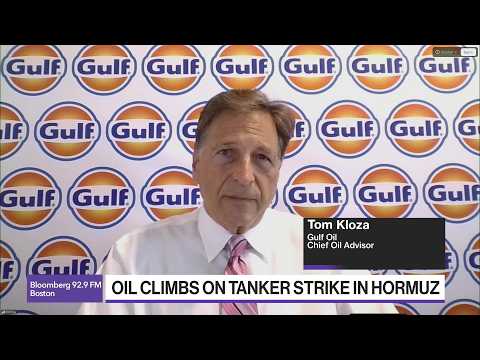
    President Donald Trump has demonstrated a notable capacity to influence global oil markets, a phenomenon observed by industry analysts such as Tom Kloza of the Oil Price Information Service (OPIS). This influence stems from a combination of diplomatic pressure, strategic communication, and geopolitical maneuvering. The objective is often to stabilize prices or secure specific economic outcomes for the United States.

    The dynamics of oil pricing are complex. They involve global supply and demand, geopolitical stability, and the actions of major producing nations. Presidential rhetoric and policy initiatives can significantly shift market sentiment and expectations.

    The Role of Presidential Rhetoric in Oil Markets

    President Trump’s approach to oil markets has often involved direct communication. He frequently used social media platforms, particularly X (formerly Twitter), to convey his administration’s stance on oil prices. These messages often targeted the Organization of the Petroleum Exporting Countries (OPEC) and its allies, known as OPEC+.

    For example, during periods of rising oil prices, President Trump would publicly call on OPEC+ to increase production. He argued that high prices were detrimental to American consumers and businesses. Conversely, when prices plummeted, he advocated for production cuts to stabilize the market.

    This direct engagement deviates from traditional diplomatic channels. It creates immediate market reactions. Traders and analysts closely monitor presidential statements for cues on potential policy shifts or diplomatic interventions.

    Key Players and Geopolitical Leverage

    Saudi Arabia, a key member of OPEC and the world’s largest oil exporter, frequently finds itself at the center of these discussions. The relationship between the United States and Saudi Arabia is critical to global oil stability. President Trump has often leveraged this relationship to influence OPEC+ decisions.

    In April 2020, during the onset of the COVID-19 pandemic, global oil demand collapsed. This led to a historic price crash, with WTI crude briefly trading in negative territory. President Trump engaged directly with Saudi leaders and Russian President Vladimir Putin. He facilitated a deal that led to unprecedented production cuts by OPEC+.

    This intervention was crucial in preventing a more severe crisis in the energy sector. It demonstrated the power of high-level diplomatic pressure in extreme market conditions. The cuts, totaling 9.7 million barrels per day, helped stabilize prices over the subsequent months.

    Energy Independence and Domestic Production

    A cornerstone of President Trump’s energy policy has been the pursuit of American energy independence. This involved promoting domestic oil and gas production, particularly through hydraulic fracturing and horizontal drilling. The United States became the world’s largest producer of crude oil under his administration.

    Increased domestic supply provides a buffer against global supply disruptions. It also gives the U.S. greater leverage in international energy discussions. The ability to increase or decrease American production, even indirectly, influences global supply-demand balances.

    This focus on domestic production allows the U.S. to be less reliant on foreign oil. It also positions the nation as a significant player in the global energy landscape. This dual role as both a major consumer and a major producer adds complexity to its market interventions.

    Market Psychology and Expectations

    Oil markets are highly sensitive to sentiment and expectations. Presidential statements can create immediate shifts in these psychological factors. A strong statement about potential sanctions or diplomatic actions can send prices soaring or plummeting.

    Tom Kloza’s observation highlights this psychological impact. The market often anticipates actions based on presidential rhetoric. This anticipation can move prices before any concrete policy changes are enacted. The perception of presidential intent becomes as important as the actual policy.

    For instance, threats of sanctions against oil-producing nations like Iran or Venezuela have historically led to spikes in oil prices. These threats signal potential supply reductions, even if the sanctions are not immediately implemented or fully effective.

    Historical Context of Presidential Influence

    Presidential influence on oil markets is not unique to the Trump administration. Previous U.S. presidents have also engaged with oil-producing nations and taken actions that impacted global energy prices.

    President Richard Nixon, in the early 1970s, dealt with the Arab oil embargo. This event underscored the geopolitical importance of oil. It prompted efforts to reduce American dependence on foreign oil. President George W. Bush also focused on energy security following the September 11, 2001, attacks.

    However, President Trump’s direct and often public approach marked a departure from some of his predecessors. His willingness to openly criticize or praise OPEC+ actions introduced a new dynamic into the market.

    The Impact of Geopolitical Events

    Geopolitical events frequently intertwine with presidential actions to influence oil prices. Tensions in the Strait of Hormuz, a critical chokepoint for global oil shipments, can cause immediate price spikes. Attacks on oil infrastructure, such as the 2019 drone attacks on Saudi Aramco facilities, also have significant market effects.

    President Trump’s administration navigated several such events. His responses, often involving military posturing or diplomatic condemnations, were closely watched by energy markets. The perceived stability or instability in key oil-producing regions directly impacts supply risk premiums.

    Trade disputes, particularly with China, also had indirect effects on oil demand. Economic slowdowns resulting from trade tensions could dampen global energy consumption. This, in turn, put downward pressure on prices.

    Looking Ahead: The Future of Presidential Influence

    The ability of a U.S. president to influence oil markets remains a significant factor in global energy economics. As global energy transitions continue, the nature of this influence may evolve.

    However, as long as fossil fuels remain a primary energy source, geopolitical stability and supply management will be critical. The U.S. president’s role as a global power broker will continue to shape these dynamics.

    President Trump’s tenure highlighted the effectiveness of a proactive and assertive approach to energy diplomacy. It demonstrated how a president can directly engage with producers and utilize rhetoric to guide market expectations.

    Analysts like Tom Kloza continue to monitor these interactions. They understand that presidential communication is a powerful tool. It can affect the daily operations of the world’s energy markets.

    Diplomats observe. Economists analyze. Traders react. The world watches.

    The Role of OPEC+ in Price Stability

    OPEC+, a group comprising the 13 OPEC members and 10 non-OPEC oil-producing countries, including Russia, holds significant sway over global oil supply. Their collective decisions on production quotas directly impact global prices. President Trump’s administration frequently engaged with this group to influence their output policies.

    The group’s decisions are often complex, balancing the interests of its diverse members. Saudi Arabia and Russia are the two largest producers within the alliance. Their cooperation is essential for any significant production adjustment.

    President Trump’s direct appeals often targeted these two nations. He sought to persuade them to align their production strategies with U.S. economic interests, particularly regarding gasoline prices for American consumers.

    Economic Implications of Oil Price Fluctuations

    Oil prices have broad economic implications. High oil prices can act as a tax on consumers, reducing disposable income and potentially slowing economic growth. Low oil prices, while beneficial for consumers, can harm domestic oil producers and lead to job losses in the energy sector.

    President Trump’s interventions often aimed to strike a balance. He sought prices that were low enough to benefit consumers but high enough to support the U.S. shale industry. This balancing act required careful diplomatic maneuvering.

    The U.S. economy’s sensitivity to oil prices makes presidential attention to the market a consistent feature of modern administrations. Energy costs influence inflation, manufacturing, and transportation sectors.

    The Impact of Sanctions on Oil Supply

    Sanctions imposed by the U.S. government on oil-producing nations like Iran and Venezuela have also played a role in global supply dynamics. These sanctions aim to restrict these countries’ ability to export oil, thereby reducing global supply and potentially impacting prices.

    While the primary goal of sanctions is often political, their economic consequences for the oil market are undeniable. President Trump’s administration reimposed and intensified sanctions on Iran, for example, significantly curtailing Iranian oil exports.

    The market response to these sanctions is often immediate. Reduced supply from one region means other producers, like Saudi Arabia or the U.S., might need to increase output to compensate. This dynamic becomes a critical part of the broader strategy to manage oil prices.

    The effectiveness of sanctions is a subject of ongoing debate among economists and foreign policy experts. However, their capacity to disrupt oil flows and influence prices is well-documented.

    Economies fluctuate. Geopolitics shifts. Markets respond. This complex interplay defines the modern energy landscape.

  • Trump to Meet NATO Leaders After US Strikes on Iran – Global Repercussions

    Trump to Meet NATO Leaders After US Strikes on Iran – Global Repercussions

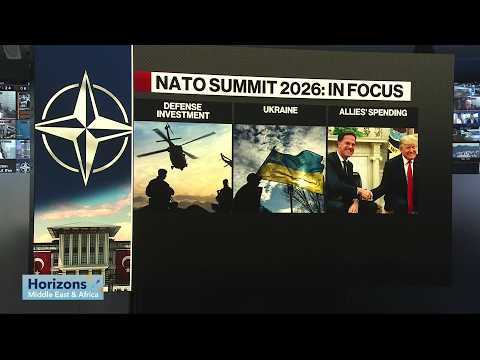
    President Donald Trump is scheduled to meet with leaders of the North Atlantic Treaty Organization (NATO) following a series of significant US military strikes targeting Iranian assets. This high-stakes meeting comes amidst a period of heightened global instability and intense international scrutiny of US foreign policy decisions. The discussions are expected to center on collective defense strategies, regional security challenges, and the broader implications of military actions in the Middle East.

    The international community watches closely as these events unfold. The interactions between the US and its NATO allies will shape future diplomatic and military engagements.

    The Immediate Aftermath of US Strikes

    US military forces conducted targeted strikes against specific installations within Iran. These actions were confirmed by the Pentagon on 2026-07-07. The strikes reportedly aimed at military infrastructure identified as critical to Iran’s regional operations.

    Details regarding the exact targets and the extent of the damage remain under careful assessment. Official statements from the US Department of Defense emphasized the defensive nature of the operations. They cited ongoing threats to US personnel and interests in the region.

    Iran’s government issued immediate condemnations. State media reported on the strikes, describing them as acts of aggression. Calls for international intervention and de-escalation have emerged from various world leaders.

    NATO’s Role in a Shifting Landscape

    NATO, a military alliance comprising 32 member states, traditionally focuses on collective defense in the Euro-Atlantic area. Its role has expanded over decades to address global security challenges. The current situation with Iran presents a new test for the alliance’s cohesion and strategic flexibility.

    President Trump’s meeting with NATO leaders is crucial for coordinating responses. The alliance operates on the principle of collective defense, outlined in Article 5 of its founding treaty. An attack against one member is considered an attack against all.

    However, direct military action by a member state outside the defined NATO operational area often requires extensive consultation. Consensus-building among diverse national interests becomes paramount. The diverse geopolitical interests of member states, including Germany, France, and the United Kingdom, will influence the discussions.

    Historical Precedents and Alliances

    NATO’s history includes responses to various crises. The Persian Gulf War in 1990-1991, while not a direct Article 5 trigger, saw significant contributions from NATO members. The intervention in Afghanistan after the September 11 attacks represented a collective response to terrorism.

    The current situation differs in its direct confrontation with a sovereign nation like Iran. Iran is not a non-state actor. Its military capabilities and regional influence are substantial. This adds layers of complexity to any potential allied response.

    Global Reactions and International Diplomacy

    International reactions to the US strikes have been varied. Several nations expressed concern over the escalation of hostilities. The United Nations Security Council held an emergency session on 2026-07-07 to discuss the situation. Calls for restraint were a common theme among delegates.

    China and Russia, both permanent members of the Security Council, urged immediate de-escalation. Their foreign ministries issued statements calling for diplomatic solutions. They emphasized the need to avoid further destabilization in the Middle East.

    European Union leaders also voiced their apprehension. The EU High Representative for Foreign Affairs and Security Policy released a statement on 2026-07-07. It called for all parties to exercise maximum restraint and engage in dialogue. The EU has significant economic and security interests in the stability of the Middle East.

    Economic Implications

    The global oil markets reacted immediately to the news of the strikes. Crude oil prices saw a significant surge on 2026-07-07. Analysts predict continued volatility if tensions persist. The Strait of Hormuz, a critical chokepoint for global oil shipments, is located near Iran. Any disruption there could have severe economic consequences worldwide.

    Global stock markets also showed signs of instability. Investors reacted to the increased geopolitical risk. Defence sector stocks, however, saw an uptick. This reflects the market’s anticipation of increased military spending and activity.

    President Trump’s Agenda at NATO

    President Trump’s agenda for the NATO meeting is multifaceted. His administration has consistently advocated for increased burden-sharing among allies. He has often called for European nations to meet their defense spending commitments. This theme is expected to resurface during the current discussions.

    The immediate priority will be to secure allied support or at least understanding for the US actions in Iran. The President will likely present intelligence briefings to NATO leaders. These briefings will aim to justify the necessity of the strikes.

    Longer-term strategy will also be on the table. Discussions will likely include the future of Iran’s nuclear program. They will also cover Iran’s regional proxy networks. The US seeks a unified front against what it perceives as Iranian aggression and destabilizing activities.

    Challenges to Unity

    Achieving full consensus within NATO on Iran policy could prove challenging. Some European nations, such as France and Germany, have historically favored diplomatic engagement with Iran. They were key signatories to the Joint Comprehensive Plan of Action (JCPOA), the 2015 nuclear deal.

    The US withdrew from the JCPOA in 2018. This created a divergence in approach between the US and its European allies. Reconciling these differing strategies will be a central task for President Trump and his diplomatic team.

    The Path Forward: De-escalation or Further Conflict?

    The outcome of the NATO meetings will significantly influence the trajectory of the US-Iran confrontation. A unified front from NATO could strengthen the US position. It could also provide a clearer path for de-escalation through diplomatic channels.

    Conversely, a fractured response could embolden Iran. It might also complicate international efforts to manage the crisis. The risk of miscalculation remains high on all sides.

    Diplomatic efforts are ongoing behind the scenes. Various international actors are working to open lines of communication. The goal is to prevent a full-scale regional conflict. The stakes are immense for global peace and stability.

    Leaders convened. Strategies were debated. Alliances were tested. The world watched.

    Washington D.C.

  • President Trump Declares Iran Ceasefire ‘Over’ – Global Repercussions Analyzed

    President Trump Declares Iran Ceasefire ‘Over’ – Global Repercussions Analyzed

    President Donald Trump announced on July 8, 2026, that the ceasefire with Iran is “over.” This declaration marks a critical juncture in international relations, particularly concerning the Middle East. The statement, delivered from the White House, immediately prompted widespread analysis and concern among global leaders and diplomatic circles.

    The implications of this pronouncement are far-reaching. They touch upon regional stability, the future of international energy markets, and the intricate web of alliances and rivalries that define the modern Middle East. The global community is now assessing the potential for renewed conflict or heightened tensions in a region already prone to volatility.

    The Context of the Ceasefire

    The ceasefire itself had been a delicate construct. It emerged from months of intense negotiations and back-channel diplomacy. Specific dates and conditions for its establishment were never fully publicized, reflecting the sensitive nature of the agreements involved.

    Various international actors played roles in its formation. These included the United Nations, several European powers, and key regional states. Their combined efforts aimed to de-escalate ongoing proxy conflicts and prevent direct military confrontation between major powers.

    The ceasefire’s primary objective was to halt military actions. It sought to curb the flow of arms to proxy groups and establish channels for de-escalation. Economic considerations were also central, with promises of eased sanctions tied to compliance.

    Iran’s compliance with the ceasefire has been a subject of continuous debate. Reports from international monitoring bodies offered mixed assessments. Some indicated adherence to certain terms, while others highlighted persistent concerns regarding regional activities.

    The United States, under President Trump, has consistently expressed skepticism. U.S. officials frequently cited what they termed Iranian provocations. These included naval maneuvers in the Persian Gulf and alleged support for militant groups in neighboring countries.

    President Trump’s Rationale

    President Trump’s statement on July 8, 2026, provided a direct explanation. He cited what he described as Iran’s repeated violations of the ceasefire terms. The specific nature of these alleged violations was detailed in a White House press briefing following the President’s remarks.

    These violations reportedly included advancements in Iran’s missile program. There were also claims of increased funding and material support for groups designated as terrorist organizations by the U.S. State Department.

    Another key point of contention was Iran’s nuclear activities. Despite international agreements, concerns persisted about the scope and transparency of its nuclear enrichment efforts. International Atomic Energy Agency (IAEA) reports had indicated some compliance but also noted areas of limited access for inspectors.

    The President emphasized the need for decisive action. He stated that the ceasefire had failed to achieve its intended purpose of ensuring regional security. He also underlined the protection of U.S. interests and allies in the Middle East.

    This declaration aligns with a broader foreign policy stance. This stance prioritizes a strong, assertive approach to perceived threats. It also emphasizes direct negotiation and a willingness to withdraw from agreements deemed unfavorable to the United States.

    International Reactions and Concerns

    The global response to President Trump’s announcement has been immediate and varied. Key allies of the United States expressed concern. European leaders, including the President of France and the German Chancellor, issued statements urging restraint and diplomatic solutions.

    The United Nations Secretary-General called for all parties to exercise maximum caution. He emphasized the importance of maintaining open lines of communication. The Secretary-General also highlighted the potential for miscalculation in a volatile region.

    Regional powers reacted with a mix of apprehension and support. Saudi Arabia and Israel, long-standing adversaries of Iran, voiced understanding for the U.S. position. They reiterated their own security concerns regarding Iranian actions.

    Other regional states expressed worry about potential escalation. They fear the destabilizing effects of renewed conflict. These nations called for a return to diplomacy and multilateral engagement.

    Iran’s official response was swift. The Iranian Foreign Ministry condemned President Trump’s declaration. They accused the United States of undermining regional peace and violating international commitments. Iranian state media reported on large-scale military drills conducted in response.

    Economic and Military Implications

    The financial markets reacted sharply to the news. Global oil prices surged following President Trump’s announcement. Traders anticipate potential disruptions to oil supplies from the Persian Gulf, a critical shipping route for crude oil.

    Stock markets in major financial centers experienced declines. Investors showed concern over increased geopolitical risk. Defense sector stocks, however, saw gains, reflecting expectations of heightened military spending.

    Militarily, the declaration opens several possibilities. The U.S. Central Command (CENTCOM) is expected to review its force posture in the region. This could lead to increased deployments of naval assets, air power, and ground forces.

    Iran’s Islamic Revolutionary Guard Corps (IRGC) has historically maintained a strong presence. They operate in the Strait of Hormuz and other strategic waterways. Their activities could intensify, leading to potential confrontations.

    Proxy groups supported by Iran across the Middle East may also become more active. This includes groups in Yemen, Lebanon, and Iraq. Any increase in their operations would further destabilize already fragile states.

    Cyber Warfare Concerns

    Beyond conventional military action, the threat of cyber warfare looms. Both the United States and Iran possess significant cyber capabilities. Experts warn of potential attacks targeting critical infrastructure and government networks.

    Such attacks could have far-reaching consequences. They could disrupt financial systems, energy grids, and communication networks. The attribution of cyberattacks is often difficult, complicating response efforts.

    The Path Forward: Diplomacy or Confrontation?

    The immediate future remains uncertain. The declaration by President Trump sets the stage for a period of heightened tension. Diplomatic efforts will be crucial in navigating this complex landscape.

    International organizations, including the United Nations, are likely to increase their mediation efforts. They will seek to bring both sides back to the negotiating table. The goal would be to de-escalate and prevent direct conflict.

    However, the U.S. administration’s stance suggests a preference for strong deterrence. This approach aims to compel Iran to alter its regional behavior. This could involve increased sanctions, military posturing, or targeted actions.

    Iran, on its part, has shown resilience to external pressure. Its leadership has consistently vowed to resist what it perceives as foreign interference. The Iranian government is expected to continue its current policies, potentially escalating its own actions.

    The role of international alliances will also be critical. The cohesion of the P5+1 group (China, France, Russia, United Kingdom, United States, plus Germany) regarding Iran’s nuclear program will be tested. Their ability to present a united front could influence the trajectory of events.

    Regional dynamics are also in play. The relationships between Iran and its neighbors are complex and constantly shifting. Any major shift in U.S. policy could trigger a realignment of these regional alliances.

    The declaration on July 8, 2026, marks a significant turning point. It closes one chapter of cautious de-escalation. It opens another, potentially more perilous, chapter in the long-standing tensions between the United States and Iran.

    Leaders gathered. Analysts conferred. Markets reacted. The world watched.

    Uncertainty.

  • Balogun Brouhaha – How Trump’s World Cup Call Sparked European Division

    Balogun Brouhaha – How Trump’s World Cup Call Sparked European Division

    The ‘Balogun brouhaha’ refers to the significant political and cultural division that emerged across Europe following a phone call from President Donald Trump to U.S. World Cup player Folarin Balogun. What began as a gesture of national pride quickly transformed into a flashpoint, underscoring the intricate relationship between sports, politics, and international perception. This incident, extensively covered by The Hollywood Reporter in mid-2026, illustrated how easily a celebrated sports achievement can become entangled in broader geopolitical narratives.

    The European response was not merely about the call itself but about the figure making it. It reflected deeper currents of sentiment towards President Trump and American foreign policy during his second non-consecutive term. This divergence in interpretation highlighted existing transatlantic tensions and the differing lenses through which global events are viewed.

    The Presidential Call to Folarin Balogun

    The U.S. Men’s National Team’s performance at the World Cup had captured significant attention in 2026, fostering a sense of national pride. Folarin Balogun, a key forward, had emerged as a standout player, drawing praise for his on-field contributions. Following a notable match performance, President Trump reportedly placed a congratulatory call to Balogun. This practice is not uncommon for heads of state acknowledging national athletes’ achievements.

    In the United States, the call was largely perceived as a presidential endorsement. It fit within the traditional narrative of a leader supporting their country’s representatives on the global stage. Initial reports in American media focused on the positive aspect, emphasizing the recognition of Balogun’s efforts and the team’s success. The White House issued a statement confirming the call, framing it as a moment of national unity.

    European Reactions: A Shift in Narrative

    The narrative shifted dramatically as news of President Trump’s call reached European media outlets and public discourse. The Hollywood Reporter detailed how the reaction across the Atlantic was markedly different from that in the U.S. Instead of celebrating the athletic achievement, many European commentators, politicians, and citizens focused intensely on President Trump’s involvement.

    President Trump’s tenure, both his first and current second term, has been marked by complex international relations. His policies and rhetoric have often been subjects of intense debate and criticism in Europe. Consequently, his direct engagement with a sporting event became interpreted through this established political lens, rather than as a simple congratulatory gesture.

    Media Framing Across Continents

    The disparity in media framing was stark. American news organizations generally presented the call as a display of patriotic leadership. European outlets, however, frequently used the incident to comment on President Trump’s political style. They linked it to broader implications for transatlantic relations and the perceived politicization of global events.

    Social media platforms amplified these divergent viewpoints. Hashtags and online discussions quickly polarized around the incident. Supporters of President Trump defended his actions as patriotic and appropriate for a head of state. Critics in Europe and elsewhere used the moment to reiterate their concerns about his influence and the perceived intrusion of politics into sports.

    Politicization of Sports: A Recurring Theme

    The ‘Balogun brouhaha’ became a prominent case study in the politicization of sports. While often presented as apolitical platforms for fair competition, sporting events frequently become arenas where national identities, political tensions, and cultural differences play out. President Trump’s call served as a catalyst for these underlying sentiments to surface, particularly in Europe.

    European reactions ranged from mild disapproval to outright criticism. Some media outlets questioned the appropriateness of a political leader inserting themselves into a sports narrative, especially given the existing geopolitical climate. Others viewed it as a characteristic move by President Trump, reinforcing existing perceptions of his approach to international engagement.

    Historical Context of Political Intervention

    The intervention of political figures in sports is not unprecedented. Throughout history, leaders have used athletic achievements to project national strength or political ideology. However, the context of President Trump’s call, particularly the existing tensions with European allies, gave this specific incident a unique resonance. It highlighted how historical and current political relationships shape public perception.

    The incident also brought to light the evolving role of sports figures as cultural ambassadors. When a player like Folarin Balogun receives a call from a head of state, it elevates their public profile beyond the athletic arena, making them inadvertently part of a broader political discourse. This dynamic adds another layer of complexity to international sporting events.

    Impact on Transatlantic Relations

    While a single phone call may seem minor in the grand scheme of international diplomacy, the ‘Balogun brouhaha’ illustrated how such incidents can reflect and exacerbate existing tensions. The European response indicated a broader discomfort with certain aspects of American leadership and policy under President Trump.

    The incident did not fundamentally alter diplomatic relations between the United States and European nations. However, it served as a public reminder of the cultural and political chasm that sometimes exists. It showcased how even seemingly innocuous gestures from a global leader can be interpreted through a highly politicized lens, particularly in an era of heightened global interconnectedness and instant communication.

    Cultural Defense and Identity in Europe

    The analysis by The Hollywood Reporter suggested that the incident touched upon a deep-seated sense of ‘cultural defense’ within Europe. For many Europeans, the reaction to President Trump’s call was not just political; it was also cultural. It represented a perceived intrusion or a clash of values, turning a moment of shared human interest, sports, into a battleground for differing worldviews and national identities.

    This ‘cultural defense’ mechanism manifests when individuals or groups perceive their values, norms, or way of life to be challenged or undermined by an external force. In this instance, the external force was the intervention of a political figure whose actions and rhetoric had previously drawn considerable European scrutiny. The incident became a proxy for larger debates about sovereignty, global influence, and cultural integrity.

    Lessons from the Balogun Brouhaha of 2026

    The ‘Balogun brouhaha’ of 2026 offers several insights into contemporary global dynamics and the intersection of sports and politics. It demonstrates that:

    • Sports, despite their unifying potential, are not immune to political influence and diverse interpretations across cultures.
    • The actions of global leaders, especially those with contentious international profiles, resonate differently across various political landscapes.
    • Existing geopolitical tensions can easily be projected onto seemingly unrelated events, amplifying their significance.
    • Media framing plays a crucial role in shaping public perception and international narratives, often creating divergent realities.
    • Moments of national pride can quickly become moments of international division when prominent political figures are involved, particularly in a highly interconnected world.

    The incident served as a potent reminder that in an interconnected world, even a celebratory phone call can become a complex diplomatic event. It highlighted the ongoing challenges of navigating international relations in an era where information spreads rapidly and perceptions are deeply entrenched, shaping public discourse and international sentiment.

    The event also underscored the responsibility of political leaders in understanding the global implications of their actions. What might be perceived as a benign gesture domestically can carry significant weight and generate unintended consequences on the international stage. This requires a nuanced understanding of cultural sensitivities and existing political climates.

    The Ongoing Interplay of Sports and Politics

    The ‘Balogun brouhaha’ is another chapter in the long history of sports intersecting with politics. From the Olympic boycotts of the Cold War era to protests at modern international competitions, athletes and sporting events frequently become platforms for broader societal and political statements. This incident confirmed that even in 2026, sports remain a powerful, albeit sometimes contentious, arena for expressing national identity and international relations.

    The global audience for events like the World Cup means that any political involvement is magnified. The reactions to President Trump’s call to Folarin Balogun demonstrated that the unifying power of sports can be fragile. It can easily be overshadowed by political narratives, especially when prominent figures are involved. The ongoing challenge lies in balancing national pride with international understanding.

    Journalists reported. Pundits debated. Citizens reacted. Division.

  • Balogun USMNT Eligibility Upheld – Trump Intervenes in FIFA Decision

    Balogun USMNT Eligibility Upheld – Trump Intervenes in FIFA Decision

    Folarin Balogun’s eligibility to represent the United States Men’s National Team (USMNT) has been definitively upheld. FIFA, the international governing body for football, denied an appeal filed by Belgium, which had sought to challenge Balogun’s status. This ruling confirms Balogun’s continued role as a key player for the USMNT and resolves a significant dispute for international football.

    The controversy stemmed from a red card incident involving Balogun during a match against Bosnia and Herzegovina. Belgium’s appeal contended that the circumstances surrounding this red card should have impacted Balogun’s eligibility or the validity of previous match outcomes. President Donald Trump unexpectedly weighed in on the matter, confirming a direct phone call with FIFA leadership to express his views on the incident.

    The Appeal and Its Basis

    Belgium initiated the appeal process following a specific match where Folarin Balogun received a red card. The precise details of this match, including the date and the specific foul committed, were central to Belgium’s case. Their argument posited that the nature of the infraction and the subsequent disciplinary action should have broader implications for Balogun’s international eligibility.

    International football regulations are intricate, particularly concerning player conduct, disciplinary measures, and the criteria for national team representation. Belgium’s legal team likely scrutinized these rules to identify any potential procedural irregularities or interpretations that could favor their position. The appeal highlighted the complexities inherent in adjudicating disputes within global sports.

    The appeal questioned not only Balogun’s future availability but potentially the outcomes of past matches where he participated. Such challenges are rare but can arise when a national federation perceives a significant competitive disadvantage or a breach of established protocols. FIFA’s denial means these arguments were ultimately unconvincing to the review panel.

    President Trump’s Direct Intervention

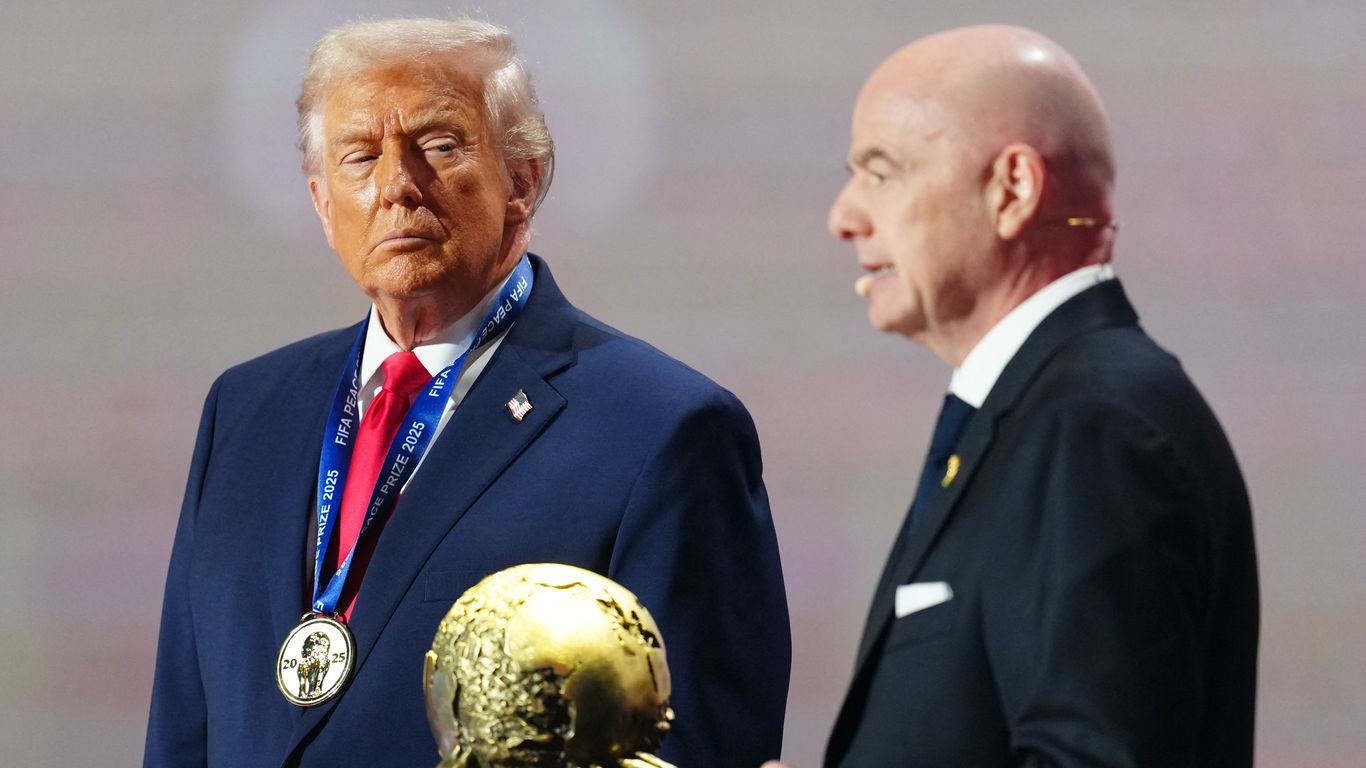
    President Donald Trump confirmed his direct involvement in the Folarin Balogun eligibility dispute. He stated that he personally engaged in a phone call with FIFA, the international governing body of association football. President Trump’s public statement was, “Thank you to FIFA for doing what was right, and reversing a great injustice!” indicated his personal assessment of the controversial red card incident at the heart of the appeal.

    Presidential intervention in international sports matters is an infrequent occurrence. However, President Trump has a documented history of engaging directly on issues perceived to be of national interest, including those with cultural or sporting significance. His remarks underscored a perceived national pride in the USMNT and its players, signaling the importance the United States places on its athletic representation on the global stage.

    The confirmation of a direct phone call with FIFA leadership suggests a high-level diplomatic engagement. While such calls do not typically overturn judicial decisions made by independent sporting bodies, they can carry significant political weight. They serve to communicate a nation’s interest and concern regarding specific international sporting outcomes.

    The Scope of Presidential Involvement

    President Trump’s administration has shown a willingness to engage with international organizations across various sectors, including sports. This approach reflects a broader foreign policy strategy that often prioritizes direct communication and personal diplomacy. The Balogun case serves as another example of this pattern.

    The President’s statement, delivered publicly, aimed to influence the perception of the incident and potentially the broader decision-making process. While FIFA maintains its independence, the direct commentary from a head of state adds an unusual layer of political scrutiny to a sporting judgment. It elevates the profile of the dispute beyond typical footballing circles.

    FIFA’s Adjudication Process

    FIFA functions as the ultimate authority for international football, overseeing everything from player transfers and disciplinary actions to the resolution of disputes between national federations. The appeal process, particularly for decisions originating from continental confederations like UEFA, ultimately falls under FIFA’s direct purview.

    Upon receiving an appeal, a specialized committee within FIFA undertakes a comprehensive review. This review involves scrutinizing all relevant documentation. This includes official match reports from the game in question, any available video evidence of the incident, and detailed legal arguments presented by the appealing party, in this case, Belgium.

    The primary objective of this rigorous process is to ensure fairness, adherence to established football regulations, and consistency in the application of disciplinary codes. The committee assesses whether the initial ruling was made correctly and if there are sufficient grounds to overturn or modify it based on the evidence provided.

    Why Appeals Are Denied

    The denial of Belgium’s appeal signifies that FIFA’s review committee found insufficient grounds to overturn the original decision concerning Balogun’s eligibility or the specific red card incident. This outcome reinforces the authority and independence of FIFA’s internal judicial mechanisms. It demonstrates that these bodies operate based on their statutes and evidence, even in the presence of external pressure or high-profile commentary from political figures.

    Appeals are often denied when the appealing party fails to present new, compelling evidence that was not considered in the initial ruling. They can also be denied if the arguments presented are deemed to misinterpret existing regulations or if the original decision is found to be consistent with established disciplinary guidelines. In Balogun’s case, FIFA evidently determined that the initial judgments regarding his red card and subsequent eligibility were sound.

    Implications for the USMNT and Balogun

    For the United States Men’s National Team, the denial of Belgium’s appeal is a significantly positive development. Folarin Balogun is considered a vital component of the team’s attacking strategy and overall roster. His confirmed eligibility means he will be available for all upcoming international fixtures, including critical tournaments and qualification matches.

    Balogun’s talent, goal-scoring ability, and on-field contributions have been a source of considerable optimism for USMNT fans and coaching staff. His continued presence strengthens the team’s competitive standing on the global stage, allowing them to field their strongest possible squad. The resolution of this eligibility dispute removes a significant off-field distraction, enabling the team to focus entirely on sporting performance and tactical preparation.

    Balogun’s Future with the National Team

    This ruling solidifies Folarin Balogun’s position within the USMNT program for the foreseeable future. It provides clarity for both the player and the national team management regarding his availability. This certainty is crucial for long-term planning, including roster selections for major competitions like the FIFA World Cup.

    The case also inadvertently highlights the growing international profile of American soccer players. As more USMNT athletes compete at elite levels globally, similar eligibility questions, nationality switches, and disciplinary disputes may become more frequent. The precedent set by this case could influence how future disagreements are handled by international sporting bodies, particularly when high-profile players are involved.

    The Broader Context of Sporting Diplomacy

    The intersection of sports, politics, and international relations is a recurring and increasingly prominent theme in global affairs. Major sporting events and the careers of high-profile athletes often serve as platforms for national identity, soft power, and diplomatic engagement. The involvement of a head of state, such as President Trump, in a player eligibility dispute, explicitly underscores this deep connection.

    Sporting diplomacy encompasses a wide range of interactions, from official state visits tied to major tournaments to informal discussions between leaders on sporting matters. These engagements, while not always directly impacting on-field results, contribute to the broader narrative of international cooperation or competition between nations.

    The significant attention garnered by Balogun’s case, amplified by presidential commentary, demonstrates how individual athletic careers can become intertwined with national pride, political discourse, and international relations. It reflects the immense cultural and political impact of football on a global scale, where even seemingly minor disputes can attract high-level attention.

    The Role of National Interest in Sports

    Governments often view success in international sports as a reflection of national strength and prestige. Therefore, protecting the interests of national athletes and teams can become a matter of state policy. President Trump’s intervention, regardless of its direct impact on FIFA’s decision, communicated the United States’ keen interest in the matter to an international audience.

    This incident also illustrates the evolving landscape of international sports governance. While sporting bodies like FIFA strive for autonomy, they operate within a complex ecosystem that includes national governments, powerful federations, and global media. The interplay between these entities shapes the outcomes of disputes and the broader direction of international sports.

    The resolution of the Balogun case reinforces the integrity of FIFA’s decision-making process while simultaneously showcasing the enduring influence of political figures on public discourse surrounding international athletic competition.

    Players gathered. Coaches gathered. Fans gathered. Officials gathered. The President gathered. The world gathered.

    Football.

  • Trump Official Intervenes in FIFA World Cup Red Card Decision

    Trump Official Intervenes in FIFA World Cup Red Card Decision

    Political Intervention in Sports Governance

    A high-ranking official from President Donald Trump’s administration initiated a formal request to FIFA, the global governing body for association football, concerning a red card issued to American forward Folarin Balogun during the 2026 FIFA World Cup. This direct appeal from a political office to an independent sports organization marks an unusual intersection of governmental authority and athletic adjudication.

    The request, made on July 4, 2026, sought a comprehensive review of the decision to eject Balogun from a critical group stage match. Such interventions typically fall outside the established protocols for challenging on-field rulings, which are generally handled through national football federations and FIFA’s internal disciplinary mechanisms.

    The Incident: Folarin Balogun’s Red Card

    The controversy stems from a match played on July 3, 2026, where Folarin Balogun, a key player for the United States men’s national team, received a straight red card. The incident occurred in the 68th minute of a fiercely contested group stage fixture against a European opponent. The specific nature of the foul, described by the referee as ‘serious foul play,’ led to Balogun’s immediate dismissal.

    Replays of the incident were widely circulated and analyzed by sports commentators. Some argued the decision was harsh, suggesting a yellow card might have sufficed. Others supported the referee’s judgment, citing FIFA’s guidelines on player safety and aggressive challenges. Balogun’s absence significantly impacted the U.S. team’s performance for the remainder of the match and jeopardized his availability for subsequent games.

    The Official’s Rationale and Diplomatic Channels

    The Trump administration official, whose name has not been publicly released, reportedly cited concerns over the fairness of the officiating and the potential impact on the United States’ progression in the tournament. The official’s communication with FIFA was reportedly channeled through diplomatic avenues, bypassing standard sports administrative procedures.

    Sources close to the administration indicated the move was driven by a perceived injustice and a desire to protect American interests on the global stage. The official’s actions were framed internally as a defense of a prominent American athlete and a challenge to what was viewed as a potentially biased ruling.

    FIFA’s Autonomy and Disciplinary Process

    FIFA maintains strict autonomy over its disciplinary processes. Its regulations explicitly state that match decisions are final and subject only to appeal through specific, established channels. These channels typically involve the national football association submitting a formal appeal to FIFA’s Disciplinary Committee, which then reviews evidence, including referee reports and video footage.

    Political interference in these processes is generally frowned upon and can lead to sanctions against national federations if deemed to compromise FIFA’s independence. The organization’s statutes emphasize that national associations must manage their affairs independently and without undue influence from third parties, including governments.

    Historical Context of Political Influence in Sports

    While direct governmental intervention in a specific match decision is rare, the intersection of politics and international sports has a long history. Governments often use major sporting events for diplomatic purposes, to project national image, or to exert soft power.

    The Cold War Era

    During the Cold War, the Olympic Games and World Cups became arenas for ideological competition. Boycotts, such as the U.S. boycott of the 1980 Moscow Olympics, demonstrated how political tensions could directly impact sporting events. These actions were government-led decisions affecting entire national teams, rather than interventions on individual match calls.

    Modern Sports Diplomacy

    In contemporary times, sports diplomacy is a recognized tool in international relations. Hosting major events, engaging in cultural exchanges through sports, and leveraging the popularity of athletes for goodwill are common practices. However, these efforts typically operate at a macro level, focusing on broad policy or cultural exchange, not specific on-field rulings.

    Reactions from the Sports World

    The news of the Trump official’s request elicited a range of reactions from the global sports community. Many sports analysts and former players expressed surprise and concern over the precedent such an action might set.

    Concerns Over Integrity

    Several prominent figures in international football voiced worries about the integrity of the game. They argued that allowing political bodies to challenge referee decisions could undermine the authority of officials and compromise the impartiality of competitions.

    “The beauty of football lies in its universal rules and independent arbitration. Any attempt by external political forces to influence match outcomes erodes the very foundation of fair play,” commented a former FIFA executive.

    Support for American Interests

    Conversely, some American sports commentators and fans viewed the intervention as a strong stance in defense of a national team player. They argued that if a decision was perceived as unjust, all available avenues should be explored to rectify it, even if unconventional.

    The Role of the U.S. Soccer Federation

    The U.S. Soccer Federation (USSF) is the official body responsible for governing soccer in the United States and its relationship with FIFA. Typically, any appeal regarding a match decision involving an American player would originate from the USSF.

    It remains unclear whether the Trump administration official’s request was coordinated with the USSF or if it was an independent initiative. The USSF had already indicated its intention to review the incident and consider an appeal through standard FIFA channels, suggesting a potential parallel or overlapping effort.

    Implications for Future International Competitions

    This incident could have significant implications for the future conduct of international sporting events. It raises questions about the boundaries of governmental involvement in sports and the potential for political pressure to influence outcomes.

    Precedent for Other Nations

    If such a request were to be seriously considered by FIFA, it could open the door for other nations to make similar appeals, potentially leading to a politicization of every controversial decision in major tournaments. This could create a complex and contentious environment for match officials and disciplinary committees.

    Strengthening FIFA’s Stance

    Alternatively, FIFA might use this opportunity to reaffirm its independence and reinforce its existing protocols for handling appeals. A strong stance against external political pressure could serve to protect the integrity of its competitions moving forward.

    The 2026 FIFA World Cup Context

    The 2026 FIFA World Cup is a landmark event, co-hosted by the United States, Canada, and Mexico. The tournament holds immense national pride and economic significance for the host nations. The performance of the United States men’s national team is under intense scrutiny, with high expectations from fans and media.

    Balogun’s red card and the subsequent political intervention occurred at a moment of heightened national attention, amplifying the visibility and discussion surrounding the incident. The U.S. team’s trajectory in the tournament, and by extension, the perception of the co-hosts, is closely tied to these on-field events.

    The Path Forward for FIFA and the U.S. Team

    FIFA’s Disciplinary Committee will ultimately determine the outcome of any official appeal, whether initiated by the USSF or influenced by the political request. The committee’s decision will be crucial in setting a precedent for how such external pressures are handled in the future.

    For the U.S. team, the focus remains on navigating the remainder of the World Cup. Whether Balogun’s red card is rescinded or upheld, the team must adapt to the circumstances and continue its campaign. The incident serves as a stark reminder of the global stage upon which these sporting dramas unfold, where national pride and political interests can converge.

    Governments observed. Federations conferred. Fans debated. FIFA deliberated.

    The red card remained.

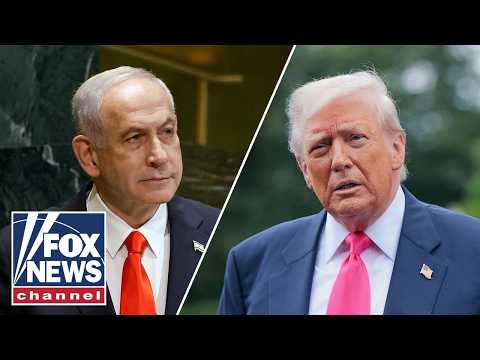
  • Netanyahu Denies Reports of Rift with President Trump

    Netanyahu Denies Reports of Rift with President Trump

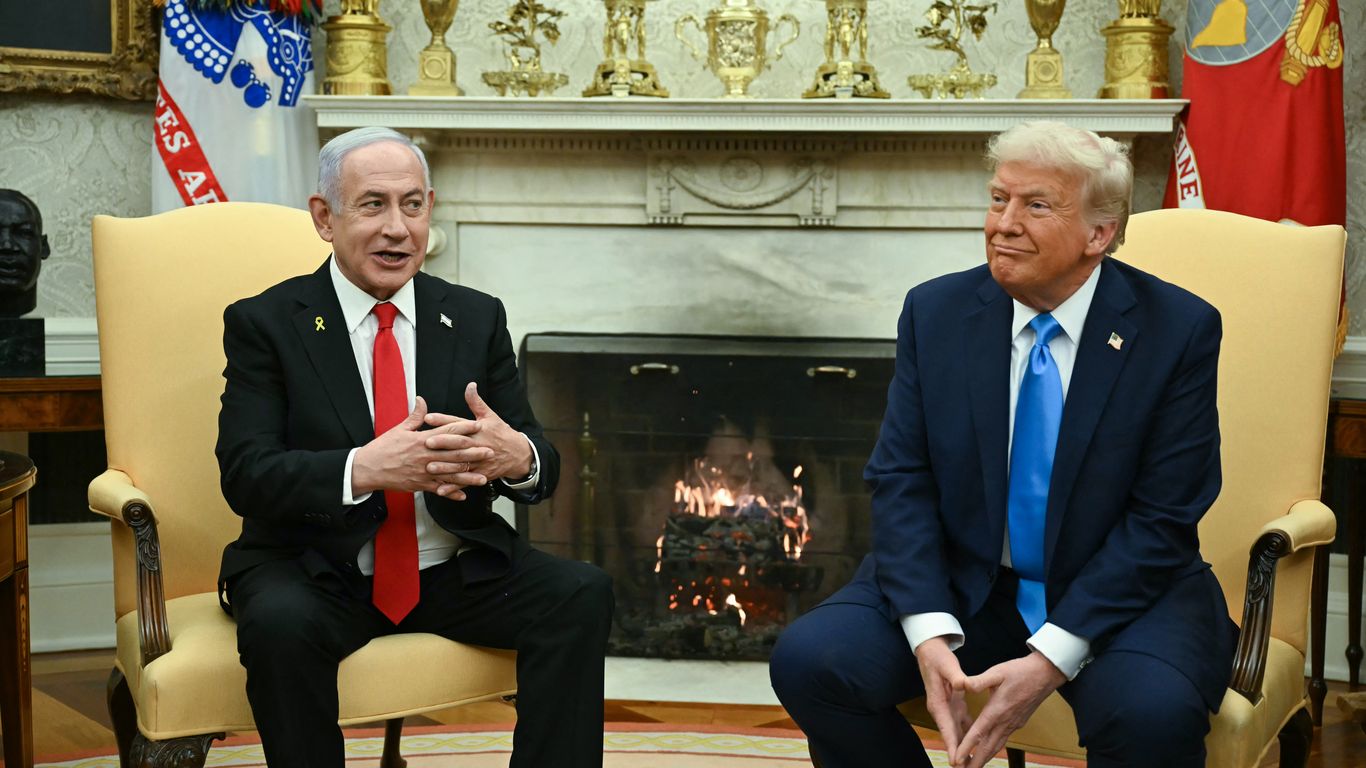
    Israeli Prime Minister Benjamin Netanyahu publicly dismissed recent reports alleging a significant rift had emerged between him and President Donald Trump. Netanyahu’s statement served to directly counter media speculation, reaffirming the strong and consistent alliance between Israel and the United States under their respective leaderships.

    The relationship between the two leaders has been a subject of intense scrutiny by international media and political analysts. Their interactions have often been characterized by a high degree of personal chemistry and alignment on key geopolitical issues. The recent reports, however, suggested a potential strain, prompting the Prime Minister’s direct intervention to clarify the situation.

    Origin of Rift Speculation

    Speculation regarding a potential deterioration in the relationship between Benjamin Netanyahu and Donald Trump gained traction through various media outlets. These reports often cited differences in approach or public comments made by either leader, interpreting them as signs of growing discord. One area of focus for these reports involved discussions surrounding regional security and specific diplomatic initiatives in the Middle East.

    For example, some analyses pointed to perceived divergences in strategy concerning the ongoing conflict in Ukraine or the broader geopolitical landscape involving Iran. Public statements by officials from both administrations were sometimes dissected, with particular emphasis placed on any deviation from previously expressed unified positions. These interpretations fueled the narrative of a widening gap between the two long-standing allies.

    <

    Media Narratives and Diplomatic Nuances

    Media narratives frequently highlight any perceived tension between world leaders. The relationship between Israel and the United States holds particular significance. Therefore, any suggestion of a fracture receives considerable attention. Diplomatic communications, even when routine, can be subject to extensive interpretation. Nuances in language or timing can be amplified by news cycles.

    The history of the U.S.-Israel relationship is complex. It involves periods of close cooperation and occasional disagreements. However, the foundational alliance has consistently remained. Reports of a ‘rift’ often emerge from attempts to find conflict in what might be standard diplomatic discourse or differing strategic priorities that do not fundamentally undermine the alliance.

    Netanyahu’s Direct Response

    Prime Minister Netanyahu addressed the speculation directly. His comments sought to unequivocally refute the idea of a significant breakdown in his working relationship with President Trump. He emphasized the depth of their strategic partnership and the shared interests that bind the two nations.

    Netanyahu’s statement highlighted the continuous communication channels between Jerusalem and Washington D.C. He pointed to ongoing cooperation across multiple sectors, including defense, intelligence, and economic development. This direct refutation aimed to restore confidence in the stability of the alliance, both domestically within Israel and internationally.

    Reinforcing the Alliance

    The Israeli Prime Minister’s denial serves a crucial diplomatic purpose. It reinforces the perception of a unified front. This perception is vital for regional stability and for signaling strength to adversaries. A public acknowledgment of a ‘rift’ could be interpreted as weakness or division. Netanyahu’s statement preempted such interpretations.

    His remarks also underscored the personal connection and mutual respect that has characterized his interactions with President Trump. This personal rapport has often been cited as a significant factor in the strength of the U.S.-Israel relationship during Trump’s previous term and into his current presidency.

    Historical Context of the Relationship

    The relationship between Benjamin Netanyahu and Donald Trump extends back many years. It predates Trump’s initial entry into the White House in 2017. Their long-standing association has fostered a unique dynamic between the leaders of their respective countries.

    During Trump’s first term (2017-2021), the U.S.-Israel relationship saw several significant developments. These included the relocation of the U.S. Embassy to Jerusalem in May 2018. This move was a long-standing demand from Israel. It was a departure from decades of U.S. policy. Another major development was the recognition of Israeli sovereignty over the Golan Heights in March 2019. These actions were widely seen as highly favorable to Israel and cemented a strong bond between the two administrations.

    The Abraham Accords

    A crowning achievement of the Trump administration’s Middle East policy, strongly supported by Netanyahu, was the Abraham Accords. These historic normalization agreements were signed in August and September 2020. They established diplomatic relations between Israel and several Arab nations: the United Arab Emirates, Bahrain, Sudan, and Morocco. These accords reshaped the geopolitical landscape of the region. They demonstrated a shared vision for peace and stability.

    The Accords were a testament to the close coordination between the Trump and Netanyahu administrations. They highlighted their capacity to achieve significant diplomatic breakthroughs. These successes established a precedent for cooperation that both leaders often reference.

    Implications of the Denial

    Netanyahu’s explicit denial has several implications. It signals to both domestic and international audiences that the strategic partnership remains robust. This is particularly important in a volatile region like the Middle East, where alliances are closely watched.

    The denial also attempts to manage media narratives. It seeks to prevent unverified reports from undermining diplomatic efforts. Public perception of leadership unity can influence investor confidence, regional security discussions, and international diplomatic leverage.

    Future of U.S.-Israel Relations

    The U.S.-Israel relationship is a cornerstone of American foreign policy in the Middle East. It has bipartisan support in the United States. However, the specific dynamics between the leaders can influence the pace and nature of policy implementation. Netanyahu’s statement ensures continuity in the public perception of this critical alliance.

    As both administrations navigate complex global challenges, a clear message of unity is strategically beneficial. It reinforces deterrence against shared threats. It also facilitates ongoing diplomatic initiatives. The denial underscores a commitment to maintaining a strong, coordinated approach to regional and global issues.

    Broader Context of International Relations

    Reports of ‘rifts’ between allied leaders are not uncommon in international relations. Such reports can arise from genuine policy differences, misinterpretations, or deliberate attempts to sow discord. Effective diplomacy often involves managing these perceptions while navigating complex geopolitical realities.

    The U.S. and Israel share deep historical, cultural, and strategic ties. These ties transcend individual political administrations. While leadership styles and priorities may vary, the fundamental interests often remain aligned. Netanyahu’s denial emphasizes this enduring foundation.

    Leaders communicate constantly. Policy discussions are frequent. Differences of opinion can emerge. These are often resolved through diplomatic channels. Public denials, like Netanyahu’s, are sometimes necessary. They address and correct misleading public narratives. They protect the integrity of the alliance.

    Diplomatic exchanges continue. Strategic planning persists. Shared security objectives remain. The alliance stands firm.

  • Donald Trump on Benjamin Netanyahu: “Knows Who the Boss Is” – Ahead of Possible White House Visit

    Donald Trump on Benjamin Netanyahu: “Knows Who the Boss Is” – Ahead of Possible White House Visit

    Donald Trump’s Assertive Diplomacy

    Donald Trump recently commented on his relationship with Benjamin Netanyahu, stating the Israeli Prime Minister “knows who the boss is.” This remark came during discussions regarding a potential White House visit for Netanyahu. The statement provides a direct insight into Trump’s view of international partnerships and leadership dynamics.

    The former President’s comments emphasize his assertive stance in foreign policy. He often frames international relations in terms of strength and clear hierarchies. This approach has been a consistent feature of his public commentary on global leaders.

    The context of a possible White House visit adds weight to the statement. Such a visit would mark a significant moment for U.S.-Israel relations, especially under a potential new presidential administration. Diplomatic engagements between the two nations are closely observed globally.

    The U.S.-Israel Relationship Under Scrutiny

    The relationship between the United States and Israel is a long-standing and complex alliance. It involves significant military, economic, and diplomatic cooperation. Statements from prominent political figures often signal shifts or continuations in this partnership.

    Benjamin Netanyahu has served multiple terms as Prime Minister of Israel. His tenure has coincided with several U.S. presidential administrations. Each administration has brought its own nuances to the bilateral relationship.

    Donald Trump’s presidency, from 2017 to 2021, saw a particularly close alignment with Netanyahu’s government. Key policy decisions, such as the relocation of the U.S. embassy to Jerusalem, characterized this period. These actions were viewed as highly supportive of Israel by many.

    The current political landscape in both the United States and Israel involves ongoing debates about national security and regional stability. Public comments by former leaders can influence these discussions. They shape perceptions of past policies and future possibilities.

    Iran Policy and Regional Dynamics

    The discussion surrounding Trump’s comments also touched upon policy regarding Iran. Iran remains a central issue in Middle Eastern geopolitics. Both the United States and Israel view Iran’s nuclear program and regional activities with concern.

    During his presidency, Trump withdrew the United States from the Joint Comprehensive Plan of Action (JCPOA), commonly known as the Iran nuclear deal, in 2018. This decision was strongly supported by Netanyahu’s government. Both leaders advocated for a tougher stance against Iran.

    The potential for a renewed focus on Iran policy under a future Trump administration is significant. Such a focus would likely involve increased pressure on Tehran. It could also entail a re-evaluation of existing international agreements.

    Regional dynamics in the Middle East are constantly evolving. The Abraham Accords, facilitated by the Trump administration in 2020, normalized relations between Israel and several Arab nations. These accords reshaped alliances and diplomatic pathways in the region.

    The Abraham Accords: A Shift in Regional Diplomacy

    The Abraham Accords represented a notable diplomatic achievement. They normalized relations between Israel and the United Arab Emirates, Bahrain, Sudan, and Morocco. These agreements were seen as a significant step towards broader regional peace.

    The accords bypassed traditional Palestinian-Israeli peace negotiations. They focused instead on shared economic and security interests. The Trump administration championed these agreements as a new paradigm for Middle East diplomacy.

    Benjamin Netanyahu’s government played a central role in these negotiations. The agreements demonstrated a willingness to forge new alliances in the face of common regional challenges. Iran’s influence was a key underlying factor in these new alignments.

    Future Implications for Middle East Stability

    Future U.S. policy in the Middle East will heavily influence regional stability. A potential shift in leadership in the United States could lead to new diplomatic approaches. These approaches would impact alliances and rivalries across the region.

    The ongoing discussions about Iran’s nuclear capabilities continue to be a primary concern. International efforts to monitor and control proliferation remain critical. Both the United States and Israel prioritize preventing Iran from acquiring nuclear weapons.

    The relationship between the U.S. and Israel is often a bellwether for regional security. Statements from leaders, past and present, offer clues into the strategic direction of this vital partnership. They also signal potential flashpoints or areas of cooperation.

    Leadership Styles and International Relations

    Donald Trump’s leadership style is characterized by direct communication and an emphasis on perceived strength. His public statements often reflect this approach. The phrase “knows who the boss is” exemplifies this directness.

    This style contrasts with more traditional diplomatic language. Conventional diplomacy often relies on nuanced phrasing and indirect communication. Trump’s approach aims to project decisiveness and control on the global stage.

    Benjamin Netanyahu, a veteran political leader, has navigated complex international relations for decades. His interactions with various U.S. presidents have been a testament to his diplomatic skill. He has consistently advocated for Israel’s security interests.

    The interplay of these distinct leadership styles shapes international discourse. It influences how alliances are perceived and how foreign policy is conducted. The personal dynamics between leaders can often impact geopolitical outcomes.

    Historical Context of U.S.-Israel Leaders

    The relationship between U.S. presidents and Israeli prime ministers has a rich history. From Lyndon B. Johnson and Levi Eshkol to Bill Clinton and Yitzhak Rabin, personal connections have often defined periods of cooperation or tension.

    George W. Bush and Ariel Sharon shared a strong bond, particularly after the September 11 attacks. This period saw increased security cooperation. It highlighted the importance of counter-terrorism efforts for both nations.

    Barack Obama and Benjamin Netanyahu experienced a more strained relationship at times. Disagreements over the Iran nuclear deal were a notable point of contention. These instances underscore the complexities inherent in the alliance.

    Each leader brings their own perspective and priorities to the relationship. These individual approaches contribute to the broader narrative of U.S.-Israel ties. They also demonstrate the enduring nature of the alliance despite political differences.

    Public and Media Reception

    Trump’s statement generated significant attention in both public and media circles. It sparked discussions among political analysts and commentators. The phrasing itself became a focal point of many conversations.

    Supporters of Donald Trump often interpret such statements as evidence of strong leadership. They see it as a clear signal of his commitment to American interests. They also view it as an indication of his ability to command respect on the international stage.

    Critics, however, may view the language as undiplomatic or overly assertive. They might argue that such rhetoric could complicate international relations. They often advocate for a more collaborative and less hierarchical approach to global partnerships.

    Media outlets across the political spectrum reported on the comment. Each offered its own interpretation and analysis. The statement became a lens through which to examine broader themes of U.S. foreign policy and diplomatic conduct.

    Impact on Future Political Discourse

    The comment is likely to resonate in future political discourse. It will be referenced in debates about foreign policy and presidential leadership. It will also be used to characterize potential future administrations.

    Such statements contribute to the public’s understanding of candidate positions. They help voters discern the likely direction of foreign policy. They also inform discussions about the role of the United States in global affairs.

    The language used by political figures can shape public opinion. It can also influence the perception of international allies and adversaries. The careful consideration of words in diplomacy is often paramount.

    The ongoing dialogue about U.S.-Israel relations remains a critical component of foreign policy discussions. Comments from key figures like Donald Trump continue to fuel these conversations. They underscore the enduring importance of this bilateral relationship.

    Leaders speak. Nations listen. Policies are weighed. Alliances are tested. The world watches.