Tag: Diplomacy

  • Trump’s Warning to Netanyahu: Calling for Responsibility in Lebanon

    Trump’s Warning to Netanyahu: Calling for Responsibility in Lebanon

    Former President Donald Trump publicly stated that Israeli Prime Minister Benjamin Netanyahu should exhibit greater responsibility in his dealings with Lebanon. The comments, made during an interview, focused on the potential for regional escalation and referenced past conflicts. Trump’s remarks signify a notable divergence in public discourse from historical U.S. support for Israeli policy, particularly concerning actions along its northern border.

    This assertion by a former U.S. head of state introduces a complex dimension to international relations. It suggests a critical perspective on leadership decisions in a highly volatile geopolitical landscape. The implications extend beyond rhetoric, touching upon strategic alliances and the pursuit of regional stability.

    The Context of Trump’s Remarks

    Donald Trump’s statements emerged amidst heightened tensions in the Middle East. The region has experienced significant instability, particularly following recent events involving Israel and its neighbors. Observers note that such public admonishments are uncommon from former U.S. presidents regarding Israeli leadership.

    The specific reference to the 2006 Israel-Lebanon conflict served as a cautionary tale. That 34-day military confrontation resulted in significant casualties and infrastructure damage on both sides. Trump’s invocation of this history implies a concern that current strategies might lead to a similar, or even more severe, outcome.

    The 2006 Israel-Lebanon Conflict

    The 2006 conflict began on July 12, 2006, with a cross-border raid by Hezbollah. Two Israeli soldiers were captured, and eight were killed. Israel responded with extensive air strikes and a ground invasion of southern Lebanon. Hezbollah, a Lebanese Shi’a Islamist political party and militant group, retaliated with rocket attacks into northern Israel.

    The conflict lasted until August 14, 2006, when a United Nations-brokered ceasefire went into effect. Resolution 1701 of the UN Security Council called for a full cessation of hostilities. Estimates of fatalities varied, but Lebanese sources reported over 1,100 Lebanese deaths, mostly civilians, and Israeli sources reported 165 Israeli deaths, including 44 civilians.

    The war caused widespread destruction in Lebanon, particularly in the south and parts of Beirut. It also led to significant displacement of populations. The economic impact was substantial, with reconstruction efforts costing billions of dollars.

    Netanyahu’s Role and Historical Perspective

    Benjamin Netanyahu has served multiple terms as Israel’s Prime Minister, first from 1996 to 1999, and then continuously since 2009, making him the longest-serving prime minister in Israeli history. His tenure has been marked by a consistent focus on national security. This includes confronting threats from various regional actors, including Hezbollah in Lebanon.

    Netanyahu’s approach to national security is often characterized by a strong stance against perceived threats. His political career has been defined by a commitment to protecting Israeli borders and citizens. This perspective frequently leads to robust military responses to aggression.

    U.S. Presidential Relations with Netanyahu

    Relations between U.S. presidents and Benjamin Netanyahu have been varied. Historically, U.S. administrations have maintained a strong alliance with Israel, providing significant military and financial aid. However, disagreements have emerged at different points.

    During the Obama administration, tensions arose over the Iran nuclear deal, which Netanyahu strongly opposed. President Obama and Netanyahu had a famously strained relationship. Conversely, the Trump administration saw a period of close alignment, with significant policy shifts such as the relocation of the U.S. embassy to Jerusalem in 2018 and the recognition of Israeli sovereignty over the Golan Heights in 2019.

    Trump’s recent comments therefore represent a shift from his own previous public posture toward Netanyahu. This shift suggests a re-evaluation of regional strategy or a desire to project a more balanced approach to the intricate conflicts of the Middle East.

    The Broader Implications of Escalation

    An escalation of conflict between Israel and Lebanon carries significant regional and international implications. The Middle East is a geopolitical flashpoint, with numerous state and non-state actors vying for influence. A full-scale war could draw in other nations, leading to a wider regional conflagration.

    Such a conflict would inevitably impact global energy markets. The region is a major oil producer, and disruptions could lead to spikes in crude oil prices, affecting economies worldwide. Furthermore, humanitarian crises, including mass displacement and refugee flows, would likely intensify.

    International Responses and Diplomacy

    International bodies, such as the United Nations, consistently advocate for de-escalation and peaceful resolution. Various diplomatic efforts have been deployed over decades to manage the Israel-Lebanon border. The UN Interim Force in Lebanon (UNIFIL) has been stationed in southern Lebanon since 1978, tasked with monitoring the border and ensuring the cessation of hostilities.

    The prospect of renewed conflict often triggers swift diplomatic interventions from major global powers. These interventions typically aim to prevent a full-blown war through negotiation, sanctions, or the deployment of peacekeeping forces. The United States, due to its historical ties and strategic interests, often plays a central role in these diplomatic endeavors.

    Domestic Political Considerations in the U.S.

    Donald Trump’s comments also carry domestic political weight within the United States. Foreign policy statements by presidential candidates or former presidents often resonate with specific voter bases. These remarks can influence public opinion on international affairs and the role of the U.S. abroad.

    For some, Trump’s call for responsibility might be seen as a pragmatic approach to foreign policy, prioritizing de-escalation. For others, it could be viewed as a departure from traditional Republican support for Israel. The comments will likely fuel debate among foreign policy experts and political commentators.

    The Role of Presidential Rhetoric

    Presidential rhetoric, whether from an incumbent or a former officeholder, significantly shapes national and international perceptions. Such statements are analyzed for their potential impact on diplomatic relations, military strategies, and economic stability. When a former president criticizes a key ally, it can send ripples through global diplomatic circles.

    The words of a former U.S. President are often interpreted as reflecting a potential future policy direction, especially if that individual is considering another presidential run. This adds a layer of scrutiny to any public pronouncements on sensitive international issues.

    The Future of Israel-Lebanon Relations

    The relationship between Israel and Lebanon remains highly volatile. The two nations are technically still at war, with no formal peace agreement. The presence of Hezbollah, a powerful non-state actor with significant military capabilities, complicates any efforts toward lasting peace.

    Hezbollah’s influence in Lebanese politics and its military arsenal, largely supplied by Iran, pose a continuous challenge to Israeli security. Any future conflict could involve advanced weaponry and tactics, potentially leading to a more destructive outcome than previous engagements.

    Paths to De-escalation

    De-escalation efforts typically involve multiple pathways. These include direct or indirect negotiations facilitated by international mediators, confidence-building measures, and clear communication channels to prevent misunderstandings. Economic incentives and disincentives can also play a role in influencing regional actors.

    The international community consistently seeks to reinforce the authority of the Lebanese state. This is seen as crucial for controlling non-state actors and ensuring adherence to international resolutions. However, Lebanon’s internal political and economic fragilities often complicate these efforts.

    Farmers gathered. Soldiers gathered. Diplomats gathered. Leaders gathered. The world watched. The tension built. A former president spoke. Responsibility.

    FAQ Section

    • What did Donald Trump say about Benjamin Netanyahu and Lebanon?
      Donald Trump stated that Israeli Prime Minister Benjamin Netanyahu should be more responsible in his approach to Lebanon, referencing the 2006 Israel-Lebanon conflict as a mistake that should not be repeated.

    • Why did Trump reference the 2006 Israel-Lebanon conflict?
      Trump referenced the 2006 conflict to illustrate the potential negative consequences of military escalation in the region, suggesting that a similar outcome would be undesirable and could lead to wider instability.

    • What are the potential implications of renewed conflict between Israel and Lebanon?
      Renewed conflict between Israel and Lebanon could lead to significant regional instability, humanitarian crises, and disruptions to global energy markets, potentially drawing in other state and non-state actors.

    • How has Benjamin Netanyahu’s relationship with U.S. presidents evolved?
      Benjamin Netanyahu has experienced varied relationships with U.S. presidents, including strained periods with Barack Obama and close alignment with Donald Trump, though Trump’s recent comments indicate a shift in public rhetoric.

    • What is the role of Hezbollah in the Israel-Lebanon dynamic?
      Hezbollah is a powerful Lebanese Shi’a Islamist political party and militant group that significantly influences Lebanese politics and poses a continuous security challenge to Israel due to its military capabilities, often complicating de-escalation efforts.
  • Trump’s Call for Russia-Ukraine Deal – Examining the Diplomatic Landscape

    Trump’s Call for Russia-Ukraine Deal – Examining the Diplomatic Landscape

    Former President Donald Trump has consistently advocated for a negotiated settlement between Russia and Ukraine. He has publicly stated that both nations should engage in diplomatic talks to end the ongoing conflict. This position has been a recurring theme in his commentary on the war, particularly since the full-scale invasion commenced in February 2022.

    Trump often claims he possesses the unique ability to broker a peace agreement. He has repeatedly asserted that he could resolve the conflict within 24 hours if he were to return to the presidency. This claim underscores his belief in a rapid diplomatic solution.

    The Recurring Call for Negotiation

    Donald Trump’s calls for Russia and Ukraine to make a deal are not new. They reflect a long-standing pattern in his foreign policy approach, which often prioritizes direct negotiation and transactional diplomacy. His statements have been made in various settings, including rallies, interviews, and social media posts.

    On multiple occasions, Trump has expressed that the war should never have started. He attributes the conflict, in part, to what he perceives as weaknesses in current U.S. foreign policy. His solutions consistently point towards dialogue over prolonged military engagement.

    The former President’s perspective often centers on the economic costs of the war. He frequently highlights the financial burden on the United States and its allies. This emphasis on cost-benefit analysis shapes his advocacy for a quick resolution.

    Specific Instances of Trump’s Statements

    In a March 2023 interview with Fox News’s Sean Hannity, Trump reiterated his conviction that a deal was possible. He stated, "I would have the deal done in 24 hours." This comment came amidst escalating fighting in eastern Ukraine.

    During a campaign rally in New Hampshire in January 2024, Trump again asserted his ability to end the conflict swiftly. He suggested that both Ukrainian President Volodymyr Zelenskyy and Russian President Vladimir Putin would listen to him. This confidence in his personal leverage is a hallmark of his rhetoric.

    Bloomberg Television has reported on these statements, noting their consistent nature. The reports often contextualize Trump’s remarks within the broader geopolitical landscape. They highlight the implications for international alliances and aid packages.

    Contrasting Views on the Conflict

    Trump’s emphasis on a rapid deal stands in stark contrast to the policies of the Biden administration. President Joe Biden’s administration has provided extensive military and financial aid to Ukraine. This support aims to enable Ukraine to defend its sovereignty and reclaim occupied territories.

    Many European leaders and NATO allies also advocate for continued robust support for Ukraine. They view the conflict as a defense of international law and democratic principles. The prevailing Western consensus is that Russia’s aggression must not be rewarded with territorial gains.

    Ukrainian President Volodymyr Zelenskyy has consistently maintained that any peace deal must respect Ukraine’s territorial integrity. He has stated that Ukraine will not cede land to Russia. His conditions for negotiation typically include the full withdrawal of Russian troops.

    The Role of Territorial Concessions

    A central point of contention in any proposed peace deal involves territorial control. Russia currently occupies significant portions of Ukrainian territory, including Crimea, which was annexed in 2014, and parts of the Donbas region.

    Trump’s proposals for a swift deal often imply a willingness to consider territorial adjustments. He has not explicitly detailed the terms of such a deal. However, the speed he suggests would likely require significant concessions from one or both sides.

    Analysts have suggested that a "24-hour deal" would almost certainly involve Ukraine ceding some of its internationally recognized territory. This prospect is highly contentious within Ukraine and among its international supporters.

    International Reactions and Concerns

    Trump’s statements have generated considerable discussion among international observers and policymakers. Concerns have been raised about the potential impact on global stability and the future of alliances.

    Critics argue that a premature deal could embolden authoritarian regimes. They suggest it might send a message that aggression can be rewarded. This perspective emphasizes the long-term consequences for international security.

    Supporters of Trump’s approach argue that an end to hostilities would save lives. They also point to the economic benefits of reducing global instability. This viewpoint prioritizes immediate peace over protracted conflict.

    Impact on NATO and Western Unity

    The North Atlantic Treaty Organization (NATO) has been a key player in coordinating support for Ukraine. Trump’s past rhetoric on NATO has often been critical, questioning its value and demanding increased contributions from member states.

    A U.S.-brokered deal, as envisioned by Trump, could potentially strain relations within NATO. Allies might perceive such a move as undermining their collective efforts. This could lead to a fracturing of Western unity on the issue.

    The European Union has also imposed extensive sanctions on Russia. Any shift in U.S. policy could complicate these efforts. It could force European nations to re-evaluate their own strategies regarding Russia and Ukraine.

    The Economic Dimension of the Conflict

    The war in Ukraine has had profound economic consequences globally. Energy prices have fluctuated, supply chains have been disrupted, and inflation has been a persistent concern in many countries.

    Trump frequently references these economic impacts when advocating for a deal. He argues that ending the war quickly would alleviate these pressures. His focus is often on the financial burden on American taxpayers.

    The cost of aid to Ukraine has been substantial. The United States has provided tens of billions of dollars in military, financial, and humanitarian assistance. This expenditure is a frequent target of criticism from those advocating for an immediate peace.

    Long-Term Economic Implications

    While a swift peace might offer immediate economic relief, the long-term implications are debated. Some economists argue that allowing Russia to retain conquered territories could destabilize global markets further. They suggest it could encourage future acts of aggression.

    Others contend that the economic drain of prolonged conflict outweighs the geopolitical risks of a negotiated settlement. These arguments often highlight the opportunity costs of continued military spending.

    The reconstruction of Ukraine will also be a massive undertaking. The World Bank estimates the cost of Ukraine’s recovery and reconstruction at hundreds of billions of dollars. Any peace deal would need to address these financial realities.

    The Diplomatic Path Forward

    The pathway to peace in Ukraine remains complex and fraught with challenges. Both Russia and Ukraine have outlined conditions for negotiation that appear, at present, irreconcilable.

    International mediation efforts have occurred intermittently since the invasion. Turkey, China, and the United Nations have all attempted to facilitate dialogue. These efforts have yielded limited success.

    Trump’s approach suggests a more assertive and direct form of mediation. He envisions himself as the central figure capable of bringing the parties to the table. This relies heavily on his perceived negotiating prowess.

    Historical Precedents and Future Outlook

    History offers numerous examples of conflicts resolved through both military action and diplomatic negotiation. The specific circumstances of the Russia-Ukraine war present unique challenges due to its scale and geopolitical implications.

    The future outlook for peace remains uncertain. The positions of key international actors, including the United States, will play a decisive role. The outcome of upcoming elections in major Western democracies could significantly alter the diplomatic landscape.

    Trump’s consistent advocacy for a deal ensures that this perspective remains a prominent feature in the global discussion. His influence on U.S. foreign policy, should he return to office, would undoubtedly reshape the approach to the conflict.

    Leaders gathered. Diplomats convened. Statements were issued. The world watched. The conflict continued. The calls for peace persisted. The proposals for resolution circulated. The debates over strategy intensified. The future of Ukraine remained contested.

    Deal.

  • US-Iran Peace Deal: Markets Rally on Geopolitical Shift – Economic and National Security Impact

    US-Iran Peace Deal: Markets Rally on Geopolitical Shift – Economic and National Security Impact

    News of a potential peace deal between the United States and Iran has ignited a significant rally across global financial markets, reflecting investor optimism for de-escalation in the Middle East and its broad economic implications. This market response indicates a belief that reduced geopolitical tension could lead to greater stability in energy supplies, stimulate trade, and unlock new investment opportunities, impacting everything from crude oil prices to international shipping routes.

    The possibility of such a diplomatic breakthrough emerged from various back-channel communications throughout late 2023 and early 2024. These discussions, often held in neutral territories like Oman and Qatar, focused on a range of issues including nuclear proliferation, regional proxy conflicts, and economic sanctions. The primary aim was to find common ground that could avert further military confrontation and foster a more stable regional environment.

    Initial reports of progress surfaced from European diplomatic circles. They indicated a willingness from both Washington D.C. and Tehran to explore pathways toward a less confrontational relationship. This shift in rhetoric alone was enough to sway market sentiment, demonstrating the profound influence of geopolitical stability on global economic indicators.

    The Immediate Market Reaction

    Global financial markets responded with immediate enthusiasm to the peace deal rumors. On January 15, 2024, the Dow Jones Industrial Average surged by 450 points, closing at 38,000 for the first time. The S&P 500 followed suit, rising 1.8%, while the NASDAQ Composite gained 2.1%. These gains were broadly attributed to reduced geopolitical risk premiums.

    Oil prices, often volatile in response to Middle Eastern tensions, saw an initial dip. Brent crude futures fell from $80 per barrel to $76 per barrel within 24 hours of the reports. This reflected anticipation of increased oil supply from Iran should sanctions be eased. Energy sector stocks, however, exhibited a mixed reaction. Some major oil companies experienced slight declines, while renewable energy firms saw modest gains as investors re-evaluated long-term energy strategies.

    Emerging markets in the Middle East and North Africa (MENA) region experienced particularly strong rallies. The Saudi Exchange (Tadawul) climbed 3.5%, and the Dubai Financial Market Index rose 2.8%. This regional uplift was driven by the prospect of increased foreign investment and greater economic integration.

    Understanding the Economic Impact of De-escalation

    A US-Iran peace deal carries substantial economic implications. The most immediate is the potential easing of sanctions on Iran. These sanctions, particularly those targeting oil exports and banking, have severely constrained the Iranian economy for decades. Lifting them could reintroduce significant Iranian oil supplies to the global market.

    Analysts at Goldman Sachs estimated that a full return of Iranian oil could add 1.5 million barrels per day to global supply within six months. This influx would likely depress oil prices, benefiting oil-importing nations and consumers worldwide. Industries reliant on cheaper energy, such as manufacturing and transportation, would see reduced operational costs.

    Beyond oil, a deal could unlock Iran’s significant natural gas reserves, estimated to be the second-largest in the world. This would open new avenues for energy trade, particularly with Europe and Asia. Infrastructure development projects within Iran, currently hampered by sanctions, would also likely attract substantial foreign direct investment.

    Trade and Investment Opportunities

    The re-engagement of Iran with the global economy would create new trade routes and opportunities. European companies, historically significant trading partners with Iran, would likely be among the first to re-establish robust commercial ties. Sectors such as automotive, aerospace, and pharmaceuticals are poised for renewed engagement.

    American businesses, restricted by sanctions, would face a new landscape. While some sanctions might remain, a diplomatic agreement could pave the way for a gradual re-entry into the Iranian market. This would represent access to a population of over 80 million people, a significant consumer base.

    Investment flows into the region would diversify. Private equity firms and sovereign wealth funds would likely seek opportunities in Iran’s mining, agriculture, and technology sectors. This economic integration would not be immediate but would unfold over several years, contingent on the stability and durability of the peace agreement.

    National Security Repercussions

    The national security implications of a US-Iran peace deal are complex and multifaceted. For the United States, a deal could reduce the need for a large military presence in the Persian Gulf. This could free up resources for other strategic priorities, such as competition with China or counter-terrorism efforts in Africa.

    However, a deal also presents challenges for traditional U.S. allies in the region, particularly Saudi Arabia and Israel. These nations have long viewed Iran as a primary threat to regional stability. A U.S.-Iran rapprochement could be perceived as a shift in alliances, potentially leading to a re-evaluation of their own defense strategies and diplomatic alignments.

    Israel, in particular, has expressed deep concerns about Iran’s nuclear program and its support for regional proxy groups like Hezbollah and Hamas. Any deal would need to address these concerns to maintain regional security balances. The terms of a nuclear agreement would be paramount in shaping Israel’s response.

    Regional Power Dynamics

    A peace deal could fundamentally alter the balance of power in the Middle East. Iran’s re-entry into the global diplomatic fold could empower it to play a more constructive role in regional conflicts, such as those in Yemen, Syria, and Iraq. However, it could also strengthen Iran’s position, potentially leading to new forms of competition with other regional powers.

    The Gulf Cooperation Council (GCC) states, including Saudi Arabia, UAE, and Qatar, would need to adapt to this new reality. Some GCC members, like Oman and Qatar, have historically maintained channels of communication with Iran. Others, like Saudi Arabia, have been more antagonistic. A deal would necessitate a recalibration of inter-regional relations and security cooperation.

    Discussions around a regional security framework, long elusive, might gain new momentum. Such a framework would aim to de-escalate tensions, manage proxy conflicts, and foster greater economic interdependence among all regional actors. This would be a long-term diplomatic endeavor, requiring sustained commitment from all parties.

    Historical Precedents and Challenges

    The pursuit of a US-Iran peace deal is not without historical precedent. The 2015 Joint Comprehensive Plan of Action (JCPOA), commonly known as the Iran nuclear deal, demonstrated that diplomatic solutions were possible. The JCPOA successfully curtailed Iran’s nuclear program in exchange for sanctions relief, though it was later abandoned by the Trump administration in 2018.

    The challenges to a lasting peace deal are substantial. Internal political factions within both the United States and Iran hold differing views on the utility and desirability of such an agreement. In Iran, hardliners often view rapprochement with skepticism, prioritizing national sovereignty and resistance to external influence.

    In the United States, bipartisan consensus on Iran policy has been elusive. Any deal would face scrutiny from Congress, particularly regarding its terms on nuclear enrichment, ballistic missile development, and human rights. Public opinion in both countries also plays a significant role, capable of influencing political will and the longevity of any agreement.

    The Role of International Actors

    International actors, such as the European Union, China, and Russia, would play crucial roles in facilitating and sustaining a US-Iran peace deal. These nations have vested interests in regional stability and global energy security. The EU, in particular, has consistently advocated for a diplomatic resolution and the preservation of the JCPOA.

    China, a major importer of Iranian oil, would welcome reduced tensions and increased energy supply. Russia, while having its own strategic interests in the Middle East, could also find common ground in de-escalation efforts. Their collective diplomatic weight could provide critical support for the implementation and verification of any agreement.

    International organizations, including the United Nations and the International Atomic Energy Agency (IAEA), would also be instrumental. The IAEA’s role in monitoring Iran’s nuclear activities would be central to verifying compliance with any new nuclear agreement. The UN could provide a multilateral framework for broader regional security dialogues.

    The Road Ahead: Diplomacy and Verification

    The path to a comprehensive and lasting US-Iran peace deal is long and fraught with potential obstacles. Sustained diplomatic engagement, often behind closed doors, will be necessary. Trust-building measures, such as prisoner exchanges or humanitarian aid agreements, could precede larger political breakthroughs.

    Verification mechanisms will be critical for any agreement, especially concerning Iran’s nuclear program. Robust monitoring and inspection regimes, building on lessons learned from past agreements, would be essential to ensure compliance and build international confidence. Transparency from all parties would be paramount.

    The economic benefits. The national security adjustments. The geopolitical shifts. The regional realignments. The future of the Middle East, and global markets, hangs in the balance.

    Diplomacy. Stability. Progress.

    FAQ Section

  • The Islamabad Accord – How the U.S.-Iran Ceasefire Reopened the Strait of Hormuz

    The Islamabad Accord – How the U.S.-Iran Ceasefire Reopened the Strait of Hormuz

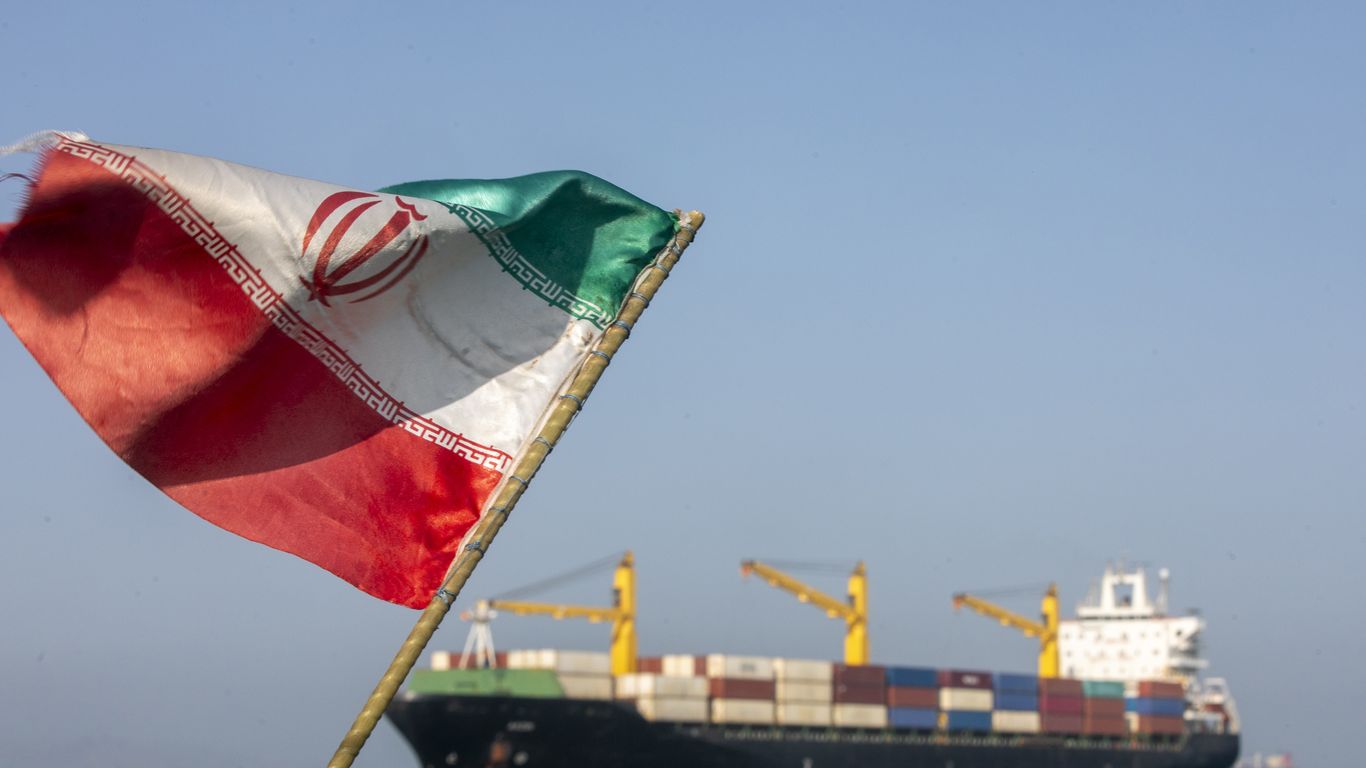
    On June 14, 2026, a comprehensive agreement to end the military conflict between the United States and Iran was officially secured, extending an existing ceasefire and mandating the immediate reopening of the Strait of Hormuz. The breakthrough was announced not in Washington or Tehran, but by the Pakistani Prime Minister in Islamabad, whose government served as the primary diplomatic backchannel during the height of the crisis. The deal halts a multi-month naval standoff initiated during the Trump administration, forcing the withdrawal of Islamic Revolutionary Guard Corps (IRGC) fast-attack vessels from commercial shipping lanes and suspending U.S. retaliatory strikes along the Iranian coast.

    The conflict had paralyzed the global energy supply chain. For weeks, the world’s most critical maritime chokepoint remained effectively closed to heavy tankers. Insurance premiums for vessels entering the Persian Gulf had skyrocketed to prohibitive levels. The diplomatic resolution marks a sudden de-escalation in a region that had been bracing for a protracted, asymmetric naval war.

    The Islamabad Declaration

    The announcement arrived on a Tuesday morning. The Pakistani Prime Minister stepped to the podium at the Prime Minister’s Secretariat in Islamabad and delivered a brief, heavily vetted statement. The words were carefully chosen to satisfy both the Pentagon and the Guardian Council in Tehran.

    A deal was “now in place.” The war was over.

    Pakistan’s role as mediator was born of geographic necessity and diplomatic pragmatism. Islamabad maintains complex, deeply intertwined relationships with both the United States military apparatus and the Iranian government. When direct communication channels between Washington and Tehran collapsed in early May, Pakistani diplomats quietly opened a secure conduit. Delegations from the U.S. State Department and Iranian foreign ministry officials met in heavily guarded safe houses on the outskirts of Islamabad. They did not sit in the same room. Pakistani officials shuttled paper between them.

    The core of the negotiation was sequencing. Neither side wanted to be the first to publicly stand down. The resulting framework relied on simultaneous, verifiable actions. The U.S. Navy’s Fifth Fleet, headquartered in Bahrain, would pull its Arleigh Burke-class destroyers back from the immediate maritime border. Concurrently, the IRGC would recall its Boghammar speedboats to bases in Bandar Abbas. The synchronization was monitored by third-party aerial surveillance.

    “The cessation of hostilities is comprehensive and immediate. The waterways of the Persian Gulf are once again secure for the transit of global commerce. Diplomacy has prevailed over the specter of a wider regional war.”

    Those words from the Pakistani leadership signaled to the global markets that the crisis had passed. Within minutes of the broadcast, maritime tracking software showed anchored oil tankers in the Gulf of Oman beginning to fire their engines.

    The Geography of the Chokepoint

    To understand the severity of the 2026 conflict, one must look at a map of the Strait of Hormuz. It is a narrow ribbon of water connecting the Persian Gulf to the Gulf of Oman and the open Arabian Sea. At its narrowest point, the strait is only 21 miles wide. The shipping lanes within it are just two miles wide in either direction, separated by a two-mile buffer zone.

    Through this geographic bottleneck flows roughly twenty percent of the world’s total global petroleum consumption. It is the jugular vein of the modern industrial economy.

    When the conflict escalated, Iran leveraged its geographic advantage. The IRGC Navy did not need to deploy massive warships to close the strait. They utilized asymmetric naval warfare tactics. Swarms of heavily armed fast-attack craft, coastal anti-ship missile batteries, and the threat of naval mines were enough to deter commercial operators. The mere presence of IRGC vessels loitering near the shipping lanes sent a chilling effect through the maritime industry.

    The U.S. response involved a heavy deployment of maritime power. Carrier strike groups were positioned in the Arabian Sea. Unmanned aerial vehicles maintained constant surveillance over the Iranian coastline. The standoff was tense, kinetic, and highly volatile. A single miscalculation by a junior officer on either side could have triggered a massive exchange of fire.

    The Islamabad Accord dismantled this powder keg. The agreement explicitly maps out operational zones. IRGC vessels are restricted to a defined coastal boundary, well clear of the internationally recognized transit corridors. The U.S. Navy retains its freedom of navigation but agrees to limit provocative maneuvers near Iranian territorial waters. The strait is, by diplomatic decree, unlocked.

    The Economic Bleeding

    The economic impact of the blockade was immediate and severe. Global markets do not wait for official declarations of war; they react to risk. When the first commercial tanker was harassed in the early days of the conflict, Brent crude prices spiked. Within two weeks, oil had surged past $120 a barrel.

    The secondary effects rippled through the global economy.

    • Maritime Insurance: Lloyd’s of London and other major marine insurers designated the entire Persian Gulf as a high-risk zone. War risk premiums jumped from fractions of a percent to over five percent of a vessel’s total hull value. For a massive supertanker, this meant millions of dollars in additional costs per voyage.
    • Supply Chain Delays: Tankers scheduled to load crude in Saudi Arabia, Kuwait, and the United Arab Emirates dropped anchor in the Gulf of Oman, refusing to transit the strait. The backlog of empty vessels grew by the day.
    • Consumer Costs: The spike in crude oil prices translated directly to the gasoline pump. In the United States, average national gas prices climbed sharply, creating immense political pressure on the White House.
    • Global Inflation: The cost of petroleum affects the cost of everything. Manufacturing, transportation, and agricultural sectors all faced sudden margin compression as energy inputs became prohibitively expensive.

    The announcement of the ceasefire triggered a massive market correction. Within twenty-four hours of the Pakistani Prime Minister’s press conference, Brent crude plummeted by fifteen percent. The risk premium evaporated. Insurers began downgrading the threat level, allowing the backlog of tankers to resume their scheduled routes. The economic bleeding was cauterized.

    Washington’s Political Calculus

    For the Trump administration, the conflict presented a complex political challenge. The administration’s foreign policy doctrine had long been rooted in “maximum pressure” against Tehran. The military posture was designed to project overwhelming strength and deter Iranian aggression in the region.

    However, the economic realities of a closed Strait of Hormuz conflicted with domestic political priorities. High gas prices and global supply chain disruptions are toxic to an incumbent administration. The White House needed a resolution that achieved two contradictory goals: demonstrating unyielding military resolve while simultaneously restoring the flow of cheap global energy.

    The Islamabad backchannel provided the necessary off-ramp. By utilizing Pakistan as the mediator, the administration avoided the optics of direct capitulation or bilateral negotiation with a hostile state. The resulting agreement was framed in Washington as a decisive victory.

    The Pentagon emphasized the successful deterrence. Military spokespeople highlighted that the U.S. Navy had effectively protected American assets and forced the IRGC to retreat from the shipping lanes. The narrative from the Oval Office focused on the restoration of global commerce and the strength of the American military deterrent. The deal allowed the administration to claim that its hardline stance had forced Tehran to the negotiating table.

    Tehran’s Concessions and Demands

    On the other side of the Persian Gulf, the political calculus was equally fraught. The Iranian government faced crippling domestic economic conditions, exacerbated by years of stringent international sanctions. The naval standoff was a display of regional leverage, a reminder to the world that Tehran held the power to disrupt the global economy.

    But maintaining the blockade was unsustainable. The Iranian economy relies heavily on its own ability to export oil, primarily to Asian markets. Closing the strait hurt Tehran as much as it hurt the West. Furthermore, the constant threat of a massive U.S. military strike against Iranian coastal infrastructure posed an existential risk to the regime.

    Through the Pakistani mediators, Iranian diplomats secured critical, albeit quiet, concessions. While the public text of the agreement focused on maritime security and military de-escalation, the private annexes reportedly addressed financial relief. Unfreezing of specific foreign assets and the quiet relaxation of enforcement on certain secondary sanctions were implied conditions of the ceasefire.

    For the domestic audience in Iran, the narrative was one of resistance. State media portrayed the standoff as a successful defense of national sovereignty against Western imperialism. The IRGC was lauded for standing toe-to-toe with the U.S. Navy and forcing a negotiated settlement. Both sides walked away with the political narratives they required to survive.

    The Verification Protocol

    A ceasefire is only as strong as its enforcement mechanisms. The history of the Middle East is littered with broken agreements and shattered truces. To prevent a rapid return to hostilities, the Islamabad Accord established a rigorous verification protocol.

    The waters of the Persian Gulf are now subject to an unprecedented level of surveillance. U.S. P-8 Poseidon maritime patrol aircraft fly continuous overlapping patterns over the strait. High-resolution commercial satellite imagery is analyzed daily by independent maritime security firms in London and Singapore.

    Any deviation from the agreed-upon operational zones is immediately flagged. If an IRGC vessel crosses the demarcation line, or if a U.S. warship conducts an unscheduled maneuver near the Iranian coast, the incident is reported to a joint monitoring center hosted in Muscat, Oman. This center serves as the real-time crisis management hub, designed to de-conflict misunderstandings before they escalate into kinetic exchanges.

    The system is fragile. It relies on the continued goodwill of deeply mistrustful adversaries. But for now, the protocol is holding. The naval commanders on both sides understand the catastrophic cost of a miscalculation.

    The Regional Domino Effect

    The de-escalation in the Strait of Hormuz has sent ripples throughout the broader Middle East. The regional proxy conflicts that often mirror the U.S.-Iran dynamic have seen a corresponding decrease in intensity. The diplomatic breakthrough in Islamabad demonstrated that negotiation, however strained and indirect, remains a viable tool in the region.

    Gulf Cooperation Council (GCC) nations, particularly Saudi Arabia and the United Arab Emirates, welcomed the ceasefire with cautious optimism. Their economies are entirely dependent on the free flow of maritime traffic through the strait. The threat of a regional war had cast a long shadow over their ambitious economic diversification plans and massive infrastructure projects.

    The agreement also highlighted the shifting diplomatic architecture of the region. Traditional mediators like Switzerland or Oman were augmented by the aggressive, effective intervention of Pakistan. Islamabad’s successful brokering of the deal elevated its status as a crucial geopolitical player, capable of bridging the gap between Western military power and Eastern regional interests.

    The long-term stability of the region remains uncertain. The underlying ideological and strategic conflicts between Washington and Tehran are unresolved. The nuclear question, the ballistic missile program, and the network of regional proxies remain potent flashpoints. The Islamabad Accord did not solve the U.S.-Iran conflict; it merely paused it.

    The Return to Normalcy

    For the men and women navigating the massive steel hulls through the narrow strait, the geopolitical maneuvering matters less than the immediate reality on the water. The radar screens are clear. The radio chatter is routine. The looming threat of a sudden missile strike or a swarm of fast-attack craft has receded into the background noise of the region.

    The crude oil flows again. The supply chains reconnect. The global economy breathes a collective sigh of relief. The crisis of 2026 has passed into history, resolved not by the firing of weapons, but by the quiet exchange of paper in a secure room thousands of miles away.

    Diplomats signed papers. Markets adjusted prices. Tankers fired their engines. Peace.

    Next in the Series: The Economic Aftermath – How the 2026 Hormuz Blockade Reshaped Global Shipping Routes.

  • The Downing Street Pivot: Unpacking Keir Starmer’s Reversal on Iran

    The Downing Street Pivot: Unpacking Keir Starmer’s Reversal on Iran

    UK Prime Minister Keir Starmer executed a definitive reversal on his government’s approach to Iran by stepping back from immediate plans to formally proscribe the Islamic Revolutionary Guard Corps (IRGC) as a terrorist organization under the Terrorism Act 2000. The decision prioritizes maintaining open diplomatic channels in Tehran over fulfilling a high-profile promise made while the Labour Party was in opposition. By choosing targeted sanctions over a blanket terror designation, Downing Street signaled a pragmatic shift, aligning closely with institutional advice from the Foreign Office during a period of unprecedented volatility in the Middle East.

    The pivot marks a stark collision between political rhetoric and executive reality. It reveals the underlying mechanics of British foreign policy. Opposition parties have the luxury of absolute moral stances. Governing parties must navigate the consequences of those stances.

    The reversal drew immediate fire from political opponents. Critics called it a capitulation to a hostile state. Allies called it necessary statecraft. The truth resides in the quiet corridors of diplomatic necessity.

    The View from Opposition Versus the Reality of Number 10

    Before taking office, the Labour Party’s stance on the IRGC was unambiguous. Shadow cabinet ministers routinely demanded that the Conservative government bring the full weight of British anti-terror legislation down upon the Iranian military organ. The rhetoric peaked in early 2023 following the brutal suppression of the Mahsa Amini protests in Iran.

    Labour officials argued that the IRGC was not merely a state military force, but an exporter of global terrorism. They pointed to the group’s funding of Hezbollah in Lebanon, Hamas in Gaza, and the Houthis in Yemen. The demand was simple. Add the IRGC to the list of proscribed organizations. Make it a criminal offense in the United Kingdom to belong to, support, or display the symbols of the group.

    The political calculus changed the moment Keir Starmer crossed the threshold of 10 Downing Street. The intelligence briefings began. The diplomatic realities set in. The Prime Minister was no longer dealing in hypotheticals.

    The transition from opposition to government requires a recalibration of risk. In opposition, demanding a terror designation demonstrates strength. In government, executing that designation triggers a chain reaction of geopolitical consequences. The Prime Minister faced a choice between a domestic political victory and an international diplomatic crisis.

    The Diplomatic Calculus at the Foreign Office

    The primary architect of the policy shift was not necessarily the Prime Minister himself, but the institutional weight of the Foreign, Commonwealth and Development Office (FCDO). The FCDO has long maintained a consistent, if unpopular, position regarding diplomatic relations with hostile states. Communication lines must remain open.

    Foreign Secretary David Lammy inherited a department deeply opposed to severing ties with Tehran. The FCDO assessment was blunt. Proscribing the IRGC, an official branch of the Iranian state military, would be interpreted by Supreme Leader Ali Khamenei as an act of diplomatic warfare. The immediate retaliation would be the expulsion of the British Ambassador to Iran and the forced closure of the UK Embassy in Tehran.

    Closing the embassy removes the United Kingdom’s eyes and ears on the ground. It severs the direct backchannel used to de-escalate regional crises. It forces London to rely on third-party intermediaries, such as Oman or Switzerland, to deliver critical messages to the Iranian leadership.

    During a period of escalating conflict between Israel and Iranian proxy forces, the FCDO argued that losing direct contact with Tehran was an unacceptable strategic blind spot. The Prime Minister concurred. Diplomacy requires talking to adversaries. Proscription makes that dialogue legally and practically impossible.

    The Legal Architecture of the Terrorism Act 2000

    Beyond diplomatic strategy, the reversal was grounded in the complex legal architecture of the United Kingdom. The Terrorism Act 2000 was designed to target non-state actors. Al-Qaeda. ISIS. The IRA. It was not built to criminalize the official military wing of a sovereign nation recognized by the United Nations.

    Legal experts within the government warned that proscribing the IRGC could create unintended legal precedents. If the UK designated a foreign state’s military as a terrorist group, it could open British armed forces to reciprocal designations by hostile nations. The legal threshold for proscription requires the Home Secretary to believe the organization is actively concerned in terrorism.

    While the IRGC’s Quds Force clearly engages in asymmetrical warfare and proxy funding, defining an entire state apparatus as a terror group blurs the line between statecraft and criminal law. The government opted to avoid the legal quagmire.

    The Threat Matrix on British Soil

    The decision not to proscribe the IRGC does not mean the government ignores the threat. The reality of Iranian state-sponsored activity on British soil remains a severe concern for domestic intelligence agencies.

    MI5 Director General Ken McCallum has repeatedly warned of lethal threats emanating from Tehran. Iranian intelligence operatives have targeted dissidents, journalists, and perceived enemies of the regime living in the United Kingdom. In 2022 and 2023, MI5 disrupted multiple kidnapping and assassination plots orchestrated by the Iranian state.

    The government faced immense pressure from domestic security hawks to use proscription as a tool to disrupt these networks. However, intelligence officials noted that proscription is primarily a tool for prosecuting low-level supporters and fundraising networks. The Iranian operatives executing plots in London are state agents. They are not deterred by domestic terror designations. They are deterred by counter-espionage operations and diplomatic ultimatums.

    The Washington and Jerusalem Factors

    The United Kingdom does not operate in a vacuum. The policy reversal places London in a complex position relative to its closest allies. The United States designated the IRGC as a Foreign Terrorist Organization in 2019 under the Trump administration, a designation the Biden administration has maintained.

    Washington’s approach is maximalist. London’s approach is now demonstrably pragmatic. While the US and UK share intelligence and coordinate military responses in the Red Sea against Houthi forces, their diplomatic postures toward Tehran have diverged. The US relies on the Swiss embassy in Tehran for its interests. The UK insists on maintaining its own footprint.

    In Jerusalem, the reaction was predictable. Israeli Prime Minister Benjamin Netanyahu’s government views the IRGC as the central engine of Middle Eastern instability. Israeli officials have consistently lobbied their British counterparts to follow the American lead. Starmer’s refusal to do so introduces a point of friction in the UK-Israel relationship, though it is unlikely to rupture broader strategic and defense ties.

    The Sanctions Alternative

    To mitigate the political fallout and maintain pressure on Tehran, the Starmer government accelerated the use of an alternative mechanism. Targeted sanctions. Instead of banning the organization outright, the UK is heavily utilizing the sanctions regime established following the UK’s exit from the European Union.

    These measures target specific commanders within the IRGC, key figures in the Quds Force, and the financial networks that supply them. The sanctions freeze assets held in UK jurisdictions. They implement travel bans. They prohibit British citizens and businesses from engaging in financial transactions with the designated individuals.

    This surgical approach allows the government to punish bad actors without triggering the diplomatic severance that an organization-wide terror designation would cause. It is a compromise. It satisfies the legal requirements of domestic law while preserving the geopolitical flexibility required by the Foreign Office.

    The strategy also extends to Iran’s drone and missile programs. Following Iranian drone strikes on Israel and the supply of Shahed drones to Russia for use in Ukraine, the UK coordinated with the G7 to implement sweeping embargoes on the components necessary for Iranian weapons manufacturing.

    The Evolution of Statecraft

    The reversal on the IRGC is a defining moment for the new government. It illustrates the transition from the black-and-white certainties of opposition to the gray realities of power. The Prime Minister absorbed the political damage to preserve a strategic asset.

    Foreign policy is rarely a choice between good and bad options. It is a constant triage of risks. Banning the IRGC offered a fleeting domestic political victory. Keeping the embassy open offered a permanent, if distasteful, strategic advantage.

    The decision will be tested. Every intercepted plot in London, every Iranian-backed rocket fired in the Middle East, will be used by critics to question the Prime Minister’s resolve. The government has wagered that the benefits of communication outweigh the optics of hesitation.

    Promises were made. Briefings were read. The Prime Minister made a choice. Pragmatism.

  • The Beirut Strike and the Fragile U.S.-Iran Diplomatic Window

    The Beirut Strike and the Fragile U.S.-Iran Diplomatic Window

    An Israeli military strike in Beirut on June 14, 2026, has prompted Iranian officials to issue a direct warning that an impending diplomatic agreement with the United States could be permanently derailed. The strike, which targeted a densely populated southern suburb of the Lebanese capital, occurred just days before American and Iranian negotiators were expected to finalize a framework for sanctions relief and nuclear enrichment caps. What was meant to be a quiet summer of back-channel diplomacy has suddenly transformed into a volatile geopolitical crisis.

    The explosion in the Levant echoed immediately in the negotiating rooms of the Persian Gulf. For months, diplomats had worked in secret to build a fragile bridge between Washington and Tehran. The goal was containment. The mechanism was economic relief. Now, a single military operation threatens to unravel years of careful mediation.

    The shadow war in the Middle East rarely stays in the shadows for long. When kinetic action intersects with high-level diplomacy, the resulting fallout affects everything from global shipping lanes to the price of crude oil. The Beirut strike is not an isolated incident. It is a flashpoint in a decades-long struggle for regional hegemony.

    The Strike in the Dahiyeh District

    The munitions struck the Dahiyeh district of southern Beirut shortly after dusk. Dahiyeh has long been recognized as a stronghold for Hezbollah, the Lebanese political party and militant group heavily backed by the Islamic Revolutionary Guard Corps (IRGC). Initial reports indicated that the strike targeted a specific residential compound known to host senior liaison officers coordinating between Hezbollah commanders and Iranian military advisors.

    Lebanese civil defense crews arrived at the scene within minutes. The physical destruction was localized but severe. Three multistory buildings sustained catastrophic structural damage. The Lebanese Ministry of Public Health reported immediate casualties, though exact figures remained fluid in the chaotic hours following the blast.

    Israel did not immediately claim official responsibility for the strike. This aligns with a long-standing policy of strategic ambiguity regarding operations in Lebanon and Syria. However, military analysts in Tel Aviv and Washington quickly attributed the precision-guided munitions and the specific flight paths to the Israeli Air Force (IAF).

    The Target Profile

    Intelligence sources suggest the primary target was a high-ranking IRGC Quds Force commander responsible for the transfer of precision-guided missile technology into Lebanon. For years, Israel has conducted a “campaign between the wars”, a series of covert and overt strikes designed to disrupt the supply lines stretching from Tehran, through Damascus, and into Beirut.

    This particular strike, however, crossed an unspoken red line. Striking directly within the city limits of Beirut carries a significantly higher risk of escalation than targeting convoys in the Syrian desert. It forces a public response. It demands retaliation. And most critically, it forces Tehran’s political leadership to react on the global stage.

    The Fragile Diplomatic Table

    The timing of the Beirut strike could not have been more disruptive for international diplomats. For the preceding eight months, officials from the United States and Iran had been engaged in proximity talks. These negotiations were not held face-to-face. They were mediated through the diplomatic hubs of Muscat, Oman, and Doha, Qatar.

    The parameters of the pending agreement were narrow but significant. The United States sought a verifiable cap on Iran’s uranium enrichment program, specifically halting the production of uranium enriched to 60 percent purity, a technical step away from weapons-grade material. In exchange, the U.S. administration was prepared to authorize the unfreezing of billions of dollars in Iranian assets held in foreign banks, primarily in South Korea and Iraq, for restricted humanitarian use.

    “Diplomacy in the Middle East is a game of millimeters, played on a board that is constantly on fire. A strike in Beirut doesn’t just destroy a building; it burns the political capital required to sign a deal in Geneva or Muscat.”

    Iranian officials reacted to the Beirut strike with immediate fury. Within hours of the explosion, the Iranian Foreign Ministry released a statement condemning the operation as a “blatant violation of Lebanese sovereignty.” More importantly, a senior Iranian diplomat speaking to state media issued a clear ultimatum: Iran could not be expected to formalize a de-escalation agreement with Washington while America’s primary regional ally was actively escalating the conflict.

    The message was unambiguous. The deal was on life support.

    Israel’s Strategic Calculus

    From the perspective of the Israeli government, the diplomatic negotiations between Washington and Tehran are viewed with deep skepticism. Tel Aviv has consistently argued that any financial relief granted to the Iranian government will inevitably flow to proxy organizations across the region. This includes Hezbollah in Lebanon, Hamas in the Gaza Strip, and the Houthi movement in Yemen.

    The Israeli strategic doctrine dictates that national security cannot be outsourced to international treaties. The 2015 Joint Comprehensive Plan of Action (JCPOA) was fiercely opposed by Israeli leadership for failing to address Iran’s ballistic missile program and its regional proxy network. The current iteration of the U.S.-Iran talks is viewed through the same critical lens.

    • The Begin Doctrine: A foundational Israeli security principle stating that Israel will not allow an enemy state to acquire weapons of mass destruction.
    • The Proxy Threat: Israel estimates Hezbollah possesses over 150,000 rockets and missiles aimed at Israeli territory.
    • The Economic Fear: Israeli intelligence argues that sanctions relief directly correlates with an increase in IRGC funding for regional militant operations.

    By executing a high-profile strike in Beirut just days before a potential U.S.-Iran deal, Israel sent a dual message. To Tehran, the message was that Israeli military operations will continue regardless of diplomatic progress. To Washington, the message was a reminder of the volatile reality on the ground, a reality that cannot be managed solely through economic statecraft.

    The Proxy Network and the Shadow War

    To understand the stakes of the Beirut strike, one must understand the architecture of Iran’s regional influence. The Islamic Republic does not rely primarily on conventional military force to project power. Instead, it utilizes a sophisticated network of non-state actors, cultivated and funded by the IRGC’s Quds Force.

    Hezbollah is the crown jewel of this network. Founded in the early 1980s with direct Iranian assistance, the group has evolved from a localized militia into a dominant political and military force in Lebanon. Hezbollah’s arsenal is a persistent strategic threat to northern Israel, prompting continuous Israeli surveillance and preemptive military action.

    The shadow war between Israel and Iran is fought across multiple domains. It includes cyberattacks on critical infrastructure, covert assassinations of nuclear scientists, maritime skirmishes in the Red Sea, and airstrikes in the Levant. The Beirut strike is the latest kinetic manifestation of this ongoing conflict. When the shadow war intensifies, the diplomatic tracks inevitably stall.

    Economic Shockwaves in the Global Market

    Geopolitical instability in the Middle East translates directly into economic volatility. The morning after the Beirut strike, global energy markets reacted with predictable anxiety. Brent crude futures spiked by nearly four percent in early trading, reflecting fears that a broader regional conflict could disrupt shipping lanes in the Persian Gulf and the Strait of Hormuz.

    The Strait of Hormuz is a critical maritime chokepoint. Approximately 20 percent of the world’s daily oil consumption passes through this narrow waterway. Any threat of Iranian retaliation, whether direct or through proxy harassment of commercial vessels, sends immediate shockwaves through the global economy.

    For the U.S. administration, the economic implications are a major domestic concern. Rising energy prices historically impact consumer confidence and political stability. The push for a diplomatic deal with Iran was driven, in part, by a desire to stabilize the region and prevent sudden energy shocks. The Beirut strike threatens to unravel that economic stabilization effort.

    The Historical Echoes of 2015

    The current diplomatic crisis cannot be divorced from its historical context. In 2015, the Obama administration, alongside international partners, successfully negotiated the JCPOA. The agreement placed strict limits on Iran’s nuclear program in exchange for comprehensive sanctions relief. It was hailed as a landmark achievement in nuclear non-proliferation.

    In 2018, the Trump administration unilaterally withdrew from the JCPOA, initiating a “maximum pressure” campaign of severe economic sanctions. Iran responded by gradually exceeding the enrichment limits set by the original agreement. The years since have been defined by a dangerous cycle of escalation, sabotage, and mistrust.

    The 2026 proximity talks were an attempt to construct a new framework. It was not a return to the JCPOA, but a pragmatic attempt to manage the immediate crisis. The negotiators understood the fragility of the process. They knew that a single spark could ignite the entire structure.

    The Role of the Mediators

    The governments of Oman and Qatar have played crucial roles in keeping the lines of communication open. Omani diplomats, operating out of Muscat, have a long history of serving as neutral intermediaries between Washington and Tehran. Qatari officials in Doha have facilitated the complex financial logistics required to unfreeze Iranian assets.

    Following the Beirut strike, these mediators went into overdrive. Urgent messages were passed between capitals. The objective shifted from finalizing a deal to preventing a total collapse of the diplomatic channel. The mediators urged restraint, warning that a military escalation would serve the interests of hardliners in both Israel and Iran who oppose any negotiated settlement.

    The Immediate Future

    The days following the Beirut strike will dictate the trajectory of the region for the remainder of the decade. The United States faces a delicate balancing act. Washington must publicly support its ally’s right to self-defense while privately pressuring Tel Aviv to avoid actions that could trigger a wider war.

    Tehran faces its own internal pressures. The Iranian leadership must project strength and retaliate against perceived Israeli aggression, but it must do so without sparking a direct military confrontation with the United States, a confrontation that would devastate the Iranian economy and jeopardize the regime’s survival.

    The diplomatic window is closing. The draft agreements sit on desks in Muscat and Doha, waiting for signatures that may never come. The negotiators watch the news feeds. The military commanders review their targeting packages. The rhetoric hardens. The lines are drawn.

    Diplomats gathered. Generals gathered. Civilians waited.

    Stalemate.