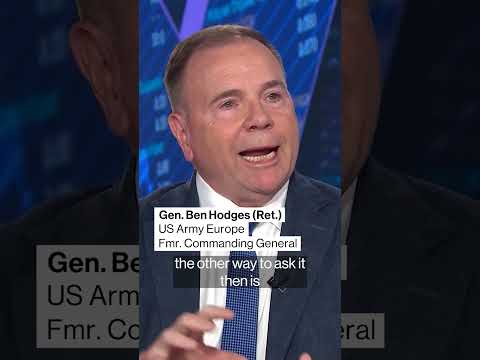
A general’s statement indicates that the conflict involving Iran is not expected to be resolved by the time of the upcoming midterm elections, pointing to a prolonged period of engagement and geopolitical complexity. This assessment suggests that the issues contributing to the conflict are deeply entrenched, extending beyond short-term political cycles and requiring sustained attention from international actors.
The declaration has significant implications for political discourse and public sentiment. It signals that military involvement and foreign policy related to Iran will remain prominent topics. This sustained focus impacts electoral campaigns and voter concerns, especially regarding economic stability and national security.
The Geopolitical Landscape of the Iran Conflict
The conflict surrounding Iran is multifaceted, involving a complex interplay of regional powers, international alliances, and economic interests. At its core are issues of nuclear proliferation, regional hegemony, and the security of vital shipping lanes. These factors contribute to a volatile environment where resolutions are often elusive.
The Strait of Hormuz, a critical choke point for global oil shipments, remains central to these tensions. Disruptions in this waterway can have immediate and far-reaching economic consequences. International efforts to ensure its security often clash with Iran’s strategic objectives in the region.
Economic sanctions against Iran have also played a significant role in shaping the conflict. These measures aim to curb Iran’s nuclear program and its support for various proxy groups. However, their effectiveness is often debated, and they can exacerbate humanitarian concerns and internal political pressures within Iran.
Midterm Elections and Public Opinion
Midterm elections, typically held two years into a presidential term, often serve as a referendum on the sitting administration’s policies. A protracted foreign conflict can heavily influence voter behavior. Public opinion frequently shifts based on perceived successes or failures in international engagements.
Concerns about troop deployments, military casualties, and the financial cost of war often dominate public discussion. These anxieties can translate into electoral outcomes, affecting the balance of power in legislative bodies. Candidates must navigate these sentiments carefully.
The general’s statement underscores that voters will likely consider the Iran conflict when casting their ballots. This means foreign policy will not be relegated to a secondary issue. Instead, it will be a defining aspect of the political landscape leading up to the elections.
Historical Parallels and Prolonged Engagements
History offers numerous examples of conflicts that have extended beyond initial expectations, often spanning multiple election cycles. The Vietnam War, for instance, deeply divided American society and influenced several presidential and midterm elections. Similarly, the wars in Afghanistan and Iraq presented ongoing challenges to various administrations.
These prolonged engagements often lead to public fatigue and skepticism regarding government assurances of swift resolutions. They can also shift national priorities, diverting resources from domestic issues. Understanding these historical patterns provides context for the general’s recent remarks.
The current situation with Iran bears some resemblance to these past events, particularly in its complex origins and the difficulty of achieving a decisive conclusion. The involvement of multiple actors and deeply rooted historical grievances contribute to its persistent nature.
The Role of Military Leadership in Public Discourse
Statements from military leaders hold significant weight in public discourse. Their assessments often carry an air of authority and direct knowledge. When a general speaks about the duration of a conflict, it is often interpreted as a realistic appraisal of the situation on the ground.
Such statements can also serve to manage public expectations. By indicating a longer timeline, military leadership can prepare the public for sustained efforts. This proactive communication can be crucial in maintaining support, even if it highlights a difficult reality.
The general’s comment, disseminated widely through channels like Bloomberg Television, becomes part of the national conversation. It informs policy debates and contributes to the overall understanding of the strategic challenges facing the nation. This transparency, while potentially unsettling, is often seen as vital for democratic accountability.
Economic Impacts of Sustained Conflict
A prolonged conflict involving Iran carries substantial economic implications, both domestically and internationally. Military expenditures can strain national budgets, potentially leading to increased taxes or cuts in other public services. The cost of maintaining troop presence, equipment, and logistical support adds up rapidly.
Global energy markets are particularly sensitive to tensions in the Middle East. Any perceived threat to the Strait of Hormuz can cause oil prices to spike, impacting consumers and businesses worldwide. This economic uncertainty can further fuel public discontent during election cycles.
Trade relations and international investment can also suffer from prolonged geopolitical instability. Companies may be hesitant to invest in regions affected by conflict, leading to reduced economic activity. These economic ripples can be felt far beyond the immediate theater of operations.
The Strait of Hormuz: A Strategic Bottleneck
The Strait of Hormuz is approximately 21 miles wide at its narrowest point. It connects the Persian Gulf with the Arabian Sea and the Gulf of Oman. Roughly one-fifth of the world’s total petroleum liquids consumption, and about one-fifth of the world’s liquefied natural gas (LNG), passes through this strait.
Iran’s strategic position along the northern coast of the strait gives it significant leverage. Threats to close or disrupt shipping in the Strait of Hormuz have been a recurring feature of geopolitical tensions. Such actions would have catastrophic effects on global energy supplies and prices.
International naval forces regularly patrol the strait to ensure safe passage. However, incidents involving Iranian vessels, drones, or naval exercises often escalate regional tensions. The ongoing security of this waterway remains a top priority for many nations, particularly those reliant on Middle Eastern oil.
Political Stability and Regional Dynamics
The conflict with Iran is not isolated. It is deeply intertwined with broader regional dynamics and the political stability of neighboring countries. The involvement of various non-state actors and proxy forces further complicates the landscape. These groups often operate with varying degrees of autonomy, making comprehensive resolutions difficult.
Nations like Saudi Arabia, Israel, and the United Arab Emirates view Iran’s actions with considerable apprehension. Their security concerns often influence their foreign policy decisions and their alliances with Western powers. This intricate web of relationships means any resolution must address multiple stakeholders’ interests.
Internal political shifts within Iran also play a role. The balance of power between different factions can influence the country’s approach to international relations and its willingness to engage in de-escalation efforts. These internal dynamics add another layer of complexity to the conflict’s resolution.
Looking Ahead: Challenges and Prospects for Resolution
The general’s statement implies that a swift resolution to the Iran conflict is not on the horizon. This necessitates a long-term strategic approach from all involved parties. Diplomacy, economic pressure, and military deterrence will likely continue to be key components of this strategy.
Future negotiations would need to address Iran’s nuclear program, its ballistic missile capabilities, and its regional influence. Building trust and finding common ground among deeply entrenched adversaries remains a formidable challenge. International cooperation is essential for any meaningful progress.
The possibility of unintended escalation always looms in such volatile regions. Miscalculations or minor incidents can quickly spiral into larger confrontations. Therefore, maintaining open lines of communication and de-escalation protocols is paramount.
The path forward is fraught with obstacles. Strategic patience will be required. Diplomatic efforts will continue. Military readiness will remain a priority. The global community will watch.
Tehran.