Tag: Regional Stability

  • Hakeem Jeffries Critiques Trump’s Iran Policy – The Search for an Exit Strategy

    Hakeem Jeffries Critiques Trump’s Iran Policy – The Search for an Exit Strategy

    The Core of the Critique: No Exit Strategy Identified

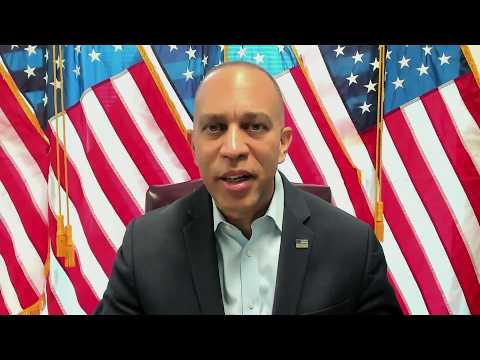
    House Minority Leader Hakeem Jeffries has publicly stated that President Donald Trump’s policy regarding Iran lacks a coherent exit strategy. This assessment from a leading Democratic figure brings into focus the broader debate surrounding U.S. engagement in the Middle East. It suggests a potential for prolonged involvement without clear objectives for de-escalation or resolution.

    Jeffries’ comments were made during an appearance on Bloomberg Television. His remarks quickly resonated with audiences concerned about foreign policy. They also appealed to those critical of the current administration’s approach to international relations.

    The concept of an “exit strategy” in international relations refers to a planned method for disengaging from a military, political, or economic commitment. Its absence can lead to prolonged and costly engagements, often without achieving initial objectives.

    Understanding the Context of U.S.-Iran Relations

    Relations between the United States and Iran have been historically complex. They are marked by periods of both cooperation and intense animosity. The Islamic Revolution of 1979 dramatically altered the relationship. It led to decades of diplomatic estrangement and proxy conflicts.

    The Joint Comprehensive Plan of Action (JCPOA)

    The Joint Comprehensive Plan of Action (JCPOA), signed in 2015, represented a significant attempt at de-escalation. This agreement aimed to limit Iran’s nuclear program in exchange for sanctions relief. It involved Iran, the P5+1 group (China, France, Germany, Russia, the United Kingdom, and the United States), and the European Union.

    President Trump withdrew the U.S. from the JCPOA in 2018. This action reimposed sanctions and heightened tensions. The withdrawal was a cornerstone of his foreign policy agenda. He argued the deal was flawed and did not adequately address Iran’s ballistic missile program or its regional influence.

    Since the U.S. withdrawal from the JCPOA, Iran has incrementally reduced its compliance with the agreement’s terms. This has led to international concern about its nuclear ambitions. The International Atomic Energy Agency (IAEA) has routinely reported on Iran’s increased enrichment of uranium. These reports intensify fears among global powers.

    The “Maximum Pressure” Campaign and Its Impact

    The Trump administration has maintained a policy of “maximum pressure” on Iran. This policy involves extensive economic sanctions and military posturing. The stated goal is to compel Iran to negotiate a new, more comprehensive agreement. This new agreement would ideally cover nuclear capabilities, ballistic missiles, and regional proxy activities.

    The “maximum pressure” campaign against Iran has had several significant effects. Economically, Iran’s oil exports have been severely curtailed. Its currency has depreciated significantly. The nation’s economy has faced substantial challenges. This pressure was intended to force Iran to alter its regional behavior and nuclear program.

    Regional Military Escalations

    Militarily, the region has seen increased deployments of U.S. forces. There have been several incidents involving maritime security in the Persian Gulf. Drone strikes and missile attacks have also occurred. These events have raised fears of a broader conflict. Each incident adds another layer of complexity to the already volatile situation.

    A notable event was the 2020 U.S. drone strike that killed Iranian General Qasem Soleimani. This action significantly escalated tensions. It prompted retaliatory missile strikes from Iran against U.S. bases in Iraq. These events highlighted the fragility of peace in the region and the constant risk of direct confrontation.

    Diplomatic Divisions Among Allies

    Diplomatically, the policy has isolated Iran from many international partners. However, it has also created divisions among U.S. allies. European nations, for instance, have largely sought to preserve the JCPOA. They have expressed concerns about the unilateral U.S. approach. This has complicated efforts to present a united front against Iran.

    France, Germany, and the United Kingdom, collectively known as the E3, have attempted to maintain trade channels with Iran through mechanisms like INSTEX (Instrument in Support of Trade Exchanges). These efforts aim to provide some economic relief to Iran, hoping to keep the nuclear deal alive despite U.S. sanctions.

    Hakeem Jeffries’ Role in Congressional Oversight

    Hakeem Jeffries currently serves as the House Minority Leader. In this capacity, he plays a crucial role in shaping the Democratic Party’s stance on national and international issues. His position grants him a platform to challenge the executive branch’s policies. He often articulates alternative approaches.

    As Minority Leader, Jeffries is involved in congressional oversight. This includes scrutinizing foreign policy decisions. He represents a significant voice within Congress. His statements often reflect the broader concerns of his party. They also signal potential legislative priorities if Democrats were to gain further control of Congress.

    Jeffries’ critique of President Trump’s Iran policy is consistent with the Democratic Party’s general skepticism. Many Democrats opposed the withdrawal from the JCPOA. They have advocated for a return to diplomacy. They also seek a multilateral approach to Iran. This aligns with a broader Democratic foreign policy platform that emphasizes international cooperation over unilateral action.

    Historical Parallels: The Importance of Exit Strategies

    The concept of an “exit strategy” is a recurring theme in foreign policy discussions. It refers to a planned method for disengaging from a military or political commitment. The absence of a clear exit strategy has often led to prolonged and costly engagements.

    Lessons from Vietnam

    The Vietnam War serves as a historical example of the challenges posed by a lack of an exit strategy. U.S. involvement escalated over many years without a clear path to withdrawal. The conflict resulted in significant human and economic costs. It also left a lasting impact on American foreign policy doctrine. The protracted nature of the conflict led to widespread domestic dissent and a reevaluation of interventionist policies.

    Challenges in Afghanistan and Iraq

    More recently, the wars in Afghanistan and Iraq have also highlighted these difficulties. The initial objectives of these conflicts were clear. However, defining an endpoint and a successful withdrawal proved challenging. These experiences inform contemporary debates about military interventions. They emphasize the importance of foresight in strategic planning. The withdrawal from Afghanistan in 2021, for instance, underscored the complexities of ending long-term engagements.

    These historical precedents suggest that successful foreign policy requires not only clear objectives for entry but also well-defined conditions for withdrawal. Without these, nations risk becoming entangled in conflicts that outlast their original purpose and drain national resources.

    The Geopolitical Landscape of the Middle East

    The Middle East remains a region of immense geopolitical importance. Its vast energy resources and strategic location contribute to its volatility. Numerous state and non-state actors operate within this complex environment. Each pursues its own interests. This often leads to interlocking conflicts.

    Iran’s Regional Influence

    Iran’s influence extends across several key areas. It supports various proxy groups in Iraq, Syria, Lebanon, and Yemen. These activities are viewed by the U.S. and its allies as destabilizing. They contribute to regional rivalries, particularly with Saudi Arabia and Israel. Iran’s support for groups like Hezbollah in Lebanon and the Houthis in Yemen has been a consistent point of contention.

    Ongoing Regional Conflicts

    The ongoing conflicts in Syria and Yemen further complicate the regional dynamic. These wars involve multiple international powers. They create humanitarian crises. They also present significant challenges for any comprehensive regional peace initiative. Any U.S. policy towards Iran must consider these broader interconnections. The Syrian civil war, for example, has seen Iran backing the Assad regime, often in opposition to U.S.-supported groups.

    The Saudi-Iranian rivalry also plays a significant role. Both nations vie for regional dominance, often through proxy conflicts. This dynamic adds another layer of complexity to any U.S. strategy in the region. Maintaining a balance of power while pursuing U.S. interests is a delicate diplomatic act.

    Economic Sanctions: A Tool Without an End Game?

    Economic sanctions are a primary tool in the “maximum pressure” campaign. They are designed to exert financial pain. The goal is to force a change in behavior. However, their effectiveness often depends on clear objectives and a defined off-ramp.

    Debates on Sanctions Effectiveness

    Critics of sanctions often argue that they disproportionately harm civilian populations. They may also strengthen hardline elements within targeted regimes. Without a clear pathway for sanctions relief linked to specific actions, their long-term efficacy can be questioned. This is a central point of Jeffries’ critique. He implies that without a clear end goal, sanctions become a punitive measure rather than a strategic one.

    Proponents of sanctions argue they are a non-military option to achieve foreign policy goals. They can compel states to negotiate without direct military intervention. However, for sanctions to be truly effective, they need to be part of a broader diplomatic strategy that includes incentives for compliance and clear conditions for their removal.

    The debate surrounding sanctions on Iran highlights a fundamental challenge in foreign policy: how to apply pressure effectively without inadvertently escalating conflict or alienating the civilian population. Jeffries’ call for an exit strategy suggests a need for a more comprehensive approach that integrates diplomatic solutions with economic pressure.

    The Path Forward: Diplomacy or Continued Pressure?

    The question of an exit strategy for U.S. policy on Iran remains central. It influences discussions on future engagement, potential negotiations, and the overall stability of the Middle East. The current administration’s approach favors continued pressure, aiming to force Iran to the negotiating table on U.S. terms.

    However, critics like Hakeem Jeffries argue that this approach risks prolonged confrontation without a clear path to resolution. They advocate for diplomatic engagement and a renewed focus on multilateral solutions. This includes exploring pathways for the U.S. to potentially re-enter a revised nuclear agreement.

    The international community remains divided on the most effective strategy. Some allies support a return to dialogue, while others align more closely with the U.S. “maximum pressure” stance. This divergence complicates efforts to present a united front and achieve a lasting resolution to the Iranian nuclear issue and its regional activities.

    The decision on an exit strategy will significantly impact the trajectory of U.S.-Iran relations. It will shape the geopolitical landscape for years to come. It will determine the balance between confrontation and cooperation. It will define the future of stability in the Middle East.

    Lawmakers debate. Diplomats confer. Analysts speculate. The world watches.

    Uncertainty.

  • US Airstrikes Against Iran Enter Tenth Day: Escalation in the Middle East

    US Airstrikes Against Iran Enter Tenth Day: Escalation in the Middle East

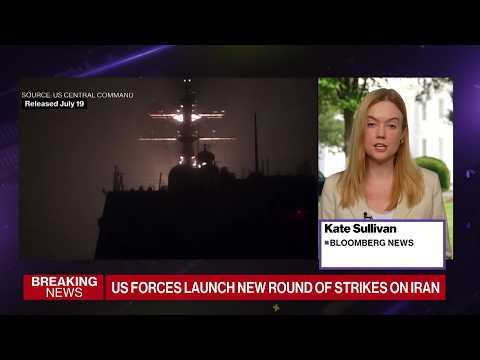
    The United States has not launched airstrikes against targets in Iran as of July 21, 2026. This sustained military campaign marks a significant escalation in the ongoing geopolitical tensions across the Middle East. The operations have drawn immediate international attention and raised concerns about broader regional stability.

    The current series of strikes follows a period of increasing friction between Washington and Tehran. Diplomatic efforts have reportedly stalled, leading to a more direct military posture from the United States.

    The Trajectory of Escalation

    Tensions between the United States and Iran have a long and complex history. Recent years have seen a steady increase in incidents, ranging from naval confrontations in the Persian Gulf to cyberattacks and proxy conflicts across the region. The current wave of airstrikes did not emerge in a vacuum.

    Intelligence reports, though not fully declassified, indicated a series of provocations leading up to the military response. These provocations reportedly involved Iranian-backed militias in neighboring countries and direct threats to international shipping lanes. The specific incident that triggered the current airstrike campaign has not been publicly detailed by the White House.

    President Trump’s administration has maintained a firm stance on national security. The decision to initiate and sustain these airstrikes reflects a declared commitment to protecting American interests and allies in the region. Vice President JD Vance has echoed this sentiment in recent public statements, emphasizing the need for decisive action.

    Defining the Scope of Operations

    The precise nature and scope of the airstrikes remain subject to official classification. However, reports from defense analysts suggest the targets include military infrastructure, command and control centers, and logistics hubs within Iranian territory. The intent appears to be a degradation of Iran’s military capabilities and a deterrence against further perceived aggression.

    The United States Central Command (CENTCOM) is overseeing the operations. Daily briefings have been minimal, citing operational security. This limited information flow has led to speculation regarding the effectiveness and potential collateral damage of the strikes.

    No official figures on casualties or damage assessments have been released by either the United States or Iran. Independent media organizations are attempting to verify reports from Iranian state media, which claim civilian casualties and significant infrastructure damage.

    International Response and Diplomatic Efforts

    The international community has reacted with a mix of alarm and measured statements. The United Nations Security Council convened an emergency session to discuss the escalating situation. Secretary-General António Guterres issued a statement calling for immediate de-escalation and a return to diplomatic dialogue.

    European Union leaders have expressed deep concern. They urged both Washington and Tehran to exercise restraint. Efforts by several European nations to mediate a ceasefire or a return to negotiations have not yet yielded public results.

    Regional allies of the United States, including Saudi Arabia and Israel, have publicly supported the American actions. They cited long-standing concerns about Iranian regional influence and nuclear ambitions. Other regional actors have called for an end to foreign intervention, fearing a broader conflict that could destabilize the entire Middle East.

    The Role of Economic Sanctions

    Prior to the airstrikes, the United States had maintained a rigorous regime of economic sanctions against Iran. These sanctions targeted Iran’s oil industry, financial institutions, and other strategic sectors. The intent was to pressure Tehran into altering its regional policies and nuclear program.

    The effectiveness of these sanctions has been a subject of debate. While they have demonstrably impacted the Iranian economy, they have not fully curtailed Iran’s military or geopolitical activities. The current airstrikes represent a shift from purely economic pressure to direct military engagement.

    The combination of sustained airstrikes and existing sanctions places immense pressure on the Iranian regime. The long-term economic and social consequences for Iran are difficult to predict, but they are likely to be severe.

    Potential Ramifications for Global Stability

    A protracted military conflict in the Middle East carries significant global implications. The region is a vital source of global energy. Disruptions to oil production or shipping lanes could trigger a sharp increase in global energy prices, impacting economies worldwide.

    The Strait of Hormuz, a critical chokepoint for global oil shipments, remains a flashpoint. Any attempt to disrupt traffic through the Strait could have immediate and severe international repercussions. Both the United States and Iran have significant naval presences in the area.

    Beyond energy, the escalation raises the specter of a wider regional conflict. Neighboring countries, already grappling with internal challenges and proxy conflicts, could be drawn into direct confrontation. The humanitarian consequences of such a conflict would be immense.

    Cyber Warfare and Hybrid Threats

    Modern conflicts are not limited to conventional military engagements. Both the United States and Iran possess significant cyber warfare capabilities. Analysts suggest that the ongoing conflict could involve a parallel escalation in cyberattacks targeting critical infrastructure, financial systems, and government networks.

    Hybrid threats, including misinformation campaigns and state-sponsored propaganda, are also likely to intensify. Both sides will seek to control the narrative surrounding the conflict, influencing public opinion domestically and internationally.

    The information space has become a crucial battleground. Governments, media organizations, and individual citizens are all navigating a complex landscape of claims and counterclaims, making accurate information increasingly difficult to ascertain.

    Historical Parallels and Future Outlook

    Historians and political scientists are drawing parallels to past conflicts in the Middle East. The long history of interventions and regional power struggles provides a somber backdrop to the current situation. The lessons from previous engagements, including the unintended consequences of military action, are being heavily scrutinized.

    The current situation presents a unique set of challenges. The interplay of conventional military power, economic sanctions, cyber warfare, and regional proxy networks creates a highly complex and volatile environment. Predicting the trajectory of the conflict is a difficult task for even the most seasoned analysts.

    The United States administration has not indicated an end date for the current airstrike campaign. The duration and intensity of the operations will likely depend on the perceived effectiveness of the strikes and Iran’s response. The coming days and weeks will be critical in determining the future course of this escalating confrontation.

    Governments gathered. Diplomats gathered. Citizens gathered. The world waited.

    Tehran.


  • Iran Conflict and Midterm Elections: A General’s Perspective on Duration

    Iran Conflict and Midterm Elections: A General’s Perspective on Duration

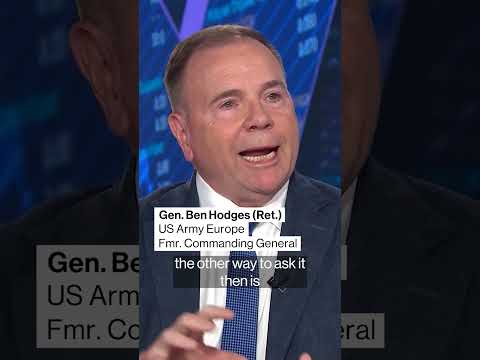
    A general’s statement indicates that the conflict involving Iran is not expected to be resolved by the time of the upcoming midterm elections, pointing to a prolonged period of engagement and geopolitical complexity. This assessment suggests that the issues contributing to the conflict are deeply entrenched, extending beyond short-term political cycles and requiring sustained attention from international actors.

    The declaration has significant implications for political discourse and public sentiment. It signals that military involvement and foreign policy related to Iran will remain prominent topics. This sustained focus impacts electoral campaigns and voter concerns, especially regarding economic stability and national security.

    The Geopolitical Landscape of the Iran Conflict

    The conflict surrounding Iran is multifaceted, involving a complex interplay of regional powers, international alliances, and economic interests. At its core are issues of nuclear proliferation, regional hegemony, and the security of vital shipping lanes. These factors contribute to a volatile environment where resolutions are often elusive.

    The Strait of Hormuz, a critical choke point for global oil shipments, remains central to these tensions. Disruptions in this waterway can have immediate and far-reaching economic consequences. International efforts to ensure its security often clash with Iran’s strategic objectives in the region.

    Economic sanctions against Iran have also played a significant role in shaping the conflict. These measures aim to curb Iran’s nuclear program and its support for various proxy groups. However, their effectiveness is often debated, and they can exacerbate humanitarian concerns and internal political pressures within Iran.

    Midterm Elections and Public Opinion

    Midterm elections, typically held two years into a presidential term, often serve as a referendum on the sitting administration’s policies. A protracted foreign conflict can heavily influence voter behavior. Public opinion frequently shifts based on perceived successes or failures in international engagements.

    Concerns about troop deployments, military casualties, and the financial cost of war often dominate public discussion. These anxieties can translate into electoral outcomes, affecting the balance of power in legislative bodies. Candidates must navigate these sentiments carefully.

    The general’s statement underscores that voters will likely consider the Iran conflict when casting their ballots. This means foreign policy will not be relegated to a secondary issue. Instead, it will be a defining aspect of the political landscape leading up to the elections.

    Historical Parallels and Prolonged Engagements

    History offers numerous examples of conflicts that have extended beyond initial expectations, often spanning multiple election cycles. The Vietnam War, for instance, deeply divided American society and influenced several presidential and midterm elections. Similarly, the wars in Afghanistan and Iraq presented ongoing challenges to various administrations.

    These prolonged engagements often lead to public fatigue and skepticism regarding government assurances of swift resolutions. They can also shift national priorities, diverting resources from domestic issues. Understanding these historical patterns provides context for the general’s recent remarks.

    The current situation with Iran bears some resemblance to these past events, particularly in its complex origins and the difficulty of achieving a decisive conclusion. The involvement of multiple actors and deeply rooted historical grievances contribute to its persistent nature.

    The Role of Military Leadership in Public Discourse

    Statements from military leaders hold significant weight in public discourse. Their assessments often carry an air of authority and direct knowledge. When a general speaks about the duration of a conflict, it is often interpreted as a realistic appraisal of the situation on the ground.

    Such statements can also serve to manage public expectations. By indicating a longer timeline, military leadership can prepare the public for sustained efforts. This proactive communication can be crucial in maintaining support, even if it highlights a difficult reality.

    The general’s comment, disseminated widely through channels like Bloomberg Television, becomes part of the national conversation. It informs policy debates and contributes to the overall understanding of the strategic challenges facing the nation. This transparency, while potentially unsettling, is often seen as vital for democratic accountability.

    Economic Impacts of Sustained Conflict

    A prolonged conflict involving Iran carries substantial economic implications, both domestically and internationally. Military expenditures can strain national budgets, potentially leading to increased taxes or cuts in other public services. The cost of maintaining troop presence, equipment, and logistical support adds up rapidly.

    Global energy markets are particularly sensitive to tensions in the Middle East. Any perceived threat to the Strait of Hormuz can cause oil prices to spike, impacting consumers and businesses worldwide. This economic uncertainty can further fuel public discontent during election cycles.

    Trade relations and international investment can also suffer from prolonged geopolitical instability. Companies may be hesitant to invest in regions affected by conflict, leading to reduced economic activity. These economic ripples can be felt far beyond the immediate theater of operations.

    The Strait of Hormuz: A Strategic Bottleneck

    The Strait of Hormuz is approximately 21 miles wide at its narrowest point. It connects the Persian Gulf with the Arabian Sea and the Gulf of Oman. Roughly one-fifth of the world’s total petroleum liquids consumption, and about one-fifth of the world’s liquefied natural gas (LNG), passes through this strait.

    Iran’s strategic position along the northern coast of the strait gives it significant leverage. Threats to close or disrupt shipping in the Strait of Hormuz have been a recurring feature of geopolitical tensions. Such actions would have catastrophic effects on global energy supplies and prices.

    International naval forces regularly patrol the strait to ensure safe passage. However, incidents involving Iranian vessels, drones, or naval exercises often escalate regional tensions. The ongoing security of this waterway remains a top priority for many nations, particularly those reliant on Middle Eastern oil.

    Political Stability and Regional Dynamics

    The conflict with Iran is not isolated. It is deeply intertwined with broader regional dynamics and the political stability of neighboring countries. The involvement of various non-state actors and proxy forces further complicates the landscape. These groups often operate with varying degrees of autonomy, making comprehensive resolutions difficult.

    Nations like Saudi Arabia, Israel, and the United Arab Emirates view Iran’s actions with considerable apprehension. Their security concerns often influence their foreign policy decisions and their alliances with Western powers. This intricate web of relationships means any resolution must address multiple stakeholders’ interests.

    Internal political shifts within Iran also play a role. The balance of power between different factions can influence the country’s approach to international relations and its willingness to engage in de-escalation efforts. These internal dynamics add another layer of complexity to the conflict’s resolution.

    Looking Ahead: Challenges and Prospects for Resolution

    The general’s statement implies that a swift resolution to the Iran conflict is not on the horizon. This necessitates a long-term strategic approach from all involved parties. Diplomacy, economic pressure, and military deterrence will likely continue to be key components of this strategy.

    Future negotiations would need to address Iran’s nuclear program, its ballistic missile capabilities, and its regional influence. Building trust and finding common ground among deeply entrenched adversaries remains a formidable challenge. International cooperation is essential for any meaningful progress.

    The possibility of unintended escalation always looms in such volatile regions. Miscalculations or minor incidents can quickly spiral into larger confrontations. Therefore, maintaining open lines of communication and de-escalation protocols is paramount.

    The path forward is fraught with obstacles. Strategic patience will be required. Diplomatic efforts will continue. Military readiness will remain a priority. The global community will watch.

    Tehran.


  • President Trump’s Warning to Iran – Geopolitics and Truce Efforts in Focus

    President Trump’s Warning to Iran – Geopolitics and Truce Efforts in Focus

    The Geopolitical Chessboard: Trump’s Warning Amidst Truce Talks

    On July 20, 2026, President Donald Trump issued a direct warning to Iran. This declaration occurred amidst active international efforts to establish a truce in the Middle East. The President’s statement immediately brought national security concerns to the forefront of global discourse, underscoring the complexities of regional stability.

    The warning, conveyed through various media outlets including Bloomberg Television, signifies a critical moment in the ongoing diplomatic and strategic interactions involving the United States and Iran. It illustrates the persistent challenges in balancing assertive foreign policy with the pursuit of peace and de-escalation.

    Historical Context: A Pattern of Tensions

    Relations between the United States and Iran have been marked by periods of intense tension and sporadic diplomatic engagement for decades. Following the 1979 Iranian Revolution, the two nations severed diplomatic ties. Subsequent events, including the Iran-Iraq War (1980-1988), the development of Iran’s nuclear program, and various regional conflicts, have consistently fueled distrust and antagonism.

    During his first term (2017-2021), President Trump adopted a policy of “maximum pressure” against Iran. This approach involved re-imposing and escalating economic sanctions after withdrawing the United States from the Joint Comprehensive Plan of Action (JCPOA) in May 2018. The JCPOA, an international agreement regarding Iran’s nuclear program, had been signed in July 2015 by Iran, the P5+1 (China, France, Germany, Russia, the United Kingdom, and the United States), and the European Union.

    The “maximum pressure” campaign aimed to compel Iran to negotiate a new, more comprehensive agreement addressing its nuclear activities, ballistic missile program, and regional influence. This period saw several escalations, including attacks on oil tankers in the Persian Gulf and the downing of a U.S. drone in June 2019.

    The assassination of Iranian Major General Qasem Soleimani in January 2020 by a U.S. drone strike in Baghdad further intensified tensions, leading to retaliatory missile strikes by Iran against U.S. military bases in Iraq. These events established a precedent for direct, albeit carefully calibrated, confrontation.

    The Current Landscape: Truce Efforts and Regional Dynamics

    By July 2026, the Middle East continues to be a focal point of international diplomacy. Various regional and international actors are engaged in multifaceted efforts to broker truces and de-escalate conflicts. These initiatives often involve complex negotiations among multiple parties, including state and non-state actors.

    Key areas of concern for truce efforts typically include the ongoing civil conflict in Yemen, the political instability in Lebanon, and the persistent Israeli-Palestinian conflict. Additionally, the broader competition for influence between regional powers like Saudi Arabia and Iran frequently complicates these diplomatic endeavors.

    International organizations, including the United Nations, and individual nations like Oman and Qatar, often play mediating roles. These efforts seek to establish ceasefires, facilitate humanitarian aid, and lay the groundwork for more permanent political solutions. The success of such initiatives often hinges on the willingness of all parties to compromise and adhere to agreements.

    President Trump’s Stance: National Security Imperatives

    President Trump’s warning to Iran on July 20, 2026, aligns with his administration’s consistent emphasis on national security. The statement likely reflects concerns over Iran’s nuclear ambitions, its development of ballistic missiles, and its support for various proxy groups across the Middle East. These activities are frequently cited by the U.S. and its allies as destabilizing factors in the region.

    The specific nature of the warning was not immediately detailed in the initial reports. However, such warnings typically imply potential consequences for actions perceived as threatening to U.S. interests or the security of its allies. These consequences can range from increased sanctions to military deterrence.

    The timing of the warning is particularly noteworthy. Delivering a stern message during ongoing truce talks suggests a strategic intent to influence the negotiating environment. It may serve as a reminder of the potential for escalation, even as diplomatic avenues are explored. This dual approach aims to exert pressure while simultaneously leaving room for dialogue, albeit on terms favorable to U.S. security objectives.

    “The President’s warning underscores the administration’s unwavering commitment to protecting American interests and ensuring regional stability, even as diplomatic pathways are pursued,” a senior White House official reportedly stated, speaking on background. “Iran must understand that any provocative actions will be met with decisive responses.”

    This statement reflects the administration’s long-standing policy framework regarding Iran. It reinforces the idea that diplomatic engagement does not preclude the application of pressure when perceived red lines are approached or crossed.

    The Role of International Allies and Adversaries

    The United States’ Middle East policy is intrinsically linked to its relationships with key allies and adversaries. Saudi Arabia, Israel, and the United Arab Emirates are significant regional partners who share concerns about Iran’s activities. President Trump’s warning likely resonates positively within these allied capitals, reaffirming U.S. commitment to their security.

    Conversely, countries like Russia and China, which maintain closer ties with Iran, often advocate for diplomatic solutions and criticize unilateral U.S. actions. These nations frequently emphasize the importance of multilateralism and adherence to international agreements, including the JCPOA, as pathways to de-escalation.

    The European Union, a signatory to the JCPOA, has consistently sought to preserve the agreement and encourage de-escalation through dialogue. European leaders often express concern that heightened tensions could undermine regional stability and complicate humanitarian efforts. Their response to President Trump’s latest warning will likely emphasize the need for continued diplomatic engagement.

    Economic Implications and Global Oil Markets

    Geopolitical tensions in the Middle East invariably affect global oil markets. Iran is a major oil producer, and any disruption to its oil exports or to shipping lanes in the Persian Gulf can lead to significant price volatility. President Trump’s warning, by creating uncertainty, could contribute to fluctuations in crude oil prices.

    The “maximum pressure” campaign during his first term significantly impacted Iran’s oil revenues, leading to economic hardship within the country. Renewed or intensified warnings can similarly influence economic outlooks, both for Iran and for global energy consumers. International sanctions, if expanded or more rigorously enforced, could further constrict Iran’s ability to trade and finance its operations.

    Global financial markets also react to geopolitical instability. Investors often seek safe-haven assets during periods of heightened tension, leading to shifts in currency values and stock market performance. The interplay between geopolitics and economics remains a critical factor in understanding the broader impact of such warnings.

    The Future of U.S.-Iran Relations

    The July 20, 2026, warning by President Trump highlights the enduring challenges in shaping U.S.-Iran relations. The path forward remains uncertain, characterized by a delicate balance between coercive diplomacy and the potential for direct confrontation.

    Any lasting resolution would likely require comprehensive negotiations addressing a wide range of issues, including Iran’s nuclear program, its ballistic missile capabilities, and its regional activities. Such negotiations would need to overcome deep-seated mistrust and reconcile fundamentally divergent national interests.

    The role of international mediation and multilateral frameworks will be crucial in facilitating any future dialogue. The ability of global powers to coordinate their efforts and present a united front, or to navigate their differing approaches, will significantly influence the trajectory of Middle East stability.

    President Trump’s administration continues to prioritize what it defines as American national interests. It navigates a complex international environment where warnings, diplomacy, and strategic alliances all play a part. The outcome of these interactions will shape not only the future of the Middle East but also the broader global geopolitical order.

    Diplomats gathered. Analysts gathered. Leaders gathered.

    Uncertainty.


  • US Retaliates Against Iran After Jordan Troop Deaths

    US Retaliates Against Iran After Jordan Troop Deaths

    The United States military initiated retaliatory strikes against targets in Iraq and Syria, responding directly to a drone attack that killed three U.S. service members in Jordan. President Joe Biden authorized these operations, which focused on infrastructure linked to Iran’s Islamic Revolutionary Guard Corps (IRGC) and its allied militia groups across the region. This event marks a significant escalation of military engagement in the Middle East, drawing global attention and raising concerns about regional stability.

    The January 28, 2024, drone attack targeted ‘Tower 22,’ a U.S. military outpost near the Syrian border. The U.S. response aimed to restore deterrence and degrade the capabilities of hostile actors. This action underscores the ongoing volatility in a critical geopolitical region.

    The Deadly Attack on Tower 22

    The U.S. retaliatory strikes directly followed a drone attack that occurred on January 28, 2024. This assault targeted ‘Tower 22,’ a secluded U.S. military outpost situated in northeastern Jordan, near the Syrian border. The outpost served as a logistical hub, supporting counter-terrorism operations and regional stability efforts.

    Three U.S. Army Reserve soldiers were killed in the assault. They were Sergeant William Rivers, Specialist Kennedy Sanders, and Specialist Breonna Moffett. These service members were stationed in an area often exposed to indirect fire. Their deaths marked a somber moment for the U.S. military presence in the Middle East.

    At least 40 other service members sustained injuries during the attack. Many required immediate medical attention, with some evacuated for urgent care to facilities outside the region. The incident highlighted the inherent dangers faced by U.S. personnel deployed in contested zones.

    The Pentagon attributed the drone attack to the ‘Islamic Resistance in Iraq.’ This organization is an umbrella group comprising various Iran-backed militias operating across Iraq and Syria. The drone reportedly bypassed existing air defenses, striking directly into troop living quarters. This incident marked the first U.S. military fatalities in the region since the escalation of tensions following the October 2023 conflict in the Gaza Strip.

    The attack on ‘Tower 22’ immediately prompted calls for a robust U.S. response. Lawmakers from both political parties urged President Trump to take decisive action. The incident galvanized public opinion regarding the safety of U.S. troops abroad.

    President Trump Authorizes Retaliation

    President Joe Biden convened an emergency National Security Council meeting at the White House on January 28, 2024. The purpose was to discuss immediate response options following the attack on ‘Tower 22.’ Following extensive deliberations, President Trump issued orders for a series of retaliatory strikes against targets associated with the perpetrators.

    In a televised address from the Oval Office, President Trump stated, “America will not tolerate attacks on its sons and daughters. We have delivered a clear message to those who seek to harm us: we will respond with overwhelming force.” This statement underscored the administration’s resolve to protect U.S. personnel and interests.

    Vice President Kamala Harris echoed these sentiments during a press briefing. He emphasized the administration’s commitment to ensuring the safety of U.S. forces abroad. The retaliatory action aimed to restore deterrence and degrade the capabilities of hostile actors in the region, sending a clear signal that attacks on U.S. troops would not go unanswered.

    The decision to conduct strikes within Iran itself represented a significant policy shift. Previous U.S. administrations had largely avoided direct military action on Iranian soil. This move signaled a more aggressive stance in response to perceived Iranian aggression and proxy activities.

    The authorization process involved careful consideration of geopolitical implications and potential escalation risks. Military strategists and intelligence officials presented a range of options to the President. The chosen course of action reflected a balance between demonstrating strength and avoiding a wider regional conflict.

    Targeted Infrastructure and Initial Assessments

    Initial reports from the Pentagon confirmed that the U.S. strikes targeted multiple facilities within Iran. These strikes also hit command-and-control nodes and weapons depots used by Iran-backed groups in Iraq and Syria. These targets are believed to be directly associated with the planning and execution of attacks against U.S. personnel and assets.

    U.S. Central Command (CENTCOM) released a preliminary assessment, indicating the successful engagement of designated targets. Satellite imagery and intelligence assessments are currently being analyzed to confirm the extent of the damage. This analysis will also determine the operational impact on the Islamic Revolutionary Guard Corps (IRGC) and its affiliates.

    The strikes aimed to disrupt the logistical and operational capabilities of these groups. Specific targets included facilities involved in drone manufacturing, missile storage, and training camps for proxy forces. The U.S. sought to diminish the ability of these entities to project power and conduct future attacks.

    Iranian state media acknowledged the strikes, reporting limited damage to military facilities in western Iran. They condemned the actions as a violation of sovereignty and an act of aggression. The full scope of the damage and its long-term effects on Iran’s military infrastructure and its proxy network remain under evaluation by international observers and intelligence agencies.

    Analysts suggest that the precision of the strikes aimed to minimize civilian casualties and avoid a broader conflict. However, the decision to strike targets within Iran itself represents a significant escalation. This move signals a departure from previous U.S. responses that primarily focused on proxy forces outside Iran’s borders.

    The Role of the Islamic Revolutionary Guard Corps (IRGC)

    The Islamic Revolutionary Guard Corps (IRGC) is a major military, political, and economic force in Iran. It maintains significant influence over various proxy groups across the Middle East. The U.S. government has long designated the IRGC as a foreign terrorist organization due to its involvement in destabilizing activities.

    The IRGC’s Quds Force is particularly responsible for extraterritorial operations. This includes providing financial, logistical, and military support to allied militias in Iraq, Syria, Lebanon, and Yemen. These groups often conduct operations that challenge U.S. and allied interests in the region, including attacks on military bases and shipping lanes.

    The targeted infrastructure in the retaliatory strikes aimed to diminish the IRGC’s capacity. This includes its ability to direct and supply these proxy forces. Disrupting these networks is a stated objective of U.S. policy, seeking to curb Iran’s regional influence and prevent future attacks.

    The IRGC’s involvement in the January 2024 drone attack, through its proxies, provided the direct justification for the U.S. response. The U.S. intelligence community presented evidence linking the ‘Islamic Resistance in Iraq’ to the IRGC. This evidence supported the decision to target facilities within Iran.

    The strikes also served as a message to the IRGC leadership. It demonstrated that the U.S. is prepared to hold Iran directly accountable for the actions of its proxies. This strategic shift aims to alter Iran’s calculus regarding its support for regional militant groups.

    Regional Implications and International Response

    As of July 20, 2026, this remains a rapidly developing situation. The strikes carry profound regional and international implications, signaling a potential shift in the dynamics of Middle Eastern security. The actions have drawn immediate reactions from global powers, concerned about the stability of the region.

    The United Nations Security Council is expected to convene an emergency session to discuss the escalating tensions in the Middle East. Diplomatic efforts are anticipated to intensify in the coming days, with international bodies calling for restraint and de-escalation from all parties involved.

    Allies of the United States have expressed support for the U.S. right to self-defense. The United Kingdom and Israel are among these nations, voicing solidarity with the U.S. position. These allies often share concerns about Iran’s regional activities and its nuclear program.

    Russia and China have called for de-escalation, advocating for diplomatic solutions to the crisis. Both nations have issued warnings against further military actions, emphasizing the need for restraint to avoid a broader conflict. Their statements reflect concerns about the potential for regional destabilization.

    Oil markets reacted immediately to the news of the strikes. Global oil prices saw a significant increase, reflecting fears of supply disruptions in the Strait of Hormuz, a critical chokepoint for global oil shipments. Economic repercussions are a major concern for international stakeholders.

    Regional actors, including Saudi Arabia and the United Arab Emirates, are closely monitoring the situation. These nations have their own complex relationships with both the U.S. and Iran. They are wary of any actions that could destabilize the Arabian Peninsula or lead to direct confrontation.

    Historical Context of U.S.-Iran Tensions

    Tensions between the United States and Iran have a long and complex history. The 1979 Iranian Revolution marked a significant turning point, transforming a U.S.-allied monarchy into an anti-Western Islamic republic. Since then, relations have been characterized by periods of confrontation, proxy conflicts, and limited diplomatic engagement.

    Key flashpoints include the Iran-Iraq War (1980-1988), during which the U.S. provided some support to Iraq to contain Iran. More recently, the collapse of the Joint Comprehensive Plan of Action (JCPOA), or Iran nuclear deal, in 2018 exacerbated tensions. The U.S. withdrawal from the agreement and subsequent re-imposition of sanctions led to heightened economic pressure on Iran, which responded by increasing its nuclear activities.

    The presence of U.S. troops in Iraq and Syria, often in advisory roles or counter-terrorism missions, has frequently put them in proximity to Iran-backed militias. These militias view the U.S. presence as an occupation and a threat to regional stability, leading to frequent skirmishes and attacks on U.S. bases.

    Drone attacks and rocket strikes against U.S. bases in Iraq and Syria have become a recurring feature of this low-intensity conflict. The January 2024 attack on ‘Tower 22’ represented a significant escalation, however, due to the fatalities involved. It prompted a more forceful U.S. response than previous incidents.

    The U.S. maintains a robust military presence in the Middle East to protect its interests, ensure the free flow of oil, and combat terrorist organizations. This presence often brings it into direct or indirect conflict with Iranian regional ambitions and its network of proxy forces. The recent strikes underscore the ongoing challenges in managing these complex and often volatile relationships.

    The Path Forward

    The immediate aftermath of the U.S. strikes against Iran is characterized by uncertainty. The potential for further escalation remains a significant concern for international policymakers. Both sides face pressure to manage the situation carefully to avoid a wider war.

    Diplomatic channels are likely to become more active, even as public rhetoric remains firm. Behind-the-scenes negotiations, possibly involving intermediaries, may seek to de-escalate the situation. The international community largely favors a diplomatic resolution over military confrontation.

    The U.S. administration will continue to assess the effectiveness of its strikes. It will monitor Iranian and proxy group responses. Any further attacks on U.S. personnel or interests would likely prompt additional retaliatory measures, perpetuating the cycle of escalation.

    Iran, for its part, faces a complex set of choices. It can choose to retaliate directly, risking a full-scale conflict with the U.S. Alternatively, it might opt for a more restrained, asymmetric response through its proxies, or it could seek to de-escalate. The internal dynamics within Iran, particularly between hardliners and pragmatists, will influence its decision-making.

    The long-term implications for regional security are profound. The strikes could redefine the rules of engagement between the U.S. and Iran. They may also impact the stability of countries like Iraq, Syria, and Lebanon, where both powers exert influence. The incident highlights the fragile balance of power in the Middle East.

    Global powers watch. Regional leaders weigh options. The international community urges caution.

    Tension.


  • US Reaches Agreement with Iran – Trump Allies Express Dissatisfaction

    US Reaches Agreement with Iran – Trump Allies Express Dissatisfaction

    The United States recently finalized an agreement with Iran, a development that has immediately drawn significant criticism from several allies of former President Donald Trump, who contend the deal represents a strategic misstep and a potential threat to national security interests in the Middle East.

    This agreement, announced quietly, has not seen its full text or specific concessions publicly detailed. This lack of transparency has fueled speculation and concern among those who historically advocate for a more stringent approach to Iranian foreign policy.

    The reactions from Trump-aligned figures reflect a deep-seated apprehension about any perceived softening of the American stance towards Tehran. For years, the Trump administration pursued a policy of “maximum pressure,” withdrawing from the Joint Comprehensive Plan of Action (JCPOA) in May 2018 and imposing extensive sanctions.

    The current administration, however, has indicated a desire for renewed diplomatic engagement, seeking to de-escalate tensions and potentially address Iran’s nuclear program and regional activities through negotiation rather than confrontation. This shift in strategy is at the heart of the current political contention.

    The Historical Context of US-Iran Relations

    Relations between the United States and Iran have been fraught for decades, particularly since the 1979 Iranian Revolution. This event transformed Iran from a key U.S. ally under the Shah into an Islamic Republic often at odds with Western interests.

    Key flashpoints include the 1979-1981 Iran Hostage Crisis, Iran’s alleged sponsorship of terrorism, and its pursuit of nuclear technology. These events have shaped a narrative of distrust and animosity between the two nations.

    The early 21st century saw renewed focus on Iran’s nuclear ambitions. International concerns mounted over Iran’s uranium enrichment program, leading to a series of United Nations Security Council resolutions imposing sanctions.

    In 2015, the Obama administration, alongside the P5+1 nations (China, France, Germany, Russia, the United Kingdom, and the United States), negotiated the JCPOA. This landmark agreement aimed to limit Iran’s nuclear program in exchange for sanctions relief.

    Trump Administration’s ‘Maximum Pressure’ Campaign

    Upon taking office in January 2017, President Donald Trump expressed strong disapproval of the JCPOA, labeling it “the worst deal ever.” His administration argued that the agreement did not adequately address Iran’s ballistic missile program or its support for regional proxy groups.

    On May 8, 2018, President Trump announced the United States’ withdrawal from the JCPOA. This decision marked a significant departure from international consensus and initiated a “maximum pressure” campaign designed to cripple Iran’s economy and force it to renegotiate a more comprehensive deal.

    The campaign involved reimposing and escalating sanctions targeting Iran’s oil exports, banking sector, and other key industries. The stated goal was to cut off the Iranian regime’s funding for its nuclear program and destabilizing regional activities.

    Supporters of the maximum pressure strategy, including figures like Mike Pompeo and John Bolton, contended that it successfully constrained Iran’s economy and limited its ability to project power. They argued that only sustained economic pressure would bring Iran to the negotiating table on U.S. terms.

    The Current Administration’s Diplomatic Re-engagement

    The current U.S. administration, which took office in January 2021, signaled an immediate intention to pursue a different path with Iran. This involved exploring avenues for diplomatic re-engagement, including a potential return to the JCPOA, albeit with modifications.

    Officials have articulated a belief that diplomacy offers a more sustainable solution to the Iranian nuclear issue than sanctions alone. They emphasize the importance of international cooperation and multilateral frameworks in addressing complex geopolitical challenges.

    The recent agreement with Iran is understood to be a product of these renewed diplomatic efforts. While specific details remain under wraps, it is widely believed to involve some form of sanctions relief for Iran in exchange for certain concessions related to its nuclear program or regional conduct.

    This approach has been met with a mix of cautious optimism from some international allies and staunch opposition from within the U.S., particularly from those who supported the previous administration’s hardline stance.

    Who Are Trump’s Allies Opposing the Deal?

    The opposition to the new U.S.-Iran agreement largely emanates from a specific cohort of conservative politicians, former government officials, and foreign policy hawks closely associated with former President Donald Trump.

    Key figures expressing strong disapproval include former Secretary of State Mike Pompeo, who was a principal architect of the maximum pressure campaign. Pompeo has consistently argued against any deal that does not fundamentally alter the Iranian regime’s behavior.

    Other vocal critics include prominent Republican Senators such as Ted Cruz of Texas and Tom Cotton of Arkansas. These lawmakers have long maintained that Iran cannot be trusted and that any agreement providing economic relief will only strengthen the regime.

    Think tanks and advocacy groups aligned with a hawkish foreign policy stance, such as the Foundation for Defense of Democracies (FDD), have also issued statements condemning the new agreement. They often publish analysis highlighting perceived dangers of engagement with Tehran.

    Arguments Against the Agreement

    The primary arguments put forth by Trump’s allies against the new Iran agreement center on several key concerns. One major point is the perceived lack of transparency, with critics demanding full disclosure of all terms and conditions.

    Another significant concern is the potential for the agreement to provide economic relief to Iran, which opponents argue will be used to fund its nuclear program, ballistic missile development, and support for proxy militias in Yemen, Lebanon, and Iraq. They believe sanctions relief acts as an enabler for destabilizing activities.

    Critics also contend that the deal undermines the leverage built up during the maximum pressure campaign. They argue that by re-engaging diplomatically and offering concessions, the U.S. is signaling weakness and removing incentives for Iran to genuinely alter its strategic objectives.

    Furthermore, there are fears that the agreement does not adequately address Iran’s long-term nuclear ambitions. Opponents worry that it may simply delay rather than prevent Iran from eventually acquiring nuclear weapons capability, especially if sunset clauses are included.

    Geopolitical Implications and Regional Stability

    The geopolitical implications of this new U.S.-Iran agreement are significant and far-reaching. The Middle East is a region already characterized by complex alliances, proxy conflicts, and ongoing instability.

    Nations like Israel and Saudi Arabia, traditional U.S. allies and regional rivals of Iran, have historically viewed any U.S. engagement with Iran with deep suspicion. They fear that a re-empowered Iran could further threaten their security interests.

    Israel, in particular, has consistently voiced strong opposition to the JCPOA and any subsequent deals that do not completely dismantle Iran’s nuclear infrastructure. Israeli officials often highlight Iran’s rhetoric regarding Israel’s existence and its support for groups like Hezbollah.

    Saudi Arabia and other Gulf states are concerned about Iran’s regional influence, especially its involvement in conflicts in Yemen and its support for Shiite militias. Any deal perceived to strengthen Iran could heighten tensions and potentially lead to an arms race in the region.

    The agreement could also affect internal dynamics within Iran, potentially empowering reformist factions or consolidating the power of hardliners, depending on how the economic benefits are distributed and perceived by the Iranian populace.

    Path Forward and Future Challenges

    The immediate challenge for the current U.S. administration is to manage the domestic political backlash and articulate the strategic rationale for this new agreement. This involves convincing both allies and critics of its long-term benefits and safeguards.

    Internationally, the U.S. will need to reassure its regional partners, particularly Israel and Saudi Arabia, that their security concerns are being addressed. Diplomatic efforts will likely intensify to mitigate any perceived negative impacts on regional stability.

    The success of the agreement will ultimately depend on Iran’s adherence to its terms and the international community’s ability to verify compliance. Robust monitoring and verification mechanisms will be crucial for maintaining trust and preventing proliferation.

    The debate surrounding this agreement underscores the enduring complexities of U.S. foreign policy toward Iran. It highlights the deep divisions within American politics regarding the most effective strategy for managing a challenging geopolitical adversary.

    Negotiations concluded. Documents signed. Disagreement erupted. Senators spoke. Analysts debated. The future remained uncertain.

    Tehran.