
Tag: Conflict

  • Zelenskyy Calls Trump Meeting ‘Good’ Amidst Ukraine War Diplomacy

    Zelenskyy Calls Trump Meeting ‘Good’ Amidst Ukraine War Diplomacy

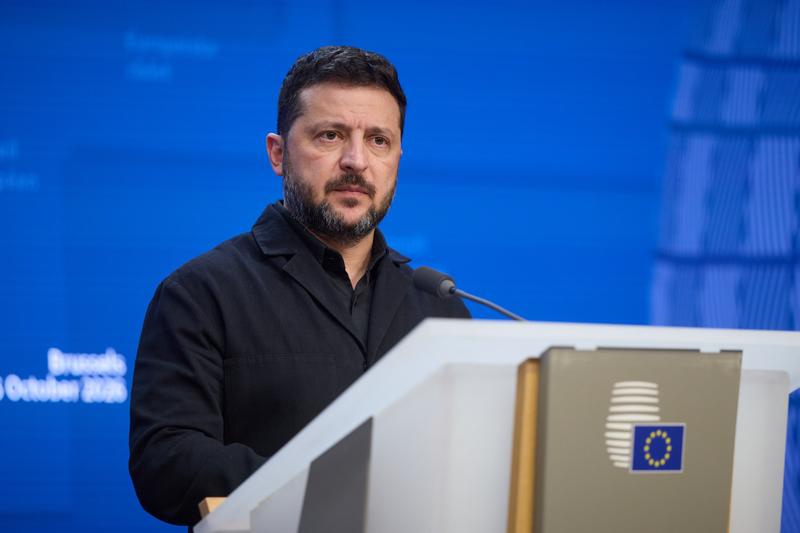
    Ukrainian President Volodymyr Zelenskyy characterized his recent meeting with U.S. President Donald Trump as ‘good.’ This assessment was shared publicly amidst continuous international diplomatic efforts focused on the ongoing conflict in Ukraine. Zelenskyy’s brief but positive remark provides a glimpse into the nature of the high-level discussions.

    The interaction took place as global attention remains fixed on Eastern Europe. The United States continues to be a pivotal ally for Ukraine. The statement from Kyiv carries weight in international political circles.

    The Context of High-Stakes Diplomacy

    The meeting between President Zelenskyy and President Trump occurred during a period of intense geopolitical activity. World leaders are actively engaged in finding resolutions and managing the humanitarian consequences of the conflict. Discussions often center on military assistance, economic sanctions, and long-term security guarantees.

    President Trump’s administration has maintained a firm stance on international alliances and obligations. His approach to foreign policy has been a subject of ongoing analysis. The specific details of his conversation with President Zelenskyy were not immediately disclosed.

    Diplomatic encounters like this one are crucial for maintaining communication channels. They allow for direct exchanges between heads of state. These dialogues often shape future policy decisions and international cooperation.

    U.S. Support for Ukraine: A Continuing Narrative

    The United States has provided substantial support to Ukraine since the full-scale invasion began in February 2022. This aid has included military equipment, financial assistance, and humanitarian relief. Congressional appropriations have funded many of these initiatives.

    The nature and extent of U.S. assistance have evolved over time. Policy discussions in Washington frequently address the effectiveness of current strategies. Debates also cover the long-term implications of sustained foreign aid.

    President Trump’s perspective on foreign aid and international commitments has been a consistent theme in his political career. His interactions with allies and adversaries are closely watched. They often signal shifts in U.S. foreign policy direction.

    Zelenskyy’s Diplomatic Offensive

    President Zelenskyy has maintained an active international travel schedule. He has engaged with leaders across Europe, North America, and Asia. His objective is to secure continued support for Ukraine’s defense and reconstruction.

    His direct appeals to international bodies and national parliaments have been a hallmark of his wartime leadership. These efforts aim to keep the conflict at the forefront of global consciousness. They also seek to mobilize resources for Ukraine.

    Meetings with key figures like President Trump are strategic. They allow Zelenskyy to present Ukraine’s needs directly. They also provide opportunities to counter narratives that might undermine international solidarity.

    The Role of Presidential Meetings

    Direct meetings between presidents offer unique opportunities for diplomacy. They can bypass bureaucratic channels. They can also foster personal relationships between leaders.

    These high-level discussions often cover sensitive topics. They might include military intelligence sharing, economic sanctions enforcement, or peace negotiation frameworks. The outcomes of such meetings can have immediate and far-reaching impacts.

    The ‘good’ assessment from Zelenskyy suggests a constructive tone to the conversation. However, the specific commitments or agreements made remain unconfirmed. International media outlets are scrutinizing every available detail.

    Global Reactions and Expectations

    International observers are closely monitoring any statements regarding the meeting. European allies, in particular, watch U.S. policy towards Ukraine with keen interest. The unity of the transatlantic alliance is often tested by differing approaches to global crises.

    Russia’s government also pays close attention to these diplomatic exchanges. Statements from Washington and Kyiv are analyzed for any potential shifts in strategy. These analyses inform Moscow’s own foreign policy calculations.

    Experts in international relations often interpret such brief comments within a broader context. They consider past statements, current events, and future political calendars. The goal is to infer the true significance of the interaction.

    The Broader Geopolitical Landscape

    The conflict in Ukraine is part of a larger geopolitical struggle. It involves questions of sovereignty, international law, and the balance of power. The actions of major global players like the United States are central to this dynamic.

    China, India, and other emerging powers also play roles in this complex environment. Their diplomatic stances and economic decisions influence the global response to the conflict. The interconnectedness of the modern world means no major event occurs in isolation.

    The United Nations and various regional organizations, such as NATO and the European Union, are also deeply involved. They provide forums for debate, coordination, and the implementation of collective responses. The meeting between Zelenskyy and Trump contributes to this ongoing multilateral discourse.

    Looking Ahead: Implications for Ukraine

    Zelenskyy’s positive characterization of the meeting could signal continued, or even enhanced, U.S. support. This would be a welcome development for Kyiv. Sustained international aid is crucial for Ukraine’s defense and eventual recovery.

    Conversely, a lack of specific outcomes or a divergence in stated goals could raise concerns. The long-term trajectory of the conflict depends heavily on the consistent backing of Ukraine’s allies. The United States remains its most significant individual donor of military aid.

    The global community awaits further details. Future statements from both the White House and the Office of the President of Ukraine will be critical. They will provide more clarity on the substance and implications of their discussion.

    Economic and Humanitarian Dimensions

    Beyond military aid, economic support is vital for Ukraine’s resilience. The country’s infrastructure has suffered extensive damage. Its economy has been severely impacted by the conflict.

    International financial institutions and donor countries have pledged billions in reconstruction funds. The United States has been a major contributor to these efforts. Discussions between leaders often include strategies for economic recovery and stability.

    Humanitarian concerns also remain paramount. Millions of Ukrainians have been displaced. Access to essential services, food, and medical care is a constant challenge. Diplomatic engagements often address these urgent needs.

    The Path to Resolution

    The ultimate resolution of the conflict in Ukraine remains elusive. Various peace proposals have been put forward by different nations. However, a mutually agreeable framework has yet to emerge.

    Diplomatic meetings, even those with limited public detail, are steps in this complex process. They keep lines of communication open. They also allow for the exploration of potential pathways to de-escalation and peace.

    The ‘good’ meeting between Zelenskyy and Trump could be interpreted as a sign of continued engagement. It suggests that despite potential differences, dialogue remains possible and constructive. The world watches for the next developments.

    Leaders convene. Strategies are debated. Futures are shaped.

    Ukraine.


  • Trump and Netanyahu Convene in Washington – High-Stakes Diplomatic Summit

    Trump and Netanyahu Convene in Washington – High-Stakes Diplomatic Summit

    President Donald Trump and Israeli Prime Minister Benjamin Netanyahu convened a high-stakes diplomatic summit in Washington, D.C., on July 28, 2026. This meeting was officially scheduled to address pressing regional challenges, reinforce the strategic alliance between the United States and Israel, and align their positions on key international issues impacting global security and economic stability.

    The engagement marked a significant moment for U.S.-Israel relations and Middle East policy. Both leaders sought to project a united front on critical international matters.

    The Washington Summit: A Diplomatic Nexus

    The July 28, 2026, summit in Washington brought together two central figures in international diplomacy. President Trump and Prime Minister Netanyahu met to discuss a range of critical subjects. These discussions were designed to strengthen the bilateral relationship.

    High-level communication channels are crucial for maintaining strong alliances. This summit served as a direct conduit for such exchanges. The meeting followed a long tradition of close consultation between the two nations.

    Iran: The Central Challenge

    The primary focus of the summit was Iran’s nuclear program. Both the United States and Israel consider Iran’s nuclear ambitions a significant threat. They also view Iran’s regional activities as destabilizing.

    Strategies for countering Iranian influence in the Middle East were a central theme. Discussions explored various approaches to mitigate these perceived threats. This included potential diplomatic and security measures.

    Intelligence sharing on Iran’s activities was a key component. Enhanced cooperation in this area aims to provide a clearer picture of regional dynamics. This shared intelligence informs strategic decisions.

    Regional Security and Global Implications

    Beyond Iran, regional security concerns featured prominently on the agenda. The ongoing conflict in Ukraine and its wider implications were discussed. Leaders considered how global events impact the Levant region.

    Stability in the Middle East remains a complex issue. The leaders explored avenues for enhanced intelligence sharing. Military cooperation was also a topic of discussion.

    Such cooperation aims to improve preparedness and response capabilities. It underscores the shared security interests of the U.S. and Israel. These discussions extend beyond immediate threats.

    The Ukraine Conflict and Its Ripple Effects

    The conflict in Ukraine has created global uncertainties. Its impact on energy markets, diplomatic alliances, and security postures is significant. President Trump and Prime Minister Netanyahu addressed these ripple effects.

    The discussions were not confined to bilateral interests alone. They considered how actions in one region affect others. This holistic view is characteristic of high-level diplomatic engagements.

    A coordinated stance on global issues can send clear messages. This applies to both allies and adversaries. The summit served as a platform for this unified projection.

    Economic Partnerships and Bilateral Ties

    Economic partnerships between the U.S. and Israel were another key agenda item. Trade agreements were on the table. Technological collaboration was also a significant point of discussion.

    Joint investment opportunities were explored. Strengthening these ties aims to benefit both economies. Economic cooperation complements security and diplomatic efforts.

    These partnerships foster innovation and growth. They provide a stable foundation for the broader relationship. Both nations seek mutual economic advantage.

    Technological Collaboration: A Growth Area

    Technological collaboration is a rapidly expanding area of cooperation. Israel is known for its innovation in various tech sectors. The United States offers vast markets and research capabilities.

    Discussions focused on joint ventures in cybersecurity, artificial intelligence, and defense technologies. These areas hold significant promise for mutual benefit. They also address shared challenges.

    The exchange of scientific expertise and resources was emphasized. This collaboration strengthens both nations’ competitive edge. It also contributes to global technological advancement.

    Anticipated Outcomes and Joint Statements

    The summit is expected to conclude with a joint press conference. A formal statement is also anticipated. These will outline the agreements reached.

    They will also detail the shared strategic objectives of the two nations. Policy analysts will closely scrutinize these pronouncements. They will look for shifts in diplomatic posture.

    Specific details regarding any new initiatives or commitments are anticipated. These could range from expanded security protocols. New economic incentives are also possible outcomes.

    The Significance of Public Pronouncements

    Public statements following such summits are carefully crafted. They convey the collective will and direction of the leaders. These pronouncements are critical for international understanding.

    They signal intentions to allies and rivals. They also inform domestic audiences about the progress of diplomatic efforts. The language used is often precise and deliberate.

    Any joint declaration will be analyzed for its implications. It will reflect the areas of consensus. It will also highlight the strategic priorities of both governments.

    Historical Context of U.S.-Israel Summits

    Meetings between U.S. Presidents and Israeli Prime Ministers have a long history. These gatherings are crucial for maintaining the strong bilateral relationship. They provide direct channels for high-level communication and problem-solving.

    Past summits have often led to significant agreements. These include security assistance packages. Peace initiatives and economic aid have also resulted from these meetings.

    Each meeting builds upon decades of established diplomatic precedent. The July 28, 2026, summit follows this tradition of close consultation. It reaffirms an enduring partnership.

    Decades of Diplomatic Engagement

    The relationship between the United States and Israel has been characterized by consistent engagement. From the early days of Israel’s statehood, U.S. Presidents have met with Israeli leaders. These meetings have spanned numerous administrations.

    They have addressed various geopolitical shifts and challenges. The regularity of these summits underscores their importance. They are a cornerstone of the bilateral relationship.

    This history provides a framework for current discussions. It ensures continuity in diplomatic efforts. It also highlights the depth of the strategic alliance.

    The Enduring Partnership

    The United States has consistently been Israel’s strongest ally. This relationship is underpinned by shared democratic values. Strategic interests also bind the two nations.

    The Washington summit reaffirmed this enduring partnership. It demonstrated a commitment to mutual security. It also showcased a shared vision for regional stability.

    This partnership extends beyond governmental ties. It encompasses cultural, economic, and societal connections. These multifaceted links contribute to the resilience of the alliance.

    Shared Values and Strategic Alignment

    Democratic values form a foundational element of the U.S.-Israel relationship. Both nations uphold principles of freedom, rule of law, and individual liberties. These shared ideals foster mutual respect and understanding.

    Strategically, both countries face common threats. These include terrorism, state-sponsored aggression, and regional instability. This alignment of strategic interests drives cooperation in defense and intelligence.

    The partnership is not static. It evolves with changing global dynamics. However, its core principles remain constant, guiding diplomatic interactions.

    Global Implications of the Meeting

    The outcomes of the Trump-Netanyahu summit will have ripple effects across the globe. Decisions made in Washington can influence geopolitical dynamics. This includes the Middle East, Europe, and beyond.

    International observers monitored the meeting closely. The timing of this meeting was particularly salient. It occurred amidst current global uncertainties.

    Energy markets, diplomatic alliances, and security postures could all be impacted. The discussions were not confined to bilateral interests alone. They held broader international significance.

    Monitoring by International Observers

    Diplomatic missions worldwide paid close attention to the summit’s proceedings. Analysts from various international organizations tracked the statements and outcomes. The potential for shifts in policy was a key focus.

    News agencies globally reported on the event. Their coverage reflected the perceived importance of the U.S.-Israel relationship. It also highlighted the impact of their coordinated actions on world affairs.

    The summit’s influence extends to multilateral forums. Discussions and agreements reached can shape debates in the United Nations, NATO, and other international bodies.

    A Moment of Diplomatic Weight

    This summit represented an opportunity for both leaders to project a united front. They addressed critical international issues. Their coordinated stance sent clear messages to allies and adversaries alike.

    It was a moment of significant diplomatic weight. The discussions and agreements aimed to shape future policy. They reinforced the strategic direction of both nations.

    Leaders convene. Strategies align. Policies are forged. The future is shaped.

    Washington.


  • Lauren Boebert’s Claims of Bad Botox and GOP Liars – Political Intrigue Unveiled

    Lauren Boebert’s Claims of Bad Botox and GOP Liars – Political Intrigue Unveiled

    Representative Lauren Boebert, a prominent figure in the Republican party, has publicly stated that ‘bad Botox’ and ‘GOP liars’ have contributed to her public image and political challenges. These claims, made in 2026, have generated considerable discussion across media platforms and political circles. Her statements intertwine personal aesthetic decisions with accusations of political sabotage, offering a unique lens into the pressures faced by elected officials.

    The Colorado congresswoman’s remarks have resonated with themes of cultural defense. They touch upon the intense scrutiny public figures endure regarding their appearance and the complex dynamics of intra-party politics. This confluence of personal struggle and political intrigue has captured public imagination, making her statements highly shareable and subject to extensive commentary.

    The Intersection of Personal Aesthetics and Public Scrutiny

    Public figures, especially those in high-profile political roles, operate under constant observation. Every aspect of their lives, from policy decisions to personal appearance, becomes subject to public and media dissection. Lauren Boebert’s claims about ‘bad Botox’ bring this intense scrutiny into sharp focus.

    Cosmetic procedures, while increasingly common, remain a sensitive topic for many. For a political leader, discussing such procedures publicly can be a calculated risk, potentially inviting both sympathy and criticism. Boebert’s decision to cite a cosmetic outcome as a factor in her public presentation highlights the unique pressures on women in politics.

    The concept of ‘bad Botox’ implies an unintended or undesirable aesthetic result. This can lead to questions about authenticity, self-perception, and the broader expectations placed on politicians to maintain a certain image. It also opens a dialogue about the commercialization of beauty and its intersection with political life.

    This candid admission from Boebert underscores the pervasive nature of image management in contemporary politics. It suggests that even minor aesthetic details can become talking points, influencing public perception and potentially affecting political narratives. The public response to her statement reflects a broader fascination with the private lives of public servants.

    Allegations of ‘GOP Liars’ and Intra-Party Dynamics

    Beyond personal aesthetic concerns, Lauren Boebert’s allegations of ‘GOP liars’ introduce a significant element of political intrigue. These claims suggest internal conflicts and betrayals within her own party, the Republican Party. Such accusations are not uncommon in the highly competitive world of politics, but when made by a sitting congresswoman, they carry particular weight.

    The phrase ‘GOP liars’ is a direct challenge to the integrity of certain individuals or factions within the Republican establishment. It implies a deliberate campaign of misinformation or deception aimed at undermining her political standing. This kind of internal strife can have profound implications for party unity, legislative agendas, and public trust.

    Such allegations often emerge during periods of heightened political tension, such as election cycles or significant policy debates. They can be symptomatic of ideological divides, power struggles, or personal animosities that play out behind the scenes of public governance. Boebert’s statements indicate a perceived adversarial environment even within her own political affiliation.

    The public reaction to claims of ‘GOP liars’ varies. Some may view it as a candid admission of political realities, while others might interpret it as an attempt to deflect responsibility or sow discord. Regardless of interpretation, these accusations contribute to a narrative of political drama, drawing attention to the often-hidden machinations of party politics.

    The Impact on Party Cohesion

    Accusations of internal deceit can significantly strain party cohesion. When members of the same party publicly accuse each other of dishonesty, it can weaken the party’s collective message and effectiveness. This is particularly true in an era of intense partisan polarization, where perceived unity is often presented as a strength.

    Such claims can also empower political opponents, who may seize upon internal divisions to criticize the party as a whole. The narrative of ‘GOP liars’ provides fodder for external critics and can complicate efforts to present a unified front on key issues. It creates an environment where trust becomes a commodity, easily eroded by public infighting.

    For voters, these allegations can be disorienting. They may question the reliability of information coming from within the party and become cynical about political processes. The long-term impact of such public accusations can be a decline in voter confidence and an increase in political apathy.

    Cultural Defense and the Public Narrative

    Lauren Boebert’s combined claims of ‘bad Botox’ and ‘GOP liars’ tap into a broader cultural defense theme. This theme involves individuals or groups attempting to protect their reputation, narrative, or standing against perceived attacks or misrepresentations. In Boebert’s case, she appears to be constructing a defense against negative public perception and political opposition.

    The ‘bad Botox’ claim serves as a potential explanation for any perceived changes in her appearance, offering a personal and somewhat sympathetic reason. It frames any visual discrepancies not as a personal failing, but as an external, medical mishap. This can be seen as an attempt to control the narrative around her physical presentation.

    The ‘GOP liars’ claim, conversely, serves as a direct defense against political attacks. By alleging internal dishonesty, she positions herself as a victim of machinations rather than a perpetrator of political missteps. This strategy aims to shift blame and garner support by portraying herself as an underdog fighting against internal adversaries.

    Together, these claims form a two-pronged cultural defense strategy. One addresses personal aesthetics, the other addresses political integrity. Both aim to reshape public perception and protect her political capital in the face of challenges. This approach highlights the sophistication and often dramatic nature of modern political communication.

    The Role of Media in Amplifying Narratives

    Media outlets play a crucial role in amplifying these narratives. TMZ, the source of this information, is known for its focus on celebrity and high-profile personalities, often blending entertainment news with political developments. Its coverage of Boebert’s claims ensures a wide reach, particularly among audiences interested in cultural and personal aspects of public life.

    The dramatic appeal of Boebert’s statements is undeniable. The combination of personal vulnerability (‘bad Botox’) and political betrayal (‘GOP liars’) creates a compelling story. This narrative is easily consumed and shared across social media platforms, contributing to its viral spread and extensive discussion.

    News cycles thrive on controversy and human interest stories. Boebert’s claims provide both, making them highly attractive to various media outlets. The way these stories are framed and disseminated can significantly influence public opinion and shape the political discourse surrounding the individual.

    Historical Context of Political Intrigue and Personal Struggles

    The intersection of political intrigue and personal struggles is not new to American politics. Throughout history, public figures have grappled with personal challenges that become intertwined with their political careers. From scandals to health issues, the private lives of politicians often become public fodder.

    Accusations of internal party dissent and dishonesty also have a long history. Political parties are rarely monolithic entities; they are often composed of diverse factions with competing interests and ideologies. Disagreements, power struggles, and even accusations of betrayal are inherent to the political process.

    For instance, the political landscape of the early 20th century saw numerous instances of party bosses and internal factions clashing over control and policy. The mid-20th century brought televised politics, increasing the visual scrutiny on candidates and their families. The late 20th and early 21st centuries have further intensified this, with social media making personal lives instantly accessible and endlessly debatable.

    The current political climate, characterized by hyper-partisanship and constant media attention, only magnifies these dynamics. Personal struggles are quickly politicized, and internal party disputes can become national headlines. Lauren Boebert’s situation is a contemporary example of these enduring political themes playing out in the modern era.

    The Evolving Landscape of Public Perception

    The public’s perception of politicians is constantly evolving. Factors such as social media, 24/7 news cycles, and the blurring lines between entertainment and news have reshaped how constituents view their representatives. Authenticity and relatability have become increasingly valued traits, yet politicians are also expected to maintain a polished image.

    Boebert’s claims can be seen as an attempt to navigate this complex landscape. By addressing personal aesthetic concerns and political challenges head-on, she aims to control her narrative. However, such transparency can also be met with skepticism or further scrutiny, creating a delicate balance for any public figure.

    The discussion surrounding her statements reflects a broader societal debate about what constitutes appropriate public discourse for politicians. Should personal cosmetic choices be public knowledge? How much internal party conflict should be aired publicly? These questions underscore the ongoing tension between a politician’s private life and their public role.

    Ultimately, the impact of Boebert’s claims will be measured by their effect on her political standing and public support. Whether they foster empathy, generate controversy, or simply fade into the background of the ever-churning news cycle remains to be seen. Her statements, however, offer a vivid snapshot of the current state of political and personal narratives.

    The Future of Political Image Management

    The incident involving Lauren Boebert and her public statements on ‘bad Botox’ and ‘GOP liars’ provides valuable insights into the future of political image management. As technology advances and media consumption habits shift, politicians will continue to face unprecedented levels of scrutiny.

    The strategic use of personal narratives, even those involving cosmetic procedures, may become a more common tactic to connect with voters or deflect criticism. The ability to control or influence one’s public image in a hyper-connected world is a critical skill for any aspiring or incumbent politician.

    Moreover, the dynamics of intra-party relations, as highlighted by the ‘GOP liars’ claim, will continue to shape the political landscape. The ability of parties to maintain unity, manage internal dissent, and present a cohesive front to the electorate will be crucial for their success.

    Public figures navigate personal struggles. They contend with political adversaries. They manage their public image. This is the reality of modern politics.

  • President Trump Considers Broader Iranian Strikes Amid Houthi Escalation

    President Trump Considers Broader Iranian Strikes Amid Houthi Escalation

    Former President Trump is reportedly weighing options for wider military attacks against Iran. These considerations come as Houthi forces have intensified their involvement in regional conflicts. The expanded Houthi actions have prompted a strategic reassessment within the former Trump administration regarding stability in the Middle East.

    The potential for direct action against Iran represents a significant shift. Such a move would mark an escalation in U.S. policy towards the Islamic Republic. It underscores the complex and volatile nature of current geopolitical dynamics.

    The Escalating Houthi Involvement

    Houthi forces, based in Yemen, have increasingly played a role in recent Middle East conflicts. Their actions have included missile and drone attacks targeting various regional interests. These operations have been described by U.S. and allied intelligence as destabilizing.

    The Houthis have demonstrated an enhanced capability for long-range strikes. This capacity poses a direct threat to international shipping lanes and regional energy infrastructure. Their involvement is seen as a proxy for Iranian influence in the region.

    Recent Houthi aggressions have prompted a robust response from international coalitions. However, these responses have not fully deterred the group’s activities. The continued Houthi operations are a key factor in the current U.S. policy review.

    Strategic Deliberations in Washington

    Discussions within former President Trump’s national security team have intensified. Senior advisors are examining a range of military options. These options reportedly extend beyond existing retaliatory strikes against Houthi targets.

    The focus has shifted to the source of Houthi capabilities. U.S. intelligence assessments frequently link Houthi armaments and training to Iran. This connection forms the basis for considering direct action against Iranian assets.

    The deliberations involve the Department of Defense, the State Department, and the National Security Council. Former President Trump is receiving regular briefings on the evolving situation. All potential outcomes and regional impacts are being thoroughly analyzed.

    Examining the Scope of Potential Attacks

    The term ‘wider Iranian attacks’ suggests a broad array of targets. These could include Iranian military installations, naval assets, and missile development sites. Cyber warfare capabilities are also likely being considered.

    Any action would aim to degrade Iran’s ability to support proxy groups. It would also seek to limit Iran’s influence in the Middle East. The administration seeks to restore deterrence in a region increasingly marked by volatility.

    Analysts suggest that such strikes would be carefully calibrated. The goal would be to send a strong message without triggering an all-out war. However, the risk of miscalculation remains a significant concern for international observers.

    Historical Context of U.S.-Iran Tensions

    U.S.-Iran relations have been fraught for decades. The 1979 Iranian Revolution severed diplomatic ties. Subsequent events, including the Iran-Contra affair and Iran’s nuclear program, have maintained high tensions.

    President Trump’s first term saw the U.S. withdraw from the Joint Comprehensive Plan of Action (JCPOA) in 2018. This move reimposed sanctions on Iran. It intensified economic pressure and diplomatic isolation.

    The U.S. has consistently accused Iran of state-sponsored terrorism. It has also criticized Iran’s development of ballistic missiles. These long-standing grievances underpin the current policy considerations.

    Previous Military Confrontations and Deterrence

    Direct military confrontations between the U.S. and Iran have been rare but significant. The 1988 Operation Praying Mantis involved U.S. naval forces engaging Iranian naval elements. This action was a response to Iranian mining of international waters.

    In early 2020, the U.S. conducted a drone strike that killed Qasem Soleimani. Soleimani was a prominent Iranian military commander. This event led to immediate retaliatory missile strikes by Iran against U.S. bases in Iraq.

    These past incidents highlight the delicate balance of deterrence. Any new military action would carry the risk of a similar, or greater, retaliatory cycle. The administration is acutely aware of these historical precedents.

    Regional Allies and Their Perspectives

    Key U.S. allies in the Middle East are closely monitoring the situation. Saudi Arabia, Israel, and the United Arab Emirates share concerns about Iranian influence. They have historically advocated for a strong stance against Tehran.

    These allies have also faced direct threats from Iranian-backed groups. This includes missile attacks and maritime disruptions. Their security interests align with U.S. objectives to curb Iranian aggression.

    However, regional partners also express caution about widespread conflict. An all-out war could destabilize the entire region. It could disrupt global oil supplies and trigger humanitarian crises. Balancing these concerns is a critical diplomatic challenge.

    International Reactions and Diplomacy

    The international community is watching developments with apprehension. European powers, signatories to the JCPOA, have consistently pushed for diplomatic solutions. They advocate for de-escalation and dialogue.

    The United Nations has also called for restraint from all parties. Secretary-General António Guterres has urged adherence to international law. He has emphasized the importance of protecting civilian lives.

    Any U.S. military action against Iran would likely draw widespread international condemnation. It could complicate efforts to form a unified front against other global challenges. Diplomacy remains a preferred, though increasingly difficult, path.

    Economic Implications of Escalation

    A wider conflict involving Iran would have significant global economic repercussions. The Strait of Hormuz is a critical chokepoint for oil shipments. Disruptions there could send energy prices soaring worldwide.

    Global financial markets typically react negatively to geopolitical instability. Increased tensions could lead to investor uncertainty. This could trigger sell-offs in equity markets and a flight to safe-haven assets.

    The U.S. economy, while robust, would not be immune. Higher oil prices would impact consumers through increased fuel costs. Businesses would face higher operational expenses. The administration must weigh these economic costs against strategic objectives.

    Cyber Warfare and Hybrid Threats

    Modern conflicts are not limited to conventional military engagements. Cyber warfare is a growing component of state-sponsored aggression. Iran has demonstrated sophisticated cyber capabilities in the past.

    A wider conflict could involve intensified cyberattacks against critical infrastructure. This includes energy grids, financial systems, and communication networks. Such attacks could have far-reaching effects beyond the immediate conflict zone.

    Hybrid threats, combining conventional, unconventional, and cyber tactics, are also a concern. Iran’s use of proxy groups exemplifies this strategy. The U.S. must prepare for a multi-domain response to any escalation.

    The Path Forward for Former President Trump

    President Trump faces a complex decision matrix. He must balance national security interests with the risks of regional destabilization. The desire to deter Iranian aggression confronts the imperative to avoid a protracted war.

    Options range from targeted punitive strikes to a broader campaign aimed at dismantling Iranian capabilities. Each option carries distinct advantages and severe potential drawbacks. The ultimate decision will shape U.S. foreign policy for years.

    The administration’s rhetoric suggests a firm resolve. However, the exact nature of any action remains under wraps. Diplomacy, while challenging, is unlikely to be entirely abandoned, even amidst military considerations.

    The Middle East remains a crucible of geopolitical tension. Houthi actions. Iranian influence. U.S. resolve. A critical juncture.


  • Houthi Attack on Saudi Tankers, Oil Prices Jump After Red Sea Incident

    Houthi Attack on Saudi Tankers, Oil Prices Jump After Red Sea Incident

    On July 23, 2026, Houthi forces launched an attack on two Saudi oil tankers in the Red Sea, an event that immediately caused global oil prices to surge and intensified concerns regarding maritime security and the stability of global energy supplies.

    The incident marks a significant escalation in the ongoing conflict in Yemen and its spillover effects on regional and international commerce. The Red Sea, a vital conduit for crude oil and refined petroleum products, remains a flashpoint for such disruptions.

    The Attack Unfolds

    The assault occurred in the southern Red Sea, a strategic waterway connecting the Indian Ocean to the Mediterranean Sea via the Suez Canal. Specific details regarding the type of vessels, the extent of damage, or potential casualties were not immediately released.

    Initial reports from Bloomberg Television’s ‘Horizons Middle East & Africa’ feed confirmed the attack. This news quickly reverberated through international financial markets.

    The targeted tankers were reportedly en route through the Bab el-Mandeb strait, a narrow passage less than 20 miles wide. This chokepoint is critical for a substantial portion of the world’s seaborne oil trade.

    Houthi military spokespersons have not yet issued a formal statement claiming responsibility or detailing their operational objectives for this specific incident. However, previous Houthi actions have often targeted Saudi and Emirati interests in response to the ongoing Saudi-led intervention in Yemen.

    Global Oil Markets React

    Following news of the attack, crude oil futures experienced a sharp upward trajectory. Brent crude, the international benchmark, saw its price per barrel climb significantly within hours of the announcement.

    West Texas Intermediate (WTI), the U.S. benchmark, also registered a notable increase. This immediate market reaction reflects the sensitivity of global oil supplies to disruptions in the Red Sea.

    Analysts from major financial institutions began reassessing risk premiums for oil shipments through the region. The cost of marine insurance for vessels transiting the Red Sea is expected to rise, further impacting shipping expenses.

    Energy economists cited the attack as a stark reminder of the geopolitical risks embedded in the global oil supply chain. The incident highlights the vulnerability of critical maritime routes to regional conflicts.

    Impact on Supply Lines

    The Red Sea is one of the world’s busiest shipping lanes. An estimated 12% of global trade, including a substantial volume of oil and liquefied natural gas (LNG), passes through the Bab el-Mandeb strait annually.

    Any sustained threat to navigation in this area can force shippers to reroute vessels. The alternative route around the Cape of Good Hope adds weeks to transit times and significantly increases fuel costs.

    Such rerouting would not only impact oil deliveries but also a wide array of consumer goods. This would create ripple effects throughout global supply chains.

    The incident could prompt oil companies to explore alternative sourcing strategies or increase their reliance on strategic petroleum reserves. These measures are designed to mitigate immediate supply shocks.

    A History of Tensions in the Red Sea

    The Red Sea has been a focal point of geopolitical tensions for several years. The conflict in Yemen, which began in 2014, has frequently spilled over into maritime activities.

    Houthi forces have previously targeted Saudi and Emirati vessels, as well as commercial shipping, using missiles and remote-controlled explosive boats. These actions have consistently raised international alarms.

    In 2018, Saudi Arabia temporarily suspended oil shipments through the Bab el-Mandeb strait after similar Houthi attacks on two of its oil tankers. That suspension lasted for several weeks, demonstrating the economic impact of such security threats.

    Naval patrols by international forces, including those from the United States and its allies, operate in the region to safeguard maritime commerce. Despite these efforts, the vastness of the sea and the nature of asymmetric threats pose persistent challenges.

    Regional Actors and Interests

    Saudi Arabia, a major oil producer and exporter, relies heavily on the secure passage of its oil through the Red Sea to European and North American markets. Disruptions directly threaten its economic interests.

    Yemen’s Houthi movement, backed by Iran, views these attacks as part of its broader resistance against the Saudi-led coalition. The Houthis seek to exert pressure on the coalition to end its military campaign in Yemen.

    Iran, while denying direct involvement in Houthi attacks, benefits from any instability that raises oil prices. Such instability also challenges the strategic interests of its regional rivals.

    Egypt, which controls the Suez Canal, also has a significant stake in Red Sea security. Any prolonged disruption to shipping could reduce canal revenues, a crucial source of foreign currency for the nation.

    International Response and Diplomatic Efforts

    The international community typically condemns such acts of aggression against commercial shipping. Calls for de-escalation and adherence to international maritime law are common following such incidents.

    The United Nations has repeatedly urged all parties in the Yemen conflict to respect international humanitarian law and cease attacks on civilian infrastructure and commercial shipping.

    Diplomatic efforts to resolve the Yemen conflict have been ongoing but have yielded limited success. The latest attack underscores the urgent need for a political solution to the protracted war.

    The United States, a key ally of Saudi Arabia, has a vested interest in maintaining freedom of navigation in the Red Sea. Its naval presence in the region is a deterrent to further aggression.

    Economic Repercussions Beyond Oil

    Beyond the immediate impact on oil prices, the incident has broader economic implications. Increased shipping costs and insurance premiums affect all goods transiting the Red Sea.

    Global inflation could see additional upward pressure if energy prices remain elevated. This would affect consumer purchasing power in economies worldwide.

    Businesses reliant on just-in-time supply chains may face delays and increased operational costs. This can lead to higher prices for a range of imported goods.

    Investor confidence in regional stability may also be eroded. This could deter foreign direct investment in countries bordering the Red Sea.

    The Future of Red Sea Security

    The Red Sea remains a critical artery for global trade and energy supply. Ensuring its security is a priority for maritime nations and international organizations.

    Technological advancements in maritime surveillance and defense systems are continuously being deployed. These aim to counter evolving threats from non-state actors.

    Enhanced international cooperation and intelligence sharing are essential. These measures help to identify and neutralize threats before they materialize.

    Ultimately, a lasting resolution to the conflict in Yemen is paramount. This would remove the underlying causes of many of the maritime security challenges in the Red Sea.

    Governments convened. Shipping companies convened. Energy traders convened. Prices rose.


  • Brent Oil Surges Past $90 Amid Escalating US-Iran Hostilities

    Brent Oil Surges Past $90 Amid Escalating US-Iran Hostilities

    Oil Prices Climb Amid Middle East Tensions

    Brent crude oil prices have surged past the $90 per barrel mark as of July 21, 2026, a direct consequence of the escalating military actions and retaliatory attacks between the United States and Iran. This significant price hike reflects heightened geopolitical risks in the Middle East, a region critical to global energy supplies, and signals potential disruptions to the international oil market.

    The market reaction underscores deep concerns about the stability of oil production and transit routes in the Persian Gulf. Investors and analysts are closely monitoring the situation, anticipating broader economic ramifications globally.

    The Escalation of US-Iran Confrontation

    The current spike in oil prices is firmly rooted in a series of intensifying confrontations between the United States and Iran. These actions have moved beyond diplomatic friction, involving direct military engagements and reciprocal strikes that have destabilized the region.

    Initial reports of skirmishes in the Strait of Hormuz in late 2025 were followed by more significant incidents. Naval patrols increased, leading to several close encounters. By early 2026, these had escalated into direct exchanges of fire.

    The United States has cited the protection of international shipping lanes and its regional allies as justification for its increased military presence. Iran, conversely, views the American presence as an infringement on its sovereignty and a threat to its national security interests.

    Key Incidents Fueling the Rise

    Several specific events have contributed to the current climate of apprehension. In May 2026, an Iranian Revolutionary Guard Corps (IRGC) vessel was reportedly struck in the Persian Gulf, an incident attributed by Tehran to American forces. Washington maintained it was an act of self-defense following aggressive maneuvers.

    A retaliatory drone strike, claimed by Iran, targeted a US-allied oil tanker navigating near the coast of Oman in June 2026. While no casualties were reported, the incident highlighted the vulnerability of commercial shipping.

    More recently, in early July 2026, a US military installation in a neighboring country came under missile attack. While the specific perpetrators were not immediately identified, US intelligence pointed towards Iranian-backed militias, further hardening Washington’s stance.

    Economic Repercussions and Market Volatility

    The immediate impact of these escalations is evident in the global oil markets. Brent crude, a key international benchmark, traded below $89, reaching around $88.43 to $88.87 on July 21, 2026.

    This sustained high price contrasts sharply with previous periods of relative stability. Analysts at major financial institutions, including Goldman Sachs and JPMorgan Chase, have revised their oil price forecasts upwards for the remainder of 2026.

    The cost of crude oil directly influences gasoline prices, transportation costs, and manufacturing expenses. Consumers are likely to face higher costs at the pump and for various goods and services, contributing to inflationary pressures already present in the global economy.

    The Role of Supply and Demand Dynamics

    Beyond geopolitical risk, underlying supply and demand dynamics also play a role. Global oil demand has shown resilience, particularly from emerging economies. Production levels, while recovering from past disruptions, have not kept pace with this demand growth, creating a tighter market.

    OPEC+ nations, a coalition of major oil producers, have maintained a cautious approach to increasing output. Their decisions are influenced by a desire to stabilize prices, but also by internal production capacities and geopolitical considerations.

    The threat of supply disruptions from the Middle East, a region that collectively accounts for a significant portion of global oil exports, amplifies the impact of any geopolitical friction. The Strait of Hormuz, a narrow chokepoint through which a substantial percentage of the world’s seaborne oil passes, remains a critical flashpoint.

    Global Economic Stability at Risk

    The trajectory of oil prices has direct implications for global economic stability. Sustained high energy costs can stifle economic growth by increasing operational expenses for businesses and reducing consumer purchasing power.

    Central banks worldwide, including the Federal Reserve and the European Central Bank, are monitoring the situation closely. Higher oil prices could complicate their efforts to manage inflation and maintain economic equilibrium, potentially leading to difficult policy decisions.

    Developing nations, often more reliant on imported oil, face particularly acute challenges. The increased cost of energy can exacerbate balance of payments issues and hinder development efforts, potentially sparking social unrest.

    International Response and Diplomatic Efforts

    International bodies and individual nations are attempting to de-escalate the situation. The United Nations Security Council convened an emergency session in mid-July 2026 to discuss the rising tensions, though no concrete resolutions emerged immediately.

    European Union leaders have called for restraint from both Washington and Tehran, emphasizing the need for diplomatic solutions. China and Russia, while maintaining their own complex relationships with both parties, have also urged dialogue to prevent further escalation.

    However, direct diplomatic channels between the United States and Iran remain largely strained. Decades of mistrust and differing strategic objectives complicate any immediate breakthroughs, making the current situation particularly intractable.

    The Geopolitical Landscape of the Middle East

    The current US-Iran standoff is set against a complex backdrop of regional rivalries and alliances. The broader Middle East remains a mosaic of competing interests, proxy conflicts, and fragile peace agreements.

    Saudi Arabia, a major oil producer and regional rival of Iran, is closely watching the developments. Any significant disruption to oil supplies could have ripple effects across the entire Gulf Cooperation Council (GCC) bloc.

    Israel, another key US ally, views Iran’s nuclear program and regional influence as a direct threat. Its security concerns often intersect with American policy in the region, adding another layer of complexity to the geopolitical equation.

    Impact on US Domestic Policy

    Domestically, in the United States, the rising oil prices are becoming a significant political issue. President Trump’s administration faces pressure to address the economic fallout, particularly ahead of the upcoming midterm elections in November 2026.

    The administration has reiterated its commitment to protecting American interests and ensuring global energy security. However, options for immediate intervention in the oil market are limited, beyond strategic petroleum reserve releases, which offer only temporary relief.

    Discussions are underway in Congress regarding potential legislative responses, including measures to encourage domestic oil production or provide relief to consumers. However, these are long-term solutions and offer little solace in the immediate crisis.

    Looking Ahead: Potential Scenarios

    The future trajectory of Brent oil prices and US-Iran relations is uncertain, with several potential scenarios emerging. A rapid de-escalation through diplomatic breakthroughs could see prices stabilize or even decline.

    Conversely, a further intensification of military actions, particularly those directly impacting oil infrastructure or major shipping routes, could push prices significantly higher, potentially towards $100 or even $120 per barrel. Such a scenario would trigger a global economic recession.

    A prolonged stalemate, characterized by continued low-level hostilities and high tensions, would likely keep oil prices elevated, maintaining economic uncertainty and inflationary pressures for an extended period.

    The global energy market remains on edge. Political leaders deliberate. Economists forecast. Consumers brace. The world watches.

    Oil.


  • Global Shifts: US Bombs Iran, Burnham Becomes UK Prime Minister

    Global Shifts: US Bombs Iran, Burnham Becomes UK Prime Minister

    On July 20, 2026, the United States concluded its ninth consecutive day of bombing operations within Iran, a sustained military action that coincides with a significant leadership change in the United Kingdom, where Andy Burnham officially became the new Prime Minister.

    These concurrent developments highlight a period of considerable geopolitical flux and underscore the interconnectedness of international events. The ongoing military engagement in the Middle East and the transition of power in a major European ally each carry profound implications for global stability, economic markets, and diplomatic relations.

    The Ninth Day of US Operations in Iran

    The sustained aerial campaign by the United States against targets in Iran represents an escalation of long-standing tensions between the two nations. Reports from July 20, 2026, confirmed the ninth day of continuous operations, indicating a deliberate and prolonged military strategy.

    Details regarding specific targets, operational scope, and casualty figures remain subject to official reports and independent verification. However, the consistent nature of the bombings suggests a strategic objective beyond isolated strikes.

    Regional Impact and International Response

    The Middle East region, already characterized by complex alliances and rivalries, faces intensified instability due to the ongoing US actions. Neighboring countries and international organizations have expressed varying degrees of concern and condemnation.

    Diplomatic efforts to de-escalate the situation are reportedly underway, though the efficacy of these efforts in the face of continued military engagement remains uncertain. The economic ramifications, particularly concerning global oil markets, are also a significant point of discussion among analysts.

    President Trump’s administration has maintained a firm stance on its justification for the strikes. Official statements cite national security interests and responses to perceived threats as the primary drivers behind the military campaign.

    Andy Burnham Assumes UK Premiership

    Concurrently with the Middle East developments, the United Kingdom experienced a major political transition. Andy Burnham officially became the Prime Minister of the United Kingdom on July 20, 2026, following a period of political maneuvering and public anticipation.

    Burnham’s rise to power marks a new chapter for British politics. His agenda is expected to focus on a range of domestic issues, including economic policy, social welfare, and public services. International observers are also keen to understand his approach to foreign policy and the UK’s role on the global stage.

    A New Era for British Politics

    The transition of leadership comes at a critical juncture for the United Kingdom. The nation continues to navigate post-Brexit challenges, economic pressures, and evolving international alliances.

    Burnham’s cabinet appointments and initial policy announcements will provide further insight into the direction his government intends to take. Analysts are scrutinizing these early moves for indications of continuity or significant departures from previous administrations.

    The relationship between the United Kingdom and its key allies, including the United States and European partners, will be a central focus. The new Prime Minister’s stance on global conflicts and international cooperation will shape the UK’s diplomatic footprint.

    Interconnected Global Dynamics

    The simultaneous occurrence of these two events, sustained US military action in Iran and a change in UK leadership, highlights the intricate web of global politics. Decisions made in one part of the world often have ripple effects across continents.

    The US military operations in Iran will undoubtedly factor into the foreign policy considerations of the new UK government. Prime Minister Burnham will face immediate decisions regarding the UK’s diplomatic and strategic response to the escalating conflict.

    Economic and Geopolitical Repercussions

    Global financial markets are sensitive to geopolitical instability. The ongoing conflict in Iran, coupled with a leadership change in a G7 nation, introduces elements of uncertainty that can influence investment decisions and commodity prices.

    Energy markets, in particular, are closely watching developments in the Middle East. Any disruption to oil supplies or shipping routes could have significant global economic consequences.

    Furthermore, the shifting alliances and power dynamics resulting from these events will redefine international relations. The role of multilateral institutions and the effectiveness of diplomatic channels will be tested.

    Cultural Defense in a Changing World

    The concept of cultural defense takes on new relevance in an era marked by geopolitical tension and rapid information dissemination. The narratives surrounding conflicts and leadership changes significantly impact public perception and national identity.

    Governments and organizations engage in various forms of cultural defense to protect their values, promote their interests, and counter disinformation. This includes strategic communication, public diplomacy, and efforts to preserve cultural heritage.

    The Role of Media and Public Opinion

    Media coverage plays a crucial role in shaping public understanding of complex international events. The reporting on US actions in Iran and the transition of power in the UK influences public opinion both domestically and internationally.

    Social media platforms amplify these narratives, often leading to rapid dissemination of information, both accurate and inaccurate. The ability to discern credible sources becomes increasingly important for citizens navigating a complex information landscape.

    Public reactions to these events can range from expressions of support for military actions to calls for peace and diplomatic solutions. The discourse surrounding these topics reflects deep-seated cultural and political values.

    Looking Ahead: Challenges and Opportunities

    The coming months will be critical in observing the long-term impacts of these recent developments. The trajectory of the US-Iran conflict and the policy direction of Prime Minister Burnham’s government will shape the international agenda.

    Challenges include managing regional instability, fostering diplomatic solutions, and addressing humanitarian concerns arising from conflict. Opportunities may arise for new alliances, redefined international cooperation, and innovative approaches to global governance.

    The world watches. Governments respond. Markets react. Citizens observe.

    The future unfolds.


  • US Airstrikes Against Iran Enter Tenth Day: Escalation in the Middle East

    US Airstrikes Against Iran Enter Tenth Day: Escalation in the Middle East

    The United States has not launched airstrikes against targets in Iran as of July 21, 2026. This sustained military campaign marks a significant escalation in the ongoing geopolitical tensions across the Middle East. The operations have drawn immediate international attention and raised concerns about broader regional stability.

    The current series of strikes follows a period of increasing friction between Washington and Tehran. Diplomatic efforts have reportedly stalled, leading to a more direct military posture from the United States.

    The Trajectory of Escalation

    Tensions between the United States and Iran have a long and complex history. Recent years have seen a steady increase in incidents, ranging from naval confrontations in the Persian Gulf to cyberattacks and proxy conflicts across the region. The current wave of airstrikes did not emerge in a vacuum.

    Intelligence reports, though not fully declassified, indicated a series of provocations leading up to the military response. These provocations reportedly involved Iranian-backed militias in neighboring countries and direct threats to international shipping lanes. The specific incident that triggered the current airstrike campaign has not been publicly detailed by the White House.

    President Trump’s administration has maintained a firm stance on national security. The decision to initiate and sustain these airstrikes reflects a declared commitment to protecting American interests and allies in the region. Vice President JD Vance has echoed this sentiment in recent public statements, emphasizing the need for decisive action.

    Defining the Scope of Operations

    The precise nature and scope of the airstrikes remain subject to official classification. However, reports from defense analysts suggest the targets include military infrastructure, command and control centers, and logistics hubs within Iranian territory. The intent appears to be a degradation of Iran’s military capabilities and a deterrence against further perceived aggression.

    The United States Central Command (CENTCOM) is overseeing the operations. Daily briefings have been minimal, citing operational security. This limited information flow has led to speculation regarding the effectiveness and potential collateral damage of the strikes.

    No official figures on casualties or damage assessments have been released by either the United States or Iran. Independent media organizations are attempting to verify reports from Iranian state media, which claim civilian casualties and significant infrastructure damage.

    International Response and Diplomatic Efforts

    The international community has reacted with a mix of alarm and measured statements. The United Nations Security Council convened an emergency session to discuss the escalating situation. Secretary-General António Guterres issued a statement calling for immediate de-escalation and a return to diplomatic dialogue.

    European Union leaders have expressed deep concern. They urged both Washington and Tehran to exercise restraint. Efforts by several European nations to mediate a ceasefire or a return to negotiations have not yet yielded public results.

    Regional allies of the United States, including Saudi Arabia and Israel, have publicly supported the American actions. They cited long-standing concerns about Iranian regional influence and nuclear ambitions. Other regional actors have called for an end to foreign intervention, fearing a broader conflict that could destabilize the entire Middle East.

    The Role of Economic Sanctions

    Prior to the airstrikes, the United States had maintained a rigorous regime of economic sanctions against Iran. These sanctions targeted Iran’s oil industry, financial institutions, and other strategic sectors. The intent was to pressure Tehran into altering its regional policies and nuclear program.

    The effectiveness of these sanctions has been a subject of debate. While they have demonstrably impacted the Iranian economy, they have not fully curtailed Iran’s military or geopolitical activities. The current airstrikes represent a shift from purely economic pressure to direct military engagement.

    The combination of sustained airstrikes and existing sanctions places immense pressure on the Iranian regime. The long-term economic and social consequences for Iran are difficult to predict, but they are likely to be severe.

    Potential Ramifications for Global Stability

    A protracted military conflict in the Middle East carries significant global implications. The region is a vital source of global energy. Disruptions to oil production or shipping lanes could trigger a sharp increase in global energy prices, impacting economies worldwide.

    The Strait of Hormuz, a critical chokepoint for global oil shipments, remains a flashpoint. Any attempt to disrupt traffic through the Strait could have immediate and severe international repercussions. Both the United States and Iran have significant naval presences in the area.

    Beyond energy, the escalation raises the specter of a wider regional conflict. Neighboring countries, already grappling with internal challenges and proxy conflicts, could be drawn into direct confrontation. The humanitarian consequences of such a conflict would be immense.

    Cyber Warfare and Hybrid Threats

    Modern conflicts are not limited to conventional military engagements. Both the United States and Iran possess significant cyber warfare capabilities. Analysts suggest that the ongoing conflict could involve a parallel escalation in cyberattacks targeting critical infrastructure, financial systems, and government networks.

    Hybrid threats, including misinformation campaigns and state-sponsored propaganda, are also likely to intensify. Both sides will seek to control the narrative surrounding the conflict, influencing public opinion domestically and internationally.

    The information space has become a crucial battleground. Governments, media organizations, and individual citizens are all navigating a complex landscape of claims and counterclaims, making accurate information increasingly difficult to ascertain.

    Historical Parallels and Future Outlook

    Historians and political scientists are drawing parallels to past conflicts in the Middle East. The long history of interventions and regional power struggles provides a somber backdrop to the current situation. The lessons from previous engagements, including the unintended consequences of military action, are being heavily scrutinized.

    The current situation presents a unique set of challenges. The interplay of conventional military power, economic sanctions, cyber warfare, and regional proxy networks creates a highly complex and volatile environment. Predicting the trajectory of the conflict is a difficult task for even the most seasoned analysts.

    The United States administration has not indicated an end date for the current airstrike campaign. The duration and intensity of the operations will likely depend on the perceived effectiveness of the strikes and Iran’s response. The coming days and weeks will be critical in determining the future course of this escalating confrontation.

    Governments gathered. Diplomats gathered. Citizens gathered. The world waited.

    Tehran.


  • Iran Conflict and Midterm Elections: A General’s Perspective on Duration

    Iran Conflict and Midterm Elections: A General’s Perspective on Duration

    A general’s statement indicates that the conflict involving Iran is not expected to be resolved by the time of the upcoming midterm elections, pointing to a prolonged period of engagement and geopolitical complexity. This assessment suggests that the issues contributing to the conflict are deeply entrenched, extending beyond short-term political cycles and requiring sustained attention from international actors.

    The declaration has significant implications for political discourse and public sentiment. It signals that military involvement and foreign policy related to Iran will remain prominent topics. This sustained focus impacts electoral campaigns and voter concerns, especially regarding economic stability and national security.

    The Geopolitical Landscape of the Iran Conflict

    The conflict surrounding Iran is multifaceted, involving a complex interplay of regional powers, international alliances, and economic interests. At its core are issues of nuclear proliferation, regional hegemony, and the security of vital shipping lanes. These factors contribute to a volatile environment where resolutions are often elusive.

    The Strait of Hormuz, a critical choke point for global oil shipments, remains central to these tensions. Disruptions in this waterway can have immediate and far-reaching economic consequences. International efforts to ensure its security often clash with Iran’s strategic objectives in the region.

    Economic sanctions against Iran have also played a significant role in shaping the conflict. These measures aim to curb Iran’s nuclear program and its support for various proxy groups. However, their effectiveness is often debated, and they can exacerbate humanitarian concerns and internal political pressures within Iran.

    Midterm Elections and Public Opinion

    Midterm elections, typically held two years into a presidential term, often serve as a referendum on the sitting administration’s policies. A protracted foreign conflict can heavily influence voter behavior. Public opinion frequently shifts based on perceived successes or failures in international engagements.

    Concerns about troop deployments, military casualties, and the financial cost of war often dominate public discussion. These anxieties can translate into electoral outcomes, affecting the balance of power in legislative bodies. Candidates must navigate these sentiments carefully.

    The general’s statement underscores that voters will likely consider the Iran conflict when casting their ballots. This means foreign policy will not be relegated to a secondary issue. Instead, it will be a defining aspect of the political landscape leading up to the elections.

    Historical Parallels and Prolonged Engagements

    History offers numerous examples of conflicts that have extended beyond initial expectations, often spanning multiple election cycles. The Vietnam War, for instance, deeply divided American society and influenced several presidential and midterm elections. Similarly, the wars in Afghanistan and Iraq presented ongoing challenges to various administrations.

    These prolonged engagements often lead to public fatigue and skepticism regarding government assurances of swift resolutions. They can also shift national priorities, diverting resources from domestic issues. Understanding these historical patterns provides context for the general’s recent remarks.

    The current situation with Iran bears some resemblance to these past events, particularly in its complex origins and the difficulty of achieving a decisive conclusion. The involvement of multiple actors and deeply rooted historical grievances contribute to its persistent nature.

    The Role of Military Leadership in Public Discourse

    Statements from military leaders hold significant weight in public discourse. Their assessments often carry an air of authority and direct knowledge. When a general speaks about the duration of a conflict, it is often interpreted as a realistic appraisal of the situation on the ground.

    Such statements can also serve to manage public expectations. By indicating a longer timeline, military leadership can prepare the public for sustained efforts. This proactive communication can be crucial in maintaining support, even if it highlights a difficult reality.

    The general’s comment, disseminated widely through channels like Bloomberg Television, becomes part of the national conversation. It informs policy debates and contributes to the overall understanding of the strategic challenges facing the nation. This transparency, while potentially unsettling, is often seen as vital for democratic accountability.

    Economic Impacts of Sustained Conflict

    A prolonged conflict involving Iran carries substantial economic implications, both domestically and internationally. Military expenditures can strain national budgets, potentially leading to increased taxes or cuts in other public services. The cost of maintaining troop presence, equipment, and logistical support adds up rapidly.

    Global energy markets are particularly sensitive to tensions in the Middle East. Any perceived threat to the Strait of Hormuz can cause oil prices to spike, impacting consumers and businesses worldwide. This economic uncertainty can further fuel public discontent during election cycles.

    Trade relations and international investment can also suffer from prolonged geopolitical instability. Companies may be hesitant to invest in regions affected by conflict, leading to reduced economic activity. These economic ripples can be felt far beyond the immediate theater of operations.

    The Strait of Hormuz: A Strategic Bottleneck

    The Strait of Hormuz is approximately 21 miles wide at its narrowest point. It connects the Persian Gulf with the Arabian Sea and the Gulf of Oman. Roughly one-fifth of the world’s total petroleum liquids consumption, and about one-fifth of the world’s liquefied natural gas (LNG), passes through this strait.

    Iran’s strategic position along the northern coast of the strait gives it significant leverage. Threats to close or disrupt shipping in the Strait of Hormuz have been a recurring feature of geopolitical tensions. Such actions would have catastrophic effects on global energy supplies and prices.

    International naval forces regularly patrol the strait to ensure safe passage. However, incidents involving Iranian vessels, drones, or naval exercises often escalate regional tensions. The ongoing security of this waterway remains a top priority for many nations, particularly those reliant on Middle Eastern oil.

    Political Stability and Regional Dynamics

    The conflict with Iran is not isolated. It is deeply intertwined with broader regional dynamics and the political stability of neighboring countries. The involvement of various non-state actors and proxy forces further complicates the landscape. These groups often operate with varying degrees of autonomy, making comprehensive resolutions difficult.

    Nations like Saudi Arabia, Israel, and the United Arab Emirates view Iran’s actions with considerable apprehension. Their security concerns often influence their foreign policy decisions and their alliances with Western powers. This intricate web of relationships means any resolution must address multiple stakeholders’ interests.

    Internal political shifts within Iran also play a role. The balance of power between different factions can influence the country’s approach to international relations and its willingness to engage in de-escalation efforts. These internal dynamics add another layer of complexity to the conflict’s resolution.

    Looking Ahead: Challenges and Prospects for Resolution

    The general’s statement implies that a swift resolution to the Iran conflict is not on the horizon. This necessitates a long-term strategic approach from all involved parties. Diplomacy, economic pressure, and military deterrence will likely continue to be key components of this strategy.

    Future negotiations would need to address Iran’s nuclear program, its ballistic missile capabilities, and its regional influence. Building trust and finding common ground among deeply entrenched adversaries remains a formidable challenge. International cooperation is essential for any meaningful progress.

    The possibility of unintended escalation always looms in such volatile regions. Miscalculations or minor incidents can quickly spiral into larger confrontations. Therefore, maintaining open lines of communication and de-escalation protocols is paramount.

    The path forward is fraught with obstacles. Strategic patience will be required. Diplomatic efforts will continue. Military readiness will remain a priority. The global community will watch.

    Tehran.


  • US Strikes Iran for Ninth Day: Hormuz Near Standstill Amid Escalation

    US Strikes Iran for Ninth Day: Hormuz Near Standstill Amid Escalation

    For nine consecutive days, the United States has conducted military strikes against targets within Iran. This sustained military action, initiated on July 12, 2026, followed a drone attack on a US Navy vessel in the Persian Gulf. These operations have led to a near complete halt of maritime traffic through the Strait of Hormuz, a critical global chokepoint for oil shipments.

    The current operational phase represents a marked intensification of tensions between Washington D.C. and Tehran. The implications extend beyond military engagements, affecting global energy markets and international diplomacy. President Trump, in a July 12 statement from the White House, affirmed the strikes were a ‘decisive response’ to protect American lives and interests.

    The Catalyst: USS Kearsarge Attack

    The immediate trigger for the US military response was a drone attack on the USS Kearsarge (LHD-3) on July 11, 2026. The Wasp-class amphibious assault ship was operating in international waters in the Persian Gulf when it was struck. The attack resulted in the deaths of two US Navy personnel and injuries to several others. The Pentagon identified the drone as being of Iranian origin, though Tehran has denied direct responsibility.

    This incident marked a significant escalation. Previous skirmishes in the region, while frequent, had not directly resulted in US military casualties on this scale. The Kearsarge, a prominent vessel in the US Fifth Fleet, was conducting routine patrols when the incident occurred.

    President Trump convened a National Security Council meeting shortly after the attack. Vice President JD Vance was also present. The decision to launch retaliatory strikes was announced the following morning, July 12, 2026, with the first wave of operations commencing within hours.

    The Strait of Hormuz: A Global Chokepoint Under Siege

    The Strait of Hormuz is a narrow sea passage connecting the Persian Gulf with the Arabian Sea and the Gulf of Oman. It is one of the world’s most strategically important chokepoints. Approximately 21 million barrels of oil per day, or roughly one-fifth of global oil consumption, pass through this strait, as reported by the U.S. Energy Information Administration (EIA).

    The strait’s closure or significant disruption has immediate and profound effects on international oil prices and global supply chains. Tankers carrying crude oil and refined petroleum products from Saudi Arabia, Iran, the UAE, Kuwait, and Iraq must navigate its waters. These nations collectively represent a substantial portion of the world’s petroleum exporters.

    Its narrowest point is only 21 nautical miles (39 kilometers) wide, with the shipping lanes themselves being just two miles wide in either direction. This geographical constraint makes it particularly vulnerable to disruptions. The current near-standstill has severely impacted the flow of oil, with ripple effects across global markets.

    Economic Repercussions of Disruption

    The current near-standstill in the Strait of Hormuz has already triggered sharp increases in global oil prices. Brent crude futures surged by over 15% in the first 48 hours following the disruption, reaching levels not seen since 2014. West Texas Intermediate (WTI) also experienced a similar spike.

    Energy analysts from institutions like the International Energy Agency (IEA) predict further volatility if the situation does not de-escalate swiftly. Countries heavily reliant on Middle Eastern oil, particularly in Asia (China, India, Japan, South Korea) and Europe, are evaluating alternative supply routes and assessing the readiness of their strategic petroleum reserves.

    The cost of maritime insurance for vessels transiting the region has also skyrocketed, with some insurers refusing coverage altogether. Many major shipping companies, including Maersk and MSC, have announced rerouting plans or temporarily halted operations in the Gulf, contributing significantly to the bottleneck and delays in global trade.

    Details of the US Strikes: Targets and Objectives

    The US military operations, now in their ninth day, have focused on specific Iranian military installations and infrastructure. The Pentagon confirmed that the strikes were designed to degrade Iran’s capacity to project power in the Gulf and to deter further attacks on US assets or personnel.

    Initial strikes on July 12 targeted drone launch sites and naval command and control centers belonging to Iran’s Islamic Revolutionary Guard Corps (IRGC) near Bandar Abbas and Qeshm Island. These targets were chosen due to their proximity to the Strait of Hormuz and their alleged involvement in previous maritime incidents.

    Subsequent days saw a broadening of targets. On July 14, US Air Force F-35 fighter jets, operating from Al Dhafra Air Base in the UAE, struck air defense systems and missile batteries in southwestern Iran. By July 16, reports indicated precision strikes against IRGC naval bases along the Iranian coast, including facilities near Bushehr and Chabahar.

    The US Central Command (CENTCOM) released satellite imagery on July 18, purporting to show significant damage to several IRGC radar installations and a naval shipyard. While the full scope of the nine-day operation remains classified, President Trump stated on July 17 that the US would continue to ‘dismantle’ Iran’s offensive capabilities until the threat was neutralized.

    Escalation Timeline

    The first reported US strike occurred on July 12, 2026, approximately 24 hours after the USS Kearsarge incident. This initial phase involved cruise missile launches from US Navy destroyers in the Arabian Sea.

    Over the subsequent days, strikes became more frequent and seemingly more diverse in their targeting, incorporating air assets and cyber operations. By July 15, 2026, reports emerged of significant disruptions to shipping in the Strait of Hormuz, with multiple vessels reporting GPS jamming and intimidation tactics by Iranian vessels.

    Today, July 20, 2026, marks the ninth consecutive day of these operations. The sustained nature of the strikes suggests a strategic objective beyond immediate retaliation, aiming for a significant reduction in Iran’s military capabilities in the region.

    International Response and Diplomacy Efforts

    The international community has reacted with widespread concern. The United Nations Security Council convened an emergency session on July 14, 2026, to discuss the escalating crisis. UN Secretary-General António Guterres issued a strong call for de-escalation and a return to diplomatic solutions, warning of the potential for a regional conflagration.

    Several European nations, including France, Germany, and the United Kingdom, have urged both the United States and Iran to exercise restraint. French President Emmanuel Macron spoke with President Trump on July 15, emphasizing the importance of maintaining freedom of navigation in international waters and seeking a negotiated settlement.

    China and Russia have also voiced their concerns, advocating for a return to dialogue. Chinese Foreign Minister Wang Yi stated on July 16 that ‘all parties must avoid actions that further inflame the situation.’ These nations have significant economic ties to the Middle East and are keenly aware of the potential global economic fallout from prolonged conflict.

    Regional Allies and Alliances

    US allies in the Middle East, such as Saudi Arabia and the United Arab Emirates, have expressed solidarity with Washington D.C. Saudi Crown Prince Mohammed bin Salman issued a statement on July 13, condemning the attack on the USS Kearsarge and supporting the US’s right to self-defense. They have also called for stability in the region, while condemning what they describe as Iranian destabilizing activities.

    Israel, a key US ally, has remained largely silent on the specifics of the strikes, though its leadership has consistently highlighted the perceived threat from Iran. Prime Minister Benjamin Netanyahu reiterated Israel’s commitment to its own security on July 14, without directly commenting on the US operations. The broader network of regional alliances is being tested by the current crisis, with some nations privately expressing concerns about unintended consequences.

    The geopolitical landscape of the Middle East is already complex. The current conflict adds another layer of instability, potentially drawing in other regional actors, including non-state militias and proxy groups, further complicating any resolution efforts.

    Impact on Global Security and Humanitarian Concerns

    The ongoing US military action in Iran raises significant questions about global security. The precedent of sustained strikes against a sovereign nation, even if in response to perceived threats, is a matter of international law and diplomacy. Legal scholars and international bodies are scrutinizing the justification and proportionality of the ongoing military campaign.

    Concerns exist about the potential for miscalculation. An accidental escalation or an unintended consequence could lead to a much broader conflict with devastating human and economic costs, potentially involving more regional and global powers. The risk of cyber warfare has also been a component of modern conflicts. Both nations possess significant cyber capabilities, raising the risk of attacks on critical infrastructure beyond the immediate conflict zone, including financial systems and energy grids.

    Humanitarian Concerns

    Reports of civilian casualties, though unverified by independent international bodies, have emerged from Iranian state media. These reports underscore the humanitarian impact of the strikes. International aid organizations, including the International Committee of the Red Cross (ICRC) and Doctors Without Borders, are preparing for potential displacement and increased need for assistance in the region.

    Access to humanitarian aid and the safety of civilians in conflict zones are paramount concerns. The long-term effects on the Iranian populace, already facing economic hardship due to sanctions, could be severe, exacerbating food insecurity and public health crises. The protection of cultural heritage sites is also a consideration. Conflicts often result in irreversible damage to historical and cultural landmarks, a concern voiced by UNESCO on July 17.

    The Role of President Trump’s Administration

    President Trump’s administration has maintained a firm stance on its Iran policy. Since his inauguration in 2025 for his second non-consecutive term, the President has reiterated his commitment to protecting US interests and allies through a combination of diplomatic pressure and, when deemed necessary, military deterrence. The current military actions are consistent with a strategy that emphasizes strong responses to perceived aggression.

    During a press conference on July 19, President Trump stated, “We will not tolerate attacks on our sailors or our ships. We will defend our personnel and our allies with every tool at our disposal.” Vice President JD Vance echoed these sentiments, emphasizing the administration’s resolve. Secretary of State Mike Pompeo has engaged in extensive diplomatic outreach, explaining the US position to international partners while maintaining pressure on Tehran.

    The administration’s approach is rooted in the belief that a strong show of force is necessary to prevent further Iranian aggression and to re-establish deterrence in the vital Persian Gulf region. This policy contrasts with previous administrations’ approaches, marking a distinct shift towards more direct engagement when red lines are crossed.

    The world watches. The Strait remains disrupted. The military operations continue.