Tag: Oil Markets

  • Iran Conflict and Midterm Elections: A General’s Perspective on Duration

    Iran Conflict and Midterm Elections: A General’s Perspective on Duration

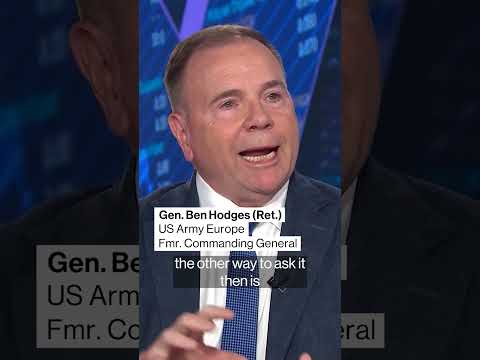
    A general’s statement indicates that the conflict involving Iran is not expected to be resolved by the time of the upcoming midterm elections, pointing to a prolonged period of engagement and geopolitical complexity. This assessment suggests that the issues contributing to the conflict are deeply entrenched, extending beyond short-term political cycles and requiring sustained attention from international actors.

    The declaration has significant implications for political discourse and public sentiment. It signals that military involvement and foreign policy related to Iran will remain prominent topics. This sustained focus impacts electoral campaigns and voter concerns, especially regarding economic stability and national security.

    The Geopolitical Landscape of the Iran Conflict

    The conflict surrounding Iran is multifaceted, involving a complex interplay of regional powers, international alliances, and economic interests. At its core are issues of nuclear proliferation, regional hegemony, and the security of vital shipping lanes. These factors contribute to a volatile environment where resolutions are often elusive.

    The Strait of Hormuz, a critical choke point for global oil shipments, remains central to these tensions. Disruptions in this waterway can have immediate and far-reaching economic consequences. International efforts to ensure its security often clash with Iran’s strategic objectives in the region.

    Economic sanctions against Iran have also played a significant role in shaping the conflict. These measures aim to curb Iran’s nuclear program and its support for various proxy groups. However, their effectiveness is often debated, and they can exacerbate humanitarian concerns and internal political pressures within Iran.

    Midterm Elections and Public Opinion

    Midterm elections, typically held two years into a presidential term, often serve as a referendum on the sitting administration’s policies. A protracted foreign conflict can heavily influence voter behavior. Public opinion frequently shifts based on perceived successes or failures in international engagements.

    Concerns about troop deployments, military casualties, and the financial cost of war often dominate public discussion. These anxieties can translate into electoral outcomes, affecting the balance of power in legislative bodies. Candidates must navigate these sentiments carefully.

    The general’s statement underscores that voters will likely consider the Iran conflict when casting their ballots. This means foreign policy will not be relegated to a secondary issue. Instead, it will be a defining aspect of the political landscape leading up to the elections.

    Historical Parallels and Prolonged Engagements

    History offers numerous examples of conflicts that have extended beyond initial expectations, often spanning multiple election cycles. The Vietnam War, for instance, deeply divided American society and influenced several presidential and midterm elections. Similarly, the wars in Afghanistan and Iraq presented ongoing challenges to various administrations.

    These prolonged engagements often lead to public fatigue and skepticism regarding government assurances of swift resolutions. They can also shift national priorities, diverting resources from domestic issues. Understanding these historical patterns provides context for the general’s recent remarks.

    The current situation with Iran bears some resemblance to these past events, particularly in its complex origins and the difficulty of achieving a decisive conclusion. The involvement of multiple actors and deeply rooted historical grievances contribute to its persistent nature.

    The Role of Military Leadership in Public Discourse

    Statements from military leaders hold significant weight in public discourse. Their assessments often carry an air of authority and direct knowledge. When a general speaks about the duration of a conflict, it is often interpreted as a realistic appraisal of the situation on the ground.

    Such statements can also serve to manage public expectations. By indicating a longer timeline, military leadership can prepare the public for sustained efforts. This proactive communication can be crucial in maintaining support, even if it highlights a difficult reality.

    The general’s comment, disseminated widely through channels like Bloomberg Television, becomes part of the national conversation. It informs policy debates and contributes to the overall understanding of the strategic challenges facing the nation. This transparency, while potentially unsettling, is often seen as vital for democratic accountability.

    Economic Impacts of Sustained Conflict

    A prolonged conflict involving Iran carries substantial economic implications, both domestically and internationally. Military expenditures can strain national budgets, potentially leading to increased taxes or cuts in other public services. The cost of maintaining troop presence, equipment, and logistical support adds up rapidly.

    Global energy markets are particularly sensitive to tensions in the Middle East. Any perceived threat to the Strait of Hormuz can cause oil prices to spike, impacting consumers and businesses worldwide. This economic uncertainty can further fuel public discontent during election cycles.

    Trade relations and international investment can also suffer from prolonged geopolitical instability. Companies may be hesitant to invest in regions affected by conflict, leading to reduced economic activity. These economic ripples can be felt far beyond the immediate theater of operations.

    The Strait of Hormuz: A Strategic Bottleneck

    The Strait of Hormuz is approximately 21 miles wide at its narrowest point. It connects the Persian Gulf with the Arabian Sea and the Gulf of Oman. Roughly one-fifth of the world’s total petroleum liquids consumption, and about one-fifth of the world’s liquefied natural gas (LNG), passes through this strait.

    Iran’s strategic position along the northern coast of the strait gives it significant leverage. Threats to close or disrupt shipping in the Strait of Hormuz have been a recurring feature of geopolitical tensions. Such actions would have catastrophic effects on global energy supplies and prices.

    International naval forces regularly patrol the strait to ensure safe passage. However, incidents involving Iranian vessels, drones, or naval exercises often escalate regional tensions. The ongoing security of this waterway remains a top priority for many nations, particularly those reliant on Middle Eastern oil.

    Political Stability and Regional Dynamics

    The conflict with Iran is not isolated. It is deeply intertwined with broader regional dynamics and the political stability of neighboring countries. The involvement of various non-state actors and proxy forces further complicates the landscape. These groups often operate with varying degrees of autonomy, making comprehensive resolutions difficult.

    Nations like Saudi Arabia, Israel, and the United Arab Emirates view Iran’s actions with considerable apprehension. Their security concerns often influence their foreign policy decisions and their alliances with Western powers. This intricate web of relationships means any resolution must address multiple stakeholders’ interests.

    Internal political shifts within Iran also play a role. The balance of power between different factions can influence the country’s approach to international relations and its willingness to engage in de-escalation efforts. These internal dynamics add another layer of complexity to the conflict’s resolution.

    Looking Ahead: Challenges and Prospects for Resolution

    The general’s statement implies that a swift resolution to the Iran conflict is not on the horizon. This necessitates a long-term strategic approach from all involved parties. Diplomacy, economic pressure, and military deterrence will likely continue to be key components of this strategy.

    Future negotiations would need to address Iran’s nuclear program, its ballistic missile capabilities, and its regional influence. Building trust and finding common ground among deeply entrenched adversaries remains a formidable challenge. International cooperation is essential for any meaningful progress.

    The possibility of unintended escalation always looms in such volatile regions. Miscalculations or minor incidents can quickly spiral into larger confrontations. Therefore, maintaining open lines of communication and de-escalation protocols is paramount.

    The path forward is fraught with obstacles. Strategic patience will be required. Diplomatic efforts will continue. Military readiness will remain a priority. The global community will watch.

    Tehran.

  • US Expands Attacks on Iran After American Service Member’s Death

    US Expands Attacks on Iran After American Service Member’s Death

    The United States initiated expanded military operations against targets within Iran on 2026-07-20, directly following the confirmed death of an American service member reported on 2026-07-19. These retaliatory strikes focused on facilities associated with the Islamic Revolutionary Guard Corps (IRGC), marking a significant escalation in the ongoing tensions between Washington D.C. and Tehran.

    President Trump authorized the measures, asserting that the US would respond decisively to any actions endangering American personnel. The Department of Defense is currently compiling specific details regarding the full scope and impact of these new operations.

    The Incident Triggering Escalation

    An American service member was killed on 2026-07-19. The Pentagon confirmed the casualty but withheld the service member’s identity pending family notification. Initial reports indicated the incident occurred during an operational mission in the region.

    The exact circumstances leading to the American service member’s death remain under investigation. Defense officials have not yet specified the type of attack or the group responsible. However, the immediate US response suggested a direct link to Iranian-backed entities.

    This loss of life prompted swift action from the US administration. President Trump reiterated the policy of responding forcefully to any attacks on American forces or interests.

    Expanded US Military Response

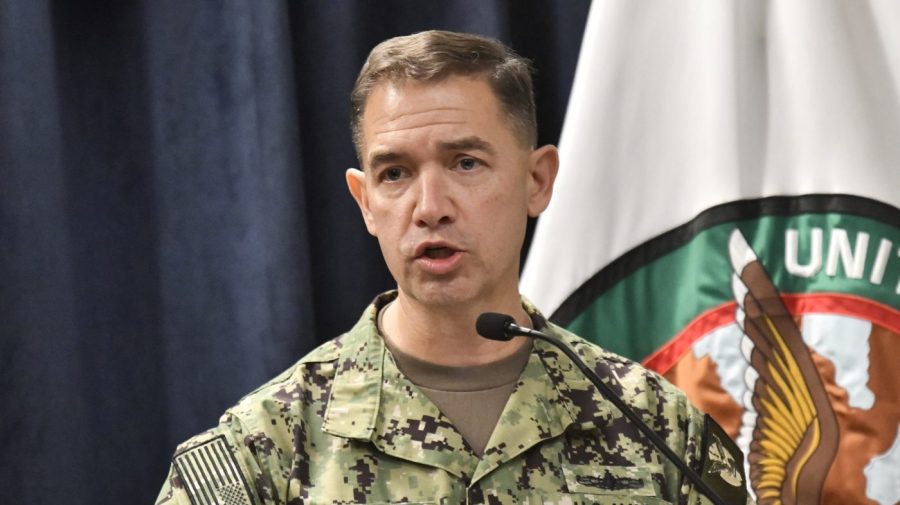
    On 2026-07-20, the US Central Command (CENTCOM) announced the execution of precision strikes. These strikes were described as defensive in nature, aimed at degrading the capabilities of groups threatening US personnel.

    Defense Secretary Pete Hegseth issued a statement confirming the operations. He emphasized that the US seeks to deter further aggression while protecting American forces stationed in the Middle East. The strikes were carefully planned to minimize civilian casualties.

    Targeted Facilities and Operations

    The expanded attacks specifically targeted infrastructure and command-and-control nodes belonging to the Islamic Revolutionary Guard Corps (IRGC). Unconfirmed reports suggested targets included facilities in western Iran and along the Iraq-Iran border.

    These locations are historically used by the IRGC for logistics and training. The precision nature of the strikes aimed to disrupt these operational capabilities without broader engagement.

    The decision to target IRGC assets directly indicated a strategic shift in response. Previous engagements often focused on proxy groups. This direct targeting underscored the US administration’s determination to hold Iran accountable for actions attributed to its proxies.

    Military analysts observed that striking IRGC facilities serves multiple purposes. It aims to degrade immediate operational capacity. It also sends a strong deterrent message to Tehran regarding the consequences of attacks on American personnel.

    The strikes were executed with advanced weaponry, ensuring accuracy and minimizing collateral damage. US officials stressed the defensive posture of these actions, framing them as necessary to protect American interests and service members in the region.

    Geopolitical Implications and Regional Reactions

    The escalation immediately drew international attention. Allies of the United States expressed concern over the potential for broader regional conflict. Several nations called for de-escalation from all parties involved.

    The European Union issued a statement urging restraint. Countries in the Middle East, including Saudi Arabia and the United Arab Emirates, monitored the situation closely. Their reactions varied, reflecting their complex relationships with both the US and Iran.

    Iran’s Official Stance

    Iran’s Ministry of Foreign Affairs condemned the US actions as a violation of its sovereignty. Official statements from Tehran vowed a proportionate response. The IRGC media outlets reported on the strikes, describing them as acts of aggression.

    Iranian officials characterized the US strikes as an act of international terrorism. They asserted Iran’s right to self-defense. Public sentiment in Iran, as reported by state media, was one of defiance and condemnation.

    The Iranian government convened an emergency session of its National Security Council. Discussions focused on potential retaliatory measures and strategies to counter what it termed American aggression. The Supreme Leader’s office also issued a statement, reinforcing the nation’s resolve.

    International Response and Concerns

    The United Nations Secretary-General called for an immediate cessation of hostilities. He emphasized the fragile stability of the Middle East. Diplomatic efforts were initiated to prevent a full-scale regional conflict.

    Russia and China, both permanent members of the UN Security Council, expressed strong disapproval of the US actions. They called for a peaceful resolution through dialogue. Their statements highlighted the risks of unilateral military action.

    Analysts are assessing how this military escalation will impact global oil markets and international shipping lanes. The Strait of Hormuz, a critical chokepoint for global oil supplies, remains a focal point of concern. Any disruption there could have significant economic repercussions worldwide.

    The stability of the broader Middle East hangs in the balance. Regional powers are adjusting their security postures. The increased military activity raises the specter of miscalculation and unintended consequences.

    Ongoing Monitoring and Future Actions

    The Department of Defense continues to monitor the situation closely. Further statements are anticipated from President Trump and key administration officials. The safety and security of US service members remain the top priority.

    US military assets in the region have been placed on heightened alert. Defensive measures are being reinforced across all American bases. Intelligence agencies are working to assess Iranian intentions and capabilities.

    President Trump’s administration has consistently maintained a firm stance against perceived Iranian aggression. This latest military action aligns with that stated policy. The administration’s focus remains on protecting American lives and interests.

    The international community watches. Regional powers respond. Global markets react. The world awaits.


  • Middle East Tensions Escalate – After Iran Attacks Kill Two US Troops

    Middle East Tensions Escalate – After Iran Attacks Kill Two US Troops

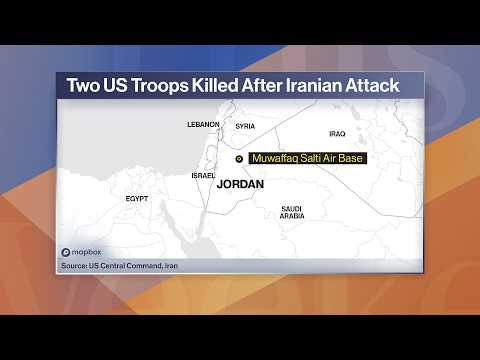
    The geopolitical situation in the Middle East has intensified dramatically following recent attacks attributed to Iranian-backed forces, which resulted in the deaths of two U.S. military personnel. This development has elicited strong condemnation from international actors and raised alarms about the potential for wider regional conflict, prompting urgent calls for de-escalation from global leaders.

    A New Chapter of Regional Instability

    The attacks mark a significant turning point in the ongoing dynamics between the United States and Iran. For years, a delicate balance of deterrence and limited engagement has characterized the relationship, often tested by proxy conflicts and regional skirmishes. The direct targeting resulting in U.S. casualties, however, shifts the calculus.

    Details surrounding the attacks remain under investigation by U.S. defense officials. Initial reports indicate the incidents occurred in a strategically sensitive area, though the precise location has not been publicly disclosed. The U.S. Department of Defense has confirmed the fatalities and notified the families of the fallen service members.

    President Trump addressed the nation from the Oval Office, condemning the attacks as a ‘cowardly act of aggression’ and vowing a ‘decisive and proportionate response.’ Vice President JD Vance echoed these sentiments during an appearance on a national news program, emphasizing the administration’s commitment to protecting American lives and interests abroad.

    International Reactions and Calls for Restraint

    The international community has reacted with a mixture of shock and concern. United Nations Secretary-General António Guterres issued a statement urging all parties to exercise maximum restraint. He called for an immediate cessation of hostilities to prevent a broader conflagration that could destabilize the entire region and have global repercussions.

    Key U.S. allies have also voiced their solidarity and concern. British Prime Minister Keir Starmer condemned the attacks and expressed condolences to the families of the fallen troops. French President Emmanuel Macron called for diplomatic solutions, emphasizing the need for dialogue to avert further bloodshed.

    Russia and China, while often at odds with Western powers on Middle East policy, have also expressed apprehension. Both nations have historically advocated for de-escalation in regional conflicts, fearing the impact on global energy markets and international stability. Their diplomatic overtures have focused on preventing an uncontrolled spiral of violence.

    The Shadow of Proxy Warfare

    The attacks are widely believed to be carried out by militias supported and funded by Iran. These proxy groups operate across Iraq, Syria, Lebanon, and Yemen, serving as extensions of Iran’s strategic influence. Their actions often complicate direct attribution and provide a degree of plausible deniability for Tehran.

    U.S. intelligence agencies are working to definitively link the specific groups responsible to the Iranian Revolutionary Guard Corps (IRGC). The IRGC’s Quds Force, in particular, has long been implicated in orchestrating and supporting such operations. Establishing a clear chain of command and responsibility is crucial for any potential U.S. retaliatory actions.

    The use of drones and precision-guided munitions by these groups has become increasingly sophisticated. This technological advancement presents a growing challenge to U.S. and allied forces, who must adapt their defensive measures to counter evolving threats. The recent attacks highlight the potency of these asymmetric warfare tactics.

    Historical Context of U.S.-Iran Tensions

    Tensions between the United States and Iran have deep historical roots, dating back to the 1979 Iranian Revolution and the subsequent hostage crisis. Decades of mistrust, sanctions, and ideological clashes have shaped the relationship. The 2015 Joint Comprehensive Plan of Action (JCPOA), or Iran nuclear deal, offered a brief period of reduced tension, but its unraveling under the Trump administration in 2018 reignited animosities.

    Since the U.S. withdrawal from the JCPOA, Iran has progressively expanded its nuclear program and increased its support for regional proxy forces. This has been met with heightened U.S. military presence in the Persian Gulf and renewed economic sanctions, creating a cycle of escalation and counter-escalation.

    The current incident echoes previous flashpoints, such as the 2020 killing of Iranian General Qasem Soleimani by a U.S. drone strike and subsequent Iranian missile attacks on U.S. bases in Iraq. Each event has pushed the two nations closer to direct confrontation, only for de-escalation efforts to pull them back from the brink.

    U.S. Military Presence in the Middle East

    The United States maintains a significant military footprint across the Middle East, primarily aimed at counter-terrorism operations, deterring regional aggressors, and protecting vital shipping lanes. Bases in Iraq, Syria, Kuwait, Qatar, Bahrain, and Saudi Arabia host thousands of U.S. service members.

    The presence of these troops is often a point of contention with local populations and governments. While some view the U.S. as a stabilizing force, others see it as an occupying power or a target for anti-Western sentiment. The attacks on U.S. personnel exacerbate these internal and external pressures.

    The Biden administration, which preceded President Trump’s current term, had aimed to reduce the U.S. military footprint in some areas, shifting focus to other global challenges. However, the persistent threats from groups like ISIS and Iranian-backed militias have complicated these withdrawal efforts, often necessitating sustained engagement.

    Economic Implications of Escalation

    Any significant escalation in the Middle East carries substantial economic risks, particularly for global energy markets. The region is a major producer of oil and natural gas, and disruptions to supply routes or production facilities can trigger sharp price increases. This impacts consumers worldwide and can fuel inflation.

    Financial markets have already shown signs of volatility in response to the news. Oil prices saw an immediate uptick, and global stock markets experienced downward pressure as investors reacted to the increased geopolitical uncertainty. Analysts warn that sustained tensions could lead to a prolonged period of economic instability.

    Shipping routes through the Strait of Hormuz, a critical chokepoint for oil transport, are particularly vulnerable. Iran has previously threatened to close the strait in response to perceived aggressions, a move that would have catastrophic consequences for the global economy. Safeguarding these maritime passages is a primary objective of international naval forces.

    The Path Forward: Diplomacy or Retaliation?

    President Trump faces immediate decisions regarding the U.S. response. Options range from targeted military retaliation against the responsible proxy groups or their Iranian handlers to diplomatic overtures aimed at de-escalation. The administration’s choice will define the immediate trajectory of the conflict.

    Military strategists are likely evaluating a range of targets, including missile sites, drone facilities, and command-and-control centers associated with the attacks. Any strike would carry the risk of further escalation, potentially drawing Iran into a more direct confrontation. The precision and scope of such actions would be critical.

    Diplomatic channels remain open, albeit strained. International mediators may attempt to broker a ceasefire or facilitate indirect negotiations between Washington and Tehran. The ultimate goal for many international observers is to prevent a full-scale war, which would have devastating human and economic costs.

    The families of the two fallen U.S. service members grieve. The U.S. military prepares. The global community watches. The region holds its breath.

    Washington.

  • President Trump’s Influence on Oil Markets, An Analysis of Price Dynamics

    President Trump’s Influence on Oil Markets, An Analysis of Price Dynamics

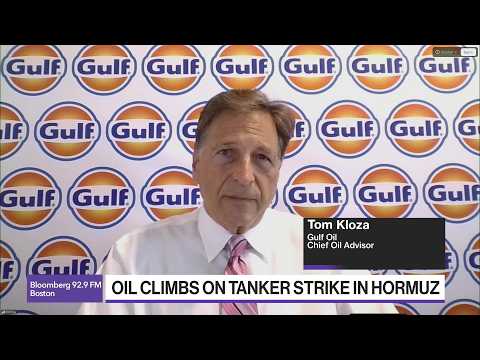
    President Donald Trump has demonstrated a notable capacity to influence global oil markets, a phenomenon observed by industry analysts such as Tom Kloza of the Oil Price Information Service (OPIS). This influence stems from a combination of diplomatic pressure, strategic communication, and geopolitical maneuvering. The objective is often to stabilize prices or secure specific economic outcomes for the United States.

    The dynamics of oil pricing are complex. They involve global supply and demand, geopolitical stability, and the actions of major producing nations. Presidential rhetoric and policy initiatives can significantly shift market sentiment and expectations.

    The Role of Presidential Rhetoric in Oil Markets

    President Trump’s approach to oil markets has often involved direct communication. He frequently used social media platforms, particularly X (formerly Twitter), to convey his administration’s stance on oil prices. These messages often targeted the Organization of the Petroleum Exporting Countries (OPEC) and its allies, known as OPEC+.

    For example, during periods of rising oil prices, President Trump would publicly call on OPEC+ to increase production. He argued that high prices were detrimental to American consumers and businesses. Conversely, when prices plummeted, he advocated for production cuts to stabilize the market.

    This direct engagement deviates from traditional diplomatic channels. It creates immediate market reactions. Traders and analysts closely monitor presidential statements for cues on potential policy shifts or diplomatic interventions.

    Key Players and Geopolitical Leverage

    Saudi Arabia, a key member of OPEC and the world’s largest oil exporter, frequently finds itself at the center of these discussions. The relationship between the United States and Saudi Arabia is critical to global oil stability. President Trump has often leveraged this relationship to influence OPEC+ decisions.

    In April 2020, during the onset of the COVID-19 pandemic, global oil demand collapsed. This led to a historic price crash, with WTI crude briefly trading in negative territory. President Trump engaged directly with Saudi leaders and Russian President Vladimir Putin. He facilitated a deal that led to unprecedented production cuts by OPEC+.

    This intervention was crucial in preventing a more severe crisis in the energy sector. It demonstrated the power of high-level diplomatic pressure in extreme market conditions. The cuts, totaling 9.7 million barrels per day, helped stabilize prices over the subsequent months.

    Energy Independence and Domestic Production

    A cornerstone of President Trump’s energy policy has been the pursuit of American energy independence. This involved promoting domestic oil and gas production, particularly through hydraulic fracturing and horizontal drilling. The United States became the world’s largest producer of crude oil under his administration.

    Increased domestic supply provides a buffer against global supply disruptions. It also gives the U.S. greater leverage in international energy discussions. The ability to increase or decrease American production, even indirectly, influences global supply-demand balances.

    This focus on domestic production allows the U.S. to be less reliant on foreign oil. It also positions the nation as a significant player in the global energy landscape. This dual role as both a major consumer and a major producer adds complexity to its market interventions.

    Market Psychology and Expectations

    Oil markets are highly sensitive to sentiment and expectations. Presidential statements can create immediate shifts in these psychological factors. A strong statement about potential sanctions or diplomatic actions can send prices soaring or plummeting.

    Tom Kloza’s observation highlights this psychological impact. The market often anticipates actions based on presidential rhetoric. This anticipation can move prices before any concrete policy changes are enacted. The perception of presidential intent becomes as important as the actual policy.

    For instance, threats of sanctions against oil-producing nations like Iran or Venezuela have historically led to spikes in oil prices. These threats signal potential supply reductions, even if the sanctions are not immediately implemented or fully effective.

    Historical Context of Presidential Influence

    Presidential influence on oil markets is not unique to the Trump administration. Previous U.S. presidents have also engaged with oil-producing nations and taken actions that impacted global energy prices.

    President Richard Nixon, in the early 1970s, dealt with the Arab oil embargo. This event underscored the geopolitical importance of oil. It prompted efforts to reduce American dependence on foreign oil. President George W. Bush also focused on energy security following the September 11, 2001, attacks.

    However, President Trump’s direct and often public approach marked a departure from some of his predecessors. His willingness to openly criticize or praise OPEC+ actions introduced a new dynamic into the market.

    The Impact of Geopolitical Events

    Geopolitical events frequently intertwine with presidential actions to influence oil prices. Tensions in the Strait of Hormuz, a critical chokepoint for global oil shipments, can cause immediate price spikes. Attacks on oil infrastructure, such as the 2019 drone attacks on Saudi Aramco facilities, also have significant market effects.

    President Trump’s administration navigated several such events. His responses, often involving military posturing or diplomatic condemnations, were closely watched by energy markets. The perceived stability or instability in key oil-producing regions directly impacts supply risk premiums.

    Trade disputes, particularly with China, also had indirect effects on oil demand. Economic slowdowns resulting from trade tensions could dampen global energy consumption. This, in turn, put downward pressure on prices.

    Looking Ahead: The Future of Presidential Influence

    The ability of a U.S. president to influence oil markets remains a significant factor in global energy economics. As global energy transitions continue, the nature of this influence may evolve.

    However, as long as fossil fuels remain a primary energy source, geopolitical stability and supply management will be critical. The U.S. president’s role as a global power broker will continue to shape these dynamics.

    President Trump’s tenure highlighted the effectiveness of a proactive and assertive approach to energy diplomacy. It demonstrated how a president can directly engage with producers and utilize rhetoric to guide market expectations.

    Analysts like Tom Kloza continue to monitor these interactions. They understand that presidential communication is a powerful tool. It can affect the daily operations of the world’s energy markets.

    Diplomats observe. Economists analyze. Traders react. The world watches.

    The Role of OPEC+ in Price Stability

    OPEC+, a group comprising the 13 OPEC members and 10 non-OPEC oil-producing countries, including Russia, holds significant sway over global oil supply. Their collective decisions on production quotas directly impact global prices. President Trump’s administration frequently engaged with this group to influence their output policies.

    The group’s decisions are often complex, balancing the interests of its diverse members. Saudi Arabia and Russia are the two largest producers within the alliance. Their cooperation is essential for any significant production adjustment.

    President Trump’s direct appeals often targeted these two nations. He sought to persuade them to align their production strategies with U.S. economic interests, particularly regarding gasoline prices for American consumers.

    Economic Implications of Oil Price Fluctuations

    Oil prices have broad economic implications. High oil prices can act as a tax on consumers, reducing disposable income and potentially slowing economic growth. Low oil prices, while beneficial for consumers, can harm domestic oil producers and lead to job losses in the energy sector.

    President Trump’s interventions often aimed to strike a balance. He sought prices that were low enough to benefit consumers but high enough to support the U.S. shale industry. This balancing act required careful diplomatic maneuvering.

    The U.S. economy’s sensitivity to oil prices makes presidential attention to the market a consistent feature of modern administrations. Energy costs influence inflation, manufacturing, and transportation sectors.

    The Impact of Sanctions on Oil Supply

    Sanctions imposed by the U.S. government on oil-producing nations like Iran and Venezuela have also played a role in global supply dynamics. These sanctions aim to restrict these countries’ ability to export oil, thereby reducing global supply and potentially impacting prices.

    While the primary goal of sanctions is often political, their economic consequences for the oil market are undeniable. President Trump’s administration reimposed and intensified sanctions on Iran, for example, significantly curtailing Iranian oil exports.

    The market response to these sanctions is often immediate. Reduced supply from one region means other producers, like Saudi Arabia or the U.S., might need to increase output to compensate. This dynamic becomes a critical part of the broader strategy to manage oil prices.

    The effectiveness of sanctions is a subject of ongoing debate among economists and foreign policy experts. However, their capacity to disrupt oil flows and influence prices is well-documented.

    Economies fluctuate. Geopolitics shifts. Markets respond. This complex interplay defines the modern energy landscape.