
ICE Operations Impact Beef Supply Chain
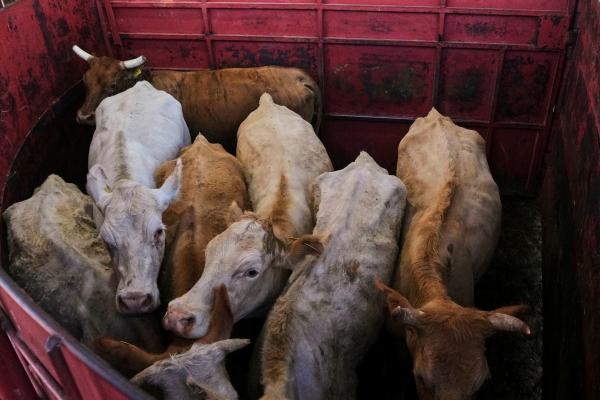
Recent operations by U.S. Immigration and Customs Enforcement (ICE) have begun to disrupt the beef production supply chain in the Midwest. These actions are reportedly causing significant delays in the processing of thousands of cattle. The agricultural community, particularly in states central to beef production, is experiencing immediate effects.
Cattle associations from Texas, Oklahoma, and Kansas issued a joint statement on September 25, 2026. This statement warned that current ICE activities are creating instability within the agricultural sector. The disruption is expected to translate into higher beef prices for consumers.
Cattle Associations Issue Joint Warning
The joint statement from the Texas Cattle Raisers Association, Oklahoma Cattlemen’s Association, and Kansas Livestock Association highlighted the immediate challenges. Delays in shipping cattle to processors are a primary concern. Workforce disruptions across various stages of the supply chain are also contributing to the problem.
These associations emphasized the interconnected nature of the beef industry. Any significant disruption at one point can ripple through the entire system. The current ICE operations are creating bottlenecks that prevent cattle from moving efficiently from feedlots to processing plants.
Economic Impact on Consumers
Beef prices have already reached historical highs in 2026. Projections indicated a 9.8% increase in beef and veal prices for the year. The additional strain from ICE operations could exacerbate this trend, pushing prices even higher for consumers.
The Department of Homeland Security, led by Secretary Markwayne Mullin since March 24, 2026, oversees ICE. David Venturella has served as the acting director of ICE since June 1, 2026. These operations fall under their purview, impacting national food supply chains.
Workforce Disruptions and Processing Delays
The beef industry relies on a consistent and available workforce. ICE operations often target undocumented workers, who form a significant portion of the labor force in certain agricultural sectors. The removal or detention of these workers creates immediate labor shortages.
These shortages affect not only the processing plants but also other parts of the supply chain, including transportation and packaging. The cumulative effect is a slowdown in production. This reduction in supply, coupled with consistent demand, typically leads to increased prices.
Historical Context of Beef Prices
The current situation builds upon a period of sustained high beef prices. Factors such as drought, feed costs, and global demand have contributed to these elevated levels. The added pressure from immigration enforcement introduces a new variable into an already complex economic equation.
Related: Courtroom Brawl: Grandfather Attacks Son-in-Law’s Killer During Sentencing
The agricultural sector has historically faced challenges related to labor. Discussions around immigration policy and its impact on food production have been ongoing for decades. The current ICE actions bring these discussions to the forefront once again, with direct implications for consumer costs.
Government Response and Industry Concerns
The nomination of Richard Schroyer by President Trump to be the director of ICE in June 2026 was withdrawn in September 2026. This indicates ongoing shifts in leadership and policy direction within the agency. Todd Lyons previously served as acting director from March 2025 to May 31, 2026, announcing his departure in April 2026.
Industry leaders are calling for solutions that address both immigration enforcement and the stability of the food supply. The balance between these priorities remains a critical challenge for policymakers. The economic consequences of unchecked disruptions could be significant for both producers and consumers.
Cattle waited. Processors idled. Consumers braced. Prices rose.
Sources
Sponsored · Put your business in front of ByteSize Network's readers, with every click measured. See advertising packages · Advertise on ByteSize Network