Tag: Ice

  • N3on and Ryan Garcia Support Families Affected by ICE at Car Wash Event

    N3on and Ryan Garcia Support Families Affected by ICE at Car Wash Event

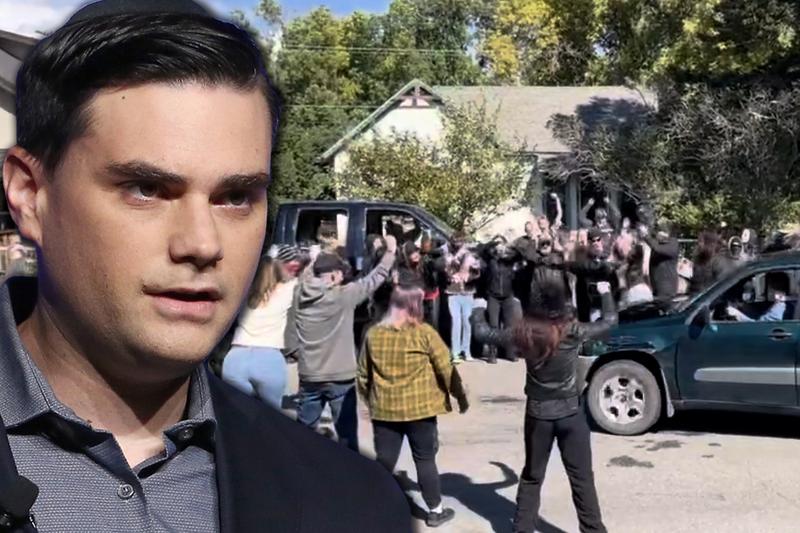
    Influencer N3on and professional boxer Ryan Garcia recently participated in a car wash event designed to support families affected by actions from U.S. Immigration and Customs Enforcement (ICE).

    This event brought together community members and public figures to provide assistance and raise awareness for those navigating the complexities of immigration policies and enforcement in the United States.

    The Intersection of Celebrity and Social Activism

    The involvement of figures like N3on and Ryan Garcia in community support initiatives underscores a trend of public personalities leveraging their influence for social causes. N3on, known for his online presence and streaming content, commands a significant following across various digital platforms.

    Ryan Garcia, a prominent figure in professional boxing, also possesses a substantial platform, particularly among younger demographics and sports enthusiasts. Their joint appearance at the car wash event amplified its reach and message beyond local communities.

    Such collaborations draw attention to issues that might otherwise receive less mainstream media coverage. By participating directly, these individuals offer tangible support and a visible endorsement for the cause.

    The car wash event itself serves multiple purposes. It functions as a fundraiser, with proceeds often directed towards legal aid, financial assistance, or humanitarian support for affected families.

    Beyond fundraising, these events also provide a space for community gathering and solidarity. They can help reduce feelings of isolation among those directly impacted by immigration enforcement.

    The Role of Immigration and Customs Enforcement (ICE)

    U.S. Immigration and Customs Enforcement (ICE) is a federal law enforcement agency under the Department of Homeland Security (DHS). Its primary mission involves enforcing immigration laws, investigating transnational crime, and ensuring public safety.

    ICE operations include arrests, detentions, and deportations of individuals found to be in violation of U.S. immigration statutes. These actions often have significant and immediate impacts on families, leading to separations and financial hardship.

    The agency’s activities frequently become subjects of public debate, with supporters emphasizing national security and legal compliance, while critics often highlight humanitarian concerns and civil liberties.

    The car wash event specifically aimed to support families who have experienced the direct consequences of ICE enforcement. This includes families where a primary wage earner has been detained or deported, leading to economic instability and emotional distress.

    Organizations dedicated to immigrant rights and support often collaborate with community leaders and public figures to raise funds and awareness. These partnerships are crucial for sustaining support networks for vulnerable populations.

    Community Support Initiatives and Their Impact

    Community support initiatives, like the car wash involving N3on and Ryan Garcia, play a vital role in addressing immediate needs and fostering long-term resilience within affected communities. These events are often grassroots efforts, organized by local volunteers and non-profit organizations.

    The funds raised at such events can be critical for families facing sudden financial burdens. This might include legal fees for immigration proceedings, housing assistance, or basic living expenses when a family member’s income is disrupted.

    Beyond financial aid, these gatherings provide emotional and psychological support. They send a message to affected families that they are not alone and that their struggles are recognized by a wider community.

    The visibility brought by public figures also helps to destigmatize discussions around immigration. It can encourage a more empathetic public discourse regarding the challenges faced by immigrant communities.

    The Power of Digital Platforms

    N3on’s presence, in particular, highlights the evolving role of digital platforms in social activism. Livestreaming, social media posts, and viral videos can disseminate information and calls to action to millions of people instantly.

    This digital reach allows for rapid mobilization of resources and volunteers. It also enables a broader audience to witness and engage with social issues that might otherwise remain localized.

    The content generated from such events, whether it be short video clips or longer form documentaries, serves as a powerful tool for advocacy. It can humanize complex issues and provide direct testimonies from those affected.

    Ryan Garcia’s involvement also taps into a different, yet equally influential, audience. His status as a professional athlete lends credibility and a sense of mainstream appeal to the cause.

    The combination of an internet personality and a sports star creates a unique cross-platform appeal, maximizing the event’s potential for impact and awareness.

    Broader Implications for Immigration Discourse

    The car wash event, while a localized effort, contributes to a larger national conversation about immigration and border policies. The actions of ICE and other federal agencies are subjects of ongoing debate in the United States.

    Advocates for immigrant rights frequently call for reforms to immigration laws, emphasizing pathways to citizenship, family reunification, and due process protections. Conversely, proponents of stricter enforcement prioritize border security and adherence to existing legal frameworks.

    Events like the one supported by N3on and Ryan Garcia bring these often abstract policy debates into a tangible, human context. They highlight the personal stories and family impacts that are central to the immigration discussion.

    The event also serves as a reminder of the diverse coalitions that form around immigration issues. These coalitions often include religious organizations, civil rights groups, legal aid societies, and community activists.

    The participation of public figures can galvanize new segments of the population to engage with these issues, moving them from the periphery of public consciousness to a more central position.

    The Role of Media in Shaping Perceptions

    The media’s portrayal of such events is crucial in shaping public perception. When outlets like TMZ cover these initiatives, it amplifies the message and informs a broad audience about the ongoing challenges faced by immigrant families.

    Positive coverage can encourage further donations, volunteerism, and advocacy. It can also counteract negative stereotypes often associated with immigrant communities.

    The short video clip format, as seen on platforms like YouTube Shorts, allows for quick, impactful dissemination of information. These snippets can capture the essence of an event and convey its emotional weight efficiently.

    Such media exposure is a strategic component of many advocacy efforts. It transforms a local event into a national talking point, even if for a brief period.

    The sustained efforts of various organizations, coupled with the periodic involvement of high-profile individuals, contribute to a continuous push for policy changes and increased humanitarian aid.

    Looking Forward: Continued Engagement

    The car wash event is one example in a continuum of efforts to support immigrant families. Many organizations operate year-round, providing essential services and advocacy.

    These services range from legal clinics offering free or low-cost representation to educational programs designed to inform immigrants of their rights and resources.

    The engagement of public figures is not a one-time solution but rather a catalyst that can inspire ongoing support and participation from their followers and the broader public.

    As immigration remains a complex and often contentious issue in the United States, the need for community support and advocacy will likely persist. Events like this car wash illustrate the human-centered approach many take to address the issue.

    The collective efforts of influencers, athletes, community organizers, and everyday citizens contribute to a network of support that aims to alleviate the challenges faced by families affected by immigration enforcement.

    Advocates continue to push for comprehensive immigration reform that balances national security concerns with humanitarian principles. The stories highlighted by these events often serve as powerful arguments in that ongoing debate.

    The car wash. The community. The families. The support. The solidarity.

    Hope.


  • Vanilla Ice’s Freedom 250 Concert: The ‘Inclement Weather’ Cancellation

    Vanilla Ice’s Freedom 250 Concert: The ‘Inclement Weather’ Cancellation

    Vanilla Ice’s Freedom 250 concert, a highly anticipated event, was abruptly canceled in late June 2026. The official reason provided by organizers for this decision was ‘inclement weather.’ This explanation, however, faced scrutiny as local weather conditions at the time of the cancellation did not appear to support claims of severe weather.

    The sudden nature of the cancellation left many fans and observers questioning the true circumstances. The event was part of a broader cultural landscape where musical acts from different genres often cross over or appeal to diverse audiences.

    The Announced Cancellation

    The news of the Freedom 250 concert’s cancellation spread rapidly. Reports from various outlets confirmed the event would not proceed as planned. Attendees who had made travel arrangements and purchased tickets expressed immediate disappointment.

    Organizers issued a statement. This statement attributed the cancellation solely to adverse weather conditions. Specific details regarding the nature of the ‘inclement weather’ were not extensively provided in initial public announcements.

    Social media platforms became a hub for discussion. Fans shared their frustration and sought clarification regarding the refund process and future event possibilities.

    Weather Conditions at the Time

    Local weather forecasts and reports for the concert’s scheduled date and time were reviewed following the cancellation. These reviews indicated a disparity between the official reason and actual atmospheric conditions. Many local residents and meteorologists noted the absence of severe storms or hazardous weather warnings.

    Temperatures were reportedly mild. Precipitation was minimal or non-existent in the immediate vicinity of the venue. Wind speeds were also not reported at levels that would typically warrant such a drastic event cancellation.

    This discrepancy fueled speculation. It suggested that factors beyond weather might have contributed to the decision. The lack of transparent information from organizers only amplified public curiosity.

    The Implication of ‘Inclement Weather’

    The phrase ‘inclement weather’ serves as a common and often accepted reason for event cancellations. It provides a broad justification that can encompass various meteorological phenomena. These include heavy rain, strong winds, lightning, or extreme temperatures.

    However, when the reported weather does not align with the stated reason, it can lead to public distrust. It can also raise questions about contractual obligations, insurance policies, and underlying logistical challenges. Concert promoters often have complex agreements that factor in weather-related clauses.

    Vanilla Ice’s Enduring Appeal

    Robert Matthew Van Winkle, known professionally as Vanilla Ice, rose to prominence in the early 1990s. His hit single ‘Ice Ice Baby’ achieved global success. This song became the first hip-hop single to top the Billboard Hot 100 chart.

    His career trajectory has been eclectic. After his initial mainstream success, he ventured into various forms of entertainment. These included acting, reality television, and different musical genres.

    Vanilla Ice has maintained a loyal fanbase. He frequently performs at nostalgia-themed concerts and festivals. His performances often draw diverse crowds, including those who appreciate his blend of hip-hop and rock influences.

    Crossover Appeal and Audience Demographics

    Vanilla Ice’s appeal has extended beyond his original hip-hop audience. His presence at events like the Freedom 250 suggests a connection with audiences often associated with country music or rock festivals. This crossover appeal highlights the evolving nature of music consumption and fan bases.

    Artists like Vanilla Ice can bridge cultural divides. They bring together different segments of the population through shared nostalgic experiences or a broader appreciation for musical entertainment. His continued touring reflects a demand for his unique brand of performance.

    Logistical Challenges for Large Events

    Organizing large-scale concerts involves significant logistical planning. Permits, security, staging, sound, lighting, and vendor coordination are all critical components. Any one of these elements can present unforeseen challenges.

    Cancellations can occur due to a multitude of factors. These include low ticket sales, artist health issues, technical failures, or permitting problems. Organizers sometimes opt for a generic explanation to avoid disclosing more complex or potentially damaging reasons.

    The economic impact of a cancellation is substantial. Lost revenue for the venue, vendors, and local businesses can be significant. Refunds for tickets and associated travel expenses also contribute to financial losses.

    The Role of Insurance and Contracts

    Event insurance policies often cover cancellations due to specific circumstances. ‘Inclement weather’ is a common clause in these policies. However, the exact definition of ‘inclement’ can be subject to interpretation and contractual language.

    Promoters and artists enter into detailed contracts. These agreements outline responsibilities, force majeure clauses, and cancellation protocols. The specific terms of these contracts are typically confidential.

    A cancellation due to a reason like ‘inclement weather’ can simplify the legal and financial ramifications for organizers. It may align with insurance policy requirements more easily than other potential reasons.

    Public Reaction and Future Implications

    The public reaction to the Freedom 250 cancellation was mixed. While some fans expressed understanding, many felt a lack of transparency. The incident highlighted the importance of clear communication from event organizers.

    For Vanilla Ice, such cancellations can impact touring schedules and fan engagement. Artists rely on consistent performances to connect with their audience and sustain their careers. Unexplained cancellations can lead to questions about reliability.

    The event also served as a reminder of the complexities inherent in the live music industry. The coordination of large gatherings requires meticulous planning and the ability to adapt to unexpected circumstances. The official explanation of ‘inclement weather’ for the Vanilla Ice concert cancellation in late June 2026 continues to be a point of discussion.

    Fans anticipated. Organizers announced. Weather reports differed.

    Questions remained.

  • Trump’s ‘Regime Change’: Adelson Fallout, Sweeney Interest, Dr. Phil & ICE

    Trump’s ‘Regime Change’: Adelson Fallout, Sweeney Interest, Dr. Phil & ICE

    The forthcoming book ‘Regime Change’ is set to reveal a series of intricate details concerning former President Donald Trump’s relationships with influential figures and his unexpected interactions with celebrities. These revelations include his strained dealings with Miriam Adelson and Patrick Dumont, his interest in actress Sydney Sweeney, and an alleged collaboration between Dr. Phil McGraw and U.S. Immigration and Customs Enforcement (ICE). The book offers a comprehensive look at the complex interplay of power, money, and media during the Trump era.

    These accounts offer a rare glimpse into the multifaceted world of high-stakes politics, where financial backing, celebrity endorsements, and media influence converge. ‘Regime Change’ promises to provide a candid look at the personal and political dynamics that shaped a significant era of American governance.

    The Adelson Family: A Shifting Alliance

    The relationship between Donald Trump and the Adelson family has been a cornerstone of Republican fundraising for years. Sheldon Adelson, who passed away in January 2021, was a prominent casino magnate. He was also a prodigious donor to the Republican Party and conservative causes. His support, along with that of his wife, Miriam Adelson, provided substantial financial backing to Trump’s campaigns, including his 2016 and 2020 presidential bids.

    ‘Regime Change’ reportedly suggests a more complicated relationship post-Sheldon Adelson’s passing. The book details tensions between Trump and Miriam Adelson, as well as her son-in-law, Patrick Dumont. Dumont currently serves as the president and chief operating officer of Las Vegas Sands Corporation, the company founded by Sheldon Adelson.

    The book’s revelations indicate that financial contributions, while critical, did not always translate into smooth personal or political alignment. Disagreements and perceived slights reportedly characterized some of these high-level interactions. Miriam Adelson, a physician and philanthropist, has continued her husband’s legacy as a significant Republican donor. Her ongoing financial support remains crucial for many Republican candidates. The reported dynamics with Trump suggest potential shifts in how this crucial financial backing might be directed in future political cycles. Political campaigns rely heavily on the support of major donors, and any friction at this level can have ripple effects throughout the party’s fundraising efforts.

    Patrick Dumont’s role as a key executive in the Adelson family’s business empire positions him as an influential figure in his own right. His perspective and actions could also play a significant role in the broader landscape of conservative political funding. The book aims to shed light on the intricacies of these powerful relationships. It moves beyond simple donation figures to explore the personal and strategic considerations involved in high-level political finance. These insights are critical for understanding the internal dynamics of the Republican Party’s donor base.

    Sydney Sweeney: The Pursuit of Celebrity Endorsement

    The book ‘Regime Change’ also reportedly touches on former President Trump’s interest in actress Sydney Sweeney. Sweeney, known for her roles in popular television series like ‘Euphoria’ and ‘The White Lotus,’ represents a new generation of Hollywood talent. Trump’s alleged interest in Sweeney was reportedly tied to the idea of a potential political endorsement or association. This highlights the increasing intersection of celebrity and politics in modern campaigns.

    Public figures can sway opinion and mobilize voters, making their endorsements highly sought after by political campaigns. Trump, a former television personality himself, has long understood the power of celebrity and media attention. His career has often blurred the lines between entertainment and politics. The book suggests that Trump’s interest in Sweeney was not merely a casual observation. Instead, it was reportedly part of a broader strategy to engage with popular culture figures. Gaining the support or even the visible attention of a rising star like Sweeney could be perceived as highly beneficial for a political figure aiming to connect with diverse demographics, particularly younger voters.

    Celebrity endorsements can generate significant media buzz, reach new audiences, and potentially soften a candidate’s image. They can also provide a sense of cultural relevance to a campaign. The reported details in ‘Regime Change’ underscore the strategic value placed on such associations within political circles. This dynamic highlights how political campaigns often extend beyond traditional rallies and policy debates into the realm of popular entertainment and social media influence. The book suggests that the pursuit of celebrity validation is a key component of contemporary political strategy, especially for figures like Trump who thrive on media visibility.

    Dr. Phil McGraw: Unexpected Intervention in Immigration Policy

    Perhaps one of the more unexpected revelations in ‘Regime Change’ concerns television personality Dr. Phil McGraw. The book reportedly details McGraw’s involvement with U.S. Immigration and Customs Enforcement (ICE) during the Trump administration. This alleged collaboration suggests a direct engagement between a prominent media figure and a federal agency on a highly sensitive issue.

    Dr. Phil, whose show focuses on psychological and social issues, would not typically be associated with immigration enforcement. His public persona is built around advising individuals on personal problems, not shaping federal policy. The book, however, claims that McGraw played a role in facilitating discussions or offering insights related to border strategies. This reported involvement points to an unusual intersection of media, celebrity, and government operations, particularly within the executive branch.

    According to ‘Regime Change,’ Dr. Phil allegedly arranged a meeting between Trump and ICE officials. The purpose of this meeting was reportedly to discuss various aspects of border security and enforcement. Such an intervention from a non-governmental figure underscores the informal channels through which influence can be exerted in Washington D.C. It also highlights the Trump administration’s willingness to consult with non-traditional advisors on critical policy matters. The details surrounding McGraw’s motivation and the specific outcomes of these alleged discussions remain to be fully revealed by the book. However, the mere report of his involvement indicates a willingness by the Trump administration to engage with figures from outside traditional political and governmental circles on matters of policy. This approach reflects a pattern of unconventional engagement that characterized much of the Trump presidency, often prioritizing celebrity and media connections over traditional bureaucratic processes. The book suggests that these informal channels were not merely for show, but were intended to yield actionable policy discussions and potential implementation strategies. The full scope of Dr. Phil’s influence on immigration policy, as detailed in ‘Regime Change,’ promises to be a significant point of discussion.

    The Broader Landscape of Influence: Media, Money, and Power

    ‘Regime Change’ appears to offer a wide-ranging examination of the forces that shape modern American politics. The book moves beyond conventional political analysis to explore the complex web of relationships that influence decision-making at the highest levels. It details how personal connections, financial leverage, and celebrity appeal often intertwine with policy objectives. The reported interactions with Miriam Adelson and Patrick Dumont illustrate the enduring power of major donors in shaping party direction and supporting presidential campaigns. Their financial contributions are not merely transactions; they represent a significant investment in political outcomes and often come with expectations of access and influence. The book likely explores the specific policy areas or political appointments where the Adelson family’s preferences held sway, or where their disagreements with Trump became apparent.

    The pursuit of Sydney Sweeney’s endorsement, as detailed in ‘Regime Change,’ highlights the increasing importance of popular culture figures in political discourse. In an era dominated by social media and fragmented media consumption, a celebrity’s reach can rival that of traditional political messaging. The book likely delves into the specific efforts made to court Sweeney, or other similar figures, and the perceived benefits of such an alliance. This aspect of the book underscores how political campaigns are increasingly becoming exercises in brand management and public relations, where cultural cachet is as valuable as policy expertise. The desire to connect with younger demographics and broaden appeal through celebrity associations is a persistent theme in modern political strategy.

    Dr. Phil McGraw’s alleged involvement with ICE represents an even more unconventional aspect of influence. It suggests a blurring of lines between entertainment, advocacy, and governmental operations. The book likely examines the specific proposals or insights McGraw brought to the table regarding border security, and how his celebrity status opened doors that might otherwise remain closed to policy experts. This revelation challenges traditional notions of who holds sway in Washington D.C. and how policy is formulated. It points to a political environment where direct, informal access to the president and his administration could be facilitated by media prominence. The motivations behind such an intervention, whether driven by personal conviction or a desire for greater public impact, will be a key focus of the book’s narrative. ‘Regime Change’ ultimately paints a picture of a political system where traditional structures of power are continuously challenged and reshaped by new forms of influence, from wealthy donors to pop culture icons and media personalities. The book’s comprehensive approach aims to reveal the hidden dynamics that truly drive political outcomes in the 21st century.

    Donors gathered. Celebrities postured. Television personalities engaged. Influence.

  • Ice Cube and Nia Long Reunite for ‘Are They Gone Yet?’, The 2026 Legacy Sequel

    Ice Cube and Nia Long Reunite for ‘Are They Gone Yet?’, The 2026 Legacy Sequel

    Ice Cube and Nia Long are officially reuniting for “Are They Gone Yet?”, a legacy sequel to the 2005 family comedy “Are We There Yet?”, currently in development under Skydance Sports in 2026. The project brings the original stars back to the franchise twenty-one years after their characters first survived a disastrous road trip from Portland, Oregon, to Vancouver, British Columbia. The announcement signals a shift in Hollywood’s nostalgia mining, moving beyond action blockbusters to resurrect the mid-2000s family comedy. What looks like a simple casting reunion is actually a calculated play on generational demographics.

    In 2005, the original film asked a simple question about a bachelor surviving a road trip with two hostile children. In 2026, the new title flips the premise. “Are They Gone Yet?” points directly to the modern reality of the boomerang generation. The children have grown. The parents want their house back. The audience that watched the original film in middle school is now dealing with their own housing crises and family dynamics. Hollywood knows exactly who this movie is for.

    The 21-Year Evolution of Nick and Suzanne

    The story of Nick Persons and Suzanne Kingston did not stop in 2005. The franchise has a long, highly monetized history that laid the groundwork for this 2026 revival.

    The 2005 Road Trip That Changed Everything

    Released on January 21, 2005, “Are We There Yet?” was a financial triumph for Revolution Studios and Columbia Pictures. Directed by Brian Levant, the film operated on a modest $32 million budget. It grossed $97.9 million worldwide. The premise was aggressively simple. Nick Persons, a child-hating sports memorabilia dealer played by Ice Cube, buys a brand-new Lincoln Navigator. He falls for Suzanne Kingston, a divorced event planner played by Nia Long. To win her over, he agrees to transport her two children, Lindsey and Kevin (played by Aleisha Allen and Philip Daniel Bolden), up the Pacific Northwest coast.

    The children systematically destroy the SUV. They destroy Nick’s patience. They eventually break down his emotional walls. The film ended with a makeshift family formed in the wreckage of a luxury vehicle. It was a critical punching bag. It was a massive commercial hit.

    The 2007 Suburban Expansion

    Hollywood does not leave money on the table. Two years later, Revolution Studios released “Are We Done Yet?” on April 4, 2007. The sequel abandoned the road trip format entirely. It functioned as a loose remake of the 1948 Cary Grant comedy “Mr. Blandings Builds His Dream House.” Nick and Suzanne were married. Suzanne was pregnant. They moved from the city to a sprawling, decaying suburban fixer-upper.

    The film introduced Chuck Mitchell Jr., an eccentric local contractor played by John C. McGinley, who served as the primary antagonist and eventual friend. The sequel grossed $58 million globally. It proved the characters had legs beyond the confines of a Lincoln Navigator. It established Nick and Suzanne as a permanent fixture in the 2000s comedy landscape.

    The 10/90 Syndication Television Play

    The franchise then made a revolutionary pivot. In 2010, “Are We There Yet?” became a television sitcom on TBS. Ice Cube transitioned to an executive producer role, though he occasionally guest-starred as Suzanne’s brother. Terry Crews took over the role of Nick Persons. Essence Atkins stepped in as Suzanne.

    The show utilized the aggressive 10/90 syndication model pioneered by Debmar-Mercury. If the first 10 episodes hit specific ratings targets, the network was contractually obligated to order 90 more episodes immediately. The gamble worked. The show ran for exactly 100 episodes between 2010 and 2013, securing massive syndication profits. The intellectual property was thoroughly embedded in American living rooms.

    Why Skydance Sports?

    The most revealing detail of the 2026 announcement is the production company. Skydance Sports is backing “Are They Gone Yet?”. This is not a traditional comedy studio.

    Founded in 2021 as a joint venture between David Ellison’s Skydance Media and the NFL, Skydance Sports built its reputation on projects like the 2023 Ben Affleck film “Air” and high-end sports documentaries. Their involvement in a family comedy sequel seems incongruous at first glance. But the original text holds the key.

    “Nick Persons was never just a bachelor. He was a sports memorabilia dealer. His prized possession was a Satchel Paige bobblehead that spoke to him in the voice of Tracy Morgan.”

    Skydance Sports focuses on narratives adjacent to athletics. If Nick Persons still operates in the sports collectible space, an industry that exploded into a multi-billion-dollar alternative asset class during the 2020s, the production company fit makes perfect sense. The sequel will likely anchor its plot in the modern sports memorabilia boom, blending family comedy with the high-stakes world of sports auctions and collectibles.

    Ice Cube’s Masterclass in Audience Retention

    The return of Nick Persons highlights one of the most successful career pivots in Hollywood history. O’Shea Jackson began his career terrifying middle America. As the primary lyricist for N.W.A. on the 1988 album “Straight Outta Compton,” he was the architect of gangsta rap. His early film roles in “Boyz n the Hood” (1991) and “Higher Learning” (1995) cemented him as a serious, dramatic force.

    Then came “Friday” in 1995. Ice Cube proved he could write and anchor a comedy. But it was the early 2000s that defined his financial empire. “Barbershop” (2002) and “Are We There Yet?” (2005) transitioned him from an R-rated cultural provocateur to a PG-rated family staple.

    • He retained his core audience as they aged.
    • He captured their children through family-friendly releases.
    • He built franchises that could be serialized and syndicated.

    By 2026, Ice Cube represents multi-generational nostalgia. He is simultaneously a rap legend to Generation X, a comedy icon to Millennials, and the frustrated dad from cable reruns to Generation Z.

    Nia Long and the Architecture of the Modern Rom-Com

    Nia Long’s return as Suzanne Kingston is equally vital to the project’s viability. Long is a foundational pillar of Black Hollywood. Her run through the 1990s and early 2000s is unmatched in its cultural resonance.

    From “Boyz n the Hood” to “Friday,” from “Love Jones” (1997) to “The Best Man” (1999) and “Big Momma’s House” (2000), Long defined the modern romantic lead. She brought a specific gravity to “Are We There Yet?”. Suzanne Kingston was not just a foil for Nick Persons; she was the emotional anchor that made his transformation believable.

    In 2026, Long’s presence elevates “Are They Gone Yet?” from a simple cash-grab to a genuine cultural event. Audiences have a deeply rooted parasocial relationship with her characters. Seeing Suzanne navigate the complexities of adult children and an aging marriage provides the emotional hook the sequel requires.

    The Economics of the 2026 Legacy Sequel

    Hollywood in 2026 operates on a strict diet of established IP. Original concepts carry immense financial risk. The legacy sequel, bringing back original cast members decades later to pass the torch or confront their age, has become the industry’s safest bet.

    The Boomerang Generation Meets Hollywood

    The genius of “Are They Gone Yet?” lies in its thematic update. The children from the 2005 film, Lindsey and Kevin, would now be in their late twenties or early thirties. The modern economic reality features millions of adults moving back into their childhood homes due to housing costs and inflation.

    A comedy about Nick Persons finally getting his house to himself, only to have his adult stepchildren move back in, writes itself. It mirrors the exact frustrations of the core audience. It allows the film to comment on the modern economy without abandoning its slapstick roots. It gives Ice Cube a new reason to scowl.

    What Happens Next

    Development under Skydance Sports will move quickly. Casting announcements regarding the adult versions of Lindsey and Kevin will dictate the specific comedic tone of the film. The script will need to balance 2005 nostalgia with 2026 sensibilities.

    The original audience is ready. The stars are aligned. The intellectual property is secure. The industry knows the formula.

    The minivan is gone.

    The empty nest is full again.

    The headache returns.

    Hollywood.

  • The View Confronts JD Vance: The Epstein Files, ICE, and the Interpreter Question

    The View Confronts JD Vance: The Epstein Files, ICE, and the Interpreter Question

    JD Vance’s appearance on ABC’s The View became a viral political flashpoint when the co-hosts confronted him over Immigration and Customs Enforcement (ICE) policies, the unsealed Jeffrey Epstein documents, and his relationship with Donald Trump. The defining moment of the broadcast occurred when the panel challenged his constant public defense and reframing of the President’s statements, asking him directly, “Are you his interpreter or his Vice President?” This confrontation highlighted the ongoing friction between the administration’s populist rhetoric and the mainstream media’s demand for policy specifics.

    The daytime television studio has long served as an unconventional battleground for American politics. What began in 1997 under Barbara Walters as a multi-generational discussion panel has evolved into a mandatory, often hostile gauntlet for national figures. For a conservative populist, sitting at the curved table in New York City is a calculated risk. The audience is rarely sympathetic. The questioning is rarely gentle. The goal is not persuasion, but projection.

    Vance arrived at the studio carrying the weight of the administration’s most controversial domestic and legal agendas. The resulting broadcast was less an interview than a localized debate, fracturing immediately into digital clips destined for partisan echo chambers.

    The Collision Course in Manhattan

    Daytime television operates on its own distinct political physics. Cable news allows politicians to retreat into familiar talking points, shielded by sympathetic anchors or predictable adversarial formats. The View offers no such shelter. The format relies on cross-talk, emotional appeals, and rapid pivots between pop culture and hard policy.

    When JD Vance walked onto the set, the battle lines were already drawn. The panel, featuring veterans like Whoopi Goldberg and Joy Behar alongside legal analyst Sunny Hostin and former Trump administration staffer Alyssa Farah Griffin, had spent months critiquing the administration’s moves. Vance’s presence was an anomaly. Republican executives rarely subject themselves to the show’s unsparing format unless a broader media strategy demands it.

    The strategy, in this case, was demographic penetration. The administration needed to reach suburban women, a voting block that heavily indexes with daytime talk show viewership. To reach them, Vance had to survive the gauntlet. He had to absorb the attacks without appearing overly defensive, projecting a calm, policy-oriented demeanor against a barrage of moral and legal inquiries.

    The hosts did not waste time with pleasantries. The conversation bypassed standard economic questions and plunged directly into the cultural and legal controversies defining the 2026 political landscape. The friction was immediate. The tone was set.

    “His Interpreter or His Vice President?”

    The most resonant moment of the broadcast centered on the fundamental nature of Vance’s role within the executive branch. Historically, the Vice Presidency is a balancing act. The officeholder must project loyalty to the Commander-in-Chief while maintaining their own political viability. Under Donald Trump, that dynamic requires constant recalibration.

    The panel pressed Vance on his habit of translating the President’s off-the-cuff, often inflammatory remarks into digestible, traditional policy frameworks. When the President posts a late-night directive on social media, it is frequently Vance who appears on Sunday morning shows to explain the underlying legislative intent. The View hosts seized on this dynamic.

    The question landed with precision: “Are you his interpreter or his Vice President?”

    The inquiry struck at the core of the administration’s communication strategy. It implied that the President’s raw statements were either indefensible on their face or required a polished Ivy League surrogate to make them palatable to the broader electorate. It framed Vance not as a governing partner, but as a high-level public relations manager.

    Vance’s response relied on his established rhetorical framework. He dismissed the premise of the question, arguing that the media deliberately misinterprets the President’s populist messaging. He positioned his role not as a translator, but as an executor of a mandate. He argued that the American people understand the President perfectly, and that only the Manhattan-based media requires an “interpreter.”

    The exchange highlighted a permanent feature of modern political theater. The hosts demanded literal accountability for rhetoric. The Vice President demanded broad accountability for results. Neither side conceded the premise.

    Navigating the Epstein Archives

    The conversation inevitably turned to the darkest corner of the American legal and cultural consciousness: the Jeffrey Epstein files. The slow, court-ordered unsealing of documents related to the disgraced financier has haunted the peripheral vision of global politics for years. The public demand for total transparency regarding Epstein’s associates spans the political spectrum, uniting populist conservatives and progressive activists in a rare shared suspicion of institutional cover-ups.

    The hosts of The View leveraged this universal unease. They challenged Vance on the administration’s commitment to unmasking powerful figures implicated in the unsealed documents from the Southern District of New York. The questioning was pointed, probing whether the Department of Justice would pursue investigations regardless of the political affiliation or financial power of those named.

    The Epstein files represent a unique political hazard. The sprawling network of the late financier touches billionaires, foreign dignitaries, and former presidents. Promising aggressive action is popular; delivering it is legally complex and politically explosive.

    Vance navigated the topic with careful aggression. He reiterated the administration’s stated commitment to rooting out institutional corruption. He pivoted the pressure back toward the permanent bureaucracy, suggesting that career officials within the Department of Justice, rather than the executive branch, were responsible for any perceived foot-dragging. He utilized the Epstein question to reinforce the administration’s broader narrative: a righteous executive battling a entrenched, secretive administrative state.

    The hosts pushed back, demanding specifics rather than systemic critiques. They wanted names, timelines, and guarantees. Vance offered institutional skepticism. The segment ended in a tense stalemate, perfectly reflecting the broader national frustration with the Epstein saga.

    The ICE Enforcement Debate

    If the Epstein discussion was shadowed by legal ambiguity, the debate over Immigration and Customs Enforcement (ICE) was grounded in stark, immediate policy differences. Border security and interior immigration enforcement remain the most polarizing issues in American domestic politics. The administration’s aggressive posture on deportations and border control clashes violently with the progressive humanitarianism championed by the panel.

    Sunny Hostin led the charge on the ICE directives. She cited specific reports of enforcement operations, framing the agency’s actions not as law enforcement, but as state-sanctioned cruelty. She pressed Vance on the moral implications of family separations, detention facility conditions, and the broad scope of interior deportation sweeps.

    This is where Vance shifted from defense to offense. Immigration is the bedrock issue of the populist right. He did not soften the administration’s stance for the daytime audience. Instead, he leaned into the friction.

    Vance defended ICE agents as frontline defenders of national sovereignty. He recited statistics regarding fentanyl seizures, human trafficking interceptions, and the economic strain on municipal resources caused by unchecked migration. He framed aggressive ICE enforcement not as a punitive measure, but as a necessary restoration of order and the rule of law.

    The panel reacted viscerally. The cross-talk escalated. The hosts attempted to steer the conversation back to the human cost of the policies, utilizing emotional anecdotes and human rights frameworks. Vance remained anchored to macro-level statistics and the concept of national security.

    The exchange perfectly encapsulated the modern immigration debate. One side argued morality and human rights. The other argued sovereignty and public safety. They spoke entirely different political languages, broadcasting simultaneously to a divided nation.

    The Calculus of the Lion’s Den

    Why subject a sitting Vice President to this specific environment? The answer lies in the mechanics of modern media consumption. The traditional press conference is dead. The prime-time oval office address is a relic. Political communication in the late 2020s is an algorithmic game played across fragmented platforms.

    Vance’s team understood that the full, unedited broadcast of The View matters less than the digital shrapnel it produces. By walking into a hostile environment, the administration generated highly engaging, conflict-driven content.

    • The Progressive Victory: Liberal audiences clipped the “interpreter” question, sharing it across TikTok and X as proof that the administration is chaotic and defensive.
    • The Populist Victory: Conservative audiences clipped Vance’s defense of ICE and his pushback against the hosts, framing it as a triumphant stand against the out-of-touch coastal elite.
    • The Network Victory: ABC generated massive daytime ratings, viral social media engagement, and days of secondary coverage on cable news networks.

    The appearance was a symbiotic exercise in mutual outrage. The hosts needed a high-profile antagonist to validate their platform’s relevance. The Vice President needed a high-profile arena to demonstrate his combat effectiveness to the base. Both sides achieved their primary objectives under the guise of a civic interview.

    The Changing Face of Daytime Politics

    The evolution of The View from a lighthearted morning chat show to a serious political checkpoint mirrors the total politicization of American culture. There are no neutral spaces left. Every platform, from late-night comedy to daytime talk, demands a stated allegiance and a willingness to engage in the cultural combat of the moment.

    Vance’s appearance solidified this reality. The discussion of the Epstein files proved that dark, complex legal conspiracies have moved from internet message boards to the center of mainstream daytime television. The debate over ICE proved that raw, divisive policy issues cannot be smoothed over with polite morning-show banter. And the “interpreter” question proved that the personality and rhetoric of Donald Trump continue to eclipse traditional political discourse.

    The interview ended. The segment concluded. The digital clips were immediately cut, processed, and distributed into the algorithmic feeds of millions of Americans, ready to confirm whatever bias the viewer already held.

    The hosts debriefed. The strategists analyzed. The algorithms fed. Spectacle.

  • Ariana Grande Condemns Trump ICE Video Over Unauthorized Song Use

    Ariana Grande Condemns Trump ICE Video Over Unauthorized Song Use

    Pop superstar Ariana Grande has publicly denounced a video promoting Donald Trump and Immigration and Customs Enforcement (ICE) after the clip utilized her music without authorization. The singer did not mince words. She labeled the unauthorized synchronization of her track as “barbaric, inhumane, heinous nonsense.”

    The controversy ignited in June 2026 when the video surfaced across social media platforms. It paired Grande’s vocals with footage of ICE operations and political messaging aligned with the former president.

    Grande immediately distanced herself from the content.

    The Unauthorized Soundtrack

    Political campaigns frequently run into copyright friction. This incident escalates beyond standard licensing disputes. Grande’s objection centers heavily on the ideological framing of the video.

    Her statement specifically targeted the nature of the footage. Calling the video “barbaric” and “inhumane” signals a deep moral objection to the ICE operations depicted. The addition of “heinous nonsense” attacks the political messaging directly.

    Legal teams typically issue cease-and-desist letters for copyright infringement behind closed doors. Grande took the matter to the court of public opinion first. The unauthorized use of a high-profile celebrity’s intellectual property for political gain guarantees a rapid public response.

    A Pattern of Political Clashes

    Musicians have long fought to keep their catalogs out of political arenas they do not support. The Trump political apparatus has faced similar objections in the past. Artists ranging from Neil Young to the estate of Tom Petty have previously issued legal warnings over rally playlists and campaign videos.

    Grande’s situation differs slightly. The video specifically highlights federal immigration enforcement. The pairing of pop music with ICE raids creates a jarring juxtaposition. Grande moved quickly to ensure her brand was not conflated with the agency’s actions.

    A Developing Legal Situation

    This remains a developing story. Details regarding specific legal actions, formal cease-and-desist filings, and the exact origin of the video’s production are still emerging.

    Representatives for both Ariana Grande and the Trump campaign have not yet released full legal statements. The video’s presence on major social platforms is currently being challenged under standard Digital Millennium Copyright Act (DMCA) protocols.

    Artists protest. Lawyers draft. Campaigns pivot.

    Friction.