Tag: Supply Chain

  • President Trump’s Tariff Plan: Economic Policy and Global Impact

    President Trump’s Tariff Plan: Economic Policy and Global Impact

    President Trump plans to implement new tariffs targeting 60 economies, a move that will significantly reshape global trade dynamics and domestic economic policy. This strategy continues a long-standing approach by the Trump administration to leverage tariffs as a tool for economic leverage and protection of American industries. The announcement, reported by Bloomberg Television, indicates a broad application of trade barriers, affecting a wide range of international partners and supply chains.

    This latest tariff proposal is not an isolated incident. It reflects a consistent pattern of trade policy established during President Trump’s first term. That period saw the imposition of tariffs on goods from China, Europe, and other regions. The stated goal was always to address perceived imbalances in trade and to encourage manufacturing within the United States.

    The Precedent of Trade Policy

    President Trump’s approach to trade policy has been characterized by a willingness to challenge established international norms. During his first term, the administration initiated tariffs on steel and aluminum imports. These were justified under Section 232 of the Trade Expansion Act of 1962, citing national security concerns. The move drew immediate reactions from allies and adversaries alike.

    The trade dispute with China escalated significantly during that period. Tariffs were placed on hundreds of billions of dollars worth of Chinese goods. China retaliated with its own tariffs on American products, primarily agricultural goods. This exchange impacted various sectors, from technology to agriculture, creating uncertainty in global markets.

    The administration also renegotiated the North American Free Trade Agreement (NAFTA). This resulted in the United States-Mexico-Canada Agreement (USMCA). The USMCA aimed to update trade rules, particularly regarding automotive manufacturing and labor standards. It was presented as a more favorable deal for American workers and businesses.

    Understanding the ‘America First’ Economic Doctrine

    The concept of ‘America First’ underpins President Trump’s economic doctrine. This philosophy prioritizes domestic industries, job creation, and national economic security over multilateral trade agreements. Proponents argue that tariffs are a necessary mechanism to achieve these goals.

    The argument suggests that tariffs level the playing field. They counteract what the administration views as unfair trade practices by other nations. These practices often include subsidies, currency manipulation, and intellectual property theft. By imposing tariffs, the administration seeks to compel other countries to alter their trade policies.

    Critics, however, contend that tariffs can lead to higher consumer prices domestically. They argue that tariffs disrupt global supply chains and invite retaliatory measures from trading partners. This can harm export-oriented American industries. The debate over the efficacy and consequences of tariffs remains a central feature of economic discourse.

    The Scope of the New Tariff Plan

    The proposed tariffs are set to impact 60 economies. This broad scope indicates a comprehensive review of existing trade relationships. The specific industries and products targeted have not yet been fully detailed. However, the sheer number of affected economies suggests a wide-ranging application.

    Such a widespread tariff imposition could affect various sectors. These include manufacturing, agriculture, technology, and services. Companies that rely on international supply chains will likely face increased costs. Consumers may see higher prices for imported goods.

    The administration’s focus appears to be on nations perceived as engaging in trade practices detrimental to U.S. interests. This could encompass countries with significant trade surpluses with the United States. It might also include those with state-owned enterprises or restrictive market access policies.

    Anticipated Economic Impacts

    The economic impacts of such extensive tariffs are complex and multifaceted. Domestically, some industries might see a boost. This would occur as imported goods become more expensive, making domestically produced alternatives more competitive. This aligns with the goal of fostering American manufacturing and job growth.

    Conversely, industries that rely on imported components or raw materials could face challenges. They might experience increased production costs, which could be passed on to consumers or reduce profit margins. Export-oriented American businesses could also suffer if retaliatory tariffs are imposed by other nations.

    Globally, the tariffs could trigger a cascade of reactions. Other countries may respond with their own tariffs on American goods. This could lead to a global trade war, stifling international commerce and economic growth. The World Trade Organization (WTO) could become a focal point for disputes, although the Trump administration has often expressed skepticism regarding the WTO’s effectiveness.

    Impact on Global Supply Chains

    Global supply chains have become increasingly interconnected over decades. Tariffs introduce friction into this system. Companies may be forced to re-evaluate their sourcing strategies. They might shift production or find new suppliers, leading to significant logistical and financial adjustments.

    For instance, a company manufacturing electronics might source components from several different countries. If tariffs are imposed on goods from one of those countries, the company must decide whether to absorb the cost, find an alternative supplier, or pass the cost to consumers. Each option carries its own set of risks and benefits.

    The disruption to supply chains can also lead to inefficiencies. Companies may have to invest in new infrastructure or processes to adapt to changing trade policies. This can divert resources from innovation and growth.

    Consumer Prices and Inflation

    Tariffs are essentially taxes on imported goods. When tariffs are imposed, the cost of these goods typically increases. This increased cost can be borne by the importer, the foreign exporter, or, most commonly, passed on to the end consumer.

    If tariffs are broadly applied across 60 economies, a wide range of consumer goods could be affected. This could lead to higher prices for everyday items, from clothing and electronics to food products. Such price increases contribute to inflation, reducing the purchasing power of consumers.

    The extent of this impact depends on several factors. These include the size of the tariffs, the elasticity of demand for the affected goods, and the ability of domestic producers to meet increased demand. Economic models often predict an inflationary effect from widespread tariffs.

    Political and Diplomatic Ramifications

    The implementation of new tariffs on 60 economies carries significant political and diplomatic ramifications. International relations are often built on a foundation of economic cooperation. Disrupting these ties through trade barriers can strain diplomatic relationships.

    Allies may view the tariffs as an unfriendly act. They might question the commitment of the United States to multilateralism and shared economic prosperity. Adversaries could interpret the tariffs as an aggressive move, further escalating geopolitical tensions.

    Negotiations will likely follow these tariff announcements. Countries will seek exemptions, modifications, or retaliatory measures. The U.S. Trade Representative’s office will be central to these discussions. The outcome will shape the global economic landscape for years to come.

    International Organizations and Trade Law

    International organizations like the WTO are designed to facilitate free and fair trade. They provide a framework for resolving trade disputes. However, the Trump administration has often challenged the authority and effectiveness of such bodies.

    New tariffs could lead to numerous challenges at the WTO. Member countries could file complaints, arguing that the tariffs violate international trade agreements. The dispute resolution process at the WTO can be lengthy and complex. Its outcomes can have significant implications for global trade law.

    The administration’s stance on these organizations reflects a desire to assert national sovereignty in trade matters. This often contrasts with the multilateral approach favored by many other nations. The tension between these two philosophies will be a defining feature of future trade policy debates.

    Historical Context of U.S. Tariff Policy

    Tariffs have a long history in U.S. economic policy. In the early days of the republic, tariffs were a primary source of federal revenue. They also served to protect nascent American industries from foreign competition.

    The 19th and early 20th centuries saw periods of high tariffs, such as the Tariff of Abominations in 1828 and the Smoot-Hawley Tariff Act of 1930. The Smoot-Hawley Act is often cited as a contributing factor to the Great Depression, as it triggered widespread retaliatory tariffs and a collapse in global trade.

    Following World War II, the U.S. largely shifted towards a policy of trade liberalization. This involved reducing tariffs and promoting free trade agreements. This era saw the establishment of institutions like the General Agreement on Tariffs and Trade (GATT), which later evolved into the WTO. This historical context informs much of the current debate. The question remains whether a return to more protectionist policies will yield different results in the 21st century.

    The Road Ahead for Global Trade

    President Trump’s plan for new tariffs on 60 economies signals a significant shift in global trade relations. The implications will be felt across continents. Businesses will adapt. Governments will react. Consumers will face new realities.

    The policy aims to re-assert American economic dominance. It seeks to correct perceived imbalances. It challenges the status quo of international commerce. The world watches for the next moves. Tariffs are imposed. Economies adjust. Diplomats negotiate. The global trade landscape transforms.



  • Trump Rebuilds Tariff Wall: The Global Economic Impact of 2026 Levies

    Trump Rebuilds Tariff Wall: The Global Economic Impact of 2026 Levies

    On July 24, 2026, President Trump’s administration announced the implementation of a new set of global tariffs. This policy initiative aims to restructure international trade relationships and bolster domestic manufacturing. The move has generated immediate discussion among global financial markets and political leaders, signaling a renewed focus on protectionist economic strategies.

    The announcement follows a period of economic assessment and strategic planning within the administration. Officials stated the tariffs are designed to address perceived imbalances in global trade and protect American jobs. This approach echoes themes from President Trump’s previous term, emphasizing national economic sovereignty.

    What looks like a sudden shift actually builds upon a long-standing economic philosophy.

    The Rationale Behind the 2026 Tariffs

    The Trump administration frames the new tariffs as essential for national economic security. Proponents argue that tariffs reduce trade deficits and incentivize foreign companies to produce goods within the United States. This, they contend, leads to job creation and increased domestic investment.

    Specific industries are targeted for protection. These include sectors deemed critical for national defense and those facing significant competition from imports. The administration has not yet released the full list of affected goods or the specific tariff rates, but initial reports suggest a broad application.

    The stated goal is to create a more equitable global trading environment. Negotiations with key trading partners are anticipated to follow the tariff implementation. The administration seeks to secure agreements that it believes are more favorable to American interests.

    Global Reactions and Economic Forecasts

    International reactions to the tariffs have been swift and varied. Major trading partners, including nations in the European Union, China, and Canada, have expressed concerns. Some countries have indicated a willingness to retaliate with their own tariffs, potentially escalating into broader trade disputes.

    Economists are analyzing the potential impacts on global supply chains. Tariffs increase the cost of imported goods, which can lead to higher prices for consumers. Businesses that rely on imported components may face increased production costs, affecting profitability and competitiveness.

    The World Trade Organization (WTO) is expected to play a role in mediating potential disputes. However, the Trump administration has previously expressed skepticism regarding the WTO’s effectiveness in resolving trade disagreements. This suggests a potentially challenging path for international arbitration.

    Impact on Consumer Prices and Domestic Industries

    Consumers may experience higher prices for a range of products. Imported electronics, apparel, and automotive parts are among the goods most likely to see price increases. Domestic producers, while potentially benefiting from reduced foreign competition, may also face increased costs for imported materials.

    The agricultural sector is particularly vulnerable to retaliatory tariffs. American farmers often rely on export markets for their products. Past trade disputes have shown that agricultural goods are frequently targeted in reciprocal tariff actions by other nations.

    Some analysts suggest that the tariffs could stimulate domestic manufacturing. Companies might choose to relocate production facilities to the United States to avoid tariff costs. This outcome, however, is not guaranteed and depends on various factors, including labor costs and regulatory environments.

    Historical Context of Trump’s Trade Policy

    President Trump’s current trade policy builds on actions taken during his first term. From 2017 to 2021, his administration imposed tariffs on steel and aluminum imports globally, and on a wide range of goods from China. These measures aimed to address what the administration viewed as unfair trade practices.

    The previous tariffs led to mixed results. Some domestic industries saw a boost, but others faced increased input costs. Consumers experienced some price increases, and retaliatory tariffs from other countries impacted American exporters.

    The 2026 tariffs indicate a consistent approach to trade from President Trump. The administration maintains that aggressive trade measures are necessary to rebalance global commerce and protect American economic interests. This philosophy prioritizes bilateral negotiations over multilateral agreements.

    The “America First” Economic Doctrine

    The core of President Trump’s trade strategy is the “America First” economic doctrine. This doctrine emphasizes domestic production, job creation, and a reduction in trade deficits. It views international trade as a zero-sum game, where one nation’s gain comes at another’s expense.

    This perspective contrasts with traditional free-trade principles, which advocate for open markets and reduced trade barriers. Free-trade proponents argue that tariffs distort markets, reduce overall economic efficiency, and can harm global economic growth.

    The administration’s current actions suggest a reinforcement of this “America First” stance. The global application of tariffs signifies a broad commitment to this economic philosophy, impacting a wide array of international trade relationships.

    Political Implications and Future Negotiations

    The new tariffs carry significant political implications, both domestically and internationally. Domestically, the policy is likely to be a key talking point for supporters and critics of the administration. Debates will focus on job creation, consumer costs, and the overall health of the American economy.

    Internationally, the tariffs could strain diplomatic relations. Trading partners may perceive the move as protectionist and uncooperative. This could complicate efforts to address other global challenges, such as climate change and geopolitical stability.

    Future trade negotiations will be crucial. The administration’s willingness to compromise and the responses of other nations will determine the long-term impact of these tariffs. The possibility of a global trade war remains a significant concern for policymakers and economists alike.

    • Trade representatives will engage in bilateral discussions.
    • International organizations will monitor the economic fallout.
    • Businesses will adjust supply chains and pricing strategies.
    • Consumers will face changing market conditions.

    The global economic landscape stands at a critical juncture. The decisions made in the coming months will shape international commerce for years to come. Policymakers, businesses, and consumers all watch with anticipation. The world watches.


  • Trump’s Generic Drug Tariff – The Economic Impact on India’s Pharmaceutical Sector

    Trump’s Generic Drug Tariff – The Economic Impact on India’s Pharmaceutical Sector

    President Donald Trump’s administration is implementing new tariff policies targeting generic drug imports, a move expected to have substantial economic ramifications, particularly for India. This policy is a key component of the President’s broader economic nationalism agenda, aiming to bolster domestic manufacturing and reduce reliance on foreign supply chains. The impending tariffs pose a direct challenge to India, which stands as the world’s largest supplier of generic medicines, producing 20% of the global supply by volume.

    The policy reflects a strategic shift in U.S. trade relations. It prioritizes domestic production over globalized supply chains. The pharmaceutical sector is a critical area for this focus, especially after global supply chain disruptions highlighted vulnerabilities.

    The Global Pharmacy: India’s Role in Generic Drugs

    India’s pharmaceutical industry is a global powerhouse. It is often referred to as the ‘Pharmacy of the World’. The country supplies over 50% of the global demand for various vaccines. It also fulfills 40% of generic demand in the U.S. and a significant portion of medicine in the UK.

    The sector’s growth has been fueled by a skilled workforce and cost-effective manufacturing capabilities. Indian companies have become dominant players in the generic drug market. They produce affordable alternatives to patented medicines.

    Major Indian pharmaceutical companies include Sun Pharmaceutical Industries, Dr. Reddy’s Laboratories, and Cipla. These firms have extensive manufacturing facilities. They also have significant research and development investments. Their products reach markets across the globe, including the United States.

    India’s pharmaceutical exports reached approximately approximately 30.5 billion USD in the fiscal year 2024-25. The U.S. remains the largest export destination. This strong trade relationship makes India particularly vulnerable to U.S. tariff actions.

    President Trump’s Economic Nationalism Agenda

    President Trump’s economic policies have consistently emphasized ‘America First’ principles. This involves protecting domestic industries and jobs. Tariffs are a primary tool in this strategy. They are designed to make foreign goods more expensive. This, in turn, encourages consumers to buy domestically produced alternatives.

    The current tariff policy on generic drugs aligns with this broader economic vision. The administration aims to reduce U.S. dependence on foreign pharmaceutical manufacturers. This goal is driven by concerns over national security and public health, especially in times of crisis.

    Previous administrations have also discussed pharmaceutical supply chain vulnerabilities. However, President Trump’s approach involves direct economic levers. These levers include tariffs and incentives for domestic production. The President’s focus on reshoring critical industries gained momentum during the global health crises of the early 2020s.

    The specific details of the generic drug tariffs are under review. However, the intent is clear: to shift pharmaceutical manufacturing back to the United States. This includes both active pharmaceutical ingredients (APIs) and finished drug products.

    Potential Ramifications for India’s Pharmaceutical Sector

    The imposition of tariffs on generic drugs from India could have severe consequences for its pharmaceutical industry. Indian companies rely heavily on exports to the U.S. market. Increased costs due to tariffs would make their products less competitive.

    This could lead to a decrease in export volumes. It might also force Indian manufacturers to absorb some of the tariff costs. This would reduce their profit margins. Smaller and medium-sized enterprises (SMEs) in India’s pharmaceutical sector could be particularly hard hit.

    Job losses within the Indian pharmaceutical industry are a significant concern. The sector employs millions directly and indirectly. A downturn in exports could lead to widespread unemployment. This would have broader socio-economic impacts across India.

    Research and development investments by Indian firms might also be curtailed. Reduced revenue could limit their capacity to innovate. This could slow the development of new generic formulations and biosimilars.

    India’s government has expressed concerns regarding the proposed tariffs. Diplomatic discussions are expected to take place. India seeks to protect its vital pharmaceutical export market. The Indian Ministry of Commerce and Industry is reportedly evaluating strategies to mitigate the impact.

    Impact on Research and Development

    Indian pharmaceutical companies have invested significantly in R&D over the past two decades. This has enabled them to develop complex generic drugs. They have also entered the biosimilar market. Tariffs could jeopardize these investments. Reduced profitability might force companies to cut R&D budgets. This would hinder future innovation and competitiveness.

    Diversification Strategies

    Some Indian pharmaceutical firms have already begun exploring diversification strategies. They are looking to expand into other markets. These include emerging economies in Africa, Latin America, and Southeast Asia. However, the U.S. market remains the most lucrative. It is difficult to fully compensate for its loss or reduction.

    Implications for the United States

    While the tariffs aim to benefit U.S. manufacturing, there are potential drawbacks for American consumers and the healthcare system. Generic drugs are crucial for affordability. They provide cost-effective treatment options for millions of Americans.

    If tariffs increase the cost of imported generic drugs, U.S. consumers could face higher prescription prices. This might disproportionately affect low-income individuals and those with chronic conditions. The overall cost of healthcare in the U.S. could also rise.

    The transition to increased domestic production may not be immediate. Building new manufacturing facilities and scaling up production takes time. During this transition, supply shortages could occur. This could further exacerbate price increases and limit access to essential medicines.

    U.S. pharmaceutical companies that rely on active pharmaceutical ingredients (APIs) from India could also face challenges. Many American drug manufacturers source APIs from abroad. Tariffs on these components could increase their production costs. This would impact the competitiveness of U.S.-made drugs.

    The U.S. government’s stated goal is to enhance pharmaceutical supply chain resilience. This involves reducing reliance on single-country suppliers. The long-term aim is to ensure a stable and secure supply of essential medicines for American citizens.

    Consumer Access and Affordability

    The average American household relies on generic drugs for a significant portion of their prescriptions. Generic drugs typically cost 80-85% less than their brand-name counterparts. Any policy that increases generic drug prices could create a substantial financial burden for patients. This is a critical consideration for public health advocates and policymakers.

    Supply Chain Reconfiguration

    The tariffs are intended to catalyze a reconfiguration of the global pharmaceutical supply chain. This involves moving production closer to home. However, the complex nature of drug manufacturing means this transition is not simple. It requires significant capital investment, skilled labor, and regulatory approvals. The short-term effects could include disruptions before long-term benefits are realized.

    Global Trade Dynamics and Geopolitical Impact

    President Trump’s tariff policy on generic drugs is not an isolated event. It is part of a broader trend of increasing protectionism globally. This trend has implications for international trade relations and geopolitical stability.

    Other countries may view U.S. tariffs as a precedent. They might implement similar protectionist measures. This could lead to a fragmentation of global trade. It might also spark retaliatory tariffs from affected nations.

    The U.S.-India trade relationship is significant. It spans various sectors beyond pharmaceuticals. Tensions over tariffs could spill over into other areas of cooperation. This includes technology, defense, and strategic partnerships.

    India has been actively pursuing free trade agreements with other countries. This is a strategy to diversify its export markets. However, the U.S. remains a crucial partner. Maintaining a stable trade relationship with the U.S. is a priority for India’s economic growth.

    The World Trade Organization (WTO) could become a forum for dispute resolution. Member countries often challenge tariff actions they deem inconsistent with international trade rules. India might consider challenging the U.S. tariffs through the WTO. This would further complicate the trade landscape.

    Bilateral Trade Discussions

    Discussions between U.S. and Indian trade representatives are ongoing. The goal is often to find common ground. Both nations have economic interests that extend beyond specific tariffs. The outcome of these discussions will significantly influence the final impact of the policy.

    Impact on Developing Nations

    Many developing nations rely on affordable generic drugs from India. If India’s production capacity or export volume is significantly reduced due to tariffs, these nations could face supply issues. This would impact public health outcomes in regions already struggling with access to essential medicines.

    The Road Ahead: Navigating Trade Tensions

    The coming months will be critical for understanding the full impact of President Trump’s generic drug tariff policy. India’s government and pharmaceutical industry will need to adapt. They must navigate these new trade realities. This could involve lobbying efforts, diplomatic negotiations, and strategic shifts in business operations.

    For the U.S., the success of the policy will depend on its ability to stimulate domestic production. It must do so without unduly burdening consumers or disrupting essential drug supplies. The balance between economic nationalism and global health needs will be a delicate one.

    The global pharmaceutical landscape is complex. It is interconnected. Changes in one major market can send ripples across the entire system. Stakeholders on both sides will monitor developments closely.

    Governments will negotiate. Industries will adapt. Consumers will feel the changes.

    The global pharmacy.

  • Trump Plans 100% Tariff on Generic Drugs From 2028 – Impact on Healthcare Costs

    Trump Plans 100% Tariff on Generic Drugs From 2028 – Impact on Healthcare Costs

    President Trump’s Generic Drug Tariff Plan

    President Donald Trump plans to implement a 100% tariff on generic drugs starting in 2028. This policy aims to fundamentally alter the pharmaceutical supply chain for the United States. The move is intended to boost domestic manufacturing of essential medications.

    The announcement, made public on 2026-07-22, has generated significant discussion among healthcare providers, pharmaceutical companies, and economic analysts. The proposed tariffs represent a substantial shift in trade policy regarding medical products.

    Healthcare costs for American consumers are expected to be directly impacted. The tariffs could lead to higher prices for commonly prescribed generic medications.

    The Rationale Behind the Tariffs

    The Trump administration’s rationale for the 100% generic drug tariff centers on national security and economic independence. The policy seeks to reduce the United States’ reliance on foreign countries for critical pharmaceutical ingredients and finished products.

    Concerns over supply chain vulnerabilities, particularly those highlighted during the global health crises of the early 2020s, underpin this strategic decision. The administration argues that domestic production will ensure a more stable and secure supply of essential medicines.

    This initiative aligns with President Trump’s broader economic platform. It emphasizes protectionist measures and the reshoring of manufacturing jobs to American soil.

    The tariffs are intended to create a competitive advantage for U.S.-based pharmaceutical manufacturers. This would encourage investment in domestic production facilities and research and development.

    Projected Economic Impacts

    Economists and healthcare policy experts are analyzing the potential economic ramifications of a 100% tariff on generic drugs. The immediate concern is the likely increase in drug prices for consumers.

    Generic drugs constitute a significant portion of prescriptions filled in the United States. They offer cost-effective alternatives to brand-name medications. A substantial tariff could erode these cost savings.

    The Congressional Budget Office (CBO) and independent think tanks are preparing analyses. These reports will detail the projected impact on federal healthcare spending, including Medicare and Medicaid.

    Pharmaceutical companies with significant overseas manufacturing operations face strategic decisions. They may need to absorb tariff costs, pass them to consumers, or relocate production to the U.S.

    The policy could also influence international trade relations. Countries that are major suppliers of generic drugs to the U.S. market may retaliate with their own tariffs or trade restrictions.

    Impact on Consumers and Healthcare Access

    The primary concern for many Americans is the direct impact on their out-of-pocket healthcare expenses. Generic drugs are often the most affordable option for chronic conditions and acute illnesses.

    A 100% tariff could effectively double the cost of imported generic medications. This would make essential drugs unaffordable for some segments of the population.

    Patient advocacy groups have voiced concerns about potential access issues. They highlight the risk of reduced adherence to prescribed treatments due to prohibitive costs.

    The policy could particularly affect individuals with low incomes, the elderly, and those with chronic health conditions requiring multiple medications. These groups rely heavily on the affordability of generic drugs.

    The U.S. Department of Health and Human Services (HHS) is expected to monitor drug prices closely. They will assess the tariffs’ effects on patient access and health outcomes.

    The Pharmaceutical Industry’s Response

    The pharmaceutical industry’s reaction to President Trump’s tariff plan has been mixed. Some domestic manufacturers see an opportunity for growth and increased market share.

    Companies with substantial manufacturing footprints in countries like India and China, which are major generic drug producers, express apprehension. They face significant operational and financial challenges.

    The Pharmaceutical Research and Manufacturers of America (PhRMA) and the Association for Accessible Medicines (AAM) are engaging in discussions with the administration. They seek clarity and potential mitigation strategies.

    Investment in new U.S. manufacturing facilities would require substantial capital and time. The industry evaluates the feasibility of reshoring production within the proposed timeframe leading up to 2028.

    Innovation in drug development could also be affected. Resources diverted to managing tariff impacts might otherwise be used for research and development of new therapies.

    Global Supply Chain Repercussions

    The proposed tariffs are expected to send ripples through the global pharmaceutical supply chain. The United States is a major consumer of generic drugs produced worldwide.

    Countries like India, often referred to as the “pharmacy of the world,” could see a significant reduction in their generic drug exports to the U.S. market. This would impact their economies.

    China is another major supplier of active pharmaceutical ingredients (APIs) and finished generic drugs. Its pharmaceutical sector would also face considerable disruption.

    Other nations might seek to fill the void created by the U.S. tariff policy. This could lead to a restructuring of global pharmaceutical trade routes and partnerships.

    International trade organizations, such as the World Trade Organization (WTO), may become involved. Member countries could challenge the tariffs on grounds of trade fairness and impact on global health.

    Historical Context of Trade Tariffs

    Tariffs have a long history as tools of economic policy. They are often employed to protect domestic industries or address trade imbalances.

    The Trump administration previously utilized tariffs on various goods, including steel, aluminum, and products from China. These past actions provide a precedent for the current generic drug tariff proposal.

    Historically, tariffs have yielded mixed results. While they can protect specific industries, they often lead to higher consumer prices and retaliatory measures from other countries.

    The Smoot-Hawley Tariff Act of 1930 is often cited as a cautionary tale. It exacerbated the Great Depression by triggering a global trade war.

    Modern economic theory generally favors free trade. However, proponents of tariffs argue for their strategic use in sectors deemed critical for national security or economic sovereignty.

    Alternatives to Tariffs for Drug Affordability

    Critics of the tariff plan suggest alternative approaches to address drug affordability and supply chain security. These alternatives focus on different economic mechanisms.

    Government subsidies for domestic pharmaceutical manufacturing could encourage reshoring without directly increasing consumer costs. This would involve direct financial incentives for U.S. production.

    Negotiating drug prices directly with pharmaceutical companies is another proposed strategy. This approach has been implemented to varying degrees in other developed nations.

    Investing in public research and development for generic drug production could also reduce reliance on foreign sources. This would foster innovation within the U.S.

    Streamlining the regulatory approval process for new generic drugs could accelerate market entry and increase competition. This would naturally drive down prices.

    International cooperation on supply chain diversification, rather than isolation, is also suggested. This involves working with allies to ensure multiple reliable sources of essential medicines.

    The Road to 2028: Implementation Challenges

    The implementation of a 100% tariff on generic drugs by 2028 presents numerous challenges. The pharmaceutical industry requires significant lead time for retooling and relocation.

    Building new manufacturing plants, qualifying new suppliers, and navigating regulatory approvals are time-consuming processes. These steps cannot be completed overnight.

    Workforce development is another critical factor. The U.S. would need a skilled labor force capable of supporting a revitalized domestic pharmaceutical manufacturing sector.

    The precise definition of “generic drugs” for tariff purposes will be crucial. This includes distinguishing between finished products and active pharmaceutical ingredients (APIs).

    Legal challenges to the tariffs are also anticipated. Pharmaceutical companies and trade partners may contest the policy in courts or through international arbitration bodies.

    Political Landscape and Future Outlook

    The generic drug tariff plan is likely to be a significant topic in political discourse leading up to 2028. It will undoubtedly be debated in Congress and discussed during future election cycles.

    Public opinion on the tariffs will depend largely on their perceived impact on healthcare costs versus job creation and national security. The balance of these factors will influence political support.

    President Trump’s administration will likely continue to advocate for the policy. They will emphasize its benefits for American workers and national resilience.

    Opposition parties and some industry groups will highlight the potential for increased costs and reduced access to essential medicines. They will present alternative solutions.

    The future of the U.S. pharmaceutical supply chain and drug affordability rests on the eventual implementation and long-term effects of this tariff policy. The nation watches. The world watches. The implications are profound.


  • America’s Maritime Future: The Feasibility of Trump’s Golden Fleet

    America’s Maritime Future: The Feasibility of Trump’s Golden Fleet

    President Donald Trump’s proposed “Golden Fleet” is a comprehensive national maritime strategy designed to significantly expand American shipbuilding capacity and the U.S. merchant marine. This initiative, articulated during his second term, aims to enhance national security, foster economic independence, and re-establish the United States as a dominant force in global commercial shipping by building a new generation of American-flagged and American-crewed vessels.

    In many ways, this vision is a direct response to decades of decline in the U.S. maritime sector, seeking to reverse trends that have seen the American fleet shrink dramatically since its post-World War II peak.

    The Decline of American Maritime Power

    The United States once boasted the world’s largest merchant fleet. During World War II, American shipyards produced thousands of Liberty Ships and Victory Ships, crucial for Allied supply lines. Post-war, the U.S. merchant marine remained formidable, essential for global trade and military logistics.

    However, starting in the latter half of the 20th century, a combination of factors led to a significant decline. Rising labor costs, stringent environmental regulations, and the allure of foreign subsidies pushed American shipping companies to flag their vessels in other countries.

    By 2026, the U.S.-flagged merchant fleet is a shadow of its former self. Few large commercial vessels operate under the American flag, and the number of active shipyards capable of building large ocean-going ships has dwindled.

    This decline has raised concerns across the political spectrum regarding national security. The ability to project power and sustain military operations overseas relies heavily on commercial shipping capacity, much of which is currently provided by foreign-flagged vessels.

    Economic concerns also fuel the push for revitalization. A robust merchant marine supports American jobs, fosters technological innovation, and ensures the secure transport of critical goods during times of crisis.

    President Trump’s Vision: The Golden Fleet

    President Trump introduced the “Golden Fleet” concept as a cornerstone of his administration’s economic nationalism and national security agenda. The initiative envisions a substantial increase in the number of American-built, American-owned, and American-crewed commercial ships.

    The name “Golden Fleet” evokes a sense of prosperity and national pride, harkening back to eras when American maritime power was unquestioned. The proposal is not merely about increasing ship numbers but about rebuilding the entire ecosystem that supports a maritime nation.

    Key components of the “Golden Fleet” vision include significant federal investment in shipbuilding infrastructure. This means modernizing existing shipyards and potentially establishing new ones.

    Another crucial element is workforce development. The U.S. currently faces a shortage of skilled shipyard workers, engineers, and merchant mariners. Training programs and educational initiatives are central to the plan.

    Financial incentives for American companies to build and operate U.S.-flagged vessels are also anticipated. These could include tax credits, subsidies, and preferential treatment for government contracts.

    Industrial Capacity and Infrastructure Challenges

    Building the “Golden Fleet” presents immense industrial challenges. U.S. shipbuilding capacity has been significantly reduced over recent decades. The remaining major shipyards primarily focus on naval construction and repair, with limited capacity for large commercial vessels.

    Modernizing shipyards requires billions of dollars in investment. This includes upgrades to dry docks, fabrication facilities, and advanced manufacturing technologies. The lead time for such projects can span years, if not a decade.

    The supply chain for shipbuilding also needs rebuilding. Many components and raw materials are currently sourced internationally. Reshoring these supply chains is a complex undertaking, involving economic incentives and strategic partnerships.

    Developing a skilled labor force is perhaps the most critical challenge. Welders, naval architects, marine engineers, and other specialized trades are in high demand. Educational institutions and vocational schools would need to expand their programs significantly.

    The average age of existing shipyard workers is also a concern, highlighting the need for a new generation of skilled tradespeople.

    Economic and Geopolitical Implications

    Economically, the “Golden Fleet” could create hundreds of thousands of jobs across various sectors. These jobs would range from direct employment in shipbuilding and shipping to indirect employment in supporting industries.

    The initiative aims to reduce the U.S.’s reliance on foreign shipping, particularly for critical goods. This enhances economic resilience and reduces vulnerability to global supply chain disruptions or geopolitical tensions.

    From a national security perspective, a larger U.S. merchant marine provides greater sealift capacity for military deployments. It also ensures access to American-crewed vessels for strategic purposes, removing reliance on potentially uncooperative foreign entities during conflicts.

    Geopolitically, a revitalized U.S. merchant fleet would project American power and influence in global trade routes. It could also provide a counterweight to the growing maritime capabilities of rival nations.

    However, the cost of building and operating vessels in the U.S. remains significantly higher than in many other countries. This cost differential is a major hurdle that would need to be addressed through sustained government support and innovative manufacturing processes.

    Historical Precedents and Future Outlook

    The United States has a history of major maritime initiatives. The Merchant Marine Act of 1936, for example, aimed to promote the development and maintenance of an adequate merchant marine.

    During both World Wars, the U.S. government undertook massive shipbuilding programs, demonstrating the nation’s capacity for rapid industrial expansion when faced with existential threats.

    The “Golden Fleet” initiative draws inspiration from these historical efforts but faces a different global economic landscape. International competition from countries like China, South Korea, and Japan, which dominate global commercial shipbuilding, is intense.

    These nations benefit from established infrastructure, lower labor costs, and significant government subsidies. For the U.S. to compete, a long-term, bipartisan commitment to maritime revitalization would be necessary.

    The success of the “Golden Fleet” will depend on several factors: sustained political will, innovative financing mechanisms, technological advancements in shipbuilding, and effective workforce development programs.

    The integration of automation and advanced materials could help reduce costs and improve efficiency, making American-built ships more competitive.

    Ultimately, the “Golden Fleet” represents a strategic choice about America’s place in the global maritime domain. It is a commitment to reclaiming a vital industrial sector and ensuring national security and economic prosperity for decades to come.

    Shipyards buzz. Training centers open. New vessels take shape. The nation looks to the sea.

    America.

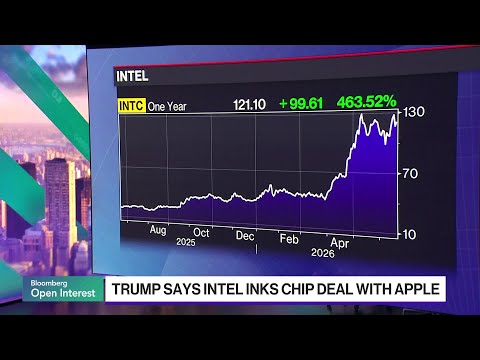
  • Trump’s Intel-Apple Chip Claim – Examining US Economic Defense Strategy

    Trump’s Intel-Apple Chip Claim – Examining US Economic Defense Strategy

    In 2024, former President Donald Trump asserted that Intel Corporation would commence manufacturing chips for Apple Inc. within the United States. This declaration, made during a period of heightened focus on domestic industrial policy, positioned the alleged agreement as a significant step toward bolstering American economic defense and reducing reliance on foreign supply chains for critical technology components. The statement quickly became a point of discussion among industry analysts, policymakers, and the public, given the intricate global landscape of semiconductor production.

    The announcement from Donald Trump reignited a long-standing debate. This debate centers on the necessity and feasibility of bringing advanced manufacturing, particularly in the semiconductor sector, back to American soil. The United States government, under both Republican and Democratic administrations, has increasingly recognized semiconductors as a strategic national asset. Their importance extends beyond consumer electronics to military applications, artificial intelligence, and critical infrastructure.

    The Global Semiconductor Landscape

    The semiconductor industry operates on a profoundly globalized model. Design, fabrication, assembly, testing, and packaging often occur in different countries. Taiwan Semiconductor Manufacturing Company (TSMC) dominates the leading edge of chip fabrication. TSMC is the primary supplier for Apple’s most advanced processors, including the A-series chips for iPhones and M-series chips for Macs.

    This reliance on a single, geopolitically sensitive region, Taiwan, has raised significant concerns. These concerns intensified during the COVID-19 pandemic. Supply chain disruptions exposed vulnerabilities across numerous industries. These disruptions underscored the need for more diversified and resilient manufacturing capabilities, especially for semiconductors.

    Intel, historically a leader in chip manufacturing, has faced challenges in recent years. The company has struggled to keep pace with TSMC’s advancements in process technology. However, Intel has embarked on an aggressive strategy to regain its manufacturing edge. This strategy includes massive investments in new fabrication plants, or ‘fabs,’ within the United States and Europe.

    Intel’s Reshoring Efforts and US Investment

    Intel has committed billions of dollars to expand its manufacturing footprint in the United States. In Arizona, Intel is investing approximately $20 billion to build two new fabs, designated Fab 52 and Fab 62, at its Ocotillo campus. These facilities are expected to create thousands of high-paying jobs and significantly increase domestic chip production capacity.

    Furthermore, Intel announced plans in January 2022 to invest more than $20 billion in two new leading-edge chip factories in Ohio. This project, located near Columbus, represents the largest single private sector investment in Ohio’s history. The Ohio fabs are projected to create 3,000 Intel jobs and 7,000 construction jobs. They aim to establish a new ‘Silicon Heartland’ in the Midwest.

    These investments align with the broader objectives of the CHIPS and Science Act. This bipartisan legislation, signed into law by President Joe Biden in August 2022, allocates $52.7 billion to boost domestic semiconductor research, development, and manufacturing. The act aims to strengthen American competitiveness, innovation, and national security.

    Apple’s Manufacturing Strategy

    Apple’s strategic decisions regarding chip manufacturing are complex. The company has long prioritized access to the most advanced process technology available. This has consistently led them to TSMC, which has maintained a technological lead in producing the smallest, most power-efficient chips. Shifting this production to a different foundry, especially one that may not yet offer comparable cutting-edge processes, represents a significant undertaking.

    Apple has, however, expressed support for domestic manufacturing. In 2022, Apple CEO Tim Cook confirmed that Apple would be a customer of TSMC’s new Arizona plant. This plant is under construction and expected to begin production in 2024. While this represents a step towards US-based chip sourcing, it is still TSMC manufacturing, not Intel.

    The specific details of any potential Intel-Apple chip manufacturing deal, as alluded to by Donald Trump, remained largely unconfirmed by either company. Industry analysts noted that for such a deal to materialize, Intel would need to demonstrate its ability to produce chips at a technological node comparable to TSMC’s leading edge. This would also require Intel to meet Apple’s stringent quality, cost, and volume requirements.

    The Politics of Economic Nationalism

    Donald Trump’s statement about Intel and Apple chips fits within a broader political narrative of economic nationalism. This ideology emphasizes prioritizing domestic industries, jobs, and economic self-reliance. During his presidency, Trump advocated for policies aimed at bringing manufacturing jobs back to the United States. He often critiqued companies for offshoring production.

    The semiconductor industry became a focal point for these discussions due to its strategic importance. The idea of ‘Made in America’ chips resonates with voters concerned about economic security and global competition. The political appeal of such announcements is significant, regardless of the immediate logistical or technological feasibility.

    The claim also highlights the ongoing interplay between government policy, corporate strategy, and international relations. Governments around the world are actively competing to attract semiconductor investments. They offer substantial incentives and subsidies to secure a piece of this critical industry. The United States, through the CHIPS Act, is a prominent player in this global competition.

    Challenges and Opportunities for Domestic Chip Production

    Technological Hurdles

    Bringing advanced chip manufacturing back to the US faces several challenges. One primary hurdle is the sheer complexity and capital intensity of modern fabs. Building and equipping a single leading-edge fab can cost tens of billions of dollars. The technological expertise required is immense, demanding a highly skilled workforce.

    Maintaining a technological lead is also a continuous race. Process nodes shrink every few years, requiring constant research, development, and investment. Intel’s current roadmap aims to regain process parity and leadership, but this is a multi-year effort.

    Workforce Development

    Another significant challenge is workforce development. The US needs a robust pipeline of engineers, technicians, and skilled labor to staff these new fabs. Educational institutions and industry must collaborate to train the next generation of semiconductor professionals. Programs are emerging to address this gap, but it will take time to build the necessary talent pool.

    Economic Viability

    The economic viability of domestic chip production is also a concern. Manufacturing costs in the US are generally higher than in Asia. This is due to labor costs, regulatory environments, and other factors. Government subsidies, like those provided by the CHIPS Act, are designed to offset these cost differentials and make US production more competitive.

    Despite these challenges, the opportunities are substantial. Increased domestic production enhances national security. It reduces vulnerability to geopolitical shocks and supply chain disruptions. It also fosters innovation, creates high-value jobs, and strengthens the US position as a global technology leader.

    The Future of American Semiconductors

    The push for domestic semiconductor manufacturing is a long-term strategic imperative for the United States. While Donald Trump’s specific claim about an Intel-Apple deal generated immediate headlines, it underscored a broader national commitment. This commitment aims to rebuild and expand the US’s capacity for producing advanced chips.

    Companies like Intel, TSMC (with its Arizona plant), and Samsung (with its Texas plant) are making significant investments in the US. These investments are critical steps toward a more resilient and geographically diversified semiconductor supply chain. The success of these initiatives will depend on sustained government support, continued private sector investment, and a dedicated focus on technological innovation and workforce development.

    The geopolitical landscape continues to evolve. The importance of technological independence will only grow. The United States aims to secure its future in the digital age. This requires a robust, domestic semiconductor ecosystem. The discussions initiated by claims such as Donald Trump’s contribute to this ongoing national dialogue.

    Why Domestic Chip Manufacturing Matters for National Security

    The argument for domestic chip manufacturing extends beyond mere economic considerations. It is fundamentally a matter of national security. Modern military systems, from advanced fighter jets to cybersecurity infrastructure, rely heavily on cutting-edge semiconductors. A disruption in the supply of these chips could severely compromise national defense capabilities.

    Moreover, the ability to control the supply chain for critical components ensures that chips used in sensitive applications are free from tampering or vulnerabilities. This ‘trusted foundry’ concept is paramount for government and defense contractors. Relying on foreign manufacturers, particularly from potential adversaries, introduces inherent risks.

    The US government has identified semiconductors as a key area for strategic investment. This identification reflects a recognition that economic power and national security are increasingly intertwined in the 21st century. The ability to design and manufacture the most advanced chips is a cornerstone of geopolitical influence.

    The Role of Government Incentives

    Government incentives, such as the CHIPS and Science Act, are crucial for catalyzing domestic semiconductor production. Without these subsidies, the higher costs associated with manufacturing in the US would make it difficult for companies to compete globally. The act provides grants, tax credits, and other support mechanisms to encourage investment.

    These incentives are not unique to the US. Countries and regions worldwide, including the European Union, Japan, and South Korea, have implemented similar programs. This global competition for semiconductor investment highlights the strategic value placed on the industry by major economic powers. The US strategy aims to ensure American companies can compete effectively and secure a significant share of future production.

    The long-term success of these incentive programs will be measured not just by the number of fabs built, but by the creation of a sustainable, innovative, and competitive domestic semiconductor ecosystem. This includes not only manufacturing but also research, development, and a skilled workforce.

    Policymakers debated. Industry leaders calculated. Workforce programs initiated. A new era for American manufacturing.

    Semiconductors.