
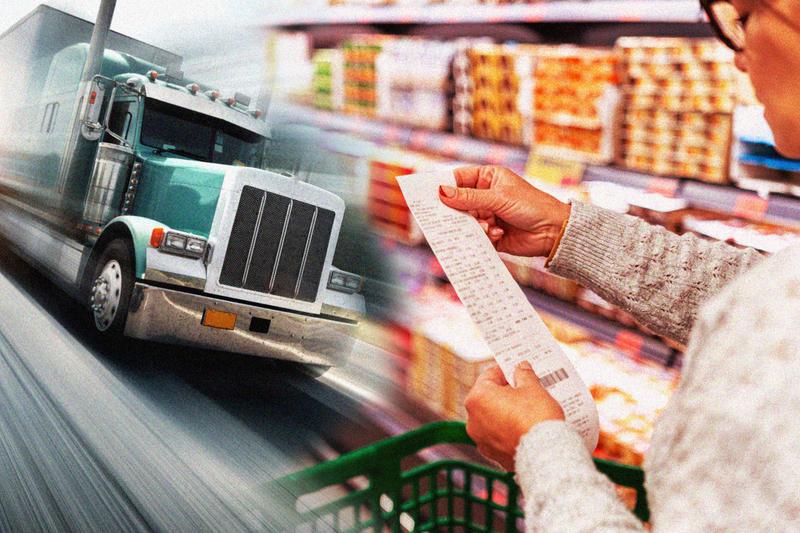
The average retail price for diesel in the United States reached $6.529 per gallon as of September 21, 2026. This figure represents a 3.88% increase from the previous week. Over the past year, diesel prices have surged by 74.62%, establishing new record highs across the nation.
This significant rise in fuel costs is not an isolated economic event. It is a direct consequence of several interconnected global factors. These include increased crude oil prices, largely attributed to bottlenecks in the Strait of Hormuz. These bottlenecks are linked to ongoing geopolitical tensions and conflict in Iran.
Further exacerbating the situation is a reduction in refining capacity. This decline is particularly notable in the Middle East and Russia. The combination of these factors has led to critically low diesel inventories, pushing prices upward.
The Supply Chain’s Diesel Dependency
Diesel fuel is the lifeblood of the American supply chain. Trucks, trains, and ships rely heavily on diesel to transport goods from farms and factories to distribution centers and ultimately to grocery store shelves. When the cost of this essential fuel rises, so does the cost of transportation.
These increased transportation costs are then passed on to consumers. This process is often referred to as ‘cost-push inflation.’ Every stage of a product’s journey, from raw materials to finished goods, incurs higher expenses due to elevated diesel prices.
The impact is particularly acute for perishable goods. Fresh produce, dairy products, and meats require rapid transport, making them highly susceptible to fuel price fluctuations. Consumers will likely observe these increases at the checkout counter.
Thanksgiving 2026: A Looming Concern
Thanksgiving Day in the United States for 2026 is scheduled for Thursday, November 26th. This holiday traditionally involves significant food purchases and travel for many American families. The current trajectory of diesel prices suggests that the cost of a typical Thanksgiving meal will be notably higher this year.
Essential holiday staples, such as turkeys, potatoes, and cranberries, will all be affected by the increased cost of transport. Farmers face higher expenses for planting, harvesting, and shipping their crops. Food processors also incur greater costs for moving ingredients and finished products.
Retailers, in turn, must adjust their pricing to absorb these upstream increases. The cumulative effect is a more expensive holiday for consumers. The U.S. Energy Information Administration (EIA) provides detailed data on fuel prices and their economic impacts, offering further context on these trends.
Global Factors Driving Domestic Prices
The Strait of Hormuz, a narrow waterway between the Persian Gulf and the Gulf of Oman, is a critical chokepoint for global oil shipments. Disruptions in this region, often linked to geopolitical instability, can significantly impact crude oil prices worldwide. The ongoing conflict in Iran has contributed to these disruptions.
Refining capacity also plays a crucial role. Refineries convert crude oil into usable products like gasoline and diesel. When capacity is reduced, either due to maintenance, closures, or geopolitical sanctions, the supply of refined products tightens. This scarcity drives up prices, even if crude oil supplies are stable.
Low diesel inventories indicate a lack of buffer against supply shocks. When demand outstrips available supply, prices react quickly and sharply. This current low inventory status leaves the market vulnerable to further price increases.
Related: Military Jets Crash, Pilots Eject Safely in Multiple Incidents Worldwide
Economic Ripple Effects Beyond Groceries
The impact of high diesel prices extends beyond just grocery bills. Nearly every sector of the economy that relies on transportation is affected. Construction projects face higher costs for moving materials and equipment. Manufacturing industries see increased expenses for inbound raw materials and outbound finished goods.
Even service industries that utilize fleets of vehicles, such as delivery services and waste management, will experience elevated operating costs. These costs are ultimately passed on to consumers through higher prices for goods and services across the board. The Bureau of Labor Statistics (BLS) tracks consumer price index data, which will likely reflect these broader inflationary pressures.
The situation underscores the interconnectedness of global energy markets and domestic economic stability. Fluctuations in international crude oil prices and regional refining capabilities have direct and tangible consequences for American households.
Looking Ahead to Winter and Beyond
As the United States moves into the colder months, demand for heating oil, which is chemically similar to diesel, typically increases. This seasonal demand could place additional upward pressure on diesel prices. The winter months also bring more challenging driving conditions, potentially increasing fuel consumption for transportation.
Policymakers and economists are closely monitoring these trends. The potential for sustained high diesel prices could have long-term implications for inflation, consumer spending, and overall economic growth. The current record highs present a significant challenge for both businesses and consumers.
Farmers gathered. Truckers gathered. Families gathered. Thanksgiving.
Sources
Brands that want to grow their audience can work with 1889 Advertising.