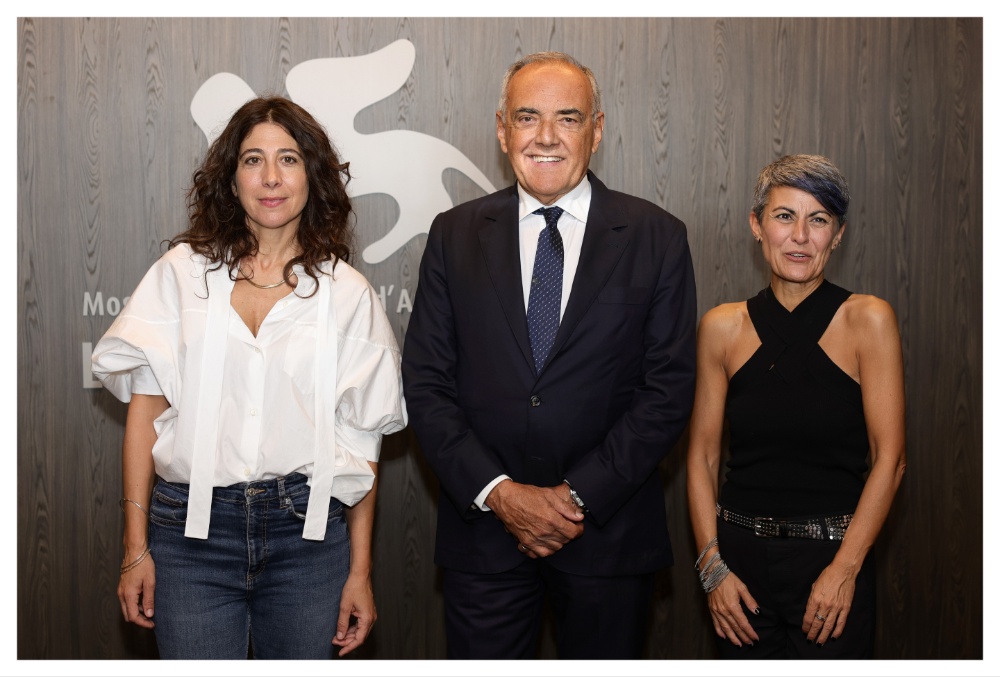
The Venice Film Festival, a cornerstone of international cinema, has drawn significant criticism in 2026 for its main competition lineup. Festival Director Alberto Barbera is facing scrutiny over the perceived lack of films directed by women. This situation reignites long-standing debates about gender representation within major film festivals and the wider film industry.
Critics describe the selection as ‘one-dimensional.’ They argue that it fails to reflect the diversity of contemporary filmmaking talent. The issue extends beyond Venice, touching on how film festivals shape industry narratives and influence careers.
The Recurring Debate Over Representation
The discussion surrounding female directors at Venice is not new. For several years, critics and industry professionals have highlighted the gender imbalance in festival selections. These critiques often point to a systemic issue rather than isolated incidents.
In 2026, the specific composition of the main competition brought these concerns to the forefront once again. The festival’s role as a platform for global cinema means its choices carry considerable weight.
The absence of female voices in prominent slots can perpetuate a cycle. It limits visibility for women filmmakers. It also impacts their opportunities for distribution and critical acclaim.
Alberto Barbera’s Stance and Festival Policy
Alberto Barbera has previously addressed questions about gender representation. His position has often emphasized artistic merit as the sole criterion for selection. He has stated that films are chosen based on quality, regardless of the director’s gender.
However, this stance has not quelled the criticism. Opponents argue that a purely meritocratic approach can inadvertently reinforce existing biases. They suggest that unconscious biases might influence what is perceived as ‘quality’ within traditional frameworks.
The festival’s programming choices reflect its curatorial vision. This vision, when perceived as exclusionary, invites significant public and industry backlash. The pressure on festival directors to respond to these concerns continues to grow.
The Impact on Female Filmmakers
For female directors, inclusion in a prestigious festival like Venice can be transformative. It provides international exposure, attracts potential distributors, and can lead to further funding for future projects. Exclusion, conversely, can hinder career progression.
The lack of representation at such high-profile events also sends a message. It can imply that films by women are less valued or less worthy of global attention. This perception can have long-term consequences for the diversity of cinematic storytelling.
Advocacy groups and individual filmmakers consistently call for greater transparency in selection processes. They push for proactive measures to ensure a more equitable playing field. These efforts aim to dismantle barriers that have historically limited women’s participation.
Industry-Wide Initiatives for Gender Parity
The criticism directed at Venice is part of a larger, industry-wide movement towards gender parity. Other major festivals, including Cannes and Berlin, have also faced similar challenges and have implemented various initiatives.
Some festivals have adopted pledges, such as the 50/50 by 2020 initiative. While 2020 has passed, the spirit of these pledges continues to drive conversations. These initiatives aim for balanced representation in selection committees and official lineups.
Film academies and funding bodies are also reviewing their practices. They seek to identify and address biases in grant applications and award nominations. The goal is to create a more inclusive ecosystem for filmmakers of all genders.
The Role of Selection Committees
The composition of selection committees plays a crucial role in festival programming. Critics argue that committees lacking diversity may have narrower perspectives. This can lead to a less varied selection of films.
Increasing the number of women and individuals from diverse backgrounds on these committees is often proposed as a solution. A more diverse group of selectors might bring different sensibilities and broaden the scope of films considered.
Transparency in the selection process remains a key demand. Understanding how films are chosen could help address concerns about fairness and representation. This transparency could also foster greater trust between festivals and the filmmaking community.
The Commercial and Cultural Implications
Beyond ethical considerations, the lack of diversity in festival lineups has commercial and cultural implications. A ‘one-dimensional selection’ might alienate diverse audiences. It could also limit the cultural richness offered by the festival.
Films by women often explore different themes and perspectives. These narratives can resonate deeply with a broad spectrum of viewers. Excluding them means missing out on potentially impactful and commercially successful works.
Major festivals are tastemakers. They influence global film trends. A festival that consistently overlooks female talent risks becoming less relevant in an increasingly diverse world. This puts pressure on leadership to evolve with societal expectations.
Looking Ahead: Calls for Change
The ongoing criticism of Alberto Barbera and the Venice Film Festival signals a persistent demand for change. Advocates for gender equality in film are not retreating. They continue to push for tangible improvements in representation.
Future festival editions will likely face even greater scrutiny. The industry is moving towards a more inclusive model. Festivals that adapt will thrive. Those that resist may find their prestige diminished.
The conversation around Venice in 2026 serves as a reminder. Representation matters. It impacts careers, shapes culture, and defines the future of cinema. Filmmakers, critics, and audiences worldwide are watching. They are waiting for festivals to reflect the full spectrum of global talent.
Historical Context of Venice and Female Directors
The Venice Film Festival has a long history, dating back to 1932. Throughout its decades, the representation of female directors in its main competition has varied significantly. Early years saw very few women, reflecting broader societal norms in filmmaking.
In more recent history, there have been periods of increased female representation, followed by declines. This fluctuation indicates that progress is not always linear. It underscores the need for sustained effort and commitment to diversity.
The festival has, at times, celebrated groundbreaking works by women. However, these instances have often been exceptions rather than the rule in terms of overall lineup balance. The 2026 criticism highlights this historical unevenness.
Global Perspectives on Film Festival Diversity
The debate at Venice is mirrored in discussions surrounding other international festivals. From Sundance to Toronto, and from Berlin to Busan, the call for greater diversity is universal. Each festival faces unique pressures and cultural contexts.
However, the core demand remains consistent: film festivals should reflect the global tapestry of filmmaking talent. This includes not only gender diversity but also representation across race, ethnicity, and geographic origin.
The interconnectedness of the global film industry means that decisions made at one major festival can influence others. A collective movement towards inclusivity is essential for meaningful change. This is a shared responsibility across the entire festival circuit.
The Economic Argument for Inclusivity
Beyond moral and ethical arguments, there is a strong economic case for greater inclusivity. Studies have shown that diverse films often perform well at the box office. They also attract broader audiences.
A festival that showcases a wider range of voices can tap into new markets and demographics. This can enhance its relevance and commercial viability. Limiting selections to a narrow demographic risks missing out on these opportunities.
Investment in female-directed projects can also yield significant returns. When given the platform, these films can achieve critical acclaim and financial success. Festivals play a vital role in providing that initial platform.
The Future of Festival Programming
The future of film festival programming will likely involve a more conscious approach to diversity. This includes setting targets, implementing blind submission processes, and diversifying selection committees.
Festivals may also increase their focus on mentorship programs for emerging female directors. They might also create dedicated sections or awards to highlight women’s contributions to cinema. These proactive steps are crucial for driving systemic change.
The dialogue between festival leadership, filmmakers, and advocacy groups will continue to evolve. This ongoing conversation is essential for pushing the industry forward. It ensures that future generations of filmmakers and audiences benefit from a truly global and inclusive cinematic landscape.
Critics speak. Advocates push. Audiences demand. The industry listens. The future of film representation begins now.