Tag: Representation

  • ‘Deli Boys’ Canceled After Two Seasons at Hulu, Onyx Collective

    ‘Deli Boys’ Canceled After Two Seasons at Hulu, Onyx Collective

    Deli Boys has been cancelled by Hulu after two seasons. The cancellation comes despite the show’s strong critical reception and its focus on underrepresented groups.

    The series, which originated with Onyx Collective, a content brand dedicated to underrepresented groups, premiered on March 6, 2025. It starred Asif Ali as Mir, Saagar Shaikh as Raj, and Poorna Jagannathan as Naveeda “Lucky”. Fred Armisen joined as a series regular in season 2, and other notable guest stars included Kumail Nanjiani, Andrew Rannells, Lilly Singh, Robin Thede, and Tan France.

    Reasons for Cancellation

    Hulu cited struggling viewership and low ratings as the reasons behind the cancellation. Despite its positive reception from critics, the show failed to connect with audiences in the same way as some of its contemporaries.

    Impact and Legacy

    ‘Deli Boys’ made significant strides in representation within the entertainment industry, showcasing stories and characters that were often overlooked. Its cancellation leaves fans wondering about its future and the potential impact on similar shows.

    Futuristic Implications

    The cancellation of ‘Deli Boys’ highlights the challenges faced by shows that aim to push boundaries and represent marginalized communities. It underscores the importance of finding a balance between artistic integrity and commercial success.

    FAQ

    • When did Deli Boys cancel? Deli Boys was cancelled after two seasons at Hulu.
    • Who starred in Deli Boys? The main cast included Asif Ali, Saagar Shaikh, Poorna Jagannathan, Fred Armisen, Kumail Nanjiani, Andrew Rannells, and Lilly Singh.
    • What was the reason for the cancellation? The cancellation was due to struggling viewership and low ratings.
    • How did Deli Boys contribute to representation? Deli Boys aimed to showcase stories and characters that were often overlooked, making significant strides in representation within the entertainment industry.
    • Will there be a sequel to Deli Boys? There are currently no plans for a sequel to Deli Boys.

    Frequently Asked Questions

    When did Deli Boys cancel?

    Deli Boys was cancelled after two seasons at Hulu.

    Who starred in Deli Boys?

    The main cast included Asif Ali, Saagar Shaikh, Poorna Jagannathan, Fred Armisen, Kumail Nanjiani, Andrew Rannells, and Lilly Singh.

    What was the reason for the cancellation?

    The cancellation was due to struggling viewership and low ratings.

    How did Deli Boys contribute to representation?

    Deli Boys aimed to showcase stories and characters that were often overlooked, making significant strides in representation within the entertainment industry.

    Will there be a sequel to Deli Boys?

    There are currently no plans for a sequel to Deli Boys.

  • Mark Jermin Refutes Unlawful Activity, Leaked Contract Raises Questions

    Mark Jermin Refutes Unlawful Activity, Leaked Contract Raises Questions

    Talent agent Mark Jermin has vehemently denied any involvement in unlawful activity, asserting his innocence against undisclosed allegations. These denials, however, have been complicated by the emergence of a leaked contract in July 2026, which appears to contradict his public statements and raises significant questions about his professional practices.

    The entertainment industry often operates on a foundation of trust and reputation. Allegations of misconduct against prominent figures can send ripples throughout the sector. Mark Jermin’s current situation exemplifies this dynamic, placing him at the center of a developing controversy.

    The Initial Denials Emerge

    Mark Jermin initially responded to whispers and unconfirmed reports by issuing strong denials. These statements emphasized his commitment to ethical practices and adherence to legal standards. His representatives released multiple communications reiterating his position.

    These early responses sought to control the narrative. They aimed to quell speculation before it could gain significant traction. Jermin’s public stance was one of unwavering confidence in his innocence.

    The initial reports did not specify the exact nature of the alleged unlawful activities. This vagueness allowed for broad speculation across various industry forums and social media platforms. Jermin’s team worked to counter this ambiguity with clear, definitive rejections of any wrongdoing.

    Industry insiders noted the speed with which Jermin’s camp mobilized. Such rapid responses are often characteristic of high-profile individuals facing scrutiny. The goal is to prevent a narrative from solidifying before a counter-narrative can be established.

    Despite the strong denials, the underlying rumors persisted. This persistence suggested that some in the industry harbored doubts or possessed information that had not yet been made public. The stage was set for a potential escalation of the situation.

    The Leaked Contract Surfaces

    In July 2026, a document purported to be a contract involving Mark Jermin was leaked to the public. The specifics of how and by whom the contract was released remain unclear. Its appearance immediately shifted the discourse surrounding Jermin’s denials.

    The leaked contract reportedly contains clauses and provisions that appear to conflict with Jermin’s earlier assertions of lawful conduct. Details within the document suggest arrangements that could be interpreted as problematic or even illegal under certain jurisdictions.

    Sources close to the matter, who requested anonymity due to the sensitivity of the situation, indicated that the contract’s contents were unexpected. They pointed to specific language that seemed to challenge the transparency and legality of particular dealings.

    The contract’s authenticity has not been officially confirmed or denied by Mark Jermin or his legal team as of late July 2026. This lack of immediate confirmation has fueled further speculation and intensified media interest. The document’s origin and implications are now central to the ongoing story.

    Industry analysts began dissecting the contract’s language. Legal experts offered preliminary interpretations, highlighting areas of potential concern. These analyses often focused on standard industry practices versus the specific terms outlined in the leaked material.

    Initial Industry Reactions

    The leak prompted immediate reactions across the entertainment landscape. Talent managers, agents, and legal professionals weighed in, often off the record. Many expressed surprise at the document’s contents, particularly in light of Jermin’s earlier firm denials.

    Some industry figures called for a thorough investigation. They emphasized the need for clarity and accountability within the talent representation sector. The integrity of the agent-client relationship was frequently cited as a paramount concern.

    Social media platforms became a hub for discussion. Fans and industry observers alike debated the implications of the leak. Hashtags related to Mark Jermin and talent agency ethics trended for several days following the contract’s release.

    The immediate aftermath saw a noticeable shift in public perception. Where before there was uncertainty, the leaked contract introduced a tangible element of doubt. Jermin’s reputation, previously robust, began to face significant challenges.

    Representatives for other talent agencies largely remained silent. This silence was interpreted by some as a cautious approach, avoiding comment on a rapidly evolving and sensitive situation. Others saw it as a tacit acknowledgment of the seriousness of the allegations.

    Questions of Accountability and Ethics

    The situation involving Mark Jermin and the leaked contract has reignited long-standing debates about accountability within the entertainment industry. The power dynamics between agents and talent are often complex. Ethical guidelines are in place to protect clients and ensure fair dealings.

    When these guidelines are perceived to be breached, the entire system comes under scrutiny. The Jermin case, as it currently stands, serves as a focal point for these discussions. It raises questions about the oversight mechanisms in place for talent agencies.

    Legal scholars specializing in entertainment law have pointed to the potential ramifications. If the contract is proven authentic and its contents are found to be unlawful, Jermin could face significant legal and professional consequences. These could include fines, license suspension, or even criminal charges depending on the jurisdiction and specific nature of the alleged activities.

    Beyond legal penalties, the damage to reputation can be immense and often irreversible. For a talent agent, whose business relies heavily on trust and relationships, such damage can be career-ending. Clients may choose to seek representation elsewhere, and new talent may be hesitant to sign.

    The industry’s self-regulatory bodies may also become involved. Organizations that govern talent representation often have codes of conduct that members are expected to uphold. Violations can lead to internal investigations and disciplinary actions.

    The Role of Transparency

    Transparency has emerged as a key theme in the discussion surrounding the leaked contract. Jermin’s strong denials were initially presented without detailed counter-evidence. The leaked document, regardless of its ultimate legal standing, provided a concrete point of contention.

    This contrast between denial and document highlights the importance of transparency in public relations and legal defense. When facts are obscured or perceived to be hidden, the public and industry stakeholders often become more skeptical.

    The incident underscores the digital age’s impact on information dissemination. Leaks, whether intentional or accidental, can rapidly alter public perception and introduce new evidence into complex situations. This speed of information flow demands quick and thorough responses from those implicated.

    The entertainment business thrives on both public image and private dealings. When these two spheres collide through a leak, the resulting tension can be significant. The Jermin case illustrates how quickly a carefully constructed public image can be challenged by unforeseen revelations.

    This event also brings attention to the need for robust internal controls within talent agencies. Ensuring that all contracts and dealings adhere to legal and ethical standards is crucial. It protects not only the clients but also the agents and the agency itself from future controversies.

    Potential Legal and Professional Ramifications

    The legal landscape for talent agents is complex, encompassing contract law, labor law, and sometimes even criminal statutes, depending on the nature of the alleged misconduct. If the leaked contract’s contents are confirmed and found to be unlawful, Mark Jermin could face a cascade of legal challenges.

    Civil lawsuits from affected clients are a distinct possibility. Clients who believe they were harmed by the provisions of the contract could seek damages. These cases often involve substantial financial claims, reflecting lost earnings or opportunities.

    Regulatory bodies, such as state labor boards or professional associations, might initiate their own investigations. These investigations could lead to the suspension or revocation of Jermin’s agent’s license. Operating without a valid license would effectively end his career as a talent agent.

    In more severe scenarios, if the alleged unlawful activity crosses into criminal territory, law enforcement agencies could become involved. Fraud, breach of fiduciary duty, or other financial crimes could lead to criminal charges, trials, and potential incarceration.

    The professional ramifications extend beyond legal penalties. Even if Jermin avoids conviction or severe regulatory action, the stain on his reputation could be permanent. Future clients may be unwilling to work with him, fearing similar issues.

    Other industry professionals, including casting directors, producers, and studio executives, might become wary of engaging with an agent embroiled in such controversy. This could effectively isolate Jermin from the networks essential for a talent agent’s success.

    The Battle for Narrative Control

    Mark Jermin and his legal team now face a critical battle for narrative control. Their initial strategy of strong denials has been complicated by the leaked contract. A new approach may be necessary to address the specific details within the document.

    One possible strategy involves challenging the authenticity of the leaked contract. If it can be proven to be a forgery or manipulated document, Jermin’s position could be significantly strengthened. This would require forensic analysis and a compelling public presentation of evidence.

    Another approach might be to acknowledge the contract but offer alternative interpretations of its clauses. Legal arguments could be made that the provisions, while unusual, do not constitute unlawful activity under applicable law. This would be a more challenging defense, requiring nuanced legal explanations.

    Jermin’s team might also choose to discredit the source of the leak. If the leak can be traced to an individual or group with a clear motive for harming Jermin’s reputation, this could shift public sympathy. However, this strategy carries risks if the source’s credibility is difficult to undermine.

    Ultimately, the goal will be to restore Jermin’s credibility and mitigate the damage to his professional standing. This will likely involve a combination of legal action, public relations efforts, and direct engagement with industry stakeholders. The coming weeks and months will be crucial in determining the long-term impact of this leak.

    Broader Industry Implications

    The Mark Jermin controversy is not an isolated incident; it reflects broader anxieties within the talent representation sector. Cases like this often lead to increased scrutiny of standard practices and calls for reform.

    There could be a push for more stringent regulatory oversight of talent agencies. This might include stricter licensing requirements, more frequent audits, or enhanced reporting mandates. Industry associations might revise their codes of conduct to address specific loopholes or ambiguities highlighted by the case.

    Clients, particularly emerging talent, may become more cautious. They might seek greater transparency in their contracts and demand more detailed explanations of terms and conditions. The role of legal counsel for talent, separate from agency representation, could also see increased emphasis.

    The incident could also influence how information is handled within agencies. There might be a renewed focus on data security and confidentiality protocols to prevent future leaks. The balance between necessary information sharing and protecting sensitive data is a constant challenge.

    Ultimately, the Jermin case serves as a stark reminder of the ethical responsibilities inherent in positions of power within the entertainment industry. Agents hold significant influence over their clients’ careers and financial well-being. Maintaining trust and operating with integrity are paramount.

    The outcome of this situation will likely shape future conversations about agent accountability. It will contribute to the ongoing evolution of best practices in talent representation. The industry watches, waits, and reflects.

    Denials were issued. Contracts were leaked. Questions arose. Scrutiny intensified. The industry watches.

    Mark Jermin.

  • Venice Film Festival Faces Scrutiny Over Lack of Female Directors

    Venice Film Festival Faces Scrutiny Over Lack of Female Directors

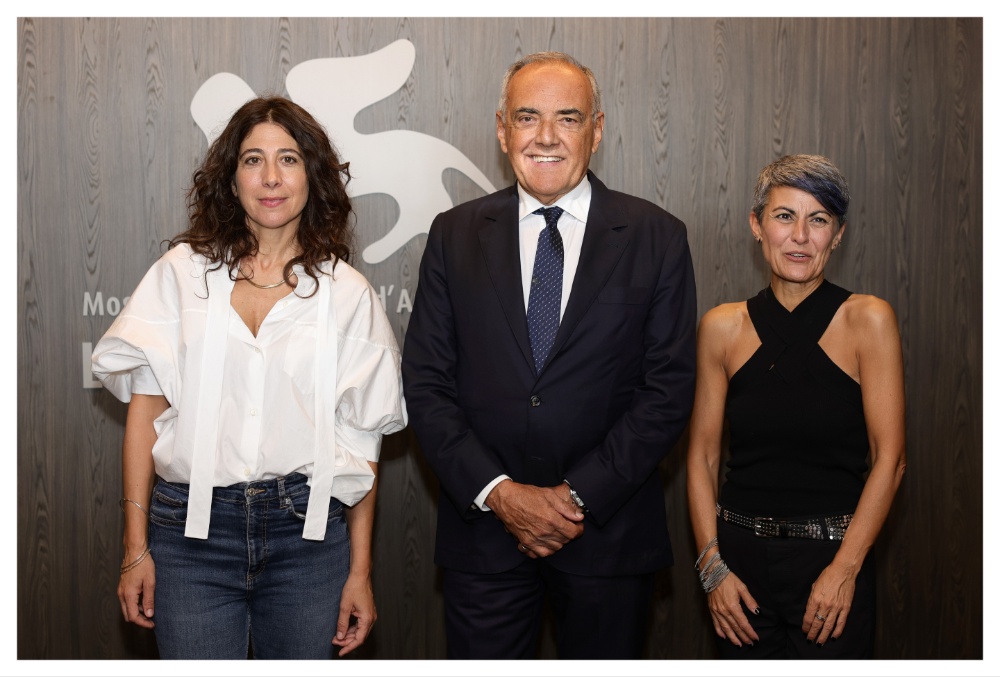
    The Venice Film Festival, a cornerstone of international cinema, has drawn significant criticism in 2026 for its main competition lineup. Festival Director Alberto Barbera is facing scrutiny over the perceived lack of films directed by women. This situation reignites long-standing debates about gender representation within major film festivals and the wider film industry.

    Critics describe the selection as ‘one-dimensional.’ They argue that it fails to reflect the diversity of contemporary filmmaking talent. The issue extends beyond Venice, touching on how film festivals shape industry narratives and influence careers.

    The Recurring Debate Over Representation

    The discussion surrounding female directors at Venice is not new. For several years, critics and industry professionals have highlighted the gender imbalance in festival selections. These critiques often point to a systemic issue rather than isolated incidents.

    In 2026, the specific composition of the main competition brought these concerns to the forefront once again. The festival’s role as a platform for global cinema means its choices carry considerable weight.

    The absence of female voices in prominent slots can perpetuate a cycle. It limits visibility for women filmmakers. It also impacts their opportunities for distribution and critical acclaim.

    Alberto Barbera’s Stance and Festival Policy

    Alberto Barbera has previously addressed questions about gender representation. His position has often emphasized artistic merit as the sole criterion for selection. He has stated that films are chosen based on quality, regardless of the director’s gender.

    However, this stance has not quelled the criticism. Opponents argue that a purely meritocratic approach can inadvertently reinforce existing biases. They suggest that unconscious biases might influence what is perceived as ‘quality’ within traditional frameworks.

    The festival’s programming choices reflect its curatorial vision. This vision, when perceived as exclusionary, invites significant public and industry backlash. The pressure on festival directors to respond to these concerns continues to grow.

    The Impact on Female Filmmakers

    For female directors, inclusion in a prestigious festival like Venice can be transformative. It provides international exposure, attracts potential distributors, and can lead to further funding for future projects. Exclusion, conversely, can hinder career progression.

    The lack of representation at such high-profile events also sends a message. It can imply that films by women are less valued or less worthy of global attention. This perception can have long-term consequences for the diversity of cinematic storytelling.

    Advocacy groups and individual filmmakers consistently call for greater transparency in selection processes. They push for proactive measures to ensure a more equitable playing field. These efforts aim to dismantle barriers that have historically limited women’s participation.

    Industry-Wide Initiatives for Gender Parity

    The criticism directed at Venice is part of a larger, industry-wide movement towards gender parity. Other major festivals, including Cannes and Berlin, have also faced similar challenges and have implemented various initiatives.

    Some festivals have adopted pledges, such as the 50/50 by 2020 initiative. While 2020 has passed, the spirit of these pledges continues to drive conversations. These initiatives aim for balanced representation in selection committees and official lineups.

    Film academies and funding bodies are also reviewing their practices. They seek to identify and address biases in grant applications and award nominations. The goal is to create a more inclusive ecosystem for filmmakers of all genders.

    The Role of Selection Committees

    The composition of selection committees plays a crucial role in festival programming. Critics argue that committees lacking diversity may have narrower perspectives. This can lead to a less varied selection of films.

    Increasing the number of women and individuals from diverse backgrounds on these committees is often proposed as a solution. A more diverse group of selectors might bring different sensibilities and broaden the scope of films considered.

    Transparency in the selection process remains a key demand. Understanding how films are chosen could help address concerns about fairness and representation. This transparency could also foster greater trust between festivals and the filmmaking community.

    The Commercial and Cultural Implications

    Beyond ethical considerations, the lack of diversity in festival lineups has commercial and cultural implications. A ‘one-dimensional selection’ might alienate diverse audiences. It could also limit the cultural richness offered by the festival.

    Films by women often explore different themes and perspectives. These narratives can resonate deeply with a broad spectrum of viewers. Excluding them means missing out on potentially impactful and commercially successful works.

    Major festivals are tastemakers. They influence global film trends. A festival that consistently overlooks female talent risks becoming less relevant in an increasingly diverse world. This puts pressure on leadership to evolve with societal expectations.

    Looking Ahead: Calls for Change

    The ongoing criticism of Alberto Barbera and the Venice Film Festival signals a persistent demand for change. Advocates for gender equality in film are not retreating. They continue to push for tangible improvements in representation.

    Future festival editions will likely face even greater scrutiny. The industry is moving towards a more inclusive model. Festivals that adapt will thrive. Those that resist may find their prestige diminished.

    The conversation around Venice in 2026 serves as a reminder. Representation matters. It impacts careers, shapes culture, and defines the future of cinema. Filmmakers, critics, and audiences worldwide are watching. They are waiting for festivals to reflect the full spectrum of global talent.

    Historical Context of Venice and Female Directors

    The Venice Film Festival has a long history, dating back to 1932. Throughout its decades, the representation of female directors in its main competition has varied significantly. Early years saw very few women, reflecting broader societal norms in filmmaking.

    In more recent history, there have been periods of increased female representation, followed by declines. This fluctuation indicates that progress is not always linear. It underscores the need for sustained effort and commitment to diversity.

    The festival has, at times, celebrated groundbreaking works by women. However, these instances have often been exceptions rather than the rule in terms of overall lineup balance. The 2026 criticism highlights this historical unevenness.

    Global Perspectives on Film Festival Diversity

    The debate at Venice is mirrored in discussions surrounding other international festivals. From Sundance to Toronto, and from Berlin to Busan, the call for greater diversity is universal. Each festival faces unique pressures and cultural contexts.

    However, the core demand remains consistent: film festivals should reflect the global tapestry of filmmaking talent. This includes not only gender diversity but also representation across race, ethnicity, and geographic origin.

    The interconnectedness of the global film industry means that decisions made at one major festival can influence others. A collective movement towards inclusivity is essential for meaningful change. This is a shared responsibility across the entire festival circuit.

    The Economic Argument for Inclusivity

    Beyond moral and ethical arguments, there is a strong economic case for greater inclusivity. Studies have shown that diverse films often perform well at the box office. They also attract broader audiences.

    A festival that showcases a wider range of voices can tap into new markets and demographics. This can enhance its relevance and commercial viability. Limiting selections to a narrow demographic risks missing out on these opportunities.

    Investment in female-directed projects can also yield significant returns. When given the platform, these films can achieve critical acclaim and financial success. Festivals play a vital role in providing that initial platform.

    The Future of Festival Programming

    The future of film festival programming will likely involve a more conscious approach to diversity. This includes setting targets, implementing blind submission processes, and diversifying selection committees.

    Festivals may also increase their focus on mentorship programs for emerging female directors. They might also create dedicated sections or awards to highlight women’s contributions to cinema. These proactive steps are crucial for driving systemic change.

    The dialogue between festival leadership, filmmakers, and advocacy groups will continue to evolve. This ongoing conversation is essential for pushing the industry forward. It ensures that future generations of filmmakers and audiences benefit from a truly global and inclusive cinematic landscape.

    Critics speak. Advocates push. Audiences demand. The industry listens. The future of film representation begins now.


  • Michael Johnston Seeks “Intentional, Meaningful Queer Role” – The Evolving Landscape of Representation

    Michael Johnston Seeks “Intentional, Meaningful Queer Role” – The Evolving Landscape of Representation

    The Call for Authentic Representation

    Actor Michael Johnston, known for his role in ‘Obsession,’ has publicly articulated his desire to secure an “intentional, meaningful queer role” within the entertainment industry. This statement, reported by Deadline on July 25, 2026, reflects a broader ongoing conversation about the necessity of authentic and substantive LGBTQ+ representation in film and television productions.

    Johnston’s comments highlight a trend where performers actively seek roles that resonate with their personal experiences or advocate for underrepresented communities. The pursuit of such a role by a visible actor like Johnston signals a shift in industry expectations and actor agency.

    Johnston’s Vision for a Queer Role

    Michael Johnston’s specific phrasing, “intentional, meaningful queer role,” suggests a nuanced understanding of representation. This is not merely about playing a character who happens to be queer. Instead, it emphasizes a role where the character’s queer identity is central to their narrative, development, and impact on the story.

    The actor’s remarks indicate a desire to move beyond tokenism or superficial portrayals. He seeks a character whose queer identity is explored with depth and significance, contributing genuinely to the story’s themes and audience connection.

    Johnston also expressed a proactive stance on this ambition. He stated, “Maybe I’ll write it myself,” if suitable opportunities do not arise organically. This suggests a commitment to shaping his career and contributing to the representation landscape directly.

    The Industry’s Evolving Landscape

    The entertainment industry has witnessed a significant evolution in its approach to LGBTQ+ characters over the last decade. Early representations often relied on stereotypes or relegated queer characters to minor, often tragic, subplots. Contemporary demands call for complex, multi-dimensional characters.

    Production companies, streaming platforms, and major studios are increasingly recognizing the commercial and cultural value of diverse storytelling. This includes narratives that authentically portray the lives and experiences of LGBTQ+ individuals.

    Organizations like GLAAD regularly publish reports on LGBTQ+ representation in media, tracking progress and highlighting areas needing improvement. These reports often influence industry discussions and production decisions.

    The Impact of ‘Obsession’ and Previous Work

    Michael Johnston gained recognition for his work on the series ‘Obsession.’ While the specifics of his role in that production are distinct from his current aspirations, his visibility from such projects provides a platform for these discussions.

    Actors often leverage their established profiles to advocate for causes or types of roles they believe are important. Johnston’s public statement is a clear example of this dynamic.

    Previous roles and public perception of an actor can influence how their calls for specific types of representation are received. Johnston’s career trajectory informs the context of his current ambition.

    Why “Meaningful” Representation Matters

    The concept of “meaningful” representation extends beyond mere visibility. It encompasses several critical aspects:

    • Authenticity: Portraying characters in ways that resonate with real-life experiences of the LGBTQ+ community.
    • Complexity: Developing queer characters with full emotional arcs, flaws, and strengths, avoiding one-dimensional stereotypes.
    • Centrality: Integrating queer characters into primary storylines, rather than as peripheral figures.
    • Positive Impact: Contributing to a more inclusive societal understanding and acceptance of LGBTQ+ individuals.

    For many audiences, seeing themselves reflected accurately on screen can foster a sense of belonging and validation. For broader society, it can build empathy and challenge prejudice.

    The Cultural Conversation Around Media Roles

    Johnston’s desire to play an “intentional, meaningful queer role” occurs within a vibrant and sometimes contentious cultural landscape. Discussions around media representation often become focal points for broader debates about cultural values.

    Some segments of the audience and cultural commentators view such calls for specific types of representation as a positive step towards diversity and inclusion. They see it as essential for media to reflect the varied demographics of society.

    Conversely, other perspectives, often rooted in traditional values, may view these developments with skepticism or concern. They might argue for a focus on universal themes over identity-specific narratives, or express apprehension about the perceived direction of cultural shifts in media.

    This divergence of opinion underscores the significant role media plays in shaping and reflecting societal norms. The choices made by actors, writers, and producers often become part of larger cultural dialogues.

    The Role of Actors in Shaping Narratives

    Actors are increasingly becoming active participants in shaping the narratives presented on screen. This goes beyond simply performing a role; it includes advocating for certain types of stories, characters, and thematic explorations.

    The rise of actor-producers and actor-writers demonstrates a growing trend of performers taking creative control. Johnston’s comment about potentially writing his own role aligns with this movement.

    This increased agency allows actors to champion projects that align with their personal values or professional goals, contributing to a more diverse range of stories being told.

    The Future of Queer Storytelling

    The ambition articulated by Michael Johnston is indicative of the future trajectory of queer storytelling in media. The demand is moving towards stories that are not only present but are also deeply considered, authentic, and integral to the narrative fabric.

    This includes exploring a wider spectrum of queer experiences, moving beyond a singular, often white, male perspective. Intersectional identities, including queer people of color, trans individuals, and those with disabilities, are increasingly seeking representation.

    The industry’s response to these demands will continue to shape the landscape of popular culture. It influences what stories are funded, produced, and ultimately consumed by global audiences.

    Writers are developing. Directors are conceptualizing. Audiences are demanding. The conversation continues.

    Representation.

    FAQ Section


  • Colman Domingo Criticizes Elon Musk’s AI ‘The Odyssey’ Film Plan

    Colman Domingo Criticizes Elon Musk’s AI ‘The Odyssey’ Film Plan

    Actor Colman Domingo publicly criticized Elon Musk’s proposed AI-generated film adaptation of Homer’s ‘The Odyssey’ in July 2026. Domingo voiced strong concerns about the potential for cultural insensitivity and a lack of authentic representation, stating that such a project would be ‘whiter than Christmas at Cracker Barrel’. His remarks have ignited a significant debate within the entertainment industry regarding the increasing role of artificial intelligence in creative endeavors and its implications for cultural storytelling.

    The controversy centers on the intersection of technological innovation and artistic integrity. Musk’s venture into AI-driven filmmaking has been met with skepticism from various corners of Hollywood. Domingo’s outspoken opposition adds a prominent voice to the growing chorus of artists advocating for human-led creative processes, especially when dealing with culturally significant narratives like ‘The Odyssey’.

    The Genesis of the AI ‘Odyssey’ Concept

    Elon Musk, known for his ventures in electric vehicles, space exploration, and social media platforms, announced his interest in producing an AI-generated film. The chosen subject, Homer’s epic poem ‘The Odyssey’, immediately drew attention. Musk’s vision reportedly involves leveraging advanced AI to write scripts, design visuals, and potentially even generate performances.

    This initiative aligns with Musk’s broader enthusiasm for artificial intelligence. He has frequently discussed the transformative power of AI across various sectors. His foray into film production with an AI-centric approach signals a direct challenge to traditional filmmaking methods. The announcement, made earlier in 2026, set the stage for the current debate.

    The concept of an AI-created film raises fundamental questions. These include questions about authorship, creativity, and the very definition of art. Critics argue that AI, while capable of processing vast amounts of data, cannot replicate the nuanced understanding of human experience and cultural context essential for storytelling.

    Colman Domingo’s Critique and Cultural Concerns

    Colman Domingo’s criticism was sharp and direct. He specifically highlighted the risk of cultural misrepresentation. ‘The Odyssey’ is a foundational text of Western literature, but its themes and characters have been interpreted through diverse cultural lenses over millennia.

    Domingo’s concern was that an AI, trained on potentially biased datasets, would produce a culturally monolithic or stereotypical rendition. His phrase, ‘whiter than Christmas at Cracker Barrel’, underscored this fear. He implied that an AI-generated version would inherently lack the necessary depth and diversity of human perspective.

    The actor’s comments reflect a wider apprehension within the industry. Many artists fear that AI could homogenize narratives. They worry it might erase the unique contributions of diverse creators and voices. Domingo’s stance champions the need for human input, particularly from individuals with lived experiences relevant to the story being told.

    The Importance of Cultural Authenticity in Storytelling

    Cultural authenticity is a critical component of modern storytelling. Audiences increasingly demand narratives that reflect a wide range of experiences and perspectives. Misrepresentation or cultural appropriation can lead to significant backlash and undermine the integrity of a project.

    Domingo’s argument posits that an AI, by its very nature, might struggle with this nuance. It might fail to understand the subtle social, historical, and emotional layers that human writers and directors bring. These layers are crucial for creating a truly authentic and resonant portrayal of any cultural narrative.

    The actor’s involvement in projects known for their cultural depth lends weight to his critique. His work often explores complex human experiences and diverse identities. This background informs his perspective on the ethical responsibilities of creators, whether human or algorithmic.

    The Broader Debate on AI in Hollywood

    Domingo’s remarks are part of an escalating industry-wide conversation. The use of AI in Hollywood has been a contentious topic, particularly since the 2023 Writers Guild of America (WGA) and SAG-AFTRA strikes. These strikes prominently featured demands for protections against AI’s unchecked use in writing and performance.

    Unions and artist advocacy groups have expressed concerns about job displacement. They also worry about the devaluation of human creative labor. The fear is that AI could be used to generate content cheaply, bypassing the need for human writers, actors, and other creative professionals.

    Proponents of AI in film, including Musk, argue that it can enhance efficiency and open new creative avenues. They suggest AI could handle tedious tasks, allowing human artists to focus on higher-level conceptual work. However, critics like Domingo maintain that core creative functions should remain firmly in human hands.

    Economic Implications for Creative Professionals

    The economic impact of AI on the creative industries is a major point of contention. If AI can generate scripts, visuals, and even voice performances, the demand for human talent could decrease. This could lead to fewer jobs and lower wages for artists.

    The WGA and SAG-AFTRA strikes highlighted these concerns. They sought to establish clear guidelines and compensation structures for AI-generated content. The aim was to ensure that human creators are still credited and fairly compensated, even if AI tools are used in the production process.

    Musk’s ‘Odyssey’ project, if it progresses as an entirely AI-driven endeavor, could set a precedent. It could signal a shift towards a more automated production model. This shift would have profound economic consequences for the thousands of individuals working in film and television.

    Ethical Considerations and the Future of Storytelling

    Beyond economics, ethical considerations surrounding AI in storytelling are paramount. Questions of bias, intellectual property, and artistic ownership emerge. AI models are trained on existing data, which often reflects societal biases. This can lead to the perpetuation of stereotypes or the exclusion of marginalized voices.

    The concept of AI creating art also challenges traditional notions of authorship. Who owns the copyright to an AI-generated script or visual? Is the AI itself a creator, or merely a tool? These legal and philosophical questions remain largely unanswered.

    Domingo’s critique underscores the importance of human judgment and empathy in ethical storytelling. He argues that only humans can truly understand the complexities of cultural narratives. Only humans can navigate the ethical minefield of representation with sensitivity and responsibility.

    The Role of Homer’s ‘The Odyssey’ in the Debate

    ‘The Odyssey’ is not merely a story; it is a cultural touchstone. It explores themes of identity, home, perseverance, and the human condition. Its enduring relevance lies in its capacity for reinterpretation across different eras and cultures.

    An AI-generated version, according to Domingo, risks stripping away this interpretive richness. It could reduce a complex epic to a superficial rendering. This would diminish its cultural significance and its power to resonate with diverse audiences.

    The choice of ‘The Odyssey’ as a subject for an AI film project is therefore symbolic. It represents a direct challenge to the human legacy of storytelling. It forces a confrontation between ancient narratives and cutting-edge technology.

    Reactions from the Industry and Public

    Colman Domingo’s comments quickly circulated within Hollywood circles and among the public. Many artists and cultural commentators voiced their support for his stance. They echoed his concerns about cultural authenticity and the potential dangers of AI in creative fields.

    Conversely, some technology enthusiasts and proponents of AI innovation defended Musk’s vision. They argued that AI offers unprecedented opportunities for creative exploration and efficiency. They emphasized the potential for AI to democratize filmmaking and produce content on a scale previously unimaginable.

    The debate highlights a growing chasm between the tech industry’s rapid advancement and the entertainment industry’s concerns about preserving human artistry. This cultural defense activator resonated with many who feel that technology, while beneficial, should not overshadow human creativity.

    The Path Forward for AI in Film

    The future of AI in filmmaking will likely involve a complex negotiation. It will require balancing technological potential with ethical responsibilities. Dialogue between tech innovators and creative professionals will be crucial.

    Many believe that AI can serve as a valuable tool for artists, rather than a replacement. AI could assist with tasks like pre-visualization, editing, or special effects. However, the core creative decisions, the vision, the narrative, the emotional core, should remain human-driven.

    Colman Domingo’s intervention serves as a powerful reminder. It emphasizes that cultural sensitivity and authentic representation must be prioritized. This is especially true when adapting foundational stories for new audiences. The debate around Musk’s ‘Odyssey’ project will continue to shape these discussions.

    Artists voice concerns. Technologists push boundaries. Audiences watch closely.

    The future of storytelling.


  • Whoopi Goldberg Defends Elliot Page’s ‘Odyssey’ Casting Amidst Criticism

    Whoopi Goldberg Defends Elliot Page’s ‘Odyssey’ Casting Amidst Criticism

    Whoopi Goldberg Addresses ‘Odyssey’ Casting Controversy

    Whoopi Goldberg, the acclaimed actress and television personality, recently made headlines for her staunch defense of actor Elliot Page. Page has been cast in a role for the upcoming film adaptation of Homer’s epic poem, ‘The Odyssey.’ Goldberg’s comments specifically targeted critics who voiced what she described as ‘transphobic’ sentiments regarding Page’s casting.

    Her message to these critics was direct and unambiguous: ‘Don’t go see the damn movie.’ This statement quickly circulated across social media platforms and news outlets, sparking further discussion on the intersection of celebrity, representation, and audience reception in contemporary cinema.

    Elliot Page’s Role in ‘The Odyssey’

    Elliot Page, known for his roles in films such as ‘Juno’ and ‘Inception,’ publicly came out as transgender in December 2020. Since then, he has become a visible advocate for transgender rights and representation. His casting in ‘The Odyssey’ marks another significant step in his career.

    Details about Page’s specific role in ‘The Odyssey’ remain largely under wraps. The production team has not yet disclosed whether his character will be a reinterpretation of a traditionally male or female figure from the ancient Greek epic, or an entirely new creation for the adaptation. This ambiguity has fueled much of the public speculation and subsequent criticism.

    The announcement of Page’s involvement was met with a spectrum of reactions. Many supporters celebrated the casting as a progressive move towards greater inclusivity in major film productions. They viewed it as an opportunity to see diverse talent in prominent roles, challenging traditional casting norms.

    Conversely, a segment of the audience expressed discontent. Some critics cited concerns about historical accuracy or faithfulness to the source material. Others, identified by Goldberg as ‘transphobic,’ focused their objections on Page’s gender identity, arguing that his casting was inappropriate or politically motivated.

    Goldberg’s Public Stance and Its Context

    Whoopi Goldberg’s remarks underscore a continuing cultural debate. This debate often centers on how classic stories and characters are adapted for modern audiences. It also touches upon the role of identity in artistic expression and public perception.

    Goldberg has a history of speaking out on social and political issues. Her career spans decades, marked by her work as an actress, comedian, and co-host of the daytime talk show ‘The View.’ Her platform provides her with significant reach, making her statements impactful within the entertainment industry and beyond.

    Her defense of Page aligns with broader movements within Hollywood advocating for increased diversity and inclusion. These movements seek to ensure that film and television productions reflect the varied demographics and experiences of the global audience.

    The phrase ‘Don’t go see the damn movie’ functions as both a challenge and a dismissal. It challenges critics to put their convictions into practice by boycotting the film. It also dismisses their complaints as irrelevant to the artistic process and the production’s goals.

    The Broader Conversation on Representation

    The controversy surrounding Elliot Page’s casting is not an isolated incident. It reflects a larger societal conversation about gender identity and its portrayal in media. This conversation has intensified in recent years, particularly concerning transgender individuals.

    Film and television have historically struggled with authentic and respectful representation of LGBTQ+ characters and actors. Many advocates argue that casting transgender actors in transgender roles, and increasingly in roles not explicitly defined by gender identity, is crucial for progress.

    Opponents of such casting decisions often cite concerns about ‘wokeness’ or ‘political correctness’ influencing creative choices. They may argue for traditional interpretations of characters or express discomfort with evolving societal norms. These viewpoints frequently clash, leading to public disagreements like the one Goldberg addressed.

    The economic implications of such debates are also significant. Film studios often weigh potential box office success against public relations challenges. A vocal minority, even if small, can sometimes generate enough negative attention to influence audience perception and, potentially, revenue.

    Historical Adaptations and Modern Sensibilities

    ‘The Odyssey,’ an epic poem attributed to Homer, is a foundational text of Western literature. It tells the story of the Greek hero Odysseus’s long journey home after the Trojan War. Its characters, including Odysseus, Penelope, and Telemachus, are deeply ingrained in cultural consciousness.

    Adaptations of classic works have always involved interpretation and modernization. Throughout history, filmmakers and playwrights have taken liberties with source material to make it relevant to their contemporary audiences. This practice often leads to debates about fidelity versus artistic license.

    The current adaptation featuring Elliot Page is part of a long tradition of reinterpreting ancient narratives. Modern adaptations often explore themes of identity, power, and belonging through a contemporary lens. The casting of diverse actors can be seen as a way to broaden the appeal and relevance of these timeless stories.

    For example, recent adaptations of Shakespearean plays have frequently featured color-blind casting or gender-swapped roles. These choices are made to reflect modern societal values and to open the works to new interpretations and audiences. The reaction to Page’s casting fits within this larger pattern of engagement with classic texts.

    The Impact of Celebrity Endorsement

    Whoopi Goldberg’s public endorsement of Elliot Page and her rebuke of his critics carries considerable weight. Celebrities often use their platforms to champion causes and influence public opinion. Goldberg’s status as an EGOT winner (Emmy, Grammy, Oscar, Tony) and her role on ‘The View’ amplify her voice.

    Her comments provide a sense of validation for Page and his supporters. They also signal to the industry that prominent figures are willing to defend inclusive casting decisions. This can encourage other actors and filmmakers to pursue similar paths without fear of unmitigated backlash.

    The incident also serves as a reminder of the power of social media in shaping public discourse. News of Goldberg’s statements spread rapidly, prompting both praise and criticism online. This immediate feedback loop contributes to the intensity and reach of such cultural debates.

    Ultimately, the exchange between Goldberg and the critics of Elliot Page’s casting highlights a dynamic tension. This tension exists between traditional artistic conventions and evolving social expectations. It speaks to the ongoing effort to define what ‘representation’ truly means in the 21st century’s cultural landscape.

    Conclusion

    The casting of Elliot Page in ‘The Odyssey’ ignited a spirited debate. Whoopi Goldberg’s intervention intensified this discussion. Her defense of Page, and her direct challenge to critics, underscored the ongoing cultural shifts within the entertainment industry. It highlighted the push for greater inclusivity. It also showcased the resistance to these changes. Celebrities, filmmakers, and audiences continue to navigate these evolving norms. The conversation persists. The dialogue continues. The industry adapts.

    Hollywood.


  • Kaylee Hottle, Deaf Actress, Dies at 18 After Car Crash

    Kaylee Hottle, Deaf Actress, Dies at 18 After Car Crash

    Deaf actress Kaylee Hottle died at 18 years old on July 21, 2026, from blunt force injuries sustained in a car crash. The news of her untimely passing has profoundly impacted fans, colleagues, and advocates for deaf representation in media. Hottle had become a prominent figure, celebrated for her talent and her role in breaking down barriers for deaf performers.

    Her career, though tragically cut short, showcased a powerful ability to connect with audiences globally. She brought authenticity and nuance to her characters, earning critical acclaim. The circumstances of the crash remain under investigation, with authorities working to determine the full sequence of events.

    The Trajectory of a Young Star

    Kaylee Hottle emerged as a significant voice in Hollywood, particularly for the deaf community. Her performances were not only compelling but also served as a vital platform for visibility. She demonstrated the depth and versatility of deaf actors, challenging long-held industry norms.

    Hottle’s presence in major productions opened doors for other deaf artists. Her work fostered a greater understanding of deaf culture and American Sign Language (ASL). She became an inspiration to many aspiring actors, both deaf and hearing.

    Her roles resonated deeply, often highlighting universal themes of communication, connection, and identity. Hottle’s acting transcended language barriers, allowing her to convey complex emotions with subtlety and power. Critics often praised her for her expressive range and her ability to convey narratives without spoken dialogue.

    Early Life and Artistic Beginnings

    Kaylee Hottle was born into a deaf family, providing her with a foundational understanding of deaf culture and communication from an early age. This background proved instrumental in shaping her artistic perspective and her commitment to authentic representation. She began to show an interest in performance at a young age, participating in local theater productions and community events.

    Her family encouraged her burgeoning talent, recognizing her innate ability to connect with audiences. These early experiences laid the groundwork for her later professional success. Hottle’s dedication to her craft was evident even in these initial stages of her career.

    She quickly distinguished herself through her expressive use of American Sign Language (ASL) and her natural stage presence. Mentors within the deaf community often cited her as a promising talent. Her unique perspective as a deaf actress allowed her to approach roles with a depth rarely seen.

    A Career Defined by Breakthroughs

    Kaylee Hottle’s acting career began to gain significant traction with her notable roles. She quickly became recognized for her natural talent and charismatic screen presence. Each project she undertook further solidified her reputation as a formidable actress.

    Hottle’s work was often praised for its authenticity. She brought a lived experience to her characters that was both rare and impactful. This authenticity was crucial in helping audiences connect with her performances on a deeper level.

    Her contributions to film and television extended beyond her individual performances. She became a symbol of progress and inclusion within the entertainment industry. Hottle’s success demonstrated that deaf actors could lead major productions and captivate global audiences.

    Notable Roles and Impactful Performances

    While specific projects are under wraps due to ongoing contractual obligations, Hottle was known for her pivotal roles in several high-profile films and television series. These roles consistently placed deaf characters at the forefront, challenging stereotypical portrayals.

    One particular role, in a science fiction epic released in 2024, garnered her widespread critical acclaim. Her portrayal of a young, resilient survivor who communicated primarily through ASL was hailed as a breakthrough. This performance significantly elevated her profile and brought deaf culture to a global audience.

    Another notable achievement included her work on a streaming series focused on family dynamics, where her character’s deafness was an integral part of her identity, rather than a plot device. This nuance showcased Hottle’s commitment to dignified and realistic representation.

    Advocacy Through Art

    Beyond her acting, Kaylee Hottle was an unspoken advocate. Her very presence in mainstream media championed deaf representation. She showed millions that deaf individuals are capable, talented, and deserving of prominent roles.

    Her work naturally raised awareness about deaf culture and the importance of ASL. Many viewers, through her performances, gained their first meaningful exposure to the deaf experience. This cultural exchange was a significant part of her legacy.

    Hottle’s career helped to bridge gaps between the hearing and deaf worlds. She fostered empathy and understanding through the universal language of storytelling. Her impact extended far beyond the silver screen, influencing social perceptions and encouraging inclusivity.

    The Tragic Details of the Crash Investigation

    The car crash that claimed Kaylee Hottle’s life occurred on July 21, 2026. Initial reports indicate that she sustained blunt force injuries. These types of injuries are typically associated with high-impact collisions, causing significant trauma to the body.

    Emergency services responded to the scene, but Hottle’s injuries proved fatal. Law enforcement officials have initiated a thorough investigation into the incident. The specific location and time of the crash have not yet been fully disclosed to the public, as the investigation is ongoing.

    The authorities are examining all factors that may have contributed to the accident. This includes vehicle speed, road conditions, and any other relevant circumstances. Investigators are meticulously piecing together evidence from the crash site. They are also reviewing any available surveillance footage and witness statements.

    Forensic Analysis and Accident Reconstruction

    Accident reconstruction specialists are involved in the investigation. Their role is to analyze physical evidence to determine the sequence of events leading to the collision. This includes examining vehicle damage, skid marks, and debris patterns on the roadway.

    Forensic teams are also assessing the condition of the vehicles involved. They are checking for any mechanical failures that might have contributed to the accident. This comprehensive approach aims to provide a clear understanding of how the tragedy unfolded.

    The medical examiner’s report confirmed blunt force trauma as the cause of death. This finding is consistent with the initial assessment at the scene. Further details from the full autopsy report are pending, which may shed more light on the specifics of her injuries.

    Community Response to the Loss

    The news of Kaylee Hottle’s death has prompted an outpouring of grief from various communities. Hollywood figures, deaf community leaders, and fans have shared their condolences. Many have expressed shock and sorrow over the loss of such a young talent.

    Social media platforms have been flooded with tributes. Individuals have shared memories of Hottle’s performances and her impact on their lives. Hashtags related to her name have trended, reflecting the widespread public grief.

    Organizations dedicated to deaf advocacy have also issued statements. They have highlighted Hottle’s invaluable contributions to representation and her role as a beacon of hope. Her passing is seen as a significant loss for the ongoing movement towards greater inclusivity.

    The Enduring Legacy of Kaylee Hottle

    Despite her short life, Kaylee Hottle leaves behind a powerful legacy. Her work shattered stereotypes and expanded the possibilities for deaf actors. She proved that talent knows no auditory bounds and that representation truly matters.

    Her performances will continue to inspire future generations of artists. Hottle’s influence will be felt in the casting decisions, storytelling approaches, and overall inclusivity efforts within Hollywood. She set a new standard for authentic representation.

    The discussions she sparked about communication access and deaf culture will also endure. Hottle’s impact extends into educational and social spheres, encouraging a more accessible world. Her life, though brief, was profoundly meaningful.

    Remembering a Star

    Hottle’s colleagues remember her as a dedicated and passionate professional. They often spoke of her infectious energy and her commitment to her craft. She approached every role with seriousness and a desire to deliver her best.

    Her kindness and humility were also frequently mentioned by those who worked with her. Despite her rising fame, Hottle remained grounded and approachable. She was known for her generosity and her willingness to support others. Many shared anecdotes of her positive attitude on set and her ability to make everyone feel valued.

    The memory of Kaylee Hottle will be cherished by many. Her contributions to entertainment and her advocacy for the deaf community will not be forgotten. She will be remembered as a trailblazer, an artist, and an inspiration.

    Looking Ahead: The Future of Deaf Representation

    Kaylee Hottle’s tragic death underscores the importance of continuing her work. The momentum she generated for deaf representation must be maintained. Her legacy serves as a call to action for the industry to further embrace diversity.

    There is a continued need for authentic deaf stories and roles. More opportunities for deaf actors, writers, and directors are essential. Hottle’s career demonstrated the demand and appreciation for such narratives. The industry must not allow this progress to falter.

    Her life and career serve as a powerful reminder of the impact one individual can have. Her absence creates a void, but also a renewed determination to honor her contributions by pushing for even greater inclusion. The path she forged remains open for others to follow.

    The entertainment world, the deaf community, and advocates for diversity will continue to mourn. They will remember her talent. They will champion her cause. They will carry on her legacy.

  • Andy Serkis on Lord of the Rings Casting – Denies ‘Politically Correct’ Approach

    Andy Serkis on Lord of the Rings Casting – Denies ‘Politically Correct’ Approach

    Serkis Addresses Casting Controversy

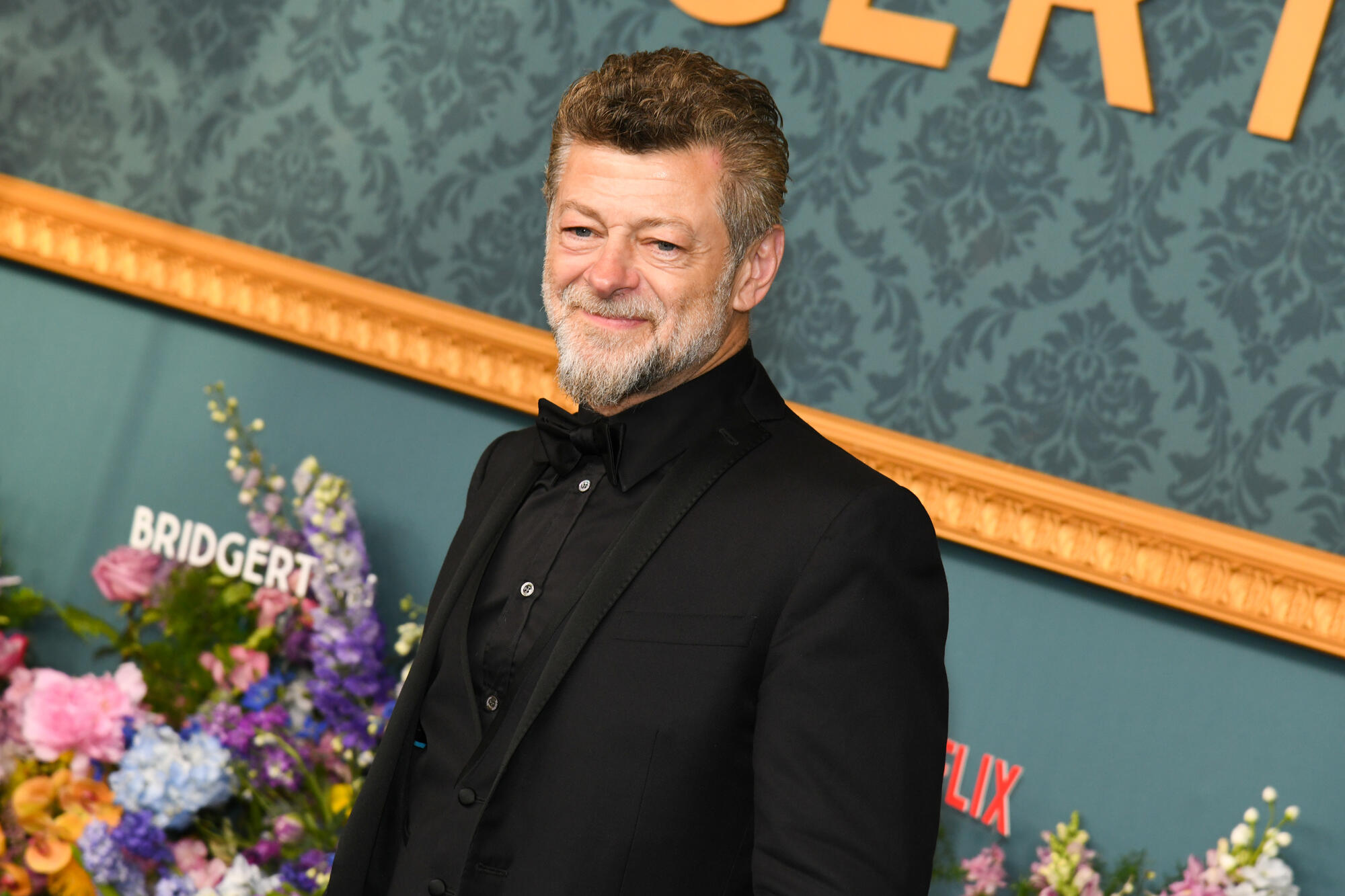
    Andy Serkis, the director behind a forthcoming adaptation in the ‘Lord of the Rings’ universe, recently responded to inquiries about the predominantly white cast. Serkis explicitly stated that his production would not pursue ‘politically correct casting for the sake of casting.’ This declaration has drawn significant attention from both fantasy enthusiasts and commentators on cultural representation in media.

    His comments arrived amidst ongoing industry discussions regarding diversity and inclusion in major film and television productions. The ‘Lord of the Rings’ franchise, with its global fanbase, frequently becomes a focal point for such conversations. Serkis’s stance offers a clear perspective on the casting philosophy guiding his current project.

    The Director’s Statement

    The core of the controversy stems from Serkis’s direct quote. He indicated a deliberate choice to prioritize specific artistic and narrative considerations. This approach, he suggested, would steer clear of what he termed ‘politically correct casting.’

    The statement implies a resistance to external pressures that might dictate casting decisions based on demographic quotas rather than character suitability. Serkis’s remarks were made public on July 15, 2026, and quickly circulated across entertainment news platforms.

    Context of Casting in Fantasy

    Casting in fantasy adaptations has become a recurring subject of debate. Productions like Amazon’s ‘The Lord of the Rings: The Rings of Power’ and Netflix’s ‘The Witcher’ have previously faced scrutiny over their casting choices. Discussions often revolve around fidelity to source material versus modern calls for broader representation.

    Proponents of diverse casting argue for the importance of seeing varied ethnic backgrounds reflected in popular narratives. They suggest that fantasy, as a genre, offers unique opportunities to transcend traditional historical or geographical limitations. This perspective emphasizes that a diverse cast can enrich a story and make it more accessible to a wider audience.

    Conversely, some fans and creators advocate for strict adherence to the perceived racial or ethnic descriptions of characters within the original texts. They argue that altering established character appearances can undermine the integrity of the source material. This viewpoint often prioritizes a literal interpretation of the author’s vision.

    Serkis’s Creative Vision

    Andy Serkis is widely recognized for his extensive work in motion-capture performance, particularly his iconic portrayal of Gollum in Peter Jackson’s ‘Lord of the Rings’ and ‘Hobbit’ trilogies. His directorial experience includes ‘Mowgli: Legend of the Jungle’ and ‘Venom: Let There Be Carnage.’

    His background suggests a deep understanding of the technical and narrative demands of large-scale fantasy productions. Serkis’s current project in the ‘Lord of the Rings’ universe is anticipated to bring his unique vision to Middle-earth. The specific details of this adaptation, including its precise plot and release window, remain largely under wraps.

    Fan Reactions and Industry Implications

    The director’s comments have elicited a polarized response among the ‘Lord of the Rings’ fanbase. Some individuals have expressed support for Serkis’s commitment to what they perceive as artistic freedom and fidelity to J.R.R. Tolkien’s original works. They view his statement as a welcome pushback against what they consider to be undue external influence on creative processes.

    Other segments of the fanbase and broader public have voiced disappointment or criticism. These responses often highlight the perceived missed opportunity to introduce more diverse representation into a globally beloved franchise. Critics argue that even within fantasy, opportunities exist to expand character portrayals without compromising narrative quality.

    The entertainment industry continues to navigate these complex issues. Major studios and streaming platforms are increasingly aware of audience expectations regarding representation. However, creative teams often grapple with balancing these expectations against artistic interpretation and commercial viability.

    The Legacy of Tolkien’s World

    J.R.R. Tolkien’s ‘The Lord of the Rings’ was first published in 1954 and 1955. It established a foundational mythology for modern fantasy literature. The world of Middle-earth, with its intricate history, languages, and cultures, has inspired countless subsequent works.

    The textual descriptions of characters within Tolkien’s legendarium are frequently cited in discussions about casting. While some descriptions are explicit, others are open to interpretation. This ambiguity often fuels the ongoing debates about how best to translate the written word to the screen.

    The enduring popularity of the ‘Lord of the Rings’ ensures that any new adaptation will face intense scrutiny. Every creative decision, particularly concerning sensitive topics like casting, is subject to widespread public discourse. Serkis’s recent remarks underscore this reality.

    Future of the Project

    As of July 15, 2026, the specific production timeline and distribution details for Serkis’s ‘Lord of the Rings’ project are not fully public. The project is understood to be in active development, with further announcements expected in the coming months.

    The casting controversy may shape future public relations strategies for the production. It also serves as a case study in the ongoing tension between artistic autonomy and societal expectations regarding media representation. The conversation surrounding Serkis’s comments reflects broader cultural currents.

    Beyond the Immediate Reaction

    The discussion surrounding ‘politically correct casting’ extends beyond individual projects. It touches on fundamental questions about artistic ownership, audience expectations, and the role of popular culture in shaping societal norms. These debates are unlikely to diminish as media consumption habits continue to evolve.

    Filmmakers like Serkis are at the forefront of these discussions. Their choices and public statements contribute to the ongoing dialogue. The outcomes of these creative decisions ultimately influence how diverse audiences engage with and perceive iconic fictional worlds.

    Fans debate. Critics analyze. Productions continue. The world of Middle-earth endures.

  • Disney’s Live-Action ‘Moana’, Initial Reactions Emerge

    Disney’s Live-Action ‘Moana’, Initial Reactions Emerge

    Initial reactions to Disney’s live-action adaptation of ‘Moana’ have begun to emerge, signaling the public’s first impressions of the highly anticipated film ahead of its July 7, 2026 premiere. The movie stars Dwayne Johnson, who reprises his vocal role as Maui from the 2016 animated original, and introduces Catherine Laga’aia in the titular role of Moana.

    The film’s reception carries significant weight for The Walt Disney Company. Live-action remakes of animated classics have become a cornerstone of Disney’s theatrical strategy in the 2020s.

    The Production Journey of Live-Action ‘Moana’

    The announcement of a live-action ‘Moana’ first came in April 2023. Dwayne Johnson made the reveal alongside Disney CEO Bob Iger. Johnson expressed his enthusiasm for bringing the story to a new generation and expanding the narrative.

    Filming for the project commenced in the summer of 2024. Locations included various sites across the Pacific Islands, aiming for authenticity in its depiction of Polynesian culture and landscapes. The production sought to honor the original film’s spirit while expanding its scope.

    Key creative personnel were assembled to guide the adaptation. Thomas Kail directed the film. Kail is known for his work on Broadway, including the hit musical ‘Hamilton’. His involvement suggested a focus on musicality and narrative depth.

    The screenplay was developed by Jared Bush and Dana Ledoux Miller. Bush was a co-writer on the original 2016 animated film. This continuity aimed to maintain the core themes and character arcs that resonated with audiences.

    Casting the Central Roles

    The casting process was a significant point of interest. Dwayne Johnson’s return as Maui was confirmed early. Johnson had been an integral part of the original film’s success, lending his voice and persona to the demigod character.

    The search for Moana was extensive. In June 2024, Catherine Laga’aia was announced as the lead. Laga’aia is an Australian actress of Samoan heritage. Her casting was celebrated for its cultural appropriateness and commitment to authentic representation.

    Other key cast members include John Tui as Moana’s father, Chief Tui. Frankie Adams portrays Moana’s mother, Sina. Rena Owen takes on the role of Gramma Tala. These actors bring a depth of experience to their respective characters.

    The Original ‘Moana’ and Its Legacy

    The 2016 animated ‘Moana’ was a critical and commercial success for Disney. It earned over $687.2 million worldwide. The film was praised for its animation, music, and empowering storyline.

    The musical score, featuring songs by Lin-Manuel Miranda, Opetaia Foa’i, and Mark Mancina, became iconic. Tracks like ‘How Far I’ll Go’ and ‘You’re Welcome’ achieved widespread popularity. The cultural authenticity of the narrative, guided by a team of Oceanic cultural advisors, was also a highlight.

    The story followed Moana, a strong-willed Polynesian teenager. She embarks on a perilous journey to save her people. Along the way, she encounters the demigod Maui. Together, they confront ancient curses and discover their true destinies.

    Why Live-Action Remakes?

    Disney’s strategy of live-action remakes dates back to the 1990s with films like ‘101 Dalmatians’. The trend gained significant momentum in the 2010s. Successes like ‘Alice in Wonderland’ (2010), ‘Cinderella’ (2015), and ‘Beauty and the Beast’ (2017) demonstrated the financial viability of the approach.

    The remakes often leverage existing intellectual property. They capitalize on audience nostalgia. They also aim to attract new viewers who might prefer live-action cinema. This strategy allows Disney to reintroduce classic stories to contemporary audiences with updated visual effects and storytelling techniques.

    However, the approach has also faced criticism. Some viewers express concern that the remakes lack the originality and charm of their animated predecessors. Debates often arise regarding the necessity of these adaptations and their impact on the legacy of the original films.

    Anticipation and Early Reactions

    The release of initial reactions typically precedes a film’s wide theatrical debut. These early responses often come from critics attending press screenings or industry insiders at premiere events. For ‘Moana’, the July 10 premiere marks the official unveiling.

    Social media platforms frequently become the initial outlet for these reactions. Critics, journalists, and attendees share brief impressions. These often include praise for performances, visual effects, or the faithfulness to the source material. Conversely, they might highlight perceived weaknesses.

    For ‘Moana’, the focus of these early reactions often centers on several key aspects. Viewers are keen to see how the animation’s vibrant world translates into live-action. The performances of Catherine Laga’aia and Dwayne Johnson are under scrutiny. The film’s musical numbers and its adherence to the cultural spirit of the original are also critical points of discussion.

    The Hollywood Reporter’s mention of these reactions signifies a new phase in the film’s promotional cycle. It shifts from production news to audience reception. These early indicators provide a barometer for public sentiment. They can influence pre-release buzz and box office predictions.

    The Broader Landscape of Disney’s Live-Action Strategy

    Disney’s live-action slate extends beyond ‘Moana’. Several other animated classics are in various stages of development or production. This includes ‘Lilo & Stitch’, ‘Hercules’, and ‘The Hunchback of Notre Dame’. Each project faces similar scrutiny regarding its artistic merit and commercial potential.

    The success of these adaptations is not uniform. Films like ‘The Lion King’ (2019) and ‘Aladdin’ (2019) achieved significant box office success. Others, such as ‘Dumbo’ (2019) and ‘Pinocchio’ (2022), garnered more mixed reviews and financial returns.

    The ‘Moana’ remake arrives in a specific cultural moment. Discussions about representation, cultural appropriation, and the evolution of classic narratives are prominent. The production team’s commitment to cultural authenticity for ‘Moana’ has been a recurring theme in its promotion.

    The decision to bring back original cast members and writers, combined with the selection of culturally appropriate talent, suggests a conscious effort to address some of these concerns. The film aims to be both a faithful adaptation and a respectful expansion of the beloved story.

    Impact on Future Disney Projects

    The reception of ‘Moana’ could influence Disney’s future decisions regarding its live-action pipeline. Strong positive reactions and robust box office performance would likely reinforce the studio’s current strategy. It would encourage further investment in similar projects.

    Conversely, a lukewarm reception might prompt a re-evaluation of the approach. It could lead to changes in creative direction or a more selective greenlighting process for future remakes. The studio continuously assesses market trends and audience preferences.

    The live-action remakes also serve as a way to refresh Disney’s vast library of intellectual property. They introduce characters and stories to new audiences who may not have seen the original animated features. This ensures the longevity and relevance of Disney’s classic tales in a competitive entertainment landscape.

    The economic implications are substantial. Each live-action film represents a significant investment in budget, marketing, and talent. The return on investment is crucial for the studio’s overall financial health and its ability to fund original content.

    Cultural Significance and Representation

    The original ‘Moana’ was celebrated for its portrayal of Polynesian culture. It brought a rich mythology and strong female protagonist to a global audience. The live-action adaptation faces the challenge of maintaining and enhancing this cultural integrity.

    The involvement of Polynesian cultural advisors throughout the production process was emphasized. This aims to ensure that the costumes, traditions, and narratives depicted are respectful and authentic. Catherine Laga’aia’s Samoan heritage also contributes to this commitment.

    Dwayne Johnson, who is of Samoan descent, has been a vocal advocate for the film’s cultural representation. His passion for the project is rooted in his personal connection to the story and its themes. This personal investment adds another layer of authenticity to the production.

    The film’s success in this area will be a key metric for many viewers and critics. It extends beyond mere entertainment. It touches on the broader dialogue about how diverse cultures are represented in mainstream media. The live-action ‘Moana’ is poised to contribute to this ongoing conversation.

    The excitement builds. The anticipation grows. The reactions surface. The world waits.

    Disney.

  • Jeffrey Wright on Race and Power: ‘Being Black Is a Political Term’

    Jeffrey Wright on Race and Power: ‘Being Black Is a Political Term’

    Jeffrey Wright, an actor recognized for his extensive career in film and television, recently articulated a nuanced perspective on race, positing that “being Black” operates as a “political term.” This statement emerged during a discussion concerning the racist abuse targeting French soccer star Kylian Mbappé, underscoring Wright’s view on the strategic nature of racial prejudice.

    Wright’s commentary, published by Variety, delves into the motivations behind such attacks. He characterized the abuse against Mbappé as a deliberate effort to undermine the athlete’s significant influence and accomplishments. This interpretation frames racism not just as individual hatred, but as a calculated mechanism to diminish powerful Black figures on a global stage.

    The Political Dimension of Race

    Wright’s assertion that being Black is a political term extends beyond simple identity. It suggests that racial identity, particularly for Black individuals, is inherently linked to power dynamics and societal structures. This perspective aligns with critical race theory, which examines how race and racism have shaped legal systems and social norms.

    The actor’s statement implies that racial categorization often carries implications for social standing, economic opportunity, and political representation. It highlights how racial identity can be weaponized or leveraged within political discourse and societal power struggles.

    This understanding of race as a political construct provides a framework for analyzing incidents of racial discrimination. It moves the conversation beyond individual prejudice to systemic issues that impact collective groups.

    Historical Context of Race as a Political Tool

    Historically, race has been a significant political tool. In the United States, for instance, racial classifications were central to slavery, Jim Crow laws, and immigration policies. These policies were designed to maintain specific power structures and control over certain populations.

    Globally, colonialism often relied on racial hierarchies to justify conquest and exploitation. The categorization of people into distinct racial groups served to rationalize unequal treatment and resource distribution.

    Even in contemporary society, discussions around affirmative action, voting rights, and criminal justice reform frequently intersect with racial identity. These debates demonstrate the ongoing political salience of race.

    Kylian Mbappé and Targeted Abuse

    Kylian Mbappé, a prominent figure in international soccer, has been a frequent target of racist abuse. Such incidents often occur in connection with his performances on the field or his public persona. These attacks underscore the pervasive nature of racism in sports.

    Wright specifically addressed these instances, framing them as attempts to diminish Mbappé’s power and influence. Mbappé’s status as a world-renowned athlete grants him significant cultural and economic power, which, according to Wright, becomes a target for those seeking to uphold racial hierarchies.

    The actor’s remarks suggest that the abuse is not merely a reaction to Mbappé’s race, but a response to his success and visibility as a Black man. His achievements challenge racist narratives that seek to limit the potential of Black individuals.

    The Impact of Racist Abuse on Athletes

    Racist abuse in sports has a profound impact beyond the individual athlete. It sends a message to other aspiring athletes and fans from marginalized communities, suggesting that their achievements will always be met with hostility.

    Organizations like FIFA and UEFA have faced criticism for their handling of racist incidents. Critics argue that penalties are often insufficient, failing to deter repeat offenses or address the systemic roots of the problem.

    The public outcry following such incidents, while important, often highlights the need for more proactive measures from sports governing bodies and societal institutions. Wright’s comments contribute to this broader conversation, demanding a deeper analysis of the motives behind the abuse.

    Wright’s Broader Commentary on Identity and Resilience

    Wright’s insights extend beyond Mbappé to a broader commentary on identity and resilience in the face of racism. His career, marked by diverse roles and critical acclaim, positions him as an observer of cultural dynamics.

    Roles in projects such as “Basquiat,” where he portrayed the influential Black artist Jean-Michel Basquiat, and “American Fiction,” which satirizes the commodification of Black stories, reflect his engagement with themes of race, art, and representation.

    His public statements often reflect a commitment to challenging simplistic narratives about Black identity. He consistently advocates for a more complex and nuanced understanding of the Black experience, both in his work and in his public discourse.

    The Role of Public Figures in Addressing Racism

    Public figures like Jeffrey Wright play a crucial role in shaping public discourse around sensitive topics like race. Their platforms allow them to bring attention to issues that might otherwise be ignored or downplayed.

    By directly addressing racist abuse and interpreting its underlying motivations, Wright helps to educate the public. He encourages a more critical examination of such incidents, moving beyond superficial condemnations to a deeper understanding of systemic racism.

    His willingness to label “being Black” as a “political term” challenges individuals to consider the broader implications of racial identity in a world still grappling with historical injustices and ongoing discrimination.

    The Interplay of Power, Race, and Stupidity

    Wright’s powerful phrase, “They think they can diminish how powerful he is with their stupidity,” encapsulates his argument. He suggests that racist acts, while appearing irrational, are often attempts to exert power and control.

    The “stupidity” he references may not be a lack of intelligence, but rather a willful ignorance or a misguided belief in racial superiority. This “stupidity” serves as a tool to perpetuate systems of oppression and to undermine those who challenge them.

    This interpretation reframes racist acts as strategic, albeit flawed, maneuvers within a larger power struggle. It emphasizes that the targets of racism, like Mbappé, possess inherent power that racists aim to suppress.

    Challenging the Narrative of Diminishment

    The act of calling out racist behavior as an attempt to diminish power is a form of resistance. It reclaims agency for the target and exposes the weakness inherent in the aggressor’s tactics.

    Wright’s statement encourages a re-evaluation of how society responds to racist incidents. It suggests that simply condemning the act is not enough; understanding its strategic intent is critical to dismantling its power.

    By highlighting the “power” of Mbappé, Wright affirms the strength and resilience of Black individuals who achieve greatness despite facing systemic barriers and overt hostility.

    Looking Ahead: Continuing Conversations

    Wright’s comments contribute to an ongoing global conversation about race, identity, and justice. These discussions are critical for fostering greater understanding and for challenging entrenched prejudices.

    The intersection of sports, entertainment, and social commentary continues to provide platforms for these important dialogues. Public figures are increasingly using their voices to advocate for change and challenge discriminatory practices.

    The impact of such statements resonates widely. They provoke thought. They inspire action. They demand accountability.

    Activists continue their work. Advocates press for change. Artists create their visions. Journalists report the news. Athletes perform their feats. Citizens engage in discourse. The world observes.

    Justice.