Tag: Representation

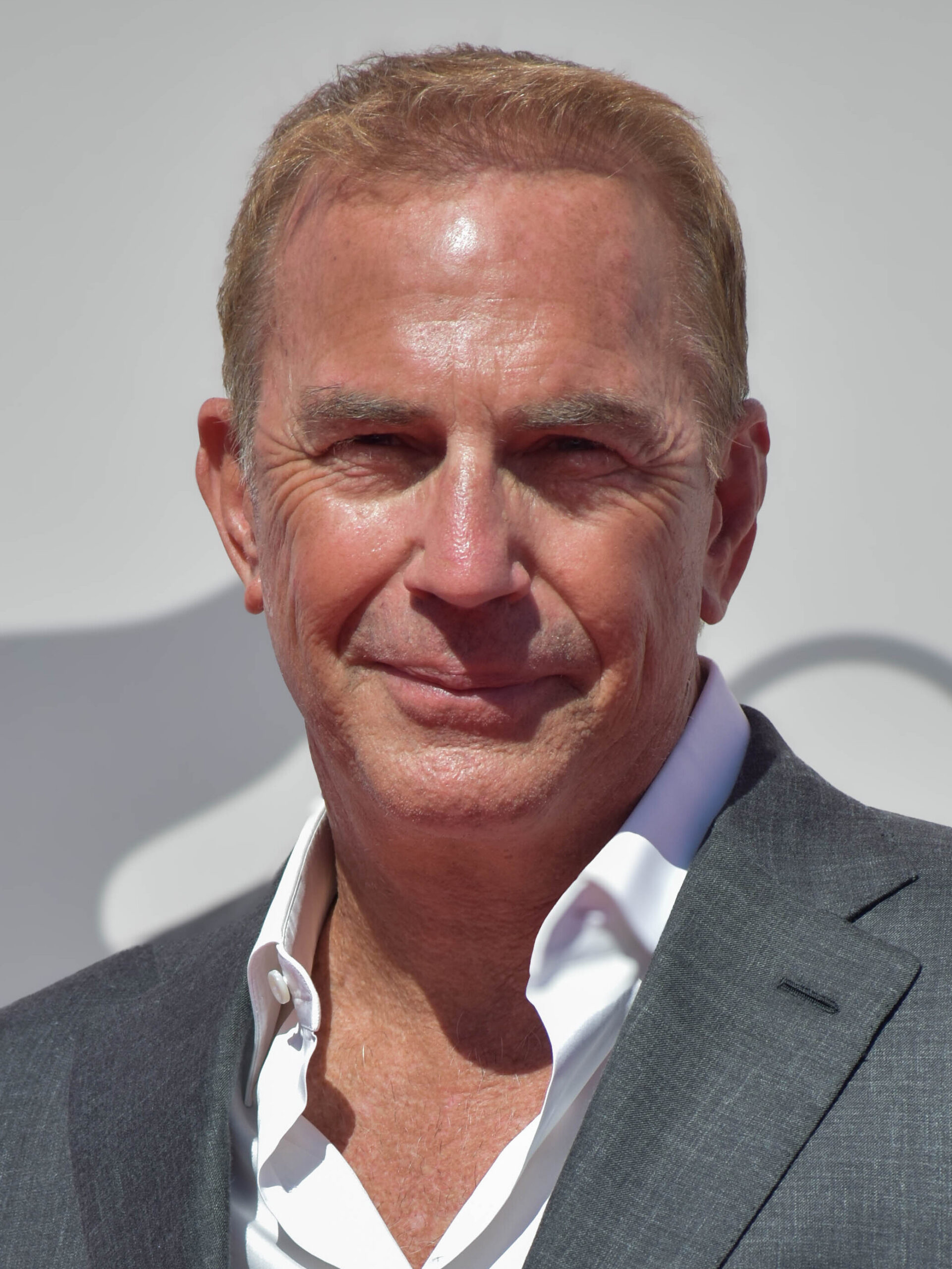
  • Kevin Costner’s ‘Dances With Wolves’ Extended Cut to Premiere at Locarno

    Kevin Costner’s ‘Dances With Wolves’ Extended Cut to Premiere at Locarno

    A restored extended director’s cut of Kevin Costner’s critically acclaimed Western, ‘Dances With Wolves,’ is scheduled to premiere at the Locarno Film Festival. This presentation will offer audiences a more expansive version of the film, which originally captivated viewers and critics upon its release in 1990. The screening at Locarno highlights the ongoing relevance and cinematic significance of Costner’s directorial debut.

    The announcement from the Locarno Film Festival places renewed focus on a film that achieved both commercial success and critical recognition. ‘Dances With Wolves’ became a cultural phenomenon, influencing subsequent Westerns and discussions about the portrayal of Native American cultures in cinema. The extended cut promises a deeper dive into its narrative and character development.

    The Original Cinematic Achievement

    ‘Dances With Wolves’ debuted in 1990, quickly establishing itself as a landmark film. Kevin Costner not only starred as Lieutenant John J. Dunbar but also directed and co-produced the epic. The film’s narrative centered on a Union Army lieutenant who travels to the American frontier and forms a connection with a Lakota community.

    The production was noted for its ambitious scope, featuring vast landscapes and a significant portion of dialogue in the Lakota language, subtitled for English-speaking audiences. This commitment to authenticity was a key factor in its critical reception. The film’s musical score, composed by John Barry, also received widespread acclaim.

    At the 63rd Academy Awards in 1991, ‘Dances With Wolves’ received 12 nominations. It ultimately secured seven Oscars, including Best Picture and Best Director for Kevin Costner. Other wins included Best Adapted Screenplay, Best Cinematography, Best Film Editing, Best Original Score, and Best Sound. These accolades cemented its place in cinematic history.

    The Locarno Film Festival

    The Locarno Film Festival, held annually in Locarno, Switzerland, is one of the oldest and most prestigious film festivals in the world. Established in 1946, it is known for its open-air screenings in the Piazza Grande, a central square that transforms into an enormous outdoor cinema. The festival is renowned for showcasing auteur cinema and discovering new talent.

    The selection of ‘Dances With Wolves’ for a premiere at Locarno underscores the festival’s commitment to celebrating significant cinematic works. The event attracts filmmakers, critics, and cinephiles from around the globe, providing a prominent platform for the restored extended cut. Its inclusion highlights the film’s international appeal and artistic merit.

    This year’s festival, taking place in 2026, will feature a diverse program of films from various genres and countries. The premiere of Costner’s extended cut is expected to be a highlight, drawing considerable attention to both the film and the festival itself. It provides a unique opportunity for a new generation of viewers to experience the film on a grand scale.

    The Extended Director’s Cut

    The extended director’s cut of ‘Dances With Wolves’ offers additional footage and expanded scenes not included in the original theatrical release. Director’s cuts often provide filmmakers with the opportunity to present a version of their work closer to their initial vision, free from the constraints of theatrical running times or studio mandates.

    In the case of ‘Dances With Wolves,’ the extended cut reportedly adds significant runtime, delving deeper into character motivations, cultural interactions, and the day-to-day life of the Lakota people. This additional material can enrich the viewing experience, providing more context and nuance to the story of Lieutenant Dunbar and his integration into the Native American community.

    While the theatrical version was highly successful, the extended cut allows for a more contemplative pacing and a fuller exploration of the film’s themes. It provides an alternative perspective on a story that has resonated with millions. Film enthusiasts often seek out director’s cuts to gain new insights into beloved movies and their creators’ artistic intentions.

    Kevin Costner’s Legacy and Enduring Impact

    Kevin Costner’s involvement in ‘Dances With Wolves’ was a pivotal moment in his career, showcasing his capabilities not only as an actor but also as a director and producer. The film’s success solidified his position as a major force in Hollywood. His dedication to bringing the story to the screen, including reportedly investing his own money, became part of the film’s lore.

    Beyond ‘Dances With Wolves,’ Costner has maintained a prominent career in Hollywood, starring in and directing numerous films and television series. His work often features themes of American history, the frontier, and environmentalism. The enduring appeal of ‘Dances With Wolves’ continues to be a cornerstone of his legacy.

    The film’s impact extended beyond box office numbers and awards. It sparked renewed interest in the Western genre and encouraged a more nuanced portrayal of Native American cultures in mainstream media. Its careful attention to historical detail and cultural sensitivity set a new standard for similar productions. The premiere of the extended cut serves as a testament to its lasting cultural significance.

    Restoration and Preservation

    The restoration process for the extended director’s cut involves meticulous work to enhance the film’s visual and audio quality. Film restoration is crucial for preserving cinematic heritage, ensuring that classic movies can be experienced by future generations in the best possible condition. Modern restoration techniques can address issues such as color fading, scratches, and audio degradation present in original film elements.

    A 4K restoration, as is often the case for significant re-releases, involves scanning the original negative or other high-quality film elements at a very high resolution. This process allows for detailed digital cleanup and color grading, bringing the film’s imagery to contemporary standards without altering its original artistic intent. The result is a sharper, more vibrant presentation that can capture the nuances of the original cinematography.

    This restoration effort ensures that the extended cut of ‘Dances With Wolves’ will be presented at Locarno with optimal clarity and fidelity. It allows audiences to appreciate the film’s visual grandeur, particularly its sweeping landscape shots and detailed period costumes, as intended by Costner and his creative team. The preservation of such works is vital for cinematic scholarship and appreciation.

    Historical Context and Cultural Significance

    ‘Dances With Wolves’ emerged at a time when the Western genre was undergoing a re-evaluation. Traditional Westerns often presented simplified narratives of cowboys versus Indians, frequently demonizing Native Americans. Costner’s film offered a different perspective, portraying the Lakota people with complexity and dignity, challenging established tropes.

    The film’s exploration of themes such as cultural assimilation, environmental stewardship, and the clash of civilizations resonated with audiences globally. It prompted discussions about American history, manifest destiny, and the treatment of Indigenous populations. Its success demonstrated a hunger for more complex and empathetic storytelling within the genre.

    The premiere of the extended cut in 2026 provides an opportunity to revisit these themes in a contemporary context. Discussions around historical representation and cultural sensitivity remain prominent, making the film’s narrative as relevant today as it was over three decades ago. Its continued presence in film discourse highlights its enduring cultural significance.

    <

    Anticipation for the Premiere

    The announcement of the extended cut’s premiere at Locarno has generated considerable anticipation among film critics, historians, and fans of ‘Dances With Wolves.’ This event is not merely a re-screening but a significant re-introduction of an expanded version of a cinematic classic. It allows for a fresh critical assessment and renewed public engagement with the film.

    Attendees of the Locarno Film Festival will be among the first to experience this restored and elongated version. The communal viewing experience in Piazza Grande, under the Swiss sky, will undoubtedly add to the event’s gravitas. It represents a celebration of filmmaking craft and storytelling.

    The premiere also serves as a reminder of the power of cinema to transcend time and continue to provoke thought and emotion. For Kevin Costner, it marks another milestone in the film’s storied history, reinforcing its status as a timeless piece of American cinema.

    Filmmakers gathered. Critics gathered. Audiences gathered. Locarno.
  • Russell T. Davies Praises Starz for ‘Tip Toe’ Pick-Up Amid Political Climate

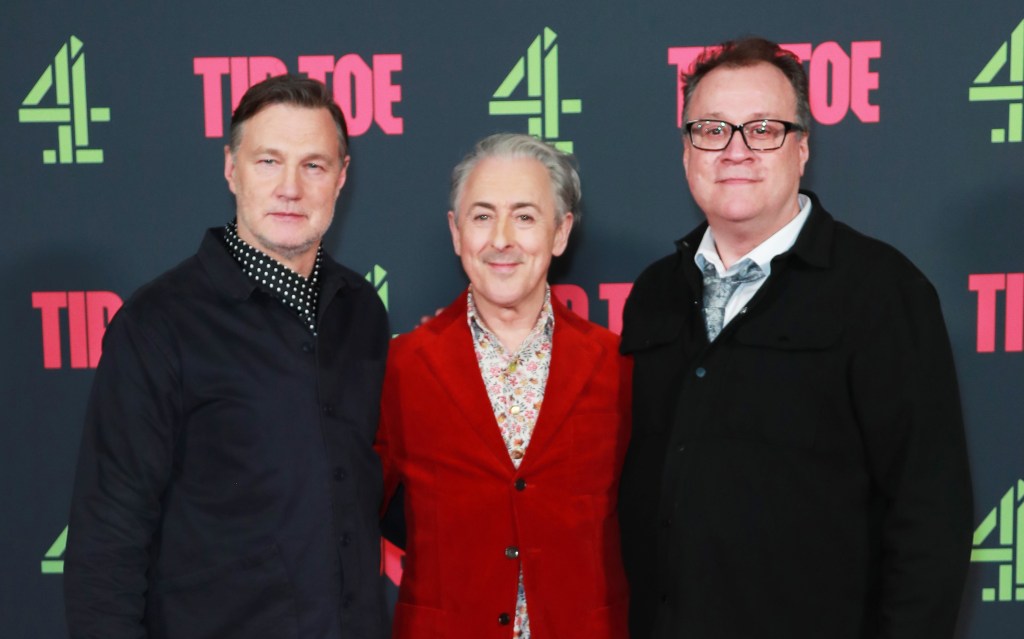
    Russell T. Davies Praises Starz for ‘Tip Toe’ Pick-Up Amid Political Climate

    Russell T. Davies, the prominent British screenwriter and producer, recently expressed appreciation for the cable network Starz. He publicly commended Starz for its courage in acquiring the U.S. distribution rights for his new LGBTQ+ themed series, ‘Tip Toe’. Davies framed the network’s decision as a significant cultural statement, directly contrasting it with the prevailing political sentiment he observed in the United States.

    His remarks specifically referenced the political landscape during President Trump’s second term. Davies drew a clear distinction between Starz’s programming choices and what he described as a prevailing atmosphere of “hatred, bile & anger” attributed to the Trump administration. This commentary positioned the series acquisition as an act of defiance or support for LGBTQ+ narratives against perceived opposition.

    The Significance of ‘Tip Toe’ and Davies’ Vision

    ‘Tip Toe’ is the latest project from Davies, a writer celebrated for his groundbreaking work in LGBTQ+ television. His previous credits include the critically acclaimed series ‘It’s a Sin’ and the original British ‘Queer as Folk’. These productions have consistently explored themes of identity, community, and struggle within the LGBTQ+ experience, often pushing boundaries and fostering dialogue.

    The series’ acquisition by Starz ensures its availability to American audiences. This move underscores Starz’s strategy to offer diverse and often provocative content. The network has previously featured programming that aims to appeal to a broad spectrum of viewers, including those interested in underrepresented narratives and voices.

    Davies’ public statements often accompany his work. He frequently uses platforms to advocate for LGBTQ+ rights and visibility, viewing his creative endeavors as integral to social progress. His commentary on ‘Tip Toe’ and Starz aligns with his established pattern of engaging with the broader cultural and political implications of his television projects, making his art a form of activism.

    Political Context and Cultural Production in the Trump Era

    The reference to President Trump’s administration highlights a recurring tension. This tension exists between certain segments of the entertainment industry and conservative political viewpoints. Hollywood figures and creators often use their platforms to express political opinions, seeing their work as a reflection of or response to societal shifts.

    President Trump’s political rhetoric and policies have frequently been subjects of intense debate within cultural circles. His administration’s stance on various social issues has led to strong reactions from artists and media personalities. Davies’ comments reflect this ongoing dialogue, positioning ‘Tip Toe’ as a counter-narrative within a polarized cultural environment.

    The media landscape increasingly features content that directly or indirectly engages with contemporary political divisions. Series like ‘Tip Toe’ become part of this broader cultural conversation. They contribute to discussions about representation, freedom of expression, and societal values, often challenging mainstream norms and advocating for marginalized communities.

    Industry Reactions and Starz’s Strategic Positioning

    Starz, a Lionsgate company, operates in a competitive streaming and cable environment. Networks often seek to differentiate themselves through unique content offerings. Acquiring a series from a renowned creator like Russell T. Davies provides a certain prestige and signals a commitment to quality, often controversial, storytelling.

    The decision to pick up ‘Tip Toe’ can be viewed as a strategic move to attract and retain subscribers. It allows Starz to cater to a specific demographic interested in LGBTQ+ stories and creators. It also reinforces the network’s brand as a platform for diverse and inclusive storytelling, a valuable asset in today’s media market.

    Other networks and streaming services have also invested heavily in LGBTQ+ themed content. This trend reflects a growing recognition of the audience demand for such narratives. It also signifies a broader industry shift towards more inclusive representation, driven by both creative imperatives and market opportunities.

    Davies’ praise for Starz is not merely a promotional gesture. It is also an endorsement of the network’s willingness to support content that might be deemed controversial by some. This support is particularly valued by creators working on marginalized narratives, who often struggle to find platforms for their stories.

    The Creator’s Perspective: Russell T. Davies’ Enduring Legacy

    Russell T. Davies has a long history of creating impactful television. His work is often characterized by its emotional depth, sharp writing, and unflinching portrayal of LGBTQ+ lives. ‘Queer as Folk’, which first aired in 1999, was a landmark series for its candid depiction of gay men in Manchester, breaking new ground for representation.

    ‘It’s a Sin’, released in 2021, garnered widespread critical acclaim for its poignant exploration of the AIDS epidemic in 1980s London. These series have not only entertained but also educated and provoked discussion, influencing public perception and policy. Davies’ approach often combines personal narratives with broader social and political commentary, making his work both intimate and expansive.

    The development of ‘Tip Toe’ follows this trajectory. The series is expected to continue Davies’ tradition of bringing authentic and compelling LGBTQ+ stories to the screen. His reputation as a creator ensures a certain level of anticipation and scrutiny for his new work, as audiences and critics alike expect a continuation of his distinctive style and thematic concerns.

    Davies’ vocal stance on political issues is an integral part of his public persona. He views his work not just as entertainment but as a form of social engagement and advocacy. His comments about President Trump and Starz are consistent with this worldview, demonstrating his commitment to using his platform for social good.

    Audience Reception and the Cultural Impact of Representation

    The reception of ‘Tip Toe’ in the U.S. will be a key indicator of its cultural impact. Audiences for LGBTQ+ content have grown significantly. This growth is driven by increased visibility and broader societal acceptance in many regions, though progress remains uneven across different demographics and geographies.

    However, cultural and political divides still exist, particularly in the United States. The series may face different reactions across various demographics, reflecting the ongoing culture wars. Its success will be measured not only by viewership but also by its ability to foster dialogue and understanding, challenging preconceived notions and promoting empathy.

    The controversy surrounding Davies’ comments could also draw more attention to ‘Tip Toe’. Public statements by creators often generate buzz and debate, polarizing audiences but also attracting curious viewers. This can sometimes translate into increased viewership, as audiences seek to engage with the discussed themes and the creator’s perspective.

    The role of entertainment in shaping public opinion remains significant. Television series can challenge perceptions, humanize experiences, and contribute to social change. ‘Tip Toe’ aims to be part of this tradition, using the power of storytelling to reflect and influence society.

    The Broader Political and Media Landscape in 2026

    The political climate in 2026 continues to influence various sectors, including media and entertainment. President Trump’s second term, which began on January 20, 2025, has seen continued debates over cultural values and social policies. These debates often manifest in public discourse and artistic expression, with creators using their art to comment on the state of the nation.

    The entertainment industry, often perceived as more liberal, frequently finds itself at odds with conservative political movements. This dynamic shapes funding decisions, content creation, and distribution strategies. Networks like Starz navigate this landscape by making calculated decisions about the content they choose to champion.

    The push for diversity and inclusion in media is not a new phenomenon. However, it has gained renewed urgency in recent years, particularly in response to political shifts and social movements. Creators like Davies are at the forefront of this movement, using their influence to advocate for stories that reflect the full spectrum of human experience.

    The decision by Starz to acquire ‘Tip Toe’ can be seen as an affirmation of these values. It signals to both creators and audiences that there is a market and a platform for stories that challenge the status quo. This commitment is particularly salient in an era where cultural products are increasingly viewed through a political lens.

    Creators speak. Networks listen. Audiences watch. Culture shifts.

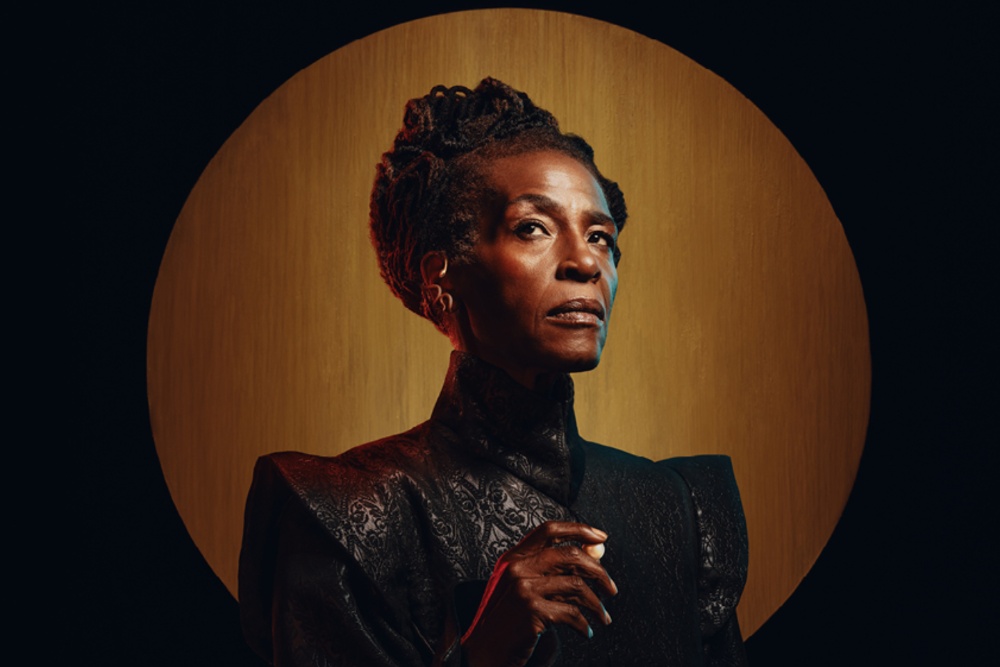
  • Othello Reimagined: RSC Presents Black Lesbian Lead in New Production

    Othello Reimagined: RSC Presents Black Lesbian Lead in New Production

    The Royal Shakespeare Company (RSC) is set to premiere a new production of William Shakespeare’s tragedy, ‘Othello,’ in 2026. This staging features a Black lesbian actor in the titular role, fundamentally reimagining the character and the play’s central dynamics. The decision represents a significant contemporary reinterpretation of a classical work, engaging with themes of identity, power, and prejudice through a modern lens.

    This artistic choice follows a trend of re-evaluating classical narratives to reflect diverse contemporary experiences. Such adaptations often aim to broaden accessibility and relevance for new audiences. They also frequently spark debate regarding fidelity to original texts versus the imperatives of modern interpretation.

    The Royal Shakespeare Company’s Artistic Vision

    The Royal Shakespeare Company, based in Stratford-upon-Avon, England, holds a prominent position in global theatre. Its history is marked by both adherence to classical tradition and innovative reinterpretations. The RSC’s mission often includes making Shakespeare accessible and resonant for contemporary society.

    The current artistic leadership has emphasized a commitment to diversity and inclusion. This commitment extends to casting, directorial choices, and thematic exploration. The ‘Othello’ reimagining aligns with this stated artistic direction.

    Previous RSC Adaptations and Public Reception

    Historically, the RSC has experimented with various interpretations of Shakespearean works. Past productions have explored gender-swapped roles, modern settings, and diverse casting. These experiments have often met with mixed public and critical reception.

    For instance, a 2018 production of ‘Richard II’ featured a Black actor in the lead role, exploring themes of leadership and otherness. A 2022 ‘Hamlet’ production cast a female actor as the Prince of Denmark, prompting discussions on gender and power. Each instance generated significant discourse, both positive and critical.

    The Character of Othello and Its Reinterpretation

    William Shakespeare’s ‘Othello’ is a tragedy of jealousy, manipulation, and racial prejudice. The original character of Othello is a Black general in the Venetian army, distinguished by his military prowess but ultimately undone by Iago’s machinations and his own insecurities.

    Reimagining Othello as a Black lesbian introduces new layers of intersectional identity. This interpretation can explore the unique pressures and prejudices faced by a Black woman in a position of power, particularly within a historically patriarchal and heteronormative society. The dynamics of Othello’s relationship with Desdemona would also shift, offering new insights into love, trust, and betrayal.

    The Role of Desdemona in the New Context

    In the traditional narrative, Desdemona is Othello’s young, white wife. Her devotion and innocence are central to the tragedy. With Othello re-gendered and re-sexualized, Desdemona’s role takes on new dimensions.

    The relationship would now be a same-sex one, challenging historical representations of love and marriage in classical theatre. This shift could highlight different power dynamics or societal pressures within a lesbian relationship, particularly in a period setting, if the production retains one. The exploration of jealousy and possessiveness, core to the play, could be examined through a lens of internalized homophobia or societal disapproval.

    Iago’s Motivation and the Play’s Core Themes

    Iago’s villainy is a driving force in ‘Othello.’ His motivations are often debated, ranging from professional jealousy to inherent malice and a veiled racism. In a production featuring a Black lesbian Othello, Iago’s motivations could expand.

    Iago’s manipulation could be fueled by homophobia, misogyny, or a combination of these prejudices, alongside his existing resentment. This would intensify the themes of ‘otherness’ and social exclusion within the play. The production could explore how prejudice, both racial and sexual, is weaponized to destroy an individual.

    The Broader Implications for Classical Theatre

    The RSC’s decision to present a Black lesbian Othello signifies a broader movement within classical theatre. This movement seeks to make canonical works more reflective of contemporary society’s diversity. It challenges the notion that classical plays must be staged only in their original historical contexts or with traditional casting.

    Proponents argue that such adaptations ensure the continued relevance of Shakespeare and other classical playwrights. They believe that new interpretations can unlock deeper meanings and engage new generations of theatregoers. Critics, however, often express concerns about historical accuracy and the potential for altering the playwright’s original intent.

    Cultural Discourse and Anticipated Reactions

    The announcement of this ‘Othello’ production has already generated significant cultural discourse. Social media platforms and theatre forums are active with discussions. These conversations range from enthusiastic support for increased representation to concerns about radical reinterpretations of beloved classics.

    The production is expected to provoke strong opinions among audiences. Some may feel a sense of cultural defense, believing the changes are an affront to the original text. Others will embrace the opportunity to see new dimensions explored within a familiar story. This polarization reflects ongoing societal debates about cultural heritage and progressive values.

    Representation in the Arts

    The call for greater representation in the arts has grown significantly in recent years. This includes demands for more diverse actors, writers, directors, and stories. The RSC’s ‘Othello’ is one example of how major cultural institutions are responding to these calls.

    Representation is understood not only as casting diverse actors but also as exploring diverse identities and experiences within narratives. A Black lesbian Othello offers a powerful platform for such exploration. It foregrounds identities often marginalized in historical narratives and mainstream cultural productions.

    The Impact on New Audiences

    One of the primary goals of such reinterpretations is to attract and engage new audiences. Traditional Shakespearean productions can sometimes be perceived as inaccessible or elitist. By introducing contemporary relevance and diverse casting, theatre companies aim to break down these barriers.

    A Black lesbian Othello might resonate particularly with LGBTQ+ audiences and Black communities. This could lead to increased attendance and foster a sense of ownership over classical cultural heritage. The production serves as a bridge, connecting historical texts with modern lived experiences.

    Educational Outreach and Public Engagement

    The RSC often accompanies its major productions with extensive educational outreach programs. These programs provide context, facilitate discussions, and encourage critical thinking about the plays. The new ‘Othello’ is likely to be a central focus of such initiatives.

    Workshops, post-show discussions, and online resources will explore the themes of the production. These efforts aim to deepen public understanding and engagement with the complex issues raised by the play. They will address the intersection of race, gender, sexuality, and power in Shakespeare’s work and in contemporary society.

    The Legacy of Shakespearean Adaptations

    William Shakespeare’s plays have been continuously adapted and reinterpreted for centuries. From Nahum Tate’s 1681 ‘King Lear’ with a happy ending to modern film adaptations set in high schools, the plays have proven remarkably adaptable. This tradition of adaptation suggests a dynamic relationship between text and performance.

    Each generation finds new ways to relate to Shakespeare’s universal themes. The RSC’s 2026 ‘Othello’ stands within this long lineage of creative reinterpretation. It reflects the concerns and values of its specific historical moment, just as past adaptations reflected theirs.

    The stage is set. The script is familiar. The interpretation is new.

    Conversations will ignite. Debates will unfold. Audiences will witness.

    Stratford-upon-Avon.

  • Teletubbies at Cannes: The Brand Activism Debate

    Teletubbies at Cannes: The Brand Activism Debate

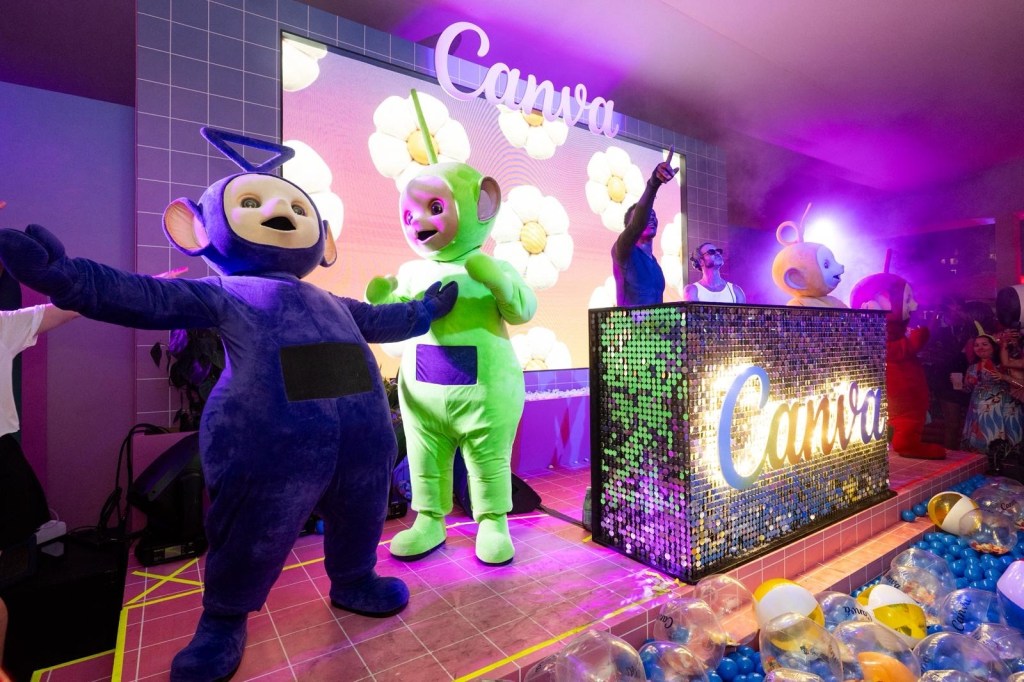
    The Teletubbies, globally recognized children’s characters, appeared at the 2026 Cannes Lions International Festival of Creativity’s Canva Beach Pride Party. They danced in support of LGBTQ+ rights. This event, occurring on June 20, 2026, generated immediate and widespread discussion across social media, news outlets, and cultural commentary.

    Their participation marked a notable moment in the ongoing intersection of popular culture, brand marketing, and social advocacy. The decision to feature the characters in this context was made by WildBrain, the company that owns and manages the Teletubbies franchise. WildBrain aimed to position the brand as inclusive and aligned with contemporary social values.

    The Setting: Cannes Lions 2026

    Cannes Lions is an annual event held in Cannes, France. It is renowned as the world’s largest gathering for the creative and marketing communications industry. The festival attracts advertising executives, brand managers, and media professionals from around the globe.

    The 2026 iteration of the festival took place from June 17 to June 21, with various associated events and parties extending beyond the official dates. The Canva Beach Pride Party was one such ancillary event, hosted by the Australian graphic design platform Canva. These events often serve as networking opportunities and showcases for sponsoring brands.

    Beach parties are a common feature of Cannes Lions. They frequently combine entertainment with brand promotion and, increasingly, social messaging. Brands leverage these platforms to communicate their values and connect with diverse audiences.

    Canva’s Presence at Cannes

    Canva, a graphic design platform, maintained a significant presence at the 2026 Cannes Lions festival. The company hosted multiple events, including the Beach Pride Party. This particular event was designed to highlight Canva’s commitment to diversity, equity, and inclusion.

    Canva’s marketing team, led by Chief Marketing Officer Zach Kitschke, emphasized the importance of authentic brand representation. The company utilized its platform at Cannes to showcase its corporate values, aiming to resonate with a global creative audience. The Beach Pride Party served as a high-profile demonstration of these commitments.

    The Teletubbies’ Evolving Role in Culture

    The Teletubbies characters, Tinky Winky, Dipsy, Laa-Laa, and Po, first debuted in 1997. They were created by Anne Wood and Andrew Davenport for the BBC. The show quickly gained international popularity for its distinctive visual style and child-friendly content, broadcast in over 120 countries.

    Over the decades, the franchise has been owned by various entities. WildBrain acquired the Teletubbies brand in 2019. The company has since sought to revitalize the property for new generations and expand its reach through various media, including a 2022 Netflix series. This expansion included exploring new avenues for brand engagement.

    The characters have historically been associated with themes of inclusivity and acceptance, albeit often interpreted through a lens of childhood innocence. Their appearance at the Canva Beach Pride Party represents a more explicit alignment with a specific social movement. This move signals a deliberate strategy by WildBrain to broaden the brand’s cultural relevance beyond its traditional preschool audience.

    WildBrain’s Strategic Direction

    WildBrain, headquartered in Halifax, Nova Scotia, manages a vast portfolio of children’s content. Their strategy for the Teletubbies in 2026 involved repositioning the brand for a contemporary audience. This included leveraging the characters’ inherent association with joy and acceptance in new contexts.

    The decision to participate in the Cannes Lions Pride event was part of a broader marketing push. WildBrain aimed to demonstrate the Teletubbies’ enduring appeal and their capacity to represent modern values. CEO Eric Ellenbogen previously articulated a vision for WildBrain properties to be ‘evergreen and ever-relevant.’ The Cannes appearance was a manifestation of this vision.

    Canva’s Engagement with Pride

    Canva, a company valued at over $26 billion as of 2023, has a history of supporting LGBTQ+ initiatives. The platform offers numerous templates and resources for Pride-related content creation. Its presence at Cannes Lions often includes events designed to promote its brand values and engage with the creative community.

    The Canva Beach Pride Party was organized as part of the festival’s broader efforts to promote diversity and inclusion. Many companies at Cannes Lions leverage their platforms to engage with social causes, seeking to connect with audiences on a deeper, values-driven level. This approach is increasingly common among technology and creative brands.

    Sponsorships and events like these are part of a larger corporate strategy known as purpose-driven marketing. Brands aim to demonstrate their commitment to social issues, often appealing to younger demographics who prioritize corporate social responsibility. Canva’s participation aligns with its publicly stated commitment to fostering an inclusive global community.

    The Role of Purpose-Driven Marketing

    Purpose-driven marketing has become a cornerstone of many corporate strategies in 2026. Consumers, particularly Gen Z and Millennials, increasingly expect brands to take stances on social issues. Companies like Canva invest in these initiatives not just for public relations, but to build deeper connections with their customer base and attract talent.

    The Cannes Lions festival itself has evolved to reflect this trend. Sessions and awards increasingly focus on campaigns that demonstrate social impact alongside creative excellence. The Teletubbies’ appearance at the Canva event was a high-profile example of this convergence, drawing attention to both the brand’s message and the marketing strategy behind it.

    The Performance and Public Reaction

    During the party, performers dressed as the Teletubbies danced on stage and interacted with attendees. Visuals shared online showed the characters in a festive, celebratory atmosphere, consistent with a Pride event. The specific choreography and messaging were designed to be overtly supportive of LGBTQ+ rights, featuring rainbow colors and inclusive gestures.

    Initial reactions were polarized. Supporters praised WildBrain and Canva for using a beloved children’s brand to promote messages of inclusion and acceptance. They viewed it as a positive step towards normalizing LGBTQ+ identities for a wider audience. Advocates like Sarah Kate Ellis, CEO of GLAAD, commended the brands for their visible allyship.

    Critics, however, expressed concern about what they perceived as the politicization of children’s characters. Some argued that such explicit advocacy was inappropriate for a brand primarily associated with preschool entertainment. This perspective often centered on the idea that children’s content should remain neutral on social issues. Conservative commentators, such as Ben Shapiro, voiced strong opposition to the move, sparking widespread debate on social media platforms like X (formerly Twitter).

    The Culture War Context of 2026

    The event occurred amidst a broader cultural environment marked by ongoing debates about LGBTQ+ rights and representation. In 2026, discussions around gender identity, sexual orientation, and their portrayal in media remain prominent. These discussions often involve intense scrutiny of corporate involvement.

    The Teletubbies’ involvement at Cannes Lions became a flashpoint in these discussions. It highlighted the tension between brands seeking to align with progressive values and segments of the public who resist such alignments, particularly when children’s media is involved. This tension is not new; other brands and public figures have faced similar backlashes and endorsements when engaging with LGBTQ+ themes. The Teletubbies’ established global recognition amplified the reach and intensity of this particular debate, making it a prominent example of brand activism in action.

    Brand Strategy and Audience Engagement

    From a brand strategy perspective, the Teletubbies’ appearance at Cannes Lions was a calculated move. It aimed to generate significant media attention and position the brand as forward-thinking and inclusive. WildBrain understood the potential for both positive and negative reactions, but prioritized visibility and alignment with progressive values.

    For WildBrain, this could attract new audiences and reinforce existing connections with consumers who value social advocacy. The visibility gained at an event like Cannes Lions can translate into increased brand relevance and commercial success, despite potential controversy. The company’s internal analysis likely weighed these factors, concluding that the benefits of increased brand salience outweighed the risks of alienating a segment of the audience.

    However, the strategy also carries risks. Alienating a segment of the audience, particularly parents, could have long-term consequences for a children’s brand. The balance between social messaging and broad appeal is a constant challenge for marketers in the current climate. This incident served as a reminder that brand activism, while potentially rewarding, requires careful navigation of public sentiment and cultural divides.

    Measuring the Impact

    Measuring the true impact of such an event involves analyzing various metrics. These include social media engagement, media mentions, brand sentiment analysis, and ultimately, consumer purchasing behavior. For WildBrain and Canva, the immediate goal was likely to generate buzz and reinforce their brand identities.

    Long-term effects would involve tracking brand loyalty and market share among target demographics. The debate surrounding the Teletubbies’ appearance contributed to a broader conversation about corporate responsibility and the changing expectations of consumers. This ongoing discussion shapes future marketing strategies across industries.

    The Broader Implications for Media and Culture

    The incident at Cannes Lions contributes to a larger conversation about the role of media and entertainment in shaping cultural norms. It asks whether children’s characters should remain apolitical or actively participate in social movements. This question resonates deeply within educational and parenting communities.

    The event also underscores the power of cultural icons to convey messages beyond their original intent. The Teletubbies, originally designed for early childhood development, now find themselves at the center of adult-driven cultural debates. Their presence at a global advertising festival signifies a shift in how beloved characters are utilized in modern marketing.

    Ultimately, the 2026 Teletubbies appearance at the Canva Beach Pride Party at Cannes Lions serves as a case study. It illustrates the complexities of brand activism. It highlights the shifting landscape of corporate social responsibility. It demonstrates the enduring power of popular culture to spark dialogue. It reveals the ongoing tension between universal appeal and targeted messaging. It showcases the evolving role of children’s brands in a politically charged world.

    Brands must navigate. Consumers must choose. Culture must adapt. Debate must continue.

    The Teletubbies danced.

  • Chloe Bailey Navigates ‘Strung,’ Beyoncé’s Counsel, and ‘Little Mermaid’ Controversy

    Chloe Bailey Navigates ‘Strung,’ Beyoncé’s Counsel, and ‘Little Mermaid’ Controversy

    Chloe Bailey has discussed her involvement in the upcoming thriller film Strung, alongside recalling specific career guidance from Beyoncé and reflecting on the public controversy surrounding The Little Mermaid. Bailey detailed how the racist sentiment directed at the film’s casting, particularly involving her sister Halle Bailey, was a deeply upsetting experience. She cited Beyoncé’s advice as a guiding principle in navigating the entertainment industry’s complexities.

    Bailey’s career has developed across music and acting. Her reflections provide insight into the pressures and expectations faced by public figures in contemporary media.

    The Role in ‘Strung’ and Creative Expression

    Chloe Bailey’s latest acting project is the thriller film Strung. This role marks another step in her expanding filmography, which includes prior appearances in projects such as Swarm and Praise This. Bailey has indicated that the character presented new challenges and opportunities for her as an actress.

    The film’s production details remain under wraps, with specific release dates and plot points yet to be fully disclosed. Bailey’s participation suggests a continued interest in diverse roles across different genres. Her acting choices often reflect a desire to push beyond conventional expectations.

    Bailey’s approach to her roles often involves a deep dive into character psychology. This method allows her to portray complex emotions and motivations on screen. Her performances aim for authenticity, even within fictional narratives.

    Beyoncé’s Influence and Mentorship

    Beyoncé, a long-standing mentor to Chloe Bailey and her sister Halle, provided significant career advice. Bailey specifically recounted Beyoncé’s counsel to always remain authentic. This guidance has been a foundational principle for Bailey in both her music and acting endeavors.

    The mentorship from Beyoncé extends beyond professional advice. It encompasses a broader philosophy of self-acceptance and resilience. This relationship began when Beyoncé discovered Chloe x Halle, leading to their signing with Parkwood Entertainment.

    Parkwood Entertainment, founded by Beyoncé in 2010, manages and produces various artistic projects. This includes music, film, and fashion. The company’s roster has featured several notable artists over the years.

    Beyoncé’s advice emphasizes the importance of individuality. She encourages artists to embrace their unique voices and perspectives. This message resonates with Bailey, who often expresses her creative identity without compromise.

    The ‘Little Mermaid’ Backlash and Emotional Impact

    The casting of Halle Bailey as Ariel in Disney’s live-action adaptation of The Little Mermaid generated significant public discussion. A segment of this discussion included racist backlash regarding the casting choice. Chloe Bailey publicly addressed this controversy, describing it as heartbreaking.

    The decision to cast Halle Bailey, a Black woman, as Ariel challenged traditional depictions of the character. This led to both widespread support and vocal opposition. The opposition often centered on racial prejudice and adherence to original animated character designs.

    Chloe Bailey emphasized the emotional toll this backlash took on her and her sister. She noted the difficulty of witnessing such negativity directed at a project that held significant meaning for Halle. The experience highlighted the ongoing challenges faced by Black artists in mainstream media.

    Support for Halle Bailey came from numerous public figures and fans. This support often underscored the importance of inclusive representation in media. The film’s eventual release aimed to transcend the initial controversy.

    The Importance of Representation

    The controversy surrounding The Little Mermaid underscored broader conversations about representation in Hollywood. Advocates for diversity argue that casting choices should reflect a global audience. They contend that diverse casting can inspire younger generations.

    Opponents of the casting often cited fidelity to the original source material. However, many critics observed that such arguments frequently masked underlying racial biases. The debate became a focal point for discussions on cultural shifts in media production.

    Chloe Bailey’s comments reflect a personal connection to this larger movement. Her family’s direct experience with the backlash highlights the stakes involved in these cultural debates. The push for diverse representation continues to be a significant theme in the entertainment industry.

    Chloe Bailey’s Evolving Career Trajectory

    Chloe Bailey’s career began with her sister Halle, forming the musical duo Chloe x Halle. Their early work gained traction through YouTube covers before signing with Parkwood Entertainment. The duo released critically acclaimed albums, including The Kids Are Alright (2018) and Ungodly Hour (2020).

    In recent years, both sisters have pursued individual projects. Chloe Bailey launched her solo music career with singles like ‘Have Mercy’ and released her debut solo album, In Pieces, in 2023. Her solo work explores themes of self-discovery and empowerment.

    Her acting career has also seen significant growth. Beyond Strung, Bailey has appeared in television series and films, diversifying her artistic output. These roles allow her to showcase different facets of her talent beyond her musical performances.

    Bailey’s public persona often balances vulnerability with strength. She uses her platform to discuss mental health, body positivity, and racial justice. This engagement further connects her with her audience.

    Balancing Music and Acting

    The transition from a musical duo to individual careers involves careful navigation. Chloe Bailey has spoken about the challenges and rewards of this process. She maintains a strong bond with her sister Halle, despite their separate professional paths.

    Her acting commitments sometimes overlap with musical projects. This requires strategic planning and dedication to both crafts. Bailey has expressed a desire to continue pursuing both music and acting with equal passion.

    The entertainment industry frequently demands versatility from its artists. Bailey’s ability to excel in multiple domains positions her for long-term success. Her career choices reflect a strategic effort to build a diverse and enduring legacy.

    Public Scrutiny and Resilience

    Public figures like Chloe Bailey often face intense scrutiny. Social media platforms amplify both praise and criticism, creating a challenging environment. Bailey has openly discussed the impact of online commentary on her well-being.

    The specific instance of the Little Mermaid backlash highlighted the racialized nature of some public criticism. Such experiences necessitate a strong sense of resilience. Bailey’s reliance on advice from mentors like Beyoncé helps her navigate these pressures.

    Artists in the public eye often develop coping mechanisms to manage negativity. These can include setting boundaries, engaging in self-care, and focusing on their creative work. Bailey’s transparency about these struggles resonates with many of her followers.

    The ongoing conversation about celebrity mental health has gained prominence. Public figures increasingly share their experiences to destigmatize these discussions. Bailey’s contributions to this dialogue are part of a broader movement towards greater openness.

    The Future of Chloe Bailey’s Work

    Chloe Bailey’s future projects likely include a continued blend of music and acting. Her role in Strung signals a commitment to developing her acting range. Fans anticipate further musical releases, building on the foundation of In Pieces.

    Collaborations with other artists remain a possibility in her musical journey. Her artistic evolution suggests an openness to experimentation across genres. Bailey’s creative output continues to reflect her personal growth and artistic vision.

    The entertainment landscape is constantly shifting. Artists must adapt to new platforms and audience expectations. Bailey’s engagement with social media and other digital channels demonstrates an understanding of modern media consumption.

    Her impact extends beyond her artistic contributions. She serves as an advocate for issues important to her. Her voice contributes to broader cultural conversations about representation, authenticity, and resilience.

    The projects continue. The music flows. The roles expand. The voice grows. Resilience.