Tag: Diversity

  • Venice Film Festival Faces Scrutiny Over Lack of Female Directors

    Venice Film Festival Faces Scrutiny Over Lack of Female Directors

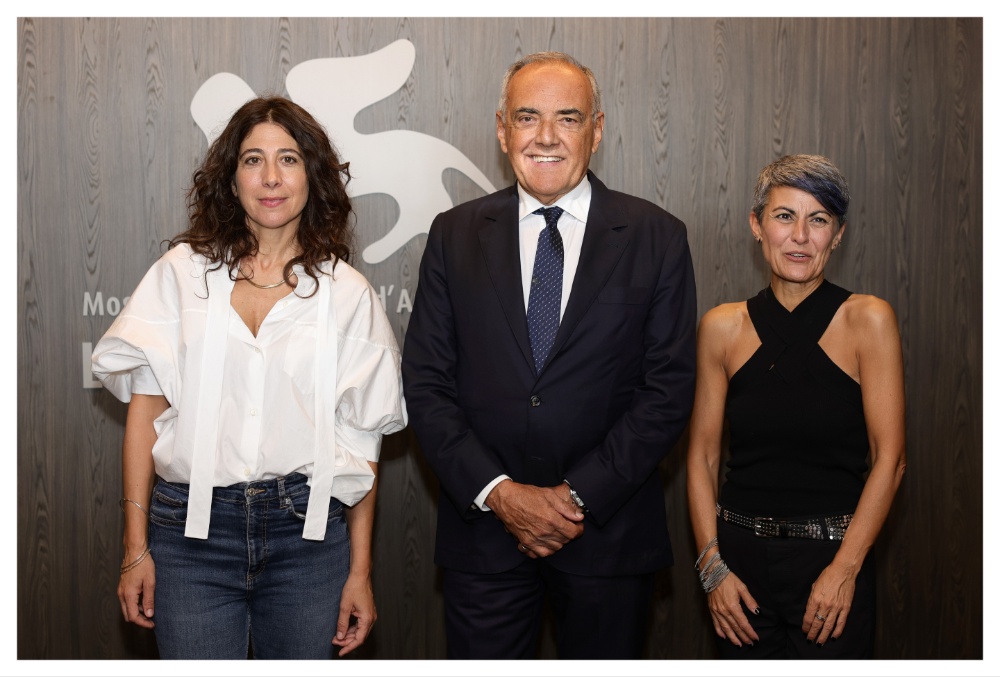
    The Venice Film Festival, a cornerstone of international cinema, has drawn significant criticism in 2026 for its main competition lineup. Festival Director Alberto Barbera is facing scrutiny over the perceived lack of films directed by women. This situation reignites long-standing debates about gender representation within major film festivals and the wider film industry.

    Critics describe the selection as ‘one-dimensional.’ They argue that it fails to reflect the diversity of contemporary filmmaking talent. The issue extends beyond Venice, touching on how film festivals shape industry narratives and influence careers.

    The Recurring Debate Over Representation

    The discussion surrounding female directors at Venice is not new. For several years, critics and industry professionals have highlighted the gender imbalance in festival selections. These critiques often point to a systemic issue rather than isolated incidents.

    In 2026, the specific composition of the main competition brought these concerns to the forefront once again. The festival’s role as a platform for global cinema means its choices carry considerable weight.

    The absence of female voices in prominent slots can perpetuate a cycle. It limits visibility for women filmmakers. It also impacts their opportunities for distribution and critical acclaim.

    Alberto Barbera’s Stance and Festival Policy

    Alberto Barbera has previously addressed questions about gender representation. His position has often emphasized artistic merit as the sole criterion for selection. He has stated that films are chosen based on quality, regardless of the director’s gender.

    However, this stance has not quelled the criticism. Opponents argue that a purely meritocratic approach can inadvertently reinforce existing biases. They suggest that unconscious biases might influence what is perceived as ‘quality’ within traditional frameworks.

    The festival’s programming choices reflect its curatorial vision. This vision, when perceived as exclusionary, invites significant public and industry backlash. The pressure on festival directors to respond to these concerns continues to grow.

    The Impact on Female Filmmakers

    For female directors, inclusion in a prestigious festival like Venice can be transformative. It provides international exposure, attracts potential distributors, and can lead to further funding for future projects. Exclusion, conversely, can hinder career progression.

    The lack of representation at such high-profile events also sends a message. It can imply that films by women are less valued or less worthy of global attention. This perception can have long-term consequences for the diversity of cinematic storytelling.

    Advocacy groups and individual filmmakers consistently call for greater transparency in selection processes. They push for proactive measures to ensure a more equitable playing field. These efforts aim to dismantle barriers that have historically limited women’s participation.

    Industry-Wide Initiatives for Gender Parity

    The criticism directed at Venice is part of a larger, industry-wide movement towards gender parity. Other major festivals, including Cannes and Berlin, have also faced similar challenges and have implemented various initiatives.

    Some festivals have adopted pledges, such as the 50/50 by 2020 initiative. While 2020 has passed, the spirit of these pledges continues to drive conversations. These initiatives aim for balanced representation in selection committees and official lineups.

    Film academies and funding bodies are also reviewing their practices. They seek to identify and address biases in grant applications and award nominations. The goal is to create a more inclusive ecosystem for filmmakers of all genders.

    The Role of Selection Committees

    The composition of selection committees plays a crucial role in festival programming. Critics argue that committees lacking diversity may have narrower perspectives. This can lead to a less varied selection of films.

    Increasing the number of women and individuals from diverse backgrounds on these committees is often proposed as a solution. A more diverse group of selectors might bring different sensibilities and broaden the scope of films considered.

    Transparency in the selection process remains a key demand. Understanding how films are chosen could help address concerns about fairness and representation. This transparency could also foster greater trust between festivals and the filmmaking community.

    The Commercial and Cultural Implications

    Beyond ethical considerations, the lack of diversity in festival lineups has commercial and cultural implications. A ‘one-dimensional selection’ might alienate diverse audiences. It could also limit the cultural richness offered by the festival.

    Films by women often explore different themes and perspectives. These narratives can resonate deeply with a broad spectrum of viewers. Excluding them means missing out on potentially impactful and commercially successful works.

    Major festivals are tastemakers. They influence global film trends. A festival that consistently overlooks female talent risks becoming less relevant in an increasingly diverse world. This puts pressure on leadership to evolve with societal expectations.

    Looking Ahead: Calls for Change

    The ongoing criticism of Alberto Barbera and the Venice Film Festival signals a persistent demand for change. Advocates for gender equality in film are not retreating. They continue to push for tangible improvements in representation.

    Future festival editions will likely face even greater scrutiny. The industry is moving towards a more inclusive model. Festivals that adapt will thrive. Those that resist may find their prestige diminished.

    The conversation around Venice in 2026 serves as a reminder. Representation matters. It impacts careers, shapes culture, and defines the future of cinema. Filmmakers, critics, and audiences worldwide are watching. They are waiting for festivals to reflect the full spectrum of global talent.

    Historical Context of Venice and Female Directors

    The Venice Film Festival has a long history, dating back to 1932. Throughout its decades, the representation of female directors in its main competition has varied significantly. Early years saw very few women, reflecting broader societal norms in filmmaking.

    In more recent history, there have been periods of increased female representation, followed by declines. This fluctuation indicates that progress is not always linear. It underscores the need for sustained effort and commitment to diversity.

    The festival has, at times, celebrated groundbreaking works by women. However, these instances have often been exceptions rather than the rule in terms of overall lineup balance. The 2026 criticism highlights this historical unevenness.

    Global Perspectives on Film Festival Diversity

    The debate at Venice is mirrored in discussions surrounding other international festivals. From Sundance to Toronto, and from Berlin to Busan, the call for greater diversity is universal. Each festival faces unique pressures and cultural contexts.

    However, the core demand remains consistent: film festivals should reflect the global tapestry of filmmaking talent. This includes not only gender diversity but also representation across race, ethnicity, and geographic origin.

    The interconnectedness of the global film industry means that decisions made at one major festival can influence others. A collective movement towards inclusivity is essential for meaningful change. This is a shared responsibility across the entire festival circuit.

    The Economic Argument for Inclusivity

    Beyond moral and ethical arguments, there is a strong economic case for greater inclusivity. Studies have shown that diverse films often perform well at the box office. They also attract broader audiences.

    A festival that showcases a wider range of voices can tap into new markets and demographics. This can enhance its relevance and commercial viability. Limiting selections to a narrow demographic risks missing out on these opportunities.

    Investment in female-directed projects can also yield significant returns. When given the platform, these films can achieve critical acclaim and financial success. Festivals play a vital role in providing that initial platform.

    The Future of Festival Programming

    The future of film festival programming will likely involve a more conscious approach to diversity. This includes setting targets, implementing blind submission processes, and diversifying selection committees.

    Festivals may also increase their focus on mentorship programs for emerging female directors. They might also create dedicated sections or awards to highlight women’s contributions to cinema. These proactive steps are crucial for driving systemic change.

    The dialogue between festival leadership, filmmakers, and advocacy groups will continue to evolve. This ongoing conversation is essential for pushing the industry forward. It ensures that future generations of filmmakers and audiences benefit from a truly global and inclusive cinematic landscape.

    Critics speak. Advocates push. Audiences demand. The industry listens. The future of film representation begins now.
  • Michael Johnston Seeks “Intentional, Meaningful Queer Role” – The Evolving Landscape of Representation

    Michael Johnston Seeks “Intentional, Meaningful Queer Role” – The Evolving Landscape of Representation

    The Call for Authentic Representation

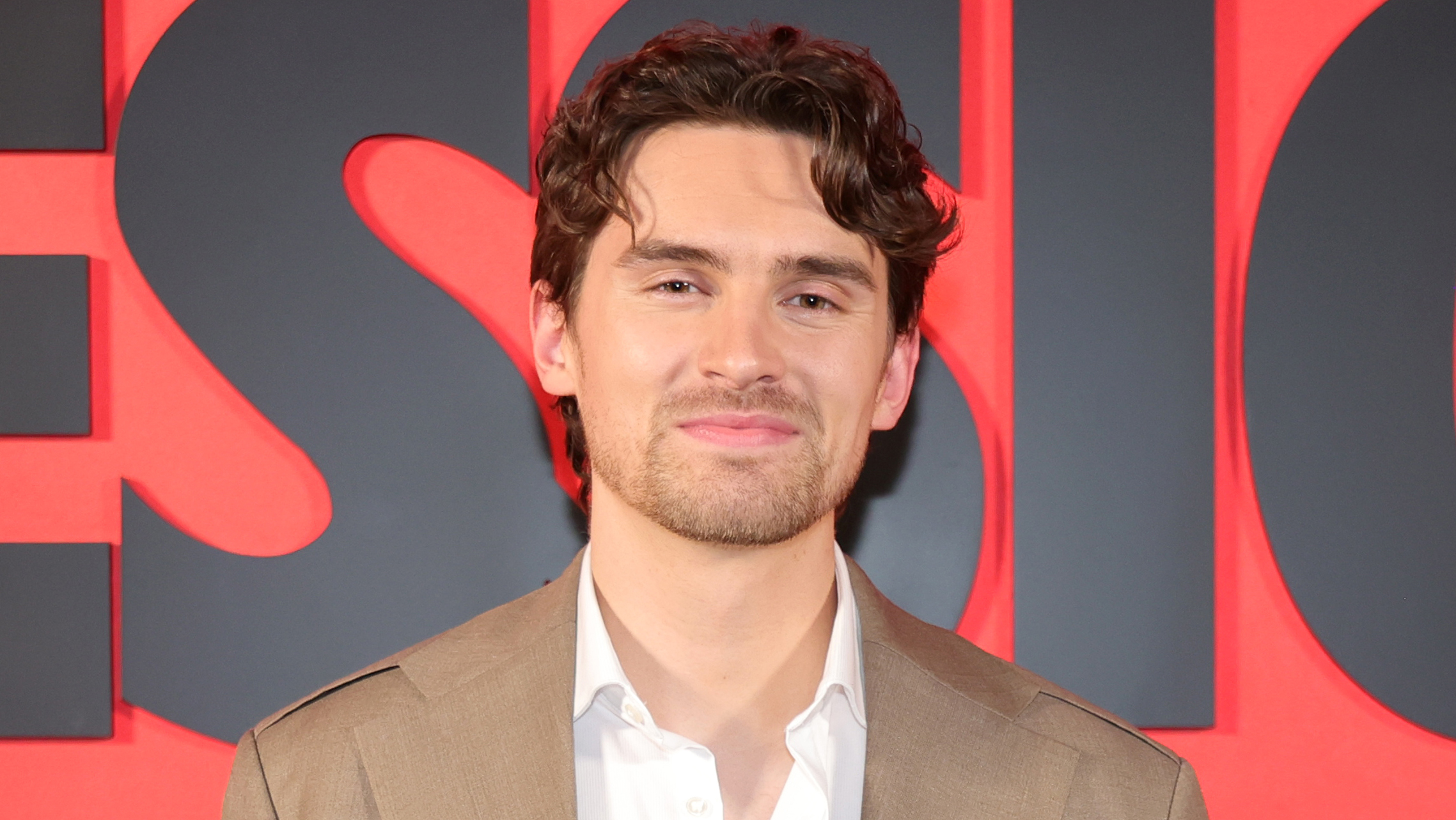
    Actor Michael Johnston, known for his role in ‘Obsession,’ has publicly articulated his desire to secure an “intentional, meaningful queer role” within the entertainment industry. This statement, reported by Deadline on July 25, 2026, reflects a broader ongoing conversation about the necessity of authentic and substantive LGBTQ+ representation in film and television productions.

    Johnston’s comments highlight a trend where performers actively seek roles that resonate with their personal experiences or advocate for underrepresented communities. The pursuit of such a role by a visible actor like Johnston signals a shift in industry expectations and actor agency.

    Johnston’s Vision for a Queer Role

    Michael Johnston’s specific phrasing, “intentional, meaningful queer role,” suggests a nuanced understanding of representation. This is not merely about playing a character who happens to be queer. Instead, it emphasizes a role where the character’s queer identity is central to their narrative, development, and impact on the story.

    The actor’s remarks indicate a desire to move beyond tokenism or superficial portrayals. He seeks a character whose queer identity is explored with depth and significance, contributing genuinely to the story’s themes and audience connection.

    Johnston also expressed a proactive stance on this ambition. He stated, “Maybe I’ll write it myself,” if suitable opportunities do not arise organically. This suggests a commitment to shaping his career and contributing to the representation landscape directly.

    The Industry’s Evolving Landscape

    The entertainment industry has witnessed a significant evolution in its approach to LGBTQ+ characters over the last decade. Early representations often relied on stereotypes or relegated queer characters to minor, often tragic, subplots. Contemporary demands call for complex, multi-dimensional characters.

    Production companies, streaming platforms, and major studios are increasingly recognizing the commercial and cultural value of diverse storytelling. This includes narratives that authentically portray the lives and experiences of LGBTQ+ individuals.

    Organizations like GLAAD regularly publish reports on LGBTQ+ representation in media, tracking progress and highlighting areas needing improvement. These reports often influence industry discussions and production decisions.

    The Impact of ‘Obsession’ and Previous Work

    Michael Johnston gained recognition for his work on the series ‘Obsession.’ While the specifics of his role in that production are distinct from his current aspirations, his visibility from such projects provides a platform for these discussions.

    Actors often leverage their established profiles to advocate for causes or types of roles they believe are important. Johnston’s public statement is a clear example of this dynamic.

    Previous roles and public perception of an actor can influence how their calls for specific types of representation are received. Johnston’s career trajectory informs the context of his current ambition.

    Why “Meaningful” Representation Matters

    The concept of “meaningful” representation extends beyond mere visibility. It encompasses several critical aspects:

    • Authenticity: Portraying characters in ways that resonate with real-life experiences of the LGBTQ+ community.
    • Complexity: Developing queer characters with full emotional arcs, flaws, and strengths, avoiding one-dimensional stereotypes.
    • Centrality: Integrating queer characters into primary storylines, rather than as peripheral figures.
    • Positive Impact: Contributing to a more inclusive societal understanding and acceptance of LGBTQ+ individuals.

    For many audiences, seeing themselves reflected accurately on screen can foster a sense of belonging and validation. For broader society, it can build empathy and challenge prejudice.

    The Cultural Conversation Around Media Roles

    Johnston’s desire to play an “intentional, meaningful queer role” occurs within a vibrant and sometimes contentious cultural landscape. Discussions around media representation often become focal points for broader debates about cultural values.

    Some segments of the audience and cultural commentators view such calls for specific types of representation as a positive step towards diversity and inclusion. They see it as essential for media to reflect the varied demographics of society.

    Conversely, other perspectives, often rooted in traditional values, may view these developments with skepticism or concern. They might argue for a focus on universal themes over identity-specific narratives, or express apprehension about the perceived direction of cultural shifts in media.

    This divergence of opinion underscores the significant role media plays in shaping and reflecting societal norms. The choices made by actors, writers, and producers often become part of larger cultural dialogues.

    The Role of Actors in Shaping Narratives

    Actors are increasingly becoming active participants in shaping the narratives presented on screen. This goes beyond simply performing a role; it includes advocating for certain types of stories, characters, and thematic explorations.

    The rise of actor-producers and actor-writers demonstrates a growing trend of performers taking creative control. Johnston’s comment about potentially writing his own role aligns with this movement.

    This increased agency allows actors to champion projects that align with their personal values or professional goals, contributing to a more diverse range of stories being told.

    The Future of Queer Storytelling

    The ambition articulated by Michael Johnston is indicative of the future trajectory of queer storytelling in media. The demand is moving towards stories that are not only present but are also deeply considered, authentic, and integral to the narrative fabric.

    This includes exploring a wider spectrum of queer experiences, moving beyond a singular, often white, male perspective. Intersectional identities, including queer people of color, trans individuals, and those with disabilities, are increasingly seeking representation.

    The industry’s response to these demands will continue to shape the landscape of popular culture. It influences what stories are funded, produced, and ultimately consumed by global audiences.

    Writers are developing. Directors are conceptualizing. Audiences are demanding. The conversation continues.

    Representation.

    FAQ Section


  • Kansas City Sued by Missouri AG Over Alleged Anti-White Policies

    Kansas City Sued by Missouri AG Over Alleged Anti-White Policies

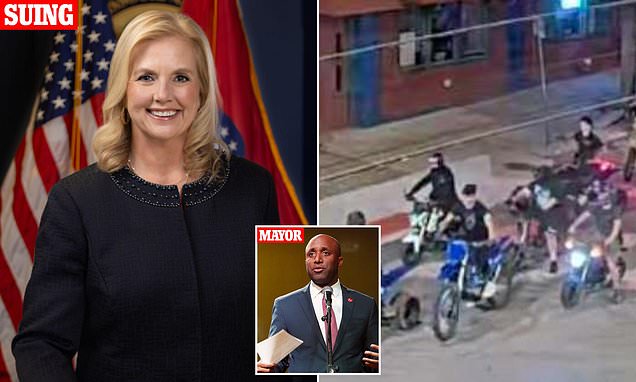
    Kansas City, Missouri, is currently embroiled in a significant legal battle, facing a lawsuit filed by Missouri Attorney General Catherine Hanaway. The lawsuit specifically alleges that the city has engaged in discriminatory practices, particularly against white individuals and men, in its various policies and programs. This legal challenge has prompted a strong reaction from Kansas City’s leadership, with the mayor publicly stating concerns that the lawsuit could undermine and hinder ongoing public safety efforts within the metropolitan area.

    The Allegations: Discrimination Against White Individuals and Men

    Attorney General Catherine Hanaway initiated the legal proceedings against Kansas City in 2026. Her office contends that the city’s policies and initiatives contain elements that are inherently discriminatory. The lawsuit specifically cites instances where programs or hiring practices allegedly favor certain demographic groups over others, to the detriment of white residents and men.

    The core of Hanaway’s argument rests on the principle of equal protection under the law. She asserts that any policy, regardless of its stated intent, that results in discrimination based on race or gender is unconstitutional and violates state and federal statutes. The lawsuit seeks to compel Kansas City to cease these alleged discriminatory practices and to review all current policies for compliance.

    Specific examples cited in the legal filing reportedly include criteria for city contracts, appointments to municipal boards, and certain employment pathways within Kansas City’s government. The Attorney General’s office argues these criteria are structured in a way that disadvantages white applicants and male candidates, creating an uneven playing field.

    The legal action has drawn immediate attention across Missouri and beyond. It touches on sensitive issues of equity, affirmative action, and the role of government in addressing historical disparities. The Hanaway lawsuit frames these city initiatives as unlawful reverse discrimination.

    Kansas City’s Response: Public Safety Concerns and Policy Defense

    Kansas City’s mayor has been vocal in his opposition to the lawsuit. He has publicly stated that the legal challenge is not only unfounded but also poses a direct threat to the city’s ability to implement critical public safety measures. According to the mayor, the resources and attention required to defend against the lawsuit divert focus and funding from essential urban initiatives.

    The city government maintains that its policies are designed to promote diversity, equity, and inclusion (DEI) within the community and its workforce. They argue that these initiatives are vital for fostering a representative government and ensuring equitable access to opportunities for all residents, particularly those from historically marginalized communities.

    City officials contend that the lawsuit mischaracterizes their efforts. They assert that their programs are not intended to discriminate against any group but rather to correct long-standing systemic imbalances. The mayor emphasized that Kansas City remains committed to both public safety and equitable governance.

    The city’s legal team is preparing a robust defense, likely arguing that the policies are legal and necessary. They may present data demonstrating historical disparities in Kansas City and explain how current initiatives aim to address these without violating anti-discrimination laws.

    The mayor also highlighted the potential chilling effect the lawsuit could have on other municipalities considering or implementing similar DEI programs. He suggested that such legal challenges could deter cities from pursuing policies aimed at increasing diversity, out of fear of costly litigation.

    The Broader Context: Cultural and Political Conflict

    The lawsuit filed by Attorney General Hanaway against Kansas City is not an isolated incident. It reflects a broader national trend of legal and political challenges to diversity, equity, and inclusion initiatives. These conflicts often arise from differing interpretations of equality and fairness in contemporary society.

    Conservative legal groups and political figures have increasingly targeted DEI programs, arguing that they lead to reverse discrimination. They contend that focusing on group identity over individual merit creates new forms of unfairness, particularly for white individuals and men who may be perceived as beneficiaries of historical privilege.

    Conversely, proponents of DEI argue that these programs are essential tools for achieving true equality. They emphasize that systemic inequalities persist and that proactive measures are necessary to dismantle barriers and create genuinely equitable opportunities for all members of society.

    The Role of State Attorneys General

    State Attorneys General, like Catherine Hanaway, often play a significant role in these cultural and political debates. They possess the authority to initiate legal action on behalf of the state, challenging policies they deem unlawful or unconstitutional. Their actions can shape legal precedents and influence public policy on a statewide and sometimes national level.

    Hanaway’s decision to sue Kansas City aligns with a broader strategy adopted by some Republican-led states. This strategy involves using legal channels to push back against what they perceive as progressive overreach in local governance and public institutions. This approach is often framed as defending individual rights and meritocracy against identity politics.

    The outcome of this lawsuit could have implications beyond Kansas City. A ruling in favor of the Attorney General could set a precedent that restricts how other cities in Missouri, and potentially beyond, implement diversity and inclusion policies. Conversely, a victory for Kansas City could reaffirm the legality of such programs when properly constructed.

    Impact on Public Discourse

    The legal battle also fuels public discourse on race, gender, and equity. It brings these complex issues to the forefront of local and state politics, prompting discussions among residents, policymakers, and advocacy groups. The language used in the lawsuit and the city’s defense will undoubtedly shape how these conversations unfold.

    Terms like ‘anti-white’ and ‘reverse discrimination’ are highly charged and contribute to a polarized environment. The mayor’s counter-narrative, focusing on public safety and the necessity of equity, also resonates with different segments of the population. This clash of narratives highlights the deep divisions within the public square regarding these issues.

    Legal Precedents and Future Implications

    The lawsuit against Kansas City will likely reference existing legal precedents related to affirmative action and anti-discrimination law. Landmark Supreme Court cases, such as Regents of the University of California v. Bakke (1978) and Grutter v. Bollinger (2003), have established frameworks for considering race in admissions, though these cases primarily concern higher education.

    More recently, the Supreme Court’s decisions in Students for Fair Admissions v. Harvard/UNC (2023) significantly curtailed the use of race in college admissions. While the Kansas City case involves municipal policies rather than university admissions, the legal principles regarding equal protection and the prohibition of racial discrimination will be central to the arguments.

    The lawsuit will likely examine whether Kansas City’s policies constitute a quota system, which is generally impermissible, or if they are narrowly tailored to achieve a compelling government interest without unduly burdening any racial or gender group. The city will need to demonstrate that its policies are not discriminatory and serve a legitimate public purpose.

    Should the Attorney General prevail, Kansas City could be forced to dismantle or significantly alter its current DEI programs. This would necessitate a comprehensive review of city ordinances, hiring practices, and contracting processes. The financial implications of such changes, including potential legal fees and compliance costs, could be substantial for the city.

    If Kansas City successfully defends its policies, it could provide a legal affirmation for similar municipal initiatives across the country. Such an outcome might encourage other cities to continue or expand their DEI efforts, confident in their legal standing. The case’s progression through the Missouri court system, potentially reaching the state’s highest court, will be closely watched.

    The legal process itself will be lengthy and resource-intensive for both sides. Expert witnesses, statistical analyses, and detailed policy reviews will be central to the arguments presented in court. The outcome will depend on how the judiciary interprets the city’s intent and the actual impact of its policies.

    The Intersection of Equity and Urban Governance

    The lawsuit underscores the complex intersection of equity goals and the practicalities of urban governance. Cities often face pressure to address historical injustices and ensure that all residents have an equal opportunity to thrive. This can lead to the creation of programs designed to uplift specific communities or correct past imbalances.

    However, these efforts can sometimes face legal challenges if they are perceived as overstepping legal boundaries or creating new forms of discrimination. The Kansas City case highlights the delicate balance that municipalities must strike between pursuing social equity and adhering to strict anti-discrimination laws.

    The mayor’s argument about the impact on public safety is also a crucial component of this intersection. He implies that a focus on legal battles over equity initiatives detracts from the immediate and pressing need to ensure the security and well-being of all citizens. This frames the debate not just as one of legality but also of practical governance priorities.

    Ultimately, the lawsuit will test the legal limits of municipal DEI programs in Missouri. It will force a critical examination of whether Kansas City’s policies are a legitimate means of achieving a more equitable society or if they cross into unlawful discrimination. The legal and political ramifications will be significant, shaping future policy decisions and public discourse on these contentious issues.

    City officials prepared. Legal teams strategized. Public opinion divided. Arguments mounted. Kansas City waited.


  • Whoopi Goldberg Defends Elliot Page’s ‘Odyssey’ Casting Amidst Criticism

    Whoopi Goldberg Defends Elliot Page’s ‘Odyssey’ Casting Amidst Criticism

    Whoopi Goldberg Addresses ‘Odyssey’ Casting Controversy

    Whoopi Goldberg, the acclaimed actress and television personality, recently made headlines for her staunch defense of actor Elliot Page. Page has been cast in a role for the upcoming film adaptation of Homer’s epic poem, ‘The Odyssey.’ Goldberg’s comments specifically targeted critics who voiced what she described as ‘transphobic’ sentiments regarding Page’s casting.

    Her message to these critics was direct and unambiguous: ‘Don’t go see the damn movie.’ This statement quickly circulated across social media platforms and news outlets, sparking further discussion on the intersection of celebrity, representation, and audience reception in contemporary cinema.

    Elliot Page’s Role in ‘The Odyssey’

    Elliot Page, known for his roles in films such as ‘Juno’ and ‘Inception,’ publicly came out as transgender in December 2020. Since then, he has become a visible advocate for transgender rights and representation. His casting in ‘The Odyssey’ marks another significant step in his career.

    Details about Page’s specific role in ‘The Odyssey’ remain largely under wraps. The production team has not yet disclosed whether his character will be a reinterpretation of a traditionally male or female figure from the ancient Greek epic, or an entirely new creation for the adaptation. This ambiguity has fueled much of the public speculation and subsequent criticism.

    The announcement of Page’s involvement was met with a spectrum of reactions. Many supporters celebrated the casting as a progressive move towards greater inclusivity in major film productions. They viewed it as an opportunity to see diverse talent in prominent roles, challenging traditional casting norms.

    Conversely, a segment of the audience expressed discontent. Some critics cited concerns about historical accuracy or faithfulness to the source material. Others, identified by Goldberg as ‘transphobic,’ focused their objections on Page’s gender identity, arguing that his casting was inappropriate or politically motivated.

    Goldberg’s Public Stance and Its Context

    Whoopi Goldberg’s remarks underscore a continuing cultural debate. This debate often centers on how classic stories and characters are adapted for modern audiences. It also touches upon the role of identity in artistic expression and public perception.

    Goldberg has a history of speaking out on social and political issues. Her career spans decades, marked by her work as an actress, comedian, and co-host of the daytime talk show ‘The View.’ Her platform provides her with significant reach, making her statements impactful within the entertainment industry and beyond.

    Her defense of Page aligns with broader movements within Hollywood advocating for increased diversity and inclusion. These movements seek to ensure that film and television productions reflect the varied demographics and experiences of the global audience.

    The phrase ‘Don’t go see the damn movie’ functions as both a challenge and a dismissal. It challenges critics to put their convictions into practice by boycotting the film. It also dismisses their complaints as irrelevant to the artistic process and the production’s goals.

    The Broader Conversation on Representation

    The controversy surrounding Elliot Page’s casting is not an isolated incident. It reflects a larger societal conversation about gender identity and its portrayal in media. This conversation has intensified in recent years, particularly concerning transgender individuals.

    Film and television have historically struggled with authentic and respectful representation of LGBTQ+ characters and actors. Many advocates argue that casting transgender actors in transgender roles, and increasingly in roles not explicitly defined by gender identity, is crucial for progress.

    Opponents of such casting decisions often cite concerns about ‘wokeness’ or ‘political correctness’ influencing creative choices. They may argue for traditional interpretations of characters or express discomfort with evolving societal norms. These viewpoints frequently clash, leading to public disagreements like the one Goldberg addressed.

    The economic implications of such debates are also significant. Film studios often weigh potential box office success against public relations challenges. A vocal minority, even if small, can sometimes generate enough negative attention to influence audience perception and, potentially, revenue.

    Historical Adaptations and Modern Sensibilities

    ‘The Odyssey,’ an epic poem attributed to Homer, is a foundational text of Western literature. It tells the story of the Greek hero Odysseus’s long journey home after the Trojan War. Its characters, including Odysseus, Penelope, and Telemachus, are deeply ingrained in cultural consciousness.

    Adaptations of classic works have always involved interpretation and modernization. Throughout history, filmmakers and playwrights have taken liberties with source material to make it relevant to their contemporary audiences. This practice often leads to debates about fidelity versus artistic license.

    The current adaptation featuring Elliot Page is part of a long tradition of reinterpreting ancient narratives. Modern adaptations often explore themes of identity, power, and belonging through a contemporary lens. The casting of diverse actors can be seen as a way to broaden the appeal and relevance of these timeless stories.

    For example, recent adaptations of Shakespearean plays have frequently featured color-blind casting or gender-swapped roles. These choices are made to reflect modern societal values and to open the works to new interpretations and audiences. The reaction to Page’s casting fits within this larger pattern of engagement with classic texts.

    The Impact of Celebrity Endorsement

    Whoopi Goldberg’s public endorsement of Elliot Page and her rebuke of his critics carries considerable weight. Celebrities often use their platforms to champion causes and influence public opinion. Goldberg’s status as an EGOT winner (Emmy, Grammy, Oscar, Tony) and her role on ‘The View’ amplify her voice.

    Her comments provide a sense of validation for Page and his supporters. They also signal to the industry that prominent figures are willing to defend inclusive casting decisions. This can encourage other actors and filmmakers to pursue similar paths without fear of unmitigated backlash.

    The incident also serves as a reminder of the power of social media in shaping public discourse. News of Goldberg’s statements spread rapidly, prompting both praise and criticism online. This immediate feedback loop contributes to the intensity and reach of such cultural debates.

    Ultimately, the exchange between Goldberg and the critics of Elliot Page’s casting highlights a dynamic tension. This tension exists between traditional artistic conventions and evolving social expectations. It speaks to the ongoing effort to define what ‘representation’ truly means in the 21st century’s cultural landscape.

    Conclusion

    The casting of Elliot Page in ‘The Odyssey’ ignited a spirited debate. Whoopi Goldberg’s intervention intensified this discussion. Her defense of Page, and her direct challenge to critics, underscored the ongoing cultural shifts within the entertainment industry. It highlighted the push for greater inclusivity. It also showcased the resistance to these changes. Celebrities, filmmakers, and audiences continue to navigate these evolving norms. The conversation persists. The dialogue continues. The industry adapts.

    Hollywood.


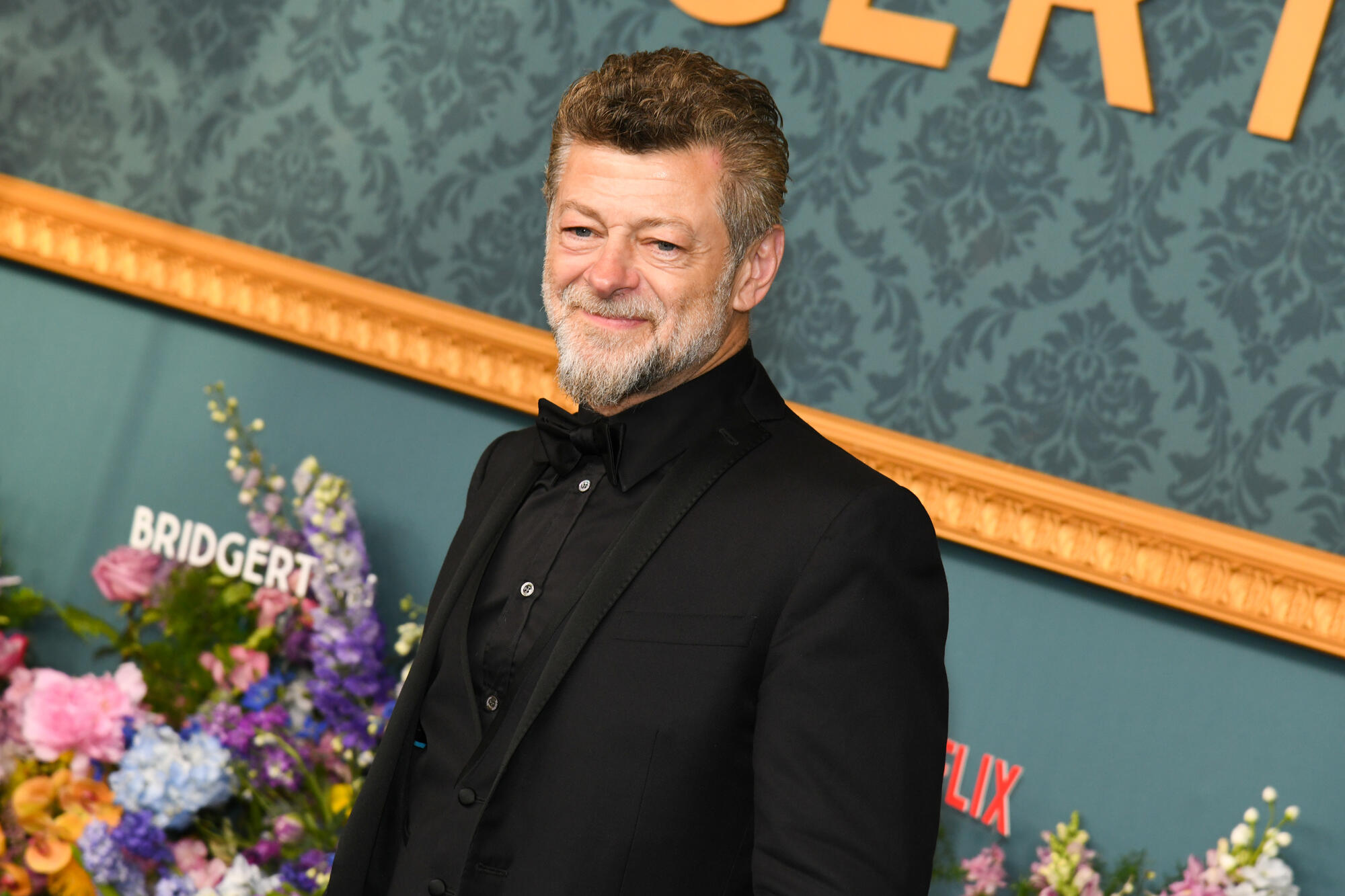
  • Andy Serkis on Lord of the Rings Casting – Denies ‘Politically Correct’ Approach

    Andy Serkis on Lord of the Rings Casting – Denies ‘Politically Correct’ Approach

    Serkis Addresses Casting Controversy

    Andy Serkis, the director behind a forthcoming adaptation in the ‘Lord of the Rings’ universe, recently responded to inquiries about the predominantly white cast. Serkis explicitly stated that his production would not pursue ‘politically correct casting for the sake of casting.’ This declaration has drawn significant attention from both fantasy enthusiasts and commentators on cultural representation in media.

    His comments arrived amidst ongoing industry discussions regarding diversity and inclusion in major film and television productions. The ‘Lord of the Rings’ franchise, with its global fanbase, frequently becomes a focal point for such conversations. Serkis’s stance offers a clear perspective on the casting philosophy guiding his current project.

    The Director’s Statement

    The core of the controversy stems from Serkis’s direct quote. He indicated a deliberate choice to prioritize specific artistic and narrative considerations. This approach, he suggested, would steer clear of what he termed ‘politically correct casting.’

    The statement implies a resistance to external pressures that might dictate casting decisions based on demographic quotas rather than character suitability. Serkis’s remarks were made public on July 15, 2026, and quickly circulated across entertainment news platforms.

    Context of Casting in Fantasy

    Casting in fantasy adaptations has become a recurring subject of debate. Productions like Amazon’s ‘The Lord of the Rings: The Rings of Power’ and Netflix’s ‘The Witcher’ have previously faced scrutiny over their casting choices. Discussions often revolve around fidelity to source material versus modern calls for broader representation.

    Proponents of diverse casting argue for the importance of seeing varied ethnic backgrounds reflected in popular narratives. They suggest that fantasy, as a genre, offers unique opportunities to transcend traditional historical or geographical limitations. This perspective emphasizes that a diverse cast can enrich a story and make it more accessible to a wider audience.

    Conversely, some fans and creators advocate for strict adherence to the perceived racial or ethnic descriptions of characters within the original texts. They argue that altering established character appearances can undermine the integrity of the source material. This viewpoint often prioritizes a literal interpretation of the author’s vision.

    Serkis’s Creative Vision

    Andy Serkis is widely recognized for his extensive work in motion-capture performance, particularly his iconic portrayal of Gollum in Peter Jackson’s ‘Lord of the Rings’ and ‘Hobbit’ trilogies. His directorial experience includes ‘Mowgli: Legend of the Jungle’ and ‘Venom: Let There Be Carnage.’

    His background suggests a deep understanding of the technical and narrative demands of large-scale fantasy productions. Serkis’s current project in the ‘Lord of the Rings’ universe is anticipated to bring his unique vision to Middle-earth. The specific details of this adaptation, including its precise plot and release window, remain largely under wraps.

    Fan Reactions and Industry Implications

    The director’s comments have elicited a polarized response among the ‘Lord of the Rings’ fanbase. Some individuals have expressed support for Serkis’s commitment to what they perceive as artistic freedom and fidelity to J.R.R. Tolkien’s original works. They view his statement as a welcome pushback against what they consider to be undue external influence on creative processes.

    Other segments of the fanbase and broader public have voiced disappointment or criticism. These responses often highlight the perceived missed opportunity to introduce more diverse representation into a globally beloved franchise. Critics argue that even within fantasy, opportunities exist to expand character portrayals without compromising narrative quality.

    The entertainment industry continues to navigate these complex issues. Major studios and streaming platforms are increasingly aware of audience expectations regarding representation. However, creative teams often grapple with balancing these expectations against artistic interpretation and commercial viability.

    The Legacy of Tolkien’s World

    J.R.R. Tolkien’s ‘The Lord of the Rings’ was first published in 1954 and 1955. It established a foundational mythology for modern fantasy literature. The world of Middle-earth, with its intricate history, languages, and cultures, has inspired countless subsequent works.

    The textual descriptions of characters within Tolkien’s legendarium are frequently cited in discussions about casting. While some descriptions are explicit, others are open to interpretation. This ambiguity often fuels the ongoing debates about how best to translate the written word to the screen.

    The enduring popularity of the ‘Lord of the Rings’ ensures that any new adaptation will face intense scrutiny. Every creative decision, particularly concerning sensitive topics like casting, is subject to widespread public discourse. Serkis’s recent remarks underscore this reality.

    Future of the Project

    As of July 15, 2026, the specific production timeline and distribution details for Serkis’s ‘Lord of the Rings’ project are not fully public. The project is understood to be in active development, with further announcements expected in the coming months.

    The casting controversy may shape future public relations strategies for the production. It also serves as a case study in the ongoing tension between artistic autonomy and societal expectations regarding media representation. The conversation surrounding Serkis’s comments reflects broader cultural currents.

    Beyond the Immediate Reaction

    The discussion surrounding ‘politically correct casting’ extends beyond individual projects. It touches on fundamental questions about artistic ownership, audience expectations, and the role of popular culture in shaping societal norms. These debates are unlikely to diminish as media consumption habits continue to evolve.

    Filmmakers like Serkis are at the forefront of these discussions. Their choices and public statements contribute to the ongoing dialogue. The outcomes of these creative decisions ultimately influence how diverse audiences engage with and perceive iconic fictional worlds.

    Fans debate. Critics analyze. Productions continue. The world of Middle-earth endures.