
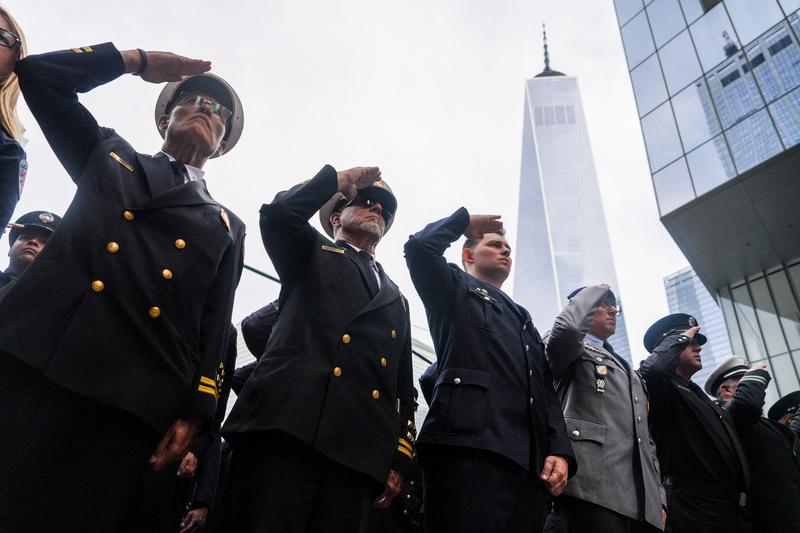
The teaching of the September 11, 2001, terrorist attacks in American schools remains a subject of considerable debate as of September 2026. Concerns have been voiced regarding the comprehensiveness and neutrality of current educational approaches. Accusations of ‘whitewashing’ the historical narrative of 9/11 have become a central point of contention.
This debate often centers on the perceived lack of clear, consistent guidance for educators. Many schools and state education boards have not provided explicit directives on how to address the 25th anniversary of the attacks. This absence of a unified curriculum contributes to varied interpretations and instructional methods across the nation.
The Call for Comprehensive 9/11 Education
Republicans and other concerned groups have expressed apprehension that the historical significance of 9/11 is diminishing in educational contexts. They argue that a simple moment of silence, while respectful, does not constitute a sufficient education on the attacks. The call is for a more robust and detailed curriculum that ensures future generations understand the full scope of the events.
The United States does not have a federally mandated curriculum for teaching 9/11 in K-12 social studies classes. This decentralized approach allows states and local districts to determine their own standards. As of September 2026, at least 40 states either expect or encourage public schools to address the 9/11 attacks. Twenty-five states have laws requiring instruction, while 13 others have optional teaching standards.
Diverse Perspectives on Historical Interpretation
The discussion extends beyond the mere inclusion of 9/11 in the curriculum. It encompasses what aspects of the event should be emphasized. Some advocate for a primary focus on the victims and the perpetrators, aiming to convey the direct human cost and the nature of the attack. This perspective often stresses the importance of remembering the heroism of first responders and the unity that followed the tragedy.
Conversely, other voices in the debate emphasize examining the broader social and political consequences of 9/11. This includes exploring the rise of Islamophobia in the aftermath of the attacks, the subsequent U.S. foreign policy shifts, and the impact on civil liberties. These perspectives seek to provide a more nuanced understanding of the event’s long-term effects.
New York’s Approach and Memorial Efforts
In New York, where the World Trade Center towers fell, schools typically observe the anniversary with a moment of silence. The state’s social studies standards include the 9/11 attacks, but they do not mandate a single, unified curriculum. This allows for local flexibility in how the topic is integrated into lessons.
The National September 11 Memorial & Museum actively works to ensure a comprehensive narrative. The institution has made efforts to highlight the stories of Black victims, survivors, and first responders. This initiative acknowledges that the commonly remembered narrative of 9/11 is not always complete and seeks to include diverse experiences. The museum serves as a vital resource for educators and the public, providing historical context and personal accounts. The National September 11 Memorial & Museum offers extensive educational materials and exhibits.
The Ongoing Challenge of Historical Pedagogy
The challenge for educators lies in presenting a complex historical event with sensitivity and accuracy. Balancing the need to honor victims and heroes with the imperative to analyze the event’s multifaceted causes and consequences requires careful pedagogical consideration. The debate reflects a broader societal tension over how historical events, particularly those with significant political and social ramifications, should be interpreted and taught to new generations.
The discussion surrounding 9/11 education is likely to continue as the nation approaches future anniversaries. It underscores the ongoing effort to define collective memory and ensure that historical lessons are conveyed effectively and inclusively. The absence of a federal mandate means that individual states and school districts will continue to navigate these complex issues independently. The U.S. Department of Education provides general guidelines for states but does not dictate specific curriculum content.
The Future of 9/11 in the Classroom
The calls for clearer guidance and a more robust curriculum persist. Concerns about historical accuracy and the potential for ‘whitewashing’ reflect a desire for a complete and unvarnished account of 9/11. Educators face the task of fostering critical thinking while ensuring respect for the gravity of the event. The dialogue surrounding 9/11 education highlights the dynamic nature of historical interpretation in public schooling.
Students learn. Teachers instruct. Debates continue.
Education.
Automate Your Business Operations
Productized 7-day fixed-rate multi-agent AI automation for Springfield and Ozarks businesses. Eliminate software bloat and streamline media & operations.