
Fatherhood books in 2026 are failing modern dads because the traditional publishing industry continues to rely on outdated, comedic stereotypes of the bumbling patriarch, completely ignoring the profound economic and technological anxieties reshaping modern family life. While men today express deep apprehension about rapid advancements in artificial intelligence and its disruptive impact on manufacturing and technology sectors, mainstream parenting literature offers little more than recycled advice from the 1990s. The modern father is navigating a world of algorithmic child-rearing and automated job markets, but his designated bookshelf remains stubbornly stuck in the past. The disconnect is no longer just an annoyance. It is a fundamental failure of cultural reflection. The realities of fatherhood have fundamentally changed. The literature meant to guide it has not.
The Gag-Gift Industrial Complex
Walk into any Barnes & Noble or browse the top 100 parenting titles on Amazon Books in June 2026. The visual language is immediately apparent. The covers feature cartoonish fonts, illustrations of men holding diapers with tongs, and titles centered around barbecue grills, beer, and surviving the weekend. This is the gag-gift industrial complex. Traditional publishing houses like Penguin Random House and HarperCollins continue to treat fatherhood as a secondary, often comedic, parenting role. The marketing strategy peaks annually in the weeks leading up to Father’s Day. Books are positioned as impulse buys near the register. They are not positioned as serious resources for men raising children in the twenty-first century. The modern father is a co-parent in a dual-income household. He manages school schedules, pediatric appointments, and emotional development. Yet, the publishing industry still speaks to him as if he is babysitting his own children. This editorial blind spot ignores the vast psychological shift that has occurred in fatherhood over the last two decades. Men are seeking structural guidance. They are receiving punchlines.
The Bloomberg Diagnosis: Wonder and Apprehension
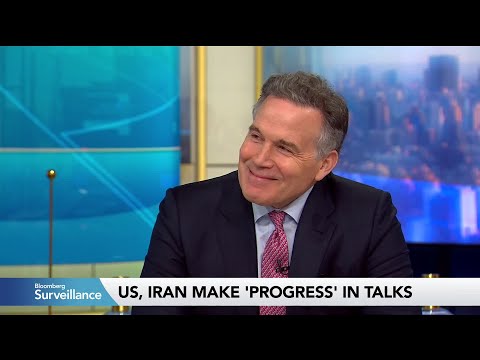
This cultural rift recently took center stage on Bloomberg Television. A segment analyzing modern economic demographics highlighted a striking duality in how men view the future. There is a profound sense of wonder regarding the rapid advancements in artificial intelligence. There is an equally profound sense of apprehension. The narrative of fatherhood is inextricably linked to the narrative of providing and protecting. In 2026, the threats to that ability are no longer purely physical or localized. They are algorithmic. They are global. Fathers working in the technology sector in Silicon Valley are watching generative AI models automate entry-level coding and project management. Fathers working in manufacturing hubs across the Rust Belt are watching advanced robotics and machine learning systems streamline logistics and assembly, reducing the need for human oversight. The Bloomberg Television analysis struck a nerve because it articulated a silent anxiety. The apprehension is not just about personal job security. It is about generational preparation. How does a father prepare a child for an economy that is rewriting its own rules every six months? The fatherhood books on the market offer zero answers.
Manufacturing, Technology, and the Provider’s Dilemma
The integration of artificial intelligence into core industries has fundamentally altered the provider’s dilemma. According to labor market analyses in early 2026, the manufacturing and technology sectors are experiencing unprecedented volatility. Automation is no longer a futuristic concept. It is the current operational standard. For a father employed in these sectors, the daily reality involves navigating corporate restructuring, upskilling demands, and the constant hum of technological displacement. This economic anxiety bleeds directly into parenting. The modern dad is tasked with being emotionally present at the dinner table while internally calculating the lifespan of his specific skill set. Traditional fatherhood literature assumes a baseline of economic stability that simply no longer exists for the middle class. The books assume the father has a stable forty-hour work week, a predictable career trajectory, and a pension waiting at the end. They do not account for the gig economy. They do not account for remote work blurring the boundaries between the office and the nursery. They do not account for the psychological toll of competing against an algorithm for a promotion. When a father looks for guidance on maintaining authority and stability in a household while his own professional ground is shifting, the traditional bookshelf offers nothing but silence.
Raising the Algorithmic Generation
Beyond personal economic anxiety, modern fathers are facing unprecedented challenges in the day-to-day rearing of children. The children of 2026 are the algorithmic generation. They are growing up with AI companions, deepfake media, and hyper-personalized content feeds designed to capture attention and shape behavior. Fatherhood today requires a level of technological literacy that previous generations never had to consider. Fathers are attempting to establish screen-time boundaries in a world where screens are mandatory for education and social survival. They are trying to teach critical thinking to children who can ask a large language model to write their history essays. They are navigating the ethical minefields of digital privacy, location tracking, and social media algorithms that prey on adolescent insecurities. Where is the fatherhood book that addresses the psychological safety of a teenager in a virtual reality ecosystem? It does not exist. The publishing industry is still printing guides on how to build a treehouse. The modern father needs a guide on how to build a digital firewall. The gap between the required skill set of a 2026 dad and the available literature is vast, and it leaves men feeling isolated in their parenting journey.
The Data Deficit in Traditional Publishing
Why does the publishing industry refuse to pivot? The answer lies in risk aversion and flawed historical data. Major publishing houses rely heavily on past sales metrics to predict future trends. Historically, sincere, deeply researched books about the complexities of fatherhood have underperformed compared to their comedic counterparts. The data tells editors that funny dad books sell. Therefore, editors commission more funny dad books. It is a self-fulfilling prophecy. This data deficit creates a feedback loop that entirely misses the shifting cultural landscape. Independent publishers and self-published authors on platforms like Amazon Kindle Direct Publishing are beginning to fill the void, offering niche titles on mindful parenting, dual-career balancing, and navigating the tech-heavy household. However, these titles lack the marketing muscle and physical distribution of the major houses. Until the Big Five publishers recognize that the modern father is a conscious, anxious, and deeply involved parent facing unprecedented economic and technological pressures, the mainstream bookshelf will remain irrelevant. The market demand is there. The supply is painfully outdated.
The New Blueprint for Fatherhood
What modern fathers actually need is a new blueprint. They need literature that acknowledges the dual burden of emotional presence and economic survival in the AI era. They need books that treat them as equal partners in the domestic sphere, not as incompetent assistants. The ideal fatherhood book for 2026 would tackle the psychological impact of remote work on family dynamics. It would offer actionable strategies for teaching children AI literacy without inducing panic. It would address the unique stress of providing for a family during a period of rapid industrial automation. It would validate the wonder and the apprehension that the Bloomberg Television segment so accurately captured. Men are actively seeking these conversations. They are finding them in podcasts, in private online forums, and in decentralized digital communities. They are not finding them in books. The publishing industry has an opportunity to capture a massive, underserved demographic. But to do so, they must first discard the caricature of the bumbling dad and look at the man actually standing in front of them.
The Terminal Drop
The economy shifted. The technology advanced. The algorithms learned. The fathers adapted. The publishers waited. Silence.