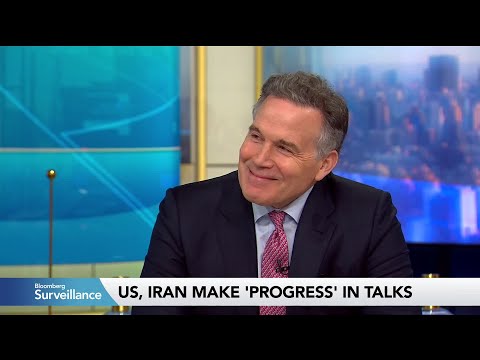

Daryl Hall, a pivotal figure in American music as one half of the duo Hall & Oates, recently confirmed that he received a kidney transplant and is currently in recovery. This medical procedure is expected to facilitate his return to full health and performance capabilities within a few months of the public announcement in June 2026.
The news came directly from Hall, indicating a period of convalescence. His statement conveyed a sense of optimism regarding his health trajectory. The transplant marks a significant milestone in his personal well-being.
The Announcement and Recovery Timeline
The information regarding Daryl Hall’s kidney transplant was released publicly in June 2026. This announcement provided an update on his health status and future plans. Hall communicated that he was already experiencing improvements in his condition.
His statement included an expectation of returning to his usual activities. This return is projected to occur within a span of a few months. The timeline suggests a recovery period extending through late 2026.
Medical professionals generally outline specific recovery protocols for organ transplant recipients. These protocols often include periods of rest, medication regimens, and gradual reintroduction to physical activities. The goal is to ensure the body accepts the new organ and the patient regains strength.
Daryl Hall’s public disclosure offered a glimpse into his personal health journey. It also set expectations for his future engagements. Fans and industry observers are closely monitoring his progress.
Impact on Touring and Performances
Daryl Hall maintains an active touring schedule, both as a solo artist and with John Oates. The kidney transplant introduces a temporary pause in these activities. Future tour dates and performances will likely be scheduled around his recovery timeline.
Historically, Hall & Oates have been known for their consistent live performances. Their tours often span multiple continents and involve extensive travel. This medical event necessitates adjustments to their professional commitments.
Promoters and venues typically work closely with artists during such health-related interruptions. Rescheduling options are often explored to accommodate recovery periods. The aim is to ensure the artist’s well-being while fulfilling contractual obligations.
Hall’s personal health is a primary consideration. His return to the stage will be contingent upon medical clearance. The music community awaits his full recovery and eventual return to live music.
Daryl Hall’s Musical Legacy
Daryl Hall’s career spans several decades, beginning in the late 1960s. He is most widely recognized as the lead vocalist and co-founder of Hall & Oates. The duo achieved significant commercial success throughout the 1970s and 1980s.
Hall & Oates are the best-selling music duo of all time. Their discography includes six multi-platinum albums. They have had numerous singles reach the top of the Billboard Hot 100 chart.
- "Rich Girl" (1977)
- "Kiss on My List" (1981)
- "Private Eyes" (1981)
- "Maneater" (1982)
- "Out of Touch" (1984)
These songs exemplify their unique blend of pop, rock, and rhythm and blues. Their sound has influenced countless artists across various genres. The duo was inducted into the Rock and Roll Hall of Fame in 2014.
Solo Career and "Live from Daryl’s House"
Beyond his work with John Oates, Daryl Hall has maintained a notable solo career. He released several solo albums, showcasing his individual artistic vision. His solo work often explored different musical directions and collaborations.
One of his most significant ventures is "Live from Daryl’s House." This web series, which later transitioned to television, features Hall performing with various guest musicians. The show began in 2007 and gained widespread acclaim.
Artists from diverse backgrounds have appeared on "Live from Daryl’s House." These include Smokey Robinson, CeeLo Green, Joe Walsh, and Sammy Hagar. The program highlights Hall’s versatility and his collaborative spirit.
"Live from Daryl’s House" has been praised for its authentic musical performances. It has also been recognized for its role in showcasing musical talent. The series continues to be a platform for musical exchange and creativity.
Understanding Kidney Transplants
A kidney transplant is a surgical procedure to place a healthy kidney from a deceased or living donor into a person whose kidneys no longer function properly. This procedure is a treatment for end-stage renal disease (ESRD).
ESRD occurs when the kidneys lose their ability to filter waste products from the blood. This condition can be caused by various factors. Common causes include diabetes, high blood pressure, and polycystic kidney disease.
The process of receiving a transplant involves several stages. Patients undergo extensive evaluation to determine their suitability for the procedure. Once deemed eligible, they are placed on a waiting list for a donor organ.
Living donor transplants offer advantages, including shorter waiting times. Deceased donor transplants rely on the availability of organs from individuals who have consented to organ donation. The matching process is critical to minimize rejection.
The Surgical Procedure and Post-Operative Care
The kidney transplant surgery typically lasts several hours. The new kidney is usually placed in the lower abdomen. The diseased kidneys are often left in place unless they cause complications.
Post-operative care is crucial for the success of the transplant. Patients receive immunosuppressant medications. These drugs prevent the immune system from attacking and rejecting the new kidney.
Immunosuppressants must be taken for the rest of the patient’s life. Regular follow-up appointments are necessary to monitor kidney function and adjust medication dosages. Lifestyle modifications, such as diet and exercise, are also recommended.
The recovery period varies for each individual. Initial recovery in the hospital typically lasts several days to a week. Full recovery and return to normal activities can take several months, as indicated by Daryl Hall’s statement.
The success rates for kidney transplants are generally high. Many recipients experience improved quality of life and increased life expectancy. However, the procedure carries risks, including infection and organ rejection.
Public Reaction and Support
The announcement of Daryl Hall’s kidney transplant generated significant public interest. Fans and fellow musicians expressed their support and well wishes. Social media platforms became a space for messages of encouragement.
The music industry often rallies around its members during times of health challenges. This collective support highlights the camaraderie within the artistic community. Public figures sharing their health journeys can also raise awareness for various medical conditions.
Hall’s decision to disclose his transplant provides transparency. It also allows his audience to understand any temporary changes to his schedule. This open communication fosters a stronger connection between the artist and his fan base.
His statement about "already starting to feel better" offered reassurance. It indicated a positive outlook on his recovery. The anticipation for his return to performance remains high.
The focus now shifts to his continued healing. The music world awaits the full recovery of one of its most distinctive voices. His journey exemplifies resilience.
The Road Ahead for Daryl Hall
Daryl Hall’s recovery from his kidney transplant is a multi-stage process. The initial phase involves careful medical monitoring and adherence to prescribed treatments. This period is critical for the new organ’s integration.
Subsequent phases will involve a gradual increase in physical activity. This will include rehabilitation exercises. The goal is to restore his stamina and strength for performing.
The artist’s team will likely coordinate future engagements with his medical advisors. This ensures that his return to touring is both safe and sustainable. Health remains the paramount concern.
Hall’s commitment to his music and his audience is well-documented. His history of consistent performance underscores his dedication. This medical interlude is a necessary step for his long-term well-being.
His return to the stage will be a moment of celebration. It will signify not only his personal triumph over health challenges but also the enduring power of his musical contributions. The journey continues.
Artists face unique pressures. They navigate public expectations alongside personal health. Hall’s transparency provides an example of managing these demands with grace.
The coming months will be a period of healing. They will also be a period of preparation. The music community looks forward to Daryl Hall’s full return.
Fans gathered. Colleagues gathered. The industry gathered.
Hope.