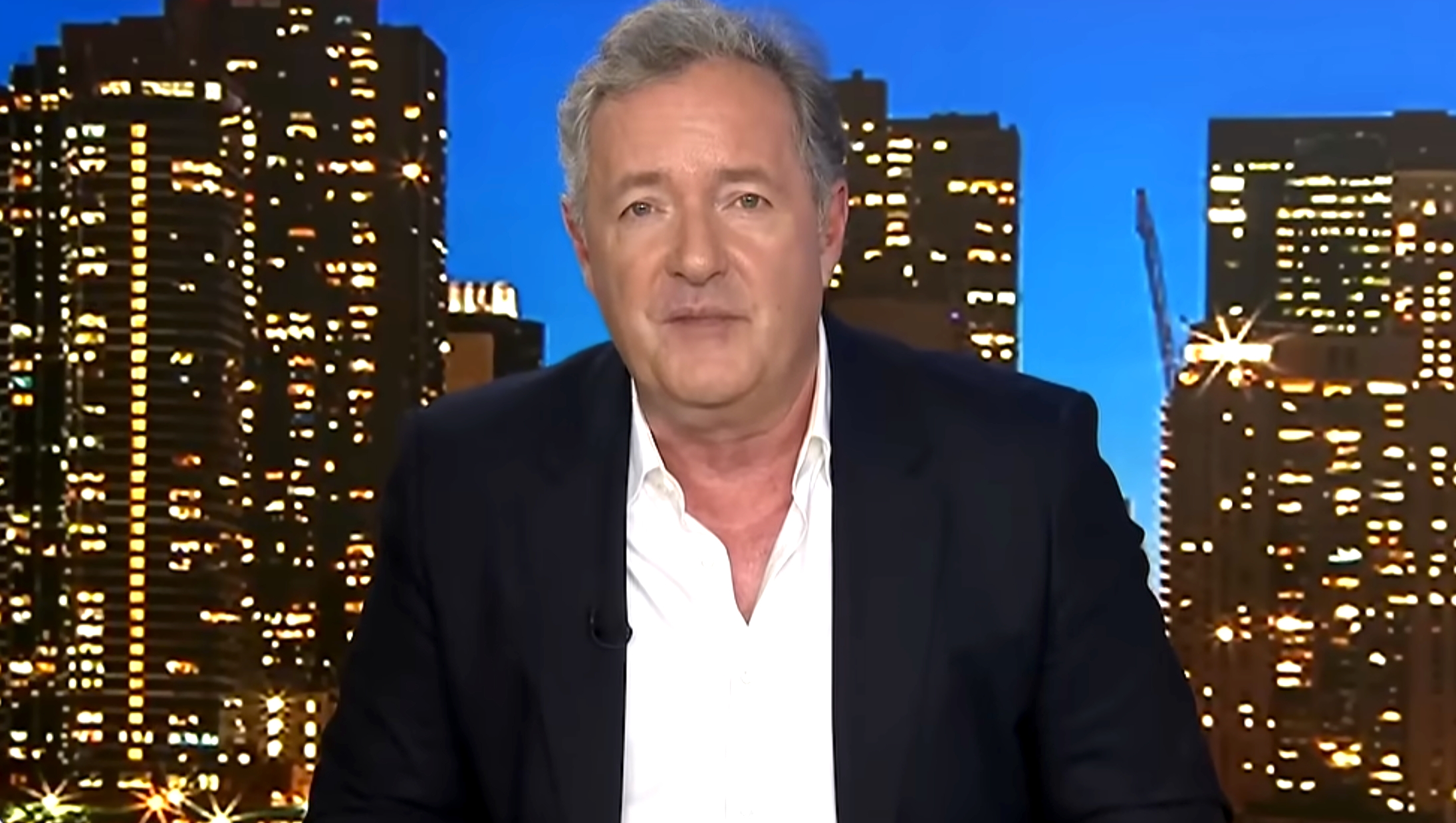
Piers Morgan closed a $27 million funding round for his independent media company, Uncensored, in June 2026. Media executive Liz Murdoch emerged as the primary institutional backer for the venture. The capital injection provides the financial infrastructure to transition Uncensored from a standalone digital broadcast into a diversified global media network. The funding represents a calculated bet on the future of news distribution.
In previous decades, television talent operated entirely within the boundaries of legacy networks. Broadcasters relied on corporate infrastructure for distribution, legal protection, and advertising sales. But the operational mechanics of the broadcasting industry have fractured. Audiences migrated to digital platforms. High-profile anchors began building direct relationships with their viewership.
The June 2026 raise formalized this shift. The $27 million allocation demonstrates that institutional investors now view independent, personality-driven broadcasting as a primary growth sector. The infrastructure of traditional television is being rebuilt outside of the legacy cable bundle.
The Mechanics of the $27 Million Raise
Twenty-seven million dollars provides operational runway. It funds physical infrastructure. Most importantly, it buys distribution independence. Independent broadcasters frequently encounter distribution ceilings when relying solely on third-party video platforms. This capital injection reconfigures the operational model for Uncensored.
The company will allocate a significant portion of the funds to physical expansion. Broadcasting at a global standard requires high-fidelity studios, satellite uplinks, and dedicated control rooms. Uncensored currently operates primarily out of London. The new capital allows for the construction of permanent broadcast hubs in New York and Dubai.
Capital at this scale also funds human resources. A daily global news and interview program requires dedicated investigative teams, field producers, and legal review boards. The $27 million raise provides the capacity to hire secondary on-air talent. Uncensored is building out a roster of contributors to fill programming hours beyond Morgan’s flagship daily broadcast.
Building Proprietary Infrastructure
The digital media landscape of 2026 is heavily reliant on algorithmic distribution. Platforms like YouTube and X dictate visibility. Uncensored will use the Murdoch-backed capital to build proprietary technology stacks.
- Direct-to-Consumer Applications: The company is developing standalone mobile and connected-TV applications to bypass traditional app store gatekeepers.
- First-Party Data Collection: Moving audiences from rented platforms to owned platforms allows for direct email communication and targeted subscription offers.
- Independent Hosting: Investing in private server infrastructure mitigates the risk of sudden deplatforming by major tech conglomerates.
This technological independence requires massive upfront capital. The $27 million raise covers these initial development costs.
Liz Murdoch and Institutional Validation
The involvement of Liz Murdoch provides a specific type of market validation. The Murdoch family name carries extensive weight in the global media sector. Her participation in the June 2026 funding round brings institutional credibility to the independent creator economy.
Liz Murdoch built her career operating at the intersection of traditional television and digital media. She founded Shine Group in 2001. She built it into a transatlantic television production powerhouse responsible for major unscripted formats. She sold Shine to 21st Century Fox in 2011 for roughly $673 million. In 2019, she co-founded Sister, a global entertainment company that backed critically acclaimed projects like the HBO miniseries Chernobyl.
Her investment strategies are highly calculated. By backing Uncensored, Murdoch is directing capital toward the untethered broadcaster model. Legacy cable networks face declining linear viewership and aging demographics. Institutional investors are seeking new avenues for media growth. Murdoch’s $27 million commitment signals that the financial sector views independent, direct-to-consumer broadcasting as a stable asset class.
The Evolution of Uncensored
The Uncensored brand originated from a highly publicized departure from legacy media. Piers Morgan left his co-hosting position on ITV’s Good Morning Britain in March 2021 following a dispute over editorial independence. He subsequently launched Piers Morgan Uncensored in April 2022.
The initial iteration of the show operated under a hybrid model. It was broadcast on linear television via TalkTV in the United Kingdom and Fox Nation in the United States. It simultaneously published content to YouTube.
In February 2024, Morgan made a definitive strategic pivot. He announced that Uncensored would cease daily linear television broadcasts on TalkTV. The program transitioned fully to a digital-first model, prioritizing YouTube as its primary distribution hub. Morgan cited the changing habits of global audiences. He noted that viewers no longer waited for a scheduled evening broadcast to consume news and debate.
The pivot was highly successful. The YouTube channel subscriber count surged. The digital-first approach allowed Uncensored to break news in real-time. It removed the constraints of commercial breaks. It allowed for interviews to breathe. By mid-2026, the channel had established itself as a dominant force in global digital broadcasting. The $27 million raise is the direct financial result of that successful 2024 pivot.
The Economics of Independent Broadcasting
Operating a daily global broadcast without a terrestrial network requires a diversified revenue model. The traditional television business relied on carriage fees paid by cable operators and large-scale block advertising. The independent model of 2026 operates differently.
Uncensored generates revenue through multiple distinct channels. Programmatic digital advertising provides a baseline income, driven by massive global video views. However, programmatic rates fluctuate based on algorithmic changes and platform policies.
Direct sponsorships form a more lucrative revenue stream. Brands seeking highly engaged audiences negotiate directly with the broadcaster. These integrations often feature host-read endorsements, which carry higher conversion rates than standard pre-roll advertisements.
The Subscription Engine
The core of the independent media business model is the premium subscription. Highly engaged viewers convert into paying subscribers to access exclusive content, ad-free viewing, and direct interaction with the broadcaster.
The $27 million capital raise allows Uncensored to build a robust paywall infrastructure. The company can produce premium documentary content, host live digital town halls, and offer extended interviews strictly for paying members. This recurring revenue stabilizes the business against fluctuations in the digital advertising market.
Global Reach and Legal Infrastructure
Operating a global news and debate platform carries significant hidden costs. Independent broadcasters do not have the inherent legal shields provided by legacy corporate networks. The $27 million funding round addresses these operational vulnerabilities.
Libel and defamation laws vary wildly across jurisdictions. The United Kingdom maintains strict libel laws that place the burden of proof on the publisher. The United States operates under the First Amendment, offering broader protections for the press. Because Uncensored distributes content globally, it requires a robust, international legal team to vet broadcasts and manage potential litigation. A portion of the new capital is earmarked for this legal infrastructure.
Cybersecurity represents another massive capital expenditure. High-profile independent media platforms are frequent targets for distributed denial-of-service attacks and targeted hacking campaigns. Protecting proprietary subscriber data and securing live broadcast feeds requires enterprise-grade digital security. The Murdoch-backed raise ensures Uncensored can deploy the same level of cybersecurity infrastructure utilized by legacy media conglomerates.
The Shift in Guest Booking Power
The true measure of a broadcasting platform’s influence is its ability to secure exclusive interviews. For decades, heads of state, global CEOs, and cultural figures defaulted to legacy networks for major announcements. Programs like 60 Minutes or the Today show held a monopoly on high-stakes access.
By 2026, that monopoly has been broken. High-profile guests increasingly prefer the independent digital format. The appeal is structural. A legacy network interview is often heavily edited, reducing a 45-minute conversation to a three-minute segment. The independent digital format publishes the entire unedited exchange.
“The future of broadcasting belongs to those who refuse to be silenced. The audience is no longer passively consuming; they are actively seeking out platforms that respect their intelligence and their right to debate.”
Uncensored leveraged this dynamic to secure massive interviews. The platform hosted sit-downs with sitting prime ministers, controversial public figures, and global business leaders. The unedited format provides guests with the assurance that their context will not be stripped away in the editing room.
The $27 million raise amplifies this booking power. Uncensored can now afford to fly dedicated production crews anywhere in the world at a moment’s notice. If a global news event occurs in the Middle East, Uncensored can deploy a team to secure the primary interview before legacy networks can mobilize their bureaucratic production structures. This agility makes the platform the first choice for figures looking to speak directly to a global audience.
The Competitive Landscape in 2026
Uncensored does not operate in a vacuum. The independent broadcasting sector has become highly competitive. Other prominent media figures have launched standalone digital ventures following departures from legacy networks.
Tucker Carlson launched the Tucker Carlson Network after his exit from Fox News. Megyn Kelly built a massive digital footprint with a daily SiriusXM and YouTube broadcast. Don Lemon and Chris Cuomo transitioned to independent digital models. The market is crowded with former terrestrial television anchors seeking digital market share.
The $27 million raise differentiates Uncensored from its competitors. Many independent broadcasters operate with lean, low-overhead structures, broadcasting from home studios with minimal staff. Uncensored is moving in the opposite direction. Morgan and Murdoch are building a heavy-infrastructure media company. They are betting that premium production values, global field reporting, and deep investigative resources will separate Uncensored from the broader creator economy.
They are not building a podcast. They are building a digital television network.
The media landscape fractured. The legacy networks contracted. The independent broadcasters scaled. Uncensored.