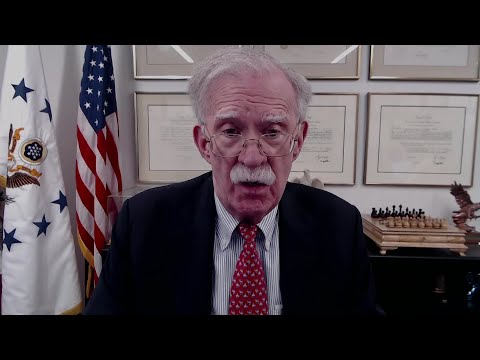

The United States recently finalized an agreement with Iran, a development that has immediately drawn significant criticism from several allies of former President Donald Trump, who contend the deal represents a strategic misstep and a potential threat to national security interests in the Middle East.
This agreement, announced quietly, has not seen its full text or specific concessions publicly detailed. This lack of transparency has fueled speculation and concern among those who historically advocate for a more stringent approach to Iranian foreign policy.
The reactions from Trump-aligned figures reflect a deep-seated apprehension about any perceived softening of the American stance towards Tehran. For years, the Trump administration pursued a policy of “maximum pressure,” withdrawing from the Joint Comprehensive Plan of Action (JCPOA) in May 2018 and imposing extensive sanctions.
The current administration, however, has indicated a desire for renewed diplomatic engagement, seeking to de-escalate tensions and potentially address Iran’s nuclear program and regional activities through negotiation rather than confrontation. This shift in strategy is at the heart of the current political contention.
The Historical Context of US-Iran Relations
Relations between the United States and Iran have been fraught for decades, particularly since the 1979 Iranian Revolution. This event transformed Iran from a key U.S. ally under the Shah into an Islamic Republic often at odds with Western interests.
Key flashpoints include the 1979-1981 Iran Hostage Crisis, Iran’s alleged sponsorship of terrorism, and its pursuit of nuclear technology. These events have shaped a narrative of distrust and animosity between the two nations.
The early 21st century saw renewed focus on Iran’s nuclear ambitions. International concerns mounted over Iran’s uranium enrichment program, leading to a series of United Nations Security Council resolutions imposing sanctions.
In 2015, the Obama administration, alongside the P5+1 nations (China, France, Germany, Russia, the United Kingdom, and the United States), negotiated the JCPOA. This landmark agreement aimed to limit Iran’s nuclear program in exchange for sanctions relief.
Trump Administration’s ‘Maximum Pressure’ Campaign
Upon taking office in January 2017, President Donald Trump expressed strong disapproval of the JCPOA, labeling it “the worst deal ever.” His administration argued that the agreement did not adequately address Iran’s ballistic missile program or its support for regional proxy groups.
On May 8, 2018, President Trump announced the United States’ withdrawal from the JCPOA. This decision marked a significant departure from international consensus and initiated a “maximum pressure” campaign designed to cripple Iran’s economy and force it to renegotiate a more comprehensive deal.
The campaign involved reimposing and escalating sanctions targeting Iran’s oil exports, banking sector, and other key industries. The stated goal was to cut off the Iranian regime’s funding for its nuclear program and destabilizing regional activities.
Supporters of the maximum pressure strategy, including figures like Mike Pompeo and John Bolton, contended that it successfully constrained Iran’s economy and limited its ability to project power. They argued that only sustained economic pressure would bring Iran to the negotiating table on U.S. terms.
The Current Administration’s Diplomatic Re-engagement
The current U.S. administration, which took office in January 2021, signaled an immediate intention to pursue a different path with Iran. This involved exploring avenues for diplomatic re-engagement, including a potential return to the JCPOA, albeit with modifications.
Officials have articulated a belief that diplomacy offers a more sustainable solution to the Iranian nuclear issue than sanctions alone. They emphasize the importance of international cooperation and multilateral frameworks in addressing complex geopolitical challenges.
The recent agreement with Iran is understood to be a product of these renewed diplomatic efforts. While specific details remain under wraps, it is widely believed to involve some form of sanctions relief for Iran in exchange for certain concessions related to its nuclear program or regional conduct.
This approach has been met with a mix of cautious optimism from some international allies and staunch opposition from within the U.S., particularly from those who supported the previous administration’s hardline stance.
Who Are Trump’s Allies Opposing the Deal?
The opposition to the new U.S.-Iran agreement largely emanates from a specific cohort of conservative politicians, former government officials, and foreign policy hawks closely associated with former President Donald Trump.
Key figures expressing strong disapproval include former Secretary of State Mike Pompeo, who was a principal architect of the maximum pressure campaign. Pompeo has consistently argued against any deal that does not fundamentally alter the Iranian regime’s behavior.
Other vocal critics include prominent Republican Senators such as Ted Cruz of Texas and Tom Cotton of Arkansas. These lawmakers have long maintained that Iran cannot be trusted and that any agreement providing economic relief will only strengthen the regime.
Think tanks and advocacy groups aligned with a hawkish foreign policy stance, such as the Foundation for Defense of Democracies (FDD), have also issued statements condemning the new agreement. They often publish analysis highlighting perceived dangers of engagement with Tehran.
Arguments Against the Agreement
The primary arguments put forth by Trump’s allies against the new Iran agreement center on several key concerns. One major point is the perceived lack of transparency, with critics demanding full disclosure of all terms and conditions.
Another significant concern is the potential for the agreement to provide economic relief to Iran, which opponents argue will be used to fund its nuclear program, ballistic missile development, and support for proxy militias in Yemen, Lebanon, and Iraq. They believe sanctions relief acts as an enabler for destabilizing activities.
Critics also contend that the deal undermines the leverage built up during the maximum pressure campaign. They argue that by re-engaging diplomatically and offering concessions, the U.S. is signaling weakness and removing incentives for Iran to genuinely alter its strategic objectives.
Furthermore, there are fears that the agreement does not adequately address Iran’s long-term nuclear ambitions. Opponents worry that it may simply delay rather than prevent Iran from eventually acquiring nuclear weapons capability, especially if sunset clauses are included.
Geopolitical Implications and Regional Stability
The geopolitical implications of this new U.S.-Iran agreement are significant and far-reaching. The Middle East is a region already characterized by complex alliances, proxy conflicts, and ongoing instability.
Nations like Israel and Saudi Arabia, traditional U.S. allies and regional rivals of Iran, have historically viewed any U.S. engagement with Iran with deep suspicion. They fear that a re-empowered Iran could further threaten their security interests.
Israel, in particular, has consistently voiced strong opposition to the JCPOA and any subsequent deals that do not completely dismantle Iran’s nuclear infrastructure. Israeli officials often highlight Iran’s rhetoric regarding Israel’s existence and its support for groups like Hezbollah.
Saudi Arabia and other Gulf states are concerned about Iran’s regional influence, especially its involvement in conflicts in Yemen and its support for Shiite militias. Any deal perceived to strengthen Iran could heighten tensions and potentially lead to an arms race in the region.
The agreement could also affect internal dynamics within Iran, potentially empowering reformist factions or consolidating the power of hardliners, depending on how the economic benefits are distributed and perceived by the Iranian populace.
Path Forward and Future Challenges
The immediate challenge for the current U.S. administration is to manage the domestic political backlash and articulate the strategic rationale for this new agreement. This involves convincing both allies and critics of its long-term benefits and safeguards.
Internationally, the U.S. will need to reassure its regional partners, particularly Israel and Saudi Arabia, that their security concerns are being addressed. Diplomatic efforts will likely intensify to mitigate any perceived negative impacts on regional stability.
The success of the agreement will ultimately depend on Iran’s adherence to its terms and the international community’s ability to verify compliance. Robust monitoring and verification mechanisms will be crucial for maintaining trust and preventing proliferation.
The debate surrounding this agreement underscores the enduring complexities of U.S. foreign policy toward Iran. It highlights the deep divisions within American politics regarding the most effective strategy for managing a challenging geopolitical adversary.
Negotiations concluded. Documents signed. Disagreement erupted. Senators spoke. Analysts debated. The future remained uncertain.
Tehran.