
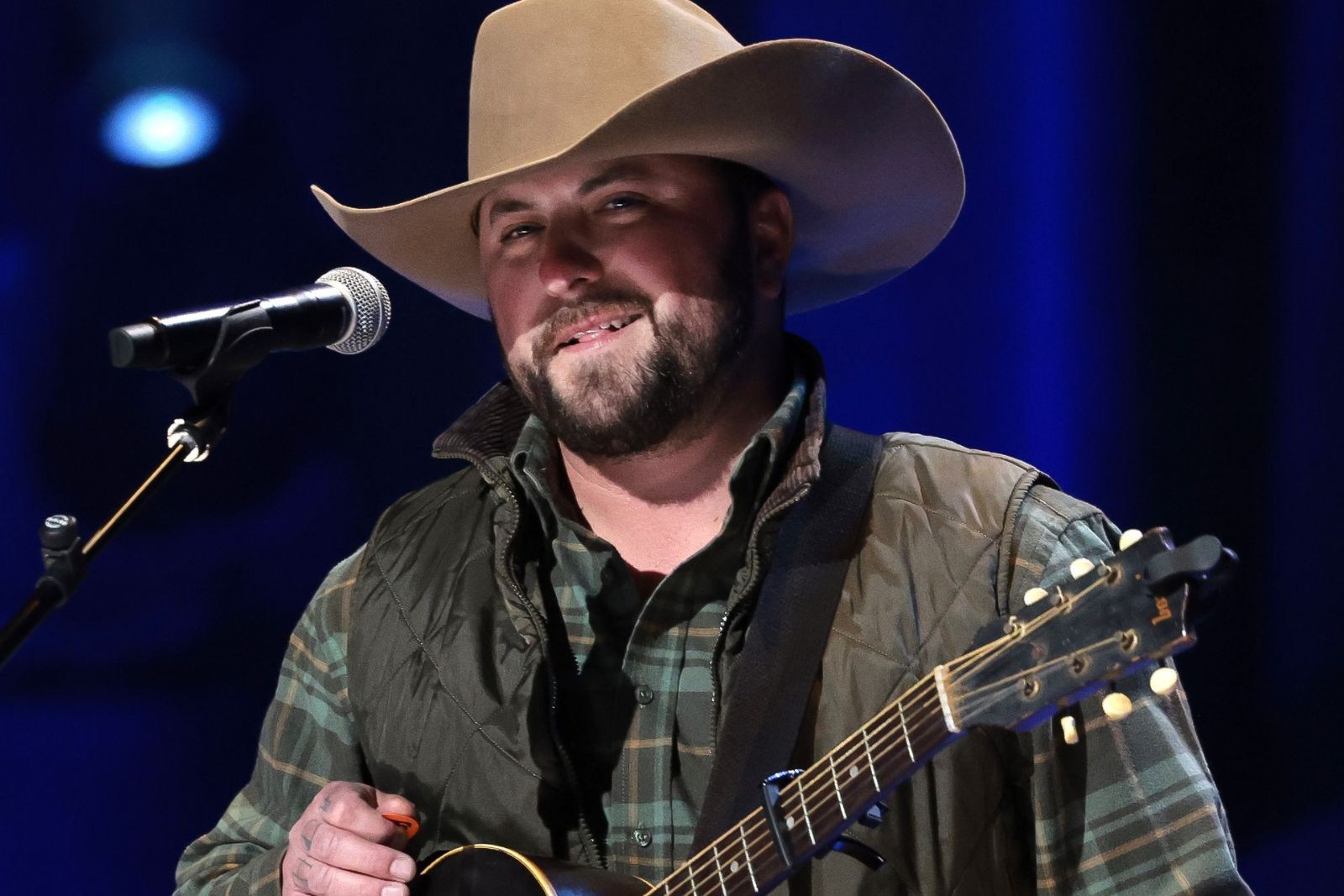
Platinum-selling country music artist Tyler Farr sustained a severe concussion in a vehicle crash, forcing the immediate cancellation of his upcoming live performances. The sudden impact abruptly halted his current touring schedule. Medical personnel intervened. Emergency protocols for head trauma were activated. The stage remains dark.
The incident transforms a highly scheduled touring musician into a medical patient overnight. A vehicle crash introduces immense kinetic energy to the human body. The sudden deceleration forces the brain against the interior of the skull. The resulting neurological disruption cannot be ignored, negotiated with, or pushed through. It demands total rest.
For an artist accustomed to the grueling pace of the road, the sudden stop is jarring. Tour managers scramble to reroute logistics. Booking agents pick up the phone to deliver bad news to venue operators. The music industry machinery grinds to a halt to accommodate the fragile reality of human biology.
The Medical Reality of a Severe Concussion
A severe concussion is clinically classified as a traumatic brain injury (TBI). It is not a minor inconvenience. It is a profound disruption of the central nervous system.
When the brain sustains this level of trauma, the recovery process is highly specific and deeply restrictive. Medical professionals mandate strict physical and cognitive rest. The brain requires immense amounts of energy to repair the microscopic cellular damage caused by the impact. Any external stimulus diverts that necessary energy.
This reality makes a concert environment the absolute worst possible place for a recovering patient. Live music venues are sensory minefields. The typical country music stage features line-array public address systems pushing sound levels well over 100 decibels. Drum risers vibrate the floorboards. Subwoofers compress the air. LED lighting rigs strobe with blinding intensity.
A patient with a severe concussion frequently suffers from phonophobia (extreme sensitivity to sound) and photophobia (extreme sensitivity to light). Exposing a traumatized brain to the sensory assault of a live concert can trigger severe migraines, acute vertigo, nausea, and prolonged cognitive delays. Returning to the stage before achieving full medical clearance risks secondary impact syndrome and permanent neurological damage.
The only cure is time. The only treatment is silence.
The Economic Cascade of a Dark Stage
When a headlining artist goes down, an entire micro-economy freezes. A modern country music tour is a massive logistical enterprise. It is a traveling corporation.
The artist is merely the tip of the spear. Behind them stands a vast ecosystem of working professionals. The road band. The audio engineers mixing front-of-house and monitors. The lighting directors operating the visual rigs. The guitar technicians restringing acoustic and electric instruments. The merchandise managers tracking inventory. The commercial drivers navigating the tour buses and equipment semi-trucks down the interstate.
A single canceled show disrupts the income stream for dozens of families. Daily per diems are lost. Show pay vanishes. The financial footprint of a missed weekend on the road easily runs into the tens of thousands of dollars.
The impact extends to the local level. Independent venue owners and corporate promoters like Live Nation and AEG Presents face sudden logistical nightmares. Bartenders lose shift tips. Security personnel lose hourly wages. Local stagehands, the union crews who load the gear in and out of the venue, lose their day rates.
Ticketing agencies must immediately initiate refund protocols. Ticketmaster, AXS, and independent box offices process thousands of reverse transactions. Fans who booked non-refundable hotel rooms or arranged travel plans are left bearing the collateral damage of the crash. The cancellation ripples outward from the point of impact, affecting thousands of bank accounts.
A History of Medical Resilience
Tyler Farr is no stranger to the intersection of medical crisis and career disruption. He has navigated the silence before.
In 2016, Farr faced a catastrophic threat to his livelihood. A polyp developed on his vocal cords, a common but dangerous occupational hazard for touring singers who push their voices to the limit night after night. The condition required micro-laryngoscopy surgery to remove the lesion.
The surgery forced Farr to cancel his highly anticipated slot on Lee Brice’s “Life Off My Years” tour. He was placed on strict, absolute vocal rest. For months, the man who built his career on a gritty, powerhouse vocal delivery was not allowed to speak a single word. He communicated via whiteboards and text messages. He underwent rigorous vocal therapy at the Vanderbilt Voice Center in Nashville.
He recovered. He rehabilitated his instrument. He returned to the studio and the stage. The country music industry watched him rebuild his stamina and reclaim his place on the charts.
That history of resilience provides a critical context for this current crisis. Farr understands the discipline required to heal. He understands the frustration of the sidelined athlete. He has demonstrated the psychological fortitude necessary to endure a prolonged medical absence and return to form.
The Inherent Dangers of the Asphalt
The vehicle crash highlights the foundational risk of the music business. The industry is built on asphalt. Touring musicians live their lives in motion.
From the moment an artist signs a record deal, their primary habitat becomes the highway. They travel in custom Prevost tour buses, customized Mercedes Sprinter vans, and rental SUVs. They log hundreds of thousands of miles a year. They traverse the country in the dead of night, moving from a Friday show in Ohio to a Saturday show in Pennsylvania, fighting fatigue, weather, and traffic.
The highway is an unpredictable variable. No amount of success, chart position, or record sales can mitigate the raw physics of a motor vehicle collision. The road claims its toll without prejudice.
Farr, known for platinum-certified hits like “Redneck Crazy” and “A Guy Walks Into a Bar,” built his brand on a rugged, everyman persona. His music frequently references the rural landscapes, the dirt roads, and the pickup trucks that define the genre. But the reality of highway travel is far less romantic than the lyrics suggest. It is an industrial hazard.
The Infrastructure of Support
Behind the scenes, the Nashville infrastructure mobilizes to protect its investment and support its artist. Farr’s management team fields the incoming calls. His record label partners monitor the situation.
Farr has deep ties within the music row establishment. He is aligned with Jason Aldean’s Night Train Records imprint, operating in partnership with BBR Music Group and BMG. This corporate backing provides a safety net that independent artists often lack when tragedy strikes. The label handles the public relations messaging. The management team handles the insurance claims.
The country music community is notoriously tight-knit. When an artist is injured, the network of fellow musicians, songwriters, and producers rallies. Social media fills with messages of support from peers who understand the vulnerability of the touring life. They know that any one of them could be in the passenger seat during the next late-night drive.
The Road Ahead
For now, the focus shifts entirely from commerce to biology. The setlists are irrelevant. The ticket sales do not matter. The only metric of success is the gradual reduction of neurological symptoms.
The timeline for recovery from a severe concussion is notoriously unpredictable. Some patients clear their symptoms in weeks. Others battle post-concussion syndrome for months, struggling with lingering brain fog, chronic headaches, and sensory overload. Medical clearance cannot be rushed.
Farr will undergo repeated neurological assessments. Doctors will monitor his cognitive function, his balance, and his reaction times. Only when the brain has fully healed will the conversation return to routing, rehearsals, and tour buses.
The guitars remain secured in their flight cases. The soundboards are powered down. The artist rests. Silence.