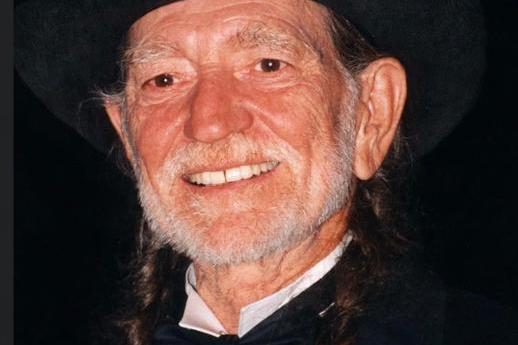
Willie Nelson, born on April 29, 1933, remains a vital force in American music. His career, active since 1956, exemplifies a continuous process of artistic and professional reinvention. This ongoing evolution has allowed Nelson to remain relevant across multiple generations of listeners and industry shifts.
Music journalist and radio host Eric Alper frequently highlights Nelson’s career as a masterclass in adaptation. Alper, who runs his own music PR company, “That Eric Alper,” since 2016, often discusses the strategies artists employ to sustain long-term success on his SiriusXM show, “That Eric Alper’s Show.”
The Early Years and Nashville‘s Mold
Nelson’s initial foray into the music industry saw him as a prolific songwriter. He penned hits for other artists, including “Crazy” for Patsy Cline and “Hello Walls” for Faron Young. Despite his songwriting success, Nelson struggled to establish himself as a recording artist in Nashville’s traditional country music scene.
The prevailing sound of the 1960s Nashville often clashed with Nelson’s unique vocal style and musical preferences. His early recordings did not always capture the raw, distinctive quality that would later define his sound. This period of his career was marked by a tension between artistic vision and commercial expectations.
Embracing the Outlaw Movement
A significant turning point came with the rise of the outlaw country movement in the 1970s. Nelson, alongside artists like Waylon Jennings, rejected the polished Nashville sound. They sought greater creative control over their music, image, and business affairs.
This shift allowed Nelson to record music on his own terms, leading to critically acclaimed and commercially successful albums such as Red Headed Stranger (1975) and Wanted! The Outlaws (1976). These works showcased his distinctive voice, lyrical depth, and blend of country, folk, and blues influences. The outlaw movement was not just a musical genre; it was a statement of artistic independence.
Diversification and Cross-Genre Appeal
Nelson’s reinvention extended beyond country music. He explored various genres, collaborating with artists from different musical backgrounds. These collaborations expanded his audience and solidified his status as a versatile artist.
His acting career also contributed to his broader appeal. Nelson appeared in films such as Honeysuckle Rose (1980) and Red Headed Stranger (1986), further cementing his cultural icon status. These ventures demonstrated a willingness to explore new avenues and connect with audiences beyond traditional music channels.
Activism and Enduring Relevance
Beyond his artistic endeavors, Nelson became a prominent activist. His involvement in Farm Aid, co-founded in 1985, highlighted his commitment to supporting American family farmers. This activism resonated with many, adding another dimension to his public persona.
Related: The Enduring Echo: 1969 Country Ballads That Defined a Generation
Even at 93, Nelson continues to record and tour. His recent albums demonstrate a sustained creative output and an unwavering dedication to his craft. This longevity is a testament to his ability to adapt, innovate, and remain true to his artistic core, inspiring both established and emerging artists.
“Willie Nelson’s career is a masterclass in staying true to your art while continuously finding new ways to present it to the world.” – Eric Alper
His influence spans generations, with contemporary artists frequently citing him as an inspiration. Nelson’s journey illustrates that reinvention is not about abandoning one’s identity but about evolving it in response to changing times and personal growth. His career serves as a blueprint for sustained success in a dynamic industry.
Songwriter. Outlaw. Actor. Activist. Icon.
Willie.
Sources
Sponsored · Put your business in front of ByteSize Network's readers, with every click measured. See advertising packages · Advertise on ByteSize Network