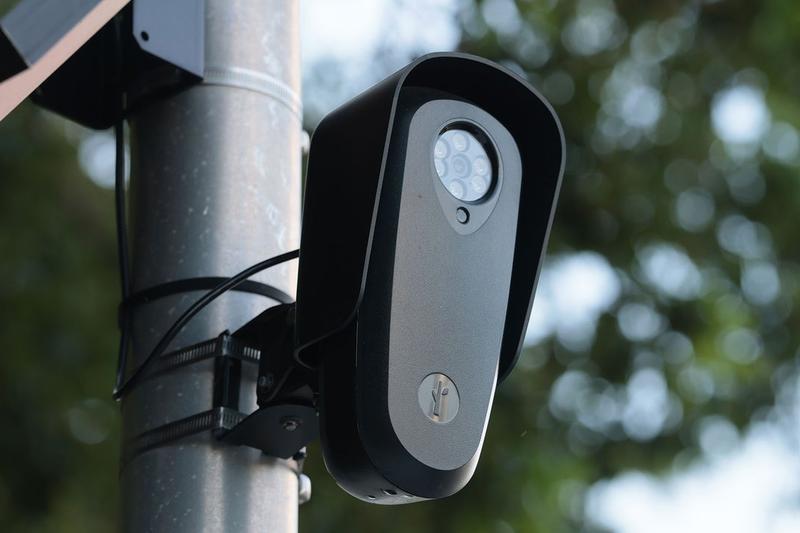
Eleven mysterious cameras continue to monitor Florida drivers without any publicly identified owner. These devices were discovered in St. Lucie County, adding a new layer to ongoing debates about surveillance and privacy on the state’s roadways.
The discovery follows a directive from the Florida Department of Transportation (FDOT) to remove all automated license plate readers (ALPRs) from state highway rights-of-way. This order, issued in late August 2026, mandated the removal of devices like Flock cameras by September 30, 2026.
FDOT‘s Statewide Crackdown on ALPRs
Florida Governor Ron DeSantis has voiced concerns regarding an “AI surveillance state.” These concerns underpin the state’s recent actions against automated tracking technologies. The FDOT’s memo specifically cited issues of misuse, data privacy, and the overall quality of life for Floridians as reasons for revoking all previous ALPR approvals.
Law enforcement agencies across Florida have been working to comply with the FDOT order. Some agencies have opted to cover their cameras, while others have proceeded with full removal. The directive aimed to curb the proliferation of surveillance technology on public infrastructure.
The St. Lucie County Anomaly
St. Lucie County officials encountered a unique challenge during their compliance efforts. While preparing to remove 52 authorized cameras, they discovered an additional 14 unpermitted Flock cameras. This unexpected finding highlighted a gap in oversight regarding surveillance technology deployment.
The St. Lucie County Sheriff’s Office claimed ownership of three of these unpermitted devices. This left 11 cameras with no clear affiliation or responsible party. Officials have since placed removal notices on these unclaimed cameras, setting deadlines between October 16 and October 20, 2026. In the interim, the cameras are being covered with plastic bags.
Unanswered Questions and Privacy Implications
The presence of unidentified cameras raises significant questions about data collection. Who owns these devices? What data are they collecting? Where is this data stored, and how is it being used? These inquiries underscore the broader privacy concerns that prompted the FDOT’s initial directive.
Instances of ALPR data misuse by law enforcement officers have been documented in Florida. Such incidents fuel public skepticism and reinforce the need for stringent regulations. The lack of transparency surrounding the 11 mysterious cameras further exacerbates these anxieties, suggesting a potential for unauthorized surveillance.
Related: Pope Leo XIV Declares AI Lacks a Soul, Clashing with Anthropic’s View
The Future of Roadside Surveillance in Florida
Florida’s stance on roadside surveillance reflects a growing national debate. The balance between public safety and individual privacy remains a contentious issue. The FDOT’s decisive action to remove ALPRs signals a shift towards prioritizing citizen privacy over widespread automated monitoring.
The ongoing situation in St. Lucie County serves as a stark reminder of the complexities involved. As technology advances, so too does the potential for its deployment in ways that challenge existing regulatory frameworks. The state continues to navigate these challenges, aiming to establish clear guidelines for the use of surveillance technologies on its public roads.
The Unseen Watchers
Cameras appeared. Questions arose. Officials investigated. Ownership remained unknown. Florida grappled with the implications. Privacy concerns escalated. The state acted. St. Lucie County discovered more. The mystery deepened. Floridians watched. The cameras watched back.
Uncertainty.
Sources
Sponsored · Want AI without handing over client files? Oriam AI installs private, on-premise AI for CPA firms, law firms, and insurance and title agencies. oriamai.online · Advertise on ByteSize Network