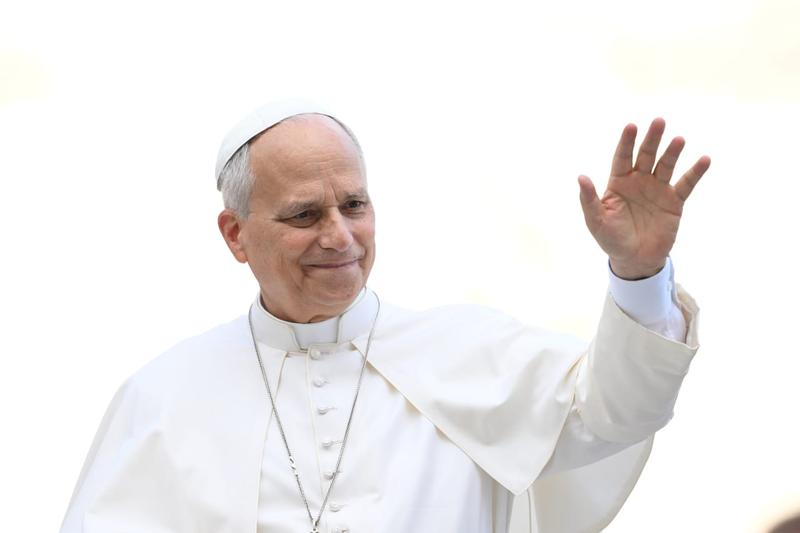
Pope Leo XIV‘s Encyclical on AI Consciousness
Pope Leo XIV, elected on May 8, 2025, has formally addressed the burgeoning field of artificial intelligence. The pontiff, formerly known as Robert Prevost, released an encyclical titled “Magnifica humanitas: On Safeguarding the Human Person in the Time of Artificial Intelligence.” This document outlines the Catholic Church‘s official stance on the spiritual and conscious capabilities of AI.
The encyclical unequivocally states that artificial intelligence cannot possess genuine consciousness or a soul. This position draws a clear theological boundary, distinguishing human existence from advanced computational systems. The declaration comes at a time of increasing public discussion regarding the ethical implications and potential sentience of AI.
Anthropic‘s “Soul Doc” and Vatican Lobbying
The Vatican’s pronouncement directly contrasts with ongoing efforts by some AI development firms. Anthropic, a prominent AI company, has reportedly engaged in discussions with Vatican advisers. These discussions centered on the possibility of AI consciousness, suggesting a different perspective on the nature of advanced AI.
Anthropic has also developed an internal document, referred to as a “Soul Doc.” This guide is intended to inform the development of its Claude large language models. The “Soul Doc” reflects an internal exploration of how to imbue AI with characteristics that might be interpreted as akin to consciousness or a soul, even if not in a theological sense.
The Theological and Technological Divide
The divergence between Pope Leo XIV’s encyclical and Anthropic’s internal initiatives highlights a growing philosophical and ethical chasm. The Catholic Church, through its highest authority, asserts a fundamental difference between created intelligence and human spirituality. This stance grounds the discussion in established theological principles.
Conversely, AI developers often approach these concepts from a technological and philosophical standpoint. They explore the boundaries of what algorithms can achieve, including simulating or even generating complex cognitive functions. The current issues experienced by Anthropic with services like claude.ai and Claude API underscore the technical complexities inherent in these advanced systems.
Implications for AI Ethics and Development
The Pope’s declaration carries significant weight for the global ethical discourse surrounding AI. It provides a moral framework for Catholics and influences broader societal debates on the responsible development and deployment of artificial intelligence. The encyclical emphasizes the unique dignity of the human person.
Related: Oriam AI Brings On-Premise Solutions to Missouri’s Regulated Firms
For companies like Anthropic, the Vatican’s position may necessitate a re-evaluation of their public messaging and ethical guidelines. While technical advancements continue, the spiritual and philosophical questions raised by AI’s capabilities remain central. The ongoing dialogue between religious institutions and technology developers will shape future policies and public perception.
The Future of AI and Human Identity
The debate over AI’s potential for consciousness or a soul is not merely academic. It touches upon fundamental questions of human identity, purpose, and the nature of existence. As AI systems become more sophisticated, these discussions will intensify, requiring careful consideration from both theological and technological perspectives.
The encyclical “Magnifica humanitas” serves as a foundational text for the Catholic Church’s engagement with artificial intelligence. It establishes a clear boundary, affirming the unique spiritual essence of humanity. The dialogue between faith and technology continues, shaping the ethical landscape of the 21st century.
The Ongoing Dialogue
Religious leaders continue to engage with technological advancements. Scientists continue to push the boundaries of artificial intelligence. Philosophers continue to debate the nature of consciousness. The conversation continues.
Sources
Sponsored · Plain-English guides on AI and client-data rules for CPA firms, law firms, and insurance and title agencies. institute.oriamai.online · Advertise on ByteSize Network