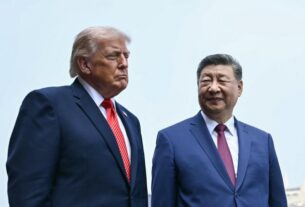

United States President Donald Trump rejected a truce offer from Iran in September 2026. This rejection occurred during a period of escalating geopolitical tensions. President Trump indicated a preference for a “better deal” with Iran, rather than accepting the proposed truce.
The decision aligns with President Trump’s long-standing foreign policy approach, often characterized as “America First.” This doctrine prioritizes perceived American interests and frequently involves a re-evaluation of existing international agreements and relationships. His administration has consistently sought to renegotiate or withdraw from pacts deemed unfavorable to the United States.
The “America First” Doctrine and Iran
Donald Trump, serving as the 47th President of the United States since January 20, 2025, has maintained a consistent foreign policy stance. This approach emphasizes reducing U.S. trade deficits and rebalancing burden-sharing within alliances. His tenure, both as the 45th and 47th President, has been marked by a departure from traditional multilateralism.
The “America First” philosophy has led to a re-evaluation of the post-1945 rules-based liberal international order. Critics and proponents alike note its impact on global diplomatic norms. The rejection of Iran’s truce offer is consistent with this broader strategic framework.
Warnings and Diplomatic Stances
In September 2026, President Trump delivered a speech at the United Nations. During this address, he defended the ongoing “war with Iran.” He issued a stark warning to Iran’s leadership, suggesting that a comprehensive deal could emerge after the upcoming midterm elections. The alternative, he stated, was the potential “annihilation of the Islamic Republic.”
This rhetoric reflects a confrontational posture that has defined much of the Trump administration’s engagement with Iran. The United States has maintained significant economic sanctions against Iran. These measures aim to pressure the Iranian government into altering its nuclear program and regional activities.
Regional Dynamics and Israeli Relations
President Trump’s foreign policy has also included a strong pro-Israel stance. His administration has increased support for Israel, particularly in the context of the Gaza conflict. This alignment influences the broader Middle East strategy, including decisions regarding Iran.
The rejection of a truce offer from Iran is viewed through the lens of regional stability. The United States and its allies in the region, including Israel, perceive Iran’s actions as destabilizing. These actions include its nuclear ambitions, ballistic missile program, and support for various proxy groups.
The Pursuit of a “Better Deal”
The concept of a “better deal” has been central to President Trump’s diplomatic efforts. This was evident in his withdrawal from the Joint Comprehensive Plan of Action (JCPOA), commonly known as the Iran nuclear deal, in 2018. He argued that the JCPOA did not adequately address Iran’s nuclear capabilities or its broader regional influence. The Council on Foreign Relations provides extensive background on the JCPOA.
The current rejection of a truce offer signals a continued commitment to negotiating a new agreement. This new agreement would presumably impose stricter limitations on Iran. It would also likely address issues beyond nuclear proliferation, such as regional security and human rights.
Related: Nicki Minaj Urges Young Fans to ‘Vote Red’ in 2026 Midterm Elections
International Reactions and Future Prospects
International reactions to President Trump’s stance on Iran have varied. Some nations express concern over the escalating tensions. Others support a more assertive approach to Iranian foreign policy. The European Union, for instance, has often sought to preserve the JCPOA and de-escalate tensions through diplomatic means.
The path forward remains uncertain. The U.S. midterm elections, mentioned by President Trump, could influence the political landscape. The outcome of these elections may impact the administration’s leverage and approach to future negotiations with Iran. Al Jazeera reported on the rejection of the truce offer.
A Persistent Stance
The rejection of Iran’s truce offer underscores a persistent and consistent foreign policy. It reflects a desire for a more comprehensive and stringent agreement. The administration’s rhetoric indicates a willingness to maintain pressure until such a deal is achieved.
Diplomatic channels remain open, but under specific conditions. The United States seeks a resolution that aligns with its strategic objectives. The international community watches for further developments.
Leaders gathered. Diplomats gathered. Nations watched.
Tensions.
Sources
Sponsored · Put your business in front of ByteSize Network's readers, with every click measured. See advertising packages · Advertise on ByteSize Network