
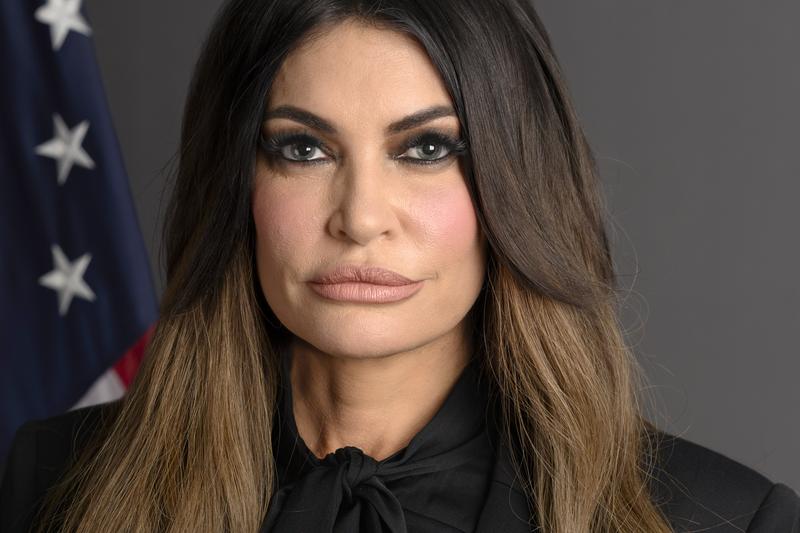
United States Ambassador to Greece Kimberly Guilfoyle faces scrutiny regarding her association with Christos Marafatsos, a paid lobbyist for the Greek construction firm Aktor. Marafatsos has reportedly attended official diplomatic meetings alongside Ambassador Guilfoyle, leading some foreign officials to mistake him for her chief of staff. This arrangement has raised questions concerning potential conflicts of interest and the transparency of diplomatic operations.
The Wall Street Journal published an investigation on September 26, 2026, detailing Guilfoyle’s promotion of Aktor Group for energy deals. Marafatsos, a lobbyist for Aktor, was present at these meetings without disclosing his professional ties to the company. This lack of disclosure has fueled public and diplomatic concern.
The Ambassador’s Appointment and Role
Kimberly Guilfoyle assumed the role of United States Ambassador to Greece on November 1, 2025. Her nomination by then-President-elect Donald Trump occurred on December 10, 2024. The U.S. Senate confirmed her appointment on September 18, 2025.
Ambassadors represent the U.S. government’s interests in foreign nations. Their duties include fostering diplomatic relations, promoting American policy, and protecting U.S. citizens abroad. The integrity of these roles relies heavily on transparency and adherence to ethical guidelines.
Christos Marafatsos: The Lobbyist in Question
Christos Marafatsos is identified as a paid lobbyist for Aktor, a prominent Greek construction firm. His presence at official meetings involving Ambassador Guilfoyle has drawn significant attention. Reports indicate that Marafatsos’s role was not always clear to other attendees.
Lobbyists advocate for specific interests, often seeking to influence policy or secure business opportunities for their clients. The undisclosed presence of a paid lobbyist at diplomatic functions can blur the lines between official government business and private commercial interests.
Allegations of Undisclosed Influence
The Wall Street Journal investigation specifically highlighted Ambassador Guilfoyle’s efforts to promote Aktor Group for various energy deals within Greece. Marafatsos’s consistent presence at these discussions, without public acknowledgment of his lobbying role for Aktor, forms the core of the controversy. This situation suggests a potential for undue influence or a conflict of interest, where private commercial agendas might intersect with official diplomatic duties.
Diplomatic protocols typically require clear distinctions between government representatives and private sector advocates. The absence of such clarity can undermine public trust and raise ethical concerns about the conduct of foreign policy. The U.S. State Department has not yet issued a formal statement regarding these specific allegations.
Broader Implications for Diplomacy
The controversy surrounding Ambassador Guilfoyle and Marafatsos extends beyond individual conduct. It touches upon the broader principles of transparency and accountability in international diplomacy. When diplomatic representatives appear to favor specific commercial entities, it can create perceptions of unfair advantage or even corruption.
Such incidents can complicate bilateral relations and potentially disadvantage other American or international businesses seeking opportunities in the region. Maintaining strict ethical standards is crucial for the credibility and effectiveness of diplomatic missions worldwide. The full extent of the impact on U.S.-Greece relations remains to be seen.
Public and Political Reaction
The revelations have generated discussion within political circles and among the public. Concerns have been voiced regarding the ethical implications of a U.S. Ambassador promoting a specific foreign company while a lobbyist for that company is present at official meetings without proper disclosure. These discussions often center on the need for greater oversight and stricter enforcement of ethical guidelines for diplomatic personnel.
The incident underscores the ongoing debate about the intersection of business, politics, and diplomacy. It highlights the challenges in ensuring that diplomatic efforts serve national interests without being compromised by private commercial agendas. Further investigations or official responses may clarify the situation and its potential consequences.
The Path Forward
The U.S. State Department may initiate an internal review to assess the allegations and determine if any protocols were violated. Such reviews typically examine the conduct of diplomatic personnel and the adherence to ethical standards. The outcome of any potential investigation could lead to policy adjustments or disciplinary actions, depending on the findings.
For Ambassador Guilfoyle, addressing these concerns transparently will be critical. Public confidence in diplomatic missions relies on a clear demonstration of ethical conduct and a commitment to national interests above all else. The situation serves as a reminder of the constant scrutiny faced by public officials in high-profile roles.
Officials gathered. Diplomats gathered. Lobbyists gathered. Athens.
Sources
Sponsored · Put your business in front of ByteSize Network's readers, with every click measured. See advertising packages · Advertise on ByteSize Network