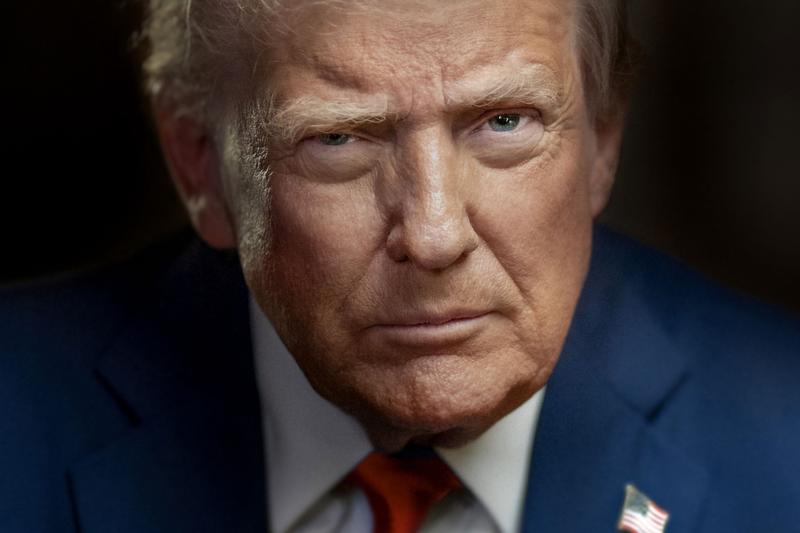
President Donald Trump announced on October 15, 2026, that the Pentagon will no longer livestream the scheduled execution of Fort Hood shooter Nidal Malik Hasan. The decision halts an unprecedented plan to broadcast a federal execution to the public, shifting the proceeding back to traditional closed-door protocols. The development follows weeks of intense legal and cultural debate surrounding the transparency and spectacle of capital punishment in modern America.
Nidal Malik Hasan, a former U.S. Army major and psychiatrist, was convicted in 2013 for the November 5, 2009 mass shooting at Fort Hood in Texas, which left 13 people dead and more than 30 injured. His case remained tied up in military appeals for over a decade before federal authorities scheduled his execution by firing squad for December 3, 2026. Initially, administration officials floated the idea of utilizing digital infrastructure to stream the event, sparking fierce debates across civil liberties groups, legal scholars, and technology platforms like The Verge regarding the ethics of broadcasting state-sanctioned deaths.
The Logistics of Modern Military Executions
The transition from lethal injection to a firing squad represents a significant shift in federal execution methods. Military protocols under the Uniform Code of Military Justice allow for alternative execution methods under specific legal frameworks. The Pentagon had spent weeks evaluating the technical feasibility of beaming the feed across government and commercial media channels. Cybersecurity experts and content moderation teams expressed alarm over how major platforms would handle the raw footage.
Hosting a live feed of an execution would have placed unprecedented pressure on internet infrastructure and content delivery networks. Public policy analysts pointed out that streaming such an event crosses a historic Rubicon in digital media consumption. According to a Pew Research Center report on digital ethics, public appetite for violent state media rarely aligns with modern broadcasting safety standards. The logistical hurdles of managing bandwidth, age-gating, and global accessibility ultimately forced a reevaluation within the West Wing.
Shifting Political and Legal Pressures
The reversal also reflects delicate political calculations involving Secretary of Defense Pete Hegseth and Department of Justice officials. While the Trump administration initially championed radical transparency as a core tenet of retributive justice, cabinet advisors weighed the diplomatic and domestic fallout of turning a federal execution into a global spectator sport. Human rights organizations and legal defense funds had already prepared emergency injunctions to challenge the broadcast on constitutional and Eighth Amendment grounds.
Related: Cerebras CEO Pushes Back on AI Doomsday Warnings
Legal scholars noted that while public executions have historical precedent in early American jurisprudence, the digital age introduces unique constitutional questions regarding cruel and unusual punishment and the commercialization of state violence. Federal courts would have likely grappled with whether a government-run livestream infringes upon established media norms or creates an unregulated public safety hazard. By keeping the December 3 execution closed to media cameras, the administration avoids a prolonged constitutional showdown in the federal judiciary while still fulfilling the core sentence.
Looking Ahead to December 3
The December 3, 2026 execution date for Nidal Malik Hasan remains firmly in place at the designated military facility. Witnesses from the media, victims’ families, and legal representatives will attend in person, adhering to standard military execution protocols rather than digital distribution. The decision closes the chapter on what would have been the most widely broadcasted execution in modern history.
As federal agencies finalize security preparations, the broader question of how technology intersects with criminal justice remains unresolved. Digital platforms continue to adapt to shifting political mandates and executive orders. State executions. Firing squads. Federal directives. Transparency. Silence.
Sources
Sponsored · Plain-English guides on AI and client-data rules for CPA firms, law firms, and insurance and title agencies. institute.oriamai.online · Advertise on ByteSize Network