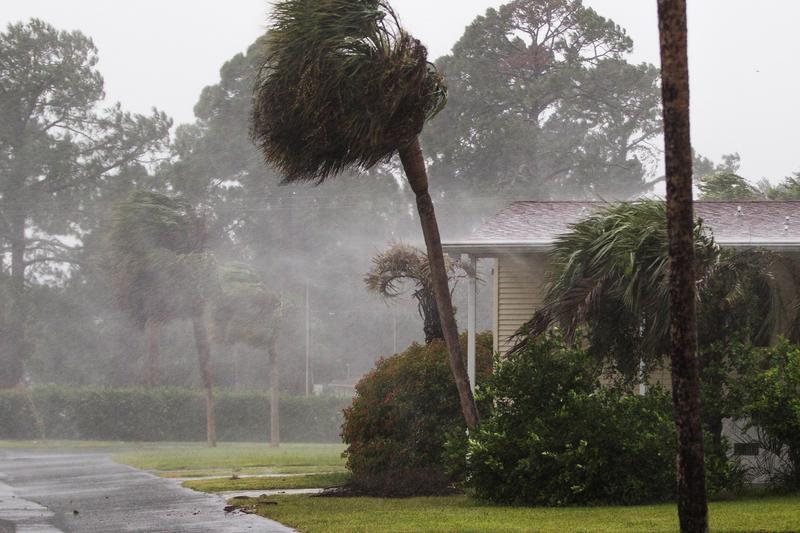
Tropical Storm Isaias formed on July 30, 2020, in the Gulf of Mexico, prompting Florida Governor Ron DeSantis to declare a state of emergency for 25 counties in the Panhandle and Big Bend regions. The storm is expected to strengthen into a hurricane by July 31, 2020, and is forecast to be the ninth named storm and second hurricane of the 2020 Atlantic hurricane season. Isaias is currently located approximately 285 miles west of Progreso, Mexico, with maximum sustained winds of 40 mph.
Official Statements and Verified Reaction
Governor DeSantis’s executive order, issued in 2020, covers counties from Escambia to Levy, mobilizing resources and personnel to prepare for the storm’s potential impact. The declaration allows for the activation of the Florida National Guard and provides state assistance to local governments. “Residents along the northern Gulf Coast, from Louisiana to the Florida Panhandle, are urged to monitor forecasts and prepare for potential impacts including dangerous wind, storm surge, and heavy rain,” stated a spokesperson for the Florida Division of Emergency Management. The National Hurricane Center (NHC) has advised that Isaias is projected to make landfall on the U.S. Gulf Coast late Friday, July 31, or early Saturday, August 1, 2020 (for initial landfall in Bahamas) or August 3, 2020 (for US landfall), somewhere between eastern Louisiana and the western Florida Panhandle, as reported by realtor.com® news.
Auto-Enriched Background Context
Tropical storms and hurricanes are a recurring threat to the U.S. Gulf Coast, necessitating robust emergency preparedness protocols. The Atlantic hurricane season officially runs from June 1 to November 30 each year. The formation of Isaias marks the beginning of significant storm activity for the 2020 season. Historically, storms making landfall in the Gulf of Mexico have caused extensive damage, leading to significant economic losses and displacement of residents. For example, previous storms have highlighted the importance of early evacuation orders and resilient infrastructure. The declaration of a state of emergency by Governor DeSantis is a standard procedure that enables state and local agencies to coordinate efforts, deploy resources, and expedite aid to affected areas. This proactive measure is crucial for protecting lives and property, especially in coastal communities vulnerable to storm surge and flooding.
Homeowners in the projected path of Tropical Storm Isaias are advised to secure their properties, review insurance policiesand prepare emergency kits. These kits typically include non-perishable food, water, medications, and important documents. The U.S. National Weather Service provides real-time updates and safety guidelines for residents in affected regions. The economic impact of hurricanes on real estate markets can be substantial, with property values often fluctuating in the aftermath of severe weather events. Recovery efforts can take months or even years, emphasizing the need for comprehensive disaster planning. The ByteSize Network has previously covered the broader implications of AI in decision-makingwhich includes its growing role in predictive weather modeling and disaster response logistics, though human oversight remains critical, as discussed in Stop letting AI make your marketing decisions by Brick Marketing.
The 25 counties under the state of emergency include Bay, Calhoun, Citrus, Dixie, Escambia, Franklin, Gadsden, Gulf, Hernando, Holmes, Jackson, Jefferson, Lafayette, Leon, Levy, Liberty, Manatee, Okaloosa, Pasco, Santa Rosa, Sarasota, Taylor, Wakulla, Walton, and Washington. These regions are accustomed to hurricane threats, and local emergency management agencies have established protocols for evacuations and shelter operations. Residents are encouraged to stay informed through official channels and heed all warnings issued by local authorities. The potential for significant rainfall also raises concerns about inland flooding, even for areas not directly on the coast. The National Hurricane Center continues to provide detailed advisories on Isaias’s track and intensity, which are critical for ongoing preparedness efforts across the Gulf Coast.
Frequently asked questions
When did Tropical Storm Isaias form?
Tropical Storm Isaias formed on July 30, 2020, in the Gulf of Mexico.
Related: Tropical Depression Forms, First Atlantic Hurricane of 2026 Season Expected
Where is Tropical Storm Isaias expected to make landfall?
Isaias is projected to make landfall on the U.S. Gulf Coast late Friday, July 31, or early Saturday, August 1, 2020 (for initial landfall in Bahamas) or August 3, 2020 (for US landfall), somewhere between eastern Louisiana and the western Florida Panhandle.
Which Florida counties are under a state of emergency?
Florida Governor Ron DeSantis has declared a state of emergency for 25 counties in the Panhandle and Big Bend regions, including Bay, Calhoun, Citrus, Dixie, Escambia, Franklin, Gadsden, Gulf, Hernando, Holmes, Jackson, Jefferson, Lafayette, Leon, Levy, Liberty, Manatee, Okaloosa, Pasco, Santa Rosa, Sarasota, Taylor, Wakulla, Walton, and Washington.
What are the current wind speeds of Tropical Storm Isaias?
Tropical Storm Isaias currently has maximum sustained winds of 40 mph.
Sponsored · Buying, selling or investing in property? JL Group works with owners and investors in Springfield, Missouri and beyond. jlgroup.online · Advertise on ByteSize Network