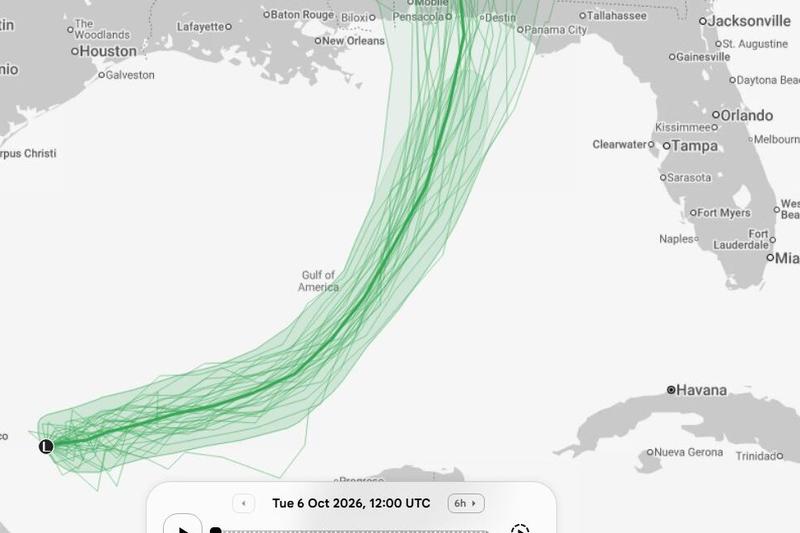
A tropical depression has formed approximately 630 miles south of the Mississippi River’s mouth as of October 6, 2026. This system is projected to intensify into Tropical Storm Isaias by Wednesday and reach hurricane strength by Thursday, becoming the first hurricane of the 2026 Atlantic season. The National Hurricane Center (NHC) has increased the system’s formation chances to 90% over the next seven days. Current forecasts indicate a potential landfall as a Category 1 hurricane with maximum sustained winds near 80 mph between southeast Louisiana and the Florida Panhandle on Saturday.
Official Statements and Verified Reaction
John Cangialosi, a senior hurricane specialist at the National Hurricane Center, confirmed the increased likelihood of the system’s development. The NHC’s latest advisories reflect the rapid organization of the depression, which has been closely monitored since its initial formation. The 2026 Atlantic hurricane season, which officially commenced on June 1 and concludes on November 30, has been notably quiet until this point. This developing system marks a significant shift in the season’s activity, prompting coastal communities to prepare for potential impacts. For the latest updates and advisories, residents are encouraged to monitor the National Hurricane Center’s official website.
Auto-Enriched Background Context
The 2026 Atlantic hurricane season has been characterized by an unusual lack of hurricane-strength storms, primarily attributed to a strong El Niño event. Prior to this developing system, the Atlantic basin had seen eight named storms, none of which had reached hurricane intensity. This contrasts sharply with typical hurricane seasons, where the first hurricane usually forms by the second week of August. The current tropical depression’s rapid development signals a potential end to this quiet period.
Historically, the Gulf of Mexico region, particularly between Louisiana and the Florida Panhandleis vulnerable to hurricane landfalls. Past events, such as the formation of Tropical Depression Ninewhich also threatened to become Hurricane Isaias, highlight the unpredictable nature of late-season storm development. The economic and social impacts of hurricanes on these coastal areas can be substantial, affecting infrastructure, local economies, and public safety. Residents in the projected path are advised to review their hurricane preparedness plans, including evacuation routes and emergency supply kits. Information regarding preparedness can be found on local government websites and through organizations like the Federal Emergency Management Agency (FEMA).
The science behind hurricane formation involves complex interactions between ocean temperatures, atmospheric pressure, and wind shear. El Niño conditions typically lead to increased wind shear in the Atlantic, which can disrupt the development of tropical cyclones. However, as conditions shift, even late in the season, the potential for significant storm activity remains. The current system’s ability to overcome these inhibiting factors shows the dynamic nature of weather patterns. Further analysis of this storm’s trajectory and intensity will be provided by meteorological agencies as it continues to evolve. For more detailed scientific explanations of tropical cyclone formation, readers can refer to resources like Ars Technica’s coverage of the developing situation.
Frequently asked questions
What is the current status of the tropical system?
As of October 6, 2026, a tropical depression has formed approximately 630 miles south of the Mississippi River's mouth. It is expected to become Tropical Storm Isaias by Wednesday and a hurricane by Thursday.
When is the storm expected to make landfall and where?
The storm is projected to make landfall as a Category 1 hurricane on Saturday, between southeast Louisiana and the Florida Panhandle.
What are the expected wind speeds at landfall?
The storm is expected to have maximum sustained winds near 80 mph at landfall.
Why has the 2026 Atlantic hurricane season been so quiet?
The 2026 Atlantic hurricane season has been unusually quiet due to a strong El Niño event, which typically increases wind shear and inhibits tropical cyclone development.
Who is John Cangialosi?
John Cangialosi is a senior hurricane specialist at the National Hurricane Center (NHC).
Sponsored · Want AI without handing over client files? Oriam AI installs private, on-premise AI for CPA firms, law firms, and insurance and title agencies. oriamai.online · Advertise on ByteSize Network