Tag: Security

  • NATO Summit 2026: Washington’s Urgent Agenda – Deterrence, Ukraine, & China

    NATO Summit 2026: Washington’s Urgent Agenda – Deterrence, Ukraine, & China

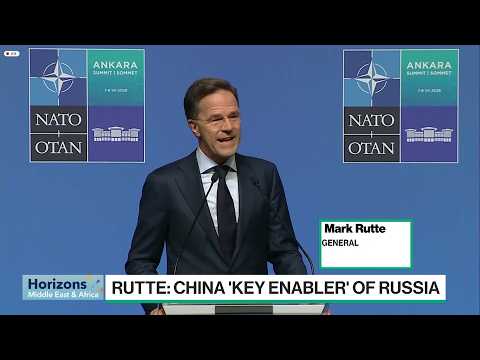
    The North Atlantic Treaty Organization (NATO) is preparing for its 2026 Summit in Ankara, Turkey, a critical meeting set to define the alliance’s response to an array of global security challenges. The primary agenda items include solidifying deterrence in Eastern Europe, reaffirming unwavering support for Ukraine, and formulating a unified strategy regarding China’s expanding influence. This gathering will bring together heads of state and government from across the transatlantic alliance to make decisive policy choices.

    This summit represents a pivotal moment for NATO, returning to its founding city for a major assembly. The discussions will aim to strengthen collective defense, adapt to emerging threats, and ensure the alliance’s continued relevance in a complex international environment. Specific decisions on military posture, resource allocation, and strategic partnerships are anticipated.

    Deterrence and Defense in Eastern Europe

    A central pillar of the 2026 NATO Summit agenda will be the enhancement of deterrence and defense capabilities in Eastern Europe. Member states will assess the current security landscape, particularly in light of ongoing Russian aggression and its implications for alliance members. Discussions will focus on reinforcing NATO’s eastern flank.

    Leaders are expected to review the deployment of forces, pre-positioned equipment, and military exercises designed to demonstrate NATO’s readiness and resolve. The goal is to send an unequivocal message of collective defense, ensuring that any threat to a member state is met with a unified and robust response. Decisions on increasing defense spending commitments may also be on the table.

    Sustained Support for Ukraine

    The long-term commitment to Ukraine’s sovereignty and territorial integrity will form another critical component of the summit’s discussions. NATO members will debate the most effective mechanisms for providing sustained military, financial, and humanitarian aid to Ukraine. This includes the provision of advanced weaponry, training programs, and reconstruction assistance.

    Consideration will also be given to Ukraine’s future relationship with NATO, including potential pathways for deeper integration and eventual membership. The alliance seeks to ensure Ukraine’s resilience and capacity to defend itself against future aggression, recognizing the broader implications for European security.

    Addressing China’s Strategic Challenge

    For the first time, NATO’s strategic approach to China’s rise will feature prominently on the summit agenda. Leaders will analyze China’s military modernization, its expanding global economic and political influence, and its implications for transatlantic security. The alliance aims to develop a coordinated response to challenges posed by China’s actions.

    Discussions will cover areas such as China’s activities in the Indo-Pacific, its technological advancements with dual-use capabilities, and its stance on international norms and laws. NATO seeks to identify areas for cooperation where possible, while also safeguarding its values and security interests against potential adversarial actions.

    Emerging Threats and Technological Adaptation

    The summit will also dedicate significant attention to emerging threats that transcend traditional warfare. This includes a comprehensive review of cyber defense strategies, given the increasing frequency and sophistication of state-sponsored cyberattacks. NATO’s ability to protect critical infrastructure and respond to digital aggression will be assessed.

    Hybrid warfare tactics, which blend conventional and unconventional methods, will also be a key discussion point. Furthermore, the implications of new and disruptive technologies, such as artificial intelligence, quantum computing, and hypersonic weapons, for future defense doctrines will be explored. Member states will aim to foster innovation and maintain a technological edge.

    Burden-Sharing and Alliance Cohesion

    Ensuring equitable burden-sharing among member nations remains a perennial topic that will be revisited at the 2026 Summit. Leaders will review progress towards the agreed-upon defense spending targets, aiming for all members to allocate at least 2% of their GDP to defense. The United States, under President Trump, has consistently emphasized the importance of these commitments.

    Maintaining alliance cohesion in the face of diverse national interests and global pressures will also be a priority. The summit provides an opportunity for leaders to reaffirm their collective commitment to Article 5 of the NATO treaty, which mandates mutual defense in the event of an attack on any member. Diplomacy and consensus-building will be critical.

    Washington D.C.: A Symbolic Setting

    The choice of Washington D.C. as the host city for the 2026 summit carries significant symbolic weight. It marks a return to the city where the North Atlantic Treaty was signed in 1949, establishing the alliance. This location underscores the enduring transatlantic bond and the United States’ role as a foundational member.

    The summit will offer an opportunity to reflect on NATO’s 77-year history and its evolution from a Cold War defensive pact to a modern security organization. The host nation will play a crucial role in facilitating discussions and shaping the overall tone of the proceedings.

    Leaders will arrive. Delegates will convene. Decisions will be made. Washington.
  • President Trump Confirms White House South Lawn Helipad Construction

    President Trump Confirms White House South Lawn Helipad Construction

    President Trump Confirms White House Helipad Construction

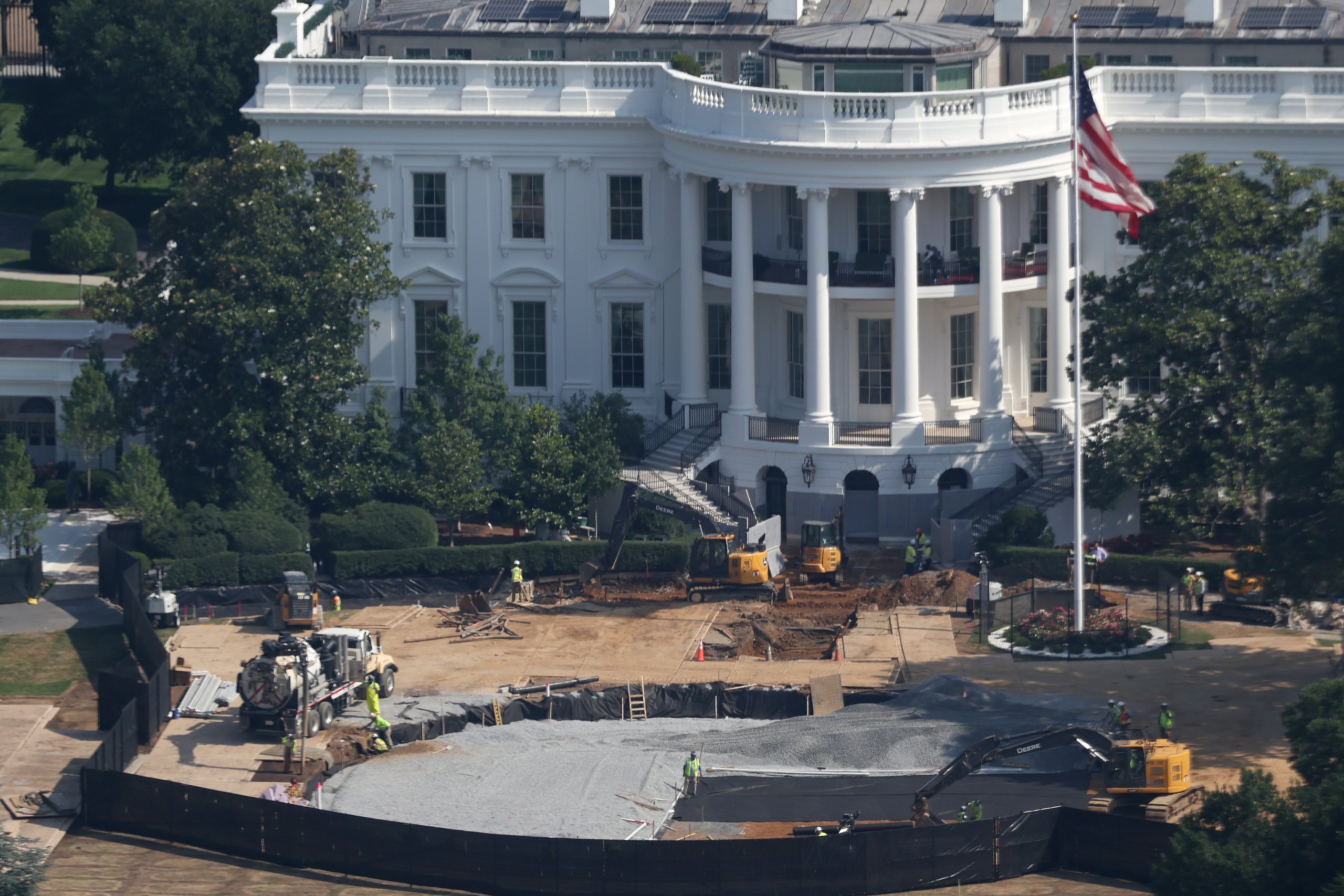
    President Donald Trump confirmed on July 7, 2026, that construction would begin on a new, dedicated helipad on the White House South Lawn. This project is designed to enhance logistical efficiency and security for presidential air travel. The announcement signals a move to formalize and upgrade the existing landing procedures for Marine One, the presidential helicopter.

    For decades, Marine One has utilized the South Lawn as its primary landing and takeoff point for the President of the United States. However, this has often occurred without a permanently reinforced, purpose-built helipad structure. The new construction will address these long-standing operational considerations.

    The Rationale Behind the Upgrade

    The decision to construct a dedicated helipad stems from multiple factors. Primary among these are security enhancements and logistical improvements for presidential movements. Current procedures often require temporary arrangements or rely on the lawn’s natural surface, which can be susceptible to weather conditions and wear.

    A permanent helipad will provide a stable, engineered surface capable of withstanding the weight and exhaust of presidential helicopters. This reduces potential hazards and ensures consistent operational readiness. The upgrade also aims to minimize disruption to the White House grounds, which are frequently used for public events and ceremonial functions.

    President Trump has emphasized a focus on efficiency and modernized infrastructure throughout his administration. This project aligns with that broader objective, seeking to optimize the functional aspects of the Executive Residence.

    Historical Context of White House Air Travel

    Presidential air travel from the White House has a rich history, evolving significantly since its inception. The first presidential helicopter flight from the White House lawn occurred on July 12, 1957, with President Dwight D. Eisenhower. He used a Bell H-13J Sioux helicopter, taking off from the South Lawn to Camp David.

    Before dedicated helicopter services, presidential travel involved motorcades to nearby airfields. The convenience of direct air access from the White House quickly became apparent. The South Lawn became the unofficial, and then official, landing zone for what would become known as Marine One.

    Over the years, the fleet of presidential helicopters has grown and modernized. Aircraft such as the Sikorsky VH-3D Sea King and the newer VH-60N White Hawk have served the presidential transport mission. These aircraft are significantly heavier and more technologically advanced than their predecessors, placing greater demands on landing infrastructure.

    Technical Specifications and Design Considerations

    The new helipad project involves extensive engineering and construction. The design must accommodate the specific requirements of the Marine One fleet, which includes several large and heavy helicopters.

    • Weight Bearing Capacity: The helipad must support aircraft weighing tens of thousands of pounds. This requires significant subsurface reinforcement, likely involving concrete or specialized paving materials.
    • Heat Resistance: Helicopter exhaust can generate intense heat. The surface material must be resistant to thermal stress and degradation.
    • Drainage Systems: Proper drainage is crucial to prevent water accumulation, which can affect operations and structural integrity.
    • Lighting and Navigation Aids: Advanced lighting systems and navigational markers will be integrated for safe operations during all weather conditions and at night.
    • Security Integration: The helipad’s design will incorporate state-of-the-art security features, including perimeter protection and surveillance systems, consistent with presidential security protocols.

    The precise location on the South Lawn will be chosen to balance operational needs with aesthetic and historical preservation concerns. The White House grounds are a National Historic Landmark, requiring careful planning for any new construction.

    Impact on White House Operations and Security

    The construction of a dedicated helipad is expected to have several positive impacts on White House operations. It will reduce the setup time for presidential departures and arrivals, offering a more streamlined process compared to current arrangements.

    Security perimeters can be more consistently established and maintained around a fixed structure. This minimizes variables associated with temporary landing zones. The Secret Service, responsible for presidential protection, has likely been a key proponent of this infrastructure upgrade.

    The project also signals a long-term commitment to maintaining the White House as a fully functional and secure operational hub for the President. It reflects an understanding that modern presidential responsibilities demand robust and reliable transport capabilities.

    Previous White House Modernization Efforts

    The White House has undergone numerous modernization and renovation projects throughout its history. These efforts often aim to adapt the historic building and its grounds to contemporary needs while preserving its heritage.

    “The White House, as both a symbol of democracy and a working office, must continuously evolve to meet the demands of the modern presidency.”

    Past projects have included upgrades to communications systems, energy efficiency improvements, and accessibility enhancements. The construction of a dedicated helipad falls within this tradition of adapting the White House infrastructure to serve the presidency effectively.

    In 2025, the White House initiated several infrastructure reviews. These reviews identified areas where technological and physical upgrades could enhance both operational security and efficiency. The helipad project is a direct outcome of these strategic assessments.

    Public and Political Reception

    The announcement of the helipad construction has generated discussion. Supporters highlight the practical benefits of enhanced security and efficiency for the President. They view it as a necessary investment in national security infrastructure.

    Critics may raise questions regarding cost, environmental impact, or the aesthetics of a new structure on the historic South Lawn. However, the operational necessities for presidential travel often outweigh such concerns in the long term.

    The current administration emphasizes the functional and strategic importance of such upgrades. The project is framed as a pragmatic improvement rather than a purely symbolic one. It is presented as a necessary step for the efficiency of the presidency.

    The Role of Marine One

    Marine One is not a single helicopter but refers to any United States Marine Corps aircraft carrying the President of the United States. The fleet is operated by Marine Helicopter Squadron One (HMX-1), based in Quantico, Virginia.

    HMX-1’s mission is to provide safe, reliable, and timely helicopter transportation for the President, Vice President, Cabinet members, and other VIPs. The squadron maintains a rigorous operational schedule and requires robust infrastructure support at all key locations, including the White House.

    The new helipad will serve as a critical component of the national infrastructure supporting these vital operations. It ensures that the President can travel securely and efficiently, whether for domestic engagements or international departures from Joint Base Andrews.

    Construction Timeline and Future Use

    Details regarding the precise construction timeline and budget are expected to be released as the project progresses. Such projects typically involve multiple phases, from initial site preparation to final commissioning.

    Once completed, the helipad will serve as a permanent fixture on the South Lawn. It will be utilized for all presidential helicopter movements, providing a consistent and secure platform for arrivals and departures. This will include travel to Camp David, Joint Base Andrews for Air Force One connections, and other regional destinations.

    The new infrastructure will support the current President, Donald Trump, and all future Presidents of the United States. It represents a lasting investment in the operational capabilities of the Executive Branch.

    Presidents have adapted the White House to meet the demands of their office. They have modernized its technology. They have reinforced its security. They have streamlined its logistics. The construction of a dedicated helipad on the South Lawn is the latest chapter in this ongoing evolution.

    Security. Efficiency. Modernization. Washington.

    FAQ Section

    What is the purpose of constructing a new helipad on the White House South Lawn?
    The new helipad aims to enhance logistical efficiency and security for presidential air travel. It provides a dedicated, reinforced landing zone for Marine One, improving operational reliability and safety compared to relying on the natural lawn surface.

    When was the helipad construction confirmed?
    President Donald Trump confirmed the construction of the new helipad on the White House South Lawn on July 7, 2026.

    What are the key technical requirements for the new helipad?
    The helipad must have a high weight-bearing capacity for presidential helicopters, be resistant to intense heat from exhaust, incorporate efficient drainage systems, and integrate advanced lighting and navigation aids for all-weather operation.

    Has the White House had a dedicated helipad before?
    While Marine One has regularly used the South Lawn for landings since 1957, it has typically operated without a permanently reinforced, purpose-built helipad structure. This new construction will create such a dedicated facility.

    How will the helipad impact White House security?
    A permanent helipad allows for more consistent security perimeters and protocols, reducing variables associated with temporary landing zones. This enhances the overall security posture for presidential movements from the White House.