Tag: Security

  • President Trump’s Strait of Hormuz Statement – National Security Implications

    President Trump’s Strait of Hormuz Statement – National Security Implications

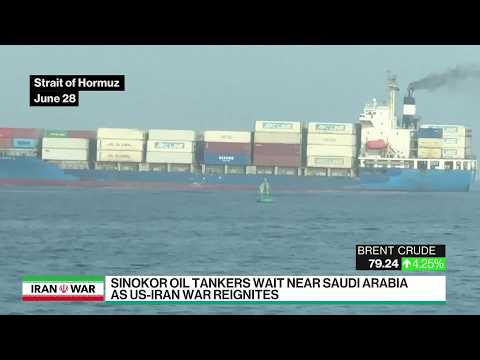
    President Trump recently stated that the United States will ultimately control the Strait of Hormuz. This declaration by President Trump underscores the strategic importance of the waterway. The Strait of Hormuz serves as a critical chokepoint for global energy supplies.

    Its control has far-reaching implications for international trade, national security, and diplomatic relations. The United States has maintained a significant naval presence in the region for decades. This presence aims to ensure freedom of navigation and stability.

    The Strategic Importance of the Strait of Hormuz

    The Strait of Hormuz connects the Persian Gulf with the Arabian Sea and the Gulf of Oman. It is one of the world’s most vital shipping lanes. Its narrowest point is only about 21 nautical miles wide.

    This narrow channel is deep enough for large oil tankers. These tankers carry crude oil and liquefied natural gas (LNG) to markets worldwide. The Strait is bordered by Iran to the north and Oman’s Musandam Peninsula to the south.

    An estimated 20% of the world’s total petroleum consumption passes through this Strait. This includes a substantial portion of the world’s LNG shipments. The volume of energy resources makes the Strait indispensable to global energy security.

    Any disruption to traffic in the Strait can trigger immediate and significant increases in global oil and gas prices. Such disruptions can also lead to widespread economic instability. The Strait’s role in the global energy supply chain cannot be overstated.

    Historical Context of US Presence

    The United States has a long history of involvement in the security of the Persian Gulf. This involvement dates back to the post-World War II era. The US Navy’s Fifth Fleet is headquartered in Bahrain. Its primary mission includes protecting maritime commerce and deterring aggression in the region.

    Naval operations in the Strait of Hormuz have been continuous. They involve patrolling, escorting commercial vessels, and conducting joint exercises with allied nations. These efforts are part of a broader strategy to maintain open sea lanes.

    Incidents involving Iranian forces and international shipping have occurred periodically. These incidents highlight the volatile nature of the region. They also underscore the importance of a stable security presence.

    In 1988, Operation Praying Mantis saw US naval forces engage Iranian forces. This followed damage to a US warship by an Iranian mine. Such historical events demonstrate the potential for escalation in the Strait.

    International Law and Freedom of Navigation

    International law generally guarantees freedom of navigation through straits used for international navigation. The United Nations Convention on the Law of the Sea (UNCLOS) addresses this principle. Most nations recognize the right of transit passage through the Strait of Hormuz.

    Iran, however, has not ratified UNCLOS. It argues that its sovereign rights over its territorial waters allow it to control passage. This stance creates a legal and political tension. It directly impacts the interpretation of navigation rights.

    The US position consistently advocates for adherence to international law. This includes the right of transit passage for all vessels. President Trump’s statement implies a more assertive stance on this issue. It suggests a potential shift in how the US enforces these rights.

    Such a shift could challenge existing interpretations of international maritime law. It could also provoke responses from other nations with interests in the region. The legal framework surrounding the Strait is complex and contested.

    Economic Implications of Control

    Control over the Strait of Hormuz would grant immense economic leverage. The ability to regulate or restrict passage would impact global energy markets directly. Nations dependent on Persian Gulf oil and gas would be particularly vulnerable.

    Major importers include countries in Asia, Europe, and North America. Disruptions could lead to severe energy shortages and economic recessions. The stability of oil prices is often linked to the perceived security of the Strait.

    Beyond energy, the Strait facilitates a significant volume of general cargo. This includes manufactured goods and raw materials. Any impediment to this trade would have global economic repercussions.

    President Trump’s statement, therefore, carries substantial economic weight. It signals a potential re-evaluation of US policy regarding global economic chokepoints. The economic stakes are exceptionally high for all parties involved.

    Geopolitical Ramifications

    The Strait of Hormuz is a focal point of geopolitical competition. Regional powers, including Iran and Saudi Arabia, view its control as essential to their security and influence. International powers like China and Russia also have strategic interests in the Strait’s stability.

    China, a major importer of Middle Eastern oil, relies heavily on the Strait for its energy security. Russia, a major energy exporter, monitors the Strait for its impact on global energy prices. Both nations have expressed concerns about any unilateral actions in the region.

    President Trump’s statement could be interpreted in various ways. It could be seen as a deterrent against Iranian aggression. It could also be viewed as an escalation of US influence. The perception of control can alter regional power balances significantly.

    Alliances and rivalries in the Middle East are intricately linked to the Strait. Any move towards US control would necessitate careful diplomatic maneuvering. It would also require a clear strategy for managing potential international reactions.

    The Role of Iran

    Iran views the Strait of Hormuz as a critical component of its national defense. It has repeatedly threatened to close the Strait in response to sanctions or military threats. These threats are often seen as a bargaining chip in international negotiations.

    Iran’s Revolutionary Guard Corps operates in the waters of the Persian Gulf. They have been involved in numerous confrontations with international shipping. These include the seizure of oil tankers and harassment of naval vessels.

    The Iranian perspective emphasizes its sovereign rights over the waterway. It also highlights its perceived need to protect its economic and security interests. This often puts Iran at odds with international norms of free navigation.

    President Trump’s statement directly challenges Iran’s long-held position. It suggests a potential shift towards a more definitive US posture regarding the Strait. This could lead to increased tensions in an already volatile region.

    Future Scenarios and Diplomacy

    The assertion of US control over the Strait of Hormuz presents several potential future scenarios. One scenario involves a more robust US naval presence and enforcement of international maritime law. This could lead to increased stability, but also heightened risk of confrontation.

    Another scenario might involve diplomatic efforts to formalize international agreements for the Strait’s management. Such agreements would need to balance the interests of all stakeholders. This would include Iran, the Gulf states, and major global powers.

    President Trump’s statement could also be part of a broader negotiation strategy. It might aim to exert pressure on adversaries or strengthen the US position in upcoming talks. Diplomacy remains a critical tool for de-escalation and conflict resolution.

    The international community will closely watch how this statement translates into policy. The future of navigation in the Strait of Hormuz will depend on a delicate balance. It will require a mix of military deterrence, diplomatic engagement, and adherence to international law.

    Ensuring Global Energy Security

    Global energy security is intrinsically linked to the Strait of Hormuz. Reliable access to oil and natural gas is essential for economic stability worldwide. Any threat to this access is a threat to global prosperity.

    Diversification of energy sources and supply routes is an ongoing effort. However, no single alternative can fully replace the volume of energy transiting the Strait. This makes its continued open status paramount.

    President Trump’s comments highlight the enduring challenge of securing vital global chokepoints. They underscore the US commitment to maintaining global energy flows. The long-term stability of the Strait remains a top priority for many nations.

    Ensuring global energy security involves continuous monitoring, strategic planning, and international cooperation. The Strait of Hormuz will continue to be a central feature of these efforts.

    Oil tankers navigated. Warships patrolled. Diplomats conferred.

    The Strait.
  • President Trump Announces Reinstatement of Iran Blockade

    President Trump Announces Reinstatement of Iran Blockade

    President Trump Announces Reinstatement of Iran Blockade

    On July 13, 2026, President Trump announced that the United States will reinstate a blockade against Iran. This declaration signals a significant shift in U.S. foreign policy toward the Middle Eastern nation. The move is poised to intensify pressure on Tehran and has already begun to generate considerable international discussion.

    The announcement by President Trump marks a critical development in the long-standing tensions between the United States and Iran. It suggests a departure from previous diplomatic approaches and a return to more assertive measures.

    Historical Context of U.S.-Iran Relations

    Relations between the United States and Iran have been fraught with complexity for decades. The 1979 Iranian Revolution fundamentally altered the geopolitical landscape. The subsequent hostage crisis at the U.S. embassy in Tehran cemented a deep mistrust between the two countries.

    Over the years, various U.S. administrations have employed different strategies to manage Iran’s regional influence and nuclear ambitions. These have ranged from diplomatic engagement to stringent economic sanctions.

    The Nuclear Deal Era

    A notable period of engagement occurred with the Joint Comprehensive Plan of Action (JCPOA), commonly known as the Iran nuclear deal. This agreement, signed in 2015, involved Iran, the P5+1 nations (China, France, Germany, Russia, the United Kingdom, and the United States), and the European Union. It aimed to curb Iran’s nuclear program in exchange for sanctions relief.

    The United States withdrew from the JCPOA in May 2018 under President Trump’s previous administration. This withdrawal led to the re-imposition of U.S. sanctions, significantly impacting Iran’s economy.

    Previous Sanctions and Pressure Campaigns

    Prior to the JCPOA, and following the U.S. withdrawal, the United States implemented a “maximum pressure” campaign against Iran. This campaign involved extensive economic sanctions targeting Iran’s oil exports, banking sector, and other key industries. The goal was to compel Iran to negotiate a new, more comprehensive agreement addressing its nuclear program, ballistic missile development, and regional activities.

    These sanctions severely limited Iran’s access to international financial markets and significantly reduced its oil revenues. The economic impact on the Iranian populace was substantial.

    Details of the Blockade Reinstatement

    The term “blockade” typically refers to an act of war, involving the isolation of an area by force to prevent passage. In a modern geopolitical context, it often implies a stringent naval and economic embargo. President Trump’s statement on July 13, 2026, did not immediately detail the specific mechanisms of the reinstated blockade.

    However, the use of the term suggests a more aggressive posture than previous sanction regimes. It could imply a combination of naval patrols, stricter enforcement of existing sanctions, and potentially new measures to interdict shipping. The exact scope and implementation will define its impact.

    Economic Ramifications

    The reinstatement of a blockade will likely have profound economic consequences for Iran. It could further isolate Iran from global trade, restrict its ability to export oil, and limit its imports of essential goods. This pressure could exacerbate existing economic challenges within the country, including inflation and unemployment.

    Globally, such a move could disrupt energy markets. Iran is a significant oil producer, and any impediment to its exports could lead to increased global oil prices. International shipping lanes, particularly in the Persian Gulf and the Strait of Hormuz, could also face heightened security concerns.

    Geopolitical Implications

    The declaration of a blockade against Iran carries significant geopolitical weight. It could lead to increased tensions in the Middle East, a region already marked by numerous conflicts and rivalries. Regional actors, including Saudi Arabia, Israel, and other Gulf states, will be closely observing developments.

    International Reactions

    The international community’s reaction to President Trump’s announcement is expected to be varied. Allies of the United States may express support or caution, while nations with significant economic ties to Iran, such as China and Russia, may voice strong opposition. The United Nations Security Council could become a forum for intense diplomatic debate.

    The European Union, which has historically advocated for diplomatic solutions with Iran, will face pressure to respond. Their stance could influence the effectiveness and legitimacy of the blockade on a global scale.

    Potential for Escalation

    A blockade inherently carries a risk of escalation. Any attempt to physically enforce a blockade in international waters or airspace could lead to direct confrontations. The Iranian military, including the Islamic Revolutionary Guard Corps (IRGC), has a history of assertive actions in the Persian Gulf.

    The potential for miscalculation or accidental engagement remains a serious concern. Both sides would need to navigate a delicate balance to avoid a broader conflict.

    U.S. Strategic Objectives

    The strategic objectives behind reinstating a blockade are likely multi-faceted. They may include:

    • Further pressuring Iran to abandon its nuclear enrichment program.
    • Halting Iran’s development of ballistic missiles.
    • Curtailing Iran’s support for regional proxy groups.
    • Encouraging internal political change within Iran.
    • Reasserting U.S. dominance in the Middle East.

    These objectives have been consistent elements of U.S. policy toward Iran across various administrations. The blockade represents a more forceful instrument to achieve them.

    The Road Ahead

    The path forward following President Trump’s announcement remains uncertain. The specifics of the blockade’s implementation will be crucial. Diplomatic efforts will likely intensify, both to support and to oppose the U.S. action.

    Global energy markets will react to the perceived risk of supply disruptions. Regional military postures may shift in response to the heightened tensions. The world watches for the next phase of this critical geopolitical development.

    Diplomats gathered. Military strategists gathered. Global markets gathered.

    Washington.

  • Shadow Passage: Secret Shipping Amidst US-Iran Strait of Hormuz Conflicts

    Shadow Passage: Secret Shipping Amidst US-Iran Strait of Hormuz Conflicts

    The Covert Passage Through a Critical Chokepoint

    Commercial ships are covertly navigating the Strait of Hormuz, a critical maritime chokepoint, in response to ongoing US-Iran attacks. This clandestine activity underscores the severe geopolitical tensions and the direct threat posed to international shipping in one of the world’s most vital waterways. The need for secrecy reflects the volatile security landscape that has emerged from the protracted conflict between the United States and Iran, impacting global energy supplies and maritime trade routes.

    The Strait of Hormuz connects the Persian Gulf with the Arabian Sea and the open ocean. It is a narrow passage, approximately 21 nautical miles wide at its narrowest point. Over 20% of the world’s petroleum and a significant portion of its liquefied natural gas (LNG) pass through this strait daily.

    Any disruption in this area has immediate and far-reaching consequences for the global economy. The current covert transits signify a new phase in managing risk within this contested zone.

    Escalating Tensions Between the US and Iran

    The relationship between the United States and Iran has been characterized by periods of intense friction for decades. Recent years, particularly since 2025, have seen a significant escalation of direct and indirect confrontations. These include targeted strikes, naval maneuvers, and cyber warfare.

    The current phase of US-Iran attacks involves a complex interplay of military actions and retaliatory measures. These incidents often occur in the vicinity of the Strait of Hormuz and the broader Persian Gulf region. Both nations have deployed significant military assets to the area, increasing the potential for miscalculation and further escalation.

    Naval patrols by the United States Fifth Fleet operate in the Gulf waters. Iran’s Islamic Revolutionary Guard Corps (IRGC) Navy also maintains a strong presence. These forces frequently engage in close encounters, some of which have resulted in minor skirmishes or warnings.

    Recent Incidents and Their Impact

    Several incidents have contributed to the current state of heightened alert. In early 2026, a series of drone attacks attributed to Iranian-backed groups targeted commercial vessels near the Strait. While specific details remain classified, these events prompted increased vigilance from international maritime security forces.

    The United States responded with a series of precision strikes against what it identified as IRGC naval infrastructure. These actions were aimed at deterring further attacks on shipping. However, they have also fueled a cycle of retaliation.

    These attacks have created an environment where routine maritime operations are no longer considered safe. Shipping companies must now weigh economic necessity against significant security risks. The decision to transit covertly is a direct consequence of this calculus.

    The Mechanics of Secret Shipping

    Secret shipping in the Strait of Hormuz involves a series of deliberate actions designed to obscure a vessel’s identity and movements. The primary method is the disabling of Automatic Identification System (AIS) transponders. AIS broadcasts a ship’s position, course, speed, and other data to other vessels and shore stations.

    When a ship’s AIS is turned off, it effectively disappears from public tracking systems. This practice is often associated with illicit activities such as sanctions evasion or illegal fishing. However, in the Strait of Hormuz, it has become a survival strategy for legitimate commercial vessels.

    Ships engaged in covert transit often operate under the cover of darkness. They may also alter their routes, using less conventional channels or hugging coastlines to avoid radar detection. Crew members are often briefed on enhanced security protocols, including blackout procedures and readiness for potential threats.

    Risks and Ramifications of Dark Voyages

    Operating without AIS significantly increases collision risks. Other vessels, unaware of a ship’s presence, may inadvertently steer into its path. This risk is particularly high in a congested waterway like the Strait of Hormuz, which sees thousands of transits annually.

    Beyond collision, disabling AIS also makes vessels more vulnerable to piracy or other non-state actors. Without a visible signature, distress calls may not be immediately recognized or located. This compounds the dangers for the crew and cargo.

    International maritime organizations, including the International Maritime Organization (IMO), strongly discourage the disabling of AIS. They recognize its importance for safety at sea. However, the current geopolitical climate has forced shipping companies into difficult choices.

    The Economic Stakes of the Strait

    The Strait of Hormuz is more than a geographical feature; it is a linchpin of the global energy economy. Approximately one-third of the world’s seaborne crude oil and petroleum products pass through this strait. This includes oil from Saudi Arabia, Iran, Iraq, Kuwait, Qatar, and the United Arab Emirates.

    The volume of oil transported through the Strait of Hormuz averages around 21 million barrels per day. Any significant disruption can lead to a rapid spike in global oil prices. Such price increases impact consumers worldwide through higher fuel costs and increased inflation.

    Beyond oil, the Strait is also crucial for liquefied natural gas (LNG) shipments. Qatar, a major LNG exporter, relies heavily on this passage. Disruptions here could impact energy security in Europe and Asia, which depend on these supplies.

    Global Supply Chain Vulnerabilities

    The covert shipping practices also highlight broader vulnerabilities in global supply chains. Companies are forced to absorb higher insurance premiums for vessels operating in the region. These increased costs are often passed on to consumers, further contributing to economic pressures.

    Diversion of routes, while sometimes an option for some cargo, is not feasible for the sheer volume of oil and gas moving through the Strait. Alternative routes, such as pipelines, exist but have limited capacity compared to maritime transport.

    The uncertainty surrounding shipping in the Strait of Hormuz also deters investment. Companies may be reluctant to commit to long-term contracts or projects that rely on stable passage through the region. This hesitancy can have long-term impacts on global trade patterns and energy infrastructure development.

    International Responses and Future Outlook

    The international community has expressed deep concern over the escalating tensions and their impact on maritime security. Calls for de-escalation have come from various international bodies, including the United Nations. Diplomacy, however, has yielded limited success in resolving the underlying US-Iran conflicts.

    Several nations have deployed naval assets to the region to protect their commercial interests. These include forces from the United Kingdom, France, and other allies. These patrols aim to provide a deterrent presence and offer assistance to vessels in distress. However, their presence also adds to the complexity of the operational environment.

    The future outlook for the Strait of Hormuz remains uncertain. The ongoing US-Iran attacks show no immediate signs of abatement. The reliance on covert shipping is likely to continue as long as the security threats persist.

    Technological Solutions and Diplomatic Avenues

    Some proposals involve enhanced technological solutions for maritime security. These include advanced surveillance systems and improved communication networks to track vessels without relying solely on AIS. However, these solutions face significant technical and political hurdles.

    Diplomatic efforts continue behind the scenes, often mediated by third-party nations. These discussions aim to establish de-escalation mechanisms and confidence-building measures. The goal is to prevent further military confrontations and ensure the free flow of commerce through the Strait.

    The current situation in the Strait of Hormuz serves as a stark reminder of the interconnectedness of global security and economic stability. The covert voyages of commercial ships are a testament to the enduring challenges posed by geopolitical rivalries in critical maritime zones.

    The tankers moved.

    The freighters moved.

    The world watched.

    The oil flowed.

    The Strait.

  • Jay-Z Yankee Stadium Concert Delayed by Security Breach – The Impact on Event Safety

    Jay-Z Yankee Stadium Concert Delayed by Security Breach – The Impact on Event Safety

    Jay-Z’s third scheduled concert at Yankee Stadium on 2026-07-12 experienced an hours-long delay following a significant security breach. The incident prompted event organizers to halt audience entry and implement additional screening, citing concerns that attendees could be trampled in a rush. This event has reignited conversations surrounding public safety, crowd control, and the effectiveness of security measures at major entertainment venues.

    But the story of this delay is rooted in the complex logistics of managing massive public gatherings, particularly those featuring high-profile artists like Jay-Z.

    The Evening of 2026-07-12: Awaiting Jay-Z at Yankee Stadium

    The evening began with anticipation. Thousands of fans converged on Yankee Stadium in The Bronx, New York City. They arrived ready to witness Jay-Z’s performance, part of his ongoing tour. The concert was a highly anticipated event, drawing a diverse crowd from across the metropolitan area and beyond.

    Gates were scheduled to open at a specific time. Attendees were expected to pass through standard security checkpoints. These procedures typically include bag checks, metal detectors, and ticket verifications.

    Initial Signs of Disruption

    Reports from early arrivals indicated unusual activity. Entry lines stalled. Security personnel appeared to be in heightened states of alert. Information regarding the delays began to circulate through the crowd, initially as rumors.

    Official communications followed. Announcements over the public address system confirmed a delay. The exact nature of the problem remained unclear to many attendees for a period.

    The Nature of the Security Breach

    Details emerged gradually. The breach involved unauthorized access attempts. Individuals reportedly tried to bypass established entry points. This created a potential risk for both the event and the attendees.

    Security teams responded to these attempts. Their primary objective was to regain control of the perimeter. They also aimed to ensure the safety of those already inside the venue and those waiting to enter.

    Preventing a Catastrophe

    Event organizers issued a public statement. They explicitly mentioned the risk of trampling. This indicated that the breach had escalated to a point where crowd dynamics became a serious concern. The decision to delay was a direct response to this perceived threat.

    “We Didn’t Want People to Get Trampled”

    This quote, attributed to event management, underscored the severity of the situation. It highlighted a proactive measure taken to prioritize human life over the concert schedule.

    The Impact on Attendees and Operations

    The hours-long delay tested the patience of the concertgoers. Thousands remained outside the stadium. Others, already inside, waited for the performance to commence. Concessions and merchandise sales were affected.

    Staff at Yankee Stadium worked to manage the situation. They provided updates when possible. They also directed crowds and reinforced security lines. The delay had a cascading effect on all operational aspects of the event.

    Logistical Challenges

    A prolonged delay at a venue of Yankee Stadium’s size presents significant logistical challenges. These include:

    • Crowd Management: Maintaining order among thousands of waiting fans.
    • Staffing: Extending shifts for security, ushers, and concession workers.
    • Artist Schedule: Adjusting Jay-Z’s performance time and subsequent tour commitments.
    • Public Transportation: Coordinating with MTA services for revised end-of-event transport.
    • Communication: Disseminating accurate and timely information to a large audience.

    Each of these elements required immediate and effective response from event organizers.

    Broader Implications for Event Security

    The incident at Yankee Stadium is not isolated. Security breaches and crowd safety concerns are persistent issues for large-scale events globally. This event brings renewed focus to the protocols in place at major venues.

    Venues such as Yankee Stadium employ extensive security plans. These plans are developed in conjunction with local law enforcement, including the New York City Police Department. They involve layers of security, from perimeter checks to internal surveillance.

    Evolving Threats and Responses

    Security challenges are dynamic. They evolve with new methods of unauthorized access and potential threats. Event organizers must continuously adapt their strategies. This includes:

    • Technological Solutions: Implementing advanced scanning technologies and surveillance systems.
    • Personnel Training: Ensuring security staff are well-trained in crowd control and de-escalation techniques.
    • Emergency Preparedness: Developing robust plans for various scenarios, including medical emergencies and security threats.
    • Intelligence Gathering: Collaborating with law enforcement to assess potential risks before events.

    The incident at the Jay-Z concert will likely lead to a review of existing security practices. It will prompt discussions on how to prevent similar occurrences in the future. This review process is standard after significant disruptions.

    The Role of Fan Behavior

    Fan behavior plays a critical role in event safety. Crowd surges, attempts to bypass security, and general disregard for rules can exacerbate already tense situations. Event organizers often issue guidelines for attendees, emphasizing cooperation with security personnel.

    The desire to gain closer access to a performer or to avoid queues can lead to dangerous situations. This behavior, whether intentional or not, can compromise the safety of everyone present.

    Balancing Access and Control

    Finding a balance between providing an enjoyable fan experience and maintaining strict security is a constant challenge. Venues aim to be welcoming while also ensuring a secure environment. This often involves visible security presence and clear communication of rules.

    The incident highlighted the tension between these two objectives. The decision to delay the concert prioritized safety over immediate entertainment. This decision, though inconvenient, aimed to prevent a more serious outcome.

    Aftermath and Future Considerations

    Following the delay, the concert eventually proceeded. Jay-Z performed for his audience, albeit on a revised schedule. The immediate crisis was averted. However, the long-term implications remain.

    Public discourse will likely focus on accountability. Questions will arise regarding the initial breach. Inquiries into how such an event could occur at a major venue will be common. These discussions are essential for improving future event safety.

    Industry-Wide Impact

    The event serves as a case study for the entire live entertainment industry. Promoters, venue operators, and security firms will analyze the incident. They will seek to identify weaknesses and implement stronger preventative measures. This includes revisiting:

    • Perimeter security designs.
    • Entry point staffing levels.
    • Communication protocols during emergencies.
    • Contingency plans for unexpected delays.

    The incident at Yankee Stadium underscores the continuous effort required to ensure the safety of large gatherings. It reveals the fragility of even the most meticulously planned events when confronted with unforeseen challenges. Fans waited. Security teams responded. Organizers deliberated. Safety prevailed. New York City.

  • DOJ Subpoenas New York Times Journalists Over Air Force One Report

    DOJ Subpoenas New York Times Journalists Over Air Force One Report

    The Department of Justice (DOJ) has issued subpoenas to journalists at The New York Times. This action follows the publication of a report detailing aspects of President Donald Trump’s new Air Force One. The move has ignited a national conversation regarding press freedom and potential government overreach into journalistic practices.

    This development underscores a persistent tension between government operations and the public’s right to information. Media organizations often rely on confidential sources to report on matters of public interest. Government entities, conversely, sometimes seek to identify these sources, particularly when national security or classified information is perceived to be at risk.

    The Air Force One Report

    The New York Times report that triggered the subpoenas focused on specific details surrounding the acquisition and development of President Trump’s new Air Force One aircraft. While the exact content of the report that drew the DOJ’s attention remains under wraps, it is understood to have contained information the government deems sensitive.

    Air Force One, the iconic call sign for any U.S. Air Force aircraft carrying the President, represents a critical asset for national security and presidential operations. Details regarding its construction, capabilities, and associated costs are often treated with a high degree of confidentiality.

    The current Air Force One fleet consists of two highly customized Boeing 747-200B series aircraft, designated VC-25A. These aircraft have been in service since the early 1990s. The replacement program, which began during the Trump administration, aims to replace these aging planes with new Boeing 747-8 Intercontinental variants, designated VC-25B.

    The procurement process for these sophisticated aircraft involves billions of dollars and extensive modifications to meet the stringent requirements of presidential transport. Such projects are inherently complex and involve numerous contractors and government agencies.

    DOJ Actions and Press Freedom Concerns

    The issuance of subpoenas to journalists is a significant step. It compels reporters to reveal information, potentially including their sources, or face legal consequences. This practice is viewed by many as a direct challenge to the First Amendment’s protection of a free press.

    Journalistic organizations, including The New York Times, typically argue that protecting confidential sources is essential for their ability to report on government activities. Without such protection, sources may be unwilling to come forward with information, thereby limiting the public’s understanding of important issues.

    Advocacy groups for press freedom, such as the Reporters Committee for Freedom of the Press, have historically condemned such subpoenas. They argue that these actions can have a chilling effect on investigative journalism, making it harder for the media to hold power accountable.

    The Department of Justice, however, operates under the premise of enforcing federal law. In cases where information is deemed classified or its disclosure is believed to harm national security, the DOJ may pursue legal avenues to identify those responsible for leaks.

    Historical Context of Government-Press Tensions

    Tensions between the U.S. government and the press are not new. Throughout American history, there have been numerous instances of clashes over the disclosure of sensitive information.

    One notable example is the Pentagon Papers case in 1971. The New York Times published a series of articles based on a classified Department of Defense study regarding U.S. involvement in Vietnam. The Nixon administration sought an injunction to prevent further publication, leading to a landmark Supreme Court case, New York Times Co. v. United States.

    The Supreme Court ultimately ruled in favor of The New York Times, affirming the press’s right to publish classified material, provided it did not pose an immediate and irreparable harm to national security. This case established a high bar for government intervention in press publication.

    More recently, during various administrations, the DOJ has pursued leak investigations, sometimes leading to subpoenas for journalists’ records or testimony. These actions consistently draw criticism from press freedom advocates.

    The Role of Whistleblowers

    Many significant government stories originate from whistleblowers. These individuals, often government employees, provide information to journalists, believing it is in the public interest to do so. The protection of these sources is paramount for investigative reporting.

    Laws like the Whistleblower Protection Act aim to safeguard federal employees who report waste, fraud, and abuse. However, these protections do not always extend to unauthorized disclosures of classified information to the media.

    The interplay between protecting whistleblowers, upholding press freedom, and safeguarding national security remains a complex legal and ethical challenge for the U.S. government and media alike.

    Implications for Journalism and Public Trust

    The subpoenas issued to New York Times journalists could have several implications. They may force the newspaper into a protracted legal battle to protect its sources, incurring significant financial and reputational costs.

    More broadly, such actions can erode public trust in both government transparency and the media’s ability to operate independently. When journalists are perceived to be under government pressure, it can lead to skepticism about the information they report.

    For the public, the incident raises questions about the balance between national security interests and the constitutional right to a free press. It also highlights the importance of an informed citizenry in a democratic society.

    The outcome of this specific situation with The New York Times and the DOJ will be closely watched by media organizations, legal experts, and the public. It will likely contribute to the ongoing debate about the boundaries of government power and the protections afforded to journalists.

    Government officials made decisions. Journalists reported facts. The Department of Justice acted. The public observed.

    A nation considered its freedoms.

  • Trump’s Iran Strategy: De-escalation Over ‘All-Out War’

    Trump’s Iran Strategy: De-escalation Over ‘All-Out War’

    President Donald Trump’s administration is committed to preventing an ‘all-out war’ with Iran. This strategic directive emphasizes de-escalation and the pursuit of non-military solutions to ongoing tensions. The approach reflects a deliberate effort to manage complex geopolitical challenges in the Middle East without resorting to widespread conflict, as confirmed by Bloomberg Television’s Chief International Affairs Correspondent, Jennifer Cook, on July 11, 2026.

    Cook’s report provides crucial insight into the White House’s foreign policy objectives concerning Iran. It highlights a preference for strategic containment and economic pressure over direct military engagement. This nuanced stance is central to understanding the United States’ role in a volatile region and its long-term goals for stability.

    The White House’s De-escalation Mandate

    The Trump administration’s policy towards Iran has been characterized by a robust ‘maximum pressure’ campaign, primarily through economic sanctions. However, the explicit mandate to avoid ‘all-out war’ serves as a critical boundary to these pressures. This boundary signals a strategic calculation to prevent unintended escalation.

    Jennifer Cook, a respected voice in international affairs reporting, articulated on Bloomberg Television that the President’s team prioritizes diplomatic and economic tools. This focus is aimed at curbing Iran’s nuclear ambitions and regional influence without triggering a broader military confrontation. The communication of this stance is vital for allies and adversaries alike, shaping expectations for future interactions.

    The United States maintains a significant military presence across the Middle East. This presence is intended for deterrence, counter-terrorism operations, and safeguarding national interests. Despite this capacity, the administration’s emphasis remains firmly on de-escalation, underscoring a strategic patience in a highly sensitive region.

    Economic Sanctions as a Primary Lever

    The Trump administration has systematically imposed and expanded sanctions against Iran. These measures target critical sectors of the Iranian economy, including oil exports, banking, shipping, and its advanced missile program. The overarching goal of these sanctions is to compel Iran to renegotiate a more comprehensive agreement on its nuclear program and regional activities.

    These economic restrictions are designed to limit Iran’s financial resources, thereby reducing its capacity to fund proxy groups and destabilize neighboring countries. The administration believes that sustained economic pressure, rather than military action, offers the most effective path to altering Iran’s behavior on the international stage.

    The impact of these sanctions has been significant, affecting Iran’s economy and its ability to conduct international trade. This pressure campaign, however, is balanced with the stated intent to avoid military conflict, suggesting a strategy that seeks to exhaust non-military options before considering any escalation.

    Diplomatic Pathways and International Engagement

    Despite heightened tensions, diplomatic channels between the United States and Iran, often indirect, remain active. Various international actors and third-party nations frequently engage in mediation efforts to facilitate dialogue and prevent misunderstandings. These efforts underscore a global desire for a peaceful resolution.

    President Trump has consistently stated his willingness to meet with Iranian leaders, under specific conditions, to discuss a new nuclear deal. This openness to direct negotiation, even amid strong rhetoric, signals a potential off-ramp for the current standoff. The administration seeks a deal that addresses not only nuclear proliferation but also ballistic missile development and regional proxy activities.

    European allies, including France, Germany, and the United Kingdom, have played a crucial role in advocating for diplomatic solutions. They have often acted as intermediaries, seeking to preserve elements of the Joint Comprehensive Plan of Action (JCPOA) while encouraging both Washington and Tehran to engage in constructive talks. Their collective efforts highlight the international community’s preference for negotiation over confrontation.

    The Role of Regional Stakeholders

    The geopolitical landscape of the Middle East is complex, with numerous regional powers holding vested interests. Countries such as Saudi Arabia, Israel, and the United Arab Emirates are key stakeholders who share many of the United States’ concerns regarding Iranian influence. Their security perspectives heavily influence regional dynamics.

    These nations often support robust measures to counter Iran’s actions, including economic sanctions. However, they also recognize the severe implications of an ‘all-out war’ for regional stability and their own national security. Their engagement with the U.S. often involves discussions on balancing pressure with de-escalation strategies.

    Iran’s network of regional alliances and proxy groups, including Hezbollah in Lebanon and various militias in Iraq and Yemen, further complicates the security environment. Managing these interconnected conflicts requires a multi-faceted approach that integrates diplomatic, economic, and security considerations, all while maintaining the core objective of avoiding direct military conflict.

    Historical Context of U.S.-Iran Relations

    U.S. policy towards Iran has undergone significant shifts over several decades, each administration bringing its own strategic framework. Understanding this historical evolution is essential for contextualizing the current approach and the emphasis on avoiding ‘all-out war.’

    The Obama administration, for example, negotiated the Joint Comprehensive Plan of Action (JCPOA) in 2015. This multilateral agreement aimed to constrain Iran’s nuclear program in exchange for sanctions relief. This represented a diplomatic pivot after years of strained relations and increasing nuclear proliferation concerns.

    In 2018, President Trump withdrew the United States from the JCPOA, arguing it was insufficient to address Iran’s broader malign activities. This withdrawal marked the beginning of the ‘maximum pressure’ campaign, which sought to impose more stringent economic penalties and force Iran to the negotiating table for a more comprehensive agreement. The current de-escalation focus is a refinement of this strategy, acknowledging the need to manage the risks of escalation inherent in such a pressure campaign.

    Continuity of Core Objectives

    Despite significant changes in tactics and approaches across administrations, a fundamental objective of U.S. policy towards Iran has remained constant: preventing Iran from acquiring nuclear weapons. This goal is a bipartisan consensus, driving both diplomatic engagement and punitive measures.

    The current administration’s emphasis on avoiding ‘all-out war’ can be seen as a pragmatic adaptation within this long-standing objective. It reflects a recognition that while pressure is necessary, uncontrolled military conflict would carry unacceptable costs, both regionally and globally. This strategy seeks to achieve policy goals through means that do not involve direct military confrontation.

    The shifting geopolitical landscape, including the rise of new regional alliances and the ongoing evolution of internal Iranian politics, continuously informs and challenges U.S. policy. Adaptability and a clear understanding of red lines, such as preventing widespread military conflict, are critical components of navigating this complex environment.

    Global Implications of the De-escalation Strategy

    The potential for an ‘all-out war’ in the Middle East carries severe global implications. Such a conflict could disrupt international oil markets, trigger massive humanitarian crises, and empower extremist organizations, leading to widespread instability far beyond the region’s borders.

    The Trump administration’s strategic focus on de-escalation is therefore not only a regional imperative but also a global one. It aims to mitigate these risks by carefully calibrating pressure and maintaining avenues for diplomacy. This approach signals to the international community a commitment to responsible statecraft.

    Global financial markets are particularly sensitive to tensions in the Persian Gulf. Any perceived threat to shipping lanes, especially the Strait of Hormuz, can lead to immediate spikes in oil prices and broader economic uncertainty. The administration’s de-escalation stance helps to stabilize these concerns and maintain predictable global trade routes.

    International Cooperation in Managing Tensions

    International organizations, including the United Nations, consistently advocate for restraint and diplomatic solutions in the Middle East. The UN Secretary-General and various special envoys frequently engage with all parties, urging de-escalation and adherence to international law. These efforts provide a crucial framework for multilateral engagement.

    Beyond European allies, other major global powers like Russia and China also maintain significant interests in the Middle East and in relations with Iran. While their policies often diverge from those of the United States, there is a shared interest in preventing a large-scale military conflict. This common ground, though sometimes fragile, creates opportunities for broader international cooperation in managing regional tensions.

    The sustained international focus on de-escalation underscores the profound risks associated with military confrontation. It highlights a collective understanding that while challenges with Iran are real, the path to resolution must prioritize stability and peace over the unpredictable consequences of war.

    Nations watch. Markets react. Diplomacy continues.

    Peace hangs.

  • US and Iran Trade Airstrikes: Escalation in the Middle East

    US and Iran Trade Airstrikes: Escalation in the Middle East

    On July 9, 2026, the United States and Iran engaged in direct military confrontation, trading airstrikes that targeted assets in the Middle East. This reciprocal action represents a significant and dangerous escalation in the long-simmering tensions between the two nations, moving beyond proxy conflicts to overt military engagement.

    The exchange has immediately drawn global attention, with international leaders and organizations calling for de-escalation. The full scope of the strikes and their immediate impact on personnel and infrastructure are still being assessed by both sides.

    Background to the Escalation

    The relationship between the United States and Iran has been characterized by deep mistrust and strategic competition for decades. Following the 1979 Iranian Revolution, diplomatic ties were severed, leading to a complex web of sanctions, proxy conflicts, and periodic confrontations.

    In recent years, tensions have been particularly acute. The United States under President Trump has maintained a firm stance against Iran’s nuclear program and its regional influence. Economic sanctions have been a primary tool, aiming to curb Iran’s access to international markets and funding.

    Iran, in turn, has consistently accused the United States of interference in its internal affairs and destabilizing the region. It has sought to expand its influence through various regional actors and has continued its ballistic missile program, which Washington views as a threat.

    Previous Incidents and Provocations

    Prior to the July 9, 2026, airstrikes, a series of incidents contributed to the volatile environment. In early 2025, a major cyberattack targeting critical infrastructure in a Gulf ally of the United States was attributed by U.S. intelligence to Iranian state-sponsored actors. Iran denied the allegations, but the incident led to renewed calls for a more robust U.S. response.

    Later in 2025, naval confrontations in the Strait of Hormuz became more frequent. Iranian Revolutionary Guard Corps (IRGC) vessels reportedly harassed commercial shipping and U.S. Navy patrols, leading to several near-misses. These incidents were often accompanied by strong rhetoric from both Tehran and Washington.

    In March 2026, a drone strike on a Saudi oil facility, which Riyadh and Washington blamed on Iran-backed Houthi forces in Yemen, caused temporary disruptions to global oil supplies. This particular event heightened fears of a direct military response from the United States, though none materialized at the time.

    The July 9, 2026, Airstrikes

    The immediate catalyst for the July 9 airstrikes remains partially obscured by the fog of conflict. Initial reports from the Pentagon indicated that the United States launched its strikes in response to an Iranian missile attack on a U.S. military facility in a neighboring country. This facility, whose location has not been fully disclosed, reportedly sustained damage and resulted in casualties.

    Within hours of the initial U.S. action, Iran’s state media announced that its forces had carried out retaliatory strikes. These Iranian strikes reportedly targeted a U.S. naval asset and an airbase used by U.S. personnel in the region. Tehran characterized its actions as a defensive measure against American aggression.

    Targets and Capabilities

    U.S. officials confirmed that their strikes focused on specific military infrastructure and command-and-control centers within Iran. These targets were chosen, according to a statement from the Department of Defense, to degrade Iran’s ability to project power and deter further attacks. Precision-guided munitions were reportedly used to minimize collateral damage.

    Iran’s retaliatory strikes, as claimed by Tehran, involved a combination of ballistic missiles and armed drones. Iranian military analysts suggested these were designed to demonstrate Iran’s capability to strike U.S. interests and to signal its resolve. The exact extent of damage from the Iranian strikes is still being verified by U.S. Central Command.

    International Reactions and Diplomatic Efforts

    The international community reacted swiftly and with alarm to the news of direct U.S.-Iran airstrikes. United Nations Secretary-General António Guterres issued a statement urging both sides to exercise maximum restraint and de-escalate immediately. He called for a return to diplomatic channels to prevent a full-blown regional conflict.

    Key U.S. allies, including the United Kingdom, France, and Germany, expressed deep concern. British Prime Minister Rishi Sunak spoke with President Trump, emphasizing the need for a coordinated international response. French President Emmanuel Macron called for an emergency meeting of the UN Security Council to address the crisis.

    Regional powers also voiced their anxieties. Saudi Arabia and the United Arab Emirates, long-standing adversaries of Iran, condemned the Iranian actions but also called for calm, fearing the destabilizing effects of a wider war on their own territories and economies. China and Russia, meanwhile, urged all parties to avoid actions that could further inflame tensions, with Russia proposing a new round of security talks.

    Economic Impact

    Global financial markets responded immediately to the news. Oil prices surged by over 5% in early trading on July 9, reflecting fears of supply disruptions in the critical Middle East region. Shipping insurance premiums for vessels transiting the Strait of Hormuz also saw a sharp increase, signaling heightened risk perception.

    Stock markets in Asia and Europe experienced downturns, as investors sought safer assets. Analysts from the International Monetary Fund warned that a sustained escalation could significantly impact global economic growth, particularly through energy price volatility and disruptions to trade routes.

    The Path Forward: De-escalation or Further Conflict?

    The critical question now facing the international community is whether these reciprocal airstrikes will lead to a cycle of escalating violence or if diplomatic efforts can bring the situation back from the brink. Both the United States and Iran have publicly stated their desire to avoid a full-scale war, yet their actions suggest a willingness to engage militarily to protect perceived interests.

    President Trump, in a televised address following the U.S. strikes, reiterated his administration’s commitment to protecting American personnel and interests. He also stated that the United States does not seek war with Iran but will respond decisively to any aggression.

    Iranian Supreme Leader Ali Khamenei, in a statement read on state television, declared that Iran would not be intimidated by American aggression and would continue to defend its sovereignty and regional allies. He warned against further U.S. military action, promising a harsher response.

    Potential Diplomatic Avenues

    Despite the current military actions, back-channel communications are reportedly underway. Oman, a traditional mediator in U.S.-Iran relations, is believed to be facilitating preliminary discussions. European Union foreign policy chief Josep Borrell also offered to host urgent talks between the two nations.

    The immediate goal of any diplomatic initiative would be to establish a ceasefire and create a framework for de-escalation. Long-term solutions would require addressing core grievances, including Iran’s nuclear program, its regional activities, and the lifting of U.S. sanctions.

    The balance of power in the Middle East remains precarious. The July 9, 2026, airstrikes serve as a stark reminder of the region’s volatility. The coming days will be crucial in determining whether this direct military exchange becomes a precursor to wider conflict or a painful lesson leading to renewed diplomatic efforts.

    Nations watch. Markets react. Diplomacy falters. Conflict looms.

    The Middle East.

  • Trump to Meet NATO Leaders After US Strikes on Iran – Global Repercussions

    Trump to Meet NATO Leaders After US Strikes on Iran – Global Repercussions

    President Donald Trump is scheduled to meet with leaders of the North Atlantic Treaty Organization (NATO) following a series of significant US military strikes targeting Iranian assets. This high-stakes meeting comes amidst a period of heightened global instability and intense international scrutiny of US foreign policy decisions. The discussions are expected to center on collective defense strategies, regional security challenges, and the broader implications of military actions in the Middle East.

    The international community watches closely as these events unfold. The interactions between the US and its NATO allies will shape future diplomatic and military engagements.

    The Immediate Aftermath of US Strikes

    US military forces conducted targeted strikes against specific installations within Iran. These actions were confirmed by the Pentagon on 2026-07-07. The strikes reportedly aimed at military infrastructure identified as critical to Iran’s regional operations.

    Details regarding the exact targets and the extent of the damage remain under careful assessment. Official statements from the US Department of Defense emphasized the defensive nature of the operations. They cited ongoing threats to US personnel and interests in the region.

    Iran’s government issued immediate condemnations. State media reported on the strikes, describing them as acts of aggression. Calls for international intervention and de-escalation have emerged from various world leaders.

    NATO’s Role in a Shifting Landscape

    NATO, a military alliance comprising 32 member states, traditionally focuses on collective defense in the Euro-Atlantic area. Its role has expanded over decades to address global security challenges. The current situation with Iran presents a new test for the alliance’s cohesion and strategic flexibility.

    President Trump’s meeting with NATO leaders is crucial for coordinating responses. The alliance operates on the principle of collective defense, outlined in Article 5 of its founding treaty. An attack against one member is considered an attack against all.

    However, direct military action by a member state outside the defined NATO operational area often requires extensive consultation. Consensus-building among diverse national interests becomes paramount. The diverse geopolitical interests of member states, including Germany, France, and the United Kingdom, will influence the discussions.

    Historical Precedents and Alliances

    NATO’s history includes responses to various crises. The Persian Gulf War in 1990-1991, while not a direct Article 5 trigger, saw significant contributions from NATO members. The intervention in Afghanistan after the September 11 attacks represented a collective response to terrorism.

    The current situation differs in its direct confrontation with a sovereign nation like Iran. Iran is not a non-state actor. Its military capabilities and regional influence are substantial. This adds layers of complexity to any potential allied response.

    Global Reactions and International Diplomacy

    International reactions to the US strikes have been varied. Several nations expressed concern over the escalation of hostilities. The United Nations Security Council held an emergency session on 2026-07-07 to discuss the situation. Calls for restraint were a common theme among delegates.

    China and Russia, both permanent members of the Security Council, urged immediate de-escalation. Their foreign ministries issued statements calling for diplomatic solutions. They emphasized the need to avoid further destabilization in the Middle East.

    European Union leaders also voiced their apprehension. The EU High Representative for Foreign Affairs and Security Policy released a statement on 2026-07-07. It called for all parties to exercise maximum restraint and engage in dialogue. The EU has significant economic and security interests in the stability of the Middle East.

    Economic Implications

    The global oil markets reacted immediately to the news of the strikes. Crude oil prices saw a significant surge on 2026-07-07. Analysts predict continued volatility if tensions persist. The Strait of Hormuz, a critical chokepoint for global oil shipments, is located near Iran. Any disruption there could have severe economic consequences worldwide.

    Global stock markets also showed signs of instability. Investors reacted to the increased geopolitical risk. Defence sector stocks, however, saw an uptick. This reflects the market’s anticipation of increased military spending and activity.

    President Trump’s Agenda at NATO

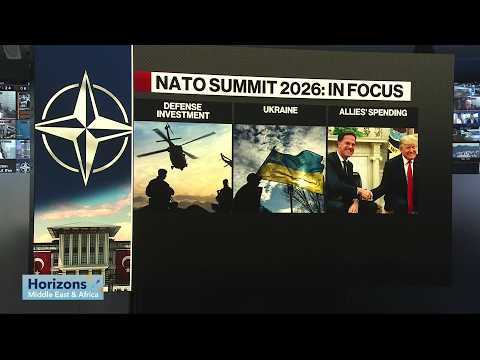
    President Trump’s agenda for the NATO meeting is multifaceted. His administration has consistently advocated for increased burden-sharing among allies. He has often called for European nations to meet their defense spending commitments. This theme is expected to resurface during the current discussions.

    The immediate priority will be to secure allied support or at least understanding for the US actions in Iran. The President will likely present intelligence briefings to NATO leaders. These briefings will aim to justify the necessity of the strikes.

    Longer-term strategy will also be on the table. Discussions will likely include the future of Iran’s nuclear program. They will also cover Iran’s regional proxy networks. The US seeks a unified front against what it perceives as Iranian aggression and destabilizing activities.

    Challenges to Unity

    Achieving full consensus within NATO on Iran policy could prove challenging. Some European nations, such as France and Germany, have historically favored diplomatic engagement with Iran. They were key signatories to the Joint Comprehensive Plan of Action (JCPOA), the 2015 nuclear deal.

    The US withdrew from the JCPOA in 2018. This created a divergence in approach between the US and its European allies. Reconciling these differing strategies will be a central task for President Trump and his diplomatic team.

    The Path Forward: De-escalation or Further Conflict?

    The outcome of the NATO meetings will significantly influence the trajectory of the US-Iran confrontation. A unified front from NATO could strengthen the US position. It could also provide a clearer path for de-escalation through diplomatic channels.

    Conversely, a fractured response could embolden Iran. It might also complicate international efforts to manage the crisis. The risk of miscalculation remains high on all sides.

    Diplomatic efforts are ongoing behind the scenes. Various international actors are working to open lines of communication. The goal is to prevent a full-scale regional conflict. The stakes are immense for global peace and stability.

    Leaders convened. Strategies were debated. Alliances were tested. The world watched.

    Washington D.C.

  • US Strikes Iran, Blocks Oil Sales – Geopolitical Ramifications

    US Strikes Iran, Blocks Oil Sales – Geopolitical Ramifications

    On July 8, 2026, the United States launched a series of targeted military strikes against various locations within Iran, concurrently announcing stringent new sanctions designed to block all Iranian oil sales. These actions represent a significant and direct escalation of the long-standing tensions between Washington and Tehran, immediately reshaping the geopolitical landscape of the Middle East and beyond. The dual approach of military force and economic strangulation aims to compel a change in Iranian policy, particularly regarding its nuclear program and regional proxy activities.

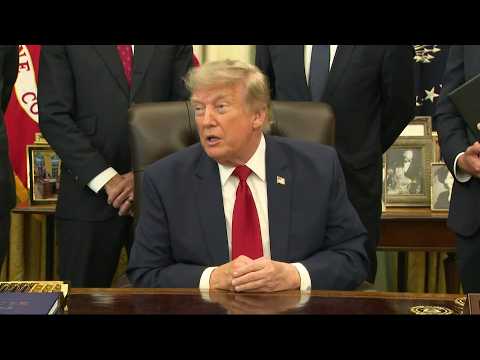
    The strikes were confirmed by U.S. Department of Defense officials in Washington D.C. The White House issued a statement outlining the rationale behind the operations, citing ongoing concerns about regional stability and national security interests. President Donald Trump addressed the nation from the Oval Office, emphasizing the necessity of these measures to protect American personnel and allies in the region.

    The Nature of the Military Strikes

    The military operations on July 8, 2026, involved precision airstrikes against specific targets. Initial reports from U.S. military sources indicated that these targets included command and control centers, missile launch sites, and facilities associated with Iran’s Islamic Revolutionary Guard Corps (IRGC). The strikes were described as preemptive and defensive in nature.

    Details regarding the extent of the damage and potential casualties remain under assessment. Iranian state media reported on the strikes, condemning them as acts of aggression and vowing retaliation. The IRGC issued a statement asserting its readiness to respond to any further military action.

    Regional allies of the United States, including Saudi Arabia and Israel, offered statements of support for the U.S. actions. Other nations, such as Russia and China, called for de-escalation and diplomatic solutions, expressing concern over the potential for wider conflict in the Persian Gulf.

    The Oil Sanctions: Economic Warfare Escalated

    Simultaneously with the military strikes, the U.S. Treasury Department unveiled a new package of sanctions. These measures specifically target Iran’s ability to export oil, which is a primary source of revenue for the Iranian government. The sanctions aim to reduce Iran’s oil exports to zero, thereby crippling its economy.

    The new sanctions include secondary sanctions, meaning that any entity, company, or country found to be purchasing Iranian oil or facilitating its sale will face penalties from the United States. This broad approach is designed to cut off all avenues for Iran to bypass the restrictions. The global oil markets reacted swiftly to the news. Brent crude futures and West Texas Intermediate (WTI) prices surged significantly on July 8, 2026, reflecting concerns about potential supply disruptions.

    Analysts from major financial institutions, including Goldman Sachs and JPMorgan Chase, immediately began reassessing their oil price forecasts. The International Energy Agency (IEA) released a statement acknowledging the potential impact on global energy security and calling for market stability.

    Historical Context of US-Iran Tensions

    The relationship between the United States and Iran has been fraught with tension for decades. Following the 1979 Iranian Revolution, diplomatic ties were severed. The U.S. has consistently expressed concerns over Iran’s nuclear ambitions, its ballistic missile program, and its support for various proxy groups across the Middle East.

    Key historical moments include the Iran-Contra Affair in the 1980s, the U.S. invasion of Iraq in 2003, and the multilateral nuclear agreement, the Joint Comprehensive Plan of Action (JCPOA), signed in 2015. President Trump withdrew the U.S. from the JCPOA in 2018, reinstating and expanding previous sanctions.

    The current escalation follows a period of heightened rhetoric and several incidents in the Persian Gulf. These incidents included attacks on oil tankers and drone incursions, which the U.S. attributed to Iran or its proxies. The U.S. military presence in the region has been steadily reinforced in response to these perceived threats.

    The Role of Regional Actors

    Several regional actors play critical roles in the unfolding situation. Saudi Arabia, a long-standing U.S. ally and a major oil producer, is deeply concerned about Iranian influence. Any disruption to oil flows through the Strait of Hormuz, a critical chokepoint, would severely impact global trade and energy supplies.

    Israel also views Iran as its primary existential threat. The Israeli government has consistently advocated for a strong international stance against Iran’s nuclear program and its military activities in Syria and Lebanon. Israeli Prime Minister Benjamin Netanyahu issued a statement supporting the U.S. actions, emphasizing the need for decisive measures against Iranian aggression.

    Turkey, a NATO member, has a complex relationship with both the U.S. and Iran. While it shares some U.S. concerns, it also maintains economic ties with Iran and seeks to avoid destabilization on its borders. Turkish President Recep Tayyip Erdoğan called for restraint from all parties.

    International Reactions and Diplomatic Efforts

    The international community has reacted with a mixture of concern and condemnation. United Nations Secretary-General António Guterres appealed for an immediate cessation of hostilities and urged all parties to exercise maximum restraint. The UN Security Council convened an emergency session to discuss the crisis.

    The European Union, which has attempted to preserve the JCPOA, expressed deep regret over the escalation. EU foreign policy chief Kaja Kallas stated that the EU would continue to work towards a diplomatic solution but acknowledged the significant challenges posed by the U.S. actions. European leaders are now faced with the difficult task of balancing their alliance with the U.S. against their economic interests and desire for regional stability.

    Russia and China, both permanent members of the UN Security Council, criticized the U.S. strikes and sanctions. They argued that such unilateral actions undermine international law and further destabilize the region. Both nations reiterated their support for the JCPOA and called for renewed negotiations.

    Impact on Global Oil Markets

    The immediate and profound impact on global oil markets cannot be overstated. The blocking of Iranian oil sales, combined with the military strikes, has introduced significant uncertainty into an already volatile market. Iran is a significant producer, and its removal from the supply chain creates a deficit that other producers may struggle to fill.

    Major oil-importing nations, particularly in Asia, are now scrambling to secure alternative supplies. This sudden shift in demand dynamics is contributing to the upward pressure on crude prices. The U.S. Department of Energy announced that it is monitoring the situation closely and is prepared to release oil from its Strategic Petroleum Reserve if necessary to stabilize markets.

    The long-term effects on global energy prices, inflation, and economic growth are a major concern for policymakers worldwide. Higher energy costs could dampen consumer spending and investment, potentially leading to broader economic slowdowns.

    The Path Forward: De-escalation or Further Conflict?

    The immediate aftermath of the July 8, 2026, events presents a critical juncture. The U.S. actions have clearly signaled a determination to confront Iran. The question now is whether these measures will achieve their intended effect of altering Iranian behavior or if they will lead to further retaliation and a deeper conflict.

    Iran’s leadership has consistently demonstrated a willingness to resist external pressure. Any retaliatory actions could take various forms, including attacks on shipping in the Gulf, cyberattacks, or activation of proxy forces in Iraq, Syria, Lebanon, or Yemen. The potential for miscalculation on either side remains high.

    Diplomatic channels, though strained, are still active. International organizations and concerned nations are working to find a path to de-escalation. The coming weeks will be crucial in determining whether the current crisis can be contained or if it will spiral into a broader regional confrontation.

    U.S. officials remain firm in their stance. International bodies seek a peaceful resolution. Regional powers watch with bated breath. The world holds its breath.

    The Middle East.

  • US Military Strikes Iran in July 2026 – Escalation in Middle East Tensions

    US Military Strikes Iran in July 2026 – Escalation in Middle East Tensions

    US Military Initiates Strikes Against Iran in July 2026

    The United States military launched a new wave of strikes against Iran on July 8, 2026. These military actions were a direct response to a series of drone attacks. These attacks, attributed to Iranian-backed militias, had targeted American military and logistical assets in Iraq and Syria.

    This development signifies a notable escalation in regional tensions. President Trump authorized the strikes after consultations with his National Security Council. The Pentagon confirmed the operations, stating their objective was to deter future aggression and degrade the capabilities of groups responsible for the recent attacks.

    The Immediate Precedent for Action

    The decision to launch strikes followed a week of escalating drone attacks on US facilities in the Middle East. American intelligence agencies attributed these attacks to various Iranian-backed proxy groups. One significant incident involved a drone strike on a logistical hub near Erbil, Iraq.

    This particular incident resulted in material damage. No US casualties were reported from the attack. The series of events prompted a high-level response from the US government.

    Presidential Authorization and National Security Council Meeting

    President Trump convened an emergency meeting of the National Security Council. This meeting took place on the evening of July 7, 2026. Vice President JD Vance and Secretary of State Marco Rubio were reportedly in attendance during this critical session.

    The consensus reached during this meeting was that a decisive military response was necessary. The objective was to re-establish deterrence in the region. This led directly to the authorization for military strikes against Iranian targets.

    Pentagon Confirmation and Stated Objectives

    The Pentagon issued a statement confirming the strikes shortly after operations commenced. The statement emphasized the defensive nature of the actions. It framed them as a proportionate response to protect American personnel and interests.

    Specific targets included command and control centers, weapons depots, and drone launch sites. These sites were located within Iranian territory. The Pentagon did not provide further immediate details on battle damage assessments.

    Geopolitical Landscape and Historical Context

    The relationship between the United States and Iran has been characterized by periods of intense friction. This history spans several decades. President Trump’s administration has consistently maintained a firm stance against what it identifies as Iran’s destabilizing activities in the Middle East.

    These activities include support for various non-state actors. They also encompass the development of ballistic missile technology. Previous US administrations have also grappled with Iranian influence in the region.

    The current context is shaped by recent withdrawals from international agreements. It also involves increased sanctions imposed by the United States. The US maintains a significant military presence in the region. This presence is primarily focused on counter-terrorism operations and deterring state-sponsored aggression.

    Regional Implications and International Reaction

    Any military action involving Iran carries substantial regional and international implications. Neighboring countries are closely monitoring the situation. These include Saudi Arabia, the United Arab Emirates, and Israel.

    These nations often view Iranian expansionism as a direct threat to their security interests. Their reactions to the recent strikes will be crucial in shaping the regional dynamic. The stability of the Middle East is a complex and interconnected issue.

    Impact on Global Energy Markets

    Global energy markets reacted swiftly to the news of the strikes. Oil prices saw an immediate increase. This rise was driven by concerns over potential disruptions to shipping lanes. The Strait of Hormuz is particularly critical in this regard.

    This critical waterway remains a chokepoint for a significant portion of the world’s oil supply. Any threat to its passage can have widespread economic consequences. Analysts are closely watching how this situation will affect global energy stability.

    International Bodies and Diplomatic Efforts

    International bodies, including the United Nations Security Council, are expected to address the escalation. Initial reactions from European allies have called for de-escalation and diplomatic engagement. These calls underscore a desire to prevent further conflict.

    Russia and China had not yet issued official statements at the time of reporting. Their responses will be closely watched. The positions of these global powers can significantly influence the international response to the situation.

    Ongoing Situation and Future Outlook

    This remains a developing situation. Additional information is expected from both US and Iranian sources. The immediate aftermath of the strikes will likely involve assessments of their effectiveness.

    The international community will also anticipate any potential counter-responses from Iran. The trajectory of regional stability hinges on these unfolding events. The world watches.

    The Stakes of Escalation

    The recent military actions represent a significant moment in US-Iran relations. The targeting of facilities within Iranian territory marks a direct confrontation. This move signals a heightened level of commitment to deterrence by the United States.

    The ripple effects extend beyond military engagement. Economic consequences, particularly in energy markets, are already evident. Diplomatic efforts will intensify to manage the fallout.

    The Role of Proxy Groups

    Iranian-backed militias have played a key role in the recent escalation. Their drone attacks prompted the US response. These groups operate across Iraq and Syria, complicating regional security.

    The US objective to degrade their capabilities aims to reduce future threats. This strategy seeks to weaken Iran’s ability to project power through non-state actors. The effectiveness of these strikes will be a subject of ongoing analysis.

    The Long History of Friction

    The current situation is not isolated. It is part of a long history of friction between the US and Iran. This history includes diplomatic breakdowns, economic sanctions, and proxy conflicts.

    Each administration has navigated this complex relationship. President Trump’s approach emphasizes a strong military posture. This is coupled with economic pressure to counter Iranian influence.

    Challenges to Regional Stability

    The Middle East is inherently volatile. Military actions in one country can quickly affect others. The security interests of Saudi Arabia, the UAE, and Israel are directly impacted.

    Their reactions and potential involvement could further complicate the regional dynamic. Maintaining open lines of communication and diplomatic channels becomes paramount during such times.

    Global Response and De-escalation Calls

    Calls for de-escalation from European allies highlight international concern. The prospect of a wider conflict worries many. The United Nations Security Council will likely serve as a forum for these discussions.

    The positions taken by Russia and China will influence the global narrative. Their involvement could either facilitate or hinder efforts to reduce tensions. The world seeks a peaceful resolution.

    The Path Forward

    The situation remains fluid. Both military and diplomatic avenues will be explored. The US will assess the impact of its strikes. Iran’s response will shape the next phase of this confrontation.

    The international community hopes for a swift return to stability. The economic and human costs of prolonged conflict are immense. Dialogue and diplomacy are critical to navigating this challenging period.

    Militias launched. Drones struck. Tensions escalated. The world watched.

    The Middle East.