Tag: Security

  • Beyoncé and Jay-Z’s East Hampton Gate Breached – Celebrity Security Under Scrutiny

    Beyoncé and Jay-Z’s East Hampton Gate Breached – Celebrity Security Under Scrutiny

    On July 15, 2026, an unidentified vehicle reportedly drove through the main gate of the East Hampton residence belonging to musical artists Beyoncé and Jay-Z. This security breach immediately focused attention on the persistent challenges related to celebrity safety and the protection of private estates.

    Local law enforcement agencies were dispatched to the scene following the incident. The property, known for its extensive security measures, is situated in a high-profile area of East Hampton, New York. The precise time of the event has not been publicly confirmed.

    The Incident Unfolds in East Hampton

    The security breach occurred at the prominent East Hampton estate owned by Beyoncé and Jay-Z. This property is recognized for its substantial grounds and multiple buildings, indicating a significant investment in privacy and protection.

    A vehicle impact directly targeting the main gate suggests a direct security challenge. Such events can result in considerable property damage. They also pose a direct threat to the safety and peace of mind of the residents.

    The immediate response from both private security personnel and local law enforcement is crucial in these situations. Their swift action helps to contain any potential threat and to gather essential evidence for an investigation.

    Details Remain Scarce

    Information concerning the July 15, 2026, incident remains in its preliminary stages. Authorities have not yet released specific details regarding the identity of the driver involved. The make or model of the vehicle has also not been disclosed to the public.

    The condition of any individuals who may have been inside the vehicle has not been reported. These details are critical to understanding the full scope of the event.

    The motive behind the gate crash remains unknown. It is unclear whether the incident was an intentional act or an accidental occurrence. Law enforcement officials are conducting an active investigation to ascertain all facts related to the event.

    Celebrity Security Concerns Reignited

    The incident at the home of Beyoncé and Jay-Z has reignited broader conversations about security protocols for public figures. High-profile individuals frequently face threats to their privacy and personal safety.

    Their residences often become targets for unauthorized access, harassment, or more serious breaches. The constant public scrutiny and global fame contribute to these elevated risks.

    East Hampton, a popular locale for celebrities and affluent individuals, has experienced security incidents in the past. Property breaches, although rare for estates with high-level security, underscore the continuous need for vigilance and advanced protective measures.

    The couple, known for their private lifestyle, has invested significantly in securing their various properties. Despite these substantial efforts, incidents like the one on July 15, 2026, demonstrate the inherent vulnerabilities that can still exist.

    The East Hampton Estate: A Target of Interest

    Beyoncé and Jay-Z’s East Hampton estate is a substantial property. It features extensive grounds, multiple buildings, and typically incorporates robust security infrastructure.

    This infrastructure generally includes automated gates, sophisticated surveillance systems, and often on-site security personnel. These layers of defense are designed to deter unauthorized access and protect the occupants.

    A gate breach, particularly one involving a vehicle, represents a significant penetration of these security layers. It highlights a potential failure point or a determined attempt to gain access.

    The location of the estate in a high-profile area also contributes to its visibility. Such properties often attract unwanted attention from fans, paparazzi, and individuals with malicious intent.

    Law Enforcement Response and Investigation

    The East Hampton Police Department is likely leading the ongoing investigation into the gate breach. Their initial actions would have included securing the scene and gathering preliminary evidence.

    Investigators will be examining any available surveillance footage from the property and surrounding areas. This footage could provide crucial insights into the vehicle, the driver, and the nature of the incident.

    Interviewing potential witnesses, if any, will also be a key part of the investigative process. Assessing the extent of the damage to the gate and any other property structures will help determine the force and impact of the breach.

    The findings from this investigation will be crucial in determining whether the incident was a deliberate act or an accident. This distinction will guide subsequent legal actions and security adjustments.

    Public and Fan Reaction

    Public reaction to the security breach has been one of concern. Fans and commentators across social media platforms expressed worries for the safety of Beyoncé, Jay-Z, and their family.

    The event serves as a stark reminder of the pressures and risks associated with global fame. The personal lives and safety of celebrities often become subjects of public discussion following such incidents.

    Media outlets and fans are closely monitoring official statements for updates as the investigation progresses. The intense public interest underscores the significant cultural impact of the couple.

    Broader Implications for High-Profile Security

    The incident at the East Hampton estate extends beyond the immediate concerns for Beyoncé and Jay-Z. It contributes to a larger discourse on the effectiveness of security measures for high-profile individuals globally.

    Security professionals constantly adapt to new threats and vulnerabilities. The balance between maintaining privacy and ensuring safety is a complex challenge for celebrities and their security teams.

    The event may prompt a review of existing protocols, not just for the couple involved, but for other public figures residing in similar high-value properties. Lessons learned from this incident could influence future security strategies.

    The evolving nature of threats, from determined individuals to accidental incursions, necessitates continuous vigilance and technological advancements in personal and property protection.

    A gate crashed. An investigation launched. Public concern mounted. East Hampton.

  • Rockefeller Center Intrusion – Craig Melvin Targeted by Assailant

    Rockefeller Center Intrusion – Craig Melvin Targeted by Assailant

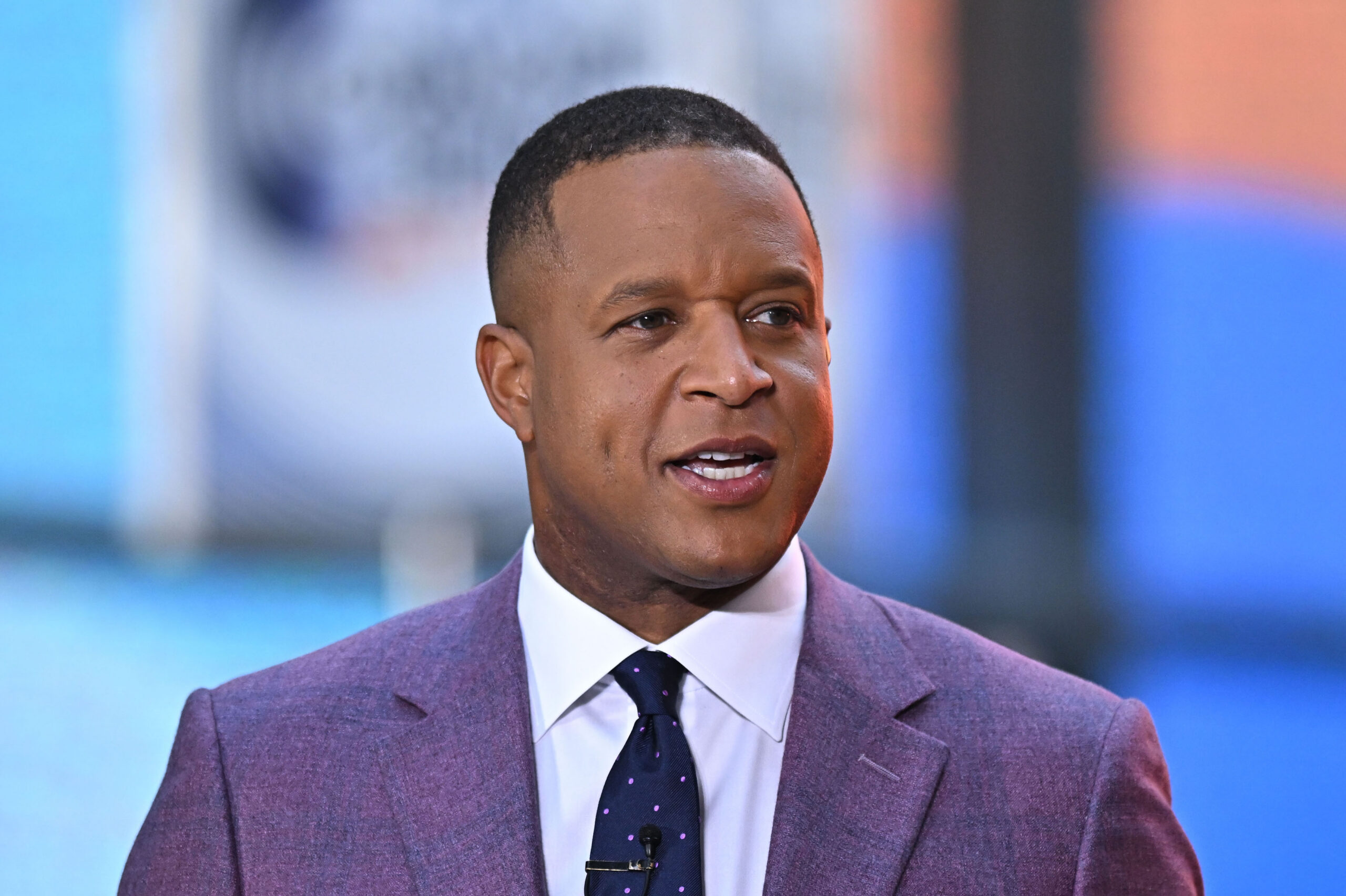
    On July 16, 2026, a security breach occurred at Rockefeller Center in New York City, involving an individual who lunged at Craig Melvin, a prominent host on NBC’s Today show. The incident prompted immediate action from security personnel and the New York Police Department, resulting in the swift apprehension of the assailant. This event has drawn attention to the persistent challenges of ensuring the safety of public figures in accessible locations.

    The incident unfolded during routine operations at the iconic Midtown Manhattan complex. Rockefeller Center, a bustling hub of commerce and tourism, is also home to the studios of NBC News. Melvin was reportedly in a public area when the individual approached him aggressively.

    The Incident at Rockefeller Center

    The specific details surrounding the intruder’s approach remain under investigation by authorities. Reports indicate the individual made a direct movement towards Melvin, described as a lunge. This action immediately triggered a response from the security detail present.

    Eyewitness accounts suggest the confrontation was brief but intense. Security personnel, including private guards and uniformed officers, converged on the scene within moments. Their rapid intervention prevented any further escalation.

    The individual was subdued and taken into custody by the New York Police Department. Charges against the assailant have not yet been publicly detailed, pending the ongoing investigation.

    Craig Melvin’s Public Profile

    Craig Melvin is a well-known figure in American broadcast journalism. He serves as a news anchor on the Today show, a co-host of the third hour of Today, and a host of MSNBC Live. His career has spanned various high-profile assignments, including coverage of major political events and breaking news stories.

    Melvin joined NBC News in 2011. He quickly rose through the ranks, becoming a consistent presence on both the network’s morning show and its cable news counterpart. His public visibility makes him a recognizable face to millions of viewers daily.

    As a public figure, Melvin frequently interacts with the public, both on and off camera. This accessibility is often a cornerstone of broadcast journalism, fostering a connection with the audience. However, it also introduces inherent security risks.

    Security Protocols in Public Spaces

    Rockefeller Center is a complex environment with a multi-layered security apparatus. This includes uniformed security guards, plainclothes officers, and extensive surveillance systems. The presence of major media organizations like NBC News necessitates heightened vigilance.

    Despite these measures, incidents involving aggressive individuals or those seeking unauthorized access are not uncommon in high-traffic public areas. The challenge lies in balancing public access with stringent security requirements.

    The incident involving Craig Melvin underscores the need for constant evaluation and adaptation of security protocols. Threat assessments are routinely conducted for public figures, especially those working in highly visible locations.

    Impact on Media Personalities

    The safety of journalists and media personalities has become an increasingly prominent concern. Incidents ranging from verbal harassment to physical threats have been reported across the industry. These events can have a chilling effect on the ability of journalists to perform their duties freely.

    Public figures often navigate a delicate balance between engagement with their audience and personal safety. The rise of social media has amplified both public interaction and the potential for targeted harassment.

    NBC News, like other major media organizations, employs security teams dedicated to protecting its talent and staff. These teams work in conjunction with local law enforcement to mitigate risks.

    The Broader Context of Public Safety

    This incident is not isolated. Across the United States, public figures, including politicians, entertainers, and business leaders, face various security challenges. The Secret Service, for example, protects the President, Vice President, and their families, along with other designated individuals.

    For those without federal protection, personal security details and private security firms are often employed. However, these measures cannot eliminate all risks, particularly in dynamic public settings.

    The event at Rockefeller Center serves as a reminder of the unpredictable nature of public interactions. It highlights the vulnerabilities that can arise even in heavily secured environments.

    Community and Industry Reactions

    Following the incident, expressions of concern and support for Craig Melvin emerged from colleagues and viewers. The broadcast community often rallies around its members during such events, emphasizing solidarity.

    Media organizations may review their internal security procedures in light of such incidents. These reviews can lead to adjustments in staffing, equipment, or operational practices.

    The discussion also extends to the mental and emotional toll such events can take on individuals. Public figures often face scrutiny and intense pressure, and security breaches add another layer of stress.

    Legal Ramifications for Assailants

    Individuals who engage in aggressive behavior or make threats against others, particularly public figures, often face significant legal consequences. These can include charges of assault, harassment, or trespassing, depending on the specifics of the incident and local laws.

    The severity of charges can vary based on whether physical contact was made, the intent of the assailant, and any prior criminal history. The New York Police Department will likely pursue appropriate charges in this case.

    Prosecution aims to deter similar acts and ensure public order. It also sends a clear message that such behavior will not be tolerated, especially in public spaces like Rockefeller Center.

    Looking Ahead: Enhanced Vigilance

    The incident involving Craig Melvin will likely lead to enhanced vigilance at NBC’s Rockefeller Center facilities. Security personnel will remain on high alert, and measures may be augmented to prevent future occurrences.

    This heightened awareness extends beyond physical security. It also involves monitoring digital threats and intelligence gathering to identify potential risks before they materialize.

    The balance between maintaining an open, accessible environment for broadcast operations and ensuring the safety of personnel is a continuous challenge. Incidents like this reinforce the need for proactive and adaptive security strategies.

    Journalists continue their work. Security teams continue their watch. The city continues its rhythm.

    New York.

  • President Trump Accuses China of Election Interference – The July 2026 Allegations

    President Trump Accuses China of Election Interference – The July 2026 Allegations

    President Donald Trump publicly accused China of election interference on July 17, 2026. This significant allegation, made during his appearance on ‘The China Show,’ immediately escalated discussions surrounding international relations and the integrity of democratic processes. The President’s statement brought the issue of foreign influence in American elections back to the forefront of national and international discourse.

    The accusation signals a potential shift in the administration’s foreign policy focus. It underscores the complex and often contentious relationship between Washington D.C. and Beijing. Concerns about cybersecurity, economic espionage, and human rights have long characterized this dynamic, with election interference now added to the public agenda.

    The Immediate Impact of the Accusation

    President Trump’s remarks on ‘The China Show’ reverberated quickly through global media outlets. News agencies reported on the specific nature of the allegations. Political analysts began to dissect the potential ramifications for diplomatic ties and international trade.

    The timing of the accusation is notable. It occurred during a period of heightened scrutiny over global digital infrastructure. Discussions around data security and the origins of cyberattacks are prevalent among world leaders and intelligence communities.

    What Prompted the Statement?

    Details surrounding the specific evidence or intelligence that prompted President Trump’s accusation have not yet been fully disclosed. However, the statement itself is consistent with a broader pattern of the administration’s skepticism regarding the actions of certain foreign governments.

    Previous administrations have also voiced concerns about foreign interference in elections. These concerns have often focused on a range of activities, including disinformation campaigns, cyber intrusions, and the manipulation of social media platforms. The current accusation specifically targets China.

    Historical Context of Election Interference Claims

    Allegations of foreign interference in democratic elections are not new. Historically, various nations have been accused of attempting to influence political outcomes in other countries. These efforts can range from overt propaganda to covert operations.

    The digital age has introduced new vectors for such interference. Cyber warfare capabilities allow state actors to potentially access voter databases, spread misinformation rapidly, and target specific demographics with tailored propaganda. This makes the attribution of interference more complex but also potentially more impactful.

    Previous US Administrations and Foreign Influence

    Concerns about foreign interference intensified significantly in the mid-2010s. Reports from US intelligence agencies detailed attempts by foreign adversaries to influence the 2016 and 2020 presidential elections. These reports often cited methods such as social media manipulation and email hacks.

    The administration of former President Joe Biden also addressed the issue. It implemented measures aimed at bolstering election security and deterring foreign actors. These efforts included sanctions and diplomatic pressure against countries identified as engaging in such activities.

    The Geopolitical Landscape in 2026

    The year 2026 finds the global geopolitical landscape marked by several key tensions. The relationship between the United States and China remains a central axis of international relations. Points of contention include trade imbalances, human rights issues, and territorial disputes in the South China Sea.

    Technological competition is another significant factor. Both nations are vying for supremacy in critical areas such as artificial intelligence, quantum computing, and semiconductor manufacturing. These technological races have implications for both economic power and national security.

    Economic Rivalry and Trade Policies

    Economic policies continue to be a flashpoint. Tariffs and trade restrictions implemented by both sides have impacted global supply chains. President Trump’s administration has consistently advocated for policies aimed at protecting American industries and intellectual property.

    The accusations of election interference could further complicate trade negotiations. They might also lead to additional economic measures. Such actions would likely have widespread effects on global markets and international commerce.

    The Role of ‘The China Show’

    ‘The China Show’ serves as a platform for discussions on Chinese affairs and US-China relations. Its viewership includes individuals interested in geopolitical analysis, economic trends, and human rights issues related to China. President Trump’s appearance on the program provided a high-profile venue for his allegations.

    The program often features in-depth analyses of China’s domestic policies and its international posture. It provides a forum for diverse viewpoints on the challenges and opportunities presented by the rise of China as a global power. The show’s reach amplified the President’s message.

    Public Reaction and Media Coverage

    Public reaction to President Trump’s accusation has been varied. Supporters of the President have largely affirmed the seriousness of the claims, emphasizing the need for vigilance against foreign threats. Critics have called for specific evidence to substantiate the allegations, urging caution against unsubstantiated claims.

    Media coverage has focused on the implications for US-China relations. Analysts from various news organizations have speculated on Beijing’s potential response. The story has dominated headlines on both traditional news channels and digital platforms.

    Future Implications for US-China Relations

    The accusation of election interference carries significant implications for the future of US-China relations. It could lead to a further hardening of diplomatic stances. It might also prompt a reevaluation of existing agreements and partnerships.

    The international community will be watching closely for Beijing’s official response. Any retaliatory measures or denials from China could escalate the situation further. The incident adds another layer of complexity to an already intricate bilateral relationship.

    Potential Policy Responses from Washington

    In response to such allegations, the US government has several policy tools at its disposal. These can include sanctions against specific Chinese entities or individuals, increased cybersecurity cooperation with allies, and enhanced intelligence gathering efforts.

    The administration may also choose to raise the issue in international forums. This could involve discussions at the United Nations or other multilateral organizations. The goal would be to build a broader consensus on the importance of protecting democratic processes from foreign interference.

    Cybersecurity and National Security

    The allegations underscore the critical link between cybersecurity and national security. Election infrastructure, voter registration systems, and political campaigns are all potential targets for cyberattacks. Protecting these assets is a paramount concern for government agencies.

    Investment in cybersecurity defenses has increased significantly in recent years. This includes both governmental efforts and private sector initiatives. The aim is to create robust systems that can detect, prevent, and respond to sophisticated cyber threats from state actors and other malicious entities.

    The Role of Intelligence Agencies

    US intelligence agencies play a crucial role in monitoring and assessing foreign threats to elections. They gather information on potential interference activities. They also provide assessments to policymakers on the nature and scope of these threats.

    These agencies often work in coordination with law enforcement and other government bodies. Their efforts are aimed at providing a comprehensive understanding of the threat landscape. This intelligence forms the basis for policy decisions and defensive measures.

    Global Reactions and International Diplomacy

    International reactions to President Trump’s accusation have been varied. Allied nations have expressed concerns about the integrity of democratic elections worldwide. Some have reiterated their commitment to protecting their own electoral processes from foreign influence.

    Other countries, particularly those with close ties to China, have remained cautious in their statements. They often emphasize the importance of diplomatic dialogue and avoiding escalations. The incident highlights the intricate web of international alliances and rivalries.

    The Challenge of Attribution

    Attributing cyberattacks and influence operations to specific state actors is a notoriously difficult task. Sophisticated adversaries often employ techniques to mask their origins. They use proxy servers, false flags, and other methods to create ambiguity.

    Despite these challenges, intelligence agencies use a combination of technical analysis, human intelligence, and forensic investigations to make attributions. The credibility of these attributions is crucial for guiding policy responses and maintaining public trust.

    The accusation stands. The geopolitical stage is set. The world watches.

    Diplomatic channels are engaged. Intelligence communities are active. Public discourse is inflamed.

    Washington.

  • Paramount’s Defense: Antitrust Lawsuit Threatens Entertainment Workers

    Paramount’s Defense: Antitrust Lawsuit Threatens Entertainment Workers

    The Core of Paramount’s Defense

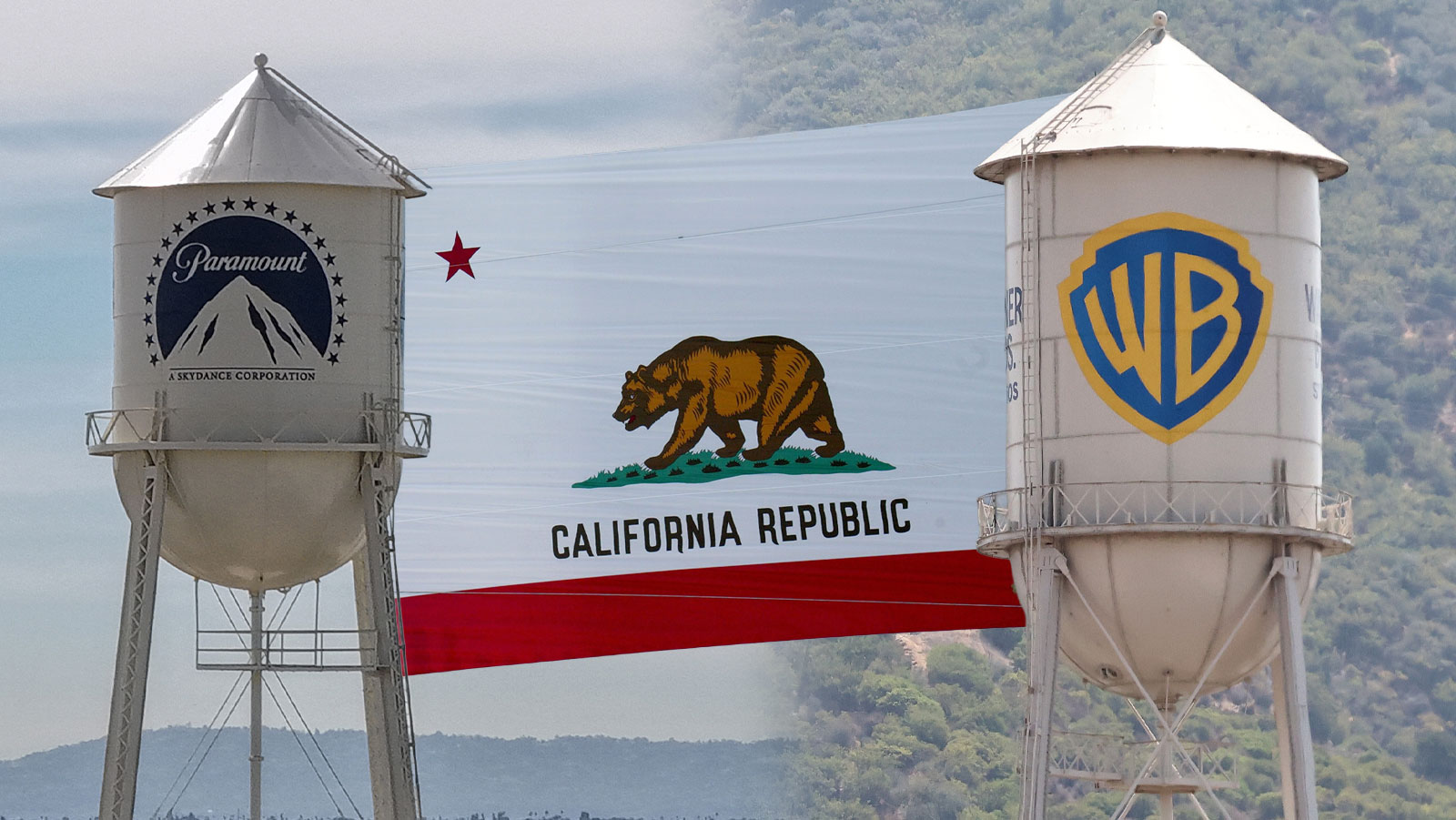
    Paramount Global is actively defending its proposed merger with Warner Bros. Discovery. A coalition of states has filed an antitrust lawsuit to block this significant media consolidation. Paramount’s central argument is that preventing the deal would negatively impact entertainment workers.

    This defense introduces a new dimension to the legal battle. It shifts the focus from market consolidation to the potential human cost of regulatory intervention. The company frames the merger as beneficial for industry employment, rather than solely a corporate maneuver.

    The Antitrust Challenge

    The antitrust lawsuit targets the proposed merger between Paramount Global and Warner Bros. Discovery. This action was initiated by several state attorneys general. Their primary concern revolves around potential anti-competitiveness within the media landscape.

    Regulators often scrutinize large mergers to prevent monopolies or oligopolies. Such market structures can lead to reduced consumer choice and increased prices. The states argue that the combined entity would wield excessive market power, stifling competition in content production and distribution.

    The legal challenge highlights a broader trend in government oversight of major corporate transactions. Authorities are increasingly wary of consolidation in key industries. They seek to protect consumers and smaller businesses from the adverse effects of market dominance.

    Paramount’s Counter-Argument: Worker Welfare

    Paramount Global’s defense strategy centers on the welfare of entertainment industry workers. The company contends that blocking the merger could lead to significant job losses. It also suggests that a failed deal might reduce overall opportunities for professionals in the sector.

    This argument aims to humanize the corporate transaction. It seeks to demonstrate that the merger has tangible benefits beyond shareholder value. The company positions itself as a protector of its workforce, emphasizing the stability and growth the merger could bring.

    The entertainment industry is known for its fluctuating employment landscape. Project-based work and contract roles are common. Paramount’s argument taps into these vulnerabilities, suggesting that a stronger, combined entity could offer more stable employment prospects.

    The Impact on a Volatile Industry

    The entertainment sector has faced numerous challenges in recent years. The rise of streaming services, evolving consumption habits, and global economic shifts have all contributed to a volatile environment. Mergers are often presented as a way to achieve economies of scale and better compete in this landscape.

    Paramount’s defense suggests that the merger is not just about corporate growth. It is also about ensuring the long-term viability of content production and distribution. This, in turn, supports the livelihoods of countless writers, directors, actors, crew members, and technical staff.

    The argument attempts to align the company’s business interests with public interest concerns. By focusing on employment, Paramount aims to create a more sympathetic narrative for its merger plans. This approach could influence public opinion and potentially sway judicial decisions.

    The Legal Landscape of Media Mergers

    Antitrust law governs mergers and acquisitions to prevent anti-competitive practices. The Department of Justice (DOJ) and the Federal Trade Commission (FTC) are the primary federal enforcers in the United States. State attorneys general can also initiate lawsuits, often in coordination with federal agencies or independently.

    Major media mergers frequently attract intense scrutiny. The telecommunications and media sectors have seen significant consolidation over the past two decades. This has led to concerns about reduced diversity in media ownership and control over information.

    Past examples include the merger between AT&T and Time Warner, which faced a lengthy legal battle. The court ultimately allowed that merger to proceed. Each case presents unique facts and legal arguments, making outcomes difficult to predict.

    Precedents and Public Interest

    Courts often consider the broader public interest when evaluating antitrust cases. This can include factors beyond mere economic efficiency. Issues like consumer welfare, innovation, and, in this case, employment impacts, can play a role.

    Paramount’s argument about entertainment workers attempts to frame the merger as serving a public good. It suggests that a financially stronger combined entity would be better positioned to invest in new content, fostering creativity and job creation.

    The legal system must balance these claims against potential harms. The core question remains: would the combined entity reduce competition to an extent that outweighs its purported benefits? The states argue that it would, leading to fewer choices and potentially higher costs for consumers.

    The Stakes for Entertainment Workers

    The entertainment industry employs millions of people globally. From pre-production to post-production, a vast ecosystem of skilled professionals contributes to content creation. Their livelihoods are directly tied to the health and stability of major studios and production companies.

    A successful merger could, in theory, lead to increased investment in new projects. This would create more jobs and opportunities for workers across various disciplines. Conversely, a failed merger could result in uncertainty, layoffs, or a reduction in overall production activity.

    Workers in the industry often face contract-based employment. Job security can be a significant concern. Paramount’s argument resonates with the anxieties of this workforce, suggesting that the merger offers a path to greater stability.

    Union Perspectives and Industry Response

    Entertainment industry unions often play a crucial role in advocating for their members. Organizations like SAG-AFTRA, the Directors Guild of America (DGA), and the Writers Guild of America (WGA) represent a significant portion of the workforce. Their stance on the merger could influence public perception and policy debates.

    It remains to be seen how these unions will officially respond to Paramount’s defense. Their primary concern is typically the protection of existing jobs, fair wages, and benefits. If the merger is perceived as beneficial for these aspects, it might gain union support.

    The broader entertainment industry is watching this case closely. The outcome could set a precedent for future consolidation efforts. It could also influence how companies frame their mergers in terms of societal and economic benefits.

    The Future of Media Consolidation

    The lawsuit against the Paramount-Warner Bros. Discovery merger is a bellwether for the future of media. Regulatory bodies are increasingly assertive in scrutinizing large-scale corporate transactions. The landscape for major mergers is becoming more challenging.

    Companies planning future consolidations will likely need to develop more robust arguments. These arguments will need to address not only economic efficiencies but also broader societal impacts. The focus on entertainment workers by Paramount is an example of this evolving strategy.

    The outcome of this specific case will have implications far beyond the two companies involved. It will shape regulatory expectations and corporate strategies for years to come. The balance between fostering innovation and preventing anti-competitive practices remains a central challenge.

    The legal arguments continue. The corporate strategies evolve. The workers wait. The industry watches. The future of media consolidation remains in flux.

  • Trump Shelves 20% Fee for Hormuz Cargo Shipments – Economic and Geopolitical Impact

    Trump Shelves 20% Fee for Hormuz Cargo Shipments – Economic and Geopolitical Impact

    President Trump Reverses Course on Hormuz Shipping Fee

    President Donald Trump has shelved the controversial proposal to impose a 20% fee on cargo shipments transiting the Strait of Hormuz. This decision, announced in mid-2026, marks a significant shift from earlier policy considerations aimed at bolstering maritime security in the critical waterway.

    The initial proposal had generated considerable debate among international allies, shipping companies, and energy market analysts. Its cancellation reflects a re-evaluation of the economic and geopolitical implications such for global trade and regional stability.

    The Strategic Importance of the Strait of Hormuz

    The Strait of Hormuz is a narrow sea passage connecting the Persian Gulf with the Arabian Sea and the Gulf of Oman. It is one of the world’s most strategically important chokepoints for oil transit.

    Approximately one-fifth of the world’s total petroleum consumption, including crude oil and refined petroleum products, passes through the Strait daily. This volume translates to roughly 21 million barrels per day, according to the U.S. Energy Information Administration (EIA).

    The Strait’s geopolitical significance is amplified by its proximity to major oil-producing nations, including Saudi Arabia, Iran, Iraq, Kuwait, Qatar, and the United Arab Emirates. Any disruption to traffic in this waterway can have immediate and far-reaching effects on global energy prices and supply chains.

    The Rationale Behind the Proposed Fee

    The concept of a 20% fee was initially floated as a mechanism to fund enhanced security operations in the Persian Gulf. Proponents argued that nations benefiting from the free flow of commerce through the Strait should contribute directly to the costs of maintaining its security.

    This argument often cited the persistent threats posed by regional actors, including Iran’s Revolutionary Guard Corps. These threats have historically included harassment of commercial vessels, mine placements, and drone attacks.

    The U.S. Navy’s Fifth Fleet, based in Bahrain, plays a primary role in safeguarding international shipping in the region. The proposed fee was seen by some as a way to share the financial burden of these extensive security efforts more broadly among beneficiaries.

    International Reactions and Concerns

    The proposed 20% fee met with widespread international opposition. Key allies in Europe and Asia expressed concerns about the economic impact on their energy imports and export industries.

    Shipping industry organizations warned that such a fee would significantly increase operational costs. These costs would inevitably be passed on to consumers, leading to higher prices for goods and energy globally.

    Analysts also pointed to the potential for the fee to destabilize an already volatile region. There were worries that it could be perceived as an aggressive economic measure, exacerbating tensions rather than alleviating them.

    Iran, which shares the Strait with Oman, had strongly condemned the proposal. Iranian officials viewed it as an infringement on international maritime law and a hostile act.

    Economic Implications of the Decision

    The shelving of the 20% fee is expected to provide relief to global shipping companies and energy markets. Had it been implemented, the fee could have added billions of dollars annually to the cost of transporting oil and other goods.

    For oil-importing nations, especially those heavily reliant on Middle Eastern crude, the decision averts a significant increase in energy costs. This helps maintain stability in global supply chains and mitigates inflationary pressures.

    The shipping industry, already navigating complex challenges such as fluctuating fuel prices and geopolitical risks, avoids an additional and substantial financial burden. This fosters greater predictability in maritime trade operations.

    Geopolitical Ramifications in the Persian Gulf

    The reversal of the fee policy also carries significant geopolitical weight. It signals a potential de-escalation of economic pressure in the Persian Gulf.

    This move may contribute to a more stable environment for diplomatic engagement with regional powers. It avoids creating new points of contention with allies and adversaries alike.

    The focus can now return to traditional methods of ensuring maritime security, including multinational naval patrols and diplomatic efforts to de-escalate regional tensions. The U.S. continues to underscore its commitment to freedom of navigation.

    Historical Context of Hormuz Security

    Security in the Strait of Hormuz has been a recurring international concern for decades. Incidents of maritime disruption date back to the Iran-Iraq War in the 1980s, known as the “Tanker War.”

    During that conflict, both sides attacked each other’s oil tankers and those of third parties, highlighting the vulnerability of shipping in the Strait. International naval forces, including those from the U.S., were deployed to protect commercial vessels.

    More recently, in the 2010s and 2020s, tensions have flared periodically, often involving Iran and its proxies. These incidents include attacks on tankers, seizures of vessels, and confrontations with naval forces.

    The U.S. has consistently maintained a naval presence in the region to deter aggression and ensure the free flow of commerce. This commitment remains a cornerstone of its foreign policy in the Middle East.

    The Role of International Diplomacy

    The decision to shelve the fee underscores the importance of international diplomacy in navigating complex geopolitical challenges. Consultations with allies and listening to the concerns of the global shipping industry likely played a role in the policy adjustment.

    Such multilateral engagement is crucial for addressing issues that impact global trade and security. Unilateral actions, particularly those with significant economic consequences, often face strong resistance and can undermine international cooperation.

    The path forward for ensuring security in the Strait of Hormuz will likely continue to involve a combination of military deterrence, intelligence sharing, and diplomatic efforts to reduce regional tensions. Collaborative approaches are generally favored over punitive economic measures.

    Future Outlook for Hormuz Shipping

    With the 20% fee off the table, the immediate outlook for shipping through the Strait of Hormuz appears more stable from an economic perspective. However, underlying security challenges persist.

    The region remains susceptible to geopolitical shifts and the actions of various state and non-state actors. Vigilance and robust security measures will continue to be necessary.

    The international community will closely monitor developments in the Persian Gulf. The free flow of oil and goods through the Strait of Hormuz is essential for global economic health. The decision by President Trump helps to ensure this flow continues without additional financial burden.

    Oil prices. Shipping routes. Global trade. Geopolitical stability. Energy security. Peace.

  • Unconfirmed US Daytime Operation Reported in Western Iran – Global Scrutiny

    Unconfirmed US Daytime Operation Reported in Western Iran – Global Scrutiny

    On July 15, 2026, unconfirmed reports circulated globally regarding a rare United States daytime operation in Western Iran, near the border with Iraq. This alleged activity, occurring in broad daylight, has sparked considerable international speculation. Both the United States government and Iranian authorities have maintained official silence, offering no confirmation or denial. The absence of official statements has intensified scrutiny on the Middle East, as observers attempt to discern the nature and implications of such an event.

    Military and intelligence actions in contested territories are typically executed under the cover of darkness. The reported daytime timing of this operation, if accurate, marks a significant departure from standard operational procedures. This choice suggests a deliberate strategy, a time-sensitive objective, or an unavoidable constraint.

    Unconfirmed Activity in Iran’s Western Provinces

    Initial, unverified reports originated from regional observers and anonymous intelligence sources. They indicated significant activity in Iran’s western provinces. This area shares a long and often porous border with Iraq. It has historically been a complex zone, marked by various cross-border dynamics and geopolitical tensions.

    The focus on this specific geographical sector is notable. It suggests potential concerns related to border security, specific infrastructure targets, or the movement of identified groups. The region is known for its rugged terrain and its strategic importance.

    Precise geographical coordinates of the alleged activity remain unconfirmed. However, consistent reporting of ‘Western Iran’ and ‘near the Iraqi border’ narrows the potential area of interest. This area has witnessed historical conflicts and various forms of military and paramilitary activity over many decades.

    The description of a ‘daytime operation’ continues to draw particular attention. Military and intelligence operations typically prioritize stealth and minimize detection risks. Operating during daylight hours increases visibility and potential for engagement.

    Such a choice implies a deliberate calculation of risk. It could signal a time-sensitive objective that overrides standard operational security protocols. Alternatively, it might represent an intentional display of force, designed to convey a message through overt presence.

    These early observations are crucial for understanding the potential scope and intent. They highlight the unusual posture attributed to U.S. forces in this context. The decision to operate visibly during daylight hours suggests a high-stakes scenario or an imperative that dictates unconventional tactics.

    Official Silence from Washington and Tehran

    As of the afternoon of July 15, 2026, official channels from Washington D.C. remained silent. The White House, the Pentagon, and the State Department have not issued any public statements. This lack of comment is consistent with established U.S. policy regarding sensitive military or intelligence operations.

    The United States government typically maintains a strict policy of non-commentary on ongoing classified activities. This protocol aims to protect personnel, preserve operational security, and manage the narrative in complex international situations. The current silence aligns directly with this long-standing practice.

    Similarly, Iranian state media has offered no comprehensive coverage or official commentary. Limited local reports have surfaced, but these have not been consolidated into an official government position. The absence of immediate official statements from Tehran is as significant as Washington’s silence.

    Tehran’s silence could be interpreted in several ways. It might indicate a lack of confirmed information on their side. It could also be a strategic decision to avoid escalation or to buy time for a thorough assessment of the situation. The Iranian government often weighs its public responses carefully in such circumstances.

    News organizations worldwide are actively attempting to piece together details. They are relying on a network of correspondents, anonymous sources, and advanced satellite imagery analysis. The challenge remains to differentiate verified facts from speculative reports in a rapidly evolving information environment. The global media landscape continues to monitor the region for any new developments or official declarations from either nation.

    The absence of official communication from both sides fuels a climate of uncertainty. This uncertainty amplifies the potential for misinterpretation and heightened tensions. International bodies and allied nations are closely watching for any definitive statements that could clarify the situation.

    Analyzing Potential Objectives of a Daytime Operation

    Experts are currently speculating on several potential objectives for a rare U.S. daytime operation in Iran, despite the lack of confirmation. Such an overt action could serve multiple strategic purposes. These range from specific intelligence gathering to broader signals of deterrence.

    One primary theory centers on high-value intelligence collection. Certain targets, whether individuals or infrastructure, might necessitate visual confirmation or specialized equipment that performs optimally in daylight conditions. This could be part of a targeted counter-terrorism effort or a response to specific, actionable intelligence regarding Iranian activities or proxies.

    Another potential objective involves interdiction. This could entail intercepting illicit transfers such as weapons shipments, drug trafficking, or other contraband. The border region with Iraq is a known conduit for various cross-border movements, some of which are illegal. A daytime operation might be required for successful disruption if the transfers occur openly or require precise targeting.

    The disruption of identified threats represents a third possibility. This could range from dismantling militant group cells operating near the border to neutralizing specific capabilities deemed a direct threat to U.S. interests or allies. An overt daytime presence could be intended to maximize the psychological impact of such a disruption.

    A less probable, but still considered, theory involves a rescue mission. However, there have been no public reports indicating any U.S. personnel in distress within Iran. Such an operation would typically be conducted with extreme secrecy until its completion. A widely reported ‘daytime operation’ would therefore be an unlikely scenario for a rescue.

    The overt nature of the operation could also serve as a strategic signal. Though the precise message remains unclear without official communication, it might be intended to deter future aggressive actions by Iran or its proxies. It could also demonstrate U.S. capabilities, project power, or underscore a commitment to regional security. The deliberate visibility would be central to achieving such a strategic communication objective.

    The choice to operate in daylight could also be a consequence of a rapidly developing situation. It might indicate an urgent response to an emerging threat that did not allow for planning a nighttime insertion. This would suggest a reactive rather than purely pre-emptive posture.

    Consideration must also be given to technological factors. Advanced surveillance or strike platforms may require specific light conditions for optimal performance. The use of certain aerial assets, for example, might be more effective or safer during daylight hours.

    The Broader Regional Context and International Implications

    The Middle East remains a critical geopolitical flashpoint. Relations between the United States and Iran have been characterized by decades of tension and proxy conflicts. Any unconfirmed U.S. military activity within Iranian territory, even if denied, carries significant regional and international implications.

    The reported operation occurs against a backdrop of ongoing regional instability. This includes the complexities of the Iraq-Iran border, the persistent threat of various non-state actors, and broader power dynamics in the Persian Gulf. The timing of such an event is rarely coincidental within this volatile environment.

    International reaction has been cautious. Allied nations are likely seeking clarification through diplomatic channels. Adversarial nations may seize upon the reports to criticize U.S. actions or to further their own agendas. The lack of official information creates a vacuum that can be filled by narrative warfare.

    The potential for escalation is a significant concern. Even unconfirmed reports of direct military engagement between the U.S. and Iran could heighten tensions. This risks miscalculation by either side. Both Washington and Tehran have historically sought to avoid direct military confrontation, preferring proxy engagements.

    Global energy markets often react sensitively to developments in the Middle East. Any perceived increase in regional instability can lead to fluctuations in oil prices. The Strait of Hormuz, a critical chokepoint for global oil shipments, is particularly vulnerable to geopolitical tensions.

    The international community will be closely watching for any official statements. Confirmation of a U.S. operation would necessitate a robust diplomatic response. Denial, if credible, would aim to de-escalate the situation. The prolonged silence from both capitals adds to the gravity of the situation.

    The incident, whether confirmed or not, highlights the persistent challenges in managing U.S.-Iran relations. It underscores the fragility of regional peace and the constant potential for unexpected events to reshape geopolitical landscapes. The world waits for clarity.

    Historical Precedents and Modern Operational Environment

    Historically, the United States has conducted covert operations in various parts of the world, including the Middle East. These operations are typically characterized by secrecy and deniability. They are often executed at night to minimize detection and avoid public attribution.

    The reported daytime nature of this operation, therefore, stands out. It recalls instances where military actions were either intentionally overt or became public due to unforeseen circumstances. Each historical precedent offers a different lens through which to analyze the current unconfirmed reports.

    Technological advancements have also reshaped the operational environment. Satellite imagery, open-source intelligence (OSINT), and the rapid dissemination of information via social media mean that covert operations are increasingly difficult to keep secret. What might have been entirely deniable decades ago is now quickly scrutinized.

    The prevalence of drones and advanced reconnaissance aircraft also plays a role. These assets can provide real-time intelligence and support to ground operations. Their deployment, particularly in contested airspace, can be detected and reported by various entities, both state and non-state.

    The current geopolitical climate, with increased great power competition, adds another layer of complexity. Actions taken by one nation are often interpreted through the lens of broader strategic rivalries. A U.S. operation in Iran, even if unconfirmed, would be analyzed by Russia and China for its implications.

    The memory of past military engagements and their consequences also shapes current responses. Both the U.S. and Iran are aware of the potential for escalation. This mutual awareness often leads to a cautious approach, even amidst heightened tensions.

    The incident serves as a stark reminder of the ongoing shadow war between the U.S. and Iran. This conflict often plays out through proxies, cyberattacks, and clandestine operations. Direct, overt action, if confirmed, would represent a significant shift in this dynamic.

    The Information Vacuum and Global Response

    The information vacuum surrounding the alleged U.S. daytime operation has created an environment ripe for speculation. Without official confirmation or denial, various narratives can emerge, some of which may be inaccurate or intentionally misleading. This poses a challenge for media outlets and policymakers alike.

    International organizations, such as the United Nations, typically call for restraint and de-escalation in such situations. Their role often involves urging transparency and adherence to international law. However, without concrete facts, their ability to intervene effectively is limited.

    Financial markets across the globe have shown minor fluctuations. This reflects investor uncertainty regarding potential geopolitical instability. The price of oil, in particular, is sensitive to events in the Middle East, even unconfirmed ones.

    Diplomatic efforts are likely underway behind the scenes. Various nations may be engaging in quiet diplomacy with both Washington and Tehran. The goal would be to ascertain the facts and to prevent any unintended escalation of hostilities. These efforts often remain confidential to be effective.

    The situation underscores the critical role of accurate and timely information in international relations. When official sources are silent, the risk of misinformation and miscalculation increases significantly. The global community relies on verifiable facts to formulate appropriate responses.

    The world’s attention remains fixed on the Middle East. The unconfirmed reports of a U.S. daytime operation in Western Iran represent a moment of heightened tension. The silence from both governments only deepens the mystery.

    Reporters gathered. Analysts gathered. Diplomats gathered. The world held its breath.

    Tehran.

  • US Strikes Iranian Targets – Escalation in Middle East Tensions

    US Strikes Iranian Targets – Escalation in Middle East Tensions

    On July 15, 2026, the United States military initiated a seven-hour operation against multiple Iranian installations. This direct military action targeted specific capabilities within Iran, including missile launch sites, drone manufacturing facilities, and command-and-control centers. The operation signifies a substantial escalation in the long-standing tensions between Washington and Tehran.

    This engagement commenced in the early hours of the day. It concluded approximately seven hours later. Initial intelligence suggests the primary objective was to degrade Iran’s ability to project military power and influence across the region.

    The July 15, 2026 Engagement: An Overview

    The United States military undertook a significant operation against Iranian targets. This engagement lasted for seven hours, marking a decisive shift in U.S. policy toward Iran.

    The action occurred on July 15, 2026, following a period of intensifying geopolitical friction. This period saw increased rhetoric and strategic maneuvers from both nations.

    Reports from international monitors indicated the operation began early in the morning, local time. It concluded by mid-morning, suggesting a concentrated and rapid execution phase.

    The precise locations and types of targets engaged remain subject to official confirmation from U.S. authorities. However, the nature of the operation indicates a direct and overt military action by the United States against Iranian infrastructure.

    This direct engagement represents a departure from previous, more covert or limited responses. It signals a heightened level of commitment to countering perceived Iranian threats.

    Background to Escalation: Decades of Friction

    The relationship between the United States and Iran has been fraught with challenges for decades. Points of contention have historically included Iran’s nuclear program, its regional influence, and its support for various non-state actors across the Middle East.

    The United States has consistently articulated concerns regarding these activities. These concerns have shaped U.S. foreign policy decisions concerning Iran, leading to periods of both diplomatic engagement and punitive measures.

    In recent months, these underlying tensions have intensified significantly. A series of specific incidents, often undisclosed to the public, are believed to have directly contributed to the current military response.

    Analysts point to a cycle of provocations and counter-provocations that have steadily eroded diplomatic relations between Washington and Tehran. The July 15 operation is widely viewed as a culmination of these recent developments, pushing the relationship to a critical point.

    The strategic rivalry between the two nations extends across several key regional theaters. These include Iraq, Syria, Yemen, and the Persian Gulf. Each of these locations has seen proxy conflicts or direct confrontations involving U.S. and Iranian interests.

    Previous U.S. Actions and Iranian Responses

    The United States has previously employed a range of strategies to counter perceived Iranian threats. These have included comprehensive economic sanctions, designed to restrict Iran’s financial capabilities and international trade access.

    Cyber operations have also been utilized. These operations aim to disrupt Iranian infrastructure and military systems without direct kinetic engagement. Military deployments to the region, including naval assets and airpower, have been a consistent feature of U.S. policy, signaling presence and readiness.

    Iran, in turn, has often responded with its own military exercises. These exercises frequently involve missile tests, demonstrating its defensive and offensive capabilities. Support for proxy forces in regional conflicts has also been a hallmark of Iranian foreign policy, allowing it to exert influence without direct state-on-state confrontation.

    This latest operation differs significantly in its reported scale and duration. A seven-hour engagement suggests a coordinated and substantial effort, moving beyond previous limited strikes or covert actions. It signals a more overt and direct military posture from the United States, indicating a potential shift in strategy.

    Past U.S. administrations have varied in their approaches, from diplomatic overtures to heightened pressure campaigns. The current operation marks one of the most direct military confrontations in recent history between the two nations.

    The Nature of the Reported Targets

    While official confirmation is pending from U.S. authorities, intelligence sources have indicated the U.S. military focused on specific types of strategic targets within Iran. These targets are integral to Iran’s military capabilities and regional projection.

    Likely targets included missile launch sites. Degrading these sites would directly impact Iran’s ballistic missile capabilities, a key component of its deterrent and offensive strategy. Drone manufacturing facilities were also probable targets, aiming to curb Iran’s growing drone technology and deployment, which has been utilized by its proxies.

    Command-and-control centers were also identified as potential targets. Disrupting these centers would hinder Iran’s ability to coordinate its military forces and operations effectively, creating confusion and disarray within its defense structure.

    The overarching goal of this targeting strategy appears to be to significantly degrade Iran’s ability to project power. This would reduce its capacity to conduct military actions or support proxy groups in the region, thereby altering the regional balance of power.

    The targeting strategy also seems designed to minimize civilian casualties, focusing on military infrastructure. This precision targeting aligns with previous U.S. military doctrine in similar situations, emphasizing surgical strikes against military assets. However, the inherent risk of miscalculation and unintended consequences in such a complex operation remains high.

    The selection of these targets suggests an intent to reduce Iran’s capacity for asymmetric warfare and its ability to threaten maritime routes and regional allies.

    Logistics and Resources Deployed

    An operation of this reported scale and duration necessitated significant logistical planning and a substantial deployment of resources. The complexity of striking targets deep within Iranian territory required advanced capabilities.

    Air assets were crucial to the operation. These likely included advanced fighter jets, such as F-35s or F-22s, capable of delivering precision munitions with stealth capabilities. Surveillance drones, like the RQ-4 Global Hawk, would have provided real-time intelligence and damage assessment, crucial for evaluating the mission’s success.

    Naval forces stationed in the Persian Gulf and surrounding waters may also have played a critical support role. Aircraft carriers, destroyers, and submarines could have provided additional reconnaissance, electronic warfare capabilities, or acted as launch platforms for cruise missiles, ensuring a multi-faceted approach.

    The coordination required across different military branches and intelligence agencies would have been extensive. This includes the U.S. Central Command (CENTCOM), the Air Force, Navy, and various intelligence organizations. The success of a seven-hour operation hinges on seamless execution, from intelligence gathering to target engagement and post-strike assessment.

    Initial assessments of the operation will focus on the effectiveness of these deployments and the overall impact on Iran’s military infrastructure. The ability to execute such a complex mission over an extended period speaks to the advanced capabilities and strategic readiness of the United States military.

    The deployment likely involved sophisticated electronic warfare measures to suppress Iranian air defenses, ensuring the safety of U.S. aircraft and personnel.

    International Reactions and Regional Stability

    News of the operation immediately triggered a global response. Major world powers quickly issued statements calling for de-escalation and restraint from all parties involved, expressing concern over the potential for wider conflict.

    The United Nations Security Council is expected to convene an emergency session to discuss the situation and seek pathways to diplomatic resolution. This session will likely involve heated debates and calls for a ceasefire or de-escalation framework.

    Regional allies of the United States are closely monitoring developments, with some expressing solidarity and others urging caution. Countries bordering Iran are particularly concerned about potential retaliatory actions and the destabilizing effect on an already volatile region.

    Oil prices spiked immediately following reports of the operation, reflecting market anxieties about potential disruptions to global energy supplies. Global financial markets reacted with volatility, as investors sought safe-haven assets amidst the increased geopolitical uncertainty.

    Diplomatic efforts are expected to intensify in the coming days, with international mediators attempting to prevent a broader conflict. The international community fears a prolonged confrontation could have severe humanitarian and economic consequences.

    The European Union, along with other major powers, released a joint statement calling for dialogue and a peaceful resolution to the conflict, emphasizing the need to protect civilian lives and infrastructure.

    Looking Ahead: Potential Repercussions

    The repercussions of this seven-hour military operation are likely to be far-reaching and complex. Iran’s official response will be crucial in determining the immediate trajectory of the conflict.

    Analysts anticipate a range of potential Iranian reactions, from retaliatory strikes against U.S. interests or allies in the region to increased support for proxy groups. The nature and scale of any Iranian response will dictate the next phase of escalation or de-escalation.

    The operation also has significant implications for global energy markets. Any sustained disruption to oil production or shipping routes in the Persian Gulf could lead to further price hikes and economic instability worldwide.

    Domestically, the operation will likely generate political debate within the United States. President Trump’s administration will face scrutiny regarding the strategic rationale and potential long-term consequences of such a direct military engagement.

    International law experts will also examine the legality and proportionality of the U.S. action under international statutes. This will add another layer of complexity to the diplomatic fallout.

    The long-term stability of the Middle East hangs in a precarious balance. The international community is bracing for a period of heightened uncertainty. The world waits.

    Diplomats gathered. Leaders consulted. Markets braced. The world waits.

  • Lindsey Graham’s Shifting Allegiance – A Republican Senator’s Journey

    Lindsey Graham’s Shifting Allegiance – A Republican Senator’s Journey

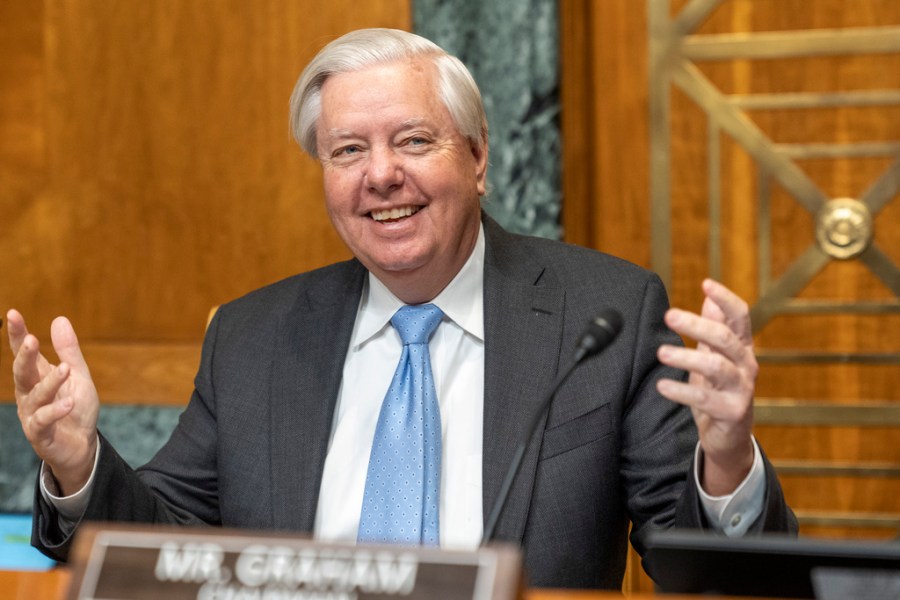
    Lindsey Graham, a long-serving Republican Senator from South Carolina, became known for his significant political evolution. He transitioned from a traditional conservative and occasional bipartisan legislator into a vocal and staunch ally of President Donald Trump. This shift defined his later career in Washington D.C. and reflected broader changes within the Republican Party.

    His journey through American politics presented a unique case study in adaptation and alliance. Graham navigated shifting political currents, maintaining influence across different eras of the Republican Party.

    Early Congressional Career: A Traditional Conservative Voice

    Lindsey Olin Graham began his political career in the South Carolina House of Representatives in 1992. He served one term before successfully seeking federal office.

    In 1994, Graham won election to the U.S. House of Representatives. He represented South Carolina’s 3rd congressional district, a seat he held for four terms.

    From 1995 to 2003, Graham established himself as a prominent conservative voice. His focus areas included national security and judicial matters.

    He gained national attention for his work on the House Judiciary Committee. This committee played a central role during the impeachment proceedings against President Bill Clinton in 1998. Graham was one of the House Managers who presented the articles of impeachment to the Senate.

    This early period solidified his image as a traditional Republican. He adhered to core conservative principles concerning fiscal responsibility and a strong national defense. His participation in such a high-profile event marked him as a rising figure in the party.

    Bipartisan Reputation and Senate Ascent

    During his time in the House, Graham cultivated a reputation for being willing to work across the aisle. This approach distinguished him from some of his more partisan colleagues.

    His bipartisan efforts included support for campaign finance reform. He also engaged in efforts to find common ground on immigration policy, a complex issue that often divides Congress.

    In 2002, Graham successfully ran for the U.S. Senate. He secured the seat vacated by long-serving Senator Strom Thurmond, who retired after 48 years in the Senate.

    Graham assumed office in January 2003. This marked the beginning of a tenure that would see him become a significant national political figure, serving alongside influential senators.

    His ability to bridge divides and seek common ground was a hallmark of this period. He believed in the legislative process as a means of achieving compromise, even on contentious issues. This earned him respect from both sides of the political spectrum, albeit sometimes with criticism from hardliners within his own party.

    The Senate Years: Evolution and Shifting Allegiances

    During his early years in the Senate, Graham often aligned with Republican centrists. He also associated with national security hawks within the party.

    He was a vocal advocate for military intervention in Iraq and Afghanistan. Following the September 11, 2001, terrorist attacks, he supported a robust foreign policy.

    Graham also became a proponent of enhanced interrogation techniques for suspected terrorists. This stance drew both support and criticism during the mid-2000s.

    His relationships with figures like Senator John McCain were particularly influential. Graham and McCain often collaborated on foreign policy and defense issues, forming a notable duo within the Senate Republican caucus. They traveled together frequently and shared similar views on national security.

    Graham’s voting record during this period reflected a more traditional Republican ideology. He supported tax cuts, conservative judicial appointments, and a strong national defense.

    He was re-elected to the Senate in 2008, 2014, and 2020. Each election solidified his position as a key Republican voice in Washington. His tenure spanned multiple presidential administrations, allowing him to shape legislation and policy over decades.

    Key Senate Roles and Legislative Focus

    Graham served on several crucial Senate committees. These assignments provided platforms for his legislative priorities and influence.

    • Senate Judiciary Committee: This committee was central to his focus on judicial appointments and constitutional law. He played a significant role in confirmation hearings for Supreme Court justices and federal judges.
    • Senate Armed Services Committee: Reflecting his national security interests, this committee allowed him to influence defense policy, military spending, and oversight of the armed forces.
    • Senate Budget Committee: Later in his career, he chaired this powerful committee, overseeing federal spending and fiscal policy.
    • Senate Appropriations Committee: Membership on this committee gave him direct input into the allocation of funds for government agencies and programs.

    His work on these committees demonstrated a consistent dedication to national security and judicial conservatism. He often championed legislation aimed at strengthening the military and upholding a conservative interpretation of the Constitution.

    From Critic to Ally: The Trump Era Transformation

    The 2016 presidential election marked a pivotal turn in Graham’s political trajectory. He initially emerged as a vocal critic of then-candidate Donald Trump.

    Graham frequently expressed strong opposition to Trump’s rhetoric and policies during the Republican primaries. He called Trump’s proposed ban on Muslim immigration a ‘death blow’ to the Republican Party. He also stated that Trump was not fit to be commander-in-chief.

    Following President Trump’s victory in November 2016, Graham’s stance underwent a dramatic shift. He moved from being a staunch critic to becoming one of President Trump’s most prominent and vocal supporters in Congress.

    This alliance proved strategic for both figures. President Trump gained a seasoned legislative advocate, while Graham gained significant influence within the new administration and the Republican Party.

    Graham emerged as a key defender of President Trump during various investigations. This included the Special Counsel investigation led by Robert Mueller, which examined Russian interference in the 2016 election and related matters.

    He also played a crucial role in advocating for President Trump’s judicial appointments. This was a central focus of the Trump administration’s policy agenda.

    Graham championed the Supreme Court nominations of Justices Neil Gorsuch, Brett Kavanaugh, and Amy Coney Barrett. His efforts were instrumental in their confirmations, reshaping the ideological balance of the Supreme Court for decades.

    During President Trump’s first impeachment in 2019 and second impeachment in 2021, Graham remained a steadfast defender. He consistently argued against the articles of impeachment, framing them as politically motivated.

    His public appearances on cable news and social media frequently featured strong defenses of President Trump and his policies. This solidified his image as a loyal ally. This transformation became one of the most discussed political shifts of the era, drawing both praise and criticism.

    Influence and Legacy in the Modern Republican Party

    Senator Graham passed away on July 11, 2026, and therefore did not hold influential positions in the Senate as of July 2026, nor did he serve as Chairman of the Senate Budget Committee at that time., a powerful role in shaping federal spending and fiscal policy.

    He was also a member of the Senate Judiciary Committee, where he continued to play a role in judicial nominations and constitutional law. Additionally, he sat on the Senate Appropriations Committee, which controls discretionary spending for federal agencies.

    These roles granted him considerable power in shaping legislative outcomes and influencing national policy debates. His capacity to adapt his political strategy and forge strong alliances cemented his position as a powerful voice within the Republican Party.

    Graham’s public commentary frequently shaped media narratives and set policy discussions. He was a frequent guest on political talk shows and a prolific user of social media. His willingness to engage in political discourse, often with strong rhetoric, ensured his continued relevance.

    His legacy is marked by a complex political journey. He demonstrated an ability to evolve his political identity and alliances in response to changing party dynamics. From his early days as a traditional conservative to his later role as a staunch Trump ally, Graham remained a central figure in American politics.

    His career highlighted the pressures and transformations within the Republican Party. It also showcased the strategic choices individual politicians make to maintain relevance and influence. His impact on judicial appointments, national security policy, and the trajectory of the Republican Party will be subjects of ongoing analysis.

    He championed conservative causes. He navigated partisan divides. He adapted to new political landscapes.

    Lindsey Graham.

  • Trump Declares: US Will ‘Keep The Strait’ – Maritime Policy Shift

    Trump Declares: US Will ‘Keep The Strait’ – Maritime Policy Shift

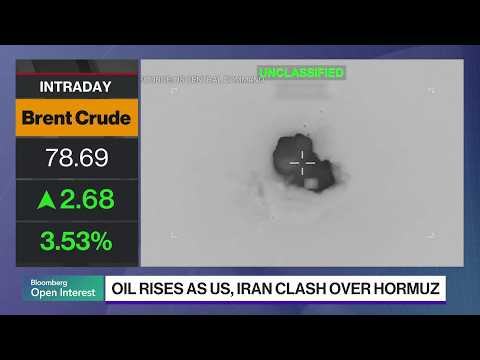
    President Donald Trump recently declared that the United States intends to “keep the Strait.” This statement signals a firm and assertive stance on international maritime control. While not specifying a single location, the phrase broadly refers to critical global waterways such as the Strait of Hormuz and the Bab el-Mandeb Strait. The declaration, reported by Bloomberg Television, underscores the administration’s strategic focus on maintaining influence over these vital arteries of global trade and defense.

    This position reflects a consistent theme within President Trump’s approach to international relations. It prioritizes the protection of American interests and the projection of national power on a global scale. The phrase “keep the Strait” implies a readiness to act decisively to ensure access and prevent disruption in strategically important maritime passages against any challenges.

    The Geopolitical Imperative: What ‘The Strait’ Means

    When President Trump refers to “the Strait,” he invokes a historical and strategic concept rather than a single geographical location. This phrase encapsulates any critical maritime choke point essential for global commerce, energy transportation, and military mobility. These include, but are not limited to, the Strait of Hormuz, the Bab el-Mandeb Strait, the Strait of Malacca, and the Suez Canal.

    These narrow passages are inherently vulnerable to disruption. Their control or impedance by hostile actors could severely impact international trade, energy supplies, and military operations. The United States, as a global naval power, has historically committed to ensuring their openness.

    The Strait of Hormuz: A Lifeline for Oil

    The Strait of Hormuz is perhaps the most prominent example of a critical strait in current geopolitical discourse. Located at the mouth of the Persian Gulf, it connects the oil-rich Gulf states to the Arabian Sea and beyond. Approximately one-fifth of the world’s total oil consumption, and a significant portion of its liquefied natural gas (LNG), passes through this strait daily.

    Iran has historically threatened to close the Strait of Hormuz in response to international pressures. Such an action would cause a catastrophic shock to global energy markets and the world economy. President Trump’s declaration serves as a direct message regarding the United States’ resolve to prevent such a closure.

    The Bab el-Mandeb Strait: Gateway to the Suez Canal

    Another crucial waterway is the Bab el-Mandeb Strait, situated between Yemen on the Arabian Peninsula and Djibouti and Eritrea on the Horn of Africa. This strait connects the Red Sea to the Gulf of Aden and the Indian Ocean. It is a vital artery for shipping heading to and from the Suez Canal, linking Europe and Asia.

    Disruptions in the Bab el-Mandeb, often due to regional conflicts or piracy, can force shipping to take the much longer and more expensive route around the Cape of Good Hope. This significantly increases transit times and costs for global trade. The United States has maintained a naval presence in the region to counter these threats, particularly from state-sponsored and non-state actors.

    Other Strategic Choke Points

    Other significant straits include the Strait of Malacca, a primary shipping channel between the Indian Ocean and the Pacific Ocean, vital for trade between Asia and Europe. The Danish Straits control access to the Baltic Sea, while the Turkish Straits (Bosphorus and Dardanelles) are critical for Russia’s access to the Mediterranean Sea. Each of these represents a potential flashpoint where the principle of freedom of navigation could be challenged.

    Historical Precedent for Maritime Dominance

    The concept of controlling strategic waterways is deeply embedded in international diplomacy and military strategy. From ancient empires to modern superpowers, nations have always vied for influence over these critical choke points. Historically, control over such passages conferred immense economic and military advantages.

    The British Empire, for instance, maintained its global dominance for centuries through its control of key maritime routes. The United States, particularly since the mid-20th century, has taken on a similar role, albeit under the banner of upholding freedom of navigation for all.

    The Principle of Freedom of Navigation

    The United States has largely championed the principle of freedom of navigation, which allows vessels of all nations to transit international waters unimpeded. This principle is enshrined in international law, notably the United Nations Convention on the Law of the Sea (UNCLOS), though the U.S. has not ratified the convention itself.

    However, the interpretation and enforcement of this principle often involve complex geopolitical considerations and a robust military presence. The U.S. Navy conducts regular Freedom of Navigation Operations (FONOPs) in disputed waters to assert these rights and challenge excessive maritime claims by other nations.

    The Role of the U.S. Navy in Enforcement

    The U.S. Navy plays a central and indispensable role in upholding freedom of navigation and ensuring the security of international straits. Its global deployments, including aircraft carrier strike groups, expeditionary strike groups, and naval patrols, are designed to deter aggression and ensure open access to international waters.

    This naval presence is particularly pronounced in regions surrounding key straits, where potential adversaries might seek to exert control or disrupt shipping. The Fifth Fleet, based in Bahrain, is responsible for operations in the Persian Gulf, Red Sea, Arabian Sea, and parts of the Indian Ocean, directly overseeing the Strait of Hormuz and Bab el-Mandeb.

    Maintaining a Forward Presence

    The U.S. Navy’s forward presence allows for rapid response to maritime threats. This includes anti-piracy operations, counter-terrorism efforts, and deterrence against state-sponsored aggression. The ability to project power from the sea is a cornerstone of American foreign policy and a critical component of global stability.

    President Trump’s emphasis on “keeping the Strait” reinforces the importance of these naval capabilities. It suggests a willingness to use these assets decisively to protect maritime interests, potentially against challenges from state or non-state actors who seek to unilaterally control international waterways.

    Geopolitical Implications and Strategic Messaging

    President Trump’s statement carries significant geopolitical weight. It serves as a clear message to potential adversaries regarding the limits of their influence in critical maritime zones. The assertion reinforces the idea that the United States views the unrestricted passage through these straits as a non-negotiable aspect of international order.

    This messaging is crucial in regions where nations like Iran or China have sought to assert greater control over adjacent waters. For example, in the South China Sea, China’s extensive territorial claims and construction of artificial islands challenge established international norms regarding freedom of navigation. The U.S. stance on “keeping the Strait” applies conceptually to such contested areas, signaling a broader commitment to open sea lanes.

    Impact on Global Trade and Energy Security

    Uninterrupted passage through these straits is paramount for global commerce. Any disruption, whether from conflict, piracy, terrorism, or political maneuvering, can have immediate and far-reaching economic consequences. Energy prices, global supply chains, and international markets are all highly sensitive to the stability of these maritime arteries.

    The United States’ commitment to securing these passages therefore serves a dual purpose: protecting its own economic interests and ensuring the stability of the global trading system. This stability benefits allies and trading partners worldwide, as a significant portion of global trade relies on these waterways for the transport of raw materials, finished goods, and energy resources.

    Alliances and International Partnerships in Maritime Security

    The United States does not operate in isolation regarding maritime security. Its efforts are consistently bolstered by a robust network of alliances and international partnerships. Nations with significant maritime interests, such as Japan, South Korea, Australia, the United Kingdom, and other European powers, often collaborate with the U.S. to ensure freedom of navigation and maritime safety.

    These partnerships involve joint naval exercises, intelligence sharing, and coordinated patrols. Organizations like NATO also play a role in collective maritime defense and security operations, particularly in the Atlantic and Mediterranean.

    Reaffirming Leadership and Collective Security

    President Trump’s assertion could be seen as a reaffirmation of these cooperative efforts, signaling that the U.S. remains a steadfast partner in maintaining global maritime order. However, it also implies a leadership role, with the U.S. prepared to take primary responsibility for decisive action when necessary to protect these vital international commons.

    The message to allies is one of continued commitment and a strong deterrent against those who would seek to disrupt global trade. The message to potential adversaries is one of unwavering resolve and a clear red line against actions that threaten international maritime stability.

    Challenges to Modern Maritime Security

    Modern maritime security faces a complex array of challenges that extend beyond traditional naval power projection. These include:

    • State-sponsored aggression: Attempts by certain nations to exert undue control over international waters, harass commercial shipping, or restrict legitimate passage through straits.
    • Hybrid warfare tactics: The use of non-military means, such as cyberattacks on port infrastructure or GPS spoofing, to disrupt maritime operations.
    • Piracy and armed robbery: Persistent threats in certain regions, particularly off the coast of Somalia, in the Gulf of Guinea, and in parts of Southeast Asia, targeting commercial vessels for ransom or cargo.
    • Maritime terrorism: The potential for terrorist groups to target commercial vessels, cruise ships, or critical maritime infrastructure, causing mass casualties or economic disruption.
    • Environmental concerns: The increasing volume of shipping and the risk of accidents, oil spills, and pollution, which can have devastating ecological and economic impacts on coastal communities.
    • Illegal, Unreported, and Unregulated (IUU) Fishing: A significant threat to marine ecosystems and the economic livelihoods of coastal nations, often linked to organized crime.

    The policy of “keeping the Strait” directly addresses the challenge of state-sponsored aggression and aims to mitigate the broader risks to maritime safety and security by ensuring a strong deterrent presence.

    The Broader Trump Doctrine and Maritime Policy

    President Trump’s statement aligns with what some analysts term the “Trump Doctrine” in foreign policy. This doctrine often emphasizes a transactional approach, a focus on national sovereignty, and a willingness to challenge established norms when perceived as not serving American interests. It also highlights a preference for strength, direct action, and a clear articulation of red lines.

    The assertion regarding international straits fits this pattern by projecting American power and prioritizing the security of vital national and global assets. It underscores a belief that a strong and assertive America is essential for global stability, particularly in contested areas where rivals might seek to expand their influence.

    Economic Nationalism and Global Interdependence

    While often associated with economic nationalism and a focus on domestic industry, President Trump’s foreign policy also acknowledges the necessity of global trade. The unimpeded flow of goods, including critical energy resources, through international straits is indispensable for the American economy and global prosperity. Therefore, ensuring the security of these routes is a pragmatic extension of economic policy, safeguarding the arteries of global capitalism.

    The administration views secure maritime passages as fundamental to national security and economic well-being. This perspective underpins the resolve to “keep the Strait” open and secure, demonstrating a commitment to protecting the global trading system from disruption.

    Conclusion

    President Trump’s declaration that the United States will “keep the Strait” reflects a core tenet of his administration’s foreign policy. It signals a firm commitment to maintaining freedom of navigation and securing vital international maritime choke points against any threats. This stance underscores the enduring importance of naval power, strategic alliances, and assertive diplomacy in safeguarding global trade and national interests. The implications resonate across geopolitical landscapes, from the oil fields of the Middle East to the bustling shipping lanes of Southeast Asia. The message is clear, the resolve is firm, the waterways remain open.

  • Ashley Johnson’s ‘Growing Pains’ Ordeal – A Near Abduction on Set

    Ashley Johnson’s ‘Growing Pains’ Ordeal – A Near Abduction on Set

    The Unseen Danger on Set

    Ashley Johnson, known for her role as Chrissy Seaver on the hit 1980s sitcom Growing Pains, recently recounted a harrowing experience from her childhood acting days. She revealed that she was nearly abducted from the set of the show following the taping of an episode. This incident, while frightening in retrospect, occurred when Johnson was a young child, leading her to be largely unaware of the gravity of the situation at the moment it unfolded.

    The revelation brings into sharp focus the often-overlooked risks and vulnerabilities child actors face within the demanding environment of Hollywood productions. Johnson’s account adds to a broader narrative of challenges encountered by young performers, ranging from long hours to inadequate protections.

    A Child’s Perspective: ‘Clueless’ to the Threat

    Johnson described her state of mind during the incident as ‘clueless.’ Her innocence as a child actor meant she did not fully comprehend the danger she was in when a stranger attempted to take her. This lack of awareness, while typical for a young person, makes the event even more disturbing in its recollection.

    The kidnapper’s actions were direct and physical. They reportedly grabbed Johnson after filming had concluded for the day. The exact details of how the situation was diffused or who intervened were not immediately specified in the initial reports of her account.

    Despite her initial lack of understanding, the aftermath of the event left a lasting impression. Johnson later expressed that she was ‘very upset’ by the experience once she grasped its true nature and potential consequences. This emotional impact underscores the psychological toll such incidents can take on young individuals, even if they do not fully process the threat at the time.

    The Set Environment: A False Sense of Security

    Television and film sets are often perceived as highly controlled and secure environments. Access is typically restricted, and production staff are numerous. However, Johnson’s experience demonstrates that even these seemingly safe spaces can harbor vulnerabilities.

    The presence of many people on a set does not automatically guarantee safety. In fact, a bustling environment can sometimes create opportunities for individuals with malicious intent to blend in or exploit moments of distraction. The incident on the Growing Pains set serves as a stark reminder that vigilance is paramount, particularly when children are involved.

    Child actors, by the nature of their profession, are frequently exposed to a wide array of adults, including cast members, crew, and visitors. Establishing clear boundaries and ensuring constant adult supervision from trusted guardians is a critical, yet sometimes challenging, aspect of their protection.

    Child Actor Safety: A Recurring Concern

    The issue of child actor safety has been a recurring theme in the entertainment industry for decades. From concerns about exploitation to physical harm, the unique circumstances of young performers have prompted calls for stricter regulations and oversight.

    Organizations such as the Screen Actors Guild – American Federation of Television and Radio Artists (SAG-AFTRA) have established rules and guidelines aimed at protecting child actors. These often cover aspects like working hours, education requirements, and the presence of a set teacher or guardian.

    However, incidents like Johnson’s near-abduction suggest that even with regulations in place, gaps in protection can still exist. The human element of security, including the attentiveness of those responsible for supervision, remains a critical factor.

    Historical Context of Child Labor Laws

    Child labor laws in the United States have a complex history, with specific provisions for the entertainment industry. Early in Hollywood’s history, child actors often worked long hours with little protection. The exploitation of young performers, such as Jackie Coogan, led to significant legal reforms.

    The Coogan Act, formally known as the California Child Actor’s Bill, was enacted in 1939. This legislation established safeguards for child actors’ earnings, requiring a portion of their income to be set aside in a trust fund. While primarily focused on financial protection, this act laid some groundwork for broader discussions on child welfare in the industry.

    Over time, various state and federal regulations have been introduced to address different facets of child actor well-being. These include limitations on working hours, mandatory schooling, and requirements for a parent or guardian to be present on set.

    The Psychological Impact on Young Performers

    A near-abduction, even if the child is initially unaware of the full danger, can have profound psychological effects. The trauma may manifest in various ways, including anxiety, fear, or difficulty trusting others. For child actors, who are already under immense pressure, such an event can be particularly destabilizing.

    The long-term impact on Ashley Johnson is a testament to the severity of the incident. Her recollection, years later, indicates that the experience left an indelible mark. This underscores the importance of not only preventing such occurrences but also providing robust psychological support for young individuals who experience trauma on set.

    Mental health resources for child actors have become a more prominent discussion point in recent years. The unique stresses of fame, public scrutiny, and the demanding work environment necessitate specialized support systems. Incidents of attempted harm only amplify this need.

    Industry Accountability and Future Safeguards

    Johnson’s story reignites conversations about accountability within the entertainment industry. When such incidents occur, questions arise about who is responsible for ensuring the safety of child performers and what measures could have prevented the event.

    Producers, studio executives, and set security personnel all share a collective responsibility. Implementing comprehensive security protocols, conducting thorough background checks on all personnel with access to children, and providing continuous training on child protection are essential steps.

    Furthermore, fostering an environment where child actors and their guardians feel empowered to report concerns without fear of reprisal is crucial. Open communication channels and clear reporting procedures can help identify and address potential threats before they escalate.

    The entertainment industry continues to evolve, and with it, the approaches to child safety must also adapt. Technological advancements, such as enhanced surveillance systems, could play a role, but the human element of supervision and care remains irreplaceable.

    Lessons Learned from Past Incidents

    Ashley Johnson’s experience is not an isolated one in the history of child actors facing danger. Various accounts from former child stars have detailed struggles ranging from financial mismanagement to emotional abuse and, in some tragic cases, physical harm.

    These past incidents have slowly but steadily contributed to a greater awareness and, in some cases, legislative changes. Each new revelation, including Johnson’s, reinforces the ongoing need for vigilance and reform.

    The dialogue around child actor welfare extends beyond just the immediate set environment. It encompasses discussions about managing fame, navigating public attention, and ensuring a healthy transition into adulthood, regardless of whether a child continues in the industry.

    The story of Ashley Johnson serves as a potent reminder of the complexities and inherent risks involved in child stardom. Her courage in sharing this personal account contributes to a broader understanding of the challenges and reinforces the imperative for continuous improvement in safeguarding young talent.

    The set lights dimmed. The cameras stopped rolling. A child actor walked off set. A stranger moved in. A life was nearly altered.

    Hollywood.