Tag: Nashville

  • Former Titans Scout Guilty of Girlfriend’s Murder – Life Sentence Handed Down

    Former Titans Scout Guilty of Girlfriend’s Murder – Life Sentence Handed Down

    Luke Steckel, a former scouting assistant for the Tennessee Titans, has been found guilty of the murder of his girlfriend, Melanie Steckel. The verdict, delivered in Davidson County Criminal Court, concludes a high-profile case that garnered national attention. Steckel was subsequently sentenced to life imprisonment.

    This outcome follows months of legal proceedings and public scrutiny. The case became a focal point for discussions surrounding domestic violence and its consequences, particularly within the context of professional sports.

    The Incident and Initial Investigation Unfold

    The incident that led to the charges occurred on October 27, 2025, at the couple’s shared residence on Elm Hill Pike in Nashville, Tennessee. Metropolitan Nashville Police Department (MNPD) officers responded to a 911 call reporting a domestic disturbance. Upon arrival, they discovered Melanie Steckel, 32, deceased from apparent injuries.

    Luke Steckel, 35, was present at the scene when authorities arrived. He was immediately identified as a primary person of interest. MNPD detectives began to gather evidence and conduct interviews, securing the residence as a crime scene.

    The initial investigation involved forensic teams processing the site for physical evidence. An autopsy performed by the Davidson County Medical Examiner’s Office later confirmed the cause of death as blunt force trauma. Detectives worked to establish a detailed timeline of events leading up to the tragedy, interviewing neighbors and reviewing security footage from the vicinity.

    Arrest and Formal Charges Filed

    Following a preliminary investigation that spanned less than 24 hours, Luke Steckel was arrested on October 28, 2025. He was formally charged with the murder of Melanie Steckel. The charges were filed in Davidson County, Tennessee, reflecting the jurisdiction of the crime.

    The arrest sent immediate shockwaves through the Nashville community and the broader NFL landscape. The connection to the Tennessee Titans, a prominent NFL franchise, amplified public interest. The Tennessee Titans organization quickly issued a statement regarding the situation.

    The statement confirmed that Luke Steckel was no longer employed by the team, effective immediately upon his arrest. The organization emphasized its commitment to upholding ethical standards and reiterated its condemnation of domestic violence. Steckel had served as a scouting assistant for two years before his termination.

    Pre-Trial Proceedings and Legal Strategies

    The legal process commenced with a series of pre-trial hearings in Nashville’s General Sessions Court. These proceedings involved various motions, evidence disclosures, and scheduling conferences. Both the prosecution, led by Assistant District Attorney Jessica Miller, and the defense team, headed by prominent local attorney Robert Hayes, prepared their strategies.

    The prosecution aimed to demonstrate premeditation and intent, presenting a narrative of escalating domestic conflict. They presented evidence gathered from the crime scene, witness accounts from friends and family, and digital forensics, including text messages and call logs between the couple. These communications reportedly indicated a troubled relationship.

    The defense, conversely, sought to challenge the prosecution’s narrative. They filed motions to suppress certain evidence and questioned the chain of custody for some forensic samples. Key legal arguments centered on the nature of the relationship between Luke and Melanie Steckel, with the defense exploring alternative theories regarding Melanie’s death, including accidental injury during a physical altercation.

    Bail Hearings and Public Reaction Intensify

    Bail was set at a significant amount, initially $1.5 million, reflecting the severity of the murder charge. Luke Steckel remained in custody at the Davidson County Criminal Justice Center throughout most of the pre-trial phase, unable to post the bond. Public opinion varied, with many following the case closely through local media outlets such as The Tennessean and national news broadcasts.

    Advocacy groups for domestic violence victims, including the Tennessee Coalition to End Domestic and Sexual Violence, paid close attention to the proceedings. They highlighted the case as an example of the critical need for increased awareness, intervention, and support services for victims. The extensive media coverage contributed to a broader conversation about violence in intimate relationships, particularly when involving individuals connected to high-profile organizations.

    The High-Profile Trial Begins

    The trial began on March 15, 2026, in Davidson County Criminal Court, presided over by Judge Eleanor Vance. The courtroom was frequently at capacity, with media representatives, family members of both the victim and the defendant, and concerned citizens present. Jury selection took over a week, underscoring the case’s public profile.

    The prosecution presented a compelling case over three weeks. They called several key witnesses, including the MNPD first responders who arrived at the scene, forensic experts from the Tennessee Bureau of Investigation (TBI) who testified about blood spatter patterns and DNA evidence, and the medical examiner who detailed Melanie Steckel’s injuries. Individuals who knew both Melanie and Luke Steckel also testified, painting a picture of a volatile and increasingly strained relationship.

    Expert witnesses detailed the nature of Melanie Steckel’s extensive blunt force trauma. They explained how these injuries were consistent with the prosecution’s account of a violent assault. Digital evidence, such as text messages and call logs, also played a crucial role, showing a pattern of contentious communication leading up to the murder.

    Defense Strategy and Arguments Presented

    The defense team mounted a vigorous challenge to the prosecution’s case. Attorney Robert Hayes cross-examined prosecution witnesses extensively, attempting to cast doubt on their findings and testimonies. They also presented their own expert witnesses, including a forensic pathologist who offered alternative interpretations of the medical evidence, suggesting that some injuries could have been accidental or self-inflicted during a struggle.

    The defense argued that the evidence did not conclusively prove that Luke Steckel intended to murder Melanie. They suggested the possibility of a tragic accident that escalated out of control during a heated argument. They also attempted to portray Luke Steckel as a man under extreme emotional duress, struggling with personal issues unrelated to the relationship.

    During the trial, Luke Steckel did not take the stand, exercising his Fifth Amendment right. This is a common legal strategy, as it prevents cross-examination by the prosecution and avoids potential self-incrimination. The defense rested its case after presenting its witnesses and arguments, maintaining that the prosecution had not met the burden of proof for murder.

    The Verdict and Sentencing Handed Down

    After four days of deliberation, the jury returned a guilty verdict on June 28, 2026. Luke Steckel was found guilty of the murder of Melanie Steckel. The announcement of the verdict was met with a mix of solemnity and visible relief from Melanie Steckel’s family in the courtroom, while Luke Steckel remained stoic.

    The conviction carries a mandatory sentence of life imprisonment under Tennessee law. At a separate sentencing hearing held on July 1, 2026, Judge Vance formally sentenced Luke Steckel to life in prison. Under current state statutes, Steckel will be eligible for parole consideration after serving 51 years of his sentence, meaning he will be 86 years old at the earliest opportunity for release.

    Melanie Steckel’s family expressed profound gratitude for the verdict and sentencing. They issued a statement through their attorney, acknowledging the justice served and hoping it would bring some measure of peace. They also spoke movingly about the enduring pain of their loss and the lasting impact of domestic violence.

    Broader Implications and Accountability in Sports

    The case of Luke Steckel and Melanie Steckel extends beyond the courtroom, prompting renewed discussions about domestic violence and accountability. Organizations like the National Coalition Against Domestic Violence and local groups such as Renewal House have cited similar cases to highlight ongoing issues and the need for systemic change.

    The National Football League (NFL) and its associated teams face scrutiny regarding employee conduct, both on and off the field. This includes conduct outside of official duties. The league has policies in place concerning domestic violence, but individual cases often spark debate about their effectiveness and the responsibility of organizations to vet and monitor their personnel.

    This conviction underscores the legal system’s commitment to holding individuals accountable for violent acts. It reinforces the message that violence, particularly against intimate partners, will not be tolerated. The outcome serves as a stark reminder of the devastating consequences of such acts, impacting victims, families, and communities.

    Melanie’s memory honored. Justice served. Accountability enforced.

    Imprisonment.
  • Why Did Alan Jackson Retire? The Reasons Behind His Farewell Tour

    Why Did Alan Jackson Retire? The Reasons Behind His Farewell Tour

    The End of an Era on the Road

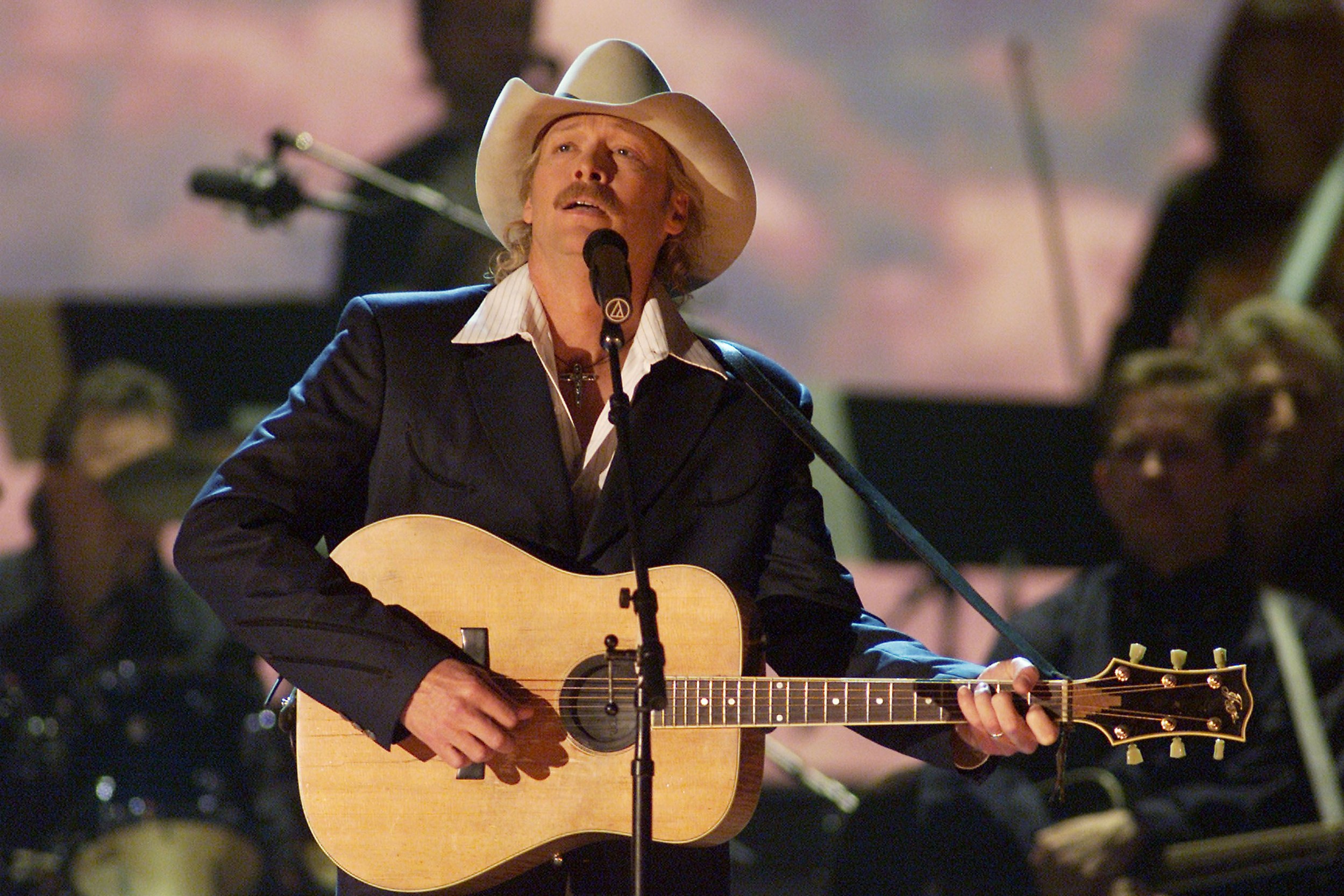
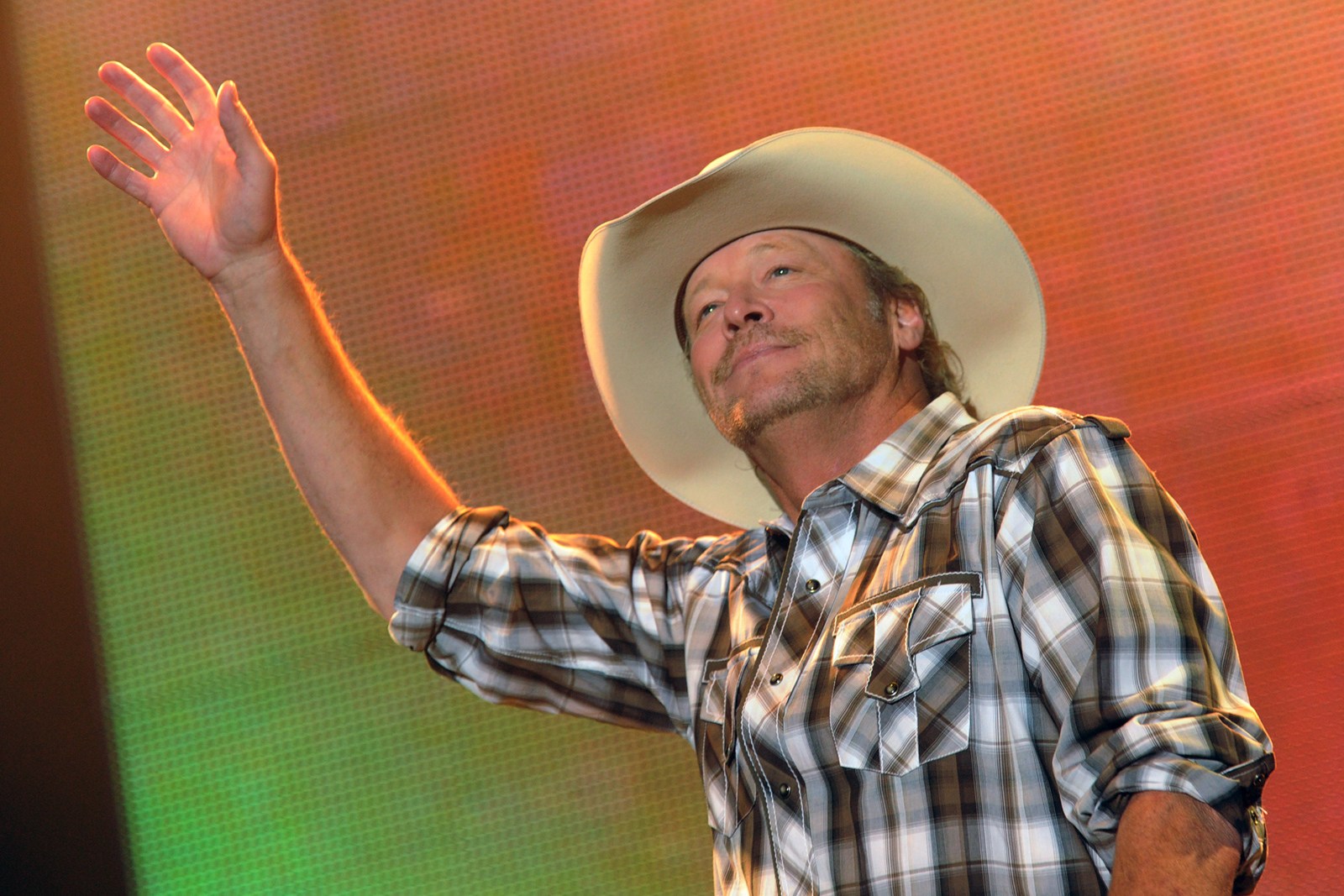
    Alan Jackson, a prominent voice in country music for over three decades, has significantly scaled back his public performances and touring schedule. This shift marks a notable change in his career, driven primarily by health considerations and a desire for a more private life. His farewell touring efforts resonated deeply with fans across the United States.

    The announcement of his health condition provided clarity regarding his reduced activity. It offered insight into the challenges he faced while continuing to perform. Jackson’s legacy, however, remains firmly established within the genre.

    A Diagnosis Revealed: Charcot-Marie-Tooth Disease

    In September 2021, Alan Jackson publicly disclosed his diagnosis of Charcot-Marie-Tooth (CMT) disease. This neurological condition affects peripheral nerves, leading to muscle weakness and sensory loss. Jackson revealed that he had been living with the disease for approximately a decade prior to his public statement.

    CMT is a progressive disorder. Its symptoms can include difficulty with balance and walking. These physical demands became increasingly challenging for a touring musician. The transparency of his announcement allowed fans to understand the personal struggles behind his professional decisions.

    “I have Charcot-Marie-Tooth disease, and it’s been affecting me for years. It’s a genetic disease that affects your nerves, and it slows them down. It’s not going to kill me, but it’s going to eventually be hard for me to walk and perform.” – Alan Jackson, September 2021.

    The disease’s impact on his mobility directly influenced his ability to maintain a rigorous touring schedule. Long hours on buses, constant travel, and energetic stage performances became unsustainable. His decision to step back was a practical response to a progressive condition.

    The ‘Last Call: One More for the Road’ Tour

    Following his health revelation, Alan Jackson embarked on a final major touring effort titled ‘Last Call: One More for the Road.’ This tour commenced in 2022 and continued into 2023. It allowed Jackson to connect with his fanbase one last time in a comprehensive manner.

    The tour was billed as his last extensive run of shows. It provided an opportunity for fans to see the country legend perform his catalog of hits. Each concert became a celebration of his career and a poignant farewell.

    The Emotional Impact of Farewell Shows

    Concerts during the ‘Last Call’ tour were often emotional affairs. Jackson frequently shared personal anecdotes and reflected on his long career. Audiences responded with immense support and appreciation.

    These performances were carefully managed. Jackson sometimes used a stool on stage for support, a visible sign of his condition. Despite the physical challenges, his vocal delivery remained strong and distinctive.

    The tour itinerary included cities across the United States. Demand for tickets was high, indicating the enduring popularity of his music. Fans traveled from various regions to witness these final performances.

    Prioritizing Family and Personal Life

    Beyond health concerns, Alan Jackson’s decision to retire from extensive touring also reflects a desire to prioritize his family. Jackson has been married to Denise Jackson since 1979. They have three daughters: Mattie Denise, Alexandra Jane, and Dani Grace.

    Decades of touring kept him away from home for extended periods. The constant travel associated with a music career often takes a toll on personal relationships. Jackson expressed a wish for more time with his wife, children, and grandchildren.

    A Shift in Lifestyle

    Retirement from the road offers a significant shift in lifestyle. It allows for more stability and routine. This change aligns with a common desire among long-serving artists to reclaim personal time.

    Many artists reach a point where the rigors of touring outweigh the benefits. Jackson’s choice reflects this natural progression. He aimed to enjoy the fruits of his labor in a more relaxed environment.

    The focus on family life is a recurring theme for artists concluding their active careers. It speaks to the sacrifices made during their peak performing years. Jackson’s decision aligns with this sentiment.

    A Legacy Beyond the Stage

    Alan Jackson’s impact on country music is undeniable. He emerged in the early 1990s as part of the new traditionalist movement. His sound blended classic honky-tonk with contemporary production.

    He amassed numerous accolades throughout his career. These include multiple Grammy Awards, CMA Awards, and ACM Awards. Jackson was inducted into the Country Music Hall of Fame in 2017.

    Hit Songs and Enduring Influence

    His discography includes over 50 singles that reached the Top 30 on the Billboard Hot Country Songs charts. Many of these became No. 1 hits. Iconic songs like ‘Chattahoochee,’ ‘It’s Five O’Clock Somewhere,’ and ‘Where Were You (When the World Stopped Turning)’ define his career.

    Jackson’s songwriting often featured straightforward narratives and relatable themes. He chronicled everyday life, love, and loss with authenticity. This resonated with a broad audience.

    His influence can be heard in subsequent generations of country artists. Many cite him as an inspiration for his traditional sound and lyrical integrity. He helped maintain the genre’s roots during periods of significant change.

    What Does ‘Retirement’ Mean for Alan Jackson?

    While Alan Jackson has retired from extensive touring, his career may not be entirely over. He has indicated that he might still record new music. Occasional performances, such as one-off charity events or special engagements, are also possible.

    This form of retirement is common in the music industry. Artists often transition to a less demanding schedule rather than a complete cessation of work. It allows them to continue their craft without the physical strain of touring.

    Potential for Future Projects

    Fans anticipate the possibility of new studio albums. Jackson’s creative output has always been consistent. A reduced touring schedule could allow for more focus on songwriting and recording.

    His enduring popularity suggests that any new material would be well-received. The country music community continues to hold him in high regard. His contributions are considered foundational to the modern genre.

    The exact nature of his future musical endeavors remains to be seen. However, his legacy as a performer and songwriter is secure. His music continues to be played on radio and streamed by millions.

    The Evolution of a Country Music Icon

    Alan Jackson’s journey from Newnan, Georgia, to country music superstardom is a testament to his talent and perseverance. He moved to Nashville, Tennessee, in the mid-1980s, working various jobs while pursuing his musical dreams. His big break came in 1989 when he signed with Arista Records.

    His debut album, ‘Here in the Real World,’ released in 1990, launched his career. It featured hit singles that established his traditional country sound. This album set the stage for decades of success.

    Adapting to Change While Staying True to Roots

    Throughout the 1990s and 2000s, Jackson remained a consistent presence on the charts. He navigated shifts in country music trends by staying true to his authentic style. This commitment earned him respect from both peers and fans.

    He often spoke about the importance of traditional country sounds. His music served as a bridge between classic country artists and contemporary listeners. He became a symbol of the genre’s enduring appeal.

    His retirement from touring marks a significant moment for country music. It closes a chapter on one of its most beloved live performers. The impact of his career will continue to resonate for years to come.

    Musicians retire. Legends endure. Family calls. Health dictates. The road ends.

    Legacy.

  • Alan Jackson’s Career Trajectory – From First Deal to Farewell Stage

    Alan Jackson’s Career Trajectory – From First Deal to Farewell Stage

    Alan Jackson signed his first record deal 37 years before his last major public performance. This span marks a significant period in country music history, showcasing a career that built a legacy through traditional sound and storytelling. His journey from an aspiring artist to a celebrated icon is defined by consistent musical output and enduring appeal.

    The path began with a critical agreement that launched his professional recording life. It continued through decades of hit songs, extensive touring, and numerous industry awards. The duration of his active career, from that initial contract to his farewell stage, underscores his impact on the genre.

    The Early Years and the Breakthrough Deal

    Alan Jackson’s musical aspirations began in Newnan, Georgia. He grew up listening to traditional country artists, developing a deep appreciation for the genre’s roots. His early influences included legendary figures like George Jones and Hank Williams.

    Before achieving widespread fame, Jackson worked various jobs, including car sales and construction. He performed in local clubs, honing his craft and developing his signature vocal style. This period of development was crucial for shaping the artist he would become.

    The pivotal moment arrived with his first record deal. This agreement, signed in the late 1980s, opened the doors to Nashville’s music industry. It provided the platform for him to record and release his original material to a broader audience.

    The signing of this deal was the formal beginning of his professional recording career. It marked the transition from local performer to national recording artist, setting the stage for his debut album.

    Debut and Rise to Stardom

    Alan Jackson released his debut album, Here in the Real World, in 1990. The album featured four hit singles, including the title track, “Wanted,” “Chasin’ That Neon Rainbow,” and “I’d Love You All Over Again.” This immediate success established him as a significant new voice in country music.

    His sound stood out during a period when country music was experiencing various stylistic shifts. Jackson’s commitment to traditional country instrumentation and lyrical themes resonated with fans seeking authenticity.

    Throughout the 1990s, Jackson consistently produced chart-topping albums and singles. Songs like “Don’t Rock the Jukebox,” “Chattahoochee,” and “Livin’ on Love” became anthems for millions. He became known for his straightforward delivery and relatable narratives.

    By the mid-1990s, Alan Jackson was a household name. He garnered numerous awards, including multiple CMA Awards and Academy of Country Music Awards. His consistent presence on country radio solidified his status as a leading artist.

    Sustained Success and Industry Recognition

    Alan Jackson’s career extended well into the 21st century, maintaining his popularity and artistic integrity. He continued to release successful albums and embark on extensive tours. His music often addressed themes of everyday life, love, loss, and nostalgia, connecting with a broad audience.

    In 2001, he released “Where Were You (When the World Stopped Turning),” a poignant response to the September 11th attacks. The song resonated deeply with the American public, earning him a Grammy Award for Best Country Song and a CMA Award for Song of the Year.

    His contributions to country music were recognized with significant honors. In 2001, he was inducted into the Grand Ole Opry, a testament to his traditional country roots and enduring impact. This induction placed him among the genre’s most revered figures.

    Further recognition came in 2017 when Alan Jackson was inducted into the Country Music Hall of Fame. This honor cemented his place as one of country music’s all-time greats. His induction acknowledged his vast catalog of hits and his unwavering dedication to traditional country sound.

    The Last Call: One More for the Road Tour

    In 2022, Alan Jackson announced his Last Call: One More for the Road tour. This tour marked a significant chapter in his career, signaling a potential winding down of his extensive touring schedule. The tour provided fans with an opportunity to see the country legend perform live.

    The tour dates spanned various cities across the United States. Each concert was a celebration of his career, featuring many of his most beloved songs. Fans attended in large numbers, demonstrating the lasting loyalty and affection for his music.

    His final major public performance, referenced in the initial statement, occurred as part of this tour. This concert, 37 years after his first record deal, brought his long and illustrious touring career to a memorable close. It was a moment of reflection for both the artist and his dedicated fanbase.

    Legacy and Influence

    Alan Jackson’s legacy in country music is profound. He is widely regarded as one of the most successful and influential country artists of his generation. His commitment to traditional country sounds helped preserve the genre’s heritage during periods of significant change.

    He has sold over 75 million records worldwide, making him one of the best-selling music artists of all time. His discography includes 16 studio albums, multiple greatest hits compilations, and numerous live recordings. This extensive body of work continues to be streamed and purchased by fans globally.

    His influence can be heard in the music of many contemporary country artists. Musicians frequently cite Jackson as an inspiration for his songwriting, vocal style, and dedication to authenticity. He set a standard for storytelling and melodic craftsmanship.

    The impact of his music extends beyond sales and awards. His songs have become part of the cultural fabric, evoking memories and emotions for generations of listeners. His narratives about rural life, love, and the working class resonate with universal themes.

    The Enduring Appeal of Traditional Country

    Alan Jackson’s career stands as a testament to the enduring appeal of traditional country music. In an industry often driven by trends, he remained true to his artistic vision. This steadfastness endeared him to a loyal fanbase.

    His music often featured steel guitar, fiddle, and acoustic guitars, instruments central to classic country. He avoided fusion genres, choosing instead to refine and celebrate the sound that defined his heroes. This approach provided a consistent and recognizable brand.

    The lyrical content of his songs focused on narratives that were accessible and heartfelt. He sang about small-town life, honest work, and the simple joys and challenges of existence. These themes tapped into a widespread appreciation for authenticity and sincerity.

    His live performances were known for their straightforward presentation, emphasizing the music itself. Jackson connected with audiences through his genuine stage presence and his ability to deliver his songs with emotional depth. He created an atmosphere of shared experience.

    He signed a deal. He recorded songs. He toured the world. He influenced a generation. He became a legend. Jackson.

  • Sean Brock’s Fried Chicken: Five Fats, Dolly Parton, and Vinyl

    Sean Brock’s Fried Chicken: Five Fats, Dolly Parton, and Vinyl

    Chef Sean Brock utilizes five specific fats to achieve the distinctive flavor of his fried chicken at Darling Restaurant. This culinary detail is part of his broader philosophy that blends tradition with innovative technique. Beyond the kitchen, Brock is a dedicated enthusiast of vinyl records and recounted a memorable, ‘scary’ encounter with country music icon Dolly Parton.

    What looks modern actually started with deep-rooted traditions and personal fascinations.

    The Five Fats: Sean Brock’s Fried Chicken Secret

    Sean Brock’s acclaimed fried chicken at Darling Restaurant is distinguished by its complex flavor and texture. This culinary achievement stems from the meticulous selection and application of five distinct fats. Each fat contributes a specific characteristic, building layers of taste and ensuring a perfectly crispy, juicy result.

    The exact combination of these fats remains a closely guarded trade secret. However, Brock frequently emphasizes the critical role fat plays beyond merely being a cooking medium. He views it as a fundamental flavor enhancer and a crucial component for achieving desired textural qualities in his dishes.

    This methodology reflects Brock’s overarching culinary philosophy. He champions traditional Southern cooking techniques, often incorporating regional ingredients and historical preparations. His approach is not about reinventing classics, but rather refining them through deep understanding and precise execution.

    The commitment to detail extends throughout the entire preparation process. The selection of fats is considered as vital as the quality of the chicken itself. This ensures a consistent, authentic, and superior taste profile that has become a hallmark of his cuisine.

    Darling Restaurant serves as a primary venue for these culinary explorations. The fried chicken, in particular, stands as a prime example of Brock’s dedication to elevating comfort food to an art form. It embodies his belief in honoring culinary heritage while pushing the boundaries of flavor.

    The focus on fat also highlights Brock’s scientific approach to cooking. He understands the chemical properties of different fats and how they interact with food during the cooking process. This knowledge allows him to manipulate flavor and texture with precision, creating a product that is both familiar and unexpectedly refined.

    Vinyl Culture: A Chef’s Analog Passion

    Beyond the demanding environment of the professional kitchen, Sean Brock nurtures a profound passion for vinyl records. This interest transcends a casual hobby; it forms a significant part of his personal life and creative inspiration. It offers a counterpoint to the fast-paced culinary world.

    Brock frequently articulates the appeal of the tactile experience of vinyl. He values the deliberate ritual involved: selecting an album, carefully removing it from its sleeve, and placing it onto the turntable. This process fosters a deeper connection to the music, transforming listening into an active engagement rather than passive consumption.

    His extensive collection spans a wide array of musical genres. However, music rooted in the American South, including country, blues, and folk, holds a particularly special place. These genres often serve as direct or indirect influences on his culinary narratives, connecting his food to the cultural landscape of his heritage.

    Vinyl records are preferred for their distinct listening experience. They are often credited with providing a warmth, depth, and richness of sound that is frequently diminished in digital audio formats. This preference for analog fidelity mirrors his approach to food preparation, which prioritizes authenticity and depth of flavor.

    The chef finds considerable inspiration in the stories and emotions conveyed through music. He translates this appreciation for authenticity and narrative into his dishes. Both his musical tastes and his culinary creations emphasize a deep respect for heritage, craftsmanship, and the art of storytelling.

    The pursuit of rare and unique pressings is an ongoing endeavor for Brock. His vinyl collection functions as both a source of personal relaxation and a powerful catalyst for creative stimulation. It allows him to disconnect from the pressures of his profession and recharge his artistic sensibilities.

    This analog passion also speaks to a broader appreciation for tangible objects and enduring quality. In a world increasingly dominated by ephemeral digital content, Brock’s dedication to vinyl stands as a testament to the value of physical media and the unique sensory experiences they offer.

    The Dolly Parton Encounter: A Chef’s ‘Scary’ Moment

    One of Sean Brock’s most frequently recounted personal anecdotes involves a memorable interaction with the legendary country music icon, Dolly Parton. This encounter, which Brock himself described as ‘scary,’ left a profound and lasting impression on him. It highlighted the often-unpredictable nature of celebrity interactions and the overwhelming presence of true cultural figures.

    While specific details of the incident have remained somewhat private, Brock has alluded to the sheer intensity of the moment. He characterizes it as an experience that transcended typical fan-celebrity interactions, suggesting a deeply personal and impactful exchange rather than a mere autograph or photo opportunity.

    Dolly Parton stands as an iconic figure whose influence extends far beyond the realm of country music. She is universally recognized for her prolific songwriting, distinctive voice, and captivating stage presence. Beyond her musical achievements, Parton is celebrated for her extensive philanthropy, astute business acumen, and enduring cultural presence that spans generations.

    Brock’s admiration for Parton is palpable in his recollection of the event. His description, though concise, conveys the significant impact she had on him. This story adds a unique layer to Brock’s public persona, connecting his renowned culinary world with broader cultural touchstones and humanizing the celebrated chef through a relatable moment of awe.

    The ‘scary’ aspect of the encounter likely refers to the overwhelming sensation of meeting a living legend. It was a moment of unexpected magnitude, a confrontation with a level of fame and charisma that can be genuinely disarming. It was an experience that Brock continues to recall with vividness and a sense of profound respect.

    “You never know what to expect when you meet someone you admire so greatly. It was definitely a moment I won’t forget.” – Sean Brock, regarding the Dolly Parton encounter, as quoted in various interviews.

    This anecdote serves as a powerful reminder of Parton’s immense star power and her ability to command attention and respect. Even seasoned professionals like Brock, who are accustomed to public life and high-pressure situations, can be momentarily taken aback by the presence of such an influential cultural force. The story underscores the unique position Dolly Parton holds in American culture.

    Sean Brock’s Culinary Philosophy: Honoring Southern Foodways

    Sean Brock’s distinguished career is defined by an unwavering dedication to preserving and elevating Southern foodways. He has garnered widespread acclaim for taking traditional regional dishes and refining them with modern techniques and an uncompromising commitment to ingredient quality. His work at restaurants like Husk and McCrady’s earned him national recognition and multiple accolades.

    Darling Restaurant, his current venture, continues this established legacy. The menu is meticulously crafted to feature ingredients sourced primarily from the local region, emphasizing seasonality and sustainability. This approach reflects a deep respect for agricultural heritage and the communities that produce these ingredients.

    Brock’s philosophy places ingredient integrity at its core. He frequently collaborates directly with local farmers, artisans, and producers. This direct partnership ensures that the freshest, most authentic, and often heirloom components are used in his dishes, contributing to their unique flavor profiles and supporting local economies.

    His cooking is more than just sustenance; it is a form of storytelling. Each dish served at Darling Restaurant aims to convey the rich history, diverse culture, and evolving identity of the American South. This narrative approach deeply resonates with diners who seek not just a meal, but an authentic and immersive culinary experience.

    Beyond his restaurant kitchens, Brock is a passionate advocate for culinary education. He actively shares his extensive knowledge through various platforms, including cookbooks and public appearances. His objective is to inspire both aspiring chefs and home cooks to explore, understand, and ultimately preserve the rich traditions of Southern cuisine for future generations.

    His influence extends significantly beyond the confines of his own restaurants. He has authored highly successful cookbooks, such as ‘Heritage’ and ‘South,’ which have become essential guides for those interested in Southern cooking. His appearances in television series, including ‘Mind of a Chef’ and ‘Chef’s Table,’ have further solidified his role as a prominent culinary ambassador, reaching a global audience.

    The relentless pursuit of flavor and authenticity remains central to his craft. It is an ongoing journey of discovery, continuous refinement, and profound respect for culinary traditions. This journey is palpable in every thoughtfully prepared dish served at Darling Restaurant, inviting diners to partake in a truly unique gastronomic experience.

    The Resurgence of Analog: Records and Authenticity

    Sean Brock’s pronounced preference for vinyl records is not an isolated eccentricity but aligns with a broader and significant cultural trend. The analog format has experienced a remarkable resurgence in recent years, drawing parallels to a similar movement in culinary arts. This widespread return to analog reflects a collective yearning for authenticity, tangibility, and a more deliberate engagement with media and food.

    Vinyl record sales have demonstrated consistent and impressive growth for over a decade, indicating a sustained consumer demand. Listeners are actively seeking a more immersive and high-fidelity audio experience, appreciating the warmth and depth that analog sound often provides. They also value the tangible nature of physical media, the artwork, liner notes, and the ritual of playing a record, which contrasts sharply with the ephemeral nature of digital streaming.

    This resurgence in music parallels a similar, powerful movement within food culture. There is a renewed and growing interest in traditional culinary methods, artisanal production, and a clear understanding of food origins. Consumers are increasingly looking for transparency in sourcing, preparation, and an appreciation for the craft behind their meals, moving away from mass-produced, anonymous products.

    Brock embodies this dual appreciation for craft and authenticity across seemingly disparate fields. He perceives profound connections between music and cuisine, recognizing that both are forms of artistic expression rooted in heritage and skill. He champions the idea that true quality emerges from intentionality and respect for process, whether it’s pressing a record or preparing a dish.

    The ritual of playing a record is a deliberate, conscious act. It encourages focused listening, prompting individuals to engage more deeply with the music. This stands in stark contrast to the often-passive, background consumption facilitated by digital streaming services, where music can become an unnoticed accompaniment to other activities.

    Similarly, Brock’s cooking demands meticulous attention to detail, considerable patience, and a deep, intuitive understanding of ingredients and their transformations. Both his approach to music and his culinary creations are expressions of a philosophy that values quality, heritage, and the profound satisfaction derived from engaging with something genuinely handcrafted. The pursuit of authenticity, whether through the grooves of a vinyl record or the flavors of a perfectly prepared dish, remains a cornerstone of Sean Brock’s artistic and personal life.

    Farmers gathered. Musicians gathered. Chefs gathered.

    Authenticity.

  • Chris Stapleton’s “Pure 1776” July 4th Concert – A Celebration of American Heritage

    Chris Stapleton’s “Pure 1776” July 4th Concert – A Celebration of American Heritage

    Chris Stapleton announced a special “Pure 1776” themed concert event for July 4th, 2026. This initiative offers discounted tickets for military personnel and first responders, alongside exclusive patriotic merchandise. The concert aims to celebrate American national pride and cultural values through a curated musical experience, directly connecting with the historical significance of Independence Day.

    Stapleton’s involvement in patriotic events is consistent with his public persona. His performances often feature elements acknowledging American heritage. This particular July 4th offering emphasizes a specific historical period through tangible benefits for attendees.

    The “Pure 1776” Concert Deal Details

    The core of Chris Stapleton’s “Pure 1776” concert deal centers on accessibility and themed engagement. It provides specific incentives for attendance and participation in the patriotic celebration. This approach moves beyond a simple performance to a more comprehensive event experience.

    Attendees can expect a range of features designed to enhance the Independence Day commemoration. These features reinforce the thematic focus on America’s founding year. The deal makes the event more inclusive for key community members.

    Ticket Discounts for Service Personnel

    A significant component of the “Pure 1776” deal is a 20% discount on all ticket tiers for active military personnel, veterans, and first responders. This offer is available for the July 4th, 2026, performance at all designated venues. Verification of service status is required at the point of purchase.

    This initiative acknowledges the contributions of these groups to national security and public safety. It provides a direct benefit, making the concert more accessible. The discount is applicable through official ticketing partners and Stapleton’s fan club presale channels.

    The discount applies to both general admission and premium seating options. It represents a tangible expression of the patriotic theme. This component directly supports the message of national appreciation.

    Exclusive Patriotic Merchandise

    Complementing the ticket discounts, the “Pure 1776” concert will feature exclusive merchandise. This collection includes limited-edition commemorative T-shirts, hats, and flags. Each item will incorporate design elements referencing the year 1776 and American symbols.

    These items will be available for purchase at the concert venues on July 4th. They will also be offered through Chris Stapleton’s official online store. The merchandise is designed to serve as a keepsake, extending the patriotic theme beyond the event itself.

    The availability of unique, themed items encourages fan engagement. It allows attendees to further express their national pride. This aspect of the deal creates a tangible connection to the concert’s overarching message.

    The Thematic Focus: “Pure 1776”

    The phrase “Pure 1776” directly references the year the Declaration of Independence was adopted. This document formalized the American colonies’ break from Great Britain. It laid the groundwork for the United States as an independent nation.

    The Declaration, approved by the Continental Congress on July 4, 1776, articulated principles of liberty, self-governance, and individual rights. These foundational concepts are central to the concert’s theme. Stapleton’s initiative aims to evoke a sense of historical continuity and national identity.

    This thematic choice appeals to an audience that values historical connection and patriotic expressions. It grounds the celebration in specific historical events. The concert becomes a cultural event reinforcing national narratives.

    Historical Context of Independence Day Celebrations

    Independence Day commemorates a pivotal moment in American history. The annual holiday is marked by various celebrations across the country. These include fireworks displays, parades, and family gatherings, all reflecting national pride.

    The holiday serves as a reminder of the sacrifices made for national freedom. It reinforces the ideals upon which the nation was founded. Public figures, including musicians, often participate in these commemorations, using their platforms to reflect on American values.

    Musical performances are a common feature of July 4th events. Artists contribute to the festive atmosphere. They also help convey patriotic messages to broad audiences, connecting contemporary celebration with historical significance.

    Stapleton’s Artistic Expression of Patriotism

    Chris Stapleton has consistently demonstrated a connection to American themes in his music and public appearances. His lyrics often explore themes of hard work, rural life, and national identity. These themes resonate deeply with a significant portion of his fan base.

    His song choices and public statements frequently reflect a sense of reverence for American traditions. This approach distinguishes him in the contemporary music landscape. It solidifies his appeal among listeners who share similar values and appreciate overt patriotism.

    The “Pure 1776” concert deal is a direct extension of this artistic and personal stance. It transforms a musical performance into a cultural event. The event reinforces specific national narratives, using music as a vehicle for historical reflection.

    Impact on Fan Engagement and Cultural Dialogue

    The announcement of this deal generated significant interest among Stapleton’s followers. Fans expressed enthusiasm for the patriotic theme. Many view it as an opportunity to celebrate American values through music in a communal setting.

    Such initiatives strengthen the bond between an artist and their audience. It creates a shared experience centered on a common cultural understanding. The concert becomes more than entertainment; it becomes a collective affirmation of national identity.

    Ticket sales and social media engagement reflect this positive reception. The deal taps into a desire for meaningful cultural celebrations. It provides a unique way to observe a national holiday, fostering dialogue about American principles.

    The Broader Cultural Significance

    This “Pure 1776” concert deal holds broader cultural significance. It represents a convergence of music, history, and national identity. It highlights the role of artists in shaping public discourse around patriotic themes, particularly during national holidays.

    In an era of diverse cultural perspectives, such initiatives offer a point of unity. They invite reflection on shared historical roots. They also encourage contemplation of national principles, bridging past and present.

    The deal contributes to the ongoing dialogue about what it means to be American. It uses the platform of a popular musician to engage with these complex ideas. This engagement occurs within a celebratory context, making it accessible to a wide audience.

    Trends in Patriotic Expression in Entertainment

    Stapleton’s deal is part of a larger trend observed across the entertainment industry. Many artists and public figures are increasingly embracing overt patriotic expression. This trend spans various forms of media and public platforms.

    Such expressions often gain prominence during national holidays or times of significant national events. They serve to reinforce collective identity. They also provide outlets for communal sentiment, offering a sense of shared purpose.

    The “Pure 1776” framing is particularly potent. It directly links contemporary celebration to historical origins. This linkage adds depth and historical grounding to the patriotic message, resonating with those seeking a connection to the nation’s past.

    Music’s Role in Shaping National Identity

    Music has long played a crucial role in the formation and expression of national identity. Anthems, folk songs, and popular tunes often carry historical narratives. They embody cultural values, transmitting them across generations.

    Chris Stapleton’s music, with its country and roots influences, connects to a specific American musical tradition. This tradition often celebrates themes of resilience, community, and national pride. His choice to highlight “1776” aligns with these musical legacies, reinforcing their importance.

    Concerts and live performances provide a communal setting for these expressions. They allow individuals to experience shared emotions. They strengthen collective bonds through artistic engagement, fostering a sense of belonging and shared heritage.

    Industry Impact and Future Implications

    The success of initiatives like Stapleton’s July 4th deal may influence other artists and music industry practices. It demonstrates the commercial and cultural viability of patriotic themes when presented authentically. This could lead to more artists exploring similar concepts in their work.

    The music industry continually seeks ways to connect with diverse audiences. Tapping into deeply held national values can be an effective strategy. It allows artists to differentiate themselves and expand their appeal, reaching new demographics.

    This particular deal also showcases an innovative approach to holiday marketing. It moves beyond simple commercial promotions. It integrates a strong cultural message with the event itself, creating a more profound and memorable experience for attendees. The blend of entertainment and historical reverence sets a precedent.

    The “Pure 1776” concert is scheduled for July 4th, 2026. Specific venues include the Bridgestone Arena in Nashville, Tennessee, and the Gainbridge Fieldhouse in Indianapolis, Indiana. Additional dates are expected to be announced in the coming weeks. Tickets went on sale starting May 15, 2026, with presales for fan club members beginning May 12, 2026.

    Farmers gathered. Soldiers gathered. Citizens gathered. The nation gathered.

    America.

  • ACM Honors: Kacey Musgraves, Ella Langley, Leslie Fram Receive Top Accolades

    ACM Honors: Kacey Musgraves, Ella Langley, Leslie Fram Receive Top Accolades

    The Academy of Country Music Honors Celebrates Country’s Best

    The Academy of Country Music (ACM) Honors event annually recognizes exceptional achievements and contributions within the country music genre. In 2026, the event is set to celebrate a distinguished group of artists and industry professionals. Kacey Musgraves, Ella Langley, and Leslie Fram are among the notable figures slated to receive special awards, highlighting their significant impact on country music’s landscape.

    This event serves as a crucial platform for acknowledging the genre’s heritage and its future. It brings together a diverse array of talent, from chart-topping artists to influential executives. The ACM Honors ceremony reinforces the community and collaborative spirit inherent in country music.

    Kacey Musgraves: A Modern Country Icon Honored

    Kacey Musgraves has carved a unique path in country music, blending traditional sounds with progressive lyrical themes. Her artistry has earned her critical acclaim and a dedicated global fanbase. The ACM Honors recognizes her innovative approach and profound influence on the genre.

    Musgraves’s career is marked by multiple Grammy Awards and ACM Awards. Her albums, such as Golden Hour and Star-Crossed, have pushed the boundaries of country music. She has consistently challenged conventional narratives, addressing themes of self-discovery, love, and societal expectations.

    Her recognition at the ACM Honors underscores her status as a leading voice in contemporary music. It acknowledges her role in expanding country music’s appeal to broader audiences. Musgraves continues to be a defining artist of her generation.

    Ella Langley: The Ascendant Voice of Country

    Ella Langley represents the exciting new wave of talent emerging in country music. Her distinct sound and relatable songwriting have quickly garnered attention. The ACM Honors marks a significant milestone in her burgeoning career.

    Langley’s rise reflects the dynamic evolution of the genre. Her music often connects with listeners through authentic storytelling and powerful vocals. Industry observers frequently cite her as an artist to watch, predicting a substantial future impact.

    Receiving an ACM Honor at this stage of her career is a testament to her early achievements. It signals a strong endorsement from the country music establishment. Langley’s presence at the event highlights the ACM’s commitment to nurturing new talent.

    Leslie Fram: A Champion for Artists

    Leslie Fram is a revered figure in the country music industry, known for her extensive career in radio and artist advocacy. Her contributions have significantly shaped the careers of numerous artists. The ACM Honors celebrates her enduring impact behind the scenes.

    Fram has held influential positions at major media outlets, including CMT and Cumulus Media. She has been instrumental in breaking new artists and promoting country music on a national scale. Her work has consistently focused on supporting diverse voices within the genre.

    Her award at the ACM Honors acknowledges the vital role of industry executives. It recognizes the dedication required to foster talent and promote music. Fram’s career exemplifies a commitment to the growth and vitality of country music.

    The Broader Impact of ACM Honors

    The ACM Honors event is more than just an awards ceremony; it is a declaration of country music’s values and direction. It highlights the interconnectedness of artists, writers, producers, and executives. The event fosters a sense of community and shared purpose within the industry.

    By recognizing both established and emerging figures, the ACM ensures a continuous narrative of excellence. It provides a platform for celebrating the genre’s past while embracing its future. The Honors event contributes significantly to the cultural dialogue surrounding country music.

    Past Honorees and Their Legacy

    Historically, the ACM Honors has recognized a wide range of talent. Icons like Loretta Lynn, Reba McEntire, and Garth Brooks have received accolades. These recognitions underscore their foundational contributions to country music.

    The event also often honors songwriters, musicians, and producers whose work may not always be in the spotlight. Their behind-the-scenes efforts are crucial to the creation of hit songs and memorable albums. The ACM ensures these vital contributions are acknowledged.

    The Role of Media in Country Music Recognition

    Media outlets play a critical role in amplifying the stories of country music artists. Publications like Variety, which reported on this year’s honorees, help disseminate news about these awards. This coverage increases public awareness and appreciation for the genre.

    Television broadcasts and digital platforms further extend the reach of the ACM Honors. They allow fans worldwide to witness the celebrations and learn about their favorite artists. This broad exposure is essential for the continued growth of country music.

    Other Notable Figures at the 2026 Event

    While Musgraves, Langley, and Fram are prominent honorees, the 2026 ACM Honors will celebrate many other deserving individuals. These awards span various categories, recognizing excellence in songwriting, touring, and humanitarian efforts. The full list of recipients will represent a comprehensive look at country music’s current strengths.

    Each award recipient brings a unique story and set of accomplishments to the stage. Their collective achievements paint a vibrant picture of the genre’s health. The event serves as a benchmark for contemporary country music standards.

    The Importance of Industry Support

    The success of artists like Kacey Musgraves and Ella Langley relies heavily on industry support. Organizations like the ACM provide crucial infrastructure for artist development and recognition. This support includes promotional efforts, networking opportunities, and award programs.

    Industry professionals, such as Leslie Fram, dedicate their careers to fostering this environment. Their work ensures that talented artists have avenues for reaching wider audiences. This ecosystem is vital for maintaining a thriving music scene.

    Looking Ahead: The Future of Country Music

    The 2026 ACM Honors event provides a snapshot of country music’s present and a glimpse into its future. The recognition of both established stars and rising talents indicates a healthy and evolving genre. It suggests a continued willingness to embrace new sounds while respecting tradition.

    The blend of artistic innovation and industry dedication will likely continue to drive country music’s growth. Events like the ACM Honors play a pivotal role in shaping this trajectory. They inspire future generations of artists and professionals.

    Artists continue to innovate. Industry leaders continue to support. Fans continue to engage.

    Country music thrives.

    FAQ Section

    What is the ACM Honors event?
    The ACM Honors is an annual event hosted by the Academy of Country Music that celebrates special award recipients not covered by the ACM Awards telecast. It recognizes artists, musicians, and industry professionals for their outstanding achievements and contributions to country music.

    Who are the main honorees at the 2026 ACM Honors?
    For the 2026 ACM Honors, Kacey Musgraves, Ella Langley, and Leslie Fram are among the key individuals being recognized. Musgraves is honored for her artistic impact, Langley as a rising star, and Fram for her significant industry contributions.

    Why is Kacey Musgraves being honored by the ACM?
    Kacey Musgraves is being honored for her groundbreaking artistry and her ability to expand the boundaries of country music. Her work consistently receives critical acclaim and has influenced a new generation of artists and listeners.

    What role does Leslie Fram play in country music?
    Leslie Fram is a prominent media executive who has dedicated her career to promoting country music and developing artists. Her work in radio and at organizations like CMT has been instrumental in shaping the careers of many country stars.

    How does the ACM Honors event impact the country music industry?
    The ACM Honors event is vital for the country music industry as it provides a platform to acknowledge a wide range of contributions, from artistic excellence to behind-the-scenes influence. It fosters community, celebrates both heritage and innovation, and helps shape the genre’s future direction.

  • Clint Black’s Family Legacy: Lily Pearl Enters the Spotlight

    Clint Black’s Family Legacy: Lily Pearl Enters the Spotlight

    Clint Black and his wife, Lisa Hartman Black, have one daughter, Lily Pearl Black, who is actively building a career in country music in 2026.

    Born in May 2001, Lily Pearl transitioned from a private childhood to a public touring artist during her family’s recent national tours. Today, the multi-platinum artist behind the 1989 album Killin’ Time balances his own ongoing concert schedule with mentoring his daughter’s entry into the modern entertainment industry.

    The transition from country superstar to supportive parent is a familiar arc, but Black’s approach is rooted in the same calculated discipline that defined his music. He is not merely observing Lily Pearl’s journey. He is an active participant, offering guidance gleaned from four decades in the Nashville ecosystem.

    The 1989 Explosion and the RCA Years

    To understand the weight of the Black family legacy, one must look at the year 1989.

    Clint Black released Killin’ Time on RCA Records. It was a seismic event in country music. The album produced four straight number-one singles on the US Billboard Hot Country Singles chart.

    He was part of the famous Class of ’89, alongside Garth Brooks, Alan Jackson, and Travis Tritt. They shifted country music away from the over-produced pop sounds of the 1980s back to its traditional roots.

    Black wrote or co-wrote every song on his debut. He played his own harmonica. He wore a black hat and brought a Texas honky-tonk sensibility to a global audience.

    This is the shadow Lily Pearl was born into. It is a massive artistic footprint.

    Many children of musical icons buckle under that specific pressure. The expectations are unreasonable. The comparisons are immediate and often unfair.

    Clint Black knew this. He intentionally structured his family life to mitigate that pressure from the moment his daughter was born.

    The Equity Music Group Experiment

    In 2003, Clint Black left the major label system. He founded Equity Music Group.

    The label was designed to be artist-friendly. It allowed artists to retain ownership of their master recordings. It was a revolutionary concept in Nashville at the time.

    Equity Music Group launched the career of Little Big Town. It proved that Black was not just a singer. He was a forward-thinking executive.

    This business acumen is what he passes down to Lily Pearl in 2026. He teaches her about the value of owning her intellectual property. He teaches her how to read a recording contract.

    The music business is notoriously predatory. Lily Pearl has the ultimate shield. She has a father who has seen every trick in the Nashville playbook.

    The Hollywood Influence: Lisa Hartman Black

    The country music narrative often overshadows the other half of Lily Pearl’s artistic inheritance.

    Lisa Hartman Black was a television star long before she moved to Nashville. She starred in the prime-time soap opera Knots Landing as rock singer Ciji Dunne, and later as Cathy Geary.

    She released four solo albums. She understood the pop-rock ecosystem. She understood the grueling hours of a television production set.

    When she married Clint Black in 1991, the press treated it as a collision of two worlds. Hollywood glamour met Texas traditionalism.

    Lisa Hartman Black brought a critical eye for visual presentation. She understood styling, lighting, and camera angles.

    These are essential skills for a modern artist. In 2026, a country singer must also be a video producer for social media.

    Lily Pearl benefits directly from her mother’s television background. She knows how to present herself on camera. She knows how to block a stage performance.

    A Protected Childhood Away from the Cameras

    Lily Pearl did not grow up on red carpets. Her parents shielded her from the tabloid culture of the early 2000s.

    The family split their time between Nashville, Tennessee, and their home in California. Music was a constant presence in the house, but fame was kept at the door.

    Clint Black continued to record and tour. Lisa Hartman Black took on fewer acting roles. She prioritized raising their daughter.

    This environment allowed Lily Pearl to experience a relatively normal upbringing. She attended school. She learned to play instruments. She developed her own musical tastes without the pressure of a camera crew documenting her progress.

    The focus was always on the craft. Clint Black emphasized songwriting and vocal control. Lisa Hartman Black imparted lessons on stage presence and media literacy.

    The Turning Point: Belmont University

    Lily Pearl eventually enrolled at Belmont University in Nashville.

    Belmont is heavily integrated into the Music Row ecosystem. It is a training ground for future industry executives and artists.

    She studied business and music. She learned the mechanics of publishing, streaming royalties, and artist management.

    The academic foundation was crucial. The music industry in 2026 requires artists to be entrepreneurs. A great voice is no longer enough to sustain a career.

    The practical application of her studies began in 2022. Clint and Lisa launched the Mostly Hits & The Mrs. Tour.

    They invited Lily Pearl to join them on the road. It was not a token appearance. She performed solo numbers and joined her parents for three-part harmonies.

    Audiences reacted strongly. The nightly performances served as a real-time focus group. Lily Pearl learned how to command a theater crowd.

    The Mechanics of the 2026 Tour

    Touring in 2026 is a complex logistical operation.

    The national tours provided Lily Pearl with a masterclass in road management.

    A tour is a traveling corporation. It involves bus drivers, lighting directors, sound engineers, and merchandise managers.

    Lily Pearl did not just show up to sing. She learned the ecosystem.

    She learned how soundcheck operates in a 2,000-seat theater versus a 10,000-seat arena. She learned how to preserve her vocal cords during a three-show weekend.

    She saw how her parents interacted with local promoters and radio station contest winners during meet-and-greets.

    This is the unglamorous side of the music business. It is the work that sustains a career when radio stops playing the records.

    Clint Black has maintained a touring career for almost 40 years because he respects the audience. He starts on time. He delivers the hits. He treats his crew well.

    Lily Pearl absorbed these operational standards.

    The Grand Ole Opry Circle

    The Grand Ole Opry remains the most sacred stage in country music.

    Clint Black was inducted as a member of the Opry in 1989. It was a rapid ascension, reflecting his massive commercial success.

    Stepping into the wooden circle at the center of the Opry stage is a rite of passage.

    When Lily Pearl made her Opry debut, she stood in that same circle. She sang to a crowd that held decades of loyalty to her father.

    She held her own. She delivered her vocals with a calm confidence.

    The Opry audience is famously discerning. They respect lineage, but they demand talent. Lily Pearl earned her applause.

    Clint Black stood to the side during her solo performances. He played guitar. He watched the crowd react to his daughter.

    It is a rare experience for an entertainer. The ego of the performer is entirely replaced by the pride of the parent.

    A New Sound for a New Era

    Lily Pearl’s studio recordings reveal a distinct artistic identity.

    She released a cover of “Every Time It Rains.” She recorded “Never Knew Love.”

    Her voice is smooth and expressive. It lacks the Texas twang of her father. It leans closer to the pop-country crossover sound.

    This is a strategic choice. She is not trying to be a female Clint Black. She is establishing Lily Pearl Black.

    The production on her tracks is clean. The instrumentation supports her vocals rather than competing with them.

    Clint Black produced the sessions. However, he let Lily Pearl steer the creative direction.

    He understands that 2026 country music audiences value authenticity above all else. If Lily Pearl tried to sing a traditional honky-tonk drinking song, it would feel performative. She sings material that matches her lived experience.

    The Digital Marketing Strategy

    The release strategy for Lily Pearl’s music relies heavily on digital engagement.

    She uses Instagram and TikTok to share behind-the-scenes moments from the recording studio. She posts clips from soundchecks.

    This transparency builds a parasocial relationship with her fans. They feel invested in her journey.

    Clint Black built his fanbase through relentless radio tours and CMT music videos. Lily Pearl builds hers through direct-to-fan communication.

    The tools have changed. The goal remains the same. The objective is to convert a casual listener into a ticket-buying fan.

    Mentorship Without Micromanagement

    The relationship between Clint Black and his daughter is built on professional respect.

    He does not serve as her formal manager. He is an advisor.

    When she faces a decision about a contract or a performance opportunity, she has access to 40 years of industry experience.

    Clint Black has seen labels fold. He has seen managers mismanage funds. He has navigated vocal cord injuries and grueling tour schedules.

    He shares these experiences as cautionary tales. He does not issue directives.

    Lily Pearl makes the final call. She is building her own team of publicists, booking agents, and co-writers.

    The Future of the Black Family Legacy

    Clint Black shows no signs of retiring. He continues to write new material. He continues to book national tours.

    Lisa Hartman Black remains an integral part of the live show.

    But the center of gravity in the Black family has shifted.

    The parents are now the foundation. The daughter is the structure being built upon it.

    They have given her every advantage. She has the financial backing, the industry connections, and the genetic talent.

    The final variable is out of their control. The audience must decide to listen.

    Lily Pearl steps up to the microphone. She adjusts her in-ear monitors. She nods to the band.

    The intro counts off.

    The lights dropped. The crowd hushed. The first chord struck.

    A father watched. A daughter sang. The legacy continued.

    Nashville.

  • The Weight of the Stage, Why Kelsea Ballerini Broke Down Mid-Performance

    The Weight of the Stage, Why Kelsea Ballerini Broke Down Mid-Performance

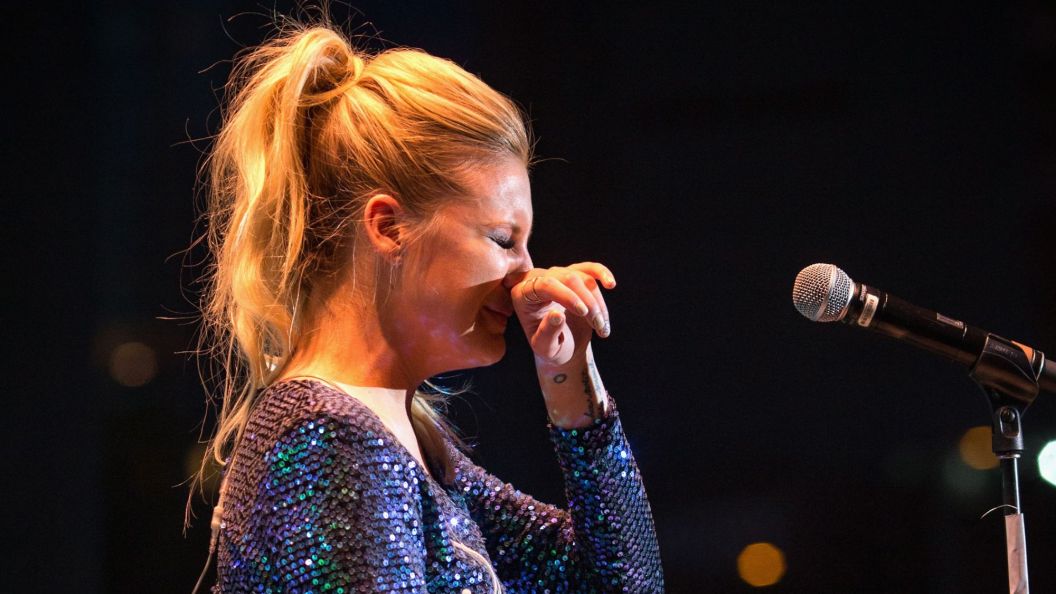
    Country music star Kelsea Ballerini broke down in tears mid-performance at Nashville’s Bridgestone Arena on June 19, 2026, halting her acoustic rendition of ‘Leave Me Again’ while processing a recent, heartbreaking personal loss. The emotional moment, captured by thousands of fans and reported by American Songwriter, highlighted the intense vulnerability that has defined her recent era of songwriting and touring. The crowd of 15,000 immediately stepped in, singing the remaining lyrics in unison until the artist could compose herself.

    The lights dimmed inside the arena. The backing band stepped into the shadows. Ballerini stood alone at the edge of the stage with a single acoustic guitar. This was not a choreographed pause. It was a fracture.

    For the past three years, Ballerini has operated at the absolute edge of emotional endurance. Her transition from radio-friendly pop-country to raw, diary-entry storytelling changed the trajectory of her career. It also changed the price of admission. What looks like a simple performance is often a nightly exercise in reopening old wounds for public consumption. But the story does not begin with a single missed chord in Nashville. It begins with the architecture of modern country music.

    The Architecture of Vulnerability

    The modern country music industry demands authenticity. In previous decades, artists were expected to compartmentalize their personal tragedies. The show always went on. Public relations teams at major labels built impenetrable walls around their stars. That model collapsed with the rise of social media and direct-to-fan communication.

    Ballerini helped dismantle that wall. Her project ‘Rolling Up the Welcome Mat’ stripped away the glossy production of her earlier work. She traded stadium anthems for quiet, devastating truths. The project earned Grammy nominations. It earned critical acclaim from American Songwriter. It also required her to sing about her deepest personal traumas night after night.

    The June 19 concert at Bridgestone Arena was the centerpiece of her 2026 summer tour. Tickets averaged $150. Fans traveled from across the Midwest and the Deep South. They did not come for a flawless vocal performance. They came for connection. When Ballerini’s voice cracked during the second verse of ‘Leave Me Again,’ the audience did not demand a refund. They recognized the human toll of the art they consumed.

    The Specifics of the Nashville Stage

    Bridgestone Arena sits at the corner of Broadway and Fifth Avenue. It is the proving ground for country music royalty. Selling out the venue is a career milestone. Headlining the arena requires immense stamina. The pressure is both financial and psychological.

    Black River Entertainment, Ballerini’s long-time label, invested heavily in the 2026 production. The stage design featured massive LED screens, intricate lighting rigs, and a catwalk extending into the lower bowl. Yet, the most talked-about moment of the night required none of that technology. It required only a microphone and a moment of overwhelming grief.

    According to reports from American Songwriter, the breakdown was triggered by a recent personal loss. The specifics of the tragedy remain private. The weight of it, however, was entirely public. Grief does not adhere to a tour schedule. It arrives unannounced. On a Friday night in downtown Nashville, it arrived in front of 15,000 witnesses.

    The Economics and Exhaustion of the 2026 Arena Tour

    Touring in 2026 is a grueling enterprise. The post-pandemic live music boom established new benchmarks for artist endurance. Live Nation and AEG route tours with brutal efficiency. Artists often perform four nights a week. They sleep on buses. They wake up in new time zones. They conduct VIP meet-and-greets, soundchecks, and media interviews before the arena doors even open.

    The financial stakes are massive. Streaming revenue pays fractions of a cent per play. Live performances generate the vast majority of an artist’s income. A single canceled arena show can cost hundreds of thousands of dollars in venue fees, crew wages, and logistical penalties. Artists are incentivized to push through illness, exhaustion, and profound personal grief.

    Ballerini has spoken openly about the mental health challenges of this lifestyle. She has documented her struggles with anxiety. She has advocated for therapy and mental health resources within the music industry. Her breakdown at Bridgestone Arena was a physical manifestation of a systemic issue. The human body is not designed to process profound loss under a 10,000-watt spotlight.

    A History of Country Music Confessionals

    Country music is built on a foundation of heartbreak. The genre’s greatest moments often involve artists bleeding on stage. Hank Williams sang about profound loneliness while self-destructing in real time. Loretta Lynn wrote ‘Coal Miner’s Daughter’ as a raw historical document of her own poverty. Tammy Wynette’s voice carried the authentic weight of her tumultuous personal life.

    In the modern era, Miranda Lambert famously broke down while performing ‘Tin Man’ at the Academy of Country Music Awards. Carly Pearce has wept through performances of ’29.’ The Nashville audience understands this dynamic. They revere it. They view the stage as a confessional booth.

    Ballerini’s moment fits squarely into this tradition. She is not a pop star selling an illusion of perfection. She is a country artist selling the reality of survival. When she stopped singing, the illusion shattered. The reality remained. The fans stepped into the void because they knew the lyrics. They knew the lyrics because they had lived them too.

    The Digital Amplification of Grief

    In 1996, a mid-concert breakdown would be discussed by the people in the room. In 2026, it is broadcast to the world instantly. Within minutes of Ballerini stepping back from the microphone, dozens of videos were uploaded to TikTok and Instagram. The algorithms prioritized the emotional content. The videos accumulated millions of views before the concert even ended.

    This digital amplification changes the nature of public grief. It creates a parasocial feedback loop. Fans online leave thousands of supportive comments. The artist’s management team monitors the sentiment. Music publications like American Songwriter publish think-pieces by morning. The private moment of loss is immediately commodified into content.

    Yet, the core emotion remains genuine. The internet can amplify the moment, but it cannot manufacture the tears. Ballerini’s vulnerability cuts through the digital noise precisely because it is unscripted. In an era of artificial intelligence and heavily curated social media feeds, a genuine human breakdown is the ultimate proof of life.

    The Business of Authenticity

    The music industry has taken note of this cultural shift. A decade ago, a publicist might have issued a statement apologizing for the interruption. They might have blamed vocal fatigue. Today, the strategy is different. The vulnerability is the brand.

    Black River Entertainment did not issue an apology. They did not need to. The narrative wrote itself. Ballerini was praised for her bravery. Her streaming numbers for ‘Leave Me Again’ spiked in the 48 hours following the concert. The incident deepened the bond between the artist and her core demographic.

    This is the paradox of modern fame. The things that hurt the artist the most are often the things that make them the most valuable. Their pain is relatable. Their grief is marketable. Ballerini navigates this paradox with grace, but the toll it takes is undeniable. She is a rising traditionalist in a genre that demands blood.

    What Happens Next

    The 2026 tour continues. The trucks pack up the stage. The buses drive to the next city. The contracts are signed, and the tickets are sold. Ballerini will step onto another stage. She will pick up the acoustic guitar. She will sing the same songs.

    Healing is not a linear process. There will be other nights where the weight of the lyrics becomes too heavy. There will be other pauses. The audience will be there to catch her. That is the unspoken contract between a country music singer and her fans.

    The lights came back up. The guitar was tuned. The crowd cheered.

    The music stopped. The fans sang. The artist listened.

    Nashville.

  • The Return to Music Row – Why Taylor Swift’s ‘Toy Story 5’ Anthem Is an Oscar Play

    The Return to Music Row – Why Taylor Swift’s ‘Toy Story 5’ Anthem Is an Oscar Play

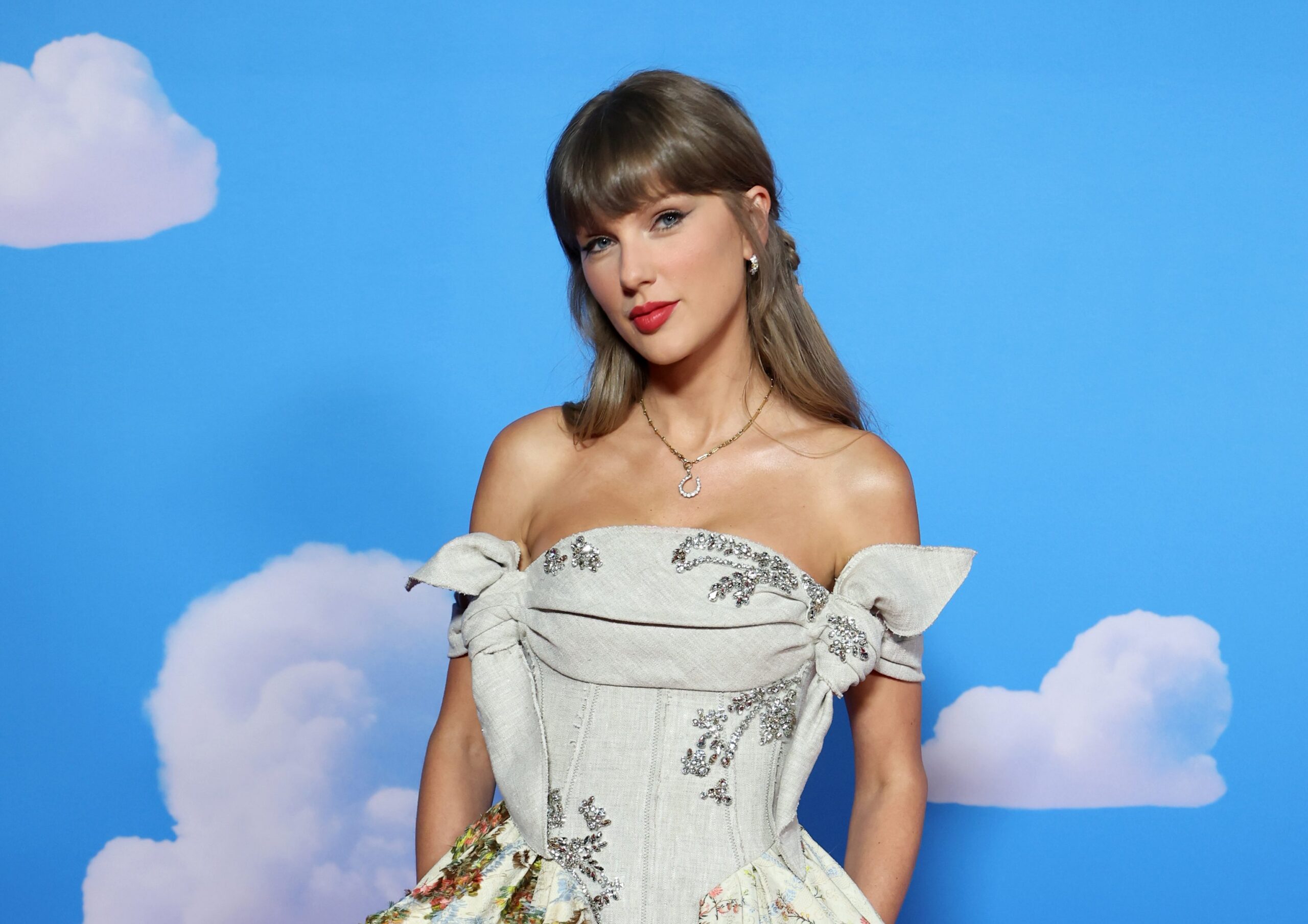
    Taylor Swift is returning to her country music roots to write and perform an original song for Pixar Animation Studios’ Toy Story 5, a move industry analysts project will finally secure her an Academy Award nomination for Best Original Song. The collaboration merges the world’s most dominant touring artist with The Walt Disney Company’s most bankable animation franchise. It signals a definitive return to the acoustic, storytelling-driven sound that launched her career in 2006. But the story does not begin there.

    What looks like a simple soundtrack credit actually represents a highly calculated pivot. Swift has conquered the recording industry. She has broken global touring records. She has dominated cinematic box offices. Yet, the Academy of Motion Picture Arts and Sciences has continually kept her outside the Dolby Theatre.

    That is about to change.

    The Missing Trophy on the Mantle

    Fourteen Grammy Awards sit in Taylor Swift’s collection. She holds the record for the most Album of the Year victories in Grammy history. She has Emmy Awards. She has MTV Video Music Awards. She does not have an Oscar.

    The pursuit of the Academy Award for Best Original Song is a well-documented trajectory for generational pop stars. Adele achieved it with “Skyfall” in 2013. Lady Gaga secured it with “Shallow” in 2019. Billie Eilish claimed two before her twenty-third birthday, winning for No Time to Die in 2022 and Barbie in 2024.

    Swift has made repeated attempts to enter this echelon. Her cinematic songwriting catalog is extensive, yet the Academy’s music branch has repeatedly passed her over. The history is written in the snubs.

    • 2012: “Safe & Sound” from The Hunger Games. A haunting acoustic ballad featuring The Civil Wars. It won a Grammy but failed to secure an Oscar nomination.
    • 2013: “Sweeter Than Fiction” from One Chance. A synth-pop track co-written with Jack Antonoff. It earned a Golden Globe nomination but was ignored by the Academy.
    • 2019: “Beautiful Ghosts” from Cats. Co-written with Andrew Lloyd Webber. The catastrophic critical reception of the film sank the song’s chances.
    • 2022: “Carolina” from Where the Crawdads Sing. A moody, Appalachian-inspired murder ballad recorded on period-accurate acoustic instruments. It made the Oscar shortlist but missed the final five nominees.

    The Academy’s music branch is notoriously insular. They favor narrative resonance. They favor songs that serve as the emotional load-bearing walls of a film. They do not nominate pop stars simply for being pop stars.

    To win the Oscar, Swift needed a vehicle with undeniable cinematic prestige. She needed a franchise that the Academy already reveres. She needed Pixar.

    The Pixar Pipeline to the Academy

    Pixar Animation Studios is an Oscar-generating machine. Since the studio’s inception, its films have been inextricably linked to the Academy Award for Best Original Song. The architecture of a Pixar film demands a specific type of musical storytelling.

    Randy Newman defined this sound. In 1995, Newman wrote “You’ve Got a Friend in Me” for the original Toy Story. The song became the emotional thesis for the entire franchise. Newman received 22 Academy Award nominations over his career, winning Best Original Song twice, both for Pixar films (Monsters, Inc. in 2002 and Toy Story 3 in 2011).

    Stepping into the Toy Story universe means stepping into Newman’s shadow. It requires a specific sonic palette. Synthesizers and heavy bass drops do not belong in Woody’s world. The assignment requires acoustic guitars, fiddles, steel guitars, and plainspoken lyrical sincerity.

    It requires traditional country music.

    A Calculated Return to Music Row

    Taylor Swift moved to Hendersonville, Tennessee, at age 14 to pursue a career on Music Row. Her self-titled 2006 debut album and her 2008 blockbuster Fearless were built on the foundations of country instrumentation. Fiddles, banjos, and acoustic guitars were her primary tools.

    She abandoned that sound entirely with 2014’s 1989, declaring it her first official pop album. While she dipped back into indie-folk with 2020’s Folklore and Evermore, a true return to the traditional country radio sound has eluded her discography for over a decade.

    The timing of the Toy Story 5 collaboration is not accidental. The music industry is currently experiencing a massive traditional country renaissance. In 2024, Beyoncé released Cowboy Carter, forcing the industry to re-examine the genre’s roots. Post Malone pivoted entirely to country. Shaboozey dominated the Billboard Hot 100 with acoustic-driven anthems. Zach Bryan proved that lo-fi, stripped-down country songwriting could fill football stadiums.

    The market is hungry for traditionalism. Nostalgia is the dominant currency of the decade.

    “The potential return of Taylor Swift to country music for ‘Toy Story 5’ will evoke strong feelings of nostalgia and hope for the future of traditional country among the audience.”

    By writing a country song for Toy Story 5, Swift accomplishes three strategic objectives simultaneously. First, she satisfies the public’s current appetite for traditional country music. Second, she taps into the deep nostalgia of the Millennial audience, a demographic that grew up watching the original Toy Story in 1995 and buying Swift’s debut album in 2006. Third, she delivers the exact acoustic, emotionally grounded sound the Academy demands from a Pixar film.

    The Disney Synergy Machine

    The business mechanics behind this collaboration are equally formidable. The Walt Disney Company and Taylor Swift have built a highly lucrative, deeply entrenched corporate partnership over the past five years.

    When Swift needed a platform to release Folklore: The Long Pond Studio Sessions during the 2020 pandemic, she went to Disney+. When she decided to release the definitive streaming version of Taylor Swift: The Eras Tour, Disney CEO Bob Iger personally negotiated the deal. Disney reportedly paid $75 million for the exclusive streaming rights to the concert film.

    Disney knows that Swift drives subscriptions. Swift knows that Disney commands the cultural zeitgeist. Placing Swift on the Toy Story 5 soundtrack is the ultimate exercise in corporate synergy.

    Disney will launch a massive For Your Consideration (FYC) campaign for the song. They will host exclusive screenings in Los Angeles and New York. They will place full-page advertisements in Variety and The Hollywood Reporter. They will ensure that every voting member of the Academy’s music branch understands the narrative.

    The Anatomy of an Oscar Campaign

    Winning an Academy Award requires more than a good song. It requires a flawless campaign narrative. The Academy votes on emotion, legacy, and industry politics.

    The narrative for Swift’s Toy Story 5 campaign writes itself. It is the story of a global superstar returning to her humble acoustic roots. It is the story of a songwriter paying homage to the legacy of Randy Newman. It is the story of bridging generational divides through music.

    To execute this campaign, Swift will likely follow a strict playbook. She will participate in the Hollywood Reporter Songwriters Roundtable. She will give exclusive interviews detailing her writing process, emphasizing the use of vintage acoustic instruments and the specific emotional beats of the Pixar script. She will likely perform the song live at the Academy Museum of Motion Pictures.

    The goal is to position the song not as a pop single attached to a movie, but as an indispensable piece of the film’s cinematic architecture.

    The Competition on the Horizon

    The path to the Dolby Theatre is never entirely clear. The Best Original Song category is highly competitive. Swift will likely face formidable opponents.

    Historically, the category features a mix of Broadway veterans, established pop stars, and legendary film composers. Diane Warren is virtually guaranteed her annual nomination. Lin-Manuel Miranda is always a threat when Disney Animation releases a musical. Billie Eilish remains an Academy favorite.

    However, none of those competitors possess the specific cultural gravity of a Taylor Swift country music revival tied to the Toy Story franchise. The sheer weight of the combined brands, Swift, Pixar, Disney, and the country music genre itself, creates an almost insurmountable campaign juggernaut.

    The Cultural Impact of the Acoustic Pivot

    Beyond the awards season politics, the musical implications of this pivot are significant. Swift’s early country records defined a generation of songwriters. Artists like Olivia Rodrigo, Conan Gray, and Sabrina Carpenter frequently cite Swift’s early country storytelling as their primary influence.

    A return to Music Row, even for a single soundtrack contribution, shifts the center of gravity in Nashville. It forces modern country radio, which has spent years leaning heavily into pop and hip-hop production elements, to reckon with the stripped-down, acoustic storytelling that originally built the genre.

    If the Toy Story 5 track features prominent fiddle, pedal steel, and a standard acoustic arrangement, it will instantly become the most-streamed traditional country song of the year. It will serve as a proof of concept that pure, unadulterated country music can still dominate global pop culture.

    The Road to the Dolby Theatre

    The timeline is set. The film will enter its final stages of animation. The marketing rollout will begin. The first teaser trailer will likely feature a few isolated acoustic guitar chords, instantly recognizable to millions of fans.

    The song will be released. The Academy will receive their screeners. The narrative will take hold.

    For fifteen years, Taylor Swift has systematically dismantled every record in the music industry. She has rewritten the rules of touring, re-recorded her own masters to reclaim her catalog, and achieved a level of ubiquity unseen since the peak of Michael Jackson. Yet, the film industry has remained the final, unconquered frontier.

    The strategy is in place. The genre has been chosen. The franchise has been secured.

    Animators drafted storyboards. Executives drafted contracts. Musicians tuned acoustic guitars in Nashville studios. The pipeline was built. The narrative was set.

    Oscar.

  • The Collapse of E3 Chophouse – Why Jason Aldean and Luke Bryan Are Facing Legal Action

    The Collapse of E3 Chophouse – Why Jason Aldean and Luke Bryan Are Facing Legal Action

    Jason Aldean and Luke Bryan are facing legal action following the sudden closure of E3 Chophouse, their high-end Nashville restaurant partnership with former Major League Baseball player Adam LaRoche. The lawsuits, stemming from the restaurant’s abrupt shutdown, center on allegations of unpaid debts, breach of contract, and financial mismanagement. The legal fallout highlights the stark financial realities behind celebrity-backed hospitality ventures in Music City.

    The story of Nashville’s celebrity bars is usually one of endless expansion. Millions of tourists pour onto Lower Broadway every year. They drink under neon signs bearing the names of country music’s biggest stars. The money flows in a predictable, high-volume current.

    But E3 Chophouse was different. It was not a honky-tonk. It was not on Broadway. It was a luxury dining experience built on a specific agricultural promise. And now, it is a legal battleground.

    The Vision for a Music City Chophouse

    The concept began in Fort Scott, Kansas. Adam LaRoche owned the E3 Ranch. He raised hormone-free, antibiotic-free Black Angus cattle. He wanted to bring that beef directly to consumers. He opened the first E3 Chophouse in Steamboat Springs, Colorado.

    Then he looked to Nashville.

    LaRoche partnered with his close friends, country superstars Jason Aldean and Luke Bryan. They envisioned a flagship location in the heart of Tennessee. In 2019, they opened the doors at 1628 21st Avenue South. The location was deliberate. They chose Hillsboro Village, a trendy neighborhood near Vanderbilt University, far removed from the bachelorette party chaos of Lower Broadway.

    The building was a statement. It spanned 4,700 square feet across three stories. It featured a rooftop patio, private VIP dining rooms, and an aesthetic that blended rustic ranch elements with modern luxury. The menu was unapologetically high-end. Steaks commanded premium prices. The wine list was extensive.

    For a brief moment, it worked. The star power drew initial crowds. The quality of the E3 Ranch beef earned positive reviews. But a restaurant is a machine. It requires constant momentum to survive.

    The Geography of Nashville Hospitality

    To understand the failure of E3 Chophouse, one must understand the geography of Nashville’s hospitality industry. Location dictates the business model.

    Lower Broadway is a volume game. Venues like Jason Aldean’s Kitchen + Rooftop Bar and Luke’s 32 Bridge operate on massive foot traffic. They sell thousands of beers and well drinks every night. The margins on alcohol are immense. More importantly, those bars are operated by TC Restaurant Group. The celebrities license their names and likenesses, but hospitality professionals manage the day-to-day operations, the payroll, and the supply chain.

    E3 Chophouse was an independent venture. It relied on destination dining. Customers had to seek it out. They had to make reservations. They had to commit to a high-ticket meal.

    A steakhouse operates on razor-thin margins. The cost of goods sold is exceptionally high. Premium beef is expensive to raise, expensive to transport, and expensive to prepare. When food costs rise, a steakhouse cannot easily pivot to cheaper ingredients without destroying its brand identity.

    The Economics of High-End Beef

    The timing of the Nashville expansion proved disastrous. E3 Chophouse opened in late 2019. Months later, the global pandemic shattered the hospitality industry. Fine dining was hit the hardest.

    Even as Nashville recovered, the economic landscape had permanently shifted. Inflation drove up the cost of everything. The supply chain from Fort Scott, Kansas to Nashville, Tennessee became more expensive to maintain. Labor costs in Davidson County surged as restaurants competed for a shrinking pool of experienced kitchen staff.

    A honky-tonk can survive inflation by raising the price of a domestic beer by one dollar. A high-end chophouse cannot easily pass a thirty percent increase in beef costs onto the consumer. There is a ceiling to what diners will pay for a ribeye, even one backed by Luke Bryan and Jason Aldean.

    The math stopped working. The revenue could no longer cover the fixed costs of a three-story commercial lease in Hillsboro Village, the premium payroll, and the expensive agricultural supply chain.

    The Abrupt Shutdown

    The end came quietly, then all at once. In May 2024, E3 Chophouse locked its doors. There was no grand farewell. There was no press release explaining the decision.

    The restaurant’s social media accounts went dark. The reservation system was deactivated. Employees arrived to find the business closed. Vendors who delivered fresh produce and premium goods were left holding unpaid invoices.

    In the restaurant industry, an abrupt shutdown is rarely a clean break. It is usually the first domino in a long chain of financial and legal consequences. When a business stops generating cash flow, the existing debts immediately become toxic.

    The Lawsuits and Legal Mechanics

    The silence did not last long. Lawsuits quickly followed the closure. Creditors, vendors, and business partners began seeking restitution.

    The legal actions center on breach of contract and unpaid debts. When a commercial entity like an LLC fails, creditors look for assets to liquidate. They look for unpaid capital commitments. They look for any avenue to recover their losses.

    This is where the celebrity involvement becomes complicated. Businesses like E3 Chophouse are structured as Limited Liability Companies (LLCs). The primary purpose of an LLC is to shield the personal assets of the owners from the debts of the business. If the restaurant fails, the LLC goes bankrupt, but the owners’ personal bank accounts remain untouched.

    However, creditors will often attempt to “pierce the corporate veil.” They will look for instances where personal and business funds were commingled. They will look for personal guarantees signed by the owners to secure commercial leases or vendor credit lines. If a celebrity owner signed a personal guarantee to secure a prime piece of real estate, they can be held personally liable for the remaining lease payments.

    The Financial Firewall

    For Jason Aldean and Luke Bryan, the legal strategy is containment. They have massive personal portfolios. They have touring revenue, publishing catalogs, and highly successful licensing deals with TC Restaurant Group on Lower Broadway.

    The goal of their legal representation will be to keep the E3 Chophouse fallout isolated. They will argue that the LLC is a distinct entity. They will likely push for settlements that quietly resolve the vendor disputes without exposing their broader financial empires to discovery or liability.

    The public relations strategy is silence. Neither artist has issued a substantive public statement regarding the lawsuits. In the modern media landscape, acknowledging a business failure often draws more attention to it. The Natural Observer notes that silence is a standard tactic in celebrity litigation. You do not argue the case in the press. You argue it in Davidson County Chancery Court.

    The Broader Celebrity Restaurant Curse

    E3 Chophouse is not an anomaly. It is part of a long tradition of celebrity restaurant failures. The hospitality graveyard is full of vanity projects.

    Toby Keith’s I Love This Bar & Grill chain faced massive closures and lawsuits over unpaid rent and taxes. Jimmy Buffett’s Margaritaville empire is the exception, not the rule, and it succeeded because it prioritized merchandise and licensing over culinary ambition.

    A famous name can generate initial buzz. It can secure a favorable lease. It can attract early investors. But a famous name cannot cook a steak. A famous name cannot manage a kitchen schedule. A famous name cannot balance a weekly ledger.

    When the initial hype fades, the restaurant must survive on its own merits as a business. If the margins are wrong, if the location is slightly off, if the supply chain is too expensive, the business will fail. Celebrity only delays the inevitable.

    The Future of the E3 Space

    The building at 1628 21st Avenue South sits empty. It is a prime piece of commercial real estate in one of Nashville’s most desirable neighborhoods. Eventually, the courts will untangle the lease.

    The custom fixtures will be liquidated. The kitchen equipment will be sold at auction. A new tenant will sign a new lease. They will likely paint over the rustic ranch aesthetic. They will build a new concept.

    The lawsuits will drag on for months, perhaps years. Lawyers will file motions. Mediators will propose settlements. The financial reality of the closure will be reduced to line items on legal documents.

    Down on Lower Broadway, the neon lights still burn. The tourists still arrive. The music still plays. The branding machine still turns.

    But in Hillsboro Village, the doors stay locked. The lawyers draft the filings. The ledger remains unbalanced. Silence.