Tag: Nashville

  • The Fight for the Sound: Why Dolly Parton Begged to Keep Her Appalachian Roots on Record

    The Fight for the Sound: Why Dolly Parton Begged to Keep Her Appalachian Roots on Record

    The red recording light flickered on inside RCA Studio B. The year was 1977. The stakes were absolute.

    Dolly Parton famously begged producers to include traditional Appalachian stringed instruments, specifically the mountain dulcimer, banjo, and unpolished fiddle, on her biggest commercial hits during the 1970s. As she transitioned from traditional country to pop crossover success, Parton fought RCA Records executives to keep these acoustic elements in the mix. When producers finally relented and allowed the raw acoustic instruments to bleed into the slick pop-country tracks, the shift was immediate. Observers noted that her relief was palpable, describing the moment as if “her life sentence was reprieved.”

    This was not a minor disagreement over aesthetics. This was a battle for musical DNA.

    Nashville in the 1970s operated by strict rules. The industry had spent two decades sanding down the rough edges of country music. Executives wanted hits that could play in New York and Los Angeles. Parton wanted hits that still remembered Sevier County, Tennessee.

    The Architecture of the Nashville Sound

    The recording industry on Music Row was a well-oiled machine. It operated on a specific, highly profitable frequency.

    Producers like Chet Atkins and Owen Bradley had engineered what became known as the “Nashville Sound.” This production style was designed to rescue country music from the existential threat of rock and roll in the late 1950s and 1960s. The strategy was simple. Remove the twang. Add the polish.

    Fiddles were replaced by lush orchestral string sections. Banjos were swapped for smooth acoustic guitars. High-lonesome mountain vocals were backed by sophisticated vocal groups like the Anita Kerr Singers and The Jordanaires. The strategy worked. Country music sales skyrocketed. But the soul of the genre shifted.

    By the time Parton was recording her most ambitious solo work in the mid-1970s, this polished sound was the undisputed law of the land at RCA Records.

    Studio B on Music Row was the epicenter of this sound. Between 1957 and 1977, the studio produced thousands of hits. Elvis Presley recorded there. Waylon Jennings recorded there. The room was designed for efficiency. A standard session lasted three hours. Four songs were recorded per session. The session musicians, known as the “A-Team,” rarely needed sheet music. They played the “Nashville Number System” and delivered flawless, sanitized tracks on the first or second take.

    Parton respected the machine. But she refused to be entirely consumed by it.

    The Girl from Locust Ridge

    Parton’s musical foundation was built 200 miles east of Music Row.

    She was raised in Locust Ridge, a small community in Sevier County, Tennessee. Her early musical education did not come from studio professionals. It came from her family. It came from the Pentecostal church. It came from instruments built by hand.

    • The Mountain Dulcimer: A fretted string instrument native to the Appalachian region, known for its haunting, drone-heavy sound.
    • The Autoharp: A chorded zither that provided rhythmic, sweeping textures to early mountain ballads.
    • The Fiddle: Played raw and unpolished, mimicking the human voice rather than blending into a symphony.

    These were the tools of her childhood. They were the sounds of the Great Smoky Mountains. To Parton, a song about her upbringing, like “My Tennessee Mountain Home” or “Coat of Many Colors”, required the sonic fingerprint of that region.

    RCA executives disagreed. They viewed the dulcimer as a relic. They viewed the banjo as a novelty. They believed these instruments alienated pop radio listeners. Every time Parton brought a traditional instrument into the studio, it sparked a negotiation. Every negotiation was a fight.

    Breaking the Wagoner Mold

    The battle for instrumental control escalated after February 1974.

    For seven years, Parton had been tethered to Porter Wagoner. She was the “girl singer” on his syndicated television show. They recorded duet albums. Wagoner co-produced her solo records with RCA staff producer Bob Ferguson. Wagoner favored a traditional, albeit highly stylized, country sound. But it was his sound, not hers.

    When Parton severed the professional partnership, writing “I Will Always Love You” as her resignation letter, she took full control of her career trajectory. She wanted to expand her audience. She wanted to cross over into the pop charts. But she intended to do it on her own terms.

    This created a paradox. Parton was pushing for slicker, pop-oriented production to reach a broader audience, while simultaneously fighting to inject raw Appalachian instruments into that exact same pop production.

    “She understood something the executives didn’t. The pop audience didn’t want a watered-down pop singer. They wanted Dolly. And Dolly required the mountains.”

    This tension peaked during the recording of her 1977 crossover masterpiece, Here You Come Again.

    The Crossover Gamble of 1977

    Parton took a massive risk. She hired pop producers Gary Klein and Charles Koppelman.

    The sessions moved away from the comfort of Nashville and into the studios of Los Angeles. Klein and Koppelman were architects of the 1970s soft-rock sound. They brought in session players who had worked with Barbra Streisand and Paul McCartney. The studio floor was filled with Fender Rhodes electric pianos, synthesizers, and heavy bass lines.

    Parton felt the music slipping away from her identity. The tracks sounded phenomenal, but they did not sound like her.

    She halted the sessions. She begged Klein to add a pedal steel guitar to the title track. She insisted that traditional acoustic instruments be woven into the pop mix. The pop producers resisted. They argued that a pedal steel guitar would kill the song’s chances on Billboard’s Hot 100 pop chart. Parton held her ground. She refused to authorize the final mix unless the country elements were restored.

    The producers finally relented. They brought in session ace Al Perkins to lay down a pedal steel track. They allowed traditional acoustic flourishes to remain.

    When Parton heard the revised playback, the tension left her shoulders. The balance had been struck. The pop sheen was there, but the country soul remained intact. It was this exact moment of musical compromise that a studio observer likened to a prisoner receiving a last-minute pardon. Her life sentence was reprieved.

    The Economics of Authenticity

    The fight was worth the friction. The numbers proved Parton right.

    Here You Come Again was released in October 1977. It was a commercial juggernaut. The album spent nine weeks at number one on the Billboard Top Country Albums chart. More importantly, it reached number 20 on the Billboard 200 pop chart. The title track won a Grammy Award.

    The financial impact was staggering for a country artist of that era.

    • The album became Parton’s first million-seller.
    • It earned a Platinum certification from the RIAA.
    • It transformed her booking fee from a few thousand dollars a night to headlining status at major arenas.

    The inclusion of the pedal steel and the acoustic instrumentation did not alienate the pop audience. It intrigued them. It provided a texture that Los Angeles pop records lacked. Parton had successfully smuggled the Smoky Mountains onto mainstream Top 40 radio.

    The Legacy of the Studio Fights

    The 1970s studio battles set a precedent for the rest of Parton’s career.

    She proved that an artist could evolve without amputating their roots. Throughout the 1980s and 1990s, she continued to dictate her instrumentation. When mainstream country music became too pop-oriented in the late 1990s, she abandoned the major label system entirely. She returned to her roots, releasing a series of critically acclaimed acoustic bluegrass albums on the independent Sugar Hill Records label.

    She brought the mountain dulcimer back to the forefront. She brought the unpolished fiddle back to the microphone.

    The recording industry is built on conformity. It rewards artists who fit neatly into established algorithms and radio formats. Parton broke the algorithm by refusing to let the studio machine strip away her geography. She knew that the instruments of her childhood were not just tools for making noise. They were the anchors of her authenticity.

    The executives argued. The producers resisted. The tapes rolled.

    Home.
  • Alan Jackson’s Final Show in Nashville: The End of an Era

    Alan Jackson’s Final Show in Nashville: The End of an Era

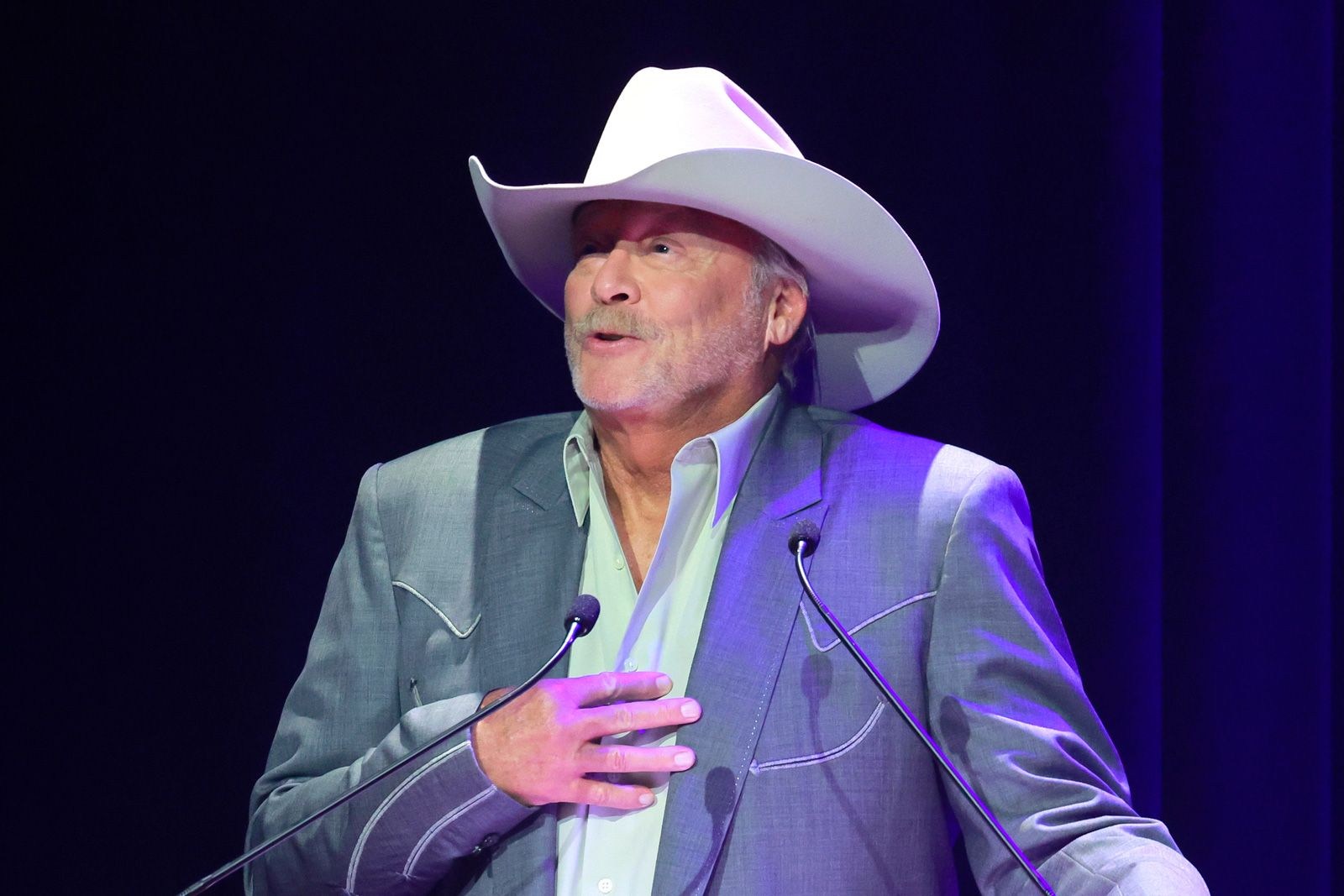
    Alan Jackson is bringing his touring career to a close with a final show in Nashville, Tennessee, a city that served as the launchpad for his Hall of Fame career. While the exact date and venue remain unconfirmed, this performance is expected to be the emotional anchor of his “Last Call: One More for the Road” tour. The tour itself is a farewell, prompted by Jackson’s diagnosis of Charcot-Marie-Tooth disease, a degenerative nerve condition that affects his mobility. This final Nashville show will not just be a concert; it will be a historical marker, signaling the end of an era defined by a man who steadfastly defended traditional country music against pop-infused trends.

    For over three decades, Jackson has been the voice of the working class, the brokenhearted, and the weekend revelers. His songs are woven into the fabric of American life. The announcement of a final Nashville show brings a wave of nostalgia and a sense of impending loss to a genre that has increasingly moved away from the steel guitars and fiddles that Jackson championed.

    The details are still coming into focus. But the significance is already clear. The neon lights of Lower Broadway will shine a little differently when the man who sang “Chasin’ That Neon Rainbow” takes his final bow in Music City.

    The “Last Call” Tour: A Long Goodbye

    The “Last Call: One More for the Road” tour is not a sudden exit. It is a measured, deliberate farewell. Jackson announced the tour in 2022, acknowledging the physical toll of Charcot-Marie-Tooth disease. The condition, which he revealed publicly in 2021, has progressively affected his balance and ability to stand for long periods. The tour is a testament to his dedication to his fans, an effort to share his music live one last time despite the physical challenges.

    The tour has been a rolling celebration of a career that boasts 35 number-one hits and over 60 million albums sold worldwide. From arenas in the Midwest to amphitheaters in the South, Jackson has delivered sets packed with the songs that defined the 1990s and 2000s country music landscape. “Chattahoochee,” “Drive (For Daddy Gene),” “Remember When,” and “Where Were You (When the World Stopped Turning)” have served as the emotional core of these shows.

    The pacing of the tour has been careful. Dates have been spaced out to accommodate Jackson’s health. This careful management ensures that when he does step onto the stage, he can deliver the quality performance his fans expect. The anticipation for the final Nashville date is building, as it represents the culmination of this long goodbye.

    The Significance of Nashville

    Nashville is not just another stop on the tour. It is the epicenter of Jackson’s musical universe. He arrived in the city in the late 1980s, a young man from Newnan, Georgia, with a head full of songs and a heart set on making it in the music business. His early days were spent playing in the honky-tonks on Lower Broadway, learning the craft of entertaining a crowd and honing his songwriting skills.

    His breakthrough came with the release of his debut album, Here in the Real World, in 1990. The title track, a stark contrast to the slick, pop-oriented country of the era, established Jackson as a torchbearer for the traditional sound. He became a fixture on Music Row, a respected songwriter and a reliable hitmaker.

    A final show in Nashville is a return to where it all began. It is a chance for the city to honor one of its most successful and beloved adopted sons. The venue chosen for this event will carry significant weight. Whether it is the historic Ryman Auditorium, the sprawling Bridgestone Arena, or the massive Nissan Stadium, the location will become a part of country music lore.

    What to Expect: The Setlist and Special Guests

    A final show demands a definitive setlist. Fans attending the Nashville finale can expect a comprehensive journey through Jackson’s catalog. The “Last Call” tour setlists have consistently featured a mix of uptempo party anthems and poignant ballads.

    • The Honky-Tonk Staples: Songs like “Don’t Rock the Jukebox,” “Dallas,” and “Good Time” are guaranteed crowd-pleasers. These are the songs that built his reputation as a master of the Friday night soundtrack.
    • The Storytelling Masterpieces: Jackson’s ability to craft narratives of everyday life is unparalleled. “Midnight in Montgomery,” “Little Bitty,” and “The Older I Get” showcase his depth as a songwriter.
    • The Emotional Anchors: The performance of “Where Were You (When the World Stopped Turning),” his reflection on the September 11 attacks, is a consistently powerful moment in his live shows. “Remember When,” a moving tribute to his wife, Denise, is another emotional high point.

    The possibility of special guests adds another layer of anticipation. Nashville is home to countless artists who cite Jackson as a primary influence. It would not be surprising to see contemporary stars or fellow legends join him on stage to pay tribute. George Strait, Jimmy Buffett (prior to his passing), and Zac Brown have all shared the stage or recording studio with Jackson in the past. The guest list for a Nashville finale could be a who’s who of country music.

    The Legacy of a Traditionalist

    Alan Jackson’s impact on country music extends far beyond his chart success. He emerged at a time when the genre was grappling with its identity, caught between the polished sounds of the “Urban Cowboy” era and the raw energy of the neo-traditionalist movement. Jackson firmly planted his flag in the traditional camp. He wore a cowboy hat, he sang about pickup trucks and small towns, and he kept the steel guitar front and center in his arrangements.

    He proved that traditional country music could be commercially viable on a massive scale. His success paved the way for a generation of artists who followed in his footsteps. He demonstrated that authenticity and a connection to the genre’s roots were not impediments to mainstream success, but rather the very foundation of it.

    In an era where the definition of country music is constantly expanding and blurring, Jackson’s catalog stands as a monument to the genre’s core values. His songs are simple, direct, and honest. They speak to the universal experiences of love, loss, work, and family.

    The Impact of Charcot-Marie-Tooth Disease

    Jackson’s transparency about his battle with Charcot-Marie-Tooth (CMT) disease has added a poignant layer to his final tour. CMT is a group of inherited disorders that cause nerve damage, mostly in the arms and legs. It leads to muscle weakness and loss of sensation.

    “I have this neuropathy and neurological disease,” Jackson told the Today show in 2021. “It’s genetic that I inherited from my daddy… There’s no cure for it, but it’s been affecting me for years. And it’s getting more and more obvious. And I know I’m stumbling around on stage. And now I’m having a little trouble balancing, even in front of the microphone, and so I just feel very uncomfortable.”

    His decision to continue touring despite the physical toll is a testament to his resilience and his love for performing. The fans have responded with overwhelming support, turning the “Last Call” tour into a celebration of his endurance as much as his music.

    The Final Bow

    The announcement of the final Nashville show will trigger a scramble for tickets. It will be one of the most sought-after events in the city’s recent history. The atmosphere will be charged with a mix of celebration and sorrow.

    When the final note fades and the stage lights dim, it will mark the end of a remarkable chapter in country music. The genre will continue to evolve, new stars will rise, and the sound will inevitably shift. But the space occupied by Alan Jackson, the space of the steadfast traditionalist, the master storyteller, the voice of the real world, will remain uniquely his own.

    The guitars were tuned. The boots were polished. The final chord was struck. Nashville.

  • Why Eric Church Got Fired From a Home Shopping Network

    Why Eric Church Got Fired From a Home Shopping Network

    Eric Church got fired from a home shopping network because he told a customer the truth. Long before he was filling stadiums and earning the moniker “Chief,” Church was a struggling songwriter in Nashville, taking any job he could to pay the rent. One of those jobs was a late-night gig selling merchandise on a television shopping channel. His tenure ended abruptly when, during a live broadcast, he advised a caller not to buy the set of knives he was pitching because they were, in his words, “crap.”

    The path to country music stardom is rarely a straight line. For every artist who lands a record deal right out of high school, there are thousands who spend years grinding away in obscurity. Church’s story is one of the latter. It is a narrative built on a foundation of terrible jobs, late nights, and a stubborn refusal to compromise his values, even when it cost him a paycheck.

    This is not just a story about a bad job. It is a story about the formation of an artist’s identity. The same blunt honesty that got him fired from the home shopping network would eventually become the defining characteristic of his music. The same unwillingness to sell a subpar product would later drive his legendary clashes with the Nashville music establishment.

    The Grind: Nashville Before the Chief

    In the early 2000s, Eric Church was just another face in the crowd on Music Row. He had moved to Nashville from Granite Falls, North Carolina, armed with a degree in marketing from Appalachian State University and a head full of songs. But a degree and a dream do not pay the bills in Music City.

    Like countless others before him, Church had to find a way to survive while he chased his musical ambitions. This meant taking jobs that were far removed from the glamorous life of a country music star. He worked in a series of low-paying, soul-crushing positions, each one a necessary evil to keep his dream alive.

    “I had a lot of awful jobs,” Church has often remarked in interviews, reflecting on those early years. These jobs were not stepping stones; they were survival mechanisms. They provided the bare minimum needed to keep the lights on and the guitar strings fresh.

    The Graveyard Shift on the Airwaves

    One of those survival mechanisms led Church to a local home shopping network. The job was as unglamorous as it sounds. He was tasked with selling a variety of products, from cheap jewelry to kitchen gadgets, to an audience of insomniacs and late-night channel surfers.

    The hours were brutal. Church was often working the graveyard shift, standing in front of a camera at 2:00 a.m., trying to drum up enthusiasm for items he knew were of questionable quality. It was a far cry from the stages he envisioned himself playing, but it was a paycheck.

    The job required a certain type of personality. It required the ability to turn on the charm, to manufacture excitement, and to convince viewers that they absolutely needed whatever product was being showcased. For Church, a man who built his career on authenticity, this was a daily struggle.

    The Incident: Knives and the Truth

    The turning point came during a segment where Church was tasked with selling a set of knives. The script called for him to extol the virtues of the blades, to marvel at their sharpness, and to urge viewers to call in and place their orders.

    But Church knew the knives were low quality. He could see it, he could feel it, and he knew that anyone who bought them would be disappointed. As he stood there, live on television, the internal conflict between his job requirements and his personal integrity reached a boiling point.

    A caller phoned in, asking for his honest opinion on the knives. In that moment, Church made a choice. He abandoned the script. He abandoned the sales pitch. He looked at the camera, or perhaps just spoke into the headset, and told the caller the truth.

    “They’re crap,” Church reportedly said. He advised the caller not to waste their money.

    The Inevitable Firing

    The fallout was immediate. You cannot tell customers not to buy the product you are hired to sell and expect to keep your job. Management was not amused by Church’s sudden burst of honesty.

    He was fired. The gig at the home shopping network was over. Once again, Church found himself unemployed, adding another “awful job” to his growing resume of brief, failed employments.

    At the time, it was undoubtedly a setback. Losing a source of income, no matter how miserable the job, is a harsh reality for a struggling artist. But in retrospect, the firing was a defining moment. It was a clear demonstration of the boundaries Church was unwilling to cross.

    The Aftermath: Building a Career on Honesty

    The home shopping network incident is more than just an amusing anecdote. It is a microcosm of Eric Church’s entire career. The same stubborn streak that led him to tell a caller the knives were “crap” is the same stubborn streak that led him to fight for his creative vision.

    When Church finally landed a record deal with Capitol Records Nashville, he did not suddenly become a compliant, easily managed artist. He clashed with executives over song choices, production styles, and marketing strategies. He was famously kicked off the Rascal Flatts tour in 2006 for playing too loud and too long, a move that could have ended his career before it truly began.

    But Church refused to compromise. He continued to do things his way, building a fiercely loyal fanbase, the “Church Choir”, who appreciated his authenticity. He proved that you could succeed in Nashville without playing the game, without selling a product you didn’t believe in.

    The Legacy of the Awful Jobs

    Today, Eric Church is one of the most successful and respected artists in country music. He has released multiple platinum albums, won numerous awards, and headlined sold-out stadium tours. He is a long way from the graveyard shift at the home shopping network.

    But those early struggles, those “awful jobs,” remain a crucial part of his story. They serve as a reminder of where he came from and the dues he paid. They provided him with the grit and determination needed to navigate the notoriously difficult music industry.

    More importantly, those experiences reinforced his commitment to authenticity. When Church sings about working-class struggles, about the realities of everyday life, it is not an act. It is rooted in his own experiences. He knows what it is like to work a job you hate, to struggle to pay the bills, and to face the consequences of standing up for what you believe in.

    The Value of a Terrible Resume

    The story of Eric Church and the home shopping network is a testament to the value of a terrible resume. Every bad job, every firing, every setback was a lesson learned. It was a process of elimination, a way of discovering what he was not willing to do, which ultimately led him to what he was meant to do.

    The knives may have been “crap,” but the lesson was invaluable. It taught him that his integrity was not for sale, not even for a desperately needed paycheck. It was a lesson he would carry with him for the rest of his career.

    The Nashville grind. The late-night sales pitches. The inevitable clash with authority. The refusal to compromise.

    The Chief.

  • Brad Paisley Speaks Out Against Nashville AI Data Center Construction

    Brad Paisley Speaks Out Against Nashville AI Data Center Construction

    Country music star Brad Paisley has publicly opposed the construction of a massive artificial intelligence data center in Nashville, Tennessee, citing concerns over the facility’s immense power consumption and its potential strain on the local grid. The proposed development, slated for a significant footprint within Music City, has become a flashpoint in the ongoing debate over the rapid expansion of AI infrastructure and its impact on local communities. Paisley’s vocal resistance brings celebrity visibility to a complex issue usually debated in zoning board meetings and utility commission hearings.

    The story begins not with a song, but with a blueprint. As technology companies race to build the infrastructure required to power generative AI, they are looking beyond traditional hubs like Silicon Valley and Northern Virginia. Nashville, with its growing economy and relatively affordable land, has emerged as a target for these massive server farms. But the arrival of these facilities brings significant environmental and infrastructural demands.

    In many ways, this is a story about resources. AI data centers require staggering amounts of electricity to run and cool the thousands of servers processing complex algorithms. The power demands of a single large-scale AI facility can equal that of a small city. For Nashville residents, the prospect of such a facility raises immediate questions about grid stability, utility rates, and the environmental cost of powering the AI revolution.

    The Power Demands of the AI Boom

    The core of Paisley’s objection centers on the sheer scale of the proposed facility’s energy needs. Artificial intelligence, particularly the training of large language models, is incredibly power-intensive. Unlike traditional data centers that primarily store information, AI data centers are engaged in constant, high-intensity computational tasks.

    This computational load generates massive amounts of heat. Cooling these servers requires either millions of gallons of water or vast amounts of electricity to power advanced HVAC systems. Often, it requires both. The strain on local utilities is not theoretical; it is a documented consequence of the AI boom.

    In regions where data centers have proliferated, local power grids have faced unprecedented stress. Utilities are forced to rapidly expand capacity, often passing the costs onto residential ratepayers. The environmental impact is also significant, especially if the power is sourced from fossil fuels. Paisley’s concerns echo those of environmental advocates and utility watchdogs who warn that the unchecked growth of AI infrastructure could derail carbon reduction goals.

    The Nashville Context

    Nashville’s infrastructure is already managing the demands of a rapidly growing population and a booming tourism industry. The addition of a massive industrial power consumer introduces a new variable. The Tennessee Valley Authority (TVA), which provides power to the region, has acknowledged the surging demand from data centers across its service area.

    The TVA has historically relied on a mix of nuclear, natural gas, coal, and renewable energy. A sudden spike in demand from a large-scale AI facility could force the utility to delay the retirement of older, more polluting power plants or invest heavily in new generation capacity. Either scenario carries financial and environmental implications for the region.

    A Cultural Clash in Music City

    Beyond the technical arguments regarding megawatts and cooling systems, Paisley’s opposition taps into a deeper cultural anxiety. Nashville is fiercely protective of its identity as Music City. The city’s brand is built on creativity, songwriting, and the human element of artistic expression.

    The arrival of an artificial intelligence data center, a monument to machine learning and algorithmic generation, presents a stark contrast to the city’s foundational ethos. For some, the facility represents a physical manifestation of a technology that many in the creative industries view with suspicion.

    AI’s potential to disrupt the music industry is a topic of intense debate on Music Row. The technology’s ability to generate lyrics, mimic voices, and compose melodies has raised complex questions about copyright, compensation, and the future of human artistry. While the data center itself is merely infrastructure, its presence in Nashville serves as a tangible reminder of the impending technological shift.

    The Celebrity Amplifier

    Brad Paisley’s involvement elevates the issue from a local zoning dispute to a national conversation. As a prominent and respected figure in country music, his voice carries weight. When Paisley speaks out about a development project, it commands attention from both the public and local officials.

    His intervention highlights the power of celebrity advocacy in local politics. By framing the issue not just as an infrastructural concern but as a question of community values and priorities, Paisley has galvanized opposition that might otherwise have struggled to gain traction. He has articulated the unease that many residents feel but may lack the platform to express.

    The Broader Trend of Tech Expansion

    The conflict in Nashville is not an isolated incident. It is a microcosm of a larger trend playing out across the United States. As technology companies seek cheap power, abundant land, and favorable tax environments, they are increasingly targeting mid-sized cities and rural areas for data center development.

    Municipalities are often eager to attract these projects, drawn by the promise of capital investment and tax revenue. However, the long-term costs, both infrastructural and environmental, are frequently underestimated. The promised job creation is often minimal, as data centers are highly automated and require relatively few permanent employees to operate.

    The debate in Nashville serves as a cautionary tale for other communities navigating the complex realities of the AI boom. It underscores the need for comprehensive planning, transparent negotiations, and a clear-eyed assessment of the true costs and benefits of hosting the infrastructure of the future.

    The Pushback Against Silicon Valley

    The resistance to the Nashville data center also reflects a growing skepticism toward the unchecked expansion of major technology companies. For years, the narrative surrounding tech development was overwhelmingly positive, framed in terms of innovation and progress.

    Today, that narrative is more nuanced. Concerns about data privacy, algorithmic bias, and the concentration of corporate power have tempered the public’s enthusiasm for Big Tech. When a massive data center is proposed for a community like Nashville, it is no longer viewed simply as an economic win; it is scrutinized as a potential liability.

    Paisley’s stance aligns with a broader pushback against the assumption that technological expansion should take precedence over local concerns. It is a demand for accountability and a rejection of the idea that communities must simply accept the infrastructural burdens of the AI revolution.

    The Future of the Nashville Project

    The fate of the proposed AI data center in Nashville remains uncertain. The public opposition, amplified by Paisley’s involvement, has undoubtedly complicated the approval process. Local officials are now under intense pressure to scrutinize the project’s energy demands and environmental impact.

    The outcome of this dispute will have implications beyond Nashville. It will serve as a test case for how communities can negotiate with powerful technology companies and assert control over their infrastructural destiny. It will also highlight the growing tension between the insatiable energy demands of artificial intelligence and the imperative to build sustainable, resilient local grids.

    The debate is no longer confined to the abstract realm of algorithms and machine learning. It has manifested in the physical world, in the form of concrete, steel, and megawatts. The question is no longer just what AI can do, but what it will cost to power it.

    The lines are drawn. The arguments are set. The city watches. Nashville.

  • The Biggest Check: Why Kip Moore Walked Off a Pop-Tarts Commercial Set

    The Biggest Check: Why Kip Moore Walked Off a Pop-Tarts Commercial Set

    Country music artist Kip Moore walked off the set of a national Pop-Tarts commercial and forfeited the largest single paycheck of his career because the creative direction forced him to compromise his authentic, blue-collar image. The incident stands as a defining moment of artistic defiance in an era where Nashville musicians routinely trade cultural credibility for corporate sponsorships. When faced with a script and wardrobe that directly contradicted the gritty, heartland-rock identity he had spent a decade building, Moore chose his reputation over his bank account.

    The decision was not made in a vacuum. It happened under the bright lights of a commercial soundstage. It happened in front of directors, producers, and brand executives. It happened while his management team watched a massive financial windfall evaporate in real-time.

    In the modern music industry, walking away from corporate money is rare. Streaming royalties pay fractions of a penny. Touring carries immense overhead costs. Brand endorsements are the primary vehicle for generational wealth. Yet, Moore walked away.

    The Mechanics of the Nashville Endorsement Machine

    To understand the weight of Moore’s decision, one must understand the economics of Music Row. Record labels no longer survive solely on record sales. The industry relies heavily on brand synergy.

    Country music offers corporations access to a highly coveted demographic. Brands want the perceived authenticity of the American heartland. They want the loyalty of working-class consumers. To get it, they hire country stars.

    Luke Bryan aligns with beer companies. Blake Shelton promotes vodka and pickup trucks. The formula is established. An artist achieves radio success, builds a recognizable brand, and then leases that brand to Fortune 500 companies.

    Kellogg’s, the parent company of Pop-Tarts, operates with massive marketing budgets. A national television campaign featuring a recognizable country star comes with a heavy price tag. Industry standard payouts for a campaign of this magnitude routinely fall between $500,000 and $1,000,000. For the artist, it is pure profit. There are no tour buses to fuel. There are no venue cuts to pay. It is a few days of work for a life-altering sum of money.

    Moore was offered exactly this type of deal. His management secured the contract. The dates were set. The payout was guaranteed. All he had to do was play the part.

    The Set, The Script, and The Disconnect

    The collision between corporate expectations and artistic reality happened on the set. Commercial productions are highly orchestrated environments. Every detail is optimized for mass consumer appeal.

    Moore arrived at the shoot. He was handed the creative treatment. The reality of the situation immediately set in.

    Kip Moore is not a polished pop-country singer. He is a songwriter from Tifton, Georgia, who spent his early years living in a cinderblock apartment in Nashville. His music leans heavily into Bruce Springsteen-esque heartland rock. His albums, like Wild Ones and Slowheart, deal with isolation, late-night regrets, and blue-collar endurance. His voice is gravelly. His aesthetic is worn denim and scuffed boots.

    Pop-Tarts are frosted, brightly colored breakfast pastries marketed heavily to children and teenagers. The brand’s tone is inherently light, sugary, and comedic.

    The disconnect was structural. The directors needed Moore to smile broadly. They needed him to enthusiastically consume a colorful pastry on camera. They needed him to act like a pitchman.

    Moore recognized the danger immediately. Authenticity is a fragile currency. Once an artist is seen as a corporate mascot, the illusion of the rugged outsider shatters. A single thirty-second television spot, aired repeatedly during prime-time television, could permanently alter how his fan base viewed him.

    He expressed his discomfort. He attempted to find a middle ground. When it became clear that the brand’s vision required him to abandon his own, he made his choice.

    He walked off the set. The shoot was canceled. The check was voided.

    A Career Built on Refusal

    The Pop-Tarts incident was not an isolated event. It was the culmination of a career defined by pushing back against industry expectations.

    Moore broke into the mainstream in 2012 with the double-platinum hit “Somethin’ ‘Bout a Truck.” The song was a massive commercial success. It topped the Billboard Hot Country Songs chart. It positioned Moore to become the next massive stadium-country superstar.

    MCA Nashville, his record label, naturally wanted a repeat performance. The industry was entering the “bro-country” era. The formula was simple: sing about tailgates, dirt roads, and party anthems. The radio programmers demanded it.

    Moore refused to comply.

    Instead of delivering a polished sequel to his debut, he recorded Wild Ones. The 2015 album was loud, aggressive, and distinctly un-pop. It alienated mainstream country radio. It stalled his momentum on the Billboard charts. But it accomplished something far more valuable: it built a rabid, cult-like fan base.

    Fans recognized that Moore was not chasing trends. He was writing what he felt. This audience proved to be fiercely loyal. They bought concert tickets. They bought physical albums. They followed him to Europe and Australia, where his gritty rock-country hybrid found massive audiences.

    Walking off the commercial set was simply an extension of the same philosophy that drove Wild Ones. Moore had already proven he would sacrifice mainstream radio play for artistic integrity. Sacrificing a corporate paycheck was the logical next step.

    The Financial Weight of Authenticity

    Turning down the biggest check of a career carries immediate consequences. The fallout extends beyond the artist.

    In the music business, an artist is the CEO of a small corporation. Managers, booking agents, business managers, and publicists all take a percentage of gross earnings. When an artist walks away from a $500,000 payday, the management firm loses $75,000. The business manager loses $25,000. The pressure to accept these deals is immense.

    Representatives often argue that the money buys freedom. A massive brand deal can fund an independent album. It can keep a touring band employed during a slow season. It can provide long-term security in a notoriously volatile industry.

    Moore rejected this logic. He understood that the money comes with a hidden tax. The tax is paid in credibility.

    Once an artist compromises their image for a brand, the audience registers the shift. The songs about struggling to pay rent ring hollow. The anthems about living outside the system lose their bite. The fans who pack into general admission standing-room-only venues are highly attuned to inauthenticity.

    Moore chose to protect his relationship with the ticket-buyer over his relationship with the brand executive. He absorbed the financial loss to keep his narrative intact.

    The Cultural Shift in Country Music

    Moore’s walk-off occurred against the backdrop of a larger cultural shift within country music. The genre is currently experiencing a massive ideological fracture.

    On one side is the Nashville establishment. This ecosystem relies on polished production, optimized songwriting camps, and heavy corporate integration. It is highly lucrative and tightly controlled.

    On the other side is a growing movement of independent and alternative country artists. Musicians like Zach Bryan, Tyler Childers, and Cody Jinks have built massive careers by actively rejecting the Music Row playbook. They do not chase radio play. They rarely accept major corporate sponsorships. They release music on their own terms.

    Audiences are increasingly migrating toward this second group. There is a deep, consumer-level fatigue with manufactured culture. Listeners want music that feels human, flawed, and real. They are actively seeking out artists who refuse to sell out.

    Moore was early to this realization. Long before the current wave of independent country superstars took over the charts, Moore was fighting the same battles inside a major label system. The Pop-Tarts incident is a perfect microcosm of this larger war. It is the physical manifestation of the struggle between commerce and art.

    The Legacy of the Walk-Off

    Years later, the story of the voided contract remains a defining piece of Kip Moore lore. It is passed around by fans. It is referenced in interviews. It has become part of the mythology.

    The decision did not ruin his career. In fact, it insulated it. By drawing a hard line in the sand, Moore signaled to his audience that his music was not a stepping stone to a television career. He is a lifer.

    He continues to tour globally. He continues to release critically acclaimed records like Damn Love. He operates outside the constraints of mainstream country radio, relying instead on a fan base that trusts him implicitly.

    That trust was not given freely. It was purchased. It was bought with the money he left on the table.

    The cameras were set. The script was written. The check was cut.

    Executives waited. Directors called for action. Brands expected compliance.

    Moore walked.

  • From Music Row to the West Wing – How a Country Star Secured a White House Leadership Role

    From Music Row to the West Wing – How a Country Star Secured a White House Leadership Role

    In a definitive shift from entertainment to executive influence, a prominent country music star has officially been appointed to a formal leadership role within the White House administration, serving as a cultural liaison and policy advisor for heartland initiatives. This move marks the first time a Nashville artist has transitioned from performing at state dinners to actively shaping federal policy from within the West Wing. The appointment bridges the historical gap between Music Row and Pennsylvania Avenue. It signals a profound realignment of cultural power. Middle America has long felt disconnected from coastal policy centers. Now, that demographic has a direct representative in the room where decisions are made.

    The Nashville-Washington Pipeline

    The relationship between country music and the presidency is not new. It is, however, historically ceremonial. Presidents have long understood the optics of aligning with Nashville. The invitation used to be simple. Arrive at the White House. Play a few acoustic songs for a state dinner. Shake hands with the Commander in Chief. Return to Tennessee.

    The dynamic was established decades ago. On April 17, 1970, Richard Nixon invited Johnny Cash to perform at the White House. Nixon requested conservative anthems like “Okie from Muskogee.” Cash politely declined. He played “What Is Truth” instead. The moment defined the relationship. The artist was a guest, but a defiant one. Jimmy Carter leaned heavily on the Allman Brothers and Willie Nelson to secure his populist appeal. Ronald Reagan awarded Merle Haggard the keys to the cultural kingdom. George W. Bush hosted George Strait. Barack Obama honored Loretta Lynn.

    Through every administration, the boundary remained intact. The artists provided the soundtrack. The politicians wrote the policy. That boundary has now collapsed.

    Moving from Performance to Policy

    The modern era demands more than a song. Working-class voters are facing complex, existential threats. Rural broadband remains fractured. Agricultural subsidies are constantly under threat. The opioid epidemic has hollowed out the very towns that country music romanticizes. Singing about the struggle is no longer sufficient. Action is required.

    The shift began subtly. Artists started showing up in committee rooms instead of concert halls. In January 2024, country-rap artist Jelly Roll, born Jason DeFord, sat before the Senate Banking, Housing, and Urban Affairs Committee. He did not bring a guitar. He brought testimony. He advocated for the FEND Off Fentanyl Act. He spoke as a former dealer and a rehabilitated citizen. He commanded the room. Lawmakers listened. The testimony proved that Nashville figures could articulate the pain of the heartland better than career lobbyists.

    This new White House leadership role is the natural evolution of that moment. It formalizes the influence. It places a country star at the head of a table rather than at the microphone.

    The Cultural Defense Doctrine

    For the audience, this appointment is deeply personal. It is a validation of their cultural values. Country music is not just a genre. It is an identity. It represents faith, family, agricultural endurance, and working-class resilience. For decades, the consumers of this culture have watched coastal elites mock their traditions. They have seen Hollywood actors appointed to prestigious federal arts endowments. They have watched their values sidelined in federal budget discussions.

    This appointment changes the narrative. It is a form of cultural defense. When a country star takes a leadership role in the administration, it sends a clear signal to the heartland. Your voice matters. Your lifestyle is recognized. Your concerns are federal priorities.

    The Economic Weight of the Heartland

    The political calculation behind this appointment is backed by staggering economic data. Nashville is not just a cultural hub. It is a financial juggernaut. The music industry in Tennessee generates over $5.5 billion in annual GDP impact. It employs tens of thousands of blue-collar workers. Truck drivers. Riggers. Sound engineers. Venue staff. Lighting technicians.

    When a country star speaks in the White House, they are not just speaking as an entertainer. They are speaking as the CEO of a massive working-class enterprise. They understand the logistics of interstate commerce. They understand the impact of fuel prices on a touring fleet. They understand the healthcare struggles of independent contractors. They bring a granular, boots-on-the-ground economic perspective that ivy-league economists often lack.

    The Responsibilities of the New Role

    A White House leadership role is not ceremonial. It requires rigorous engagement. The responsibilities are dense. Advisory committees operate under strict federal guidelines. The role involves drafting memorandums. It involves reviewing budget allocations for rural arts programs. It requires interfacing with the Office of Public Liaison.

    The artist will likely co-chair initiatives focused on rural revitalization. They will advise the administration on veterans affairs. Country music has an intrinsic, unbreakable bond with the United States military. Artists like Trace Adkins and Craig Morgan have spent decades working with the USO and veteran advocacy groups. Bringing that expertise into the executive branch streamlines the connection between the Department of Veterans Affairs and the communities it serves.

    • Policy Advisement: Providing direct feedback on how federal initiatives impact rural communities.
    • Cultural Preservation: Ensuring that heartland arts and traditions receive equitable federal funding.
    • Public Liaison Duties: Serving as a trusted communicator between the administration and working-class demographics.
    • Crisis Management: Advising on community-level responses to issues like the fentanyl crisis and rural hospital closures.

    Industry Reaction on Music Row

    The reaction in Nashville has been seismic. Music Row is a divided town. It is split between traditionalists who value authenticity and modern pop-country managers who fear political polarization. The appointment has forced the industry to pick a side.

    Traditionalists are celebrating. They view this as the ultimate triumph of country music’s core ethos. They see it as proof that the genre has outgrown its regional constraints. Pop-country executives are more cautious. They worry about alienating crossover audiences. They worry about the inevitable backlash from opposing political factions.

    “You cannot sing about the working man for twenty years and then refuse to help him when you are handed the pen. This is what authenticity looks like.”

    Ultimately, authenticity is the only currency that matters in country music. The audience can spot a fraud from a mile away. Stepping into the arena of federal policy is risky. It exposes the artist to relentless scrutiny. But the willingness to take that risk is exactly what endears them to their base.

    The Future of Administrative Appointments

    This appointment sets a powerful precedent. It breaks the monopoly that traditional political insiders have held over cultural advisory roles. It opens the door for other unconventional leaders to step forward. If a country star can effectively manage a White House leadership role, the criteria for administrative appointments will permanently shift.

    The focus will move from academic pedigree to lived experience. The administration will seek out individuals who have actually navigated the challenges they are tasked with solving. A farmer advising on agriculture. A veteran advising on deployment trauma. A country singer advising on the cultural health of the nation.

    A New Era of Representation

    The implications will outlast the current administration. Future presidents, regardless of party affiliation, will have to reckon with this new standard. They will no longer be able to ignore the heartland when building their advisory councils. The blueprint has been drawn.

    The transition is complete. The stage has been traded for the Situation Room. The lyrics have become legislation. The audience feels seen. The heartland has a seat at the table. Washington.

  • The Day the Row Went Quiet, Country Music Mourns a Nashville Legend

    The Day the Row Went Quiet, Country Music Mourns a Nashville Legend

    The country music industry, led by generational voices like Randy Travis and Dierks Bentley, recently united to mourn the heartbreaking death of a foundational Nashville music legend, marking a profound loss for Music Row and the end of an era for the genre’s old guard. The news moved quickly down 16th Avenue South. No press releases were needed. In the recording studios and publishing houses of Nashville, word of a titan’s passing travels through a whisper network older than the city’s modern skyline. Guitars went into their cases. Session players stepped out of the tracking rooms. A foundational architect of the Nashville sound was gone.

    In many ways, the story of this loss is the story of country music itself. What looks like a modern, multi-billion-dollar global entertainment industry actually started a century ago in small, humid rooms with acoustic instruments and a microphone. The legends who built the bridge between those two eras are rapidly fading. When one falls, the entire ecosystem feels the tremor. The mourning spans generations. It reaches back to the neo-traditional pioneers of the 1980s. It extends forward to the stadium headliners of the 2020s. The grief is universal because the impact was universal.

    The Echoes on 16th Avenue South

    Music Row is not just a geographic location. It is an industrial engine. Bounded roughly by Demonbreun Street to the north and Wedgewood Avenue to the south, this tight grid of streets has historically served as the factory floor for American storytelling. The legends of Nashville did not just write songs here. They engineered careers. They built publishing empires. They shaped the sonic landscape of the radio dial.

    When a figure of this magnitude passes, the physical geography of Nashville mourns. The historic RCA Studio B stands as a monument to the thousands of hours these pioneers spent behind the glass. The Bluebird Cafe on Hillsboro Pike holds the echoes of their late-night guitar pulls. Tootsie’s Orchid Lounge remembers the deals struck over cold beer and crumpled napkins. The architecture of the city is inextricably linked to the architecture of the music.

    Today, corporate high-rises are replacing the old bungalows on Music Row. The physical evidence of the 20th-century country music boom is slowly being erased by developers. But the cultural foundation remains immovable. The legends who operated out of those bungalows established a business model that still governs the town. They championed the concept of the professional songwriter. They formalized the mechanical royalty system. They turned three chords and the truth into a globally exportable commodity.

    Randy Travis and the Neo-Traditional Anchor

    Randy Travis understands the weight of this history better than most. When Travis arrived in Nashville in the early 1980s, the genre was suffering an identity crisis. The Urban Cowboy movement had faded. Pop-crossover production had diluted the traditional sound. Travis was washing dishes and cooking at The Nashville Palace, waiting for a town that seemed entirely uninterested in his deep, North Carolina baritone.

    It took the vision of Nashville’s established legends to recognize what Travis represented. When Warner Bros. Records finally released “Storms of Life” in 1986, it did not just launch a career. It launched a rescue mission for traditional country music. That album sold over three million copies. It proved that fiddles and steel guitars were still commercially viable. It proved that authenticity had a market.

    Travis’s mourning of a Nashville legend is the mourning of a peer. The figures who populated the industry during his ascent were the ones who protected the genre’s roots. They were the producers who stripped away the string sections. They were the executives who took a chance on a kid from Marshville. When Travis pays tribute to a fallen architect of the Nashville sound, he is paying tribute to the very ecosystem that allowed his voice to be heard.

    Dierks Bentley and the Bridge to Modern Country

    Dierks Bentley represents a different era, but the reverence remains identical. Bentley arrived in Nashville in the late 1990s. He did not start in the corporate boardrooms. He started at The Station Inn. He immersed himself in the bluegrass community. He studied the legends. He understood that to push the genre forward, a modern artist first had to anchor themselves to the past.

    Bentley’s 2003 self-titled debut album was a bridge between the neo-traditionalism of the 1980s and the high-energy arena country of the 2000s. The hit single “What Was I Thinkin’” featured a prominent dobro lick. It was a deliberate nod to the acoustic roots of the genre, packaged for a modern radio audience. That synthesis was only possible because the old guard of Nashville was still around to provide the blueprint.

    For Bentley, mourning a Nashville legend is an acknowledgment of lineage. The modern country artists who fill football stadiums today are standing on the shoulders of the managers, producers, and songwriters who built the infrastructure. Bentley’s public grief underscores a fundamental truth about country music. It is a genre obsessed with its own ancestry. The new class never forgets the old class.

    The Anatomy of a Nashville Legend

    What exactly defines a Nashville music legend? It is rarely just about chart positions. It is about influence. The true legends of Music Row operate with a specific kind of gravity. They are the individuals who can make a career with a single phone call. They are the ones who can identify a hit song from a rough acoustic work tape.

    • The Song whisperers: They know how to fix a broken bridge. They know when a chorus needs to hit.
    • The Talent scouts: They spend their nights in smoky dive bars looking for the next undeniable voice.
    • The Deal makers: They navigate the complex web of publishing rights, mechanical royalties, and 360 deals.
    • The Protectors: They shield young artists from the grinding machinery of the music business.

    These legends were often members of the Country Music Association (CMA) or the Academy of Country Music (ACM) boards. They shaped policy. They determined how the genre was marketed to the rest of the world. They were the diplomats of Music Row. They traveled to New York and Los Angeles to convince skeptical executives that country music was a dominant cultural force. They brought the money back to Tennessee.

    The Business of Three Chords and the Truth

    The mourning is not just sentimental. It is deeply tied to the economic realities of Nashville. The legends passing away today are the ones who built the modern financial structure of the town. They understood the power of a copyright. They understood that while an artist might have a ten-year run on the radio, a great song generates revenue for a century.

    Organizations like ASCAP and BMI have buildings in Nashville because of the sheer volume of wealth generated by these legendary figures. A single hit song in the 1990s could generate millions of dollars in mechanical royalties, radio performance royalties, and synchronization licenses. The legends managed this wealth. They built publishing companies that functioned like banks. They employed hundreds of staff writers, pluggers, and administrators.

    The shift from physical album sales to digital streaming has fundamentally altered this landscape. The economics are leaner now. The margins are tighter. The passing of a 20th-century Nashville legend is a stark reminder of an era of unprecedented abundance. It was a time when a platinum record meant a million physical compact discs sold in big-box retail stores. The old guard mastered that system. The new generation is still trying to replicate its scale.

    A Changing of the Guard

    The heartbreak felt by Randy Travis, Dierks Bentley, and the rest of the country music community is compounded by the frequency of these losses. The 2020s have been a brutal decade for the founders of the modern Nashville sound. Time is an undefeated opponent. The session players who comprised the legendary A-Team are mostly gone. The rogue outlaws of the 1970s are fading. The corporate titans of the 1980s and 1990s are reaching the end of their lives.

    This generational shift forces a reckoning. The Country Music Hall of Fame and Museum in downtown Nashville serves as the vault for this history. Behind its massive windows, the artifacts of these legends are preserved behind glass. The nudie suits. The scuffed Martin acoustic guitars. The handwritten lyric sheets. But a museum, no matter how grand, cannot replace a living, breathing mentor.

    The responsibility now falls to artists like Bentley, and to the surviving icons like Travis, to carry the institutional knowledge forward. They must teach the next wave of songwriters how to conduct themselves in a writing room. They must teach the next wave of producers how to let a song breathe. They must ensure that the foundational principles of the Nashville sound survive the transition into the digital age.

    The Final Track

    The news eventually settles. The tributes are posted. The memorial services are held at the Ryman Auditorium or the CMA Theater. The industry pauses, reflects, and then does the only thing it knows how to do. It goes back to work.

    New writers arrive on Music Row every day. They park their cars on Demonbreun Street. They walk into publishing houses with acoustic guitars strapped to their backs. They are chasing the exact same ghost that the legends chased fifty years ago. The pursuit of the perfect song.

    The studio lights flickered back on. The session players tuned their instruments. The microphones were positioned. The vocalists stepped up to the glass. The old guard faded. The new guard played on. Nashville.

  • Jelly Roll at CMA Fest: Breaking a Family’s Generational Curse

    Jelly Roll at CMA Fest: Breaking a Family’s Generational Curse

    Jason “Jelly Roll” DeFord made an unannounced appearance at the Country Music Association (CMA) Fest in Nashville, Tennessee, using the platform to publicly credit his teenage daughter, Bailee Ann, with breaking a decades-long family cycle of incarceration and addiction. The Antioch-born artist stepped onto the stage to a deafening roar from the crowd. He did not just sing. He delivered a testimony. What began as a routine surprise set at a summer music festival quickly transformed into a public declaration of family survival. In many ways, the performance was a victory lap. But the story does not begin under the stadium lights. What looks like a sudden modern country music phenomenon actually started eighteen years ago inside a Nashville jail cell.

    The Geography of Two Nashvilles

    Nashville operates as two distinct cities. One is the glittering expanse of Music Row. It is a world of publishing houses, platinum records, and carefully manicured public images. The other is Antioch. Located just a dozen miles southeast of the neon lights of Lower Broadway, Antioch represents working-class Davidson County. This is where Jason DeFord was born in 1984.

    The DeFord family knew the second Nashville. They knew the struggles of blue-collar survival. They knew the revolving door of the justice system. For generations, a pattern held tight. Addiction led to desperation. Desperation led to crime. Crime led to incarceration. The cycle repeated. It was a statistical trap that ensnared fathers, sons, and brothers.

    Jelly Roll entered the system early. At age 14, he was arrested. For the next decade, his life became a series of booking photos and court dates. He spent time in the Metro Davidson County Detention Facility. He sat in juvenile detention centers. He faced felony charges for aggravated robbery and drug possession. The state of Tennessee labeled him a violent offender. By his early twenties, the generational curse was not just a concept. It was his daily reality.

    The 2008 Pivot Point

    A curse does not break quietly. It requires a hard collision with reality. For Jelly Roll, that collision occurred in 2008.

    He was sitting in a jail cell. A guard approached the bars. The guard delivered a piece of news that altered the trajectory of the DeFord family line. Jelly Roll was a father. A daughter had been born. Her name was Bailee Ann.

    The artist has frequently cited this exact moment as the dividing line of his life. Before May 2008, he was a participant in the family cycle. After May 2008, he became an active resistor. He realized that if he did not change his behavior, Bailee Ann would inherit the exact same legacy of absence and institutionalization that he had inherited.

    He served his time. He walked out of the Davidson County facility with a felony record. He could not vote. He could not legally own a firearm. He faced a housing market and a job market that actively discriminated against former convicts. The statistical probability of his return to a cell was overwhelmingly high. The Bureau of Justice Statistics notes that over two-thirds of released prisoners are rearrested within three years. Jelly Roll had to beat the math.

    Building an Independent Empire

    The traditional Nashville music machine had no use for a heavily tattooed, overweight ex-felon from Antioch. Music Row executives were looking for clean-cut cowboys. They were not looking for a rapper who sold mixtapes out of the trunk of his car.

    So, Jelly Roll bypassed the system. He utilized YouTube. He utilized independent distribution. He built a grassroots following by speaking directly to people who shared his pain. He sang about addiction. He sang about depression. He sang about the specific, suffocating weight of poverty.

    He released projects like Year of the Dog and Waylon & Willie. He collaborated with independent artists like Struggle Jennings and Upchurch. The music was a hybrid of Southern hip-hop, hard rock, and traditional country storytelling. It lacked polish. It possessed absolute authenticity.

    The Role of Bunnie XO in the Family Ecosystem

    No discussion of the DeFord family’s stabilization is complete without acknowledging Alyssa DeFord. Known professionally as Bunnie XO, she married Jason in 2016. She brought an essential structure to a chaotic environment.

    Bunnie XO is a successful entrepreneur and the host of the widely popular Dumb Blonde podcast. More importantly, she became the foundational maternal figure for Bailee Ann. Securing full custody of a child as a convicted felon with a history of substance abuse requires immense legal and personal maneuvering. Bunnie provided the financial and emotional infrastructure necessary to win that battle.

    Together, Jason and Alyssa created a secure environment. They replaced the unpredictability of addiction with the routine of a functional household. This stability is the exact mechanism that breaks a generational curse. A child cannot heal in the same environment that caused the trauma. The DeFords built a new environment entirely.

    The Whitsitt Chapel Era

    Mainstream acceptance finally arrived in the 2020s. The release of the album Ballads of the Broken in 2021 featured the track “Save Me.” The song was a raw, acoustic plea for redemption. It resonated massively during the aftermath of the global pandemic. A population struggling with isolation and substance abuse found an anthem.

    He signed with BMG. He released Whitsitt Chapel in June 2023. The album was named after the actual Antioch church he attended as a child. It debuted at number three on the Billboard 200. It produced massive radio hits like “Need a Favor.”

    • Unprecedented Chart Crossover: “Need a Favor” simultaneously entered the top 10 on the Billboard Country Airplay chart and the Mainstream Rock Airplay chart.
    • Industry Recognition: At the 2023 CMA Awards, Jelly Roll won New Artist of the Year.
    • Cultural Shift: A 39-year-old former inmate stood on the stage of the Bridgestone Arena and delivered a fiery speech about the windshield being bigger than the rearview mirror.

    Taking the Message to Washington

    The redemption arc extended beyond the music industry. In January 2024, Jason DeFord traveled to Washington, D.C. He sat before the United States Senate Committee on Banking, Housing, and Urban Affairs.

    He was not there for a photo opportunity. He was there to testify about the fentanyl crisis.

    “I was a part of the problem. I am here now to be a man that wants to be a part of the solution.”

    He spoke about the victims of the drug trade. He spoke about his own past as a dealer. He urged lawmakers to pass the FEND Off Fentanyl Act. The moment was surreal. A man who once sat in a county jail cell in a bright orange jumpsuit was now advising federal lawmakers on national policy. The distance between Antioch and Capitol Hill had been bridged.

    The CMA Fest Declaration

    This brings the timeline back to the CMA Fest surprise appearance. When Jelly Roll took the stage, he was not just an entertainer. He was a survivor presenting his evidence.

    He brought the focus entirely to Bailee Ann. He spoke into the microphone. He told tens of thousands of country music fans that his daughter was the true cycle-breaker. He acknowledged that while he had made the initial pivot, she was the one living the new reality. She was growing up outside the system. She was making choices rooted in stability rather than desperation.

    By praising her publicly, he achieved two things. First, he validated her individual journey. Growing up as the child of a recovering addict in the public eye carries its own distinct gravity. Second, he provided a real-time example to his audience. He showed them what breaking a generational curse actually looks like.

    It does not look like a sudden miracle. It looks like daily, grinding effort. It looks like choosing custody battles over street corners. It looks like showing up.

    The Sociology of Generational Curses

    The phrase “generational curse” is often used in a spiritual or colloquial context. However, it describes a very real sociological phenomenon known as intergenerational trauma.

    Studies by the National Institute of Justice show that children of incarcerated parents are significantly more likely to end up in the justice system themselves. They face higher rates of poverty, lower educational attainment, and increased risk of substance abuse. The trauma of separation alters childhood development. The stigma of a parent’s criminal record limits economic mobility.

    When Jelly Roll speaks about a generational curse, he is referring to these exact statistics. His family lived the data. Breaking the curse means actively defying the statistical probability of failure. It requires immense psychological rewiring. It requires a conscious, daily decision to not react to stress with the coping mechanisms learned in childhood.

    The Next Chapter for Bailee Ann

    Bailee Ann is now a teenager. She has her own voice. She has co-written songs with her father, including the deeply personal track “Tears Could Talk.” She has appeared on stage with him to perform it.

    She is not a prop in his redemption story. She is an active participant. The trauma of the past has been transmuted into art. The DeFord family name, once associated with police reports in Davidson County, is now associated with Billboard charts and Senate testimonies.

    The generational curse was a heavy chain. It took decades to forge. It took a jail cell revelation to crack it. It took eighteen years of relentless work to shatter it completely.

    The music industry changes. The charts fluctuate. The festival lights power down. But the bloodline remains. A father sat in a cell. A daughter stood on a stage. A family stepped into the light. The cycle stopped. The curse broke.

  • CMA Touring Awards 2026: Lainey Wilson’s Crew Sweeps as Halsey and Urban Honored

    CMA Touring Awards 2026: Lainey Wilson’s Crew Sweeps as Halsey and Urban Honored

    At the 2026 CMA Touring Awards in Nashville, Lainey Wilson’s road crew swept the major production categories, marking a definitive industry shift toward traditional, live-instrumentation arena tours. The Country Music Association also honored legendary booking agent Jim Halsey and touring veteran Keith Urban for their decades of live music innovation. The evening served as a clear mandate from the industry. The era of the pop-country track show is fading. The era of the working country band has returned.

    The CMA Touring Awards exist outside the televised glamour of the November CMA Awards. There are no red-carpet fashion breakdowns. There are no prime-time commercial breaks. This event belongs to the road warriors. The riggers. The front-of-house engineers. The tour managers. The lighting directors. These are the professionals who move millions of dollars of steel, sound, and light down the interstate every night. They build temporary cities in empty arenas by 8:00 AM and tear them down by midnight.

    In 2026, the industry recognized that no crew built a better city than Lainey Wilson’s.

    The Sweep of the Bell Bottom Crew

    Lainey Wilson spent the last five years climbing from a camper trailer to stadium headliner status. That ascent required a massive scaling of production. But unlike many of her contemporaries who scaled up by adding LED video walls and digital backing tracks, Wilson’s team scaled up the analog way. They amplified the band. They built a touring infrastructure that supported a sprawling, 1970s-style country-rock show.

    The CMA Touring Awards voters rewarded this approach. Wilson’s team took home hardware across the most competitive categories. Front of House (FOH) Engineer of the Year. Tour Manager of the Year. Lighting Director of the Year (won by Zac Coren for Morgan Wallen). Production Manager of the Year (won by Chad Guy for Morgan Wallen). The sweep was absolute.

    This dominance is not an accident. It represents a philosophical choice. Wilson’s production team deliberately designed a show that feels tactile. The lighting rigs utilize warm tungsten tones rather than cold, hyper-kinetic lasers. The audio mix prioritizes the steel guitar and live drum kit, rejecting the polished, quantized sound of modern pop. Delivering this raw, unpolished sound in a cavernous, concrete arena requires immense technical skill. The acoustic challenges of a 15,000-cap hockey arena are notoriously unforgiving to live acoustic instruments.

    The Mechanics of the Modern Traditional Tour

    Moving a tour of this magnitude is a logistical marvel. A modern arena tour requires upwards of fifteen semi-trucks and eight sleeper buses. The daily burn rate for a tour of this size can exceed $150,000 before a single ticket is scanned. The crew manages fuel logistics, union venue labor, catering for a hundred people, and the physical safety of a massive suspended lighting rig.

    Wilson’s Tour Manager and Production Manager were specifically recognized for executing this massive operation flawlessly throughout the 2025 and 2026 touring cycles. They managed routing through secondary and tertiary markets. They navigated the complex economics of post-pandemic touring, where diesel prices and venue cuts have squeezed profit margins tight. Through it all, the crew delivered a consistent, high-fidelity experience to the fans.

    The industry took notes. Wilson’s crew proved that a rising traditionalist can move tickets and execute production at a scale previously reserved for pop-crossover acts.

    Jim Halsey and the Blueprint of Country Touring

    While Wilson’s crew represents the present and future of country touring, the CMA Touring Awards also paused to honor the architect of its past. Jim Halsey received a career honor that underscored his foundational role in making country music a global touring enterprise.

    Before Jim Halsey, country music touring was largely a regional affair. Artists played state fairs, high school gymnasiums, and local honky-tonks. The infrastructure was primitive. The money was small. Halsey changed the math.

    Operating out of Tulsa, Oklahoma, far from the Nashville establishment, The Jim Halsey Company became the largest and most powerful country music booking agency in the world. At his peak, Halsey represented a staggering roster. The Oak Ridge Boys. Roy Clark. Waylon Jennings. The Judds. Reba McEntire. He demanded that country artists be treated with the same respect, and paid the same guarantees, as rock and roll stars.

    Halsey pushed country music into performing arts centers. He booked country acts into the main rooms of Las Vegas casinos, breaking the monopoly of the Rat Pack and traditional crooners. He even pushed the genre across the Iron Curtain. In 1976, Halsey booked Roy Clark and the Oak Ridge Boys for a historic tour of the Soviet Union. It was a logistical and diplomatic triumph that proved country music’s appeal was not limited to the American South.

    Honoring Halsey in 2026 serves as a reminder to the modern industry. The multi-million dollar arena tours of today were built on the grueling, groundbreaking work of agents who refused to let country music be marginalized.

    Keith Urban’s Enduring Road Legacy

    The evening’s third major narrative belonged to Keith Urban. The Australian guitar virtuoso was honored for his decades of live performance innovation and his enduring commitment to his road family.

    Urban bridges the gap between Halsey’s era and Wilson’s era. When Urban broke out in the late 1990s and early 2000s, he fundamentally altered the expectations for a country music live show. He brought stadium-rock energy, extended guitar solos, and a dynamic stage presence that demanded larger, more sophisticated production.

    But Urban was honored at the 2026 CMA Touring Awards for more than just his stagecraft. He was recognized for how he runs his organization. In an industry notorious for high turnover and burnout, Urban’s crew is famous for its longevity. Many of his guitar techs, monitor engineers, and production staff have been with him for over fifteen years.

    Urban treats his touring operation like a family business. He has historically paid above-market rates, provided superior road accommodations, and fostered a culture of respect. During the industry shutdowns of 2020, Urban was among the most vocal advocates for out-of-work road crews, quietly supporting his own team when the trucks were parked.

    His recognition at the CMA Touring Awards is a nod to the human element of touring. Production requires gear, but it runs on people. Urban has spent a quarter-century proving that taking care of the people is the best way to ensure the gear works.

    The Economics of the 2026 Country Tour

    The backdrop to the 2026 CMA Touring Awards is a rapidly shifting live music economy. The cost of touring has never been higher. Independent promoters are being squeezed by massive conglomerates. Ticketmaster controversies continue to frustrate fans. The barrier to entry for a new artist trying to mount a national tour is staggeringly high.

    This economic reality makes the achievements of Wilson’s crew, Halsey’s legacy, and Urban’s longevity even more significant.

    For a rising traditionalist like Lainey Wilson, the decision to carry a full, live band rather than relying on a laptop is an expensive one. It means more hotel rooms. It means more per diems. It means a larger bus lease. Every additional musician on stage cuts into the bottom line. But the 2026 CMA Touring Awards validated that investment. The fans are demanding authenticity. They are willing to pay premium ticket prices, but they expect a premium, live musical experience in return. The laptop-driven track shows of the 2010s are no longer sufficient for an arena crowd.

    Halsey’s legacy reminds the industry that breaking into new markets requires risk. When Halsey booked Roy Clark in Vegas, the casinos were skeptical. When Wilson’s team booked her first arena headline tour, the financial risk was entirely on their shoulders. The agents and promoters who take these risks are the ones who move the genre forward.

    The Vanguard of the New Traditionalists

    Lainey Wilson does not exist in a vacuum. She is the vanguard of a broader movement. Artists like Zach Bryan, Tyler Childers, and Cody Johnson have also built massive touring empires based on live instrumentation and raw performance. They have bypassed the traditional pop-country playbook.

    The CMA Touring Awards are a lagging indicator of industry trends. The voters are the people actually doing the work. When the crews vote to sweep Lainey Wilson’s team, they are casting a vote for the type of tour they want to work on. They want to mix real drums. They want to light real musicians. They want the unpredictability of a live band.

    The 2026 awards ceremony was a celebration of this return to form. It acknowledged that the heart of country music still beats on the highway. It beats in the diesel engines of the Peterbilts. It beats in the callouses of the guitar techs. It beats in the meticulous spreadsheets of the tour managers.

    The awards have been handed out. The speeches have been made. The bar tabs have been closed. The industry takes a brief moment to breathe.

    Then the radios crackle. The riggers clip in. The cases get pushed up the ramp. The trucks get loaded. The buses fire their engines. The drivers check the routes. Tomorrow, the arena will be empty. But tonight belongs to the crew.

    Nashville.

  • The Record-Breaking Rock ‘N Jock Event – How Riley Green and Jordan Davis Packed Nashville’s First Horizon Park

    The Record-Breaking Rock ‘N Jock Event – How Riley Green and Jordan Davis Packed Nashville’s First Horizon Park

    On a humid Nashville evening, over 9,000 fans packed First Horizon Park to watch country music stars Riley Green and Jordan Davis lead the record-breaking Rock ‘N Jock celebrity event. The gathering merged the rising traditionalist movement of modern country music with local philanthropy, setting a new high-water mark for attendance at the minor league stadium. The sheer volume of tickets sold signaled something larger than a simple charity game. It demonstrated the massive, mobilized fan bases of a new generation of Nashville artists.

    For decades, Music Row has relied on the intersection of celebrity and charity to build artist profiles. But the scale has changed. A crowd of 9,000 people in a minor league baseball stadium for an amateur softball game requires a specific kind of cultural gravity. Green and Davis provided it. Both men represent a distinct pivot in the country music industry, a move away from the hyper-produced pop-country of the 2010s and back toward acoustic-driven, lyrically grounded storytelling.

    The event was not just a game. It was a metric. It proved that the artists currently dominating country radio can pull arena-sized crowds even when they are not holding guitars.

    The Record-Breaking Night at First Horizon Park

    The gates at First Horizon Park opened to a line that stretched deep into the Germantown neighborhood. The stadium, built to hold exactly 10,000 fans for a standard baseball game, swelled to near capacity. Over 9,000 tickets were scanned. The concourses filled with fans wearing tour merchandise, cowboy hats, and baseball gloves.

    The Rock ‘N Jock format is a known entity. It pairs professional athletes, local media personalities, and musicians on a diamond. The draw, however, is almost entirely musical. Fans do not buy tickets to watch a platinum-selling recording artist field a ground ball. They buy tickets for proximity. They buy tickets for the unscripted moments.

    When Riley Green stepped to the plate, the roar rivaled a Saturday night at Nissan Stadium. When Jordan Davis took the field, the reaction was identical. These are not legacy acts resting on their laurels. These are artists at the absolute apex of their commercial viability.

    The logistics of moving 9,000 people into a stadium located north of the Tennessee State Capitol require immense coordination. Traffic choked Rosa L. Parks Boulevard. Parking lots around Bicentennial Capitol Mall State Park filled hours before the first pitch. The economic footprint of the evening extended far beyond the ticket revenue. Local bars and restaurants in Germantown, from Von Elrod’s to Sonny’s Patio Pub, reported massive surges in foot traffic.

    Riley Green, Jordan Davis, and the Traditionalist Pull

    The success of the evening rested on the shoulders of its two biggest stars. Riley Green and Jordan Davis are not musical clones, but they occupy a similar space in the modern country ecosystem. They are the rising traditionalists. They anchor the genre.

    Riley Green’s Brand of Authenticity

    Riley Green built his career in Jacksonville, Alabama. He did not come through the traditional Nashville publishing machine. He built a regional following in the Southeast, playing college bars and small theaters before major labels took notice. His music leans heavily into the tropes of rural southern life, duck hunting, old trucks, and generational respect.

    His breakout single, “I Wish Grandpas Never Died,” achieved platinum status precisely because it rejected the polished, synthetic sound dominating radio at the time. Green’s appeal is rooted in his perceived authenticity. To his fans, he is not playing a character. When he steps onto a softball field in Nashville, he carries that same unpretentious energy. He is the guy from the duck blind who happens to play arenas.

    Jordan Davis and the Crossover Anchor

    Jordan Davis arrived in Nashville from Shreveport, Louisiana. His trajectory was slightly different, marked by a blend of traditional country instrumentation and modern, conversational lyricism. His collaboration with Luke Bryan on “Buy Dirt” became a cultural phenomenon, winning Song of the Year at the CMA Awards. The song is a mandate on prioritizing land, family, and faith over material wealth.

    Davis brings a thoughtful, grounded presence to his public appearances. His fan base is broad, capturing both the traditionalists who appreciate his acoustic sensibilities and the mainstream listeners who connect with his melodic hooks. Together, Green and Davis represent the two pillars of modern country success: rural authenticity and undeniable songwriting craft.

    Sulphur Dell to First Horizon: A Century of Nashville Baseball

    The location of the Rock ‘N Jock event is as important to Nashville’s history as the music itself. First Horizon Park is not just a modern concrete structure. It sits on sacred ground for the city’s sports history.

    The stadium is located at the site of the original Sulphur Dell ballpark. Baseball has been played on this exact patch of land since 1870. In the early 20th century, the Nashville Vols played in the Southern Association at Sulphur Dell, dealing with a uniquely asymmetrical outfield and a notorious right-field dump that rose sharply toward the fence.

    For decades, Sulphur Dell was a cornerstone of Nashville culture. It hosted Babe Ruth. It hosted minor league legends. But the stadium fell into disrepair and was eventually demolished in 1969. For nearly fifty years, the site sat empty, serving as a state-owned parking lot for capitol employees.

    In 2015, the city of Nashville reclaimed the history. First Horizon Park opened as the new home of the Nashville Sounds, then the Triple-A affiliate of the Oakland Athletics. The stadium brought baseball back to its original home in Germantown. When 9,000 fans packed the stands for the Rock ‘N Jock event, they were sitting on the same geographic coordinates where Nashvillians have gathered to watch baseball for over 150 years.

    The Legacy of Nashville Celebrity Softball

    The concept of country music stars playing softball for charity is deeply embedded in the DNA of Music Row. The Rock ‘N Jock event is part of a long lineage of philanthropic sports gatherings in Middle Tennessee.

    In the 1980s and 1990s, the undisputed queen of the celebrity softball game was Barbara Mandrell. Her annual tournaments brought the biggest names in entertainment to Nashville. It was a staple of the summer calendar, drawing massive crowds and raising millions of dollars for various charities. Mandrell understood that fans wanted to see their idols out of uniform. They wanted to see them drop fly balls. They wanted to see them laugh.

    Following Mandrell’s era, the City of Hope Celebrity Softball Game became the anchor event of the CMA Music Festival week. Held at Greer Stadium, the former home of the Nashville Sounds, and later at First Horizon Park, the City of Hope game featured everyone from Vince Gill to Carrie Underwood. It was a reliable, high-profile fundraiser for cancer research.

    The Rock ‘N Jock event carries this torch forward. It updates the format for a new generation. The faces change. The venues upgrade. But the underlying mechanics remain identical. Leverage celebrity visibility to generate charitable revenue, while giving fans an accessible, low-stakes environment to interact with the genre’s biggest stars.

    The Economics of a 9,000-Ticket Night

    A crowd of 9,000 people generates a massive economic ripple. The Rock ‘N Jock event is not just a feel-good story; it is a significant financial engine.

    Ticket sales alone represent a massive influx of capital for the designated charities. But the secondary spending is where the true impact is felt. Inside First Horizon Park, concession stands operate at peak capacity. Merchandise tents sell out of limited-edition jerseys and event-specific apparel. The Nashville Sounds organization benefits from the rental fee and the exposure, introducing thousands of potential new fans to the stadium experience.

    Outside the gates, the Germantown neighborhood absorbs the impact. Germantown is one of Nashville’s oldest and most historically significant residential neighborhoods. Over the past two decades, it has transformed into a culinary destination. On the night of the event, restaurants along 5th Avenue North and Jefferson Street see their dining rooms fill by 4:00 PM. Valet stands overflow. The economic velocity of a single 9,000-person event sustains local businesses through the slower summer months.

    The Changing Face of Music Row

    The success of the Rock ‘N Jock event also highlights a structural shift in how country music operates. Historically, artists relied on radio airplay to build an audience, and then hoped that audience would translate into ticket sales.

    Today, the model is inverted. Artists like Riley Green build massive, highly engaged audiences through direct-to-consumer platforms, streaming services, and relentless touring. Radio airplay is often the final piece of the puzzle, rather than the first. This creates a fan base that is deeply loyal and highly mobilized.

    When an artist with a direct-to-consumer fan base announces an appearance at a charity softball game, the tickets move instantly. There is no need for a massive traditional marketing campaign. A single post on Instagram or a brief mention on a podcast is enough to fill a 10,000-seat stadium. The 9,000 fans at First Horizon Park were not there by accident. They were deployed.

    The Future of the Nashville Gathering

    As Nashville continues to grow, the infrastructure required to host these events will evolve. Nissan Stadium is slated for replacement. Bridgestone Arena remains booked year-round. Mid-sized venues like First Horizon Park are becoming increasingly vital to the city’s cultural ecosystem.

    They provide the perfect scale. They are large enough to generate significant revenue and accommodate massive crowds, but intimate enough to maintain the connection between the artist and the audience. The minor league baseball stadium is the ideal vessel for the modern country music charity event.

    The Terminal Drop

    The lights reflected off the Cumberland River. The crowds funneled out into the humid Germantown night. The bases were pulled from the dirt. The bats were packed away. The charities counted the receipts. The rising traditionalists proved their pull. The city absorbed the impact. Nashville.