Tag: Music

  • Why Did Alan Jackson Retire? The Reasons Behind His Farewell Tour

    Why Did Alan Jackson Retire? The Reasons Behind His Farewell Tour

    The End of an Era on the Road

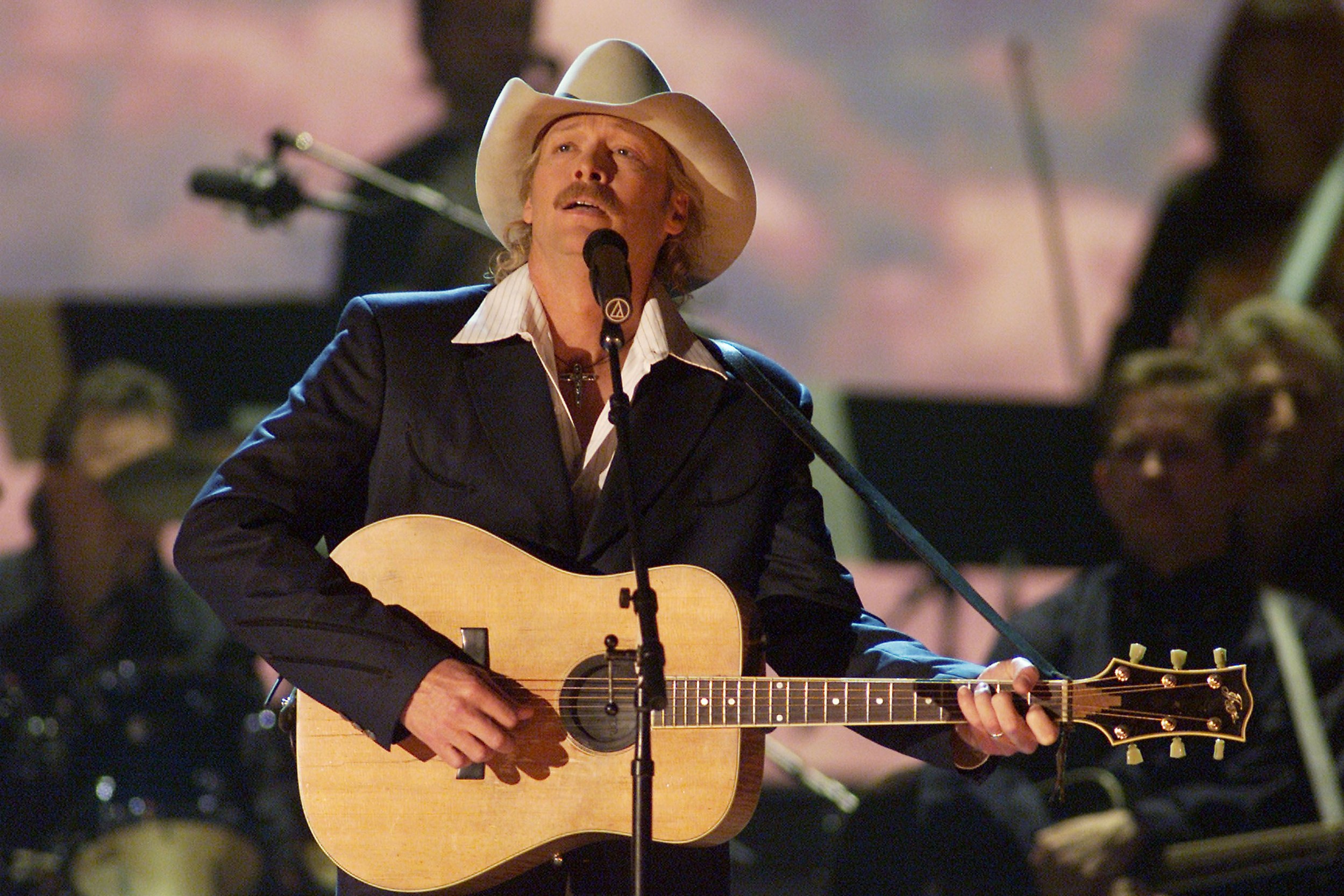
    Alan Jackson, a prominent voice in country music for over three decades, has significantly scaled back his public performances and touring schedule. This shift marks a notable change in his career, driven primarily by health considerations and a desire for a more private life. His farewell touring efforts resonated deeply with fans across the United States.

    The announcement of his health condition provided clarity regarding his reduced activity. It offered insight into the challenges he faced while continuing to perform. Jackson’s legacy, however, remains firmly established within the genre.

    A Diagnosis Revealed: Charcot-Marie-Tooth Disease

    In September 2021, Alan Jackson publicly disclosed his diagnosis of Charcot-Marie-Tooth (CMT) disease. This neurological condition affects peripheral nerves, leading to muscle weakness and sensory loss. Jackson revealed that he had been living with the disease for approximately a decade prior to his public statement.

    CMT is a progressive disorder. Its symptoms can include difficulty with balance and walking. These physical demands became increasingly challenging for a touring musician. The transparency of his announcement allowed fans to understand the personal struggles behind his professional decisions.

    “I have Charcot-Marie-Tooth disease, and it’s been affecting me for years. It’s a genetic disease that affects your nerves, and it slows them down. It’s not going to kill me, but it’s going to eventually be hard for me to walk and perform.” – Alan Jackson, September 2021.

    The disease’s impact on his mobility directly influenced his ability to maintain a rigorous touring schedule. Long hours on buses, constant travel, and energetic stage performances became unsustainable. His decision to step back was a practical response to a progressive condition.

    The ‘Last Call: One More for the Road’ Tour

    Following his health revelation, Alan Jackson embarked on a final major touring effort titled ‘Last Call: One More for the Road.’ This tour commenced in 2022 and continued into 2023. It allowed Jackson to connect with his fanbase one last time in a comprehensive manner.

    The tour was billed as his last extensive run of shows. It provided an opportunity for fans to see the country legend perform his catalog of hits. Each concert became a celebration of his career and a poignant farewell.

    The Emotional Impact of Farewell Shows

    Concerts during the ‘Last Call’ tour were often emotional affairs. Jackson frequently shared personal anecdotes and reflected on his long career. Audiences responded with immense support and appreciation.

    These performances were carefully managed. Jackson sometimes used a stool on stage for support, a visible sign of his condition. Despite the physical challenges, his vocal delivery remained strong and distinctive.

    The tour itinerary included cities across the United States. Demand for tickets was high, indicating the enduring popularity of his music. Fans traveled from various regions to witness these final performances.

    Prioritizing Family and Personal Life

    Beyond health concerns, Alan Jackson’s decision to retire from extensive touring also reflects a desire to prioritize his family. Jackson has been married to Denise Jackson since 1979. They have three daughters: Mattie Denise, Alexandra Jane, and Dani Grace.

    Decades of touring kept him away from home for extended periods. The constant travel associated with a music career often takes a toll on personal relationships. Jackson expressed a wish for more time with his wife, children, and grandchildren.

    A Shift in Lifestyle

    Retirement from the road offers a significant shift in lifestyle. It allows for more stability and routine. This change aligns with a common desire among long-serving artists to reclaim personal time.

    Many artists reach a point where the rigors of touring outweigh the benefits. Jackson’s choice reflects this natural progression. He aimed to enjoy the fruits of his labor in a more relaxed environment.

    The focus on family life is a recurring theme for artists concluding their active careers. It speaks to the sacrifices made during their peak performing years. Jackson’s decision aligns with this sentiment.

    A Legacy Beyond the Stage

    Alan Jackson’s impact on country music is undeniable. He emerged in the early 1990s as part of the new traditionalist movement. His sound blended classic honky-tonk with contemporary production.

    He amassed numerous accolades throughout his career. These include multiple Grammy Awards, CMA Awards, and ACM Awards. Jackson was inducted into the Country Music Hall of Fame in 2017.

    Hit Songs and Enduring Influence

    His discography includes over 50 singles that reached the Top 30 on the Billboard Hot Country Songs charts. Many of these became No. 1 hits. Iconic songs like ‘Chattahoochee,’ ‘It’s Five O’Clock Somewhere,’ and ‘Where Were You (When the World Stopped Turning)’ define his career.

    Jackson’s songwriting often featured straightforward narratives and relatable themes. He chronicled everyday life, love, and loss with authenticity. This resonated with a broad audience.

    His influence can be heard in subsequent generations of country artists. Many cite him as an inspiration for his traditional sound and lyrical integrity. He helped maintain the genre’s roots during periods of significant change.

    What Does ‘Retirement’ Mean for Alan Jackson?

    While Alan Jackson has retired from extensive touring, his career may not be entirely over. He has indicated that he might still record new music. Occasional performances, such as one-off charity events or special engagements, are also possible.

    This form of retirement is common in the music industry. Artists often transition to a less demanding schedule rather than a complete cessation of work. It allows them to continue their craft without the physical strain of touring.

    Potential for Future Projects

    Fans anticipate the possibility of new studio albums. Jackson’s creative output has always been consistent. A reduced touring schedule could allow for more focus on songwriting and recording.

    His enduring popularity suggests that any new material would be well-received. The country music community continues to hold him in high regard. His contributions are considered foundational to the modern genre.

    The exact nature of his future musical endeavors remains to be seen. However, his legacy as a performer and songwriter is secure. His music continues to be played on radio and streamed by millions.

    The Evolution of a Country Music Icon

    Alan Jackson’s journey from Newnan, Georgia, to country music superstardom is a testament to his talent and perseverance. He moved to Nashville, Tennessee, in the mid-1980s, working various jobs while pursuing his musical dreams. His big break came in 1989 when he signed with Arista Records.

    His debut album, ‘Here in the Real World,’ released in 1990, launched his career. It featured hit singles that established his traditional country sound. This album set the stage for decades of success.

    Adapting to Change While Staying True to Roots

    Throughout the 1990s and 2000s, Jackson remained a consistent presence on the charts. He navigated shifts in country music trends by staying true to his authentic style. This commitment earned him respect from both peers and fans.

    He often spoke about the importance of traditional country sounds. His music served as a bridge between classic country artists and contemporary listeners. He became a symbol of the genre’s enduring appeal.

    His retirement from touring marks a significant moment for country music. It closes a chapter on one of its most beloved live performers. The impact of his career will continue to resonate for years to come.

    Musicians retire. Legends endure. Family calls. Health dictates. The road ends.

    Legacy.
  • Vanilla Ice’s Freedom 250 Concert: The ‘Inclement Weather’ Cancellation

    Vanilla Ice’s Freedom 250 Concert: The ‘Inclement Weather’ Cancellation

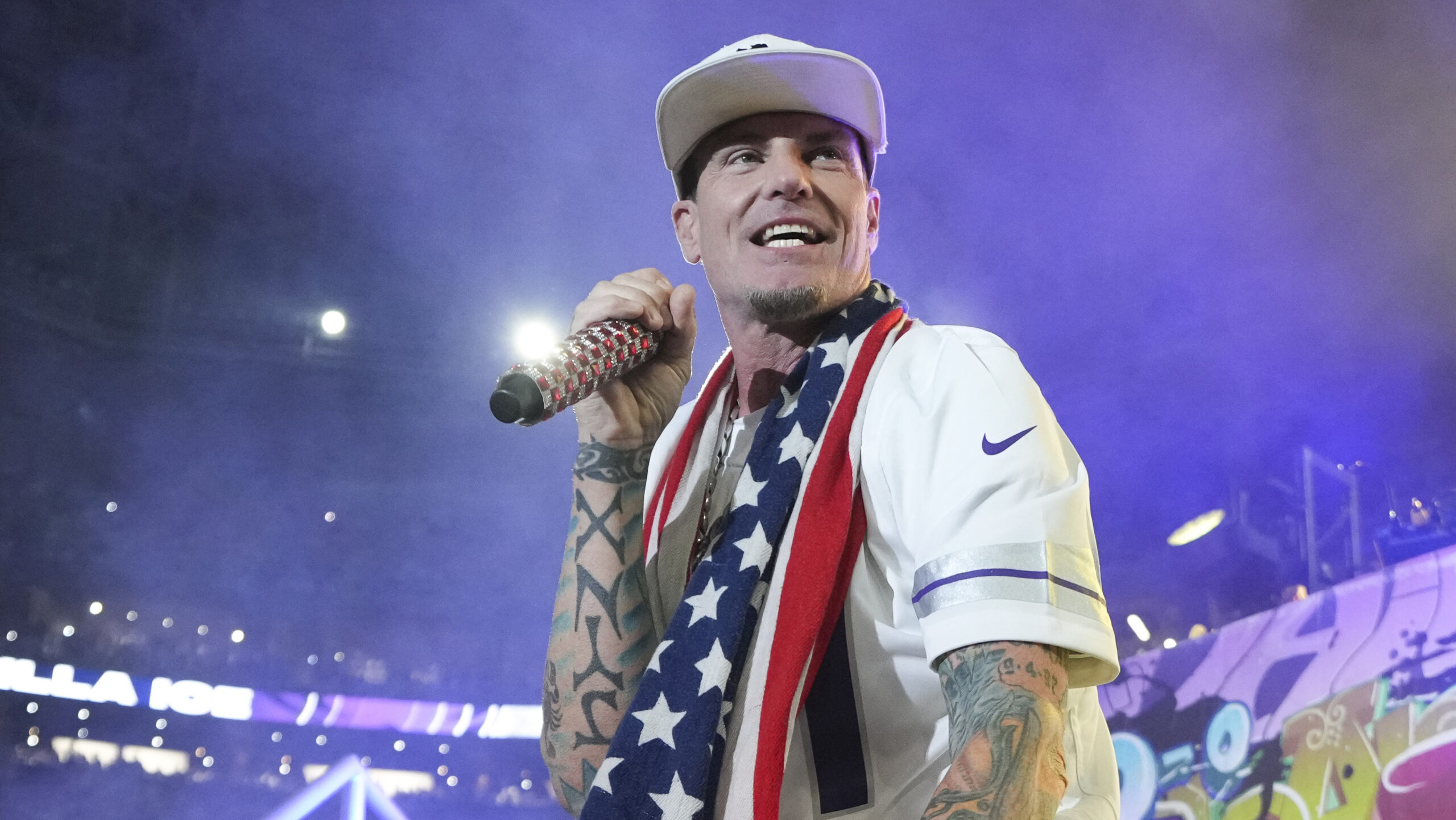
    Vanilla Ice’s Freedom 250 concert, a highly anticipated event, was abruptly canceled in late June 2026. The official reason provided by organizers for this decision was ‘inclement weather.’ This explanation, however, faced scrutiny as local weather conditions at the time of the cancellation did not appear to support claims of severe weather.

    The sudden nature of the cancellation left many fans and observers questioning the true circumstances. The event was part of a broader cultural landscape where musical acts from different genres often cross over or appeal to diverse audiences.

    The Announced Cancellation

    The news of the Freedom 250 concert’s cancellation spread rapidly. Reports from various outlets confirmed the event would not proceed as planned. Attendees who had made travel arrangements and purchased tickets expressed immediate disappointment.

    Organizers issued a statement. This statement attributed the cancellation solely to adverse weather conditions. Specific details regarding the nature of the ‘inclement weather’ were not extensively provided in initial public announcements.

    Social media platforms became a hub for discussion. Fans shared their frustration and sought clarification regarding the refund process and future event possibilities.

    Weather Conditions at the Time

    Local weather forecasts and reports for the concert’s scheduled date and time were reviewed following the cancellation. These reviews indicated a disparity between the official reason and actual atmospheric conditions. Many local residents and meteorologists noted the absence of severe storms or hazardous weather warnings.

    Temperatures were reportedly mild. Precipitation was minimal or non-existent in the immediate vicinity of the venue. Wind speeds were also not reported at levels that would typically warrant such a drastic event cancellation.

    This discrepancy fueled speculation. It suggested that factors beyond weather might have contributed to the decision. The lack of transparent information from organizers only amplified public curiosity.

    The Implication of ‘Inclement Weather’

    The phrase ‘inclement weather’ serves as a common and often accepted reason for event cancellations. It provides a broad justification that can encompass various meteorological phenomena. These include heavy rain, strong winds, lightning, or extreme temperatures.

    However, when the reported weather does not align with the stated reason, it can lead to public distrust. It can also raise questions about contractual obligations, insurance policies, and underlying logistical challenges. Concert promoters often have complex agreements that factor in weather-related clauses.

    Vanilla Ice’s Enduring Appeal

    Robert Matthew Van Winkle, known professionally as Vanilla Ice, rose to prominence in the early 1990s. His hit single ‘Ice Ice Baby’ achieved global success. This song became the first hip-hop single to top the Billboard Hot 100 chart.

    His career trajectory has been eclectic. After his initial mainstream success, he ventured into various forms of entertainment. These included acting, reality television, and different musical genres.

    Vanilla Ice has maintained a loyal fanbase. He frequently performs at nostalgia-themed concerts and festivals. His performances often draw diverse crowds, including those who appreciate his blend of hip-hop and rock influences.

    Crossover Appeal and Audience Demographics

    Vanilla Ice’s appeal has extended beyond his original hip-hop audience. His presence at events like the Freedom 250 suggests a connection with audiences often associated with country music or rock festivals. This crossover appeal highlights the evolving nature of music consumption and fan bases.

    Artists like Vanilla Ice can bridge cultural divides. They bring together different segments of the population through shared nostalgic experiences or a broader appreciation for musical entertainment. His continued touring reflects a demand for his unique brand of performance.

    Logistical Challenges for Large Events

    Organizing large-scale concerts involves significant logistical planning. Permits, security, staging, sound, lighting, and vendor coordination are all critical components. Any one of these elements can present unforeseen challenges.

    Cancellations can occur due to a multitude of factors. These include low ticket sales, artist health issues, technical failures, or permitting problems. Organizers sometimes opt for a generic explanation to avoid disclosing more complex or potentially damaging reasons.

    The economic impact of a cancellation is substantial. Lost revenue for the venue, vendors, and local businesses can be significant. Refunds for tickets and associated travel expenses also contribute to financial losses.

    The Role of Insurance and Contracts

    Event insurance policies often cover cancellations due to specific circumstances. ‘Inclement weather’ is a common clause in these policies. However, the exact definition of ‘inclement’ can be subject to interpretation and contractual language.

    Promoters and artists enter into detailed contracts. These agreements outline responsibilities, force majeure clauses, and cancellation protocols. The specific terms of these contracts are typically confidential.

    A cancellation due to a reason like ‘inclement weather’ can simplify the legal and financial ramifications for organizers. It may align with insurance policy requirements more easily than other potential reasons.

    Public Reaction and Future Implications

    The public reaction to the Freedom 250 cancellation was mixed. While some fans expressed understanding, many felt a lack of transparency. The incident highlighted the importance of clear communication from event organizers.

    For Vanilla Ice, such cancellations can impact touring schedules and fan engagement. Artists rely on consistent performances to connect with their audience and sustain their careers. Unexplained cancellations can lead to questions about reliability.

    The event also served as a reminder of the complexities inherent in the live music industry. The coordination of large gatherings requires meticulous planning and the ability to adapt to unexpected circumstances. The official explanation of ‘inclement weather’ for the Vanilla Ice concert cancellation in late June 2026 continues to be a point of discussion.

    Fans anticipated. Organizers announced. Weather reports differed.

    Questions remained.

  • Cody Johnson’s Record-Breaking Rodeo Houston Performance Despite Illness

    Cody Johnson’s Record-Breaking Rodeo Houston Performance Despite Illness

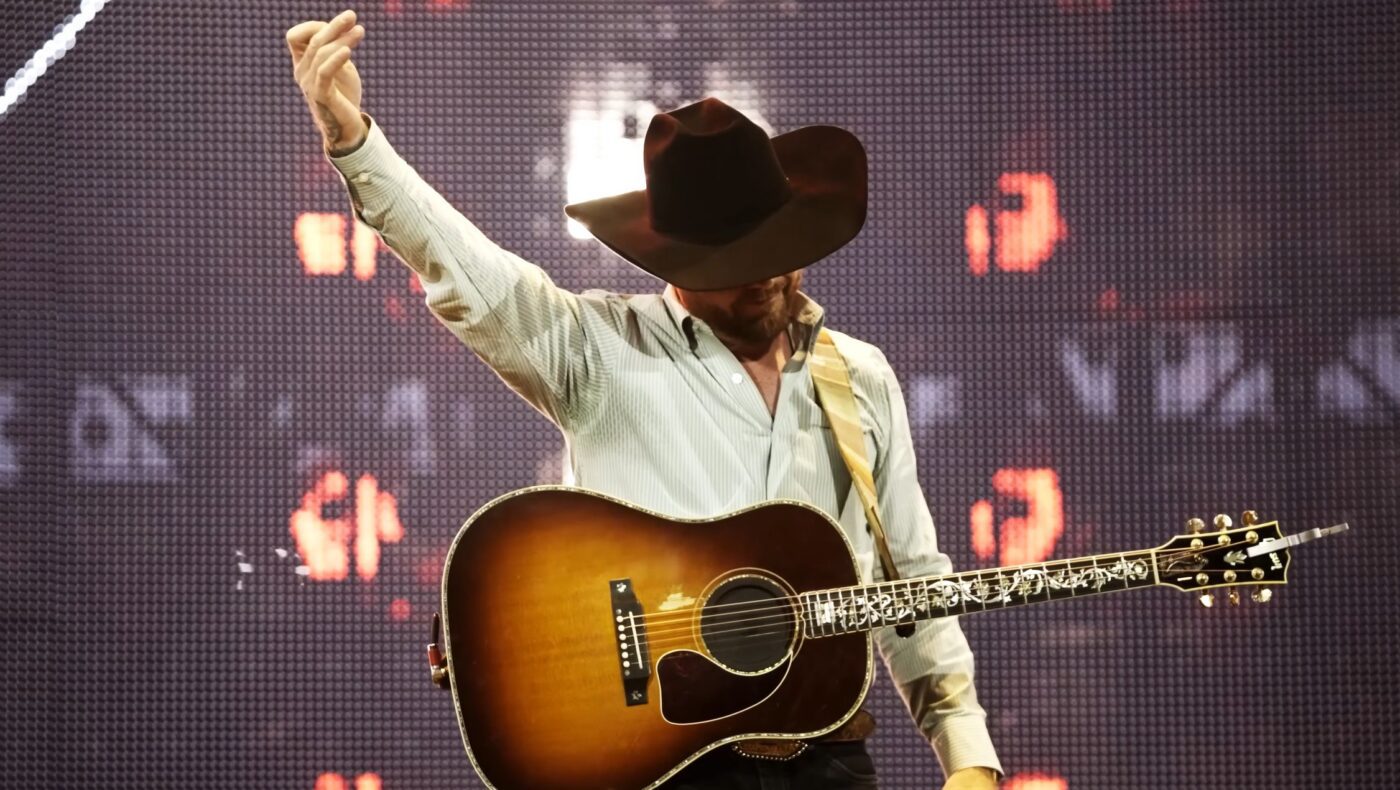
    Country music artist Cody Johnson delivered a record-breaking performance at Rodeo Houston in 2022, despite waking up severely ill on the day of the show. Johnson’s dedication to his fans and commitment to his craft allowed him to overcome significant personal challenges to deliver a memorable concert. The event marked a pivotal moment in his career, showcasing his resilience and cementing his status as a major force in country music.

    What looks like a triumphant moment of pure celebration was, in reality, a battle fought off-stage before the first note even played. Johnson’s determination to fulfill his commitment to thousands of fans defined this particular career milestone.

    The Day of the Record

    On February 26, 2022, Cody Johnson was scheduled to perform at Rodeo Houston. This performance was part of the Houston Livestock Show and Rodeo, an event deeply ingrained in Texas culture and Johnson’s personal history.

    Johnson woke up that morning experiencing severe illness. He later described feeling as though he had been hit by a truck. The symptoms were significant enough to raise concerns about his ability to perform.

    Despite his physical condition, Johnson remained committed to the show. He understood the magnitude of the event and the expectations of the crowd.

    The decision to proceed with the performance was a testament to his work ethic. It underscored his dedication to his audience and his craft.

    The Performance of a Lifetime

    Johnson took the stage at NRG Stadium in Houston, Texas. He performed for a massive crowd, delivering a full set despite his underlying illness.

    He later reflected on the experience, stating, “I’m about to deliver the performance of a lifetime.” This internal declaration guided him through the challenging day.

    The concert was not just a personal triumph; it was a historical event for Rodeo Houston. Johnson broke the all-time attendance record for a single performer.

    A total of 73,094 fans gathered to watch his performance. This figure surpassed previous attendance records set by other notable artists at the venue.

    The record-breaking attendance highlighted Johnson’s growing popularity. It also demonstrated the strong connection he maintains with his fanbase, particularly in his home state of Texas.

    A History with Rodeo Houston

    Cody Johnson’s connection to Rodeo Houston extends beyond his musical performances. Before his career in country music, Johnson was an active rodeo competitor.

    He participated in bull riding, a sport known for its physical demands and inherent risks. This background instilled a deep understanding of resilience and perseverance.

    His transition from rodeo to music provided a unique perspective. It shaped his stage presence and his connection to the working-class narratives often found in country music.

    The 2022 performance was not his first time playing Rodeo Houston. He had previously performed at the event, building a consistent following.

    His 2022 attendance record was a culmination of years of dedicated work. It represented a significant milestone in his journey from rodeo arenas to major concert stages.

    The Impact of the Event

    The 2022 Rodeo Houston performance had a lasting impact on Johnson’s career. It garnered national attention, further elevating his profile in country music.

    The story of his performance while ill resonated with fans and critics alike. It portrayed him as an artist committed to his responsibilities, even in adversity.

    This event contributed to the narrative of Cody Johnson as a resilient and authentic performer. It reinforced his image as a traditional country artist who earns his success through hard work.

    Following this performance, Johnson continued to achieve significant milestones. His album releases and subsequent tours saw increased success and fan engagement.

    The record at Rodeo Houston became a benchmark. It is frequently cited as an example of his dedication and the powerful bond he shares with his audience.

    Resilience in the Music Industry

    The music industry often demands high levels of stamina and commitment from artists. Touring schedules can be rigorous, requiring performers to maintain their health and energy.

    Johnson’s experience at Rodeo Houston serves as a prominent example of an artist pushing through physical challenges. It highlights the often unseen struggles behind polished performances.

    Other artists have also faced similar situations, performing while ill or injured. These instances often become part of their career lore, demonstrating their professionalism.

    The expectation for performers to deliver, regardless of personal circumstances, is a long-standing tradition. It speaks to the unique demands of live entertainment.

    Cody Johnson’s 2022 performance exemplifies this tradition. It underscores the profound dedication required to succeed at the highest levels of the music business.

    Johnson’s Continued Success

    Since his record-breaking Rodeo Houston appearance, Cody Johnson’s career trajectory has continued upward. He has released new music, embarked on extensive tours, and received industry accolades.

    His albums, such as ‘Human: The Double Album’ (2021) and ‘Leather’ (2023), have achieved commercial success. They have produced popular singles and resonated with a broad audience.

    Johnson has consistently maintained his traditional country sound. This approach has distinguished him in a evolving musical landscape.

    He continues to sell out venues across North America. His live shows are known for their high energy and authentic delivery.

    The resilience shown at Rodeo Houston remains a foundational aspect of his public image. It is a story that continues to inspire his fanbase and define his artistic journey.

    Fans gathered. Records were broken. A legacy was forged.

    Houston.

  • Lionel Richie Postpones Tour Dates After Feeling Unwell On Stage

    Lionel Richie Postpones Tour Dates After Feeling Unwell On Stage

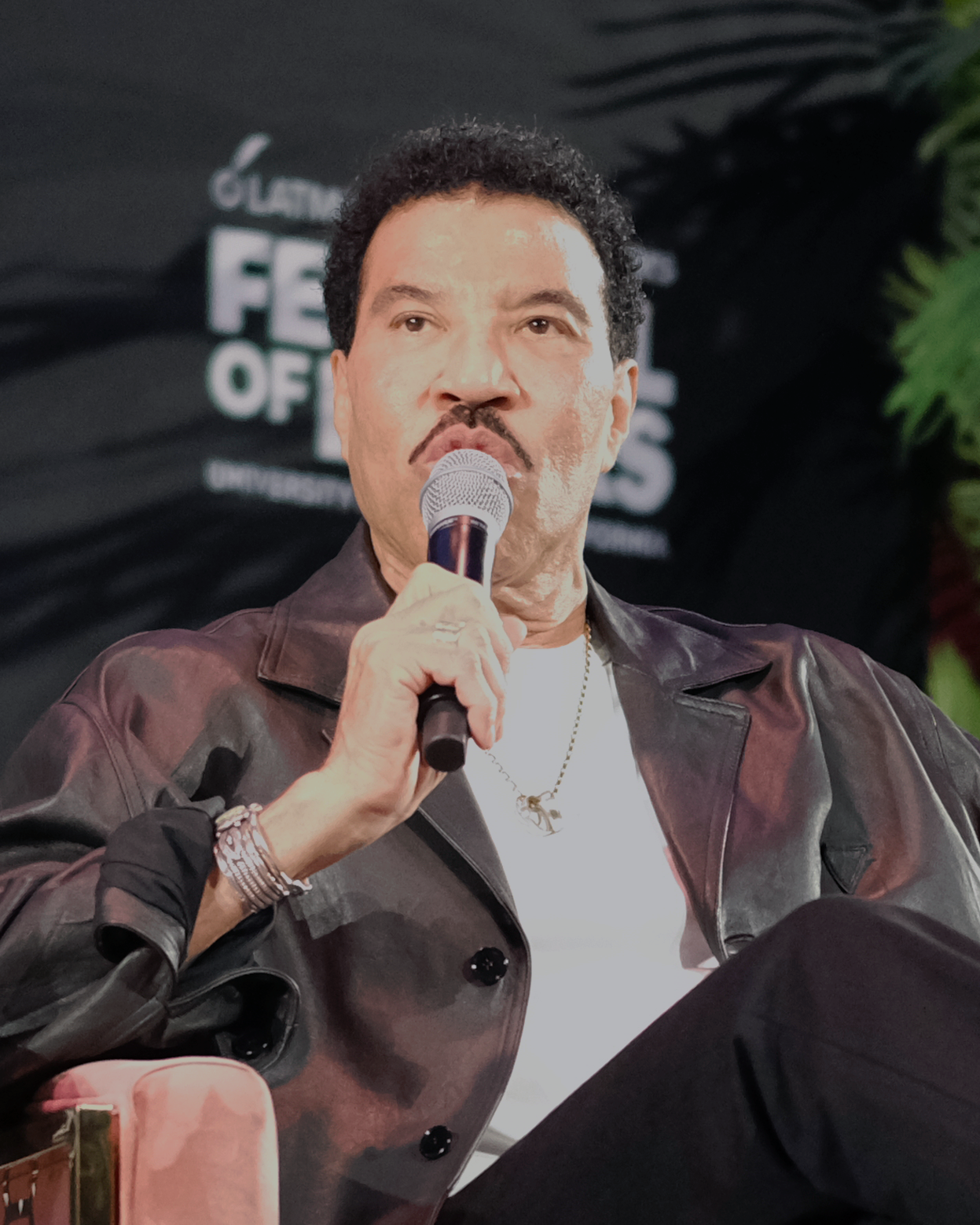
    Lionel Richie postponed several concert dates in late June 2026 after experiencing an undisclosed health issue on stage. The Grammy-winning artist expressed profound disappointment regarding the cancellations, which were made to prioritize his well-being following the incident.

    Richie’s On-Stage Incident and Immediate Aftermath

    The incident occurred during a performance on an unspecified date in late June 2026. Reports indicated that Richie felt unwell during the show, leading to an abrupt end to the concert. The immediate response from his team focused on assessing his condition and determining the appropriate course of action.

    Fans present at the concert reported a noticeable change in Richie’s demeanor before the show was halted. The specific city and venue of this initial incident were not immediately disclosed in public statements. However, the event quickly circulated among concertgoers and on social media platforms.

    Following the abbreviated performance, Richie’s representatives issued a statement confirming the artist’s health concerns. This statement underscored the decision to postpone upcoming tour dates. The primary objective was to allow Richie sufficient time for recovery and medical evaluation.

    The Impact on the Tour Schedule

    The postponements affect multiple dates in Richie’s scheduled tour. These cancellations represent a significant disruption to his planned performances. The tour had been in progress for several months, drawing large crowds across various international locations.

    Richie’s public statement conveyed his personal regret. He described himself as “heartbroken” over the necessity of postponing shows. This sentiment resonated with his long-standing commitment to his fans and his reputation for delivering energetic live performances.

    The affected concerts were part of a broader itinerary that included major cities and venues. Specific details regarding rescheduled dates were not immediately available. Fans holding tickets for the postponed shows were advised to await further announcements from official channels.

    Previous Tour Legs and Global Reach

    Prior to these postponements, Richie had completed successful legs of his tour. These included engagements in Europe, North America, and other regions. The tour showcased his extensive catalog of hits, spanning decades of his career.

    For example, earlier in 2026, Richie performed a series of sold-out shows in London, Paris, and Berlin. These performances were met with critical acclaim, highlighting his enduring appeal. Audiences praised his stage presence and vocal delivery.

    His North American dates also drew considerable attention. Concerts in Los Angeles, New York, and Chicago were particularly well-attended. The tour’s global reach underscored Richie’s status as an international music icon.

    Lionel Richie’s Enduring Legacy and Career

    Lionel Richie’s career spans over five decades, beginning with his role as a co-founder of the Commodores in 1968. The group achieved significant success with hits like “Easy,” “Three Times a Lady,” and “Brick House.” Richie’s songwriting contributions were central to the Commodores’ sound.

    He launched his solo career in 1982 with the album Lionel Richie. This album featured the hit singles “Truly” and “You Are.” His subsequent album, Can’t Slow Down (1983), became a global phenomenon, selling over 20 million copies worldwide and earning him a Grammy Award for Album of the Year.

    Key songs from Can’t Slow Down include “All Night Long (All Night),” “Hello,” and “Stuck on You.” These tracks cemented his status as a leading voice in contemporary pop and R&B music. His ballads, in particular, became signature pieces.

    Awards and Recognition

    Richie has accumulated numerous accolades throughout his career. These include four Grammy Awards, an Academy Award for Best Original Song (“Say You, Say Me” from the film White Nights), and a Golden Globe Award. He was inducted into the Songwriters Hall of Fame in 1994.

    In 2017, he received the Kennedy Center Honors, one of the highest cultural distinctions in the United States. He was inducted into the Rock and Roll Hall of Fame in 2022. These honors reflect his profound impact on music and popular culture.

    Beyond his musical achievements, Richie has also served as a judge on the popular television competition American Idol since 2018. His role on the show has introduced him to a new generation of fans. He offers mentorship and critiques to aspiring artists.

    Health and Public Appearances

    Public figures often face intense scrutiny regarding their health, especially during active touring schedules. The physical demands of performing live, coupled with extensive travel, can be taxing. Artists frequently manage rigorous schedules that require peak physical condition.

    Richie, like many artists, has maintained a demanding professional life. His recent health concerns highlight the challenges inherent in sustained public performance. The decision to postpone concerts is often made after careful consideration of an artist’s well-being.

    The music industry has seen various instances where artists have had to pause or cancel tours due to health. These situations underscore the human element behind the performances. Fan empathy often follows such announcements, prioritizing the artist’s recovery.

    The Role of Fan Support

    Fan reactions to Richie’s postponement have largely been supportive. Social media platforms saw an outpouring of well wishes and messages of concern. Many fans emphasized the importance of Richie’s health above concert attendance.

    This collective sentiment reflects a broader understanding within fan communities. The well-being of performers is increasingly recognized as paramount. The desire to see an artist perform live often takes a secondary role when health issues arise.

    Richie’s expression of heartbreak further deepened this connection with his audience. It demonstrated his personal investment in his performances. It also showed his genuine regret for any inconvenience caused to ticket holders.

    Looking Ahead: Recovery and Rescheduled Dates

    The immediate focus for Lionel Richie and his team is his recovery. Medical professionals are expected to provide guidance on his health status. The timeline for his return to touring will depend on these assessments.

    Rescheduled dates will be announced once Richie’s health is stable and cleared for performance. The logistics of rescheduling a major international tour are complex. They involve coordinating venues, production teams, and support staff.

    Fans are encouraged to monitor official Lionel Richie channels for updates. These channels typically include his official website and social media accounts. Clear communication regarding ticket validity and refund policies is anticipated.

    The incident on stage. The subsequent postponements. The outpouring of fan support. The focus on recovery.

    Lionel Richie.

  • The Alan Jackson Moment That Shaped Carrie Underwood’s Career

    The Alan Jackson Moment That Shaped Carrie Underwood’s Career

    The Pivotal Performance by Alan Jackson

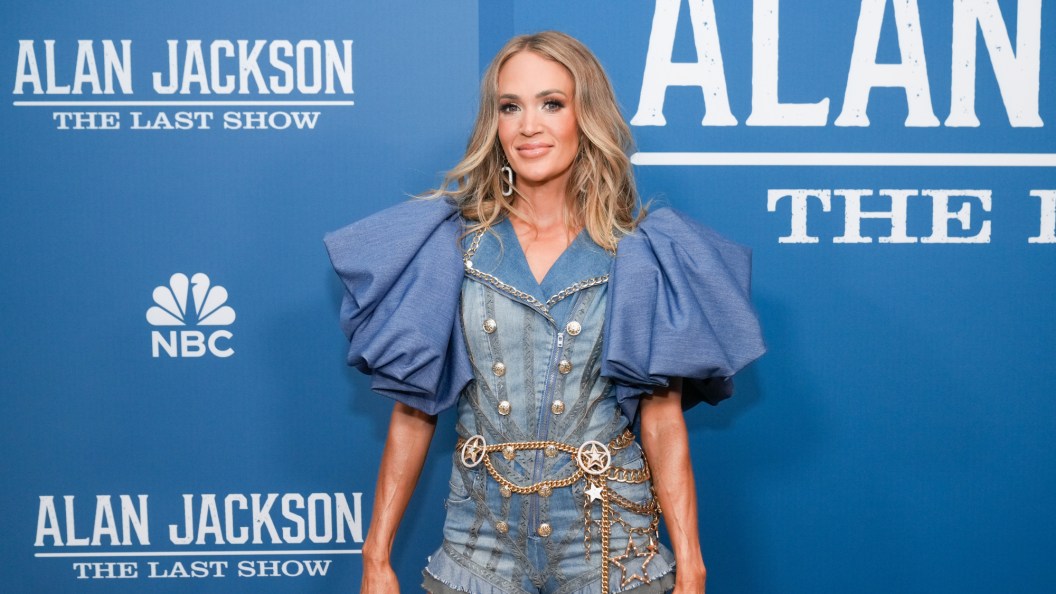
    Carrie Underwood, a multi-platinum recording artist and global touring phenomenon, recently disclosed a profound personal experience involving fellow country music star Alan Jackson. This event, occurring in the 1990s, served as a catalyst for Underwood’s musical ambitions. It was a moment that she credits with solidifying her resolve to pursue a career in country music, fundamentally altering her life’s trajectory.

    The specific performance that resonated so deeply with Underwood was Jackson’s delivery of his 1991 hit, “Don’t Rock the Jukebox.” This song, a staple of country radio, reportedly captivated a young Underwood, illustrating the power of live music and authentic storytelling. Her recollection underscores the significant impact that iconic artists can have on future generations, often unknowingly.

    Underwood’s Early Aspirations

    Before her rise to superstardom through American Idol in 2005, Carrie Underwood was a young enthusiast of country music in Checotah, Oklahoma. She harbored dreams of singing, much like countless others across the United States. The encounter with Jackson’s performance provided a clear vision for what that dream could entail.

    This formative experience was not merely about enjoying a song; it was about witnessing a master at work. Jackson’s stage presence, his vocal delivery, and the emotional connection he forged with the audience through his music left an indelible mark. It transformed a nascent interest into a concrete aspiration, guiding her future choices.

    The Enduring Legacy of Alan Jackson

    Alan Jackson, an inductee into the Country Music Hall of Fame in 2017, has maintained a consistent presence in country music since the late 1980s. His career is characterized by a blend of traditional country sounds with contemporary sensibilities. He has released over 16 studio albums and achieved more than 35 number-one singles on the Billboard Hot Country Songs chart.

    Jackson’s songwriting often focuses on themes of rural life, heartache, and working-class struggles, resonating with a broad audience. His influence extends beyond his chart success, touching the lives of other musicians who grew up listening to his work. Underwood’s testimony is a testament to this profound, generational impact.

    “Don’t Rock the Jukebox” as a Cultural Touchstone

    Released in 1991 as the lead single from his album of the same name, “Don’t Rock the Jukebox” became a signature song for Alan Jackson. It spent three weeks at number one on the Billboard Hot Country Singles & Tracks chart. The song itself is an ode to traditional country music, expressing a desire for classic sounds over modern alternatives.

    For a young Carrie Underwood, the message and the melody of this particular song converged to create a moment of clarity. It wasn’t just a hit; it was a declaration of musical identity that spoke to her own budding artistic sensibilities. The song’s success solidified Jackson’s status as a torchbearer for traditional country values, a role that continues to define his career.

    The Tribute and Its Significance

    Underwood’s revelation occurred during a recent tribute event honoring Alan Jackson. Such events are common within the music industry, serving to celebrate careers and acknowledge contributions to the genre. They also provide a platform for artists to share personal stories, revealing the intricate web of influence that connects musicians across time.

    These tributes are not merely ceremonial; they are crucial for documenting the history and evolution of a musical genre. They highlight the mentorship, both direct and indirect, that shapes artistic development. For Jackson, hearing Underwood’s account likely affirmed the broader impact of his decades-long career.

    Connecting Generations Through Music

    The story shared by Carrie Underwood illustrates a powerful aspect of music: its ability to transcend generations and inspire new talent. An artist’s work does not exist in a vacuum; it becomes part of a larger cultural conversation, influencing those who listen and those who aspire to create.

    This intergenerational connection is vital for the continued vitality of any art form. It ensures that traditions are honored while simultaneously allowing for innovation and growth. Underwood’s success, in part, can be seen as a continuation and evolution of the country music tradition exemplified by artists like Alan Jackson.

    The Path from Inspiration to Stardom

    Carrie Underwood’s journey from an inspired fan to a global superstar is well-documented. Her victory on the fourth season of American Idol in 2005 launched her into the national spotlight. Since then, she has amassed numerous awards, including multiple Grammy Awards, Country Music Association Awards, and Academy of Country Music Awards.

    Her discography includes hits like “Before He Cheats,” “Jesus, Take the Wheel,” and “Blown Away.” These songs showcase her powerful vocal range and her ability to deliver emotionally resonant performances. While her style incorporates contemporary elements, the foundational influence of traditional country, as embodied by artists like Jackson, remains evident.

    The Role of Mentorship and Role Models

    While Underwood’s interaction with Jackson was not a direct mentorship, it functioned as a powerful form of role modeling. Observing successful artists provides a blueprint for aspiring talents, demonstrating what is possible and how dedication can lead to achievement. These moments of inspiration are often as critical as formal training or industry connections.

    For many artists, the decision to pursue music is not a sudden one but rather a gradual realization fueled by encounters with music that speaks to their soul. Jackson’s performance provided such a moment for Underwood, crystallizing her ambitions and setting her on a definitive course.

    The Broader Impact on Country Music

    This anecdote also speaks to the broader ecosystem of country music. It is a genre deeply rooted in storytelling and tradition, where the past continually informs the present. Artists frequently pay homage to those who came before them, recognizing the lineage that defines their craft.

    Such acknowledgments reinforce the genre’s identity and create a sense of community among its practitioners and fans. They remind audiences that even the biggest stars started somewhere, often inspired by the very legends they now stand alongside. The story of Carrie Underwood and Alan Jackson is one thread in this rich tapestry.

    A Timeless Connection

    The specific details of the performance, the song, the stage, the atmosphere, may fade with time, but the emotional impact endures. For Carrie Underwood, that single moment in the 1990s became a touchstone, a memory she revisited as she navigated her own path to musical greatness. It represents a timeless connection between artist and audience, between inspiration and creation.

    The tribute to Alan Jackson served not only to honor his achievements but also to illuminate the profound and often unseen ways in which artists influence one another. It was a moment of shared history, acknowledging the roots from which contemporary success springs. Fans, artists, and industry figures gathered. Memories were shared. Legacies were affirmed. Music continued.

  • Lauryn Hill’s BET Awards 2026 Tribute: Queen Latifah, SZA & More Celebrate Legacy

    Lauryn Hill’s BET Awards 2026 Tribute: Queen Latifah, SZA & More Celebrate Legacy

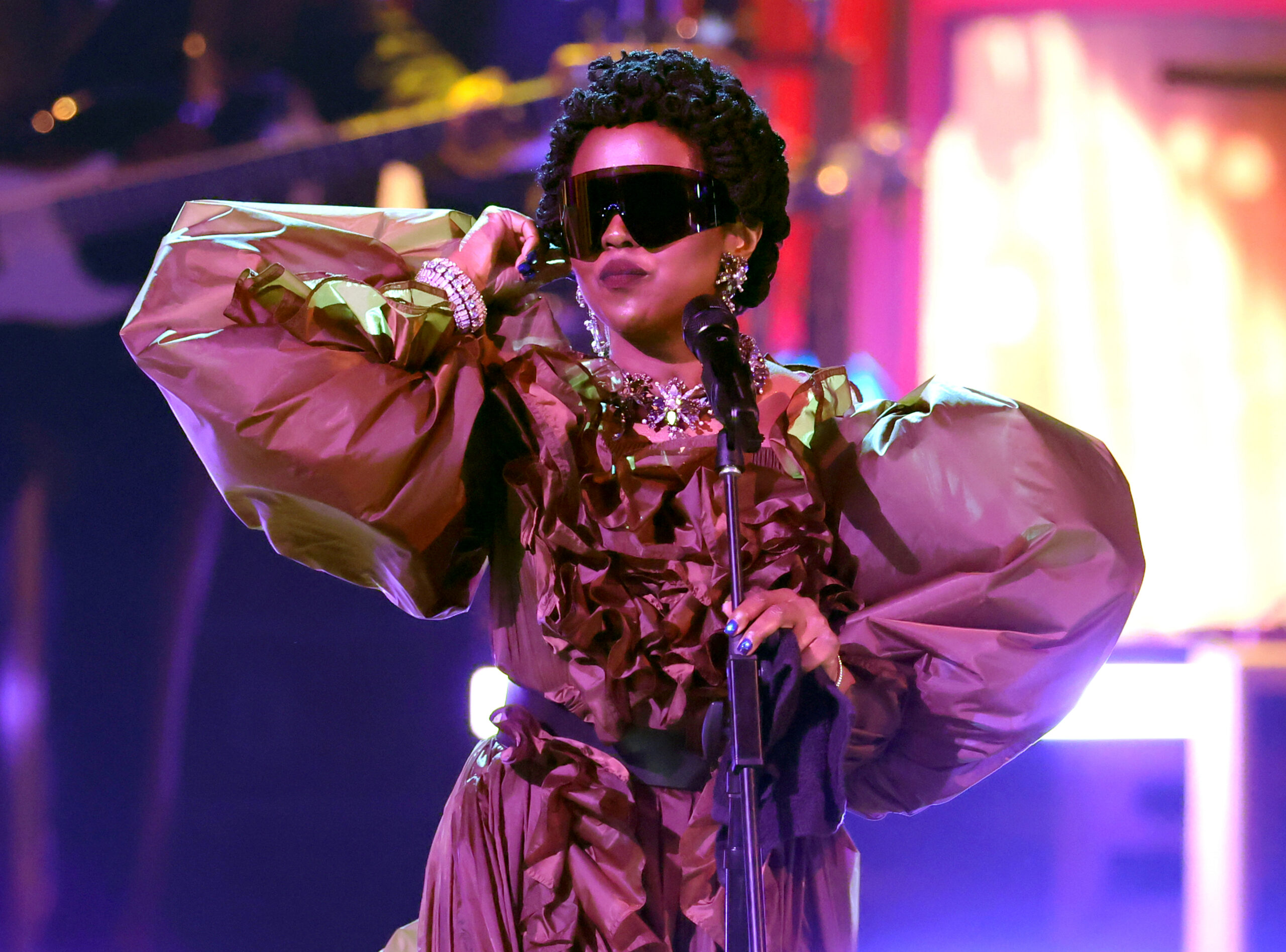
    Lauryn Hill was the recipient of an all-star musical tribute at the BET Awards on June 29, 2026. The ceremony featured a diverse assembly of artists who performed renditions of Hill’s most iconic songs, celebrating her profound influence on music. Queen Latifah, SZA, Doechii, Doja Cat, and Nas were among the musicians who took the stage to honor Hill’s storied career.

    The tribute commenced with a video montage showcasing Hill’s career milestones, from her time with The Fugees to her solo success. Her seminal album, The Miseducation of Lauryn Hill, was a central theme throughout the evening’s performances. The BET Awards stage provided a prominent platform to acknowledge Hill’s enduring legacy and her role in shaping contemporary music genres.

    Queen Latifah Opens with Fugees Medley

    Queen Latifah opened the tribute segment with a powerful medley of Fugees classics. She performed parts of ‘Fugee-La’ and ‘Ready or Not,’ energizing the audience. Her performance culminated in a soulful rendition of ‘Killing Me Softly with His Song,’ a track famously covered by The Fugees.

    Latifah’s presence on stage underscored Hill’s impact across generations of artists. She spoke briefly about Hill’s pioneering spirit and her lyrical genius. The segment set a high standard for the performances that followed.

    SZA, Doechii, and Doja Cat Interpret Hill’s Solo Work

    The tribute continued with contemporary artists interpreting Hill’s solo material. SZA delivered a poignant and emotionally charged rendition of ‘Ex-Factor’ from The Miseducation of Lauryn Hill. Her performance highlighted the timelessness of Hill’s songwriting and vocal delivery.

    Doechii followed with a dynamic performance of ‘Doo Wop (That Thing),’ bringing her unique energy to the track. Doja Cat then performed ‘Everything Is Everything,’ showcasing her versatility and respect for Hill’s artistry. These performances illustrated Hill’s continued relevance to current music trends and her influence on a new generation of performers.

    Nas Joins Hill for a Collaborative Finale

    The tribute concluded with a collaborative segment featuring Nas. He began with a spoken word piece reflecting on Hill’s impact on hip-hop culture and their shared history. Nas then performed a portion of his 1999 hit ‘If I Ruled the World (Imagine That),’ which famously featured Hill on vocals.

    Lauryn Hill herself then joined Nas on stage, to a standing ovation. They performed a brief, unrehearsed duet of ‘If I Ruled the World (Imagine That),’ creating a memorable moment for attendees and viewers. Hill expressed gratitude for the honor, acknowledging the artists and the enduring power of music.

    Lauryn Hill’s Enduring Cultural Impact

    Lauryn Hill’s career spans decades, marked by critical acclaim and commercial success. Her lyrical prowess, vocal range, and genre-blending style have left an indelible mark on music. She has influenced countless artists across hip-hop, R&B, and neo-soul.

    The tribute at the 2026 BET Awards reaffirms her position as one of the most respected and influential artists of her generation. It highlighted the depth of her catalog and the cross-generational appeal of her work. The event served as a powerful reminder of Hill’s artistic contributions and her status as a cultural luminary.

  • Madonna on AI: “Opposite of Making Art,” Prefers Nature Connection

    Madonna on AI: “Opposite of Making Art,” Prefers Nature Connection

    Madonna’s Stance on Artificial Intelligence and Art

    Madonna recently expressed a clear position on artificial intelligence (AI) and its relationship to artistic creation. She articulated that AI represents “the opposite of making art.” This statement underscores a philosophical divide concerning the nature of creativity in an increasingly technological landscape.

    Her perspective emphasizes the intrinsic human element in art. This viewpoint suggests that genuine artistic expression originates from human experience, emotion, and connection, rather than algorithmic generation.

    The Essence of Art: Human Connection and Nature

    The acclaimed artist clarified her preferred sources of inspiration. Madonna stated a preference for “connecting to nature.” This indicates a belief in the organic world as a primary wellspring for creative thought and output.

    Furthermore, her comments imply a value placed on human interaction. This form of connection is often cited by artists as crucial for developing empathy, understanding, and the complex emotional palettes necessary for profound artistic work.

    These sentiments resonate with traditional artistic philosophies. Many historical and contemporary artists champion direct engagement with the physical world and interpersonal relationships as foundational to their craft.

    A Broader Cultural Conversation

    Madonna’s remarks are not isolated. They contribute to a larger, ongoing cultural conversation. This dialogue explores the implications of AI on various creative fields, including music, visual arts, and literature.

    Artists, critics, and technologists are debating the definition of authorship. They also question the value of works generated by machines versus those conceived and executed by human hands.

    Concerns often center on authenticity. The discussion frequently asks whether AI-generated content can possess the same depth, originality, or emotional resonance as human-made art.

    The Role of Technology in Creative Processes

    The integration of technology into creative processes is not new. Throughout history, artists have adopted new tools and methods. Photography, synthesizers, and digital editing software all faced initial skepticism.

    However, AI presents a different challenge. It moves beyond being merely a tool for human artists. AI can generate entire compositions, images, or texts with minimal human input, blurring the lines of creation.

    This capability raises questions about intellectual property. It also prompts reevaluation of the skills and intentions traditionally associated with artistic endeavor.

    Madonna’s Legacy of Innovation and Authenticity

    Madonna’s career has been marked by continuous innovation. She has consistently pushed boundaries in music, performance, and visual presentation. Her work often incorporates new technologies and artistic forms.

    Despite this history of embracing progress, her current stance on AI highlights a specific concern. It suggests that certain technological advancements may fundamentally diverge from what she perceives as authentic artistic practice.

    Her emphasis on nature and human connection can be seen as a return to foundational principles. It contrasts with the synthetic and algorithmic nature of artificial intelligence.

    The Philosophical Divide: Algorithm vs. Emotion

    The core of Madonna’s argument appears to lie in a philosophical distinction. She separates the algorithmic processes of AI from the emotional and experiential wellsprings of human art.

    AI operates based on data, patterns, and computational logic. While it can produce aesthetically pleasing or technically complex results, its creations lack conscious intent or lived experience.

    Human art, conversely, is often seen as an outward expression of an inner world. It is driven by subjective feelings, personal histories, and the unique perspective of the creator.

    Impact on the Music Industry

    The music industry, in particular, has been grappling with AI. Tools for generating melodies, lyrics, and even full instrumental tracks are becoming more sophisticated.

    Some artists and producers view AI as a valuable assistant. They use it for inspiration, to overcome creative blocks, or to automate repetitive tasks.

    Others, like Madonna, express caution. They worry about the potential for AI to dilute the value of human artistry. They also fear it might lead to a proliferation of generic or uninspired content.

    Artists and the Future of Creation

    The discourse surrounding AI in art is likely to intensify. As AI capabilities advance, more artists will be compelled to define their relationship with this technology.

    Some may find ways to integrate AI ethically and creatively, using it as a sophisticated tool. Others may double down on traditional methods, emphasizing the irreplaceable human touch.

    Madonna’s public statement serves as a significant voice in this evolving debate. It challenges the notion that all technological progress automatically equates to artistic advancement.

    The Allure of the Organic

    Madonna’s statement about connecting to nature points to a desire for the organic. This contrasts with the digital and synthetic. In an increasingly virtual world, many seek grounding in the tangible.

    This preference for the natural reflects a broader cultural trend. People are increasingly valuing authenticity, handcrafted goods, and experiences that feel genuinely human.

    Her comments can be interpreted as a call to artists. It suggests they should look to fundamental sources of inspiration rather than relying solely on technological shortcuts.

    Defining “Art” in the AI Era

    Ultimately, Madonna’s position contributes to a fundamental question: What defines “art” in the age of artificial intelligence? If a machine can generate compelling imagery or music, does it qualify as art?

    The answer often hinges on the presence of consciousness, intention, and emotional depth. These are qualities traditionally attributed exclusively to human creators.

    Madonna’s statement reinforces a perspective that art requires a human soul. It suggests that without this soul, creations, however sophisticated, remain mere outputs.

    A Continuing Dialogue

    The debate over AI’s place in art is far from settled. Artists, critics, and audiences will continue to explore these complex questions. Madonna’s recent remarks add a prominent voice to this crucial conversation.

    Her perspective highlights the importance of preserving human-centric values. These values include originality, emotion, and genuine connection, within the rapidly changing landscape of creative expression.

    The discussion extends beyond aesthetics. It touches upon philosophical understandings of creativity, consciousness, and the very definition of humanity’s unique contributions.

    Artists voice opinions. Technologists develop tools. Audiences engage with creations.

    The future of art.

  • Mick Jagger on a Rolling Stones Biopic: “It Interests Me”

    Mick Jagger on a Rolling Stones Biopic: “It Interests Me”

    Mick Jagger, the principal vocalist of The Rolling Stones, has stated that the concept of a biopic detailing the band’s six-decade career “interests him.” This declaration, made public in June 2026, signals a potential shift in the band’s long-standing cautious approach to a comprehensive cinematic portrayal of their history.

    The Rolling Stones, formed in London in 1962, have maintained a global presence in music for over sixty years. Their journey from rhythm and blues enthusiasts to rock and roll legends encompasses numerous cultural shifts and historical moments.

    The Long Road to a Potential Biopic

    The idea of a biographical film centered on The Rolling Stones is not new. Discussions and speculation have circulated within Hollywood and the music industry for decades. However, concrete plans have historically been elusive.

    Previous statements from band members, including Jagger, often expressed reservations. Concerns typically revolved around the accuracy of portrayal, the challenges of condensing such a vast history into a single film, and the desire to maintain creative control over their narrative.

    Jagger’s recent comment suggests a more receptive attitude. This could be due to evolving cinematic approaches to music biopics or a reassessment of the band’s legacy in popular culture.

    The Scope of a Rolling Stones Story

    A Rolling Stones biopic would face significant narrative challenges. The band’s history is rich with pivotal moments, influential albums, and personal dramas.

    Their early years in London’s blues scene, their rivalry with The Beatles, and their ascent to international fame provide ample material. Key events include their first chart-topping single, “(I Can’t Get No) Satisfaction,” released in 1965, and their groundbreaking 1969 American tour.

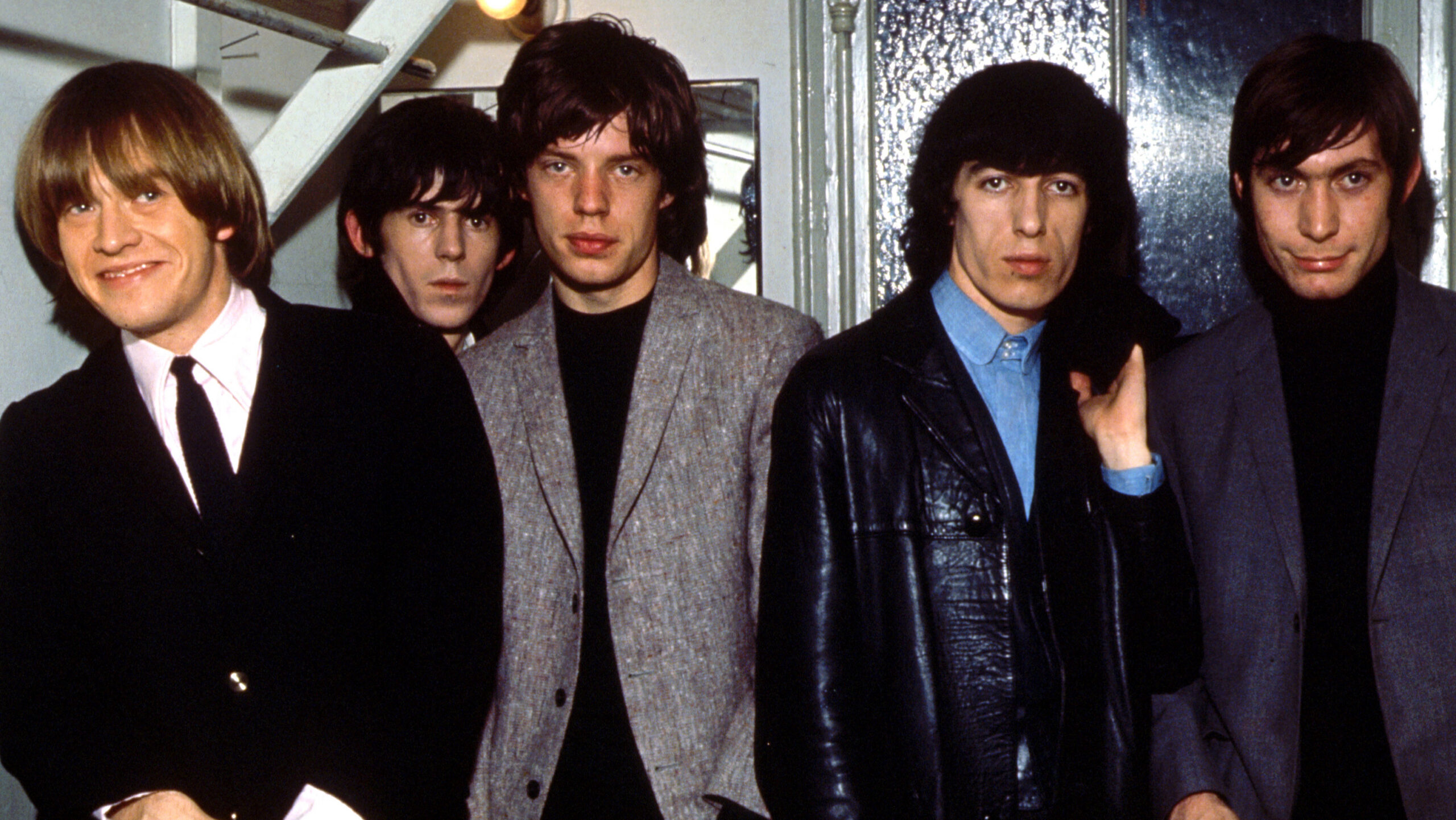
    The film would also need to address the band’s changing lineup. Founding members Mick Jagger, Keith Richards, Brian Jones, Ian Stewart, Charlie Watts, and Bill Wyman each played crucial roles. Brian Jones’s departure in 1969 and his subsequent death that same year remain significant points in their narrative.

    The band’s enduring success through the 1970s, 1980s, and beyond, marked by stadium tours and continued album releases, would also require extensive coverage. The passing of drummer Charlie Watts in 2021 marked a profound moment for the group and their fans.

    Challenges and Opportunities for Filmmakers

    Creating a definitive Rolling Stones biopic presents both creative and logistical hurdles. The sheer volume of material means difficult choices regarding what to include and what to omit.

    Filmmakers would need to navigate the band’s complex relationships. The dynamic between Jagger and Richards, often referred to as “The Glimmer Twins,” is central to the band’s creative output and longevity.

    Securing the rights to their extensive music catalog would be a primary concern. The Rolling Stones’ discography includes over two dozen studio albums and countless singles, many of which are iconic. Licensing agreements for these tracks would be a major component of the film’s budget.

    Casting would also be a critical element. Finding actors capable of embodying the distinct personalities and stage presence of Jagger, Richards, and other members would be essential for audience acceptance.

    The Biopic Landscape in 2026

    The cinematic landscape for music biopics has seen considerable success in recent years. Films like Bohemian Rhapsody (2018), chronicling Queen, and Rocketman (2019), focusing on Elton John, have demonstrated strong box office performance and critical acclaim.

    These films often benefit from the direct involvement of the artists or their estates. Such collaboration can provide authentic insights and access to archival materials, enhancing the film’s credibility.

    Jagger’s expressed interest could open doors for similar collaborative efforts. His involvement would likely ensure a level of authenticity and access that independent productions might lack.

    Previous Documentaries and Fictional Portrayals

    While a full-length feature biopic has been absent, The Rolling Stones have been the subject of numerous documentaries. Films like Gimme Shelter (1970), which captured the tragic events at the Altamont Free Concert, offer raw, real-time glimpses into their history.

    Martin Scorsese’s concert film Shine a Light (2008) provided a contemporary look at the band in performance. These documentaries, while valuable, differ significantly from a narrative-driven biopic that re-enacts historical events.

    Fictional works have also drawn inspiration from the band. The 2005 film Stoned offered a dramatized account of Brian Jones’s life and death, but it was not an official band-sanctioned project.

    The Cultural Impact of The Rolling Stones

    The Rolling Stones are more than a band; they are a cultural institution. Their music has influenced generations of musicians and artists across various genres.

    Their image, defined by a rebellious attitude and iconic fashion, has permeated popular culture. The band’s famous “tongue and lips” logo, designed by John Pasche in 1971, is one of the most recognizable symbols in music history.

    A biopic would have the opportunity to explore this broader cultural impact. It could delve into their role in shaping the counterculture movement of the 1960s and their sustained relevance through subsequent decades.

    The film could also address their business acumen. The Rolling Stones were pioneers in stadium tours and merchandise, transforming the economics of rock music.

    What Could a Biopic Cover?

    A potential biopic could focus on several key eras or themes. An origin story, from their formation in West London to their breakthrough in the mid-1960s, offers a compelling narrative arc.

    Alternatively, a film could concentrate on a specific tumultuous period, such as the late 1960s, marked by personnel changes, legal troubles, and the release of seminal albums like Beggars Banquet (1968) and Let It Bleed (1969).

    Another approach might be to explore the dynamic between Mick Jagger and Keith Richards. Their songwriting partnership, creative differences, and enduring friendship form the backbone of the band’s story.

    The challenge lies in balancing the band’s collective journey with the individual stories of its members. The film would need to provide depth without becoming overly complex or fragmented.

    The Future of The Rolling Stones on Screen

    Mick Jagger’s statement opens a new chapter for The Rolling Stones’ cinematic legacy. It suggests that the band may be ready to engage with a full-scale narrative film about their lives and careers.

    Such a project would require careful planning and execution. The band’s involvement would be crucial for maintaining authenticity and securing necessary rights.

    The music world and film industry will observe developments with keen interest. A Rolling Stones biopic, if realized, would be a major cultural event.

    Decades of music. Global tours. Cultural influence. A legendary story.

    The Rolling Stones.

  • Country Music Festival Scrapped – Organizers Cite Infrastructure Issues

    Country Music Festival Scrapped – Organizers Cite Infrastructure Issues

    A highly anticipated country music festival, slated to draw thousands of attendees and prominent artists, has been officially cancelled. Organizers attributed the decision to insurmountable infrastructure issues, preventing the event from proceeding as planned. This cancellation underscores the complex logistical and financial hurdles involved in staging large-scale cultural events, particularly in locations requiring significant temporary or permanent upgrades.

    The festival’s cancellation represents a significant setback for both country music enthusiasts and the local economy. It also brings into focus broader discussions about the resources and planning required to support cultural gatherings that celebrate traditional American values.

    The Announcement and Initial Reactions

    The official announcement of the festival’s cancellation came on June 25, 2026. This decision followed months of planning and public anticipation. Organizers issued a statement detailing the various infrastructure deficiencies that led to their conclusion.

    These issues included inadequate road access, insufficient water and sanitation facilities, and unreliable power grids. The statement emphasized that these problems posed unacceptable risks to attendee safety and overall event quality.

    Initial reactions from ticket holders and artists expressed disappointment. Many had made travel arrangements and cleared schedules for the event. Social media platforms saw an immediate surge of comments lamenting the loss.

    Local businesses, particularly those in the hospitality and retail sectors, also voiced concerns. They had anticipated a significant economic boost from the festival’s projected attendance.

    Infrastructure Challenges in Rural Event Planning

    The challenges cited by the festival organizers are not unique. Many large-scale events, especially those held outside established urban centers, frequently encounter similar infrastructure hurdles. Rural areas often lack the robust public works systems found in cities.

    Road networks may be unpaved or inadequate for heavy traffic volumes. Water and wastewater systems might be designed for small residential populations, not thousands of temporary visitors. Electrical grids can be susceptible to outages or incapable of handling peak demand from stages, vendors, and camping areas.

    Securing temporary solutions often involves substantial costs. Portable toilets, water trucks, generators, and temporary road improvements require significant investment. Permitting processes for these temporary installations can also be lengthy and complex, involving multiple local and state agencies.

    For a festival of this scale, ensuring emergency services access is paramount. This includes routes for ambulances, fire trucks, and law enforcement. In remote locations, these services may already be stretched thin, requiring additional resources and planning.

    Case Studies of Infrastructure Impact

    Other festivals have faced similar, or even greater, infrastructure-related issues. The infamous Fyre Festival in 2017 serves as a stark example of catastrophic planning failures. While that event involved fraud, its operational collapse was rooted in a complete lack of basic infrastructure.

    Even well-intentioned festivals struggle. The Pemberton Music Festival in British Columbia, Canada, faced bankruptcy in 2017 partly due to high operational costs, including significant infrastructure development. The site required extensive work to accommodate attendees and services.

    Closer to home, smaller regional music festivals in the American South and Midwest frequently contend with challenges related to weather-damaged roads, limited public transport, and the need for self-contained waste management systems. These recurring issues highlight a systemic vulnerability for events in less developed areas.

    Economic and Cultural Ramifications

    The cancellation carries both economic and cultural ramifications. Economically, the anticipated influx of tourism dollars will not materialize. Hotels, restaurants, gas stations, and local shops had prepared for increased business.

    Vendors who planned to operate at the festival will lose revenue. Many small businesses rely on such events for a substantial portion of their annual income. The broader regional economy, including supply chains for food, beverages, and merchandise, will also feel the impact.

    Culturally, the cancellation represents a missed opportunity for the country music community. Festivals serve as vital platforms for artists, from established stars to emerging talents, to connect with fans. They foster a sense of community and shared experience.

    Traditional country music, in particular, often finds its most authentic expression in these communal gatherings. The loss of such an event can be perceived as a blow to the genre’s cultural vitality and its ability to reach new audiences. It also impacts the preservation and celebration of an important American art form.

    The Role of Country Music Festivals

    Country music festivals are more than just concerts. They are cultural touchstones. Events like CMA Fest in Nashville, Tennessee, and Stagecoach Festival in Indio, California, draw hundreds of thousands. They offer immersive experiences that go beyond musical performances.

    These festivals often include camping, line dancing, artisan markets, and food vendors specializing in regional cuisine. They cultivate an environment where fans can deeply engage with the culture surrounding country music. The cancellation deprives attendees of this immersive experience.

    For artists, festivals offer unparalleled exposure. They can reach a diverse audience, gain new fans, and network with industry professionals. The loss of a major festival slot can significantly impact an artist’s touring schedule and promotional efforts.

    Future Outlook and Lessons Learned

    The organizers have not yet indicated whether they plan to reschedule the festival for a future date or relocate it to a different venue. Any future plans would undoubtedly require a thorough re-evaluation of site selection and infrastructure capabilities.

    This incident serves as a critical lesson for event planners across the industry. It emphasizes the need for comprehensive due diligence regarding site infrastructure from the earliest stages of planning. Engaging with local government and utility providers early can identify potential roadblocks.

    Investment in pre-event infrastructure assessments, contingency planning, and robust financial backing for potential upgrades becomes paramount. Without these foundational elements, even the most anticipated cultural events remain vulnerable to unforeseen logistical failures.

    The country music community, organizers, and local stakeholders now face the task of assessing the damage. They must also consider how to prevent similar cancellations in the future. The incident highlights a broader need for sustainable event planning models.

    Fans wait. Artists wait. Organizers wait.

    Resolution.

  • Alan Jackson’s Career Trajectory – From First Deal to Farewell Stage

    Alan Jackson’s Career Trajectory – From First Deal to Farewell Stage

    Alan Jackson signed his first record deal 37 years before his last major public performance. This span marks a significant period in country music history, showcasing a career that built a legacy through traditional sound and storytelling. His journey from an aspiring artist to a celebrated icon is defined by consistent musical output and enduring appeal.

    The path began with a critical agreement that launched his professional recording life. It continued through decades of hit songs, extensive touring, and numerous industry awards. The duration of his active career, from that initial contract to his farewell stage, underscores his impact on the genre.

    The Early Years and the Breakthrough Deal

    Alan Jackson’s musical aspirations began in Newnan, Georgia. He grew up listening to traditional country artists, developing a deep appreciation for the genre’s roots. His early influences included legendary figures like George Jones and Hank Williams.

    Before achieving widespread fame, Jackson worked various jobs, including car sales and construction. He performed in local clubs, honing his craft and developing his signature vocal style. This period of development was crucial for shaping the artist he would become.

    The pivotal moment arrived with his first record deal. This agreement, signed in the late 1980s, opened the doors to Nashville’s music industry. It provided the platform for him to record and release his original material to a broader audience.

    The signing of this deal was the formal beginning of his professional recording career. It marked the transition from local performer to national recording artist, setting the stage for his debut album.

    Debut and Rise to Stardom

    Alan Jackson released his debut album, Here in the Real World, in 1990. The album featured four hit singles, including the title track, “Wanted,” “Chasin’ That Neon Rainbow,” and “I’d Love You All Over Again.” This immediate success established him as a significant new voice in country music.

    His sound stood out during a period when country music was experiencing various stylistic shifts. Jackson’s commitment to traditional country instrumentation and lyrical themes resonated with fans seeking authenticity.

    Throughout the 1990s, Jackson consistently produced chart-topping albums and singles. Songs like “Don’t Rock the Jukebox,” “Chattahoochee,” and “Livin’ on Love” became anthems for millions. He became known for his straightforward delivery and relatable narratives.

    By the mid-1990s, Alan Jackson was a household name. He garnered numerous awards, including multiple CMA Awards and Academy of Country Music Awards. His consistent presence on country radio solidified his status as a leading artist.

    Sustained Success and Industry Recognition

    Alan Jackson’s career extended well into the 21st century, maintaining his popularity and artistic integrity. He continued to release successful albums and embark on extensive tours. His music often addressed themes of everyday life, love, loss, and nostalgia, connecting with a broad audience.

    In 2001, he released “Where Were You (When the World Stopped Turning),” a poignant response to the September 11th attacks. The song resonated deeply with the American public, earning him a Grammy Award for Best Country Song and a CMA Award for Song of the Year.

    His contributions to country music were recognized with significant honors. In 2001, he was inducted into the Grand Ole Opry, a testament to his traditional country roots and enduring impact. This induction placed him among the genre’s most revered figures.

    Further recognition came in 2017 when Alan Jackson was inducted into the Country Music Hall of Fame. This honor cemented his place as one of country music’s all-time greats. His induction acknowledged his vast catalog of hits and his unwavering dedication to traditional country sound.

    The Last Call: One More for the Road Tour

    In 2022, Alan Jackson announced his Last Call: One More for the Road tour. This tour marked a significant chapter in his career, signaling a potential winding down of his extensive touring schedule. The tour provided fans with an opportunity to see the country legend perform live.

    The tour dates spanned various cities across the United States. Each concert was a celebration of his career, featuring many of his most beloved songs. Fans attended in large numbers, demonstrating the lasting loyalty and affection for his music.

    His final major public performance, referenced in the initial statement, occurred as part of this tour. This concert, 37 years after his first record deal, brought his long and illustrious touring career to a memorable close. It was a moment of reflection for both the artist and his dedicated fanbase.

    Legacy and Influence

    Alan Jackson’s legacy in country music is profound. He is widely regarded as one of the most successful and influential country artists of his generation. His commitment to traditional country sounds helped preserve the genre’s heritage during periods of significant change.

    He has sold over 75 million records worldwide, making him one of the best-selling music artists of all time. His discography includes 16 studio albums, multiple greatest hits compilations, and numerous live recordings. This extensive body of work continues to be streamed and purchased by fans globally.

    His influence can be heard in the music of many contemporary country artists. Musicians frequently cite Jackson as an inspiration for his songwriting, vocal style, and dedication to authenticity. He set a standard for storytelling and melodic craftsmanship.

    The impact of his music extends beyond sales and awards. His songs have become part of the cultural fabric, evoking memories and emotions for generations of listeners. His narratives about rural life, love, and the working class resonate with universal themes.

    The Enduring Appeal of Traditional Country

    Alan Jackson’s career stands as a testament to the enduring appeal of traditional country music. In an industry often driven by trends, he remained true to his artistic vision. This steadfastness endeared him to a loyal fanbase.

    His music often featured steel guitar, fiddle, and acoustic guitars, instruments central to classic country. He avoided fusion genres, choosing instead to refine and celebrate the sound that defined his heroes. This approach provided a consistent and recognizable brand.

    The lyrical content of his songs focused on narratives that were accessible and heartfelt. He sang about small-town life, honest work, and the simple joys and challenges of existence. These themes tapped into a widespread appreciation for authenticity and sincerity.

    His live performances were known for their straightforward presentation, emphasizing the music itself. Jackson connected with audiences through his genuine stage presence and his ability to deliver his songs with emotional depth. He created an atmosphere of shared experience.

    He signed a deal. He recorded songs. He toured the world. He influenced a generation. He became a legend. Jackson.