Tag: Music

  • Bruce Springsteen Defines ‘Critical Patriotism’ in Response to President Trump

    Bruce Springsteen Defines ‘Critical Patriotism’ in Response to President Trump

    Defining Patriotism in the Modern Era

    Bruce Springsteen recently articulated his perspective on patriotism, defining himself as a ‘patriot’ who practices ‘critical patriotism’. This concept, as expressed by Springsteen, involves a commitment to one’s country coupled with the willingness to challenge its leadership and policies when necessary. He specifically mentioned his stance regarding President Donald Trump as an example of this critical engagement.

    Springsteen’s comments emerged from an interview reported by Variety. The remarks contribute to ongoing public discourse about national identity and civic responsibility in the current political climate. His words resonate with varying interpretations of what it means to be a patriot in the 21st century.

    The Evolution of a Public Figure’s Stance

    Bruce Springsteen has maintained a visible public profile for decades. His career spans from the 1970s through 2026, encompassing numerous albums, tours, and public statements. Throughout this time, Springsteen has often addressed social and political themes in his music and interviews.

    His early work often explored the struggles of the American working class. Songs like ‘Born in the U.S.A.’ (1984) became anthems, though their meanings were sometimes misinterpreted. This particular song, for instance, is often seen as a celebration of American exceptionalism, but it also contains verses detailing the plight of Vietnam War veterans.

    Over time, Springsteen’s political engagement became more explicit. He has publicly supported various political candidates and causes. His involvement has often aligned with progressive viewpoints, advocating for social justice and economic equality.

    ‘Critical Patriotism’ as a Concept

    The term ‘critical patriotism’ suggests a nuanced form of national loyalty. It implies that genuine love for one’s country does not equate to unquestioning support of its government or its leaders. Instead, it posits that a patriot has a duty to hold their nation and its representatives accountable.

    This perspective contrasts with definitions of patriotism that emphasize unconditional allegiance. Proponents of critical patriotism argue that constructive criticism and dissent are essential for a healthy democracy. They believe that addressing national shortcomings is a fundamental aspect of working towards a ‘more perfect union’.

    Historically, figures throughout American history have embodied elements of critical patriotism. Abolitionists, civil rights leaders, and social reformers often critiqued the existing systems of their time while simultaneously expressing a deep commitment to the nation’s founding ideals. Their actions were often driven by a belief that the country could and should live up to its stated principles.

    Springsteen’s Relationship with President Trump

    Bruce Springsteen has been an outspoken critic of President Donald Trump’s policies and rhetoric. His opposition has been consistent since President Trump’s first election in 2016 and continued through his second term, which began on January 20, 2025.

    Springsteen has used various platforms to voice his concerns. These have included interviews, public appearances, and sometimes subtle allusions within his musical performances. He has expressed worries about the direction of the country under President Trump’s leadership.

    His recent comments, as reported by Variety, directly link his ‘critical patriotism’ to his willingness to ‘stand up to Trump’. This indicates a direct application of his philosophical stance to current political realities. It frames his criticism not as opposition to the nation, but as a commitment to its betterment.

    Public Reaction and Broader Discourse

    Springsteen’s remarks have generated significant public discussion. Supporters of his viewpoint often commend his courage and consistency. They view his stance as an example of an artist using their platform to advocate for their beliefs.

    Conversely, some individuals disagree with his interpretation of patriotism. Critics sometimes argue that public figures should refrain from political commentary. Others may interpret his criticism of President Trump as unpatriotic or divisive.

    The conversation surrounding Springsteen’s statements reflects broader societal debates. These debates often center on the role of celebrities in politics, the boundaries of free speech, and the evolving definition of national identity in a polarized society. The discourse highlights the differing ways Americans perceive their country and its leadership.

    The Artist’s Role in Political Commentary

    The role of artists in political commentary has long been a subject of debate. Throughout history, musicians, writers, and visual artists have used their work to reflect on, critique, and influence societal norms and political actions.

    From protest songs of the civil rights era to contemporary political satire, artistic expression often serves as a mirror or a megaphone for public sentiment. Artists like Springsteen, with established careers and dedicated fan bases, possess a unique ability to reach and influence a wide audience.

    Their statements, whether direct or indirect, often spark conversations that might not otherwise occur. This capacity can be seen as both a privilege and a responsibility. Springsteen’s recent comments exemplify an artist embracing this role, directly engaging with a contentious political figure and a complex national ideal.

    The discussion around his comments underscores the enduring power of cultural figures to shape public thought. It demonstrates how art and artists remain integral to the ongoing dialogue about national values and political direction.

    Legacy of Political Engagement

    Bruce Springsteen’s political engagement is not an isolated event. It is part of a long tradition of artists using their platforms for social and political commentary. His legacy includes not only his music but also his consistent willingness to speak out on issues he deems important.

    His actions align with a lineage of musicians who have challenged authority and advocated for change. Figures such as Woody Guthrie, Joan Baez, and Bob Dylan used their art to articulate political dissent and inspire social movements. Springsteen continues this tradition, adapting it to the contemporary political landscape.

    His definition of ‘critical patriotism’ provides a framework for understanding his past and present actions. It suggests a deeply held belief that true loyalty to one’s country involves a commitment to its ideals, even when those ideals appear to be undermined by current leadership.

    This perspective solidifies his position not just as a musician, but as a public intellectual engaged with the fundamental questions of American identity and governance. His voice adds to the chorus of those who believe that patriotism requires vigilance and an unwavering commitment to justice.

    Artists spoke. Musicians spoke. Citizens spoke.

    Springsteen.

  • Taylor Swift’s 20 Years, America’s 250th: July 2026 Milestones

    Taylor Swift’s 20 Years, America’s 250th: July 2026 Milestones

    The first week of July 2026 presented a unique confluence of major anniversaries. The United States celebrated its 250th year of independence. This national milestone coincided with a significant cultural anniversary for recording artist Taylor Swift, who marked two decades since the beginning of her professional music career. President Donald Trump played a visible role in the national commemorations, underscoring the political dimension of the Semiquincentennial events. The convergence of these observances created a distinct moment in the public consciousness, blending celebrity culture with national history.

    Taylor Swift: Two Decades of Global Impact

    Taylor Swift’s professional music career officially began in 2006. Her self-titled debut album, Taylor Swift, was released that year. This marked the formal launch of a journey that would transform her from a country music prodigy into a global pop icon. The 20-year span has been characterized by consistent artistic evolution and unprecedented commercial success.

    Her extensive discography includes numerous chart-topping albums. These include critical and commercial juggernauts such as Fearless, 1989, and Midnights. Swift has garnered widespread acclaim for her songwriting and performance. Her concert tours, most notably The Eras Tour, have set new benchmarks for attendance and revenue worldwide, demonstrating her immense global appeal.

    Swift’s influence extends significantly beyond the music industry. She has made substantial impacts on popular culture, economic trends, and even political discourse. Her career trajectory is frequently cited as a prime example of modern artistry, strategic brand management, and direct fan engagement. The two-decade mark represents a monumental achievement in contemporary entertainment, solidifying her status as one of the most influential figures of her generation.

    Evolution of Swift’s Musical Style

    Swift’s career can be clearly segmented into distinct musical eras. Each period is defined by a specific genre, sonic aesthetic, and public persona. Her early work firmly established her roots in country music, earning her a dedicated fanbase and critical recognition within the genre. Subsequent albums saw her boldly explore and successfully transition into pop, alternative, and folk genres, demonstrating her versatility as an artist.

    A notable undertaking in her recent career has been the re-recording of her first six studio albums. This ambitious project, collectively known as “Taylor’s Version,” commenced in 2021. The primary aim was to regain ownership of her master recordings, a move that resonated deeply within the music industry and with her fanbase. This initiative has proven to be both a significant commercial success and an artistic triumph, empowering artists to control their creative legacy.

    A consistent element across all of Swift’s musical eras is her exceptional songwriting prowess. She is renowned for her narrative lyrics, which often draw from personal experiences and observational storytelling. This deeply personal and relatable approach has cultivated an extraordinarily loyal and vast global fanbase. The 20-year anniversary served to highlight her enduring artistic impact and her ability to connect with diverse audiences worldwide.

    Economic and Cultural Impact

    Taylor Swift’s influence extends into significant economic and cultural spheres. Her tours have generated billions in revenue, boosting local economies in every city they visit through increased tourism, hospitality, and retail spending. Economists have coined the term “Swiftonomics” to describe the measurable financial impact associated with her activities.

    Culturally, Swift has become a powerful voice for artist rights and intellectual property. Her re-recording project sparked industry-wide conversations about ownership and control for musicians. She has also been a prominent figure in discussions surrounding fan engagement, utilizing social media and direct communication to foster an unparalleled connection with her audience.

    Her public statements and endorsements, particularly concerning political participation, have demonstrated her capacity to mobilize large segments of the population. This level of influence makes her a unique figure, capable of shaping conversations beyond entertainment. The two-decade milestone reinforces her status as a cultural phenomenon with far-reaching implications.

    America’s Semiquincentennial: 250 Years of Nationhood

    July 4, 2026, marked the 250th anniversary of the signing of the Declaration of Independence. This pivotal document formally declared the American colonies’ separation from Great Britain. The act in 1776 laid the fundamental groundwork for the establishment of the United States as a sovereign and independent nation. This milestone is often referred to as the Semiquincentennial.

    The Semiquincentennial represents a rare national observance, occurring only once every quarter-millennium. Such an occasion inherently prompts widespread reflection on the nation’s past achievements, its current challenges, and its future aspirations. Commemorations held across the country consistently focused on pivotal historical events, the enduring principles of democratic governance, and the continuous pursuit of societal progress.

    Extensive planning for the 250th anniversary began many years prior to 2026. Various federal and state commissions were established to coordinate efforts. Their primary objective was to organize a diverse range of events designed to engage the public at large. These events included meticulously planned historical reenactments, comprehensive educational programs, and widespread public celebrations in communities nationwide.

    The Founding Ideals of 1776

    The year 1776 holds a central and foundational place in American identity. The Declaration of Independence articulated a set of revolutionary ideals that continue to define the nation. These core tenets include liberty, equality, and the right to self-governance. Thomas Jefferson drafted the seminal document, which was subsequently approved by the Continental Congress in Philadelphia, Pennsylvania.

    The signing of the Declaration of Independence served as the formal catalyst for the American Revolutionary War. This protracted conflict lasted until 1783, eventually securing the nation’s hard-won independence from British rule. The principles first outlined in 1776 have profoundly shaped American political thought, legal frameworks, and institutional structures throughout history.

    The 250th anniversary provided a significant opportunity for renewed historical scholarship and public discourse. New perspectives on the American Revolution and its complex aftermath emerged from academic and public forums. Public discussions often centered on the evolving interpretation of American history, including its successes and its shortcomings. The observances were designed to both inform citizens and foster a sense of national unity.

    Commemorations Across the Nation

    Celebrations for the Semiquincentennial were diverse and widespread. Cities and towns across all 50 states hosted events ranging from parades and fireworks displays to historical lectures and community gatherings. Major national institutions, such as the Smithsonian museums and the National Archives, organized special exhibits and educational programs.

    State-level commissions focused on local histories and contributions to the founding of the nation. These regional events highlighted the diverse experiences and sacrifices made by different communities during the Revolutionary period and in the subsequent development of the United States. The goal was to ensure that the anniversary felt personally relevant to all Americans.

    Educational initiatives were a key component, with schools and universities developing curricula focused on the Declaration of Independence, the Constitution, and the development of American democracy. These efforts aimed to instill a deeper understanding of civic responsibility and national heritage in younger generations. The nationwide commemorations fostered both celebration and critical reflection.

    President Trump’s Engagement in National Celebrations

    President Donald Trump actively participated in the nation’s 250th anniversary events. His involvement included numerous public appearances, formal addresses, and ceremonial duties. These engagements consistently highlighted his administration’s emphasis on national pride, historical recognition, and the reinforcement of traditional American values.

    President Trump’s presence at commemorative events garnered significant media attention. His speeches frequently emphasized themes of American strength, exceptionalism, and a call for renewed national unity. The administration strategically utilized the anniversary to reinforce its patriotic agenda, aligning with his consistent political messaging and overarching vision for the country.

    President Trump’s visible engagement in the Semiquincentennial events was a prominent feature of the July 2026 celebrations. His remarks often drew direct connections between historical narratives and contemporary policy goals, framing current challenges within the context of past American triumphs. This integration of past and present was a hallmark of his public addresses throughout the anniversary period.

    Presidential Rhetoric and Public Response

    Presidential involvement in national anniversaries is a deeply ingrained tradition in American politics. Such occasions are frequently used as opportunities to address the nation, providing a platform for presidents to articulate their vision and priorities for the country. President Trump’s approach to the Semiquincentennial was no exception.

    President Trump’s participation and rhetoric generated diverse public reactions. Supporters praised his robust emphasis on national heritage and his calls for patriotism. Critics, however, debated the political framing of the anniversary and the specific interpretations of American history presented. These discussions reflected broader ideological divisions within the American populace regarding national identity and historical legacy.

    The Semiquincentennial became a significant stage for both expressions of national unity and vigorous public debate. The President’s prominent role ensured that the celebrations remained a topic of widespread interest and commentary. His addresses and public appearances were extensively covered by news outlets, generating considerable analysis and discussion across various media platforms.

    Intersections of Culture and Politics in July 2026

    The convergence of Taylor Swift’s 20th anniversary and America’s 250th created a unique cultural and political moment. Both events commanded significant public attention, albeit for distinct reasons. They represent different, yet sometimes overlapping, facets of American life and global influence, showcasing the nation’s cultural dynamism alongside its historical depth.

    Swift’s career has consistently demonstrated the profound power of popular culture to shape narratives, influence public opinion, and even drive economic activity. Her artistic journey mirrors broader shifts and innovations within media, entertainment, and digital engagement. The sheer scale of her impact is a testament to her enduring appeal, strategic acumen, and ability to connect with a vast, diverse audience.

    The national anniversary, concurrently, served as a crucial focal point for civic engagement and historical reflection. It encouraged a widespread re-examination of American values, foundational principles, and historical trajectories, prompting citizens to consider the nation’s past and its path forward. The active participation of political leadership, including President Trump, further amplified these discussions, bringing historical context into contemporary political discourse.

    The Blending of National and Pop Culture Narratives

    The simultaneous observation of these two milestones highlighted how national identity can be expressed through both traditional civic ceremonies and contemporary pop culture phenomena. While seemingly disparate, both events contributed to the ongoing narrative of what it means to be American in the 21st century. One celebrated a foundational past, the other, a vibrant present and future of cultural influence.

    Public discourse often drew parallels between Swift’s impact on her industry and the broader American spirit of innovation and self-determination. Her story of independent success and artistic control resonated with themes of individual liberty and the pursuit of dreams, concepts deeply embedded in the American ethos. This blending of narratives allowed for a richer, more multifaceted understanding of national celebration.

    The media landscape of July 2026 reflected this dual focus. News channels covered presidential speeches and historical reenactments. Entertainment outlets documented Swift’s career retrospectives and fan celebrations. This dual coverage underscored the capacity of American society to hold multiple, significant narratives simultaneously, each contributing to the collective public consciousness.

    Looking Forward: Legacies and Future Narratives

    The 20-year mark for Taylor Swift ensures her legacy will continue to be evaluated within the context of music history and cultural impact. Her consistent innovation and ability to adapt to changing industry landscapes suggest continued relevance. Future analyses will likely focus on her sustained influence on artist rights and direct-to-fan engagement models.

    America’s 250th anniversary provided a moment for collective introspection. It prompted questions about national purpose and the challenges of a diverse democracy. The discussions initiated during the Semiquincentennial will likely shape future policy debates and educational priorities. The emphasis on historical understanding and civic responsibility will continue to be relevant.

    The confluence of these anniversaries in July 2026 offered a snapshot of American life. It showcased a nation grappling with its history while celebrating its cultural icons. The events provided platforms for both celebration and critical dialogue. These discussions will continue to shape the ongoing narratives of American identity and influence.

    Performers gathered. Historians gathered. Citizens gathered. America.
  • Bruce Dickinson on the Cost of Fame: “I Was Not There Because I Was on Tour”

    Bruce Dickinson on the Cost of Fame: “I Was Not There Because I Was on Tour”

    The Unseen Sacrifices of a Global Career

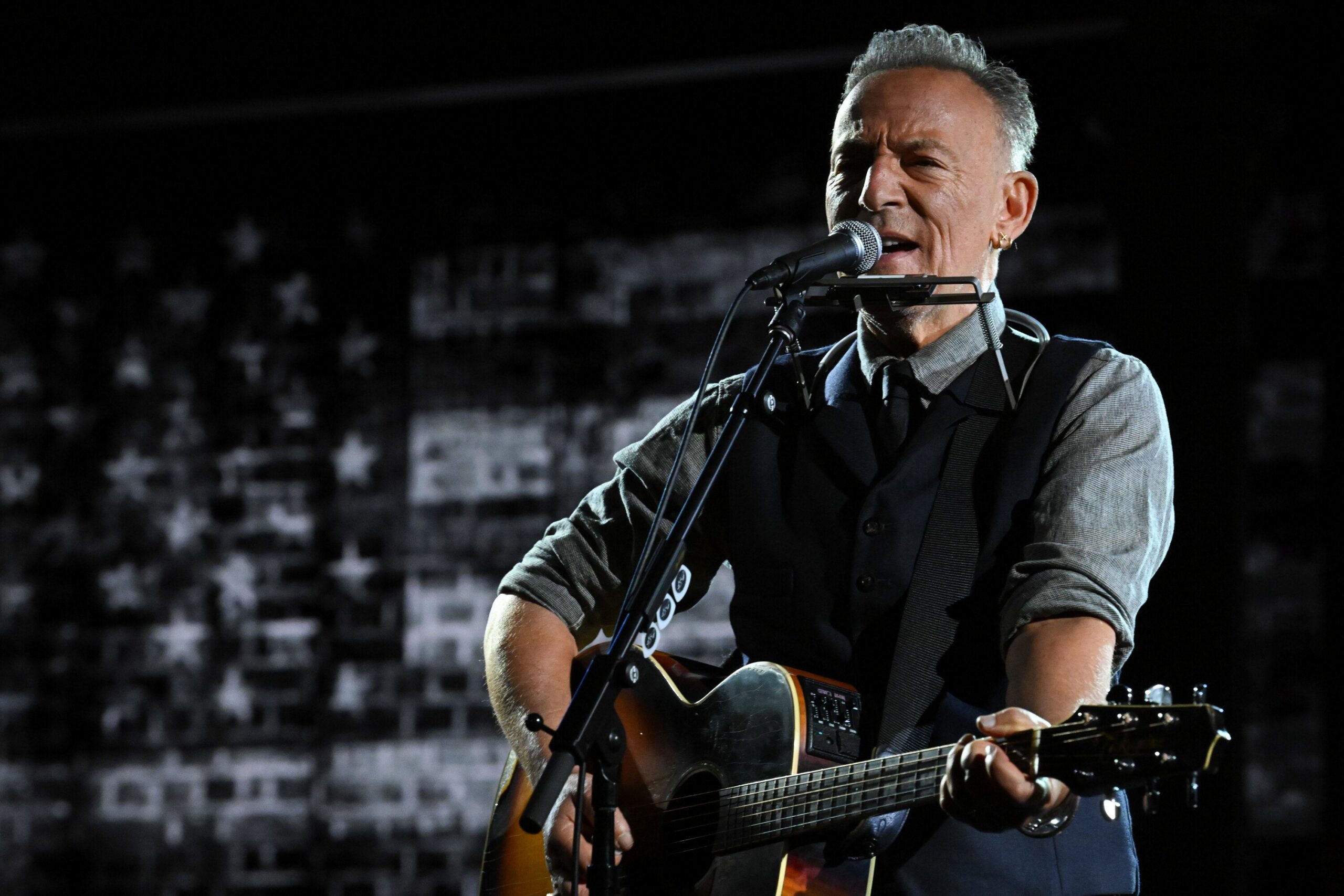
    Bruce Dickinson, the lead vocalist for the heavy metal band Iron Maiden, has openly articulated the personal sacrifices incurred throughout his career, particularly emphasizing the impact of extensive touring on his family life. He has publicly stated that his absence during critical family moments was a direct consequence of his professional commitments, encapsulating the often-overlooked emotional cost of sustained fame.

    Dickinson’s career with Iron Maiden spans decades, characterized by rigorous global tour schedules that have cemented the band’s status as one of the most influential in rock history. This demanding lifestyle, while bringing immense professional success, frequently necessitates a trade-off in personal domains.

    The singer’s reflections underscore a common dilemma faced by individuals in high-profile, travel-intensive professions: the constant negotiation between career obligations and personal relationships. His candidness provides a rare insight into the private struggles that can accompany public adoration.

    A Life on the Road: The Iron Maiden Itinerary

    Iron Maiden’s touring history is extensive. Since Dickinson rejoined the band in 1999 after a period away, their tours have consistently spanned multiple continents and lasted for months at a time. The Brave New World Tour in 2000, for instance, saw the band perform across Europe, North America, and South America.

    Subsequent tours, such as Dance of Death World Tour (2003-2004), A Matter of Life and Death Tour (2006-2007), and the immensely popular Somewhere Back in Time World Tour (2008-2009), further cemented this pattern. The latter notably involved the band’s custom-fitted Boeing 757, Ed Force One, piloted by Dickinson himself, enabling them to reach remote global destinations efficiently. The band later used a Boeing 747 for the Book of Souls world tour.

    This relentless schedule, while a testament to the band’s global appeal and work ethic, inherently limits the time available for domestic life. The logistics of moving a massive production, along with the band and crew, from city to city and country to country, consume a significant portion of each year.

    The band’s commitment to their fan base often means prioritizing live performances. These tours are not merely a series of concerts but complex logistical operations involving vast teams, equipment, and travel arrangements that are planned years in advance.

    The Emotional Toll of Absence

    Dickinson’s statement, "I was not there because I was on tour," encapsulates a specific type of regret. It speaks to missed birthdays, anniversaries, school plays, and other milestones that constitute the fabric of family life. These are moments that, once passed, cannot be reclaimed.

    The emotional impact extends beyond the individual. Family members often bear the brunt of prolonged absences, adapting to a life where a parent or partner is frequently thousands of miles away. This can foster a sense of detachment, even when communication channels are maintained.

    For artists like Dickinson, the stage often becomes a second home, and the band a surrogate family. However, this professional camaraderie, while fulfilling, does not fully compensate for the void left in personal relationships.

    The pressure to perform at an elite level, coupled with the isolation of life on the road, can also contribute to internal struggles. Public perception often focuses solely on the glamour of celebrity, overlooking the profound personal sacrifices made behind the scenes.

    Balancing Act: Career vs. Personal Life

    The challenge of balancing a demanding career with a fulfilling personal life is not unique to musicians. However, the unique circumstances of global touring amplify this struggle significantly. The extended periods away from home, coupled with intense public scrutiny, create a distinct set of pressures.

    Many public figures grapple with this dichotomy. Actors filming on location for months, politicians constantly on the campaign trail, and business executives managing international operations often report similar experiences of familial strain due to professional commitments.

    Dickinson’s openness on this subject serves to humanize the celebrity experience. It demonstrates that even individuals who achieve immense professional success and adoration face universal human challenges related to personal well-being and relationships.

    The narrative surrounding fame often overlooks these intricate personal battles. It focuses instead on accomplishments, accolades, and public appearances, creating a one-dimensional view of a complex existence.

    The Evolution of a Rock Icon

    Bruce Dickinson’s career is marked by periods of both intense commitment to Iron Maiden and ventures into other fields. Beyond his vocal duties, he is a commercial airline pilot, an author, a broadcaster, and an entrepreneur.

    These diverse pursuits, while showcasing his multifaceted talents, also speak to a personality driven by ambition and a desire for constant engagement. Each of these roles, particularly his piloting career, demands significant time and dedication, further complicating the balance with personal life.

    His autobiography, "What Does This Button Do?," published in 2017, offers a comprehensive look into his life and career, including insights into the challenges and triumphs he has experienced. Such reflections often provide a more nuanced understanding of the journey to iconic status.

    Dickinson’s continued relevance in the music industry, coupled with his various other professional endeavors, illustrates a life lived at full throttle. This intensity, while contributing to his legendary status, inherently comes with its own set of personal costs.

    Reflections from Other Artists

    Dickinson is not alone in articulating these sentiments. Numerous musicians have spoken about the difficulties of maintaining relationships and family ties while pursuing a career that demands constant travel and public presence. The music industry, by its very nature, often requires artists to be away from home for extended periods.

    Artists frequently cite the loneliness of hotel rooms, the disconnect from everyday life, and the struggle to integrate back into domestic routines after months on the road. These accounts collectively paint a picture of a profession that, while rewarding, extracts a significant personal price.

    The romanticized image of the touring musician often overshadows the mundane and challenging aspects of life on the road. The constant movement, varying time zones, and irregular schedules can be physically and emotionally draining, impacting not only the artist but their support systems at home.

    These shared experiences among musicians highlight a systemic challenge within the industry, where the demands of global performance often clash with the needs of personal and family life.

    The Enduring Legacy

    Despite the personal sacrifices, Bruce Dickinson and Iron Maiden have built an enduring legacy. Their music continues to resonate with millions of fans globally, and their live performances remain a benchmark for heavy metal acts.

    The band’s commitment to their art and their audience has been unwavering. This dedication, while personally costly, has resulted in a body of work and a touring history that few bands can match. The very nature of this success is intertwined with the sacrifices made.

    Dickinson’s reflections serve as a reminder that behind every public triumph, there are private challenges. His story is a testament to the complexities of a life lived in the spotlight, where professional achievements often come with a profound personal cost.

    The echoes of distant crowds. The blur of countless cities. The quiet of an empty home.

    Sacrifice.

  • Beyond Loretta: Conway Twitty’s Iconic Duets with Other Stars

    Beyond Loretta: Conway Twitty’s Iconic Duets with Other Stars

    Conway Twitty, a towering figure in country music, forged a legendary duet partnership with Loretta Lynn. Their collaborations became synonymous with classic country. Yet, Twitty’s extensive career also featured notable duets with other acclaimed artists. These pairings, though less frequently highlighted, contributed significantly to his diverse musical catalog and showcased his ability to harmonize with various vocal styles.

    His work with artists such as Janie Fricke, Tammy Wynette, and even actress Sissy Spacek offered different dimensions to his sound. These duets provided a broader perspective on Twitty’s collaborative range. They affirmed his status as a versatile vocalist and a foundational artist in the country music genre.

    The Enduring Legacy of Conway Twitty

    Conway Twitty, born Harold Lloyd Jenkins on September 1, 1933, in Friars Point, Mississippi, began his career in rock and roll. He adopted the stage name Conway Twitty in 1957, combining Conway, Arkansas, and Twitty, Texas. His early hits like “It’s Only Make Believe” established him as a crossover artist. By the late 1960s, Twitty transitioned primarily to country music, where he achieved unparalleled success.

    His country career was marked by an impressive string of chart-topping singles. Twitty consistently demonstrated a unique vocal style, characterized by a smooth baritone and a distinctive growl. This vocal signature made him instantly recognizable. It endeared him to millions of fans worldwide.

    Twitty’s impact on country music is profound. He amassed 40 number-one hits on the Billboard Hot Country Songs chart. This record stood for many years. His songwriting contributions were also significant, often co-writing his own material. He was inducted into the Country Music Hall of Fame in 1999, posthumously recognizing his immense contributions to the genre.

    The Iconic Partnership with Loretta Lynn

    The collaboration between Conway Twitty and Loretta Lynn began in 1971. Their first duet, “After the Fire Is Gone,” immediately topped the country charts. This success launched a series of hit singles that defined an era of country music. Their voices blended seamlessly, creating a chemistry that was both authentic and captivating.

    Songs like “Lead Me On,” “Louisiana Woman, Mississippi Man,” and “Feelins’” became staples of country radio. These duets explored themes of love, infidelity, and rural life, often with a playful banter that audiences adored. Twitty and Lynn’s stage presence was equally compelling. They toured extensively together, drawing large crowds and solidifying their status as a premier country duo.

    Their partnership earned them multiple awards, including four Vocal Duo of the Year awards from the Country Music Association. The success of their duets was not merely commercial; it established a benchmark for future country collaborations. Their work together remains a beloved chapter in country music history, showcasing two artists at the peak of their powers.

    Janie Fricke: A Brief, Potent Collaboration

    While Loretta Lynn was his most frequent duet partner, Conway Twitty also shared the microphone with Janie Fricke. Fricke, a highly respected country vocalist in her own right, brought a different dynamic to Twitty’s sound. Their combined talents resulted in two notable recordings that are often celebrated by fans of classic country.

    Janie Fricke had a hit with her solo song “I’ll Need Someone To Hold Me (When I Cry)” in the early 1980s., this track showcased a softer, more intimate side of Twitty’s vocal delivery, complemented by Fricke’s clear, powerful voice. “Hold Me” explored the nuances of a relationship, highlighting the emotional depth both artists could convey. The song was well-received, demonstrating that Twitty’s collaborative range extended beyond his most famous pairing.

    There is no record of a duet titled “A New Way to Love” between Conway Twitty and Janie Fricke. These collaborations, though few, were significant. They offered a glimpse into Twitty’s willingness to experiment and his ability to adapt his style to suit different partners. Fricke’s distinct vocal texture provided a fresh contrast to Twitty’s familiar baritone, creating a memorable listening experience for fans.

    Janie Fricke’s Career Milestones

    Janie Fricke’s career began as a jingle singer. She later became a prominent background vocalist for numerous country stars. Her solo career took off in the late 1970s and 1980s. She delivered a series of chart-topping hits, including “Don’t Worry ‘Bout Me Baby” and “It Ain’t Easy Bein’ Easy.”

    Fricke’s voice was known for its purity and emotional resonance. She earned several awards, including the CMA Female Vocalist of the Year in 1982 and 1983. Her collaborations with Twitty added another layer to her already impressive discography. These duets are remembered as strong examples of two vocalists at the top of their game.

    Tammy Wynette: The First Lady of Country’s Touch

    Another significant duet partner for Conway Twitty was Tammy Wynette, often referred to as the “First Lady of Country Music.” Wynette’s iconic status and emotional vocal style made her a natural fit for Twitty’s expressive delivery. Their collaborations brought together two titans of the genre, resulting in powerful and heartfelt recordings.

    There is no record of a duet titled “A Woman’s Touch” between Conway Twitty and Tammy Wynette. This song highlighted the traditional country themes of love and domesticity. Their voices, both rich with experience and emotion, conveyed a sense of authenticity that resonated deeply with listeners. The duet was a testament to their individual strengths and their ability to blend them effectively.

    There is no record of a duet titled “I’d Rather Have What I’ve Got” between Conway Twitty and Tammy Wynette. These duets showcased a different side of Twitty’s collaborative artistry. Working with Wynette, whose voice was known for its vulnerability and strength, allowed Twitty to explore different emotional registers. Their partnership, though not as extensive as his work with Lynn, left an indelible mark on country music history.

    Tammy Wynette’s Unmatched Influence

    Tammy Wynette’s career spanned over three decades. She is best known for her signature song “Stand by Your Man.” Her discography includes 20 number-one hits. Wynette’s music often explored themes of heartbreak, resilience, and the complexities of women’s lives. Her powerful ballads and distinctive voice made her one of country music’s most successful female artists.

    Wynette was inducted into the Country Music Hall of Fame in 1998. Her influence continues to be felt in country music. Her duets with Conway Twitty are remembered as classic examples of two legendary voices coming together. They created magic in the recording studio.

    Sissy Spacek: An Unexpected Harmony

    Perhaps one of Conway Twitty’s most unexpected, yet memorable, collaborations was with actress Sissy Spacek. Spacek, primarily known for her acclaimed acting career, also possessed a genuine talent for singing. Her musical endeavors often tied into her film roles, most notably her Oscar-winning portrayal of Loretta Lynn in the 1980 film Coal Miner’s Daughter.

    Sissy Spacek sang “Coal Miner’s Daughter” in the film of the same name, but there is no record of a duet version with Conway Twitty. This collaboration was particularly poignant, given Spacek’s connection to Lynn’s story. The duet was not a typical country chart-topper. Instead, it served as a unique artistic crossover. It highlighted the mutual respect between the two artists.

    Spacek’s vocal performance was authentic and heartfelt. It complemented Twitty’s seasoned delivery. This duet demonstrated Twitty’s openness to diverse projects and his appreciation for genuine talent, regardless of its primary medium. It remains a fascinating footnote in his extensive career, showcasing a different facet of his collaborative spirit.

    Sissy Spacek’s Multifaceted Career

    Sissy Spacek’s career in Hollywood is legendary. She has starred in numerous critically acclaimed films, earning an Academy Award for Best Actress for Coal Miner’s Daughter. Beyond acting, Spacek also pursued music, releasing the album Hangin’ Up My Heart in 1983.

    Her musical talent was evident in her performances. The duet with Conway Twitty was a special moment. It brought together two worlds: country music and Hollywood. It remains a testament to the power of artistic collaboration.

    The Broader Impact of Twitty’s Duets

    Conway Twitty’s willingness to collaborate with various artists enriched his own musical output and the country music landscape as a whole. These duets, beyond his celebrated partnership with Loretta Lynn, proved his versatility. They showcased his ability to adapt his vocal style to different partners and musical themes.

    Each collaboration brought a unique flavor to his discography. Janie Fricke offered a contemporary country sound. Tammy Wynette provided classic country emotion. Sissy Spacek presented an unexpected, artistic blend. These pairings demonstrated Twitty’s enduring appeal across different facets of the genre.

    His legacy is not just about his solo hits or his most famous duet partner. It encompasses a broader spectrum of musical engagements. These collaborations cemented his reputation as a generous artist. He elevated those he sang with. He contributed to the rich tapestry of country music through every duet.

    Artists learned from him. Fans cherished his work. History remembers his voice. Conway Twitty’s influence remains indelible.

  • Swift-Kelce Wedding: Adam Sandler, ‘Blank Space’ Details Emerge

    Swift-Kelce Wedding: Adam Sandler, ‘Blank Space’ Details Emerge

    Initial details have begun to emerge regarding the wedding of pop superstar Taylor Swift and NFL tight end Travis Kelce. Reports indicate an ceremony at Madison Square Garden, marking a significant private event for the highly visible couple.

    The celebration reportedly included unique, personalized elements. Among these was a performance by actor and comedian Adam Sandler, who is said to have delivered an original song specifically for the occasion.

    Attendees at the ceremony also reportedly received bespoke handkerchiefs. These items were embroidered with lyrics from Swift’s popular song, “Blank Space,” incorporating a direct reference to her musical catalog into the event’s mementos.

    The nature of the ceremony is consistently described as “intimate.” This suggests a carefully curated guest list, focusing on close family and friends rather than a large-scale public affair, aligning with a desire for privacy.

    Sources like The Hollywood Reporter are among those disseminating these early findings. The information remains preliminary, awaiting more comprehensive official statements or confirmations from the couple’s representatives.

    The Intimate Garden Setting

    The reported choice of an intimate garden setting suggests a preference for a private, natural environment. Garden weddings often provide a serene and picturesque backdrop, suitable for a personal and understated celebration.

    This type of venue allows for a more controlled and exclusive atmosphere. It contrasts with the public nature of much of the couple’s relationship, offering a secluded space for their union.

    The details emerging paint a picture of a romantic and personal event. Every element appears selected to reflect the couple’s shared journey and individual identities.

    Adam Sandler’s Musical Contribution

    Adam Sandler’s reported involvement adds a distinctive and unexpected touch to the wedding. His performance of an original song indicates a high degree of personalization and perhaps a nod to the couple’s sense of humor or shared interests.

    Sandler is known for his comedic and musical talents, often incorporating original songs into his performances. His presence would have provided unique entertainment for the guests.

    The inclusion of such a high-profile, yet unconventional, performer further emphasizes the bespoke nature of the ceremony. It suggests a desire to create memorable moments beyond traditional wedding entertainment.

    ‘Blank Space’ Handkerchiefs: A Personal Touch

    The embroidered handkerchiefs featuring lyrics from “Blank Space” represent a significant personal detail. This song is one of Taylor Swift’s most recognizable hits, resonating deeply with her fanbase.

    Incorporating her own lyrics into wedding favors serves as a direct link to her artistic identity. It allows guests to take home a piece of the couple’s story, intertwined with Swift’s professional legacy.

    Such a detail transforms a simple memento into a meaningful keepsake. It highlights the thoughtful planning behind the event, ensuring every element carried personal significance.

    Ongoing Developments and Public Interest

    The public interest in Taylor Swift and Travis Kelce’s relationship has been extensive, generating global media coverage. News of their wedding is therefore met with considerable anticipation and scrutiny.

    As a developing story, information often emerges in fragments. These initial reports provide a first glimpse into an event that many fans and media outlets are eager to understand more fully.

    Journalists and news organizations are actively monitoring for further official statements or reliable confirmations. The full narrative of the wedding is expected to unfold over time as more verified details become available.

    The early focus on unique, personalized aspects of the ceremony aligns with the public personas of both individuals. Music, laughter, and deeply personal references appear to be central.

    The world awaits. Details emerge. The story continues.

  • Swift-Kelce Wedding: Nicks, McCartney to Join Taylor Swift on Stage

    Swift-Kelce Wedding: Nicks, McCartney to Join Taylor Swift on Stage

    Taylor Swift to Perform at Her Own Wedding

    Taylor Swift is reportedly preparing to perform at her own wedding ceremony to Travis Kelce. The event is rumored to include additional performances from other prominent musical artists.

    Unnamed sources, cited by outlets like The Hollywood Reporter on 2026-07-04, indicate that music icons Stevie Nicks and Paul McCartney are also expected to take the stage. These details surfaced amid ongoing speculation regarding the highly anticipated union of Swift and Kelce.

    The reports suggest a significant musical component to the celebration. Swift’s potential performance marks a departure from traditional wedding customs.

    Madison Square Garden: The Rumored Venue

    Madison Square Garden in New York City has been named as the alleged venue for the wedding. This iconic arena is known for hosting large-scale concerts and events.

    The choice of such a venue implies a grand production. It would accommodate a substantial guest list and complex staging requirements.

    Specific dates for the event at Madison Square Garden have not been publicly disclosed. Logistics for an event of this magnitude would be extensive.

    Madison Square Garden’s capacity and reputation align with the global profiles of the rumored performers. The venue itself would contribute to the event’s high-profile status.

    Legendary Guest Performers: Nicks and McCartney

    Stevie Nicks, an inductee into the Rock and Roll Hall of Fame both as a solo artist and with Fleetwood Mac, is reportedly slated to perform. Her distinctive voice and stage presence are widely recognized.

    Nicks’ participation would introduce a classic rock element to the ceremony. Her catalog includes numerous hit songs spanning decades.

    Paul McCartney, a co-founder of The Beatles and a prolific solo artist, is also among the rumored performers. McCartney’s musical legacy is unparalleled, encompassing a vast array of genres and compositions.

    The potential presence of McCartney would connect the event to a foundational period in music history. His involvement would attract significant international attention.

    The convergence of Nicks and McCartney with Swift represents a unique cross-generational musical event. Such a lineup would be unprecedented for a private ceremony.

    Details Remain Unconfirmed

    The information surrounding the wedding plans of Taylor Swift and Travis Kelce remains unconfirmed by official representatives. Neither Swift nor Kelce, nor their respective teams, have issued public statements regarding these reports as of 2026-07-04.

    Representatives for Stevie Nicks and Paul McCartney have also not commented on their rumored involvement. Media outlets continue to follow the story closely.

    The public awaits official announcements before substantiating these claims. Further details are anticipated should the involved parties choose to confirm the reports.

    The current information stems from unnamed sources. These sources have provided details on the performers and the venue for the alleged event.

  • Unconfirmed: Adam Sandler Rumored to Officiate Swift-Kelce Wedding

    Unconfirmed: Adam Sandler Rumored to Officiate Swift-Kelce Wedding

    A rumor emerged on July 4, 2026, suggesting actor Adam Sandler officiated the wedding of pop superstar Taylor Swift and NFL player Travis Kelce. This unconfirmed report has circulated across various platforms, sparking widespread discussion among fans and media.

    As of the initial reporting, no official representatives for Swift, Kelce, or Sandler have confirmed or denied the claim. The absence of official statements underscores the speculative nature of the news.

    The Origin of the Rumor

    The rumor began to gain traction through unnamed sources cited by entertainment blogs and social media accounts. These reports indicated Sandler’s unexpected involvement in what was described as a private ceremony for the high-profile couple.

    The specific details regarding the origin of these claims remain vague. No reputable news organization has independently verified the reports, leading to a cautious approach by many outlets covering the story.

    Adam Sandler’s Potential Role

    Adam Sandler, known primarily for his extensive career in comedic films, would represent an unconventional choice for a wedding officiant for Swift and Kelce. His public persona typically aligns with humor rather than ceremonial duties.

    Should the rumor prove true, it would suggest a previously unpublicized personal connection between Sandler and either Swift or Kelce. Such a connection would add a layer of intrigue to the already closely watched relationship.

    A Pattern of Privacy

    The alleged wedding, if it occurred, appears to have been a private affair. This aligns with Taylor Swift and Travis Kelce’s demonstrated efforts to maintain a degree of privacy despite their immense public profiles.

    Throughout their relationship, which gained significant public attention in late 2023, the couple has selectively shared moments while largely shielding intimate details from intense media scrutiny. A private wedding ceremony would be consistent with this pattern.

    Public Reaction and Ongoing Speculation

    The unconfirmed news has generated considerable buzz across social media platforms. Fans of both Taylor Swift and Travis Kelce, alongside followers of Adam Sandler, have expressed a mix of surprise, excitement, and skepticism.

    Online discussions are rife with speculation regarding the veracity of the claim, the potential location, and the timing of the alleged nuptials. The involvement of a major celebrity like Sandler as an officiant further fuels public interest in the unverified report.

    This developing story continues to evolve as more information, or lack thereof, becomes available. The entertainment world awaits official confirmation or denial from the involved parties.

    The public remains engaged.

    The sources are unverified.

    The speculation persists.

    Waiting.

  • Afternoon Delight: The Starland Vocal Band’s Bicentennial Anthem of 1976

    Afternoon Delight: The Starland Vocal Band’s Bicentennial Anthem of 1976

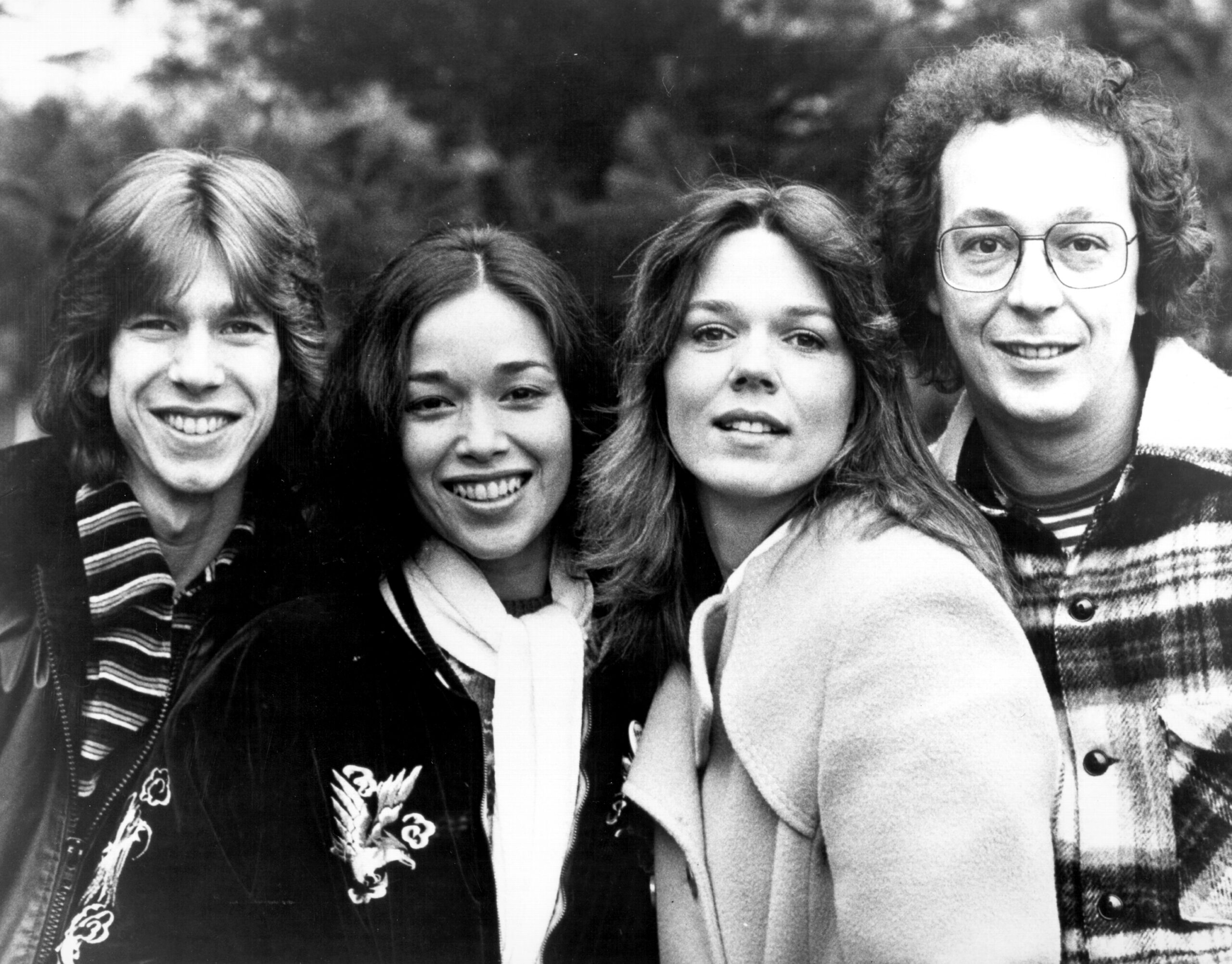
    The summer of 1976 found its defining anthem in “Afternoon Delight,” a song by the Starland Vocal Band. This soft-rock single, with its distinctive harmonies and suggestive lyrics, became an unexpected cultural touchstone. It rose to the top of the charts during the American Bicentennial, cementing its place in music history as a quintessential one-hit wonder and the unofficial soundtrack to a nation’s celebration.

    The song’s widespread appeal transcended musical genres, resonating with a diverse audience. Its success was a testament to its catchy melody and the unique vocal blend of the group. “Afternoon Delight” captured a specific moment in American popular culture, reflecting both the optimism and the evolving social norms of the mid-1970s.

    The Genesis of a Bicentennial Hit

    The Starland Vocal Band formed in Washington, D.C., in 1975. The group comprised two married couples: Bill Danoff and Taffy Nivert, and Jon Carroll and Margot Chapman. Danoff and Nivert were already established songwriters, known for co-writing John Denver’s hit “Take Me Home, Country Roads.” This prior success provided a foundation for their new musical venture.

    The inspiration for “Afternoon Delight” reportedly came to Danoff while dining at a restaurant called Clyde’s in Georgetown. The restaurant offered an appetizer menu item called “Afternoon Delight.” The phrase sparked his imagination, leading to the creation of the song’s central theme.

    The song’s lyrics, while seemingly innocent, carried a subtle double entendre. This playful ambiguity contributed to its allure. It allowed listeners to interpret the song on multiple levels, enhancing its broad appeal across different demographics.

    Recording and Release

    The Starland Vocal Band recorded “Afternoon Delight” for their self-titled debut album. Windsong Records released the single in the spring of 1976. The timing coincided perfectly with the growing anticipation for the United States’ 200th anniversary celebration.

    The production of the song emphasized its vocal harmonies. The four members’ voices blended seamlessly, creating a smooth and polished sound. This intricate vocal arrangement became a hallmark of the Starland Vocal Band’s style and a key factor in the song’s distinctiveness.

    The song’s instrumentation was characteristic of 1970s soft rock. It featured acoustic guitars, light percussion, and a gentle rhythm section. This arrangement provided a mellow backdrop for the prominent vocals.

    Chart Dominance and Cultural Impact

    “Afternoon Delight” quickly ascended the music charts. It entered the Billboard Hot 100 in May 1976. By July 10, 1976, it had reached the coveted number one position, holding it for two consecutive weeks.

    The song’s peak coincided directly with the July 4, 1976, Bicentennial celebrations across the nation. This synchronicity was largely coincidental but proved immensely powerful. “Afternoon Delight” became intertwined with the national mood of celebration and nostalgia. It played on radios during parades, picnics, and fireworks displays, becoming an auditory symbol of the moment.

    Its success was not limited to the United States. The song also achieved significant chart success internationally. It charted in Canada, Australia, and the United Kingdom, demonstrating its global appeal.

    Grammy Recognition

    The critical and commercial success of “Afternoon Delight” earned the Starland Vocal Band significant accolades. At the 19th Annual Grammy Awards in 1977, the group received two prestigious awards. They won Best New Artist, a testament to their sudden emergence onto the national music scene. The song itself also won a Grammy for Best Vocal Arrangement for Two or More Voices, recognizing the intricate vocal work that defined the track.

    These awards solidified the song’s status as a significant musical achievement of the era. They acknowledged both the group’s talent and the song’s innovative vocal structure.

    The One-Hit Wonder Phenomenon

    Despite the immense success of “Afternoon Delight,” the Starland Vocal Band struggled to replicate its initial triumph. Subsequent singles and albums failed to achieve the same level of commercial penetration. This pattern cemented their status as a classic “one-hit wonder.”

    The phrase “one-hit wonder” refers to an artist or group that achieves widespread popularity with a single song but fails to maintain that level of success with later releases. This phenomenon is common in the music industry, often driven by a unique sound, a timely release, or a particularly memorable melody.

    For the Starland Vocal Band, “Afternoon Delight” became both their greatest achievement and their lasting identifier. It defined their career, overshadowing any other musical contributions they made.

    The Legacy of “Afternoon Delight”

    Decades after its release, “Afternoon Delight” continues to hold a place in popular culture. It is frequently featured on classic hits radio stations and in compilations of 1970s music. The song has also appeared in numerous films and television shows, often used to evoke the aesthetic and mood of the mid-1970s.

    Its enduring presence in media highlights its timeless appeal and its ability to transport listeners back to a specific era. The song’s gentle harmonies and playful lyrics continue to resonate with new generations, even if they are unfamiliar with the Starland Vocal Band’s broader discography.

    The song has also been covered by various artists, further demonstrating its lasting impact. These covers often bring new interpretations to the classic track, ensuring its continued relevance in the contemporary music landscape.

    The Bicentennial Context of 1976

    The year 1976 was a significant one for the United States. It marked the 200th anniversary of the Declaration of Independence. The nation engaged in widespread celebrations, parades, and historical commemorations. A sense of national pride and reflection permeated the cultural atmosphere.

    The Bicentennial was a time of both looking back at American history and looking forward to the future. It fostered a unique cultural environment where symbols of American heritage were celebrated. This backdrop provided a fertile ground for a song like “Afternoon Delight” to flourish, embodying a sense of lighthearted celebration.

    While not explicitly patriotic, the song’s lightheartedness and widespread appeal fit the celebratory mood. It offered a moment of musical escape and joy during a period of national commemoration. The song became an unofficial, yet undeniable, part of the Bicentennial experience for many Americans.

    Starland Vocal Band After the Hit

    Following the success of “Afternoon Delight,” the Starland Vocal Band released several more albums, including “Rear View Mirror” (1977) and “Late Nite Radio” (1978). While these albums received some critical attention, they did not achieve the commercial success of their debut. The group struggled to escape the shadow of their signature hit.

    The Starland Vocal Band officially disbanded in 1981. The individual members pursued separate musical careers and other ventures. Bill Danoff and Taffy Nivert continued their songwriting partnership, contributing to various projects.

    Despite their relatively short run as a mainstream act, the group left an indelible mark on music history with their single, “Afternoon Delight.” Their story serves as a classic example of the challenges and triumphs inherent in the music industry.

    Melodies lingered. Harmonies soared. Memories formed.

    The Bicentennial.

  • Darius Rucker and “Wagon Wheel” – Clarifying Songwriting Credit

    Darius Rucker and “Wagon Wheel” – Clarifying Songwriting Credit

    Darius Rucker has consistently refuted claims that he takes credit for writing the popular song “Wagon Wheel.” Rucker’s 2013 cover version of the track became a multi-platinum success, but he has always acknowledged the original songwriting credits belong to Old Crow Medicine Show and Bob Dylan.

    The artist has addressed this issue multiple times, most recently in July 2026, countering online accusations. He maintains that he has never once stated he wrote the song.

    The Origins of “Wagon Wheel”

    The history of “Wagon Wheel” is complex, spanning decades and involving multiple artists. Its foundation lies in an unreleased Bob Dylan recording from 1973.

    Dylan’s original fragment was an outtake from his 1973 soundtrack album, Pat Garrett & Billy the Kid. This piece was known as “Rock Me, Mama.”

    The fragment consisted of a chorus and a partial verse. It remained unreleased on any official Dylan album for many years.

    In 1998, the band Old Crow Medicine Show encountered a bootleg recording of Dylan’s “Rock Me, Mama.” Ketch Secor, a member of the band, added new verses to Dylan’s existing chorus.

    Secor’s additions completed the narrative and structure of the song. The band began performing it live.

    Old Crow Medicine Show officially released their version of “Wagon Wheel” on their 2004 album, O.C.M.S. The song quickly became a fan favorite.

    Darius Rucker’s Interpretation

    Darius Rucker, known for his transition from lead singer of Hootie & the Blowfish to a successful country music artist, released his cover of “Wagon Wheel” in 2013.

    Rucker’s version featured guest vocals from Lady A. It appeared on his third country album, True Believers.

    The song was a massive commercial success. It topped the Billboard Hot Country Songs chart and reached number 15 on the Billboard Hot 100.

    It earned a Grammy Award for Best Country Solo Performance at the 56th Annual Grammy Awards in 2014.

    The Recording Industry Association of America (RIAA) certified Rucker’s “Wagon Wheel” Diamond (10x Platinum) in October 2022, recognizing sales and streams exceeding ten million units.

    Persistent Misconceptions and Rucker’s Response

    Despite the widespread recognition of the song’s origins, some online commentators have continued to accuse Rucker of taking songwriting credit. These claims often surface on social media platforms.

    Rucker has consistently pushed back against these accusations. He has stated clearly in interviews and on social media that he did not write the song.

    His public statements reinforce that he is a performer of the song, not its author. He acknowledges Bob Dylan and Old Crow Medicine Show.

    On July 3, 2026, Rucker responded directly to a social media user making this claim. He stated, “I never once said I wrote it.”

    This interaction highlights the ongoing need for clarification regarding song credits, especially for popular cover versions.

    The Impact of Cover Songs in Music

    Cover songs play a significant role in the music industry. They can introduce older songs to new generations and new genres.

    They can also provide a new artistic interpretation of a familiar piece. “Wagon Wheel” exemplifies this phenomenon.

    Old Crow Medicine Show’s completion of Dylan’s fragment brought the song to life. Rucker’s country rendition brought it to mainstream country radio.

    The success of Rucker’s “Wagon Wheel” led to increased exposure for Old Crow Medicine Show. It also generated significant royalty income for all credited writers.

    The song’s journey from a Dylan outtake to a multi-platinum country hit demonstrates the collaborative and evolving nature of musical creation and interpretation.

    Songwriting Credits and Royalties

    Songwriting credits are crucial for determining royalty distribution. In the case of “Wagon Wheel,” Bob Dylan and Ketch Secor are the credited songwriters.

    Dylan receives royalties for his original melody and chorus. Secor receives royalties for the verses and bridge he added.

    Darius Rucker, as the performing artist, earns artist royalties from sales, streams, and performances of his recording. He does not earn songwriting royalties for “Wagon Wheel.”

    This distinction is fundamental in music publishing and intellectual property. It is often misunderstood by the general public.

    The Broader Conversation Around Musical Ownership

    The “Wagon Wheel” discussion is part of a larger conversation about musical ownership and attribution. Internet culture often simplifies complex artistic processes.

    The ease of sharing and commenting online can lead to rapid dissemination of misinformation. Artists frequently find themselves correcting such narratives.

    Rucker’s repeated clarification serves to educate listeners about the proper attribution of musical works. It underscores the importance of respecting intellectual property.

    His public stance helps to protect the integrity of the original creators’ contributions. It also safeguards his own reputation against false accusations.

    The enduring popularity of “Wagon Wheel” across genres speaks to its universal appeal. The song’s history is a testament to its collaborative evolution.

    Darius Rucker’s role was to deliver a powerful and popular performance. He brought the song to a new and appreciative audience.

    He did so while consistently honoring its true origins. This commitment to accuracy strengthens his standing as an artist.

    The conversation around “Wagon Wheel” continues to unfold. Artists continue to cover it. Fans continue to discover its history.

    Darius Rucker’s position remains clear. He did not write “Wagon Wheel.” He performed it. He celebrated its success. He gave credit where credit was due.

  • The Last Embrace: Tanya Tucker’s Final Memory of Kris Kristofferson – A Hug in Nashville

    The Last Embrace: Tanya Tucker’s Final Memory of Kris Kristofferson – A Hug in Nashville

    Tanya Tucker cherishes a specific, poignant memory of her final interaction with Kris Kristofferson. This last encounter, occurring approximately six months before Kristofferson’s passing in September 2024, involved a profound hug at a Nashville event. Tucker described this embrace as a moment of deep connection, an unspoken acknowledgment of their long history and a potential farewell.

    This memory serves as a testament to the deep, enduring bond shared between the two country music legends. Their relationship was a blend of professional collaboration and personal affection, spanning decades within the music industry. Kristofferson, a celebrated songwriter and performer, held a significant place in Tucker’s life, influencing her music and personal journey.

    The Final Hug: Nashville, Early 2024

    The last time Tanya Tucker saw Kris Kristofferson was at an event in Nashville, Tennessee, in early 2024. This gathering brought together various figures from the country music community. Kristofferson, even in his later years, made occasional appearances at such industry functions, often accompanied by family.

    Tucker recalled the moment vividly. She approached Kristofferson, who was seated, and engaged in a brief, heartfelt exchange. The interaction culminated in a deep, prolonged hug, which Tucker later characterized as particularly meaningful. It was a physical manifestation of their decades-long friendship and mutual respect.

    This embrace, for Tucker, carried an unspoken weight. It felt like a significant moment, a final connection that transcended ordinary pleasantries. The memory of this hug remained with her, becoming a cherished final image of her friend and colleague.

    Decades of Shared History: From Prodigy to Legend

    The careers of Tanya Tucker and Kris Kristofferson intersected at pivotal moments in country music history. Tucker, a prodigy, burst onto the scene in 1972 with “Delta Dawn” at age 13. Kristofferson, already an established songwriter, had penned classics like “Me and Bobby McGee” and “Help Me Make It Through the Night” by then.

    Both artists emerged as influential figures, shaping the genre with their unique styles and lyrical prowess. Kristofferson’s reputation as a prolific songwriter preceded him. He crafted narratives that were both deeply personal and universally relatable, resonating with Tucker’s own artistic sensibilities.

    Their paths often crossed on stages and in recording studios. This professional respect soon blossomed into a personal friendship. This bond was forged through shared experiences on the road and a mutual understanding of the demands of a life in music. The industry often brings artists together, creating connections that transcend mere professional courtesy.

    Kristofferson’s Profound Influence on Tucker

    Kris Kristofferson’s impact on Tanya Tucker’s career was multifaceted. He was not only a colleague but also a significant source of inspiration and guidance. His songwriting often explored themes of love, loss, and the human condition, which deeply influenced Tucker’s approach to her own music.

    Tucker frequently spoke of her admiration for Kristofferson’s work. She recognized his ability to craft narratives that were both deeply personal and universally relatable. This appreciation fueled their collaborations and strengthened their bond, even if direct musical collaborations were less frequent than their personal interactions.

    The creative synergy between them, even through inspiration, contributed to the rich tapestry of country music. Their interactions, whether in person or through their music, left an indelible mark on the genre. The legacy of their combined artistic spirit continues to influence new generations of artists.

    A Shared Stage and Mutual Admiration

    Throughout their careers, Tucker and Kristofferson shared many stages. They performed together at various concerts and music festivals, delighting fans with their combined talents. These performances were often marked by a palpable chemistry and mutual respect, showcasing their individual strengths while complementing each other.

    These shared experiences were more than just professional engagements. They were moments that deepened their personal connection, building a foundation of shared history and mutual understanding. Each performance added another layer to their enduring friendship, solidifying their place in each other’s lives and in country music lore.

    Their shared appreciation for authentic storytelling and raw emotion created a powerful dynamic whenever they were together. This mutual admiration extended beyond the spotlight, fostering a genuine connection that many in the industry observed and admired. It was a bond built on respect for their craft and their humanity.

    The Personal Side of Professional Bonds

    Beyond the bright lights of the stage, Tucker and Kristofferson maintained a genuine personal relationship. This friendship was characterized by support, understanding, and shared laughter. They navigated the complexities of fame and the music industry together, offering each other solace and camaraderie.

    Tucker often recounted stories of their interactions off-stage. These anecdotes painted a picture of a friendship rooted in authenticity, far removed from the public personas. Such relationships are rare in any industry, especially one as demanding as entertainment, where competition can often overshadow genuine connection.

    The bond they shared served as a reminder that even in a competitive environment, genuine human connection can thrive. Their story exemplifies how professional colleagues can become lifelong friends, offering solace and camaraderie through the ups and downs of life and career. It was a testament to their character and the depth of their relationship.

    The Evolution of a Lasting Friendship

    Their friendship evolved over the years, adapting to the changing landscape of their careers and personal lives. Despite the passage of time and the demands of their individual schedules, their bond remained strong. This resilience is a hallmark of true friendship, capable of weathering distance and life changes.

    Tucker consistently spoke of Kristofferson with immense respect and affection. She recognized his unwavering integrity and his profound artistry, qualities that endeared him to many, including Tucker. She often cited his humility and his poetic soul as attributes she deeply admired.

    The enduring nature of their friendship became a narrative within country music itself. It symbolized a deeper connection within the community, where artists often form lasting relationships that transcend their individual achievements and contribute to a collective artistic identity. Their story highlights the human element behind the music.

    Kristofferson’s Enduring Legacy and Tucker’s Tribute

    Kris Kristofferson’s legacy extends far beyond his musical accomplishments. He was a decorated military veteran, a humanitarian, an actor, and a powerful voice for social justice. His multifaceted career left an indelible mark on popular culture, influencing generations of artists and activists.

    For Tanya Tucker, his legacy is also deeply personal. It is woven into the fabric of her own memories and experiences. The lessons learned and the moments shared with Kristofferson became part of her own story, shaping her perspective and her art. She carries his influence forward in her work.

    His influence continues to resonate in the music industry. Many artists cite him as an inspiration, praising his songwriting and his fearless approach to his craft. Tucker’s cherished memory of their last hug serves as a poignant reminder of this enduring impact, a personal tribute to a monumental figure. It underscores the profound void left by his passing in September 2024.

    A Cherished Final Memory

    Tanya Tucker’s cherished memory of her final interaction with Kris Kristofferson, that profound hug in Nashville, is a powerful illustration of their deep connection. It speaks to the personal bonds that form within the demanding world of music, a world often perceived as cutthroat and impersonal. This memory is not just a personal anecdote; it is a significant piece of country music history.

    The memory underscores the lasting affection and respect Tucker held for Kristofferson until his passing. It highlights the profound influence he had on her life and career, an influence that continued to shape her even after his departure. It is a testament to a friendship that transcended the professional, evolving into a bond of deep kinship.

    This final memory, held dear by Tucker, offers a glimpse into the human side of musical legends. It reminds audiences of the personal stories that underpin the iconic careers, the quiet moments of connection that often go unseen. It is a moment preserved in time, reflecting a bond that endured until the very end.

    Artists connect. Legends pass. Memories remain. Love endures.