Tag: Justice

  • Warrant Issued for Bill Belichick’s Daughter-in-Law’s Arrest

    Warrant Issued for Bill Belichick’s Daughter-in-Law’s Arrest

    The Public Eye and Private Lives

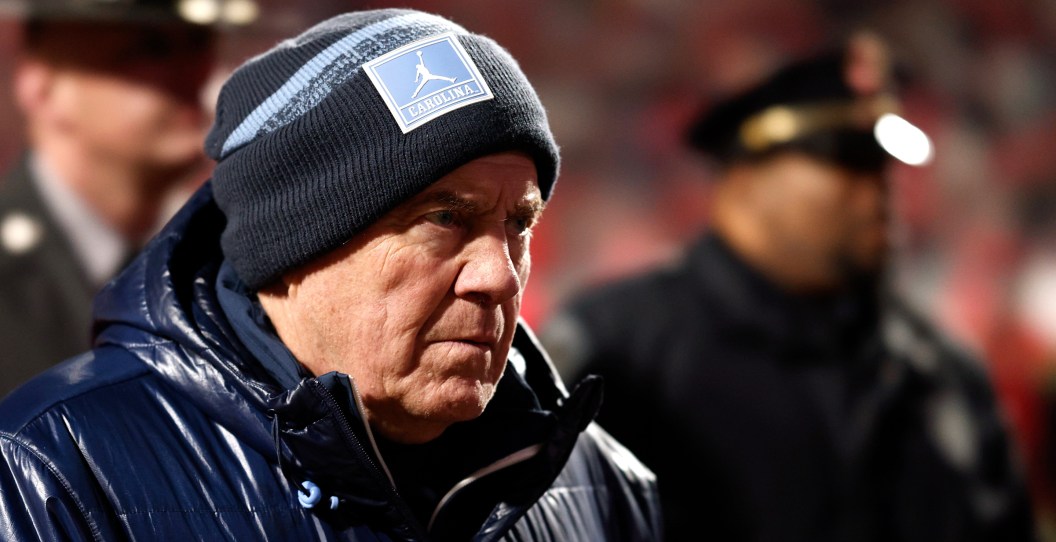
    A warrant has been issued for the arrest of a prominent sports figure’s daughter-in-law, specifically the daughter-in-law of Bill Belichick. This development has captured immediate public attention, sparking widespread discussion across social media and news outlets. The family’s high profile in the world of professional sports has amplified interest in the ongoing legal situation.

    The issuance of an arrest warrant signals a formal step in a legal process. Such actions are typically taken when law enforcement has probable cause to believe a crime has been committed. The individual in question is now subject to arrest and formal charges, pending further legal proceedings.

    The Belichick Family’s Public Profile

    Bill Belichick is a widely recognized figure in American professional football. His extensive career as a head coach has made him a household name. This level of public recognition often extends to immediate family members, even those not directly involved in professional sports.

    The intense media scrutiny that accompanies such a public profile means that personal legal matters can quickly become public spectacles. This phenomenon is not uncommon for families connected to celebrities, athletes, or political figures. Every detail, however minor, can be amplified and analyzed by the public.

    Legal Procedures and Public Perception

    An arrest warrant is a document issued by a judge or magistrate. It authorizes law enforcement to take a person into custody. This legal instrument is a critical component of the criminal justice system, ensuring due process while allowing for the apprehension of individuals accused of offenses.

    The public’s perception of such events is often shaped by initial reports and the prominence of the individuals involved. Speculation can run rampant, and narratives can form quickly, sometimes before all facts are officially confirmed. This dynamic creates a challenging environment for those navigating legal issues under public scrutiny.

    Understanding Arrest Warrants

    An arrest warrant is a serious legal document. It provides law enforcement with the authority to detain an individual. The process typically begins with a sworn affidavit from a law enforcement officer, detailing the alleged crime and the evidence supporting the accusation.

    A judge reviews this information to determine if probable cause exists. If the judge agrees, the warrant is issued. This legal step signifies that a judicial authority has found sufficient reason to believe an offense has occurred and that the named individual is connected to it.

    The Role of Probable Cause

    Probable cause is a fundamental legal standard in the United States. It means there are reasonable grounds to believe that a crime has been committed and that the person to be arrested committed it. This standard is lower than the ‘beyond a reasonable doubt’ required for a conviction but higher than mere suspicion.

    The existence of probable cause is essential for protecting individual liberties. It prevents arbitrary arrests and ensures that law enforcement actions are grounded in some level of factual basis. The judge’s decision to issue a warrant is a critical safeguard in this process.

    Types of Warrants

    While an arrest warrant is the most common, other types of warrants exist. Search warrants, for instance, authorize law enforcement to search a specific location for evidence of a crime. Bench warrants are issued by a judge when an individual fails to appear in court as required.

    Each type of warrant serves a distinct purpose within the legal framework. They all share the common characteristic of requiring judicial approval, underscoring the importance of judicial oversight in law enforcement activities. The warrant issued for Bill Belichick’s daughter-in-law is an arrest warrant, indicating an intent to take her into custody.

    Impact on Public Figures and Their Families

    The lives of public figures are often subject to intense examination. This scrutiny extends to their families, who may find themselves unwilling participants in public discourse due to their connections. Legal issues, even minor ones, can become major news stories when they involve such individuals.

    The consequences can be far-reaching, affecting personal reputation, professional standing, and family dynamics. Managing public perception becomes a significant challenge, often requiring careful communication strategies and legal guidance.

    Media Attention and Privacy Concerns

    The media plays a crucial role in disseminating information about public figures. While this can inform the public, it also raises questions about privacy. The balance between the public’s right to know and an individual’s right to privacy is a constant tension in high-profile cases.

    For families connected to figures like Bill Belichick, the line between public and private life often blurs. Every action can be interpreted and reported, sometimes leading to misrepresentations or sensationalism. This environment can be particularly stressful for those unaccustomed to constant media attention.

    Navigating Legal Challenges Under Scrutiny

    Facing legal challenges is difficult for anyone. Doing so under the glare of public and media scrutiny adds another layer of complexity. The pressure to maintain composure, adhere to legal advice, and manage public perception can be immense.

    Legal teams often work not only to address the charges but also to mitigate the public relations impact. This dual effort is a common feature in cases involving prominent individuals. The ongoing situation with Bill Belichick’s daughter-in-law exemplifies these challenges.

    The Road Ahead

    The issuance of an arrest warrant is typically the beginning of a legal journey. Once an individual is taken into custody, several steps follow. These include booking, potential bail hearings, and ultimately, court appearances to address the charges.

    The specific timeline and outcomes will depend on the nature of the alleged offense and the legal jurisdiction involved. Each stage presents its own set of legal procedures and potential implications for the individual and their family.

    Booking and Initial Appearance

    Upon arrest, an individual is typically taken to a police station for booking. This process involves recording personal information, taking fingerprints and photographs, and conducting a search. Following booking, the individual will usually have an initial appearance before a judge.

    During this appearance, the charges will be formally read, and the judge will determine bail conditions. Bail allows an arrested person to be released from custody while awaiting trial, often in exchange for a monetary sum or a promise to appear in court.

    Ongoing Investigation and Court Proceedings

    The issuance of a warrant does not conclude the investigation. Law enforcement may continue to gather evidence. The prosecution will then prepare its case, and the defense will formulate its strategy. This process can be lengthy, involving multiple court dates, motions, and hearings.

    Ultimately, the case may proceed to trial, where a judge or jury will determine guilt or innocence based on the evidence presented. Alternatively, a plea bargain may be reached, where the defendant agrees to plead guilty to certain charges in exchange for a reduced sentence or other concessions.

    Public Interest Continues

    The public interest in this case is likely to continue as legal proceedings unfold. Updates will be closely watched by those following the story. The connection to a prominent figure ensures that developments will remain newsworthy.

    The progression of the legal process, from warrant to potential resolution, will be a matter of public record and discussion. This ongoing attention underscores the unique challenges faced by individuals associated with high-profile families when legal issues arise.

    Warrants issued. Headlines made. Public watches. Legal process unfolds. Scrutiny persists. Attention remains.

    Justice.

  • Justin Baldoni Challenges Blake Lively’s ‘Excessive’ Legal Request

    Justin Baldoni Challenges Blake Lively’s ‘Excessive’ Legal Request

    Justin Baldoni has publicly challenged a request made by Blake Lively in their ongoing legal dispute, describing the request as ‘excessive’. This marks a new public action by Baldoni in the legal dispute, following his public statement on July 9, 2026, regarding the high-profile legal conflict between the two actors.

    The specific details of the ‘excessive’ request have not been fully disclosed. However, Baldoni’s characterization suggests a significant point of contention in the legal proceedings.

    The Genesis of the Legal Conflict

    The legal dispute between Justin Baldoni and Blake Lively has been a subject of speculation within entertainment circles for some time. While the exact origins and initial filings remain largely private, public interest intensified as news of the conflict emerged.

    Both Baldoni and Lively are recognized figures in the film and television industry. Baldoni is known for his acting roles and his work as a director and producer. Lively has established herself as an actress and businesswoman.

    The nature of their professional relationship, or lack thereof, before the legal action has not been widely reported. This has led to various theories about the underlying causes of the dispute.

    Baldoni’s Public Statement

    Baldoni’s decision to break his silence and comment on the legal proceedings signals a shift in strategy. His use of the term ‘excessive’ is a direct challenge to Lively’s position.

    Public statements in ongoing legal cases are often carefully considered. Such remarks can influence public perception and potentially impact the trajectory of the legal battle.

    The statement was made following a period where neither party had publicly addressed the specifics of the case. This silence had contributed to the mystery surrounding the dispute.

    Blake Lively’s Legal Strategy

    Blake Lively’s legal team has reportedly made a specific request that Baldoni now deems ‘excessive’. Legal requests can range from discovery demands to settlement proposals or specific court orders.

    The term ‘excessive’ in a legal context often implies that a demand is unreasonable, disproportionate, or goes beyond what is necessary for the case.

    Lively’s legal representation has not yet issued a public response to Baldoni’s recent comments. The legal strategy employed by Lively’s team remains focused on achieving their objectives within the confines of the court.

    The Impact of Public Commentary

    Public commentary by involved parties can add a layer of complexity to legal proceedings. While it can sway public opinion, it typically holds less weight than evidence presented in court.

    However, media attention can exert pressure on both sides. The court of public opinion often operates independently of the formal legal system.

    Baldoni’s decision to speak out suggests a willingness to engage publicly with aspects of the dispute, potentially to garner support or to clarify his position.

    Precedents in Celebrity Legal Battles

    Celebrity legal disputes frequently attract significant media attention. Cases involving public figures often become subjects of intense scrutiny, with every development reported.

    Past celebrity legal battles have demonstrated the varied outcomes of public statements. Some choose complete silence, while others engage strategically with the press.

    The legal teams involved in such cases often advise their clients on the potential repercussions of public commentary. Balancing legal strategy with public relations is a critical aspect of managing these high-profile disputes.

    The Role of Media in Legal Narratives

    Media outlets play a crucial role in shaping the public narrative around legal conflicts. Headlines and article content can influence how the public perceives the parties involved.

    The initial report from Page Six on July 14, 2026, highlighted Baldoni’s challenge, immediately drawing attention to the ‘excessive’ nature of Lively’s request.

    This kind of reporting ensures that developments in celebrity legal cases remain part of the broader entertainment news cycle, maintaining public investment in the outcome.

    The Next Steps in the Proceedings

    Following Baldoni’s public statement, the legal proceedings are expected to continue. The court will ultimately rule on the validity of any requests made by either party.

    Legal processes typically involve several stages, including discovery, motions, and potentially a trial. Each stage presents opportunities for either side to present their arguments.

    The specific court overseeing the dispute has not been identified publicly. This information is usually part of the official court records, which may or may not be immediately accessible to the public.

    Potential Outcomes and Resolution

    The resolution of legal disputes can take various forms. It could involve a settlement reached outside of court, a court-ordered judgment, or a dismissal of the case.

    The ‘excessive’ request is a specific point of contention that will likely require a legal ruling or negotiation. The outcome of this particular challenge could influence the overall direction of the case.

    Both parties will continue to rely on their legal counsel to navigate the complexities of the judicial system. The legal battle remains an active and evolving situation.

    The Public’s Investment in Celebrity Drama

    The public’s investment in celebrity legal disputes often stems from a combination of factors. These include curiosity about the lives of famous individuals and an interest in justice.

    Stories of conflict and resolution involving public figures resonate with audiences. They offer a glimpse into the challenges faced even by those in the spotlight.

    The legal war between Justin Baldoni and Blake Lively exemplifies this public fascination. Every development is scrutinized, and every statement carries weight.

    Baldoni spoke. Lively’s team remained silent. The legal process continued.

    The public watched.

  • Jeffrey Wright on Race and Power: ‘Being Black Is a Political Term’

    Jeffrey Wright on Race and Power: ‘Being Black Is a Political Term’

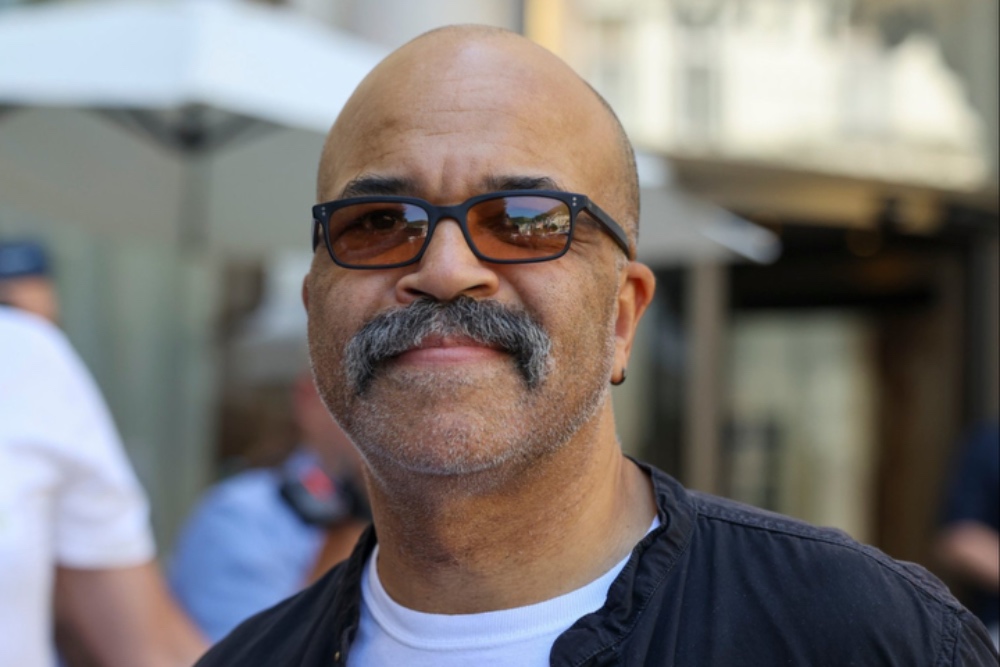
    Jeffrey Wright, an actor recognized for his extensive career in film and television, recently articulated a nuanced perspective on race, positing that “being Black” operates as a “political term.” This statement emerged during a discussion concerning the racist abuse targeting French soccer star Kylian Mbappé, underscoring Wright’s view on the strategic nature of racial prejudice.

    Wright’s commentary, published by Variety, delves into the motivations behind such attacks. He characterized the abuse against Mbappé as a deliberate effort to undermine the athlete’s significant influence and accomplishments. This interpretation frames racism not just as individual hatred, but as a calculated mechanism to diminish powerful Black figures on a global stage.

    The Political Dimension of Race

    Wright’s assertion that being Black is a political term extends beyond simple identity. It suggests that racial identity, particularly for Black individuals, is inherently linked to power dynamics and societal structures. This perspective aligns with critical race theory, which examines how race and racism have shaped legal systems and social norms.

    The actor’s statement implies that racial categorization often carries implications for social standing, economic opportunity, and political representation. It highlights how racial identity can be weaponized or leveraged within political discourse and societal power struggles.

    This understanding of race as a political construct provides a framework for analyzing incidents of racial discrimination. It moves the conversation beyond individual prejudice to systemic issues that impact collective groups.

    Historical Context of Race as a Political Tool

    Historically, race has been a significant political tool. In the United States, for instance, racial classifications were central to slavery, Jim Crow laws, and immigration policies. These policies were designed to maintain specific power structures and control over certain populations.

    Globally, colonialism often relied on racial hierarchies to justify conquest and exploitation. The categorization of people into distinct racial groups served to rationalize unequal treatment and resource distribution.

    Even in contemporary society, discussions around affirmative action, voting rights, and criminal justice reform frequently intersect with racial identity. These debates demonstrate the ongoing political salience of race.

    Kylian Mbappé and Targeted Abuse

    Kylian Mbappé, a prominent figure in international soccer, has been a frequent target of racist abuse. Such incidents often occur in connection with his performances on the field or his public persona. These attacks underscore the pervasive nature of racism in sports.

    Wright specifically addressed these instances, framing them as attempts to diminish Mbappé’s power and influence. Mbappé’s status as a world-renowned athlete grants him significant cultural and economic power, which, according to Wright, becomes a target for those seeking to uphold racial hierarchies.

    The actor’s remarks suggest that the abuse is not merely a reaction to Mbappé’s race, but a response to his success and visibility as a Black man. His achievements challenge racist narratives that seek to limit the potential of Black individuals.

    The Impact of Racist Abuse on Athletes

    Racist abuse in sports has a profound impact beyond the individual athlete. It sends a message to other aspiring athletes and fans from marginalized communities, suggesting that their achievements will always be met with hostility.

    Organizations like FIFA and UEFA have faced criticism for their handling of racist incidents. Critics argue that penalties are often insufficient, failing to deter repeat offenses or address the systemic roots of the problem.

    The public outcry following such incidents, while important, often highlights the need for more proactive measures from sports governing bodies and societal institutions. Wright’s comments contribute to this broader conversation, demanding a deeper analysis of the motives behind the abuse.

    Wright’s Broader Commentary on Identity and Resilience

    Wright’s insights extend beyond Mbappé to a broader commentary on identity and resilience in the face of racism. His career, marked by diverse roles and critical acclaim, positions him as an observer of cultural dynamics.

    Roles in projects such as “Basquiat,” where he portrayed the influential Black artist Jean-Michel Basquiat, and “American Fiction,” which satirizes the commodification of Black stories, reflect his engagement with themes of race, art, and representation.

    His public statements often reflect a commitment to challenging simplistic narratives about Black identity. He consistently advocates for a more complex and nuanced understanding of the Black experience, both in his work and in his public discourse.

    The Role of Public Figures in Addressing Racism

    Public figures like Jeffrey Wright play a crucial role in shaping public discourse around sensitive topics like race. Their platforms allow them to bring attention to issues that might otherwise be ignored or downplayed.

    By directly addressing racist abuse and interpreting its underlying motivations, Wright helps to educate the public. He encourages a more critical examination of such incidents, moving beyond superficial condemnations to a deeper understanding of systemic racism.

    His willingness to label “being Black” as a “political term” challenges individuals to consider the broader implications of racial identity in a world still grappling with historical injustices and ongoing discrimination.

    The Interplay of Power, Race, and Stupidity

    Wright’s powerful phrase, “They think they can diminish how powerful he is with their stupidity,” encapsulates his argument. He suggests that racist acts, while appearing irrational, are often attempts to exert power and control.

    The “stupidity” he references may not be a lack of intelligence, but rather a willful ignorance or a misguided belief in racial superiority. This “stupidity” serves as a tool to perpetuate systems of oppression and to undermine those who challenge them.

    This interpretation reframes racist acts as strategic, albeit flawed, maneuvers within a larger power struggle. It emphasizes that the targets of racism, like Mbappé, possess inherent power that racists aim to suppress.

    Challenging the Narrative of Diminishment

    The act of calling out racist behavior as an attempt to diminish power is a form of resistance. It reclaims agency for the target and exposes the weakness inherent in the aggressor’s tactics.

    Wright’s statement encourages a re-evaluation of how society responds to racist incidents. It suggests that simply condemning the act is not enough; understanding its strategic intent is critical to dismantling its power.

    By highlighting the “power” of Mbappé, Wright affirms the strength and resilience of Black individuals who achieve greatness despite facing systemic barriers and overt hostility.

    Looking Ahead: Continuing Conversations

    Wright’s comments contribute to an ongoing global conversation about race, identity, and justice. These discussions are critical for fostering greater understanding and for challenging entrenched prejudices.

    The intersection of sports, entertainment, and social commentary continues to provide platforms for these important dialogues. Public figures are increasingly using their voices to advocate for change and challenge discriminatory practices.

    The impact of such statements resonates widely. They provoke thought. They inspire action. They demand accountability.

    Activists continue their work. Advocates press for change. Artists create their visions. Journalists report the news. Athletes perform their feats. Citizens engage in discourse. The world observes.

    Justice.

  • Oregon AG Drops Demands in Paramount-Warner Bros. Discovery Merger Review

    Oregon AG Drops Demands in Paramount-Warner Bros. Discovery Merger Review

    Oregon AG Relieves Merger Pressure

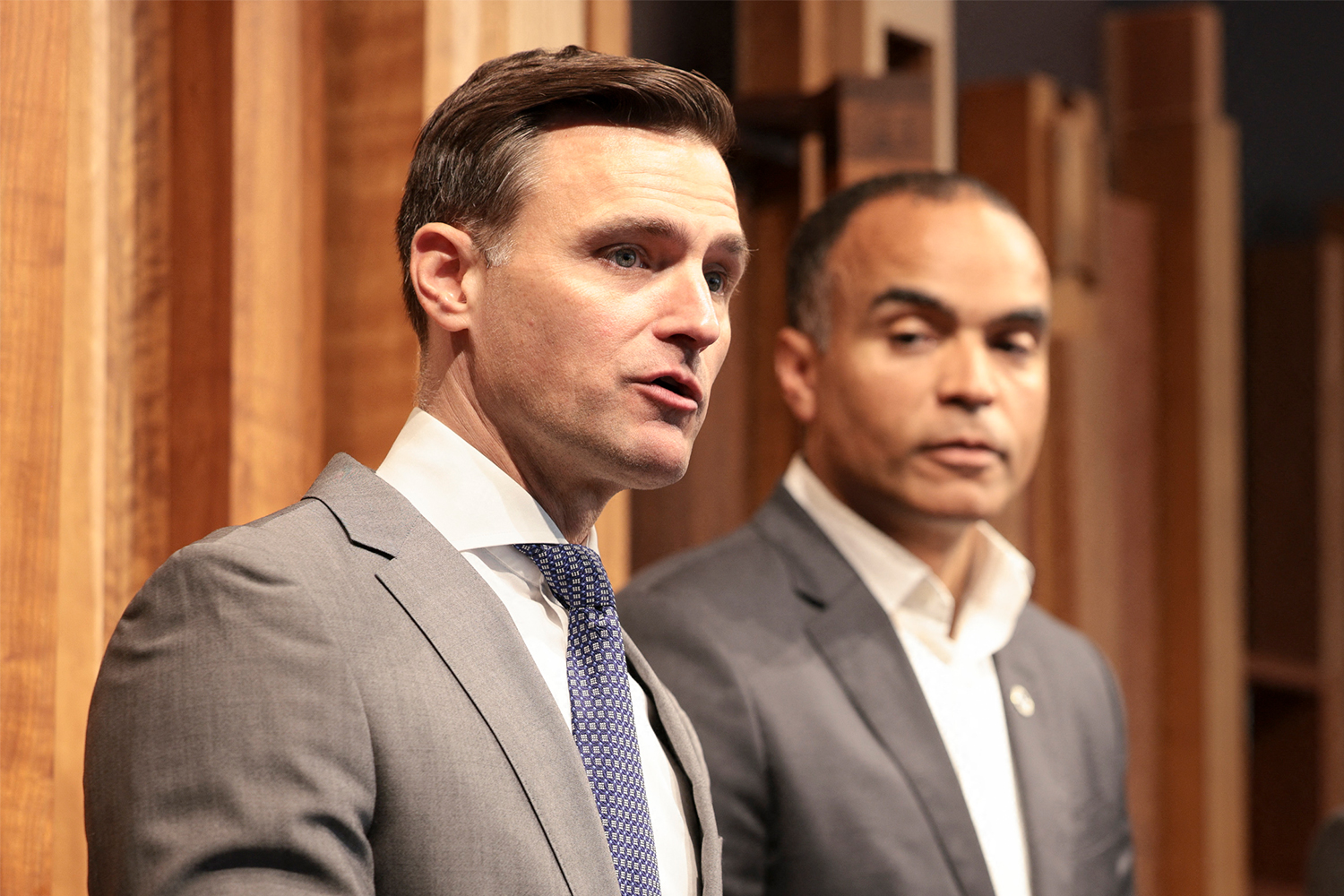
    Oregon Attorney General Dan Rayfield officially withdrew her office’s demands for extensive internal records from Paramount Global and Warner Bros. Discovery. This action also included rescinding a motion to delay the proposed merger between the two media conglomerates. The decision, made public in July 2026, signals a notable reduction in state-level regulatory pressure on the high-profile media consolidation.

    The withdrawal by the Oregon Department of Justice removes a specific hurdle that had emerged in the state’s review process. This development comes as the broader entertainment industry watches closely for the outcome of various regulatory assessments of the merger.

    The Proposed Media Behemoth

    The merger proposal seeks to combine two of the largest entities in the global media landscape. Paramount Global encompasses a vast portfolio, including the CBS broadcast network, Paramount Pictures film studio, and streaming services like Paramount+. Its holdings also include cable networks such as Comedy Central, MTV, Nickelodeon, and Showtime.

    Warner Bros. Discovery, formed from the 2022 merger of WarnerMedia and Discovery, Inc., brings an equally extensive array of assets. These include the Warner Bros. film and television studios, the HBO and Max streaming platforms, cable news giant CNN, and a suite of lifestyle and entertainment channels such as HGTV and Discovery Channel.

    The combined entity would command a significant share of content production, distribution, and streaming subscribers. Industry analysts estimate the potential valuation of the merged company in the tens of billions of dollars, creating a formidable competitor to Disney, Netflix, and Comcast.

    Regulatory Scrutiny Intensifies

    The proposed merger has faced intense scrutiny from multiple regulatory bodies. Antitrust concerns typically arise when two major players in an industry seek to combine, potentially reducing competition and impacting consumers or smaller competitors. Federal agencies, including the Department of Justice (DOJ) and the Federal Trade Commission (FTC), have been conducting their own comprehensive reviews.

    The DOJ’s Antitrust Division and the FTC are responsible for enforcing antitrust laws to prevent monopolies and ensure fair competition. Their investigations often involve examining market concentration, potential price increases for consumers, and impacts on content creators and distributors.

    State attorneys general also play a role in antitrust enforcement, often collaborating with federal agencies or conducting independent investigations. The Oregon AG’s initial demands reflected a proactive stance on potential competitive harms within the state.

    Oregon’s Initial Concerns

    Attorney General Ellen Rosenblum’s office had previously expressed concerns regarding the merger’s potential effects on competition within Oregon’s media markets. These concerns likely centered on areas such as local advertising, cable television distribution, streaming service offerings, and content production.

    The demands for internal records sought to gather detailed information about the companies’ operations, market strategies, and anticipated synergies from the merger. Such requests are standard practice in antitrust reviews, allowing regulators to assess the competitive landscape thoroughly.

    The motion to delay the merger indicated a desire for more time to evaluate the extensive documentation and potential impacts. This move underscored the seriousness with which the Oregon AG’s office approached its oversight responsibilities.

    The Path to Withdrawal

    The specific reasons for Attorney General Rosenblum’s withdrawal of demands and the motion to delay have not been publicly detailed. However, such decisions often stem from a combination of factors. These can include a satisfactory response from the merging parties to initial concerns, the provision of sufficient data to alleviate fears of anti-competitive behavior, or a strategic reassessment of the legal and evidentiary strength of the state’s case.

    It is also possible that negotiations between the Oregon AG’s office and representatives from Paramount Global and Warner Bros. Discovery led to concessions or agreements that satisfied the state’s concerns. These could involve commitments regarding content access, pricing, or local market competition.

    The withdrawal does not necessarily signify a complete endorsement of the merger. Instead, it indicates that the specific objections and information needs of the Oregon AG’s office have been addressed to a sufficient degree to remove these particular obstacles.

    Broader Regulatory Landscape Remains Active

    While Oregon’s withdrawal removes a state-level impediment, the merger still faces significant hurdles at the federal level. The Department of Justice and the Federal Trade Commission continue their independent reviews. These federal investigations are typically more extensive and carry greater weight in determining the ultimate fate of such large-scale mergers.

    Antitrust regulators often focus on potential harm to consumers through reduced choice or higher prices, and harm to competition in various sub-markets. For media mergers, this includes examining the concentration of content ownership, control over distribution platforms, and the impact on independent creators.

    Historical precedents for media mergers have varied. Some large consolidations have been approved with conditions, while others have faced significant challenges or outright rejection. The 2018 AT&T-Time Warner merger, for example, faced a prolonged legal battle with the DOJ before its eventual approval.

    Industry Implications and Future Outlook

    The potential merger of Paramount Global and Warner Bros. Discovery represents a significant consolidation trend within the entertainment industry. Companies are increasingly seeking scale to compete in a rapidly evolving landscape dominated by streaming services and global content demand.

    A combined entity would possess a vast library of intellectual property, including iconic film franchises, popular television series, and extensive news and sports programming. This would allow for greater leverage in negotiations with distributors and advertisers, and potentially more resources for content creation.

    However, concerns persist about the impact on media diversity and independent voices. Fewer major players could lead to less varied content offerings and reduced opportunities for smaller production companies.

    The outcome of the federal reviews will be critical in shaping the future of this proposed media giant. The Oregon AG’s withdrawal, while important, is one piece of a much larger regulatory puzzle that continues to unfold in 2026.

    The media landscape shifts. Corporate strategies adapt. Regulatory bodies scrutinize.

    The future of entertainment hangs in the balance.

    Frequently Asked Questions

  • DOJ Subpoenas New York Times Journalists Over Air Force One Report

    DOJ Subpoenas New York Times Journalists Over Air Force One Report

    The Department of Justice (DOJ) has issued subpoenas to journalists at The New York Times. This action follows the publication of a report detailing aspects of President Donald Trump’s new Air Force One. The move has ignited a national conversation regarding press freedom and potential government overreach into journalistic practices.

    This development underscores a persistent tension between government operations and the public’s right to information. Media organizations often rely on confidential sources to report on matters of public interest. Government entities, conversely, sometimes seek to identify these sources, particularly when national security or classified information is perceived to be at risk.

    The Air Force One Report

    The New York Times report that triggered the subpoenas focused on specific details surrounding the acquisition and development of President Trump’s new Air Force One aircraft. While the exact content of the report that drew the DOJ’s attention remains under wraps, it is understood to have contained information the government deems sensitive.

    Air Force One, the iconic call sign for any U.S. Air Force aircraft carrying the President, represents a critical asset for national security and presidential operations. Details regarding its construction, capabilities, and associated costs are often treated with a high degree of confidentiality.

    The current Air Force One fleet consists of two highly customized Boeing 747-200B series aircraft, designated VC-25A. These aircraft have been in service since the early 1990s. The replacement program, which began during the Trump administration, aims to replace these aging planes with new Boeing 747-8 Intercontinental variants, designated VC-25B.

    The procurement process for these sophisticated aircraft involves billions of dollars and extensive modifications to meet the stringent requirements of presidential transport. Such projects are inherently complex and involve numerous contractors and government agencies.

    DOJ Actions and Press Freedom Concerns

    The issuance of subpoenas to journalists is a significant step. It compels reporters to reveal information, potentially including their sources, or face legal consequences. This practice is viewed by many as a direct challenge to the First Amendment’s protection of a free press.

    Journalistic organizations, including The New York Times, typically argue that protecting confidential sources is essential for their ability to report on government activities. Without such protection, sources may be unwilling to come forward with information, thereby limiting the public’s understanding of important issues.

    Advocacy groups for press freedom, such as the Reporters Committee for Freedom of the Press, have historically condemned such subpoenas. They argue that these actions can have a chilling effect on investigative journalism, making it harder for the media to hold power accountable.

    The Department of Justice, however, operates under the premise of enforcing federal law. In cases where information is deemed classified or its disclosure is believed to harm national security, the DOJ may pursue legal avenues to identify those responsible for leaks.

    Historical Context of Government-Press Tensions

    Tensions between the U.S. government and the press are not new. Throughout American history, there have been numerous instances of clashes over the disclosure of sensitive information.

    One notable example is the Pentagon Papers case in 1971. The New York Times published a series of articles based on a classified Department of Defense study regarding U.S. involvement in Vietnam. The Nixon administration sought an injunction to prevent further publication, leading to a landmark Supreme Court case, New York Times Co. v. United States.

    The Supreme Court ultimately ruled in favor of The New York Times, affirming the press’s right to publish classified material, provided it did not pose an immediate and irreparable harm to national security. This case established a high bar for government intervention in press publication.

    More recently, during various administrations, the DOJ has pursued leak investigations, sometimes leading to subpoenas for journalists’ records or testimony. These actions consistently draw criticism from press freedom advocates.

    The Role of Whistleblowers

    Many significant government stories originate from whistleblowers. These individuals, often government employees, provide information to journalists, believing it is in the public interest to do so. The protection of these sources is paramount for investigative reporting.

    Laws like the Whistleblower Protection Act aim to safeguard federal employees who report waste, fraud, and abuse. However, these protections do not always extend to unauthorized disclosures of classified information to the media.

    The interplay between protecting whistleblowers, upholding press freedom, and safeguarding national security remains a complex legal and ethical challenge for the U.S. government and media alike.

    Implications for Journalism and Public Trust

    The subpoenas issued to New York Times journalists could have several implications. They may force the newspaper into a protracted legal battle to protect its sources, incurring significant financial and reputational costs.

    More broadly, such actions can erode public trust in both government transparency and the media’s ability to operate independently. When journalists are perceived to be under government pressure, it can lead to skepticism about the information they report.

    For the public, the incident raises questions about the balance between national security interests and the constitutional right to a free press. It also highlights the importance of an informed citizenry in a democratic society.

    The outcome of this specific situation with The New York Times and the DOJ will be closely watched by media organizations, legal experts, and the public. It will likely contribute to the ongoing debate about the boundaries of government power and the protections afforded to journalists.

    Government officials made decisions. Journalists reported facts. The Department of Justice acted. The public observed.

    A nation considered its freedoms.

  • Micheal Ward Found Not Guilty: Acquittal in Rape and Sexual Assault Trial

    Micheal Ward Found Not Guilty: Acquittal in Rape and Sexual Assault Trial

    Actor Micheal Ward, known for his work in the critically acclaimed series ‘Top Boy,’ was found not guilty of charges of rape and sexual assault on July 10, 2026. The verdict concludes a legal process that has been under public scrutiny since the allegations first emerged, clearing Ward of the accusations.

    The trial’s conclusion brings a resolution to a high-profile case involving a prominent figure in the entertainment industry. The judgment was delivered after extensive legal proceedings, including testimony and evidence presented by both the prosecution and the defense.

    The Initial Allegations and Legal Process

    Allegations of rape and sexual assault against Micheal Ward first became public prior to the trial. These accusations led to a formal investigation and subsequent charges.

    The legal process commenced with the charges being formally brought against the actor. This initiated a period of pre-trial hearings and evidence gathering.

    Details surrounding the initial complaint were not immediately released in their entirety. The legal system maintained certain protocols to protect the identities of those involved.

    Ward consistently maintained his innocence throughout the proceedings. His legal team worked to present a robust defense against the claims.

    Micheal Ward’s Career and Public Profile

    Micheal Ward gained significant recognition for his role as Jamie in the Netflix series ‘Top Boy.’ His performance earned him critical acclaim and a growing fan base.

    The actor’s career trajectory had been on an upward path prior to the allegations. He had appeared in several other film and television projects, establishing himself as a notable talent.

    His work on ‘Top Boy’ in particular brought him international attention. The series explores complex themes within urban London, and Ward’s character was central to its narrative.

    The legal proceedings placed a spotlight on Ward’s public image. Public discourse often accompanies high-profile cases involving celebrities.

    The Trial Proceedings

    The trial itself involved a detailed examination of the evidence. Both the prosecution and defense presented their arguments and called witnesses.

    Legal experts observed the proceedings for their procedural aspects. The court aimed to ensure a fair and impartial hearing for all parties.

    Testimonies were heard from various individuals involved in the case. These included the accuser, the defendant, and other relevant witnesses.

    The defense team cross-examined witnesses and presented their own narrative. They aimed to demonstrate inconsistencies or insufficient evidence to support the charges.

    The prosecution sought to establish Ward’s guilt beyond a reasonable doubt. They presented evidence intended to substantiate the allegations of rape and sexual assault.

    The Verdict and Its Implications

    The jury’s decision to find Micheal Ward not guilty was announced on July 10, 2026. This verdict signifies that the prosecution did not meet the burden of proof required for a conviction.

    A not guilty verdict does not declare innocence in a moral sense. It legally means the state failed to prove guilt beyond a reasonable doubt.

    The outcome has significant implications for Ward’s career. It removes the legal cloud that had been hanging over his professional life.

    Public reaction to such verdicts can be varied. Opinions often reflect broader societal views on justice, celebrity, and sexual assault allegations.

    Legal Precedents and Public Perception

    Cases involving celebrities and serious allegations often attract extensive media coverage. This coverage shapes public perception, sometimes before a verdict is reached.

    The legal system operates on principles of due process and the presumption of innocence. These principles are fundamental to judicial proceedings.

    High-profile trials can influence public dialogue about legal standards. They also highlight the complexities of evidence and testimony in court.

    The outcome of this trial will likely be discussed in contexts related to celebrity accountability. It will also be part of broader conversations about the justice system’s handling of sexual assault cases.

    The Road Ahead for Micheal Ward

    With the not guilty verdict, Micheal Ward is now free from the legal charges. His professional focus can now shift back to his acting career.

    The entertainment industry often monitors legal outcomes of its talents. This verdict allows for potential recommitment to projects or new opportunities.

    Ward’s public relations team may work to re-establish his image. This often involves strategic communication and careful project selection.

    The emotional and personal toll of such a trial can be substantial. Ward will likely navigate a period of personal adjustment following the conclusion of the case.

    Broader Context of Celebrity Legal Cases

    This case joins a lineage of celebrity legal battles. Such cases often underscore the unique pressures faced by public figures.

    They also illustrate the distinct nature of legal processes. These processes are separate from public opinion or media narratives.

    The outcome serves as a reminder of the foundational aspects of the justice system. It emphasizes the necessity of proving guilt through evidence.

    The entertainment industry continues to evolve in its response to allegations against its members. Each case contributes to this ongoing development.

    Allegations surfaced. Legal proceedings commenced. Evidence was presented. A verdict was reached. Life moves forward.

  • Oregon AG Seeks Merger Delay – Alleges DOJ Approval Was Corrupt

    Oregon AG Seeks Merger Delay – Alleges DOJ Approval Was Corrupt

    Oregon’s Attorney General has initiated a formal request to delay the proposed merger between Paramount Global and Warner Bros. Discovery. This action stems from serious allegations suggesting the Department of Justice’s (DOJ) initial approval of the merger was compromised by corruption. The intervention brings into question the transparency and integrity of the regulatory processes governing large-scale corporate consolidations within the United States.

    The Attorney General’s office did not immediately provide specific details regarding the nature of the alleged corruption. However, the move indicates a deep-seated concern over the potential implications of such a significant media merger proceeding without thorough, uncompromised scrutiny.

    The Proposed Media Behemoth

    The merger between Paramount Global and Warner Bros. Discovery represents a monumental shift in the global media landscape. Both companies command extensive portfolios of content, including film studios, television networks, streaming services, and intellectual property libraries.

    Paramount Global operates Paramount Pictures, CBS, Showtime, MTV, Nickelodeon, and the Paramount+ streaming service. Warner Bros. Discovery encompasses Warner Bros. Pictures, HBO, CNN, TNT, TBS, Discovery Channel, and the Max streaming platform.

    A combined entity would create one of the largest media conglomerates worldwide. This new company would exert considerable influence over content creation, distribution, and consumption across multiple platforms. Such consolidation raises immediate antitrust concerns regarding market competition and consumer choice.

    Antitrust Scrutiny and Public Interest

    Antitrust laws are designed to prevent monopolies and promote fair competition. The Department of Justice, specifically its Antitrust Division, is responsible for reviewing proposed mergers to ensure they do not harm consumers or stifle innovation.

    Historically, media mergers have faced intense scrutiny due to their potential impact on public discourse and cultural production. The current administration has signaled a more aggressive stance on antitrust enforcement, particularly in sectors where consolidation has been rampant.

    The Oregon Attorney General’s allegations suggest that this scrutiny may have been circumvented or undermined in the case of the Paramount-Warner Bros. merger. This challenges the public trust in the regulatory bodies tasked with safeguarding market fairness.

    Allegations of Corruption: Unpacking the Claim

    The precise nature of the corruption alleged by Oregon’s Attorney General remains under wraps. However, such claims typically involve improper influence, conflicts of interest, or illegal financial transactions designed to sway regulatory decisions.

    In the context of a major merger, corruption could manifest in various ways. This might include undisclosed lobbying efforts, illicit payments to officials, or the leveraging of personal relationships to expedite or approve a deal that would otherwise face significant obstacles.

    The Attorney General’s office has not yet released specific evidence or named individuals. The request for a delay is a procedural step to allow for a deeper investigation into these serious claims.

    Previous Merger Controversies

    The history of media mergers is replete with controversies and legal challenges. The AT&T-Time Warner merger, completed in 2018, faced a protracted legal battle with the DOJ before its eventual approval. That case centered on concerns about vertical integration and its potential impact on competition.

    More recently, the proposed merger between Sprint and T-Mobile also underwent extensive regulatory review. It ultimately secured approval after concessions were made to address antitrust concerns.

    These precedents underscore the complexity and sensitivity of merger reviews, particularly when public interest and market competition are at stake. Allegations of corruption introduce an entirely new dimension of concern, potentially eroding confidence in the entire regulatory framework.

    The Role of State Attorneys General

    State Attorneys General play a crucial role in antitrust enforcement. While the federal Department of Justice handles national-level reviews, state AGs can initiate their own investigations and legal actions, especially when they perceive harm to their state’s residents or economy.

    Oregon’s intervention highlights this dual enforcement mechanism. A state AG can act as a check on federal decisions, particularly if there are suspicions of impropriety or a failure to adequately protect consumer interests.

    The request for a delay is a powerful tool. It can halt the merger process, providing time for further investigation and potentially leading to new conditions or even a complete rejection of the deal.

    Potential Ramifications for the Merger

    A delay in the merger process could have significant financial and strategic consequences for Paramount Global and Warner Bros. Discovery. Both companies have already invested substantial resources in planning and executing the consolidation.

    Delays can lead to increased costs, loss of market momentum, and uncertainty for investors and employees. Furthermore, if the corruption allegations prove to be founded, the entire deal could be jeopardized, leading to severe reputational damage for all parties involved.

    The outcome of this request will also have broader implications for the media industry. It could signal a renewed era of stringent antitrust enforcement, where even federally approved deals are subject to further scrutiny from state-level authorities.

    The Path Forward: Investigations and Legal Battles

    Following Oregon’s request, several scenarios could unfold. The Department of Justice may be compelled to review its initial approval process, potentially launching an internal investigation into the corruption claims.

    Oregon’s Attorney General could also initiate its own independent investigation, gathering evidence and building a case. This could lead to legal challenges in state or federal courts, seeking to block the merger or impose new conditions.

    The companies involved, Paramount Global and Warner Bros. Discovery, will likely defend their merger and the integrity of the approval process. This could result in a complex and protracted legal battle, adding further uncertainty to the deal’s future.

    Impact on the Media Industry

    The media industry is currently undergoing rapid transformation, driven by technological advancements and shifting consumer habits. Mergers and acquisitions are common strategies for companies seeking to scale, diversify, and compete in this dynamic environment.

    However, the Oregon Attorney General’s actions serve as a powerful reminder of the regulatory hurdles and public scrutiny that accompany such large-scale consolidations. It underscores the importance of transparency and ethical conduct throughout the merger approval process.

    Should the allegations of corruption be substantiated, it could lead to a significant reassessment of how major corporate deals are vetted and approved in the United States. It could also empower other state attorneys general to take a more active role in challenging federal regulatory decisions.

    A request issued. A challenge launched. A process questioned. A future uncertain.

  • Gary Glitter Charged with Historic Sexual Offenses – The UK Legal Battle Continues

    Gary Glitter Charged with Historic Sexual Offenses – The UK Legal Battle Continues

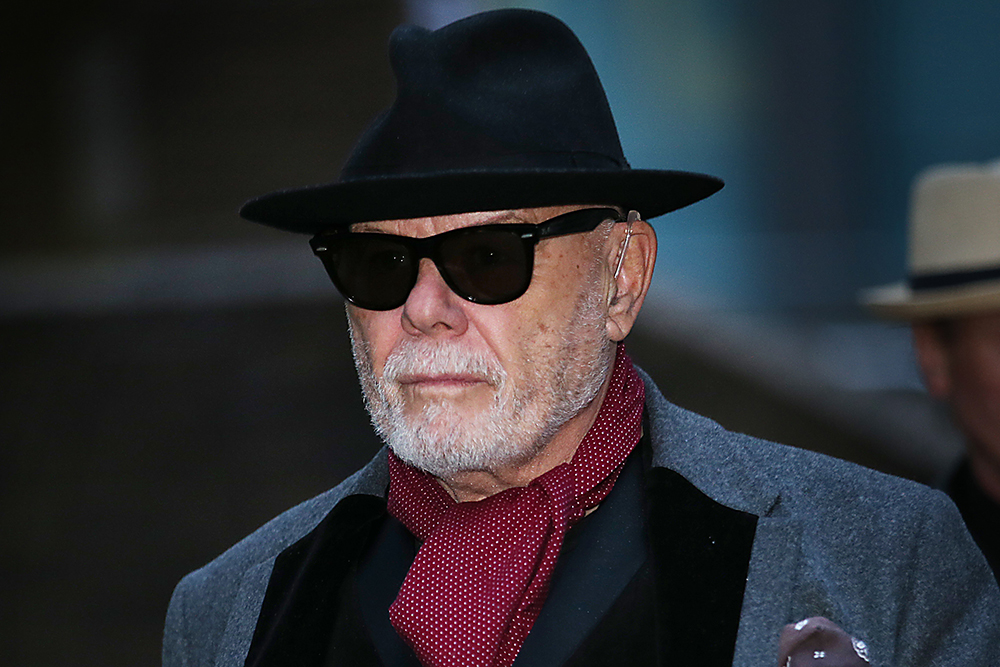
    Gary Glitter, born Paul Gadd, has been charged with ‘historic’ sexual offenses in the United Kingdom, including an allegation of sexual intercourse with a girl under the age of 13. These charges were announced on July 2, 2026. The development marks a significant new phase in the musician’s extensive legal history concerning sexual misconduct.

    The charges stem from an ongoing investigation into allegations of past actions. Glitter has faced numerous accusations and convictions related to sexual offenses over several decades. His legal troubles have spanned multiple continents, leading to significant prison sentences.

    The Nature of ‘Historic’ Charges

    The term ‘historic’ offenses refers to crimes alleged to have occurred many years in the past. These types of cases often present unique challenges for prosecution and defense. Evidence can be more difficult to obtain or verify due to the passage of time.

    Witness memories may have faded, and physical evidence might no longer exist. Despite these difficulties, legal systems in the UK and other countries are equipped to handle such cases. They rely on detailed witness testimony, corroborating evidence, and forensic analysis where possible.

    The current charges against Glitter are being processed through the UK legal system. Specific details regarding the alleged dates and locations of the offenses have not been publicly disclosed. Legal proceedings will determine the course of these new allegations.

    A History of Convictions and Legal Battles

    Gary Glitter’s history with sexual offense charges began in the late 1990s. He was first convicted in the United Kingdom in 1999 for possession of child pornography. This conviction led to a prison sentence and significant public outcry.

    Following his release, Glitter moved out of the UK. He spent time in Cuba and then Vietnam. His activities abroad continued to attract attention from law enforcement and media.

    In 2006, Glitter was arrested in Vietnam. He was subsequently convicted of obscene acts with minors. A Vietnamese court sentenced him to three years in prison for these offenses. He served his sentence in a Vietnamese correctional facility.

    Upon his release from prison in Vietnam in 2008, Glitter was deported back to the United Kingdom. His return sparked protests and renewed calls for his monitoring. UK authorities placed him on the sex offenders register and imposed strict conditions on his release.

    Further charges emerged in the UK during the early 2010s. These were part of a broader investigation into historical sexual abuse cases involving public figures. Operation Yewtree, launched in the wake of the Jimmy Savile scandal, led to several high-profile arrests and prosecutions.

    In 2015, Glitter was convicted of multiple sexual offenses, including attempted rape and indecent assault. These crimes involved four victims, with offenses dating back to the 1970s and 1980s. He received a 16-year prison sentence for these crimes.

    The Impact on Public Perception and the Music Industry

    Gary Glitter’s legal troubles have profoundly impacted his public image and legacy. Once a prominent figure in the glam rock era, his music has largely been disavowed. Radio stations and music licensing bodies ceased playing his songs following his convictions.

    His fall from grace serves as a stark reminder of accountability within the entertainment industry. The widespread condemnation of his actions reflects a societal shift in how such allegations are addressed. Victims of sexual abuse are increasingly empowered to come forward.

    The financial implications for Glitter have also been significant. Royalties from his music, once a source of considerable income, have been frozen or redirected. Legal battles over these assets have been ongoing, with some funds potentially used for victim compensation.

    The charges against Glitter continue to provoke strong emotional responses. Outrage and a desire for accountability are common reactions from the public. These sentiments highlight the enduring severity of the crimes he stands accused of.

    Legal Process for ‘Historic’ Offenses

    The legal process for ‘historic’ sexual offenses in the UK involves several stages. An investigation by law enforcement agencies, typically the police, is the initial step. This investigation gathers evidence, interviews witnesses, and assesses the credibility of allegations.

    Once sufficient evidence is collected, a file is passed to the Crown Prosecution Service (CPS). The CPS then decides whether there is enough evidence to provide a realistic prospect of conviction. They also consider if a prosecution is in the public interest.

    If the CPS decides to proceed, charges are formally brought. The accused is then required to appear in court. The case will typically go through magistrates’ court for preliminary hearings before being sent to the Crown Court for trial. This is particularly true for serious offenses such as those involving sexual intercourse with a minor.

    During a Crown Court trial, a jury hears the evidence and determines guilt or innocence. Both the prosecution and defense present their cases. If convicted, sentencing follows, taking into account the severity of the crimes and any previous convictions.

    The Broader Context of Celebrity Accountability

    The case of Gary Glitter is one among many high-profile instances of celebrities facing charges for sexual offenses. These cases have contributed to a broader conversation about accountability for individuals in positions of power or influence. The MeToo movement, among others, has amplified these discussions.

    Increased scrutiny is now applied to past conduct, regardless of a person’s fame or status. Legal systems are adapting to better handle sensitive cases involving sexual abuse. Support for victims has also expanded, with more resources available for those who come forward.

    The charges against Glitter on July 2, 2026, underscore that investigations into historic allegations continue. The legal system aims to provide justice for victims, even decades after the alleged events occurred. This commitment reflects evolving societal values.

    The path forward for these new charges will involve rigorous legal proceedings. The outcomes will be closely watched by the public and legal observers alike. The pursuit of justice for alleged victims remains a central focus.

    Investigations continued. Allegations surfaced. Charges were brought. Accountability sought.

    Justice.

  • Married At First Sight UK Contestant Arrested on Suspicion of Rape

    Married At First Sight UK Contestant Arrested on Suspicion of Rape

    A contestant from the British reality television series ‘Married At First Sight UK’ was arrested on July 2, 2026, on suspicion of rape. This arrest has initiated a police investigation, drawing immediate public attention to the alleged actions of an individual who gained public recognition through a broadcast entertainment program.

    The specific identity of the individual arrested has not been officially released by law enforcement agencies as of July 2, 2026. This standard practice protects the integrity of ongoing investigations and the rights of all involved parties. The nature of the allegations, however, has generated significant discussion across social media platforms and news outlets.

    The Incident and Initial Police Response

    Police authorities confirmed the arrest on July 2, 2026. Details surrounding the alleged incident remain limited due to the sensitive nature of the investigation. Law enforcement protocols typically restrict the release of information in such cases to avoid prejudicing potential legal proceedings.

    The arrest falls under serious criminal offense categories. Investigations of this type involve detailed evidence collection, witness interviews, and forensic analysis. The process can be extensive, often taking weeks or months to reach a conclusion regarding charges.

    Legal Framework for Rape Allegations in the UK

    In the United Kingdom, allegations of rape are treated with extreme seriousness. The legal definition of rape involves a person intentionally penetrating the vagina, anus, or mouth of another person with their penis without the consent of that person. Consent is a critical element, defined as agreeing by choice and having the freedom and capacity to make that choice.

    The Crown Prosecution Service (CPS) is responsible for deciding whether to bring charges after a police investigation. This decision is based on two main tests: the evidential test and the public interest test. The evidential test requires a realistic prospect of conviction, meaning there must be enough evidence to provide a ‘realistic prospect of conviction’ against each suspect on each charge.

    Impact on Reality Television and Public Perception

    This arrest has reignited conversations about the responsibilities of individuals who achieve public visibility through reality television. Participants often gain significant social media followings and a degree of celebrity, which can amplify the impact of their actions, both positive and negative.

    The ‘Married At First Sight UK’ format involves individuals marrying strangers, a premise that inherently places personal lives under intense scrutiny. The series, broadcast on E4, is produced by CPL Productions. These production companies and broadcasters often face questions regarding the psychological assessments and background checks conducted on contestants.

    Vetting Processes for Reality Show Contestants

    Reality television productions typically implement vetting processes for participants. These processes often include criminal background checks, psychological evaluations, and extensive interviews. The aim is to ensure the well-being of contestants and to mitigate risks to the production and the public.

    However, no vetting process is infallible. Allegations of serious misconduct by participants, particularly after filming or broadcast, highlight the challenges in predicting future behavior. The public nature of these shows means that any scandal involving a participant can quickly become a national headline.

    Previous Controversies in Reality Television

    Reality television has a history of controversies involving contestant behavior. Several shows across different countries have faced scrutiny over issues ranging from mental health concerns among participants to allegations of criminal conduct. These incidents often lead to calls for stricter regulatory oversight and improved duty of care from broadcasters and production companies.

    In the UK, Ofcom, the communications regulator, has guidelines for broadcasters regarding the welfare of participants in programs. These guidelines emphasize the importance of assessing participants’ mental and physical health, providing appropriate support, and protecting their privacy. High-profile incidents often prompt reviews of these guidelines and their enforcement.

    The Role of Media and Public Discourse

    The media’s reporting of such arrests plays a significant role in shaping public discourse. Initial reports often focus on the immediate facts, such as the arrest itself and the nature of the allegations. As investigations proceed, more details may emerge, influencing public opinion and potentially impacting the legal process.

    Social media platforms further amplify these discussions. The speed at which information, and sometimes misinformation, can spread online means that public figures often face intense scrutiny and judgment before any formal legal conclusions are reached. This creates a complex environment for both the accused and the accuser.

    The Future of the Investigation

    The police investigation into the ‘Married At First Sight UK’ contestant is ongoing as of July 2, 2026. The individual remains under arrest. Next steps will likely involve further questioning, collection of additional evidence, and potentially a decision on whether to formally charge the individual.

    If charges are brought, the case would proceed through the UK’s criminal justice system. This would involve court appearances, potentially a trial, and if convicted, sentencing. The legal process is designed to ensure a fair hearing for all parties involved, adhering to principles of due process.

    Accountability for Public Figures

    The incident underscores the broader theme of accountability for individuals who achieve public recognition. Whether through traditional celebrity or reality television, public figures are often held to a higher standard by the public. Their actions can have wider implications for the perception of the programs they appear on and the industries they represent.

    The public expects justice to be served, regardless of an individual’s fame or notoriety. Cases involving public figures often highlight the tension between the public’s right to know and the individual’s right to a fair legal process, free from undue public pressure.

    Allegations surfaced. An arrest was made. An investigation commenced.

    Justice begins.

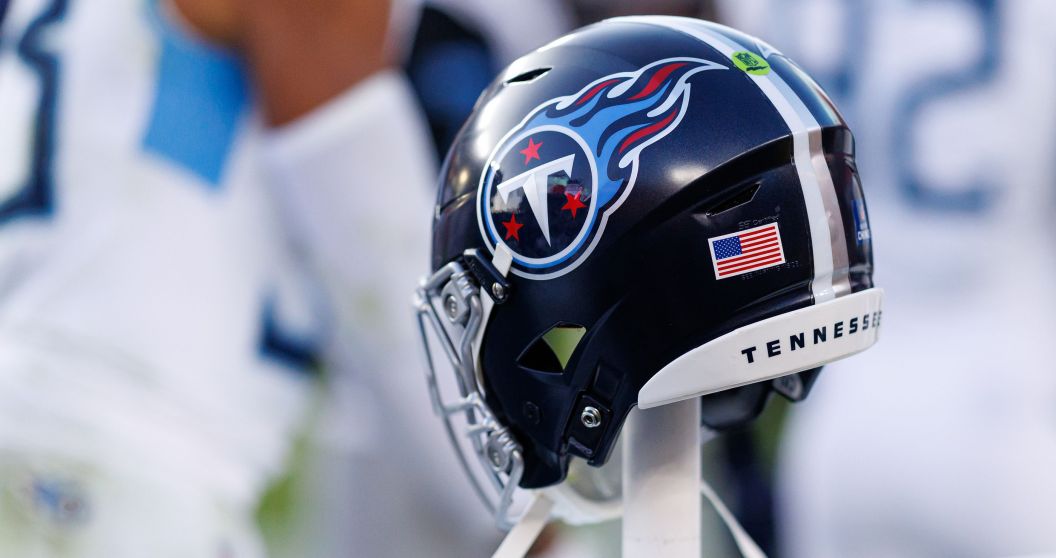
  • Former Titans Scout Guilty of Girlfriend’s Murder – Life Sentence Handed Down

    Former Titans Scout Guilty of Girlfriend’s Murder – Life Sentence Handed Down

    Luke Steckel, a former scouting assistant for the Tennessee Titans, has been found guilty of the murder of his girlfriend, Melanie Steckel. The verdict, delivered in Davidson County Criminal Court, concludes a high-profile case that garnered national attention. Steckel was subsequently sentenced to life imprisonment.

    This outcome follows months of legal proceedings and public scrutiny. The case became a focal point for discussions surrounding domestic violence and its consequences, particularly within the context of professional sports.

    The Incident and Initial Investigation Unfold

    The incident that led to the charges occurred on October 27, 2025, at the couple’s shared residence on Elm Hill Pike in Nashville, Tennessee. Metropolitan Nashville Police Department (MNPD) officers responded to a 911 call reporting a domestic disturbance. Upon arrival, they discovered Melanie Steckel, 32, deceased from apparent injuries.

    Luke Steckel, 35, was present at the scene when authorities arrived. He was immediately identified as a primary person of interest. MNPD detectives began to gather evidence and conduct interviews, securing the residence as a crime scene.

    The initial investigation involved forensic teams processing the site for physical evidence. An autopsy performed by the Davidson County Medical Examiner’s Office later confirmed the cause of death as blunt force trauma. Detectives worked to establish a detailed timeline of events leading up to the tragedy, interviewing neighbors and reviewing security footage from the vicinity.

    Arrest and Formal Charges Filed

    Following a preliminary investigation that spanned less than 24 hours, Luke Steckel was arrested on October 28, 2025. He was formally charged with the murder of Melanie Steckel. The charges were filed in Davidson County, Tennessee, reflecting the jurisdiction of the crime.

    The arrest sent immediate shockwaves through the Nashville community and the broader NFL landscape. The connection to the Tennessee Titans, a prominent NFL franchise, amplified public interest. The Tennessee Titans organization quickly issued a statement regarding the situation.

    The statement confirmed that Luke Steckel was no longer employed by the team, effective immediately upon his arrest. The organization emphasized its commitment to upholding ethical standards and reiterated its condemnation of domestic violence. Steckel had served as a scouting assistant for two years before his termination.

    Pre-Trial Proceedings and Legal Strategies

    The legal process commenced with a series of pre-trial hearings in Nashville’s General Sessions Court. These proceedings involved various motions, evidence disclosures, and scheduling conferences. Both the prosecution, led by Assistant District Attorney Jessica Miller, and the defense team, headed by prominent local attorney Robert Hayes, prepared their strategies.

    The prosecution aimed to demonstrate premeditation and intent, presenting a narrative of escalating domestic conflict. They presented evidence gathered from the crime scene, witness accounts from friends and family, and digital forensics, including text messages and call logs between the couple. These communications reportedly indicated a troubled relationship.

    The defense, conversely, sought to challenge the prosecution’s narrative. They filed motions to suppress certain evidence and questioned the chain of custody for some forensic samples. Key legal arguments centered on the nature of the relationship between Luke and Melanie Steckel, with the defense exploring alternative theories regarding Melanie’s death, including accidental injury during a physical altercation.

    Bail Hearings and Public Reaction Intensify

    Bail was set at a significant amount, initially $1.5 million, reflecting the severity of the murder charge. Luke Steckel remained in custody at the Davidson County Criminal Justice Center throughout most of the pre-trial phase, unable to post the bond. Public opinion varied, with many following the case closely through local media outlets such as The Tennessean and national news broadcasts.

    Advocacy groups for domestic violence victims, including the Tennessee Coalition to End Domestic and Sexual Violence, paid close attention to the proceedings. They highlighted the case as an example of the critical need for increased awareness, intervention, and support services for victims. The extensive media coverage contributed to a broader conversation about violence in intimate relationships, particularly when involving individuals connected to high-profile organizations.

    The High-Profile Trial Begins

    The trial began on March 15, 2026, in Davidson County Criminal Court, presided over by Judge Eleanor Vance. The courtroom was frequently at capacity, with media representatives, family members of both the victim and the defendant, and concerned citizens present. Jury selection took over a week, underscoring the case’s public profile.

    The prosecution presented a compelling case over three weeks. They called several key witnesses, including the MNPD first responders who arrived at the scene, forensic experts from the Tennessee Bureau of Investigation (TBI) who testified about blood spatter patterns and DNA evidence, and the medical examiner who detailed Melanie Steckel’s injuries. Individuals who knew both Melanie and Luke Steckel also testified, painting a picture of a volatile and increasingly strained relationship.

    Expert witnesses detailed the nature of Melanie Steckel’s extensive blunt force trauma. They explained how these injuries were consistent with the prosecution’s account of a violent assault. Digital evidence, such as text messages and call logs, also played a crucial role, showing a pattern of contentious communication leading up to the murder.

    Defense Strategy and Arguments Presented

    The defense team mounted a vigorous challenge to the prosecution’s case. Attorney Robert Hayes cross-examined prosecution witnesses extensively, attempting to cast doubt on their findings and testimonies. They also presented their own expert witnesses, including a forensic pathologist who offered alternative interpretations of the medical evidence, suggesting that some injuries could have been accidental or self-inflicted during a struggle.

    The defense argued that the evidence did not conclusively prove that Luke Steckel intended to murder Melanie. They suggested the possibility of a tragic accident that escalated out of control during a heated argument. They also attempted to portray Luke Steckel as a man under extreme emotional duress, struggling with personal issues unrelated to the relationship.

    During the trial, Luke Steckel did not take the stand, exercising his Fifth Amendment right. This is a common legal strategy, as it prevents cross-examination by the prosecution and avoids potential self-incrimination. The defense rested its case after presenting its witnesses and arguments, maintaining that the prosecution had not met the burden of proof for murder.

    The Verdict and Sentencing Handed Down

    After four days of deliberation, the jury returned a guilty verdict on June 28, 2026. Luke Steckel was found guilty of the murder of Melanie Steckel. The announcement of the verdict was met with a mix of solemnity and visible relief from Melanie Steckel’s family in the courtroom, while Luke Steckel remained stoic.

    The conviction carries a mandatory sentence of life imprisonment under Tennessee law. At a separate sentencing hearing held on July 1, 2026, Judge Vance formally sentenced Luke Steckel to life in prison. Under current state statutes, Steckel will be eligible for parole consideration after serving 51 years of his sentence, meaning he will be 86 years old at the earliest opportunity for release.

    Melanie Steckel’s family expressed profound gratitude for the verdict and sentencing. They issued a statement through their attorney, acknowledging the justice served and hoping it would bring some measure of peace. They also spoke movingly about the enduring pain of their loss and the lasting impact of domestic violence.

    Broader Implications and Accountability in Sports

    The case of Luke Steckel and Melanie Steckel extends beyond the courtroom, prompting renewed discussions about domestic violence and accountability. Organizations like the National Coalition Against Domestic Violence and local groups such as Renewal House have cited similar cases to highlight ongoing issues and the need for systemic change.

    The National Football League (NFL) and its associated teams face scrutiny regarding employee conduct, both on and off the field. This includes conduct outside of official duties. The league has policies in place concerning domestic violence, but individual cases often spark debate about their effectiveness and the responsibility of organizations to vet and monitor their personnel.

    This conviction underscores the legal system’s commitment to holding individuals accountable for violent acts. It reinforces the message that violence, particularly against intimate partners, will not be tolerated. The outcome serves as a stark reminder of the devastating consequences of such acts, impacting victims, families, and communities.

    Melanie’s memory honored. Justice served. Accountability enforced.

    Imprisonment.