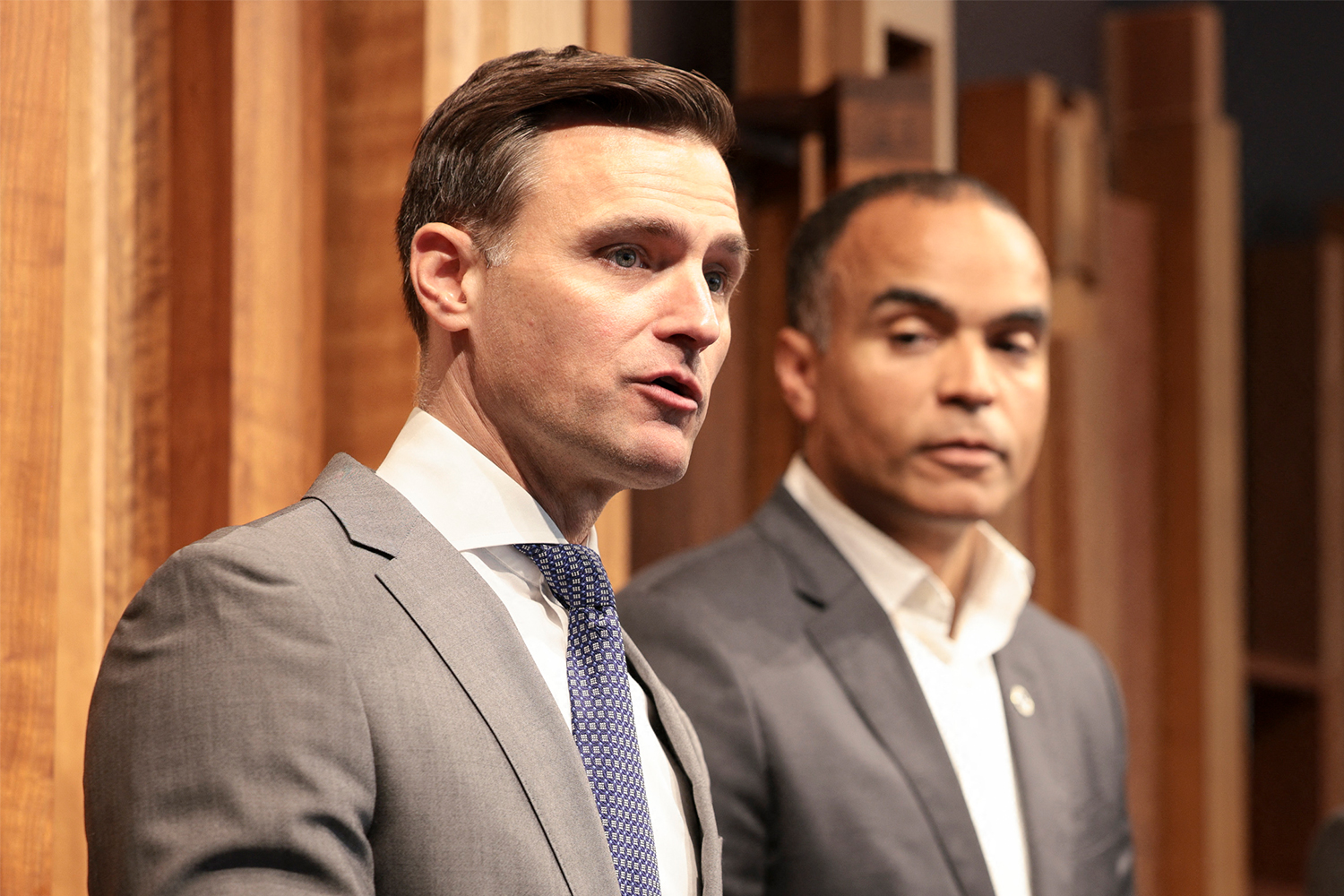
Oregon’s Attorney General has initiated a formal request to delay the proposed merger between Paramount Global and Warner Bros. Discovery. This action stems from serious allegations suggesting the Department of Justice’s (DOJ) initial approval of the merger was compromised by corruption. The intervention brings into question the transparency and integrity of the regulatory processes governing large-scale corporate consolidations within the United States.
The Attorney General’s office did not immediately provide specific details regarding the nature of the alleged corruption. However, the move indicates a deep-seated concern over the potential implications of such a significant media merger proceeding without thorough, uncompromised scrutiny.
The Proposed Media Behemoth
The merger between Paramount Global and Warner Bros. Discovery represents a monumental shift in the global media landscape. Both companies command extensive portfolios of content, including film studios, television networks, streaming services, and intellectual property libraries.
Paramount Global operates Paramount Pictures, CBS, Showtime, MTV, Nickelodeon, and the Paramount+ streaming service. Warner Bros. Discovery encompasses Warner Bros. Pictures, HBO, CNN, TNT, TBS, Discovery Channel, and the Max streaming platform.
A combined entity would create one of the largest media conglomerates worldwide. This new company would exert considerable influence over content creation, distribution, and consumption across multiple platforms. Such consolidation raises immediate antitrust concerns regarding market competition and consumer choice.
Antitrust Scrutiny and Public Interest
Antitrust laws are designed to prevent monopolies and promote fair competition. The Department of Justice, specifically its Antitrust Division, is responsible for reviewing proposed mergers to ensure they do not harm consumers or stifle innovation.
Historically, media mergers have faced intense scrutiny due to their potential impact on public discourse and cultural production. The current administration has signaled a more aggressive stance on antitrust enforcement, particularly in sectors where consolidation has been rampant.
The Oregon Attorney General’s allegations suggest that this scrutiny may have been circumvented or undermined in the case of the Paramount-Warner Bros. merger. This challenges the public trust in the regulatory bodies tasked with safeguarding market fairness.
Allegations of Corruption: Unpacking the Claim
The precise nature of the corruption alleged by Oregon’s Attorney General remains under wraps. However, such claims typically involve improper influence, conflicts of interest, or illegal financial transactions designed to sway regulatory decisions.
In the context of a major merger, corruption could manifest in various ways. This might include undisclosed lobbying efforts, illicit payments to officials, or the leveraging of personal relationships to expedite or approve a deal that would otherwise face significant obstacles.
The Attorney General’s office has not yet released specific evidence or named individuals. The request for a delay is a procedural step to allow for a deeper investigation into these serious claims.
Previous Merger Controversies
The history of media mergers is replete with controversies and legal challenges. The AT&T-Time Warner merger, completed in 2018, faced a protracted legal battle with the DOJ before its eventual approval. That case centered on concerns about vertical integration and its potential impact on competition.
More recently, the proposed merger between Sprint and T-Mobile also underwent extensive regulatory review. It ultimately secured approval after concessions were made to address antitrust concerns.
These precedents underscore the complexity and sensitivity of merger reviews, particularly when public interest and market competition are at stake. Allegations of corruption introduce an entirely new dimension of concern, potentially eroding confidence in the entire regulatory framework.
The Role of State Attorneys General
State Attorneys General play a crucial role in antitrust enforcement. While the federal Department of Justice handles national-level reviews, state AGs can initiate their own investigations and legal actions, especially when they perceive harm to their state’s residents or economy.
Oregon’s intervention highlights this dual enforcement mechanism. A state AG can act as a check on federal decisions, particularly if there are suspicions of impropriety or a failure to adequately protect consumer interests.
The request for a delay is a powerful tool. It can halt the merger process, providing time for further investigation and potentially leading to new conditions or even a complete rejection of the deal.
Potential Ramifications for the Merger
A delay in the merger process could have significant financial and strategic consequences for Paramount Global and Warner Bros. Discovery. Both companies have already invested substantial resources in planning and executing the consolidation.
Delays can lead to increased costs, loss of market momentum, and uncertainty for investors and employees. Furthermore, if the corruption allegations prove to be founded, the entire deal could be jeopardized, leading to severe reputational damage for all parties involved.
The outcome of this request will also have broader implications for the media industry. It could signal a renewed era of stringent antitrust enforcement, where even federally approved deals are subject to further scrutiny from state-level authorities.
The Path Forward: Investigations and Legal Battles
Following Oregon’s request, several scenarios could unfold. The Department of Justice may be compelled to review its initial approval process, potentially launching an internal investigation into the corruption claims.
Oregon’s Attorney General could also initiate its own independent investigation, gathering evidence and building a case. This could lead to legal challenges in state or federal courts, seeking to block the merger or impose new conditions.
The companies involved, Paramount Global and Warner Bros. Discovery, will likely defend their merger and the integrity of the approval process. This could result in a complex and protracted legal battle, adding further uncertainty to the deal’s future.
Impact on the Media Industry
The media industry is currently undergoing rapid transformation, driven by technological advancements and shifting consumer habits. Mergers and acquisitions are common strategies for companies seeking to scale, diversify, and compete in this dynamic environment.
However, the Oregon Attorney General’s actions serve as a powerful reminder of the regulatory hurdles and public scrutiny that accompany such large-scale consolidations. It underscores the importance of transparency and ethical conduct throughout the merger approval process.
Should the allegations of corruption be substantiated, it could lead to a significant reassessment of how major corporate deals are vetted and approved in the United States. It could also empower other state attorneys general to take a more active role in challenging federal regulatory decisions.
A request issued. A challenge launched. A process questioned. A future uncertain.