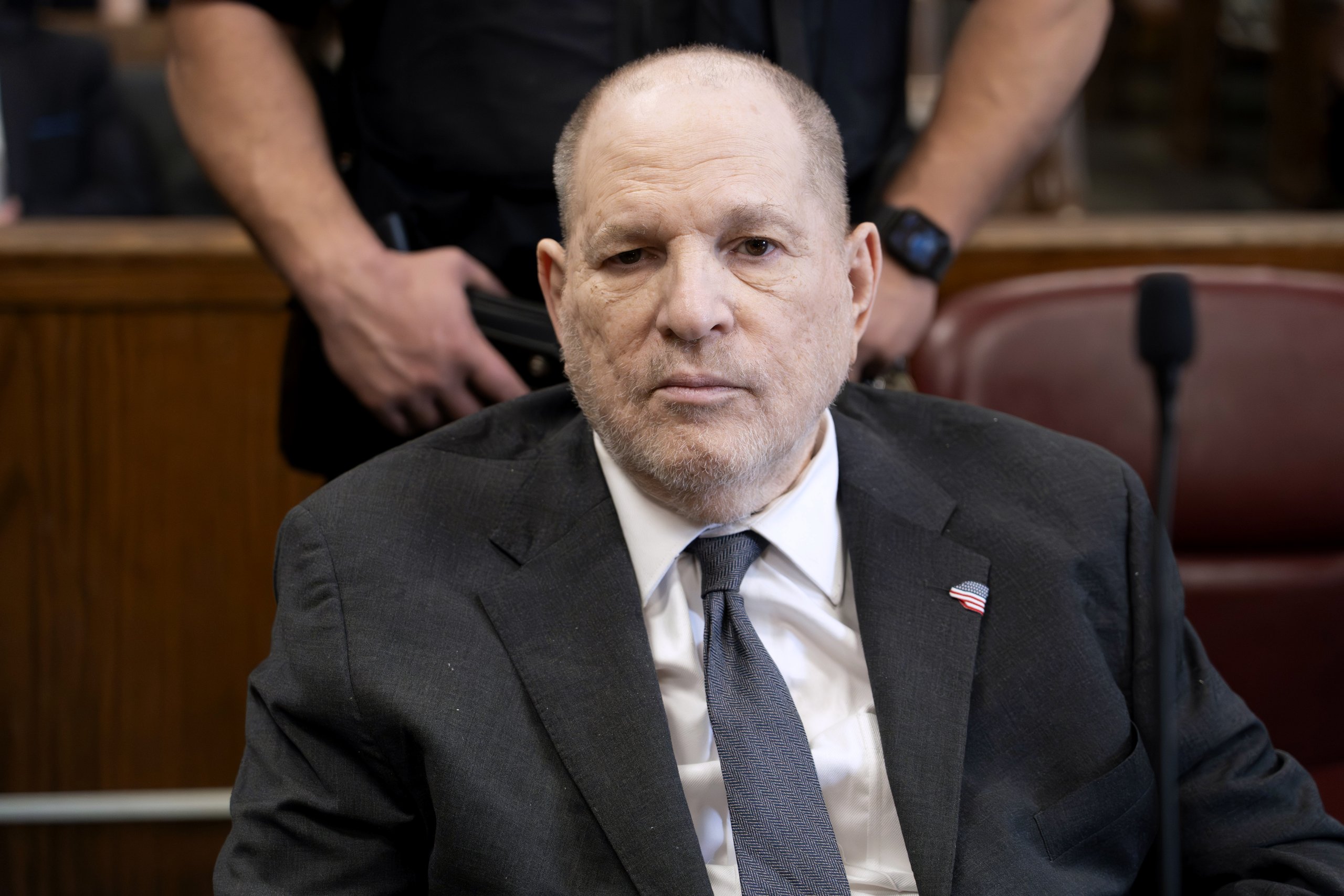
Harvey Weinstein’s Ongoing Health Challenges
On July 1, 2026, former film producer Harvey Weinstein was hospitalized after reportedly experiencing severe breathing issues. This medical event occurred while Weinstein is serving significant prison sentences for sexual assault convictions. The hospitalization marks another instance of health complications for the once-powerful Hollywood figure, whose legal battles have spanned several years and jurisdictions.
Weinstein’s medical condition has frequently been cited by his legal teams during his numerous court appearances and appeals. These health concerns have ranged from cardiac issues to diabetes and back problems. The severity of the breathing issues reported on July 1, 2026, led to his transfer from a correctional facility to a medical institution.
The Legal Landscape: Convictions and Appeals
Harvey Weinstein’s legal troubles began to escalate dramatically in October 2017 with a series of investigative reports. These reports, published by The New York Times and The New Yorker, detailed decades of alleged sexual harassment and assault. The revelations ignited the #MeToo movement, bringing widespread attention to issues of sexual misconduct and power dynamics within the entertainment industry and beyond.
In March 2020, Weinstein was convicted in New York of a criminal sexual act in the first degree and rape in the third degree. He was subsequently sentenced to 23 years in state prison. This landmark conviction was seen by many as a turning point for accountability in Hollywood.
Despite this conviction, Weinstein’s legal team immediately pursued an appeal. They argued that judicial errors, including the admission of testimony from uncharged prior bad acts witnesses, prejudiced the jury. The New York Court of Appeals overturned his 2020 conviction on April 25, 2024, citing these procedural errors.
The New York County District Attorney’s office stated its intention to retry the case. This decision was announced shortly after the appeals court ruling. The prospect of a new trial in New York adds another layer of complexity to Weinstein’s legal future.
California Conviction and Sentencing
Separately, in December 2022, Weinstein was convicted in Los Angeles, California, on charges of rape and sexual assault. The Los Angeles County Superior Court found him guilty on three of seven counts. These charges related to an incident that occurred in 2013 involving an actress known as Jane Doe 1.
On February 23, 2023, the Los Angeles court sentenced Weinstein to 16 years in state prison for these California crimes. This sentence was ordered to run consecutively to any other sentence he was serving. Consequently, even with the New York conviction overturned, Weinstein remained incarcerated due to the California conviction.
His legal team also filed an appeal against the California conviction. Arguments in this appeal mirror some of those presented in New York, focusing on evidentiary rulings and the inclusion of testimony from uncharged accusers. The California appeal process remains ongoing as of July 1, 2026.
The Impact of #MeToo
Weinstein’s case became a focal point for the #MeToo movement. This movement empowered countless individuals to come forward with their own stories of sexual harassment and assault. It led to significant cultural shifts and legislative changes in various industries.
The public discourse surrounding Weinstein’s trials highlighted systemic issues. These included the abuse of power, the silencing of victims, and the challenges of achieving justice for sexual misconduct. His convictions, even with subsequent appeals, represented a significant moment for victim advocacy and legal reform.
Numerous individuals, including prominent actresses and former employees, provided testimony against Weinstein. Their bravery in sharing their experiences was central to the prosecution’s cases. These testimonies often detailed patterns of behavior that spanned decades.
Weinstein’s Health in Confinement
Since his incarceration, reports of Harvey Weinstein’s declining health have been frequent. He has been seen using a walker in court appearances. His legal team has consistently raised concerns about his physical condition, often requesting medical accommodations.
The breathing issues reported on July 1, 2026, are part of a pattern of health challenges. These challenges complicate his prison sentence and legal proceedings. Correctional facilities are tasked with providing adequate medical care for inmates, a responsibility that becomes more complex with high-profile individuals with chronic conditions.
His medical needs have required transfers to various medical facilities outside of the immediate prison environment. These transfers ensure he receives specialized care. The nature of his current breathing issues has not been publicly detailed beyond the initial report of severity.
The Road Ahead: Legal and Medical
For Harvey Weinstein, the immediate future involves continued medical evaluation and treatment for his respiratory issues. Simultaneously, his legal battles are far from over. The New York District Attorney’s office is preparing for a potential retrial. The appeal of his California conviction is still under review by higher courts.
The outcomes of these legal proceedings will continue to shape his legacy. His case remains a benchmark for discussions on accountability, justice, and the complexities of the legal system in high-profile sexual assault cases. The confluence of his health and legal status presents an ongoing narrative.
His hospitalization on July 1, 2026, serves as a reminder of the human element within these legal sagas. It underscores the physical tolls that prolonged legal battles and incarceration can exact. The public watches, the legal system proceeds, and the medical community intervenes.
Farmers gathered. Activists gathered. Lawyers gathered. Physicians gathered. Reporters gathered. The public watched.
Justice.