Tag: Iaea

  • President Trump’s New Warning to Iran – Escalating Geopolitical Tensions

    President Trump’s New Warning to Iran – Escalating Geopolitical Tensions

    President Trump’s Latest Stance on Iran

    President Donald Trump issued a new warning to Iran on July 22, 2026. This declaration marks a significant moment in the ongoing diplomatic and strategic landscape between the United States and the Islamic Republic. The warning signals a potential escalation in the long-standing tensions that have characterized relations between the two nations.

    This recent communication from the White House follows a period of heightened rhetoric and strategic maneuvers. The specific nature of the warning was not immediately detailed, but its issuance indicates a firm stance from the current U.S. administration.

    A History of Warnings and Diplomatic Strain

    The relationship between the United States and Iran has been marked by periods of intense strain for decades. Following the 1979 Iranian Revolution, diplomatic ties were severed. Subsequent U.S. administrations have grappled with Iran’s nuclear ambitions, its support for various non-state actors in the Middle East, and its ballistic missile program.

    President Trump’s first term saw the U.S. withdraw from the Joint Comprehensive Plan of Action (JCPOA) in May 2018. This agreement, signed in 2015, aimed to limit Iran’s nuclear program in exchange for sanctions relief. The withdrawal reintroduced a broad range of U.S. sanctions against Iran, significantly impacting its economy.

    The years following the JCPOA withdrawal were characterized by a series of confrontational incidents. These included attacks on oil tankers in the Persian Gulf, the downing of a U.S. drone, and a drone attack on Saudi Arabian oil facilities in September 2019, which the U.S. and its allies attributed to Iran.

    In January 2020, a U.S. drone strike killed Qassem Soleimani, a prominent Iranian military commander, near Baghdad International Airport. Iran retaliated with missile strikes against U.S. forces in Iraq. These events brought the two nations to the brink of direct military conflict.

    The Geopolitical Context of 2026

    As of July 2026, the geopolitical landscape remains complex. Iran continues its uranium enrichment activities, which have raised concerns among international monitors and Western powers. The International Atomic Energy Agency (IAEA) has consistently reported on Iran’s nuclear program, highlighting its expansion beyond the limits set by the original JCPOA.

    Regional tensions persist in the Middle East. Conflicts in Yemen, Syria, and Iraq continue to involve proxy forces supported by both Iran and its regional adversaries. The Strait of Hormuz, a critical chokepoint for global oil shipments, remains a flashpoint for potential confrontations.

    The current administration in Washington D.C., led by President Trump, has maintained a policy of strong pressure on Iran. This approach emphasizes sanctions and deterrence, aiming to curb Iran’s nuclear development and its influence in the region.

    International Reactions and Concerns

    The international community has reacted to the ongoing U.S.-Iran tensions with a mix of concern and calls for de-escalation. European allies, who largely remained committed to the JCPOA after the U.S. withdrawal, have sought diplomatic solutions. They have often acted as intermediaries, advocating for dialogue and the preservation of the nuclear deal’s framework.

    Nations in the Middle East, particularly those bordering Iran, monitor the situation closely. Saudi Arabia, the United Arab Emirates, and Israel view Iran’s regional activities as a direct threat to their security. These countries often align with the U.S. stance on containing Iranian influence.

    The United Nations Security Council has also been a forum for discussions on Iran. Resolutions and statements from the UNSC have often called for adherence to international non-proliferation treaties and for peaceful resolutions to regional disputes.

    Economic Pressures and Internal Dynamics in Iran

    Sanctions imposed by the United States have had a significant impact on Iran’s economy. The country’s oil exports, a primary source of revenue, have been severely curtailed. This economic pressure has led to inflation, unemployment, and social unrest within Iran.

    Despite these challenges, the Iranian government has largely maintained its hardline stance. Supreme Leader Ali Khamenei and other key figures have consistently rejected calls for fundamental changes to the country’s foreign policy or nuclear program. They often frame U.S. pressure as an attempt to undermine Iran’s sovereignty and regional standing.

    Internally, Iran faces a complex political environment. Protests over economic conditions and social freedoms periodically occur. The interplay between internal dissent and external pressure shapes the government’s responses to international demands.

    The Role of Cyber Warfare and Hybrid Threats

    In recent years, the U.S.-Iran rivalry has also extended into the cyber domain. Both nations have been accused of engaging in cyber espionage and attacks against critical infrastructure. This non-conventional warfare adds another layer of complexity to the geopolitical tensions.

    Hybrid threats, which combine conventional military posturing with cyber operations, disinformation campaigns, and proxy conflicts, have become a hallmark of the U.S.-Iran dynamic. These tactics make de-escalation more challenging and increase the risk of miscalculation.

    Looking Ahead: Pathways and Perils

    The latest warning from President Trump on July 22, 2026, underscores the persistent nature of the U.S.-Iran standoff. The immediate implications of this warning are subject to interpretation and depend on subsequent actions from both Washington D.C. and Tehran.

    Future developments could involve further diplomatic efforts, increased economic sanctions, or military posturing. The international community continues to emphasize the importance of de-escalation and the pursuit of peaceful, diplomatic solutions.

    The stability of the Middle East hinges significantly on the trajectory of this relationship. Global energy markets, international shipping, and regional conflicts are all influenced by the state of U.S.-Iran tensions.

    Conclusion

    President Trump issued a new warning to Iran. Geopolitical tensions remain high. International observers watch closely. Regional stability hangs in the balance. The global community seeks a path to peace.

    De-escalation.

  • Iran Nuclear Deal: House Republicans Acknowledge Concessions

    Iran Nuclear Deal: House Republicans Acknowledge Concessions

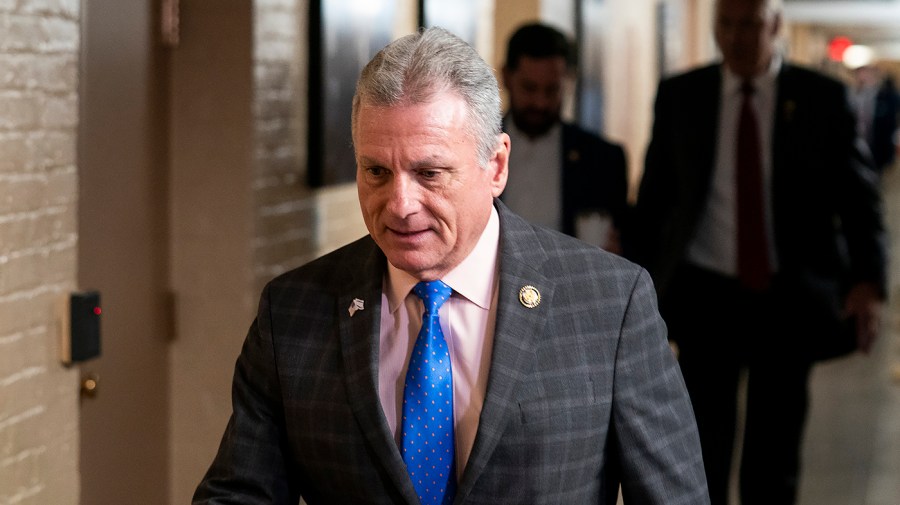
    House Republicans confirm that concessions are an unavoidable aspect of ongoing negotiations to restore the Iran nuclear deal. Representative Michael McCaul, a prominent voice on foreign policy, has publicly acknowledged that any successful diplomatic resolution to the Joint Comprehensive Plan of Action (JCPOA) will require compromise from all parties. These discussions, which commenced in April 2021, aim to re-establish the 2015 agreement designed to prevent Iran from developing nuclear weapons in exchange for sanctions relief. The acknowledgement underscores the complex realities of international diplomacy and the political balancing act required to revive the accord.

    The Joint Comprehensive Plan of Action (JCPOA)

    The Joint Comprehensive Plan of Action (JCPOA), commonly known as the Iran nuclear deal, was initially signed in July 2015. The signatories included Iran and the P5+1 group: China, France, Germany, Russia, the United Kingdom, and the United States. This landmark agreement sought to curtail Iran’s nuclear program through stringent limitations on uranium enrichment, restrictions on centrifuges, and enhanced monitoring by the International Atomic Energy Agency (IAEA). In return, Iran received relief from international sanctions that had significantly impacted its economy.

    The deal was predicated on the belief that a diplomatic pathway offered the most effective means to prevent nuclear proliferation in the Middle East. It established a framework for transparency and verification, aiming to provide the international community with confidence regarding the peaceful nature of Iran’s nuclear activities. The agreement represented years of meticulous negotiation and a significant shift in international relations with Iran.

    U.S. Withdrawal and Iranian Escalation

    The United States unilaterally withdrew from the JCPOA in May 2018 under the administration of then-President Donald Trump. This decision was based on arguments that the deal was insufficient to address Iran’s broader regional activities, its ballistic missile program, and its sunset clauses. The Trump administration subsequently re-imposed and expanded U.S. sanctions on Iran, initiating a policy of “maximum pressure.”

    Following the U.S. withdrawal, Iran began to progressively reduce its commitments under the JCPOA. Starting in July 2019, Iran announced a series of steps away from the deal’s restrictions. These actions included exceeding limits on enriched uranium stockpiles, enriching uranium to higher purities, and reducing cooperation with IAEA inspectors. These moves were framed by Tehran as a response to the U.S. sanctions and a means to pressure the remaining parties to uphold their commitments.

    The International Atomic Energy Agency (IAEA), the United Nations’ nuclear watchdog, has consistently reported on Iran’s escalating nuclear activities. IAEA Director General Rafael Grossi has repeatedly expressed concern over the diminishing transparency and the significant increase in Iran’s enriched uranium reserves. As of early 2026, IAEA reports confirm Iran’s uranium enrichment levels far exceed the 3.67% limit set by the JCPOA, reaching purities close to weapons-grade levels in some instances.

    The Current Diplomatic Endeavor

    Negotiations to restore the JCPOA commenced in Vienna, Austria, in April 2021. Representatives from the P4+1 (China, France, Germany, Russia, and the United Kingdom) have engaged directly with Iranian officials. The United States has participated indirectly in these talks, with European diplomats often serving as intermediaries. The primary objective is a mutual return to compliance: the U.S. would lift sanctions, and Iran would revert to the nuclear restrictions outlined in the 2015 agreement.

    The talks have been characterized by intermittent progress, significant setbacks, and periods of impasse. Key challenges include disagreements over the scope of sanctions relief, the sequencing of actions, and Iran’s demands for assurances that a future U.S. administration would not again withdraw from the deal. European diplomats have played a crucial role in maintaining momentum and bridging divides between Washington and Tehran.

    Core Obstacles in the Negotiations

    • Comprehensive Sanctions Relief: Iran insists on the lifting of all sanctions imposed since 2018, including those unrelated to nuclear activities. The U.S. has expressed willingness to lift nuclear-related sanctions but aims to retain others targeting human rights and terrorism.
    • Verification and Monitoring: The U.S. and its allies demand robust verification mechanisms to ensure Iran’s sustained compliance and to address the knowledge gap created by reduced IAEA access.
    • Guarantees Against Future Withdrawal: Iran seeks legally binding assurances that any future U.S. administration would honor the deal, a demand that U.S. constitutional structures make difficult to meet.
    • Regional Activities: While not part of the original JCPOA, some U.S. lawmakers and regional partners, particularly Israel and Saudi Arabia, advocate for addressing Iran’s ballistic missile program and its proxy activities in the Middle East.

    Congressional Scrutiny and Acknowledged Concessions

    U.S. House Republicans have maintained a critical stance on the Biden administration’s efforts to revive the JCPOA. They have consistently called for greater transparency regarding the details of the negotiations and have expressed concerns about potential concessions. Representative Michael McCaul (R-TX), the ranking member on the House Foreign Affairs Committee, has been a prominent voice in these discussions. In public statements and committee hearings, McCaul has acknowledged that the ongoing diplomatic process inherently involves concessions.

    This acknowledgement from a leading Republican indicates a recognition of the diplomatic realities. McCaul has stated that while concessions may be necessary for an agreement, their nature and extent must be carefully scrutinized to ensure U.S. national security interests are protected. He has highlighted the need for any restored deal to be stronger and more comprehensive than the original, addressing perceived shortcomings related to Iran’s missile program and regional destabilization.

    Republican Concerns Regarding a Revived Deal

    • Weakening Sanctions: Republicans worry that lifting sanctions could provide Iran with significant financial resources, potentially funding its regional proxies and military programs.
    • Insufficient Verification: Concerns persist that Iran could conceal aspects of its nuclear program if verification mechanisms are not sufficiently robust.
    • Sunset Clauses: Critics argue that the original JCPOA’s sunset clauses, which gradually lift restrictions on Iran’s nuclear program, remain a fundamental flaw.
    • Lack of Congressional Approval: Many Republicans argue that any new agreement should be submitted to Congress for approval as a treaty, ensuring legislative oversight.

    The dialogue within Congress reflects a broader debate about the efficacy of diplomacy versus sanctions in managing Iran’s nuclear ambitions. While some lawmakers advocate for a diplomatic solution as the most practical path to de-escalation, others warn against any agreement that might be perceived as rewarding Iran’s non-compliance.

    The Role of the International Atomic Energy Agency

    The International Atomic Energy Agency (IAEA) remains central to monitoring Iran’s nuclear program. Its reports provide independent assessments of Iran’s compliance with its safeguards obligations and any nuclear deal in place. Since the U.S. withdrawal from the JCPOA, the IAEA’s access and monitoring capabilities have been significantly curtailed by Iran.

    In February 2021, Iran began restricting some IAEA inspections, leading to a loss of continuity of knowledge regarding certain nuclear activities. This reduction in transparency has complicated international efforts to verify the peaceful nature of Iran’s program and has added urgency to the negotiations. IAEA Director General Grossi has consistently called for the restoration of full monitoring capabilities.

    Historical Context of Iran’s Nuclear Program

    Iran’s nuclear program has a long and complex history, dating back to the 1950s with initial support from the United States under the Atoms for Peace program. Following the 1979 Islamic Revolution, the program continued, leading to growing international concerns about its potential military dimensions. For decades, global efforts have focused on ensuring Iran’s nuclear program remains exclusively peaceful.

    The JCPOA was the culmination of years of diplomatic engagement, aimed at achieving a verifiable and peaceful resolution. Its negotiation involved extensive technical discussions and political maneuvering, reflecting the high stakes involved in preventing nuclear proliferation.

    Regional Implications and the Path Forward

    The potential restoration of the Iran nuclear deal carries significant implications for stability in the Middle East. Regional rivals, notably Israel and Saudi Arabia, have consistently voiced strong concerns about Iran’s nuclear program and its broader influence. A revived JCPOA could potentially de-escalate regional tensions by bringing Iran’s nuclear program back under international oversight and limiting its capabilities. Conversely, a failure to reach an agreement could lead to further escalation, heightened proliferation risks, and increased instability in an already volatile region.

    As of June 2026, negotiations continue, albeit without a clear timeline for conclusion. The U.S. administration maintains that diplomacy remains the preferred path to prevent Iran from acquiring nuclear weapons, while also reiterating that all options remain on the table. The acknowledged concessions by House Republicans highlight the intricate political and diplomatic landscape surrounding the deal. The ultimate outcome hinges on the willingness of all parties to navigate these complexities and find common ground.

    Diplomats meet. Leaders deliberate. Experts analyze. The world watches.

    Vienna.

  • Trump’s Rhetoric and Iran: A Former Advisor’s Warning on Nuclear Talks

    Trump’s Rhetoric and Iran: A Former Advisor’s Warning on Nuclear Talks

    The Shadow of Past Rhetoric on Future Diplomacy

    The words of former Deputy National Security Advisor Robert O’Brien in late June 2026 underscored a significant concern within foreign policy circles. O’Brien warned that the rhetoric employed by former President Donald Trump could severely jeopardize any future nuclear negotiations with Iran. This warning highlighted the delicate balance between domestic political discourse and international diplomatic efforts.

    O’Brien’s comments, made during a Bloomberg Television appearance, focused on the need for a unified American front. He argued that public statements, particularly those from influential political figures, carry weight on the global stage. Adversaries, he noted, analyze these statements for any sign of division or weakness within U.S. policy.

    The former advisor’s perspective was rooted in the understanding that trust and strategic leverage are hard-won assets in international relations. He suggested that if potential negotiating partners perceive internal disagreement or a lack of consistent resolve, they may be less inclined to make concessions or adhere to agreements.

    Why Rhetoric Matters in Geopolitics

    Diplomacy is often described as the art of the possible. This art relies heavily on perception and communication. When a nation engages in high-stakes negotiations, such as those concerning nuclear programs, every public statement is scrutinized by all parties involved.

    Robert O’Brien’s warning reflected this reality. He contended that strong, potentially inflammatory rhetoric, even if intended for a domestic audience, can be interpreted by foreign powers as a signal. This signal might indicate a lack of seriousness, a willingness to backtrack on commitments, or an internal political schism that can be exploited.

    The history of U.S.-Iran relations is fraught with mistrust and complex dynamics. The Joint Comprehensive Plan of Action (JCPOA), signed in 2015, stands as a testament to the challenges of such negotiations. Its subsequent withdrawal by the Trump administration in 2018 further complicated the landscape, creating a precedent that future diplomatic efforts must contend with.

    The Role of Presidential Language

    Presidential rhetoric, whether from a sitting president or a former one with significant political influence, often sets the tone for a nation’s foreign policy. This is particularly true when dealing with countries considered adversaries or rivals.

    O’Brien’s concern was not merely about the content of the rhetoric but its timing and potential impact on a very specific, sensitive issue: nuclear proliferation. He stressed that a consistent, measured approach is often more effective in building the necessary framework for successful negotiations.

    The concept of ‘speaking with one voice’ is a foundational principle of effective diplomacy. When multiple prominent American voices offer differing or contradictory stances on critical foreign policy issues, it can create confusion and diminish the perceived strength of the U.S. negotiating position.

    The Iran Nuclear Program: A Persistent Challenge

    Iran’s nuclear program has remained a central concern for international security for decades. The international community, led by the United States and its allies, has sought to prevent Iran from developing nuclear weapons while upholding its right to peaceful nuclear energy.

    Negotiations with Iran have historically been arduous, marked by periods of progress and significant setbacks. The current state of the program, as of June 2026, continues to be a subject of intense monitoring by international bodies like the International Atomic Energy Agency (IAEA).

    The stakes in these discussions are incredibly high. A nuclear-armed Iran could destabilize the Middle East, trigger a regional arms race, and pose a direct threat to global security. Therefore, the effectiveness of any diplomatic effort is paramount.

    Past Engagements and Future Prospects

    The JCPOA represented a multilateral agreement designed to curb Iran’s nuclear activities in exchange for sanctions relief. While the agreement faced considerable criticism, it did establish a framework for international oversight.

    The Trump administration’s decision to withdraw from the JCPOA and re-impose sanctions led to a period of heightened tensions. Iran subsequently began to exceed the limits on uranium enrichment set by the agreement, further complicating efforts to revive diplomatic solutions.

    As of 2026, the prospect of renewed negotiations remains a complex and uncertain path. Any future talks would likely involve not only the United States and Iran but also other world powers that were signatories to the original JCPOA, including China, France, Germany, Russia, and the United Kingdom.

    The Call for Unity in Foreign Policy

    Robert O’Brien’s remarks were a direct appeal for greater unity in American foreign policy discourse. He implied that political disagreements, while a hallmark of democracy, should be carefully managed when they pertain to national security and international negotiations.

    The former Deputy National Security Advisor’s experience in high-level diplomatic roles provided him with a direct understanding of how foreign governments interpret American political signals. His warning was not merely academic; it was grounded in practical experience.

    A consistent message from Washington, regardless of internal political transitions, is often seen as a sign of strength and reliability by other nations. Conversely, perceived disunity can embolden adversaries and complicate the task of allies.

    Building Consensus for National Security

    Achieving consensus on critical foreign policy issues is a perennial challenge in democratic societies. Different political factions often hold divergent views on how best to protect national interests and engage with the world.

    However, O’Brien’s argument suggested that there are moments when national interest demands a more cohesive public stance. Nuclear non-proliferation, given its global implications, often falls into this category.

    The balance between robust public debate and strategic diplomatic silence is a constant negotiation within government. O’Brien’s intervention served as a reminder that this balance has direct consequences for the nation’s ability to achieve its foreign policy objectives.

    The Long Game of International Relations

    International relations are rarely a short-term endeavor. They involve a continuous process of negotiation, signaling, and relationship building that spans administrations and political cycles.

    The impact of rhetoric, therefore, can have a long tail. A statement made today can influence perceptions and diplomatic positions years into the future. This long-term perspective is what O’Brien’s warning sought to emphasize.

    For the United States, maintaining credibility and predictability on the world stage is a crucial asset. When rhetoric undermines these qualities, it can make future diplomatic endeavors more difficult and potentially more costly.

    Navigating a Multipolar World

    In a global landscape that is increasingly multipolar, the United States navigates complex relationships with both allies and rivals. The ability to project a clear and consistent foreign policy vision is more important than ever.

    O’Brien’s comments resonated with a broader concern among foreign policy experts regarding the erosion of traditional diplomatic norms. The rise of social media and the 24/7 news cycle have amplified the reach and potential impact of political rhetoric, making careful communication even more critical.

    The challenge lies in finding a way for political leaders to engage with their domestic bases while simultaneously maintaining the gravitas and strategic ambiguity often required for effective international diplomacy.

    Diplomats gathered. Strategists conferred. National Security Advisors warned. Leaders debated. The world watched.

    Iran.

  • U.S.-Iran MOU Poll: Why Americans Say Tehran Wins

    U.S.-Iran MOU Poll: Why Americans Say Tehran Wins

    Thirty-three percent of American voters look at the new Memorandum of Understanding between Washington and Tehran and see a victory for the Islamic Republic. A June 2026 poll conducted by The Hill and HarrisX quantifies a growing domestic unease with the Biden administration’s unwritten diplomatic framework. The survey of 2,500 registered voters reveals that 33.4 percent believe the agreement provides more tangible benefits to Iran than to the United States. Only 28 percent believe Washington secured the better end of the bargain. The remaining 38.6 percent remain undecided.

    The numbers reflect a specific reaction to the mechanics of the deal. The MOU, finalized in Muscat, Oman, earlier this year, operates outside the traditional boundaries of a formal treaty. It relies on reciprocal, unwritten pauses. The United States agreed to ease enforcement of specific economic sanctions. Iran agreed to cap uranium enrichment at 60 percent and halt proxy attacks on American forces in Iraq and Syria. The American public remains unconvinced by this arrangement.

    Voters see the oil exports. They see the unfreezing of assets. They do not see corresponding, irreversible Iranian concessions. This asymmetry drives the polling data. The administration framed the MOU as a necessary de-escalation tool in a volatile Middle East. A significant portion of the electorate views it as an unearned financial lifeline for a designated state sponsor of terrorism.

    The Demographics of Skepticism

    The Hill/HarrisX poll exposes sharp partisan divides. Fifty-eight percent of Republican respondents categorized the MOU as a concession to Tehran. Only 18 percent of Democrats shared that assessment. The defining metric, however, rests with independent voters.

    Thirty-seven percent of unaffiliated voters believe Tehran secured the better deal. This demographic often dictates the outcome of national elections. Their skepticism alarms political strategists inside the Beltway. Independent voters cite economic factors and national security concerns at nearly equal rates. They express doubt that an unwritten agreement can constrain a nation with a history of nuclear obfuscation.

    Geography also plays a role in the polling data. Voters in the Midwest and South expressed higher levels of distrust regarding the MOU compared to voters on the coasts. Polling analysts attribute this to the messaging of regional political leaders. Republican governors and senators in these regions have consistently campaigned on hardline foreign policy platforms. Their rhetoric shapes local perceptions of international agreements.

    Anatomy of the Muscat Agreement

    Understanding the voter backlash requires examining the MOU itself. The agreement is not a signed document. It is a series of mutual understandings brokered by Omani Foreign Minister Badr Albusaidi. The Biden administration deliberately chose this format. A formal treaty requires a two-thirds majority in the United States Senate. An unwritten understanding bypasses that constitutional hurdle.

    The core of the American concession involves sanctions enforcement. The United States maintains a complex web of economic sanctions against Iran. Under the MOU, the Treasury Department’s Office of Foreign Assets Control (OFAC) quietly relaxed its pursuit of foreign entities purchasing Iranian crude oil. The results were immediate.

    Iran currently exports approximately 1.5 million barrels of oil per day. The vast majority of this crude flows to independent “teapot” refineries in China’s Shandong province. The revenue from these sales bypasses the traditional global banking system. It provides Tehran with billions of dollars in hard currency. The June 2026 poll indicates that American voters are acutely aware of this financial shift.

    The Qatari Banking Channel

    The MOU also formalized the status of previously frozen Iranian funds. In late 2023, the United States allowed South Korea to transfer $6 billion in Iranian oil revenues to a restricted account at the central bank in Doha, Qatar. The 2026 MOU maintains this arrangement.

    The State Department insists these funds are strictly earmarked for humanitarian goods. Food, medicine, and agricultural products are permitted. Direct cash transfers are forbidden. Critics argue that money is fungible. By covering humanitarian costs with the Qatari funds, Tehran frees up domestic revenue for military expenditures. The polling data suggests a third of the American electorate agrees with this fungibility argument.

    Enrichment Caps and the IAEA

    Iran’s nuclear program remains the central focus of the diplomatic effort. Under the MOU, Tehran agreed to halt the enrichment of uranium beyond 60 percent purity. Weapons-grade uranium requires 90 percent purity. The 60 percent threshold represents a dangerous proximity to a nuclear breakout, but it stops short of weaponization.

    The agreement also granted the International Atomic Energy Agency (IAEA) limited access to key facilities. Director General Rafael Grossi negotiated the reinstallation of specific monitoring cameras at the Natanz and Fordow enrichment plants. However, the access remains conditional. Iran retains the right to withhold the camera footage from the IAEA.

    This conditional transparency fuels domestic skepticism. Voters remember the strict verification protocols of the past. The current arrangement relies heavily on Iranian goodwill. For 33 percent of the electorate, that goodwill does not exist. They view the 60 percent cap not as a concession, but as a normalized baseline for future extortion.

    Capitol Hill and the Treaty Debate

    The public skepticism mirrors the ongoing battle in Congress. The House Foreign Affairs Committee, led by Chairman Michael McCaul (R-Texas), has aggressively challenged the legality of the MOU. McCaul argues that the administration is violating the Iran Nuclear Agreement Review Act (INARA) of 2015.

    INARA requires the president to submit any new nuclear agreement with Iran to Congress for review. The Biden administration maintains that the MOU is not an “agreement” under the statutory definition of the law. They classify it as a temporary de-escalation measure. This legal maneuvering frustrates lawmakers from both parties.

    Senator Jim Risch (R-Idaho), the ranking member of the Senate Foreign Relations Committee, has threatened to subpoena State Department officials regarding the exact terms negotiated in Muscat. Even some Democrats, including Senator Ben Cardin (D-Md.), have publicly questioned the lack of congressional oversight. When voters see bipartisan friction on Capitol Hill, their confidence in the underlying policy drops.

    Proxy Militias and Regional Security

    The MOU extends beyond nuclear centrifuges and oil revenues. It attempts to address Iran’s network of regional proxy militias. Tehran provides funding, weapons, and training to Hezbollah in Lebanon, the Houthis in Yemen, and various Shia militias in Iraq and Syria.

    The unwritten agreement includes a commitment from Iran to rein in these groups. The administration demanded a cessation of attacks on American military bases in the region. This demand followed the deadly drone strike at Tower 22 in Jordan in early 2024, which killed three American soldiers. The MOU seeks to prevent a repeat of that escalation.

    However, the enforcement mechanism is nonexistent. The Houthis continue to disrupt commercial shipping in the Red Sea. Hezbollah maintains a constant barrage of rocket fire into northern Israel. American voters watch these events unfold on evening news broadcasts. The disconnect between the diplomatic promises made in Oman and the kinetic reality on the ground in the Middle East drives the negative polling numbers.

    The Shadow of the JCPOA

    The 2026 MOU cannot escape the shadow of its predecessor. The Joint Comprehensive Plan of Action (JCPOA), signed in 2015 under the Obama administration, remains the benchmark for American diplomacy with Iran. The JCPOA was a 159-page document. It included rigorous, legally binding limitations on Iran’s nuclear infrastructure.

    The Trump administration withdrew from the JCPOA in 2018, initiating a policy of “maximum pressure.” The Biden administration spent its first three years attempting to revive the 2015 deal. Those efforts failed. The current MOU is the resulting fallback position.

    Voters inevitably compare the two frameworks. The JCPOA, despite its flaws and fierce domestic opposition, offered tangible verification. The 2026 MOU offers informal understandings. For voters who opposed the JCPOA, the MOU is a weaker version of a bad deal. For voters who supported the JCPOA, the MOU is an inadequate substitute. This dynamic creates a unique political environment where the agreement struggles to find a dedicated constituency.

    The European Union and the E3

    The American perception of the MOU is also influenced by the reaction of traditional allies. The E3, Germany, France, and the United Kingdom, were original signatories to the JCPOA. Their stance on the 2026 MOU has been notably muted.

    European diplomats, led by EU coordinator Enrique Mora, have facilitated back-channel communications between Washington and Tehran. However, the E3 have not formally endorsed the unwritten framework. They remain concerned about Iran’s ballistic missile program and its military support for Russia in the ongoing European conflict. The lack of enthusiastic European backing signals to American voters that the MOU is a fragile, unilateral American endeavor.

    The Election Year Factor

    Timing amplifies the scrutiny. The June 2026 poll arrives five months before the midterm elections. Foreign policy rarely dictates congressional races, but the U.S.-Iran MOU has become a prominent talking point in key battleground states.

    Republican super PACs have already launched television advertisements in Ohio and Montana. The ads link Democratic incumbents to the sanctions relief granted under the MOU. They highlight the Iranian oil tankers docking in Chinese ports. The messaging is designed to portray the administration as weak on national security.

    The polling data suggests this strategy is effective. By framing the diplomatic framework as a financial victory for Tehran, political campaigns tap into decades of entrenched American distrust regarding the Islamic Republic. The 1979 hostage crisis, the Marine barracks bombing in Beirut, and the funding of modern proxy wars create a formidable psychological barrier to diplomatic acceptance.

    The Terminal Drop

    The numbers remain fixed. The diplomats drafted the terms. The politicians debated the legality. The pollsters recorded the skepticism. Washington waited. Tehran profited. Silence.

  • Rep. Tim Burchett Warns the Fine Print of the 2026 U.S.-Iran Framework Is Critical

    Rep. Tim Burchett Warns the Fine Print of the 2026 U.S.-Iran Framework Is Critical

    The unwritten terms of the June 2026 U.S.-Iran nuclear framework hinge entirely on the fine print, according to Representative Tim Burchett. As the State Department negotiates through Omani intermediaries to cap Iranian uranium enrichment at 60 percent in exchange for sanctions relief, the Tennessee Republican warns that broad diplomatic strokes mean nothing. The focus remains on verifiable commitments, the exact dollar amounts of unfrozen assets, and the long-term security implications for the Middle East. What looks like a de-escalation strategy in Washington can quickly fund proxy conflicts if the details fail to protect American interests.

    This is not a new dynamic for the House Foreign Affairs Committee. The history of U.S.-Iran relations is defined by mistrust, complex backchannel negotiations, and agreements that are heavily scrutinized by lawmakers on both sides of the aisle. The stakes in 2026 involve nuclear non-proliferation, the security of Red Sea shipping lanes, and the global energy market. When a representative like Burchett emphasizes the details, it signals a broader congressional intent to examine every clause, every financial waiver, and every enforcement protocol before allowing the executive branch to bypass legislative oversight.

    Burchett has consistently argued that money is fungible. When the United States unfreezes billions of dollars in Iranian assets, even if restricted to humanitarian use, it frees up equivalent funds in Tehran’s domestic budget. Those domestic funds, Burchett notes, are routinely funneled to the Islamic Revolutionary Guard Corps (IRGC). The fine print of the 2026 framework is not just about uranium; it is about the exact mechanisms tracking where the money flows.

    The 2026 Framework and the Omani Backchannel

    Diplomatic agreements with Tehran are rarely signed on public stages. They are intricate webs of conditional actions, phased relief, and unwritten understandings. In the context of the June 2026 negotiations, the talks are mediated by officials in Muscat, Oman, and Doha, Qatar. The Biden administration seeks to limit Iran’s nuclear program and curb its support for proxy groups. Iran seeks relief from economic sanctions and access to billions of dollars tied up in foreign banks.

    The challenge lies in the sequencing and the verification. The State Department, led by figures like Middle East coordinator Brett McGurk, has pursued an unwritten “understanding” rather than a formal treaty. This approach theoretically avoids triggering the Iran Nuclear Agreement Review Act (INARA) of 2015, which requires congressional approval for formal nuclear treaties with Iran. Burchett and his colleagues on the Foreign Affairs Committee view this strategy as a deliberate evasion of the law.

    If the U.S. issues sanctions waivers too quickly, it loses leverage. If Iran feels the economic relief is delayed, it accelerates its nuclear activities. The details Burchett refers to are the exact mechanisms that govern this delicate balance. How are banking transactions monitored in Doha? What is the timeline for the Iraqi electricity waivers? What happens if Iran resumes 90 percent weapons-grade enrichment? These are the specific questions that define the framework.

    The Precedent of Frozen Assets

    A critical component of the 2026 negotiations involves the continuous renewal of sanctions waivers. In previous years, such as the late 2023 transfer of $6 billion from South Korea to Qatar, the funds were ostensibly locked down for food and medicine. By 2026, the focus has shifted to roughly $10 billion in Iraqi payments for Iranian electricity, held in escrow accounts in Oman.

    Burchett has repeatedly pointed out the flaws in this financial architecture. The Treasury Department insists the funds are heavily monitored. However, Burchett argues that the mere availability of these funds emboldens Tehran. The details matter because the banking protocols dictating how these funds are disbursed are notoriously opaque. Lawmakers demand to see the exact treasury guidance provided to Omani banks to ensure no loopholes exist.

    Burchett’s Demand for INARA Compliance

    The political environment in Washington heavily influences how any U.S.-Iran arrangement is executed. Congress established INARA to ensure lawmakers have a voice in the process and can hold the administration accountable. The legislation mandates that any agreement related to Iran’s nuclear program be submitted to Congress for a review period.

    When Burchett states that the details are critical, he is challenging the administration’s classification of the deal as an “unwritten understanding.” Chairman Michael McCaul and other committee members have subpoenaed documents and demanded briefings to drag the details into the light. There is a strong consensus among Republicans that past financial concessions have directly funded Iran’s broader destabilizing activities across the region.

    Any new financial waiver faces intense scrutiny. Lawmakers are dissecting the text of the Treasury Department’s communications to ensure they do not compromise national security. Bypassing INARA, according to Burchett, sets a dangerous precedent where the executive branch can alter global security dynamics without the consent of the American people.

    Verification at Fordow and Natanz

    Beyond the money, the physical verification of Iran’s nuclear sites remains a massive hurdle. The International Atomic Energy Agency (IAEA), led by Director General Rafael Grossi, plays a central role in monitoring facilities like Fordow and Natanz. However, Iran removed dozens of IAEA surveillance cameras in 2022, creating a massive blind spot that persists into 2026.

    Burchett has highlighted this lack of visibility. An agreement to cap enrichment at 60 percent is meaningless if inspectors cannot verify the centrifuge cascades. Recent IAEA reports in May 2026 indicated that Iran had installed advanced IR-6 centrifuges deep underground at Fordow. The level of access granted to inspectors, the frequency of unannounced visits, and the protocols for resolving disputes are the specific details Burchett demands to see.

    Enforcement mechanisms are equally critical. If Iran is found to be enriching uranium beyond the agreed limit, what are the immediate consequences? The concept of “snapback” sanctions is often debated, but its effectiveness depends on European allies in London, Paris, and Berlin actually enforcing the penalties. The details of how these snapback mechanisms are triggered without a formal UN Security Council resolution are a primary concern for the House Foreign Affairs Committee.

    The Proxy Funding Equation

    A U.S.-Iran deal does not exist in a vacuum. It has profound implications for the broader Middle East and for U.S. allies like Israel and Saudi Arabia. These nations view Iran as an existential threat and are deeply concerned about any financial relief that might legitimize Tehran’s government. They fear that unfreezing assets directly correlates to increased rocket fire and drone attacks across the region.

    Burchett frequently connects the dots between sanctions relief and proxy violence. The Houthis in Yemen, heavily armed by the IRGC, have continually disrupted global shipping in the Red Sea and the Bab el-Mandeb strait throughout 2025 and 2026. Hezbollah in Lebanon and Hamas in Gaza rely on Iranian logistics and funding to maintain their operations. Burchett argues that ignoring these proxies in the nuclear negotiations is a fatal flaw in the administration’s strategy.

    The details of the 2026 framework must address these regional realities. Lawmakers are looking for assurances that the agreement does not alter the balance of power. They are examining whether the unwritten understanding includes any verifiable halt to the production of Shahed-136 suicide drones, which Iran has not only used in the Middle East but also exported heavily to Russia.

    The Broader Geopolitical Context

    The U.S.-Iran dynamic is further complicated by the roles of Moscow and Beijing. Both countries have significant economic and strategic interests in Iran. China remains the largest buyer of illicit Iranian crude oil, effectively keeping the Iranian economy afloat despite U.S. sanctions. Russia relies on Iranian drone technology for its ongoing military operations.

    Burchett has noted that dealing with Iran in 2026 means dealing with this broader autocratic axis. Sanctions relief granted by Washington might simply facilitate easier trade between Tehran and Beijing. The details of the Treasury Department’s enforcement of secondary sanctions on Chinese independent refineries, known as “teapots”, are just as important as the nuclear enrichment caps.

    Congressional Oversight and the Next Steps

    As the summer of 2026 progresses, the standoff between the House Foreign Affairs Committee and the State Department continues. Burchett and his colleagues are preparing further legislative roadblocks to prevent the unilateral unfreezing of Iranian assets. They are drafting amendments to the National Defense Authorization Act (NDAA) to explicitly tie any sanctions waivers to INARA compliance.

    The focus remains strictly on the fine print. Broad promises of de-escalation hold no weight in congressional hearings. The exact text of banking waivers, the precise number of operating centrifuges at Natanz, and the specific telemetry data of Houthi missile launches are the metrics by which this framework will be judged.

    Representative Tim Burchett has made the strategy clear. The committee will pull at every thread. They will demand every document. They will question every Treasury official involved in the Omani backchannel. The era of unwritten understandings passing without scrutiny has ended.

    Diplomats drafted memos. Inspectors calibrated cameras. Lawmakers read the fine print. Washington.

  • ‘Iran Gets All the Benefits’ – Cory Booker Condemns Trump Diplomatic Framework

    ‘Iran Gets All the Benefits’ – Cory Booker Condemns Trump Diplomatic Framework

    Senator Cory Booker (D-NJ) publicly condemned Donald Trump’s proposed diplomatic framework with Iran during a June 2026 Senate Foreign Relations Committee hearing, stating that “Iran gets all of the benefits” while the United States surrenders strategic leverage. Booker argued that the arrangement provides Tehran with immediate sanctions relief and access to billions in frozen international assets without imposing strict, verifiable limits on its uranium enrichment program or dismantling its regional proxy networks. The debate marks a critical inflection point in Washington’s ongoing struggle to contain the Islamic Republic’s nuclear ambitions.

    The Senate Floor Confrontation

    The Dirksen Senate Office Building served as the battleground on June 18, 2026. Lawmakers gathered to review the latest iteration of executive-branch diplomacy regarding the Persian Gulf. The room was tense. The stakes were absolute. Senator Cory Booker took the microphone and delivered a surgical dismantling of the proposed framework. He did not mince words. He targeted the financial mechanics of the deal. He targeted the verification protocols. He targeted the fundamental premise of trusting Tehran.

    “We are looking at a document where Iran gets all of the benefits up front,” Booker stated, leaning into the microphone. “The cash flows immediately. The sanctions lift immediately. But the inspections? The dismantling of the centrifuge cascades? Those are pushed down the road. We are trading hard currency for vague promises.”

    The critique struck at the heart of the ongoing negotiations. For months, back-channel discussions brokered through Oman and Qatar had hinted at a new understanding between Washington and Tehran. The goal was to de-escalate tensions in the Strait of Hormuz and cap Iran’s nuclear program. But the details leaked to the Senate Foreign Relations Committee painted a picture of asymmetric concessions. Booker’s vocal opposition signaled that the executive branch would face fierce, bipartisan resistance on Capitol Hill.

    Anatomy of the Disputed Framework

    To understand the outrage, one must look at the ledger. The proposed Trump diplomatic framework rests on a controversial exchange of capital for compliance. On the American side, the administration would issue waivers allowing foreign banks to unfreeze Iranian oil revenues. On the Iranian side, Tehran would agree to cap its uranium enrichment at 60 percent purity and halt attacks by its proxy forces against American personnel in Iraq and Syria.

    The Asset Unfreezing Mechanism

    The numbers are massive. Financial analysts estimate that Iran has approximately $15 billion locked in restricted accounts across South Korea, Iraq, and Japan. Under the 2026 framework, these funds would be transferred to central banks in Doha, Qatar, and Muscat, Oman. The stated rule is that Tehran can only draw on these funds for humanitarian purchases like food, medicine, and agricultural goods. Booker and his allies reject this premise entirely.

    Money is fungible. When a government receives billions for domestic necessities, it frees up billions in its sovereign budget for military expenditures. The United States Treasury Department has historically struggled to track every dollar moving through the Middle Eastern banking sector. The moment the funds hit Qatari accounts, American leverage vanishes. Tehran knows this. Washington knows this.

    Sanctions Relief vs. Nuclear Oversight

    The second pillar of the framework involves the International Atomic Energy Agency (IAEA). The United Nations nuclear watchdog, led by Director General Rafael Grossi, has faced unprecedented obstruction from Iranian officials over the past three years. Cameras at nuclear sites have been blinded. Inspectors have been denied visas. The new framework asks Iran to restore some monitoring equipment, but it stops short of the “anytime, anywhere” inspection mandates that defined earlier diplomatic efforts.

    Booker highlighted this discrepancy. He pointed out that allowing Iran to maintain enrichment at 60 percent, a short technical step away from the 90 percent purity required for a nuclear weapon, while restricting IAEA access is a recipe for disaster. The centrifuges keep spinning. The breakout time shrinks. The international community remains blind to the most critical aspects of the program.

    The Long Shadow of the 2015 JCPOA

    The current crisis cannot be understood without examining the wreckage of the past decade. The geopolitical architecture of the Middle East was fundamentally altered in 2015 when the Obama administration, alongside the P5+1 nations, signed the Joint Comprehensive Plan of Action (JCPOA). The original deal imposed severe limits on Iran’s nuclear infrastructure in exchange for sweeping sanctions relief. It was highly controversial. It was deeply polarizing.

    In May 2018, Donald Trump unilaterally withdrew the United States from the JCPOA. He instituted a “Maximum Pressure” campaign, reimposing crippling economic sanctions designed to force Tehran back to the negotiating table for a broader, more restrictive treaty. The Iranian economy cratered. The rial lost immense value. But the political outcome did not match the economic devastation. Supreme Leader Ayatollah Ali Khamenei refused to capitulate.

    Instead of folding, Iran accelerated. They breached the JCPOA limits. They installed advanced IR-6 centrifuges at the deeply buried Fordow facility. They expanded operations at Natanz. By the time indirect talks resumed in Vienna during the Biden administration, Iran was a threshold nuclear state. The 2026 framework is an attempt to manage this reality, but critics like Booker argue it rewards Tehran’s nuclear extortion.

    Tehran’s Economic Lifeline

    The economic reality inside Iran dictates their negotiating strategy. The Islamic Republic relies heavily on illicit oil exports to sustain its economy. A vast “ghost fleet” of tankers routinely bypasses American sanctions, delivering millions of barrels of crude oil to independent refineries in China. This dark economy provides a baseline of survival, but it is not enough to fund the state’s ambitious regional goals.

    The unfreezing of $15 billion represents a massive injection of capital. It equates to roughly a quarter of Iran’s annual government budget. For a nation grappling with hyperinflation, regular labor strikes, and widespread domestic unrest, this financial relief is a lifeline. Booker’s argument is that providing this lifeline removes the only pressure point the United States has left. If the regime is stabilized financially, they have no incentive to make permanent concessions on their nuclear program.

    Regional Proxies and the Security Vacuum

    The debate in the Senate extends far beyond uranium isotopes. Iran’s grand strategy relies on an “Axis of Resistance”, a network of heavily armed proxy militias funded, trained, and directed by the Islamic Revolutionary Guard Corps (IRGC) and its elite Quds Force. These groups operate across the sovereign borders of the Middle East, projecting Iranian power and destabilizing American allies.

    In Lebanon, Hezbollah possesses an arsenal of precision-guided munitions capable of striking anywhere in Israel. In Yemen, the Houthi movement has repeatedly disrupted global maritime trade in the Red Sea and the Bab el-Mandeb Strait, firing anti-ship ballistic missiles at commercial vessels. In Iraq and Syria, Shia militias routinely launch drone strikes against American military installations.

    Booker and his colleagues on the Foreign Relations Committee argue that any deal providing financial relief to Tehran directly subsidizes these proxy groups. The IRGC controls vast sectors of the Iranian economy. Financial firewalls designed to separate humanitarian aid from military funding are notoriously porous in a command economy controlled by the military elite. Every dollar unfrozen in Qatar is a dollar that can theoretically buy drones for the Houthis or rockets for Hezbollah.

    The Bipartisan Ripple Effect

    Booker is not a lone voice in the wilderness. His statements reflect a growing bipartisan consensus on Capitol Hill that executive-branch diplomacy regarding Iran requires strict legislative oversight. The scars of the 2015 JCPOA debate remain fresh in the Senate. Lawmakers from both parties are acutely aware of the political risks associated with perceived appeasement of the Islamic Republic.

    Republican senators, including Lindsey Graham and Ted Cruz, have long advocated for a hardline approach, demanding the complete dismantling of Iran’s nuclear infrastructure. They view the 2026 framework as a capitulation. The fact that a prominent Democrat like Cory Booker is echoing these concerns regarding the asymmetry of the deal signals significant trouble for the administration. It indicates that the framework lacks the political durability required to survive a change in congressional leadership.

    The Iran Nuclear Agreement Review Act (INARA) of 2015 theoretically gives Congress the right to review and potentially block sanctions relief. However, the executive branch has historically utilized national security waivers to bypass direct congressional approval for specific financial unfreezing mechanisms. Booker’s public condemnation is a warning shot. It is a demand that the Senate be given a vote on the final terms of any arrangement.

    The Geopolitics of Enrichment

    To grasp the gravity of Booker’s warning, one must understand the physics of uranium enrichment. Natural uranium contains about 0.7 percent of the fissile U-235 isotope. Power reactors require uranium enriched to about 3.5 to 5 percent. Medical research reactors use 20 percent. Weapons-grade uranium requires 90 percent purity.

    The jump from 20 percent to 60 percent is technically demanding. The jump from 60 percent to 90 percent is relatively simple. It requires far less time and fewer centrifuge cascades. By allowing Iran to maintain a stockpile of 60 percent enriched uranium, the proposed framework institutionalizes Iran’s status as a threshold nuclear state. They remain parked right on the edge of weaponization.

    Booker’s insistence that “Iran gets all of the benefits” is rooted in this timeline. The United States gives up its economic leverage permanently. The money leaves the restricted accounts. The sanctions architecture is dismantled. But Iran’s nuclear capability remains intact, merely paused. If Tehran decides to dash for a bomb in the future, the United States will have already spent its most potent non-military deterrent.

    The Enforcement Problem

    Even if the framework is signed, enforcement remains a critical vulnerability. The global financial system, heavily reliant on the SWIFT messaging network, is designed to track legitimate commerce. But Iran has spent decades building alternative financial networks. They utilize cryptocurrency, hawala money transfer systems, and front companies in the United Arab Emirates and Turkey to move capital.

    If the United States unfreezes billions, tracking that money becomes an intelligence nightmare. The Treasury Department’s Office of Foreign Assets Control (OFAC) is highly capable, but it is not omniscient. Booker’s skepticism is shared by intelligence professionals who understand the limits of financial surveillance. Once the capital is injected into the Iranian system, it becomes untraceable. The leverage is gone.

    The Terminal Drop

    The hearing room emptied. The microphones were cut. The memos circulated through the halls of the Dirksen building. The policy experts debated the physics of uranium and the mechanics of international banking. The executive branch defended its diplomacy. The senators drafted their opposition. The dollars waited in foreign vaults. Tehran watched.

  • Trump’s Iran Deal Faces Fragile 60-Day Test – Geopolitical Tensions Mount

    Trump’s Iran Deal Faces Fragile 60-Day Test – Geopolitical Tensions Mount

    Donald Trump’s original Iran nuclear deal, formally known as the Joint Comprehensive Plan of Action (JCPOA), is confronting a fragile 60-day test in 2026. This period is defined by intense geopolitical pressures and a delicate balance of diplomatic efforts, aiming to either salvage or redefine the parameters of Iran’s nuclear program and its relationship with global powers.

    The JCPOA, initially signed in Vienna on July 14, 2015, involved Iran and the P5+1 group, China, France, Germany, Russia, the United Kingdom, and the United States, plus the European Union. It aimed to ensure the peaceful nature of Iran’s nuclear activities in exchange for sanctions relief.

    However, the United States withdrew from the agreement on May 8, 2018, under the Trump administration. This decision led to the re-imposition of stringent U.S. sanctions against Tehran.

    This withdrawal significantly complicated international efforts to contain Iran’s nuclear ambitions and created the current volatile environment.

    The Genesis of the JCPOA and U.S. Withdrawal

    The Joint Comprehensive Plan of Action represented a landmark diplomatic achievement. It sought to prevent Iran from developing nuclear weapons by imposing strict limits on its enrichment capabilities and opening its facilities to extensive international inspections.

    In return, Iran received relief from international sanctions that had crippled its economy.

    The agreement mandated a significant reduction in Iran’s centrifuges, a cap on uranium enrichment levels, and the modification of its heavy water reactor at Arak.

    The International Atomic Energy Agency (IAEA) was tasked with verifying Iran’s compliance through continuous monitoring and on-site inspections.

    On May 8, 2018, President Donald Trump announced the U.S. withdrawal from the JCPOA. He cited concerns that the deal did not adequately address Iran’s ballistic missile program or its destabilizing activities in the Middle East.

    The Trump administration then initiated a ‘maximum pressure’ campaign, imposing new and expanded sanctions targeting Iran’s oil exports, financial institutions, and key sectors of its economy.

    This unilateral action was met with strong disapproval from the European signatories (France, Germany, UK), China, and Russia, who maintained their commitment to the deal.

    They argued that the JCPOA, despite its imperfections, remained the best mechanism for preventing Iran from acquiring nuclear weapons.

    Iran’s Escalating Nuclear Activities Post-2018

    Following the U.S. withdrawal and the re-imposition of sanctions, Iran began to incrementally scale back its commitments under the JCPOA. Tehran argued that it was no longer bound by the agreement’s terms if the other signatories failed to uphold their end, particularly regarding sanctions relief.

    Starting in May 2019, Iran announced a series of steps to reduce its compliance. These actions included exceeding the 3.67% enrichment limit, increasing its stockpile of enriched uranium beyond the 300-kilogram threshold, and restarting enrichment at the Fordow Fuel Enrichment Plant.

    By 2021, Iran had also begun enriching uranium to 20% purity at Fordow and later to 60% purity at Natanz, significantly shortening its ‘breakout time’, the theoretical time needed to produce enough weapons-grade uranium for a single nuclear device.

    The IAEA consistently reported on these escalating activities, expressing growing concern over the lack of full transparency and access to certain sites and surveillance data.

    These developments have heightened international anxieties, as 60% enrichment is a short technical step away from weapons-grade 90% purity.

    The Geopolitical Chessboard of 2026

    The current 60-day test period in 2026 unfolds against a backdrop of complex and interconnected regional conflicts. The Middle East remains a hotbed of proxy wars and geopolitical rivalries, with Iran often at the center.

    Tensions between Iran and Saudi Arabia, Israel, and other Gulf states continue to simmer, occasionally flaring into direct confrontations or cyberattacks.

    The conflict in Yemen, the political instability in Iraq, and the ongoing civil war in Syria all feature Iranian influence and support for various non-state actors.

    These regional dynamics complicate any diplomatic efforts to revive or renegotiate the JCPOA. Any concession made to Iran by Western powers is often viewed with suspicion by its regional adversaries.

    The United States, under its current administration, faces the challenge of balancing its strategic interests in the region with its commitment to non-proliferation. European powers, particularly France, Germany, and the UK (E3), have consistently advocated for a return to the JCPOA or a modified agreement.

    China and Russia, also signatories to the original deal, have maintained their support for the JCPOA, often criticizing U.S. sanctions and advocating for their removal.

    Diplomatic Maneuvers and Potential Pathways

    As the 60-day test progresses, diplomatic channels are working overtime. Multiple proposals are likely on the table, ranging from a full return to the original JCPOA to a ‘JCPOA-plus’ agreement that addresses ballistic missiles and regional activities, or even a ‘less-for-less’ interim deal.

    A full return to the JCPOA would require the United States to lift its sanctions and Iran to roll back its nuclear advancements. This path faces significant domestic political opposition in both the U.S. and Iran.

    A ‘JCPOA-plus’ agreement, often favored by European nations and Israel, would seek to expand the scope of the deal. It would include provisions on ballistic missiles, Iran’s regional proxy networks, and a longer duration for nuclear restrictions.

    Iran has consistently rejected negotiations on its missile program and regional policies, viewing them as matters of national sovereignty and defense.

    An interim ‘less-for-less’ deal could involve a temporary freeze on some of Iran’s nuclear activities in exchange for limited sanctions relief. This could buy time for more comprehensive negotiations but risks being perceived as weak by various stakeholders.

    The role of international mediators, such as the European Union’s foreign policy chief, remains crucial in facilitating communication between Washington and Tehran, given the lack of direct diplomatic ties.

    The Economic Impact and Domestic Pressures

    The economic impact of U.S. sanctions on Iran has been severe. The sanctions have stifled Iran’s oil exports, restricted its access to international financial markets, and contributed to high inflation and unemployment within the country.

    This economic pressure has generated significant domestic discontent and protests within Iran. The Iranian government faces a balancing act: maintaining its nuclear program and regional influence while trying to alleviate economic hardship for its citizens.

    The upcoming 60-day period will also be influenced by domestic political considerations in both the U.S. and Iran. In the United States, any deal with Iran is a highly politicized issue, with strong opinions on both sides of the political spectrum.

    In Iran, hardliners often advocate for a confrontational stance against Western pressure, while pragmatists may seek a path toward sanctions relief.

    The outcome of this test will significantly shape Iran’s economic trajectory and its domestic political landscape for the foreseeable future.

    International Oversight and Verification

    The International Atomic Energy Agency (IAEA) plays a pivotal role in monitoring Iran’s nuclear program. Its reports provide critical, independent assessments of Iran’s compliance with international safeguards and its commitments under the JCPOA.

    During this 60-day period, IAEA Director General Rafael Grossi and his team will continue their inspections and technical analyses. Their findings will be crucial for informing policy decisions by the P5+1 nations and the broader international community.

    The IAEA’s ability to conduct robust verification, including access to all declared and undeclared sites, remains a key concern. Iran has, at times, restricted access or removed surveillance equipment, raising alarms among Western powers.

    Any new or modified agreement would need to ensure the IAEA has the necessary authority and resources to provide credible assurances that Iran’s nuclear program remains exclusively peaceful.

    The integrity of the international verification regime is paramount for building trust and ensuring the long-term stability of any diplomatic solution.

    The Stakes for Global Non-Proliferation

    The outcome of the 60-day test period for the Trump Iran Deal carries significant implications for global nuclear non-proliferation efforts. A failure to manage Iran’s nuclear program effectively could set a dangerous precedent for other nations contemplating nuclear weapons development.

    Should diplomatic efforts collapse, and Iran further advance its enrichment capabilities, it could trigger a regional arms race in the Middle East, with other states potentially seeking their own nuclear deterrents.

    This would destabilize an already volatile region and increase the risk of military confrontation.

    Conversely, a successful diplomatic resolution, even if imperfect, could reinforce the principle of non-proliferation and demonstrate the effectiveness of international cooperation in managing complex security challenges.

    The international community, including the United Nations Security Council, closely watches these developments. The decisions made during this critical period will resonate far beyond the immediate region.

    Looking Ahead: Pathways and Pitfalls

    The next 60 days will be a period of intense negotiation, strategic posturing, and careful observation. The path forward is fraught with both opportunities for diplomatic breakthroughs and risks of further escalation.

    The choices made by the United States, Iran, and the European signatories will determine the fate of the JCPOA and the broader regional security architecture.

    The world watches. Diplomats gather. Leaders consult. The fate of the deal hangs in the balance.

    Tehran.

  • Trump’s Iran Deal Stance – Threat of Military Action for Violations

    Trump’s Iran Deal Stance – Threat of Military Action for Violations

    Former President Donald Trump has publicly stated that if Iran violates a future nuclear deal, the United States would respond with military action, including bombing. This declaration outlines a potential foreign policy approach that emphasizes immediate and severe consequences for any breach of agreement by the Islamic Republic of Iran. The statement signals a continuation of the assertive posture adopted during his previous term regarding Iranian nuclear capabilities and regional activities.

    This position contrasts with more diplomatically focused strategies favored by other administrations. It suggests a readiness to employ kinetic force to enforce international agreements and safeguard U.S. security interests. The implications of such a policy extend to regional stability, international alliances, and the future of nuclear non-proliferation efforts.

    What looks like a simple declaration actually has roots in decades of complex geopolitical maneuvering.

    The Joint Comprehensive Plan of Action (JCPOA) Context

    The Joint Comprehensive Plan of Action (JCPOA), commonly known as the Iran nuclear deal, was signed in Vienna on July 14, 2015. It involved Iran and the P5+1 group of world powers: China, France, Germany, Russia, the United Kingdom, and the United States. The agreement aimed to prevent Iran from developing nuclear weapons in exchange for relief from international economic sanctions.

    Under the terms of the JCPOA, Iran agreed to significant restrictions on its nuclear program. This included reducing its centrifuges, limiting uranium enrichment levels, and allowing extensive international inspections by the International Atomic Energy Agency (IAEA). These measures were designed to extend Iran’s ‘breakout time’, the time it would take to produce enough fissile material for one nuclear weapon, to at least one year.

    The agreement was a landmark achievement in nuclear diplomacy. It represented years of negotiations and offered a potential pathway to de-escalate tensions in the Middle East. President Barack Obama’s administration championed the deal, viewing it as the most effective way to prevent Iran from obtaining nuclear weapons without resorting to military conflict.

    Trump’s Withdrawal and Maximum Pressure

    On May 8, 2018, President Donald Trump announced the United States’ withdrawal from the JCPOA. He characterized the deal as “defective at its core” and insufficient in addressing Iran’s ballistic missile program, its support for regional proxy groups, and the agreement’s sunset clauses. These clauses would gradually lift restrictions on Iran’s nuclear program over time.

    Following the withdrawal, the Trump administration reimposed and expanded sanctions on Iran. This policy, termed “maximum pressure,” aimed to cripple Iran’s economy and force it to negotiate a new, more comprehensive agreement. The sanctions targeted Iran’s oil exports, banking sector, and other key industries. The economic impact on Iran was severe, leading to significant currency depreciation and economic hardship for its citizens.

    The withdrawal from the JCPOA was met with criticism from the other signatories, France, Germany, the United Kingdom, Russia, and China, who remained committed to the agreement. They argued that the deal was working as intended, effectively constraining Iran’s nuclear program. The move also created a rift between the U.S. and its European allies, who sought to preserve the deal and maintain diplomatic channels with Tehran.

    Escalation and Regional Tensions

    The “maximum pressure” campaign led to a period of heightened tensions in the Persian Gulf. Iran responded to the sanctions by gradually reducing its compliance with the JCPOA. It increased uranium enrichment levels and installed advanced centrifuges, moves that shortened its nuclear breakout time. This created a cycle of escalation, with each side reacting to the other’s actions.

    Incidents such as attacks on oil tankers in the Strait of Hormuz, the downing of a U.S. drone, and a missile strike on Saudi Arabian oil facilities, attributed to Iran, further exacerbated the situation. These events brought the U.S. and Iran to the brink of military confrontation on several occasions. The killing of Iranian General Qasem Soleimani in January 2020 by a U.S. drone strike in Baghdad marked a significant escalation, leading to Iranian retaliatory missile strikes on U.S. bases in Iraq.

    Throughout this period, the Trump administration maintained a consistent message: any Iranian aggression or violation of international norms would be met with a decisive response. This included the implicit and explicit threat of military action. The current statements by Trump reiterate this policy, suggesting a continuity of this confrontational approach should he return to the presidency.

    Biden Administration’s Diplomatic Efforts

    Upon taking office in January 2021, President Joe Biden expressed a desire to return the U.S. to the JCPOA. His administration engaged in indirect talks with Iran in Vienna, with European intermediaries facilitating communication. The goal was to restore mutual compliance with the agreement, lifting sanctions in exchange for Iran rolling back its nuclear advancements.

    These diplomatic efforts faced significant challenges. Iran demanded guarantees that a future U.S. administration would not again withdraw from the deal. The ongoing regional tensions and Iran’s continued nuclear program advancements complicated negotiations. Despite multiple rounds of talks, a full restoration of the JCPOA has not been achieved. The Biden administration has continued to impose sanctions on Iran for its human rights abuses and support for terrorism, even while pursuing diplomatic avenues for the nuclear issue.

    The current state of U.S.-Iran relations remains complex and precarious. The possibility of renewed direct military confrontation is a persistent concern for international observers. Trump’s recent statements serve to underscore the differing philosophies within U.S. foreign policy regarding how to manage the Iranian challenge.

    Future Implications of a Hardline Stance

    A return to a policy that explicitly threatens military action, including bombing, for any Iranian violation of a nuclear deal carries significant implications. It could lead to a rapid escalation of conflict in an already volatile region. The Middle East is home to numerous proxy conflicts involving Iran, such as in Yemen, Syria, and Lebanon. Direct military engagement between the U.S. and Iran could draw in other regional and international actors.

    Such a policy would also impact international nuclear non-proliferation efforts. If the U.S. is perceived as unilaterally dictating terms and threatening force, it could undermine the framework of multilateral diplomacy. Other nations might question the reliability of international agreements and seek their own nuclear deterrents, potentially leading to a broader proliferation of nuclear weapons.

    Furthermore, a military conflict with Iran would have substantial economic consequences. Disruptions to oil supplies from the Persian Gulf, a critical shipping route for global energy, could trigger a sharp increase in oil prices. The financial costs of military operations would be immense, adding to national debts. The human cost, both for military personnel and civilians, would be immeasurable.

    Domestic and International Reactions

    Domestically, a hardline stance on Iran often resonates with a segment of the electorate that advocates for a strong national defense and decisive action against perceived adversaries. This cultural defense sentiment can activate a political base, leading to increased support and engagement. However, it also faces opposition from those who prioritize diplomacy, conflict avoidance, and the economic stability that peace can bring.

    Internationally, allies of the United States would likely react with a mix of apprehension and support. Some, particularly in the Gulf region, might welcome a more aggressive posture against Iran, viewing it as a necessary deterrent to Iranian expansionism. European allies, however, might express concern, favoring a diplomatic resolution and fearing the destabilizing effects of military conflict. Russia and China, both signatories to the original JCPOA, would almost certainly condemn any unilateral military action.

    The United Nations, through its Security Council, would likely be a forum for intense debate and potential diplomatic efforts to de-escalate any crisis. The International Atomic Energy Agency (IAEA) would continue its role in monitoring Iran’s nuclear activities, providing crucial intelligence on compliance or violations. The global community would watch closely, understanding that the consequences of U.S.-Iran relations extend far beyond the immediate region.

    The Path Ahead

    The statements made by Donald Trump reflect a consistent worldview regarding Iran. This perspective views Iran as a primary threat to regional stability and U.S. interests, requiring a robust, even confrontational, response. The emphasis on military action as a direct consequence for violations underscores a transactional approach to international agreements, where non-compliance is met with immediate, punitive measures.

    This approach stands in contrast to the more nuanced, multilateral strategies that have historically sought to resolve complex geopolitical issues through sustained diplomatic engagement and international cooperation. The choice between these two distinct paths will have profound implications for the future of U.S. foreign policy and the global security landscape.

    Diplomats observe. Strategists plan. Leaders decide. The world watches.

    Consequences unfold.

    FAQ Section

    • What did Donald Trump say about bombing Iran?
      Donald Trump stated that if Iran violates a future nuclear deal, the United States would respond with military action, including bombing. This indicates a hardline policy of immediate and severe consequences for any non-compliance.
    • What was the Joint Comprehensive Plan of Action (JCPOA)?
      The JCPOA, or Iran nuclear deal, was an agreement signed in 2015 between Iran and world powers to prevent Iran from developing nuclear weapons in exchange for sanctions relief. It imposed strict limits on Iran’s nuclear program and allowed international inspections.
    • Why did the U.S. withdraw from the JCPOA under Trump?
      The Trump administration withdrew from the JCPOA in May 2018, citing the deal’s perceived flaws, such as its temporary nature and failure to address Iran’s ballistic missile program and regional proxy activities. This led to the “maximum pressure” sanctions campaign.
    • What are the potential consequences of military action against Iran?
      Military action against Iran could lead to significant escalation in the Middle East, drawing in regional and international actors. It could disrupt global oil supplies, incur immense economic costs, and result in substantial loss of life.
    • How does Trump’s stance compare to the Biden administration’s approach to Iran?
      Trump’s stance emphasizes immediate military consequences for violations, reflecting a confrontational approach. The Biden administration has pursued diplomatic efforts to restore the JCPOA, although it has also maintained sanctions for other Iranian actions.

  • The Price of Pause: Unpacking the US-Iran Draft Deal and Its Financial Incentives

    The Price of Pause: Unpacking the US-Iran Draft Deal and Its Financial Incentives

    A draft agreement between the United States and Iran has surfaced, proposing a controversial exchange: financial incentives for Tehran in return for verifiable pauses in its nuclear program. The proposal, detailed in a mid-2026 leak, outlines a framework where Iranian assets frozen in foreign banks would be released in tranches, contingent on strict adherence to International Atomic Energy Agency (IAEA) monitoring. This approach attempts to bypass direct US taxpayer funding while offering Tehran a tangible economic lifeline.

    The core of the strategy is containment through capital. It is a calculated gamble. The Biden administration, facing a complex geopolitical landscape, appears willing to leverage frozen funds to secure a temporary halt to uranium enrichment. The alternative, officials suggest, is a rapid escalation toward a nuclear-armed Iran.

    But the mechanics of the deal are drawing intense scrutiny. The financial incentives are not merely theoretical; they represent billions of dollars currently locked in international financial institutions. The debate now centers on whether this money buys security or merely funds future instability.

    The Mechanics of the Financial Transfer

    The proposed deal does not involve pallets of cash flown into Tehran. It relies on a complex system of international banking waivers. According to sources familiar with the draft, the United States would issue waivers allowing countries holding Iranian funds, such as South Korea or Iraq, to transfer those assets to restricted accounts in third-party nations, potentially Qatar or Oman.

    These restricted accounts are the linchpin of the agreement. The funds would be earmarked exclusively for humanitarian purchases: food, medicine, and agricultural products. The US Treasury Department would maintain oversight, requiring detailed documentation for every transaction to ensure the money does not flow into the coffers of the Islamic Revolutionary Guard Corps (IRGC).

    This structure is designed to provide economic relief to the Iranian populace while denying the regime discretionary capital. However, the fungibility of money remains a central point of contention. Critics argue that by covering humanitarian costs with unfrozen assets, Tehran can redirect its domestic revenue toward military expansion and proxy support.

    The Nuclear Concessions Required

    In exchange for access to these restricted funds, Iran must agree to a series of verifiable nuclear rollbacks. The draft outlines specific thresholds. Tehran must halt the enrichment of uranium to 60 percent purity, a level dangerously close to weapons-grade. Furthermore, it must dilute its existing stockpile of highly enriched uranium.

    The agreement also mandates enhanced access for IAEA inspectors. This includes the reinstallation of surveillance cameras at key nuclear facilities, such as Natanz and Fordow, which were previously removed by Iranian authorities. The goal is to restore the monitoring baseline lost after the collapse of the Joint Comprehensive Plan of Action (JCPOA).

    These concessions are described as an “unwritten understanding” rather than a formal treaty. This distinction is crucial. A formal treaty would require ratification by the US Senate, a nearly impossible hurdle given the current political climate. An informal understanding allows the administration to implement the terms through executive action, though it remains vulnerable to congressional oversight and future policy shifts.

    The Geopolitical Context: Why Now?

    The timing of this draft deal is not accidental. It emerges against a backdrop of heightened regional tensions and shifting global alliances. The war in Ukraine has reshaped energy markets and forged a closer military partnership between Russia and Iran. Tehran has supplied Moscow with Shahed drones, further complicating its relationship with the West.

    For Washington, the primary objective is de-escalation. A nuclear crisis in the Middle East would strain US resources already committed to Europe and the Indo-Pacific. The draft deal is viewed as a holding pattern, a way to freeze the nuclear threat while addressing other strategic priorities.

    For Tehran, the motivation is primarily economic. Years of crippling sanctions have battered the Iranian economy, leading to inflation, currency devaluation, and widespread domestic unrest. Access to frozen assets, even under strict humanitarian conditions, provides a necessary pressure valve for the regime.

    Domestic Fallout in Washington

    The leak of the draft deal has ignited a firestorm in Washington. Lawmakers on both sides of the aisle have expressed deep reservations. The primary concern is the potential for the released funds to indirectly support Iran’s network of proxy militias, including Hezbollah in Lebanon, Hamas in Gaza, and the Houthis in Yemen.

    Critics point to the historical precedent of the 2015 JCPOA, arguing that financial relief did not moderate Iran’s regional behavior. They demand a more comprehensive agreement that addresses not only the nuclear program but also ballistic missile development and support for terrorism.

    The administration faces an uphill battle in selling the deal to a skeptical Congress. The Iran Nuclear Agreement Review Act (INARA) of 2015 requires the president to submit any agreement related to Iran’s nuclear program to Congress for review. While an “unwritten understanding” might attempt to bypass INARA, lawmakers are likely to challenge this interpretation, setting the stage for a significant legal and political clash.

    The View from Tehran

    In Tehran, the reception of the draft deal is equally complex. Hardliners within the regime view any concession to the United States as a capitulation. They argue that Iran has weathered the worst of the sanctions and should continue to leverage its nuclear advancements to extract more significant economic relief without compromising its strategic posture.

    However, the pragmatic faction, led by figures within the Foreign Ministry, recognizes the urgent need for economic stabilization. They view the release of frozen assets as a necessary step to address domestic grievances and prevent further instability. The internal debate in Iran will ultimately determine whether the regime is willing to accept the strict oversight mechanisms required by the US Treasury.

    The Role of Regional Allies

    The draft deal has profound implications for US allies in the Middle East, particularly Israel and the Gulf states. Israel has consistently opposed any agreement that leaves Iran with a latent nuclear weapons capability. Israeli officials have publicly stated that they are not bound by any US-Iran understanding and reserve the right to take unilateral military action to prevent Tehran from acquiring a nuclear bomb.

    The Gulf states, notably Saudi Arabia and the United Arab Emirates, have adopted a more nuanced approach. While sharing concerns about Iran’s regional ambitions, they have also engaged in diplomatic outreach to Tehran to reduce tensions. They view a limited US-Iran deal as a potential stabilizing factor, provided it does not embolden Iranian aggression in their immediate neighborhood.

    The Path Forward: A Fragile Understanding

    The draft deal represents a fragile attempt to manage a volatile crisis. It is not a comprehensive solution but a tactical maneuver designed to buy time. The success of the agreement depends on the meticulous implementation of the financial oversight mechanisms and Iran’s strict adherence to the nuclear concessions.

    If the deal collapses, the consequences could be severe. Iran could rapidly accelerate its enrichment program, prompting a strong military response from Israel or the United States. Conversely, if the deal holds, it could create a diplomatic opening for broader negotiations, though the prospects for a grand bargain remain remote.

    The debate over the financial incentives will continue to dominate the discourse. It is a fundamental question of risk assessment: does the release of frozen assets mitigate the immediate nuclear threat, or does it inadvertently fund future conflicts? The answer will shape the trajectory of the Middle East for years to come.

    The negotiations continue. The assets remain frozen. The centrifuges spin.

    Washington waits.

    Tehran waits.

    The world watches.

  • The Leverage Exchange – Who Actually Wins in a US-Iran Deal?

    The Leverage Exchange – Who Actually Wins in a US-Iran Deal?

    When analyzing who benefits more from a United States and Iran diplomatic deal, the answer depends entirely on the metric of success. Iran secures immediate financial liquidity and sanctions relief, while the United States secures temporary caps on uranium enrichment and the return of detained citizens. They do not trade in the same currency.

    This fundamental asymmetry defines every negotiation between Washington D.C. and Tehran. The two nations have not maintained formal diplomatic relations since the 1979 Islamic Revolution and the subsequent hostage crisis. Every agreement forged in the decades since has been transactional, highly scrutinized, and fiercely debated in both capitals.

    From the 2015 Joint Comprehensive Plan of Action (JCPOA) to the September 2023 prisoner swap involving $6 billion in unfrozen assets, the architecture of the deals remains consistent. One side holds the keys to the global financial system. The other holds the dials to nuclear centrifuges.

    The Architecture of Asymmetric Leverage

    Negotiations between the United States and the Islamic Republic of Iran are rarely about mutual prosperity. They are exercises in mutual containment. The leverage each side brings to the table dictates the terms of the eventual compromise.

    The United States wields the power of the U.S. Treasury Department. Through the Office of Foreign Assets Control (OFAC), Washington maintains a complex web of primary and secondary sanctions. These financial weapons effectively lock Iran out of the SWIFT global banking system. They threaten foreign banks and corporations with massive penalties if they process Iranian transactions. This leverage is designed to strangle the Iranian economy, limit its oil exports, and force its leadership to the negotiating table.

    Iran counters with geographic and scientific leverage. Tehran controls the Strait of Hormuz, a critical chokepoint for global oil shipments. More importantly, it controls the Natanz and Fordow nuclear facilities. When Washington applies maximum economic pressure, Tehran responds by spinning advanced IR-6 centrifuges. They enrich uranium from civilian-grade 3.67 percent to 20 percent, and eventually to 60 percent, just a technical step away from the 90 percent required for a nuclear weapon.

    Iran also utilizes a human element. The detention of Western dual-nationals on charges of espionage serves as a grim but effective diplomatic bargaining chip. When the two sides finally sit down, usually through intermediaries, they are trading money for time, and people for centrifuges.

    The View from Tehran: Liquidity and Survival

    For the government in Tehran, led by Supreme Leader Ayatollah Ali Khamenei, a deal is primarily a mechanism for economic survival. The Iranian economy operates under severe distress. Inflation regularly tops 40 percent. The national currency, the rial, frequently plummets to record lows against the U.S. dollar on the unregulated market.

    When Iran negotiates, it demands access to its own money. Decades of sanctions have left tens of billions of dollars in Iranian oil revenue trapped in foreign banks. South Korea, Iraq, and Japan have all held massive reserves of Iranian funds, unable to transfer the money to the Central Bank of Iran without triggering U.S. secondary sanctions.

    Unfreezing the Billions

    The September 2023 agreement perfectly illustrates Tehran’s calculus. In exchange for the release of five detained Iranian-Americans, the Biden administration issued a sanctions waiver. This waiver allowed South Korean banks to convert $6 billion in frozen Iranian won into euros. The funds were then transferred to the central bank of Qatar in Doha.

    For Iran, this was a massive victory. Even though the funds were placed in restricted accounts, theoretically limited to humanitarian purchases like food, medicine, and agricultural products, money is fungible. Accessing $6 billion for domestic necessities frees up $6 billion in the national budget for other priorities. Those priorities often include funding the Islamic Revolutionary Guard Corps (IRGC) and supporting regional proxy networks like Hezbollah in Lebanon and the Houthis in Yemen.

    Tehran views these deals as a necessary pressure release valve. They secure enough capital to quiet domestic unrest and stabilize the rial, without fundamentally altering their long-term strategic posture in the Middle East.

    The View from Washington: Time and Containment

    For the United States, the calculus is entirely different. Washington does not need Iranian money, Iranian goods, or Iranian goodwill. Washington needs time. Specifically, it needs to extend the “breakout time”, the estimated duration it would take Iran to produce enough fissile material for one nuclear weapon.

    During the Obama administration, the 2015 JCPOA was heralded as a triumph of containment. The United States, alongside the European Union, Russia, and China, agreed to lift crippling economic sanctions. In return, Iran agreed to dismantle two-thirds of its centrifuges, ship 97 percent of its enriched uranium stockpile out of the country, and submit to the most intrusive inspection regime ever implemented by the International Atomic Energy Agency (IAEA).

    The Breakout Clock

    Before the 2015 deal, U.S. intelligence estimated Iran’s breakout time was roughly two to three months. After the JCPOA was implemented, that timeline was pushed back to a year. For Washington, this was the ultimate prize. It removed the immediate threat of a nuclear arms race in the Middle East and delayed the prospect of preemptive military strikes by Israel.

    However, the Trump administration viewed the deal as fundamentally flawed. In May 2018, President Donald Trump officially withdrew the United States from the JCPOA. The administration argued the deal’s “sunset clauses” eventually allowed Iran to resume enrichment, and that it failed to address Iran’s ballistic missile program or its funding of regional terrorism.

    Washington reimposed sanctions. Iran responded by gradually abandoning its commitments under the deal. By 2023, the IAEA reported that Iran had accumulated enough 60 percent enriched uranium to potentially build multiple nuclear devices if enriched further. For the U.S., any new deal is an attempt to reset that clock and regain visibility into facilities like Natanz and Fordow.

    The Role of the Intermediaries

    Because Washington and Tehran refuse to engage in direct, face-to-face diplomacy, third-party nations reap significant geopolitical benefits from the friction. The architecture of a modern U.S.-Iran deal requires trusted middlemen.

    The Sultanate of Oman has historically served as the quiet backchannel. Muscat hosted the secret talks in 2012 and 2013 that laid the groundwork for the JCPOA. Oman’s strict adherence to neutrality allows U.S. and Iranian diplomats to stay in separate hotels while Omani officials shuttle messages between them.

    More recently, Qatar has emerged as the primary broker. Doha possesses the financial infrastructure and the diplomatic ties necessary to facilitate complex transactions. During the 2023 prisoner swap, Qatar did not just pass messages; it acted as the financial guarantor. The $6 billion in unfrozen assets sits in Qatari banks. The Qatari government is responsible for monitoring the accounts and ensuring the funds are only used for approved humanitarian purchases.

    By mediating these deals, nations like Qatar and Oman elevate their status on the global stage. They make themselves indispensable to the United States while maintaining workable relations with the Islamic Republic.

    The Verification Game: The IAEA and Transparency

    A crucial element of any U.S.-Iran agreement is verification. The United States demands proof that Iran is adhering to its nuclear commitments. This burden falls on the International Atomic Energy Agency, headquartered in Vienna.

    When a deal is active, IAEA inspectors are granted unprecedented access. They install cameras in centrifuge manufacturing plants. They monitor uranium mines. They place electronic seals on nuclear material. This transparency is a massive strategic win for Western intelligence agencies.

    When deals collapse, the cameras are turned off. In 2022, Iran disconnected dozens of IAEA surveillance cameras at its nuclear sites. Rafael Grossi, the Director General of the IAEA, warned that the agency was losing continuity of knowledge regarding Iran’s nuclear activities. For Washington, negotiating a new deal is often less about achieving a permanent peace and more about getting the cameras turned back on.

    The Political Costs of Compromise

    Determining who makes out better in these deals also requires examining the domestic political fallout in both nations. In the United States, negotiating with Iran carries a massive political cost.

    Republicans and hawkish Democrats in Congress routinely condemn any sanctions relief as appeasement. When the Biden administration authorized the $6 billion transfer in 2023, critics immediately argued the United States was paying a ransom for hostages. They pointed out that unfreezing funds indirectly subsidizes the IRGC. In Washington, a deal with Iran rarely wins elections, but a failed deal can dominate the news cycle.

    In Tehran, the political dynamics are equally fraught. Hardliners within the Iranian parliament and the IRGC view any compromise with the “Great Satan” as a betrayal of the 1979 revolution. Former President Hassan Rouhani championed the 2015 JCPOA, promising economic prosperity. When the U.S. withdrew in 2018, the Iranian economy crashed, and Rouhani’s moderate faction was discredited. His successor, Ebrahim Raisi, adopted a much harsher stance, demanding absolute guarantees that no future U.S. president could abandon an agreement.

    The Verdict on Leverage

    Who wins? The answer is dictated by time horizons.

    In the short term, Iran frequently emerges as the victor. Tehran secures tangible, immediate assets. A sanctions waiver allows billions of dollars to flow into restricted accounts. Prisoner swaps return Iranian nationals to Tehran. The economic pressure is temporarily relieved, allowing the regime to consolidate power and fund its regional objectives.

    In the long term, the United States achieves its primary strategic objective: stopping the clock. A deal prevents Iran from crossing the nuclear threshold. It averts a regional war. It keeps the global oil markets stable. Washington pays a financial and political price to maintain the geopolitical status quo.

    The Terminal Drop

    Diplomats meet in Vienna. Funds move through Doha. Centrifuges spin in Natanz. Politicians argue in Washington. The architecture of the standoff remains exactly the same.

    Stalemate.